
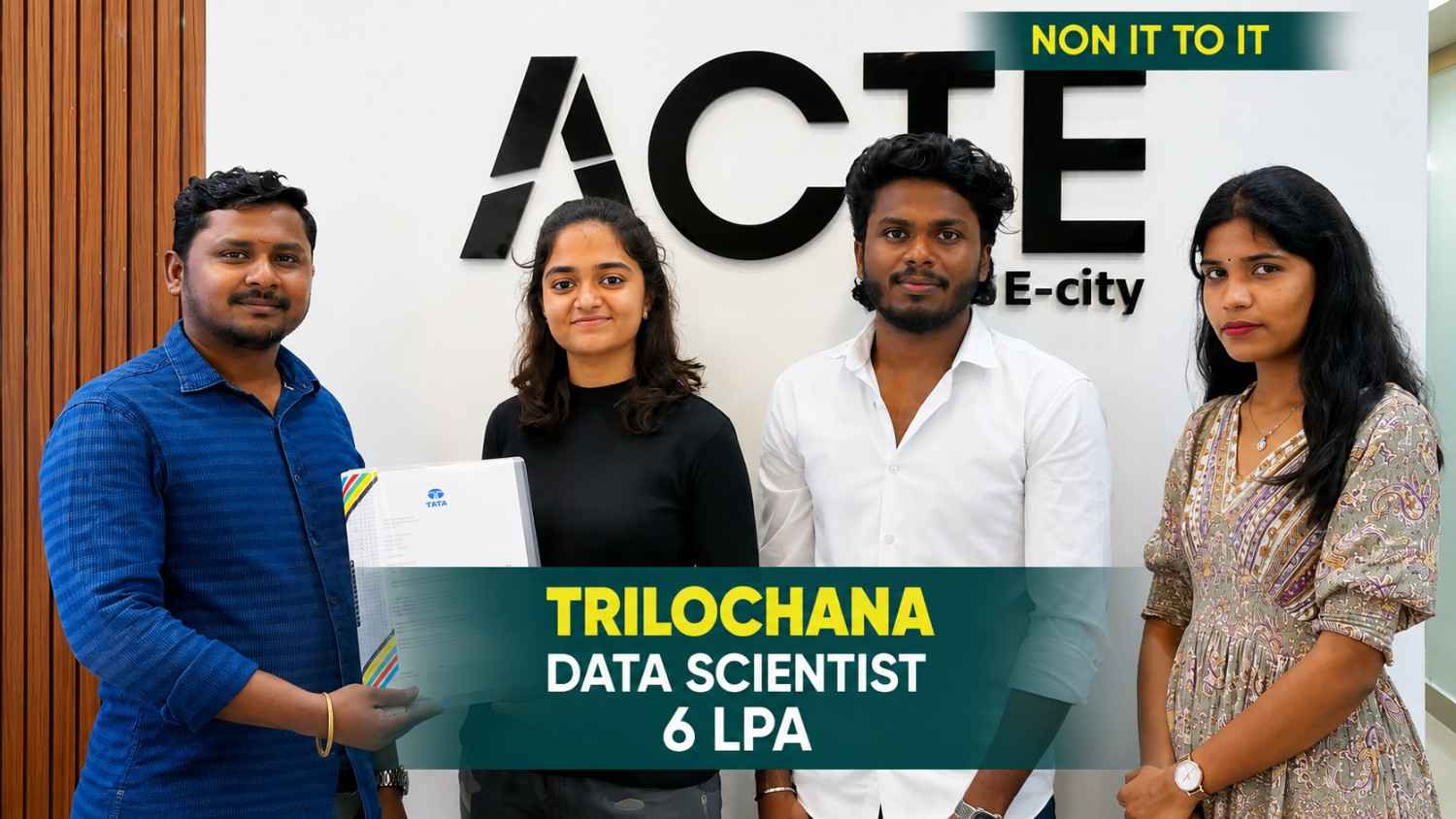
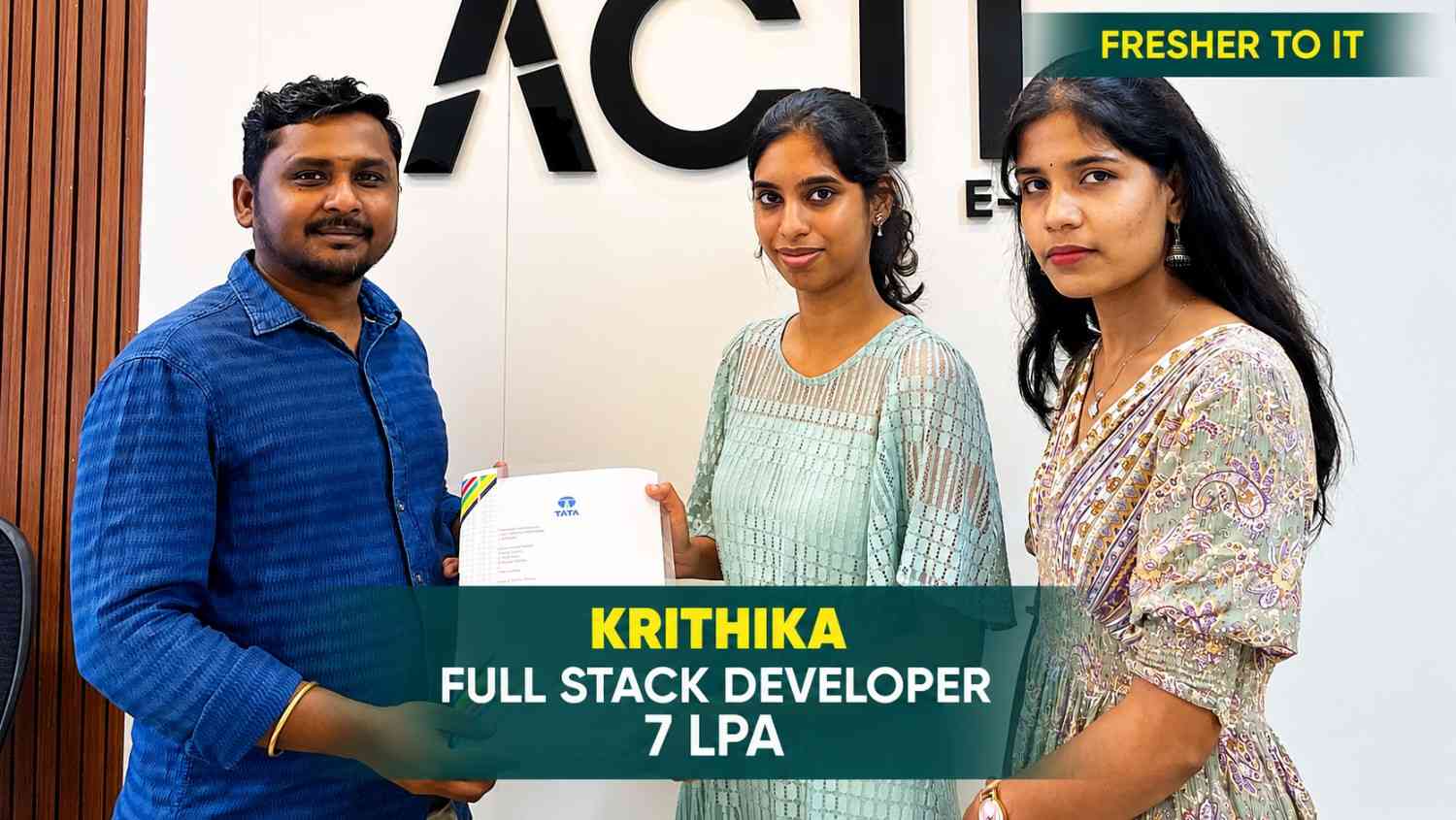
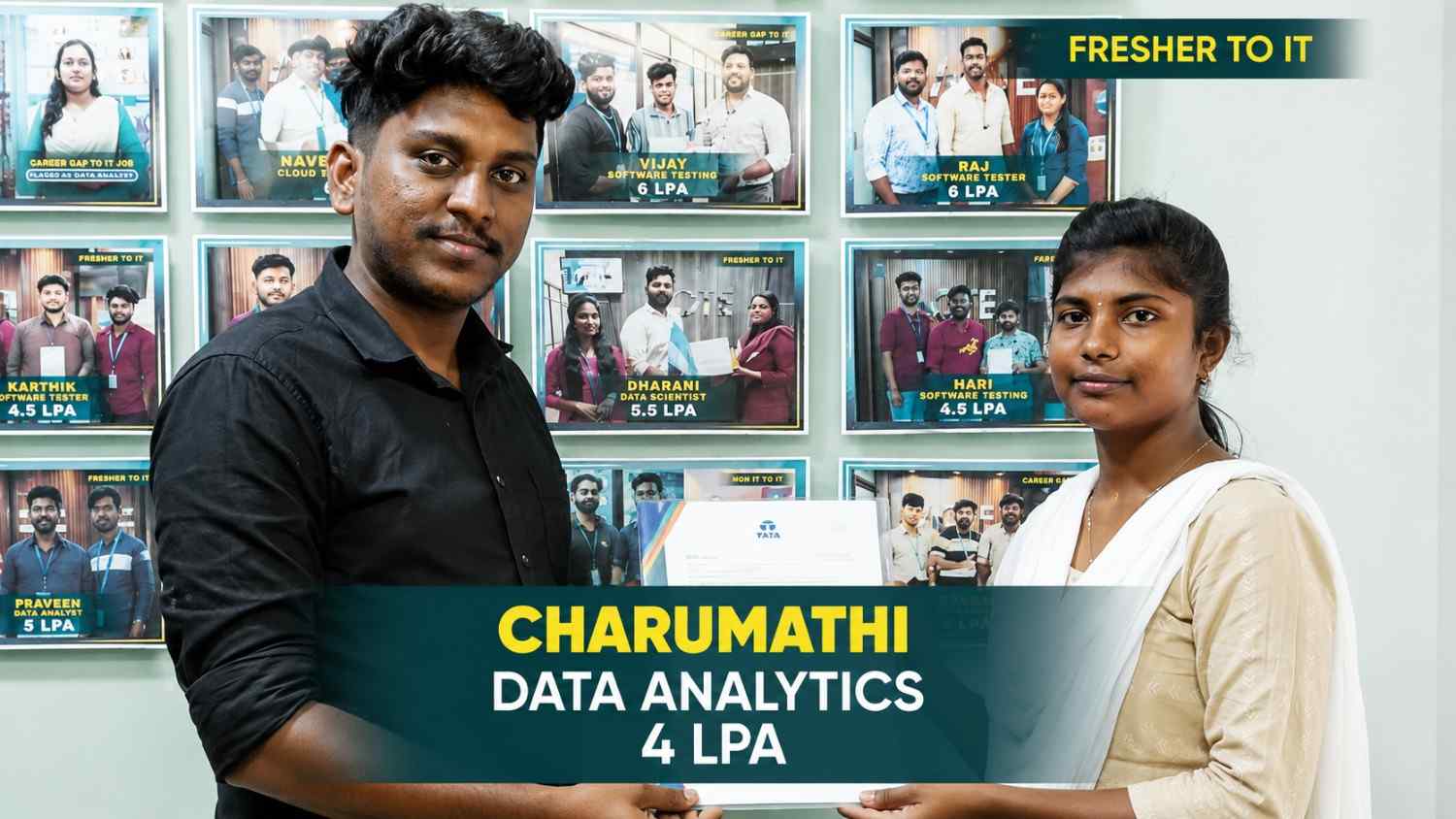
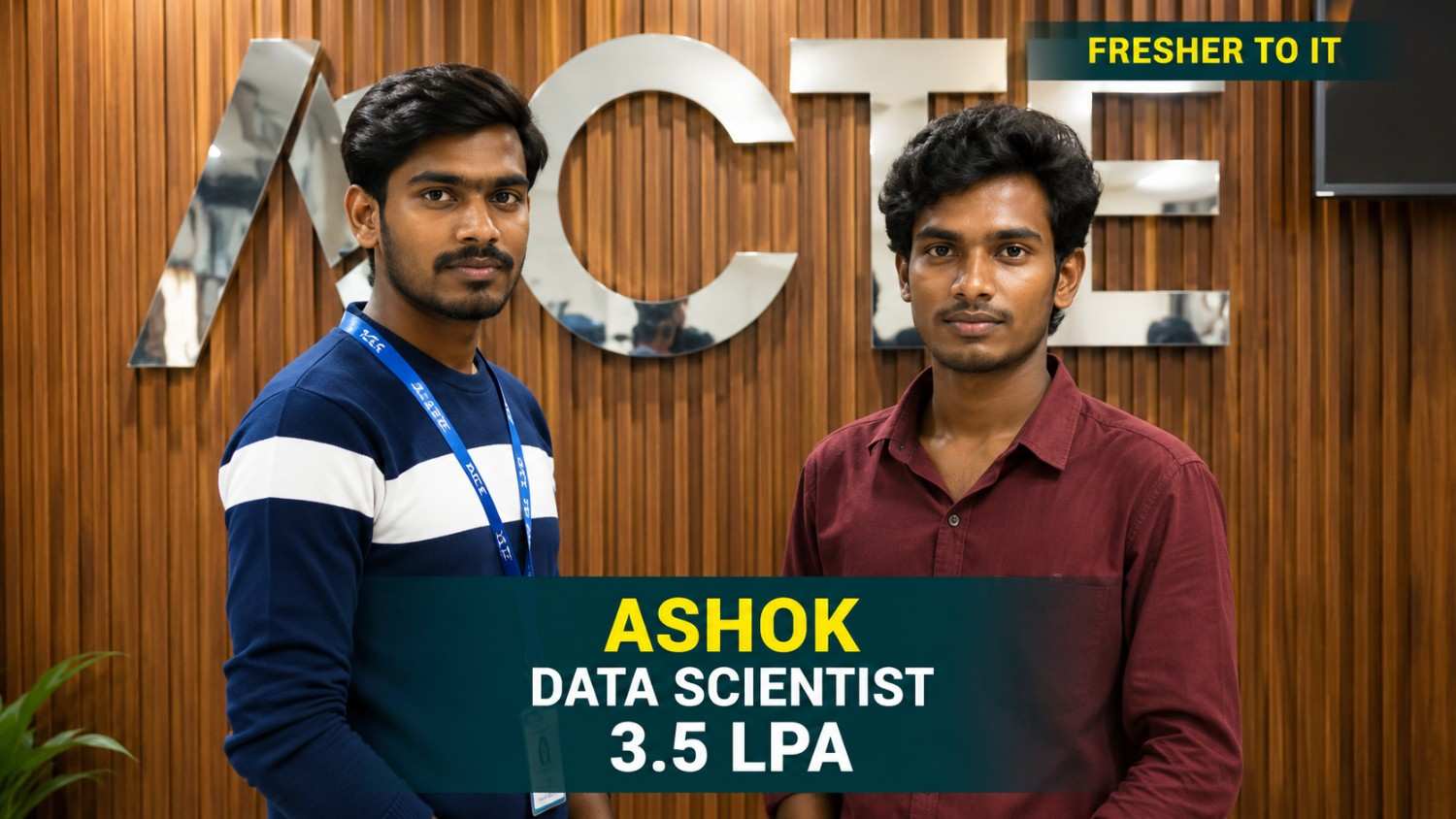
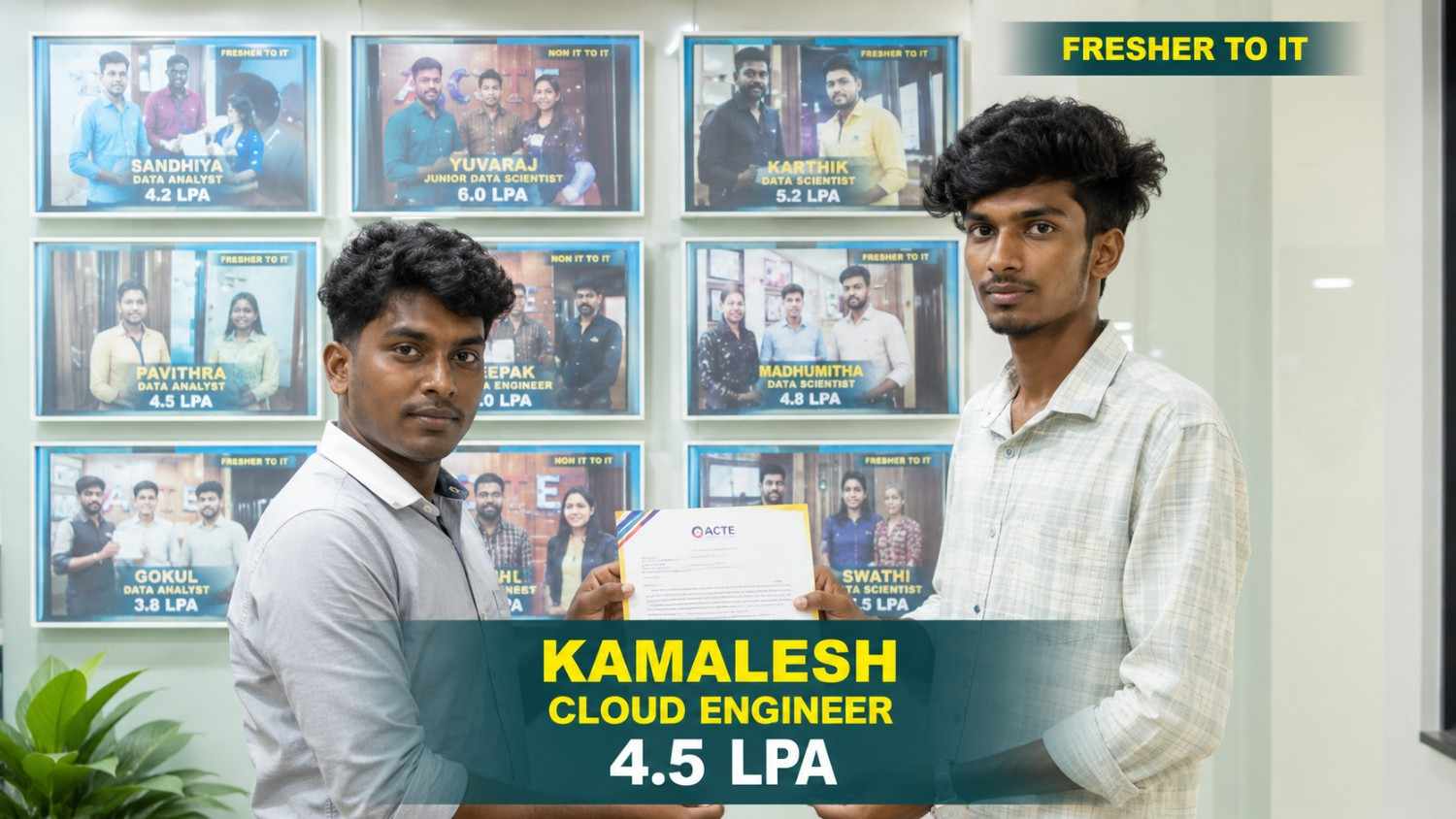
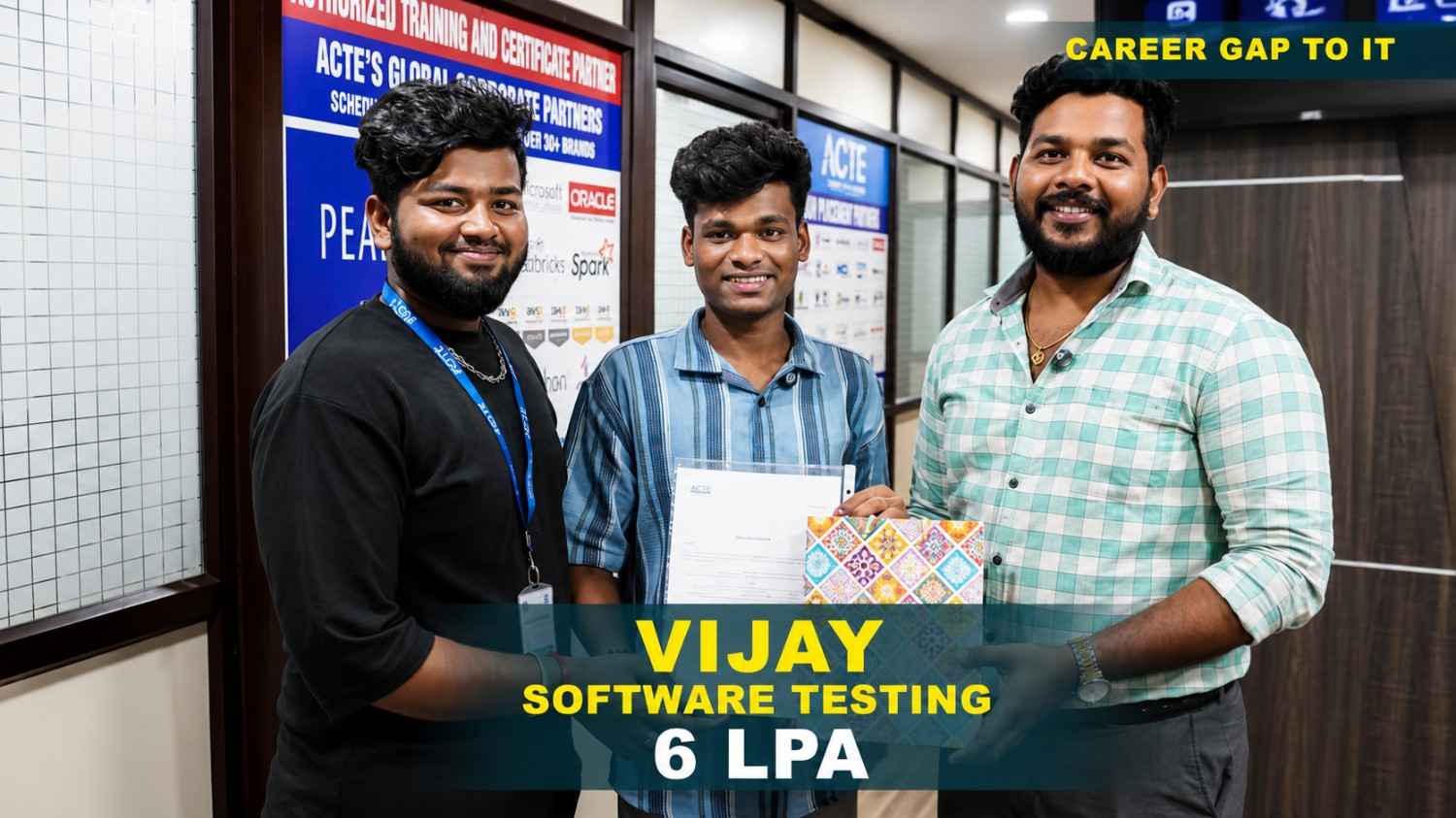
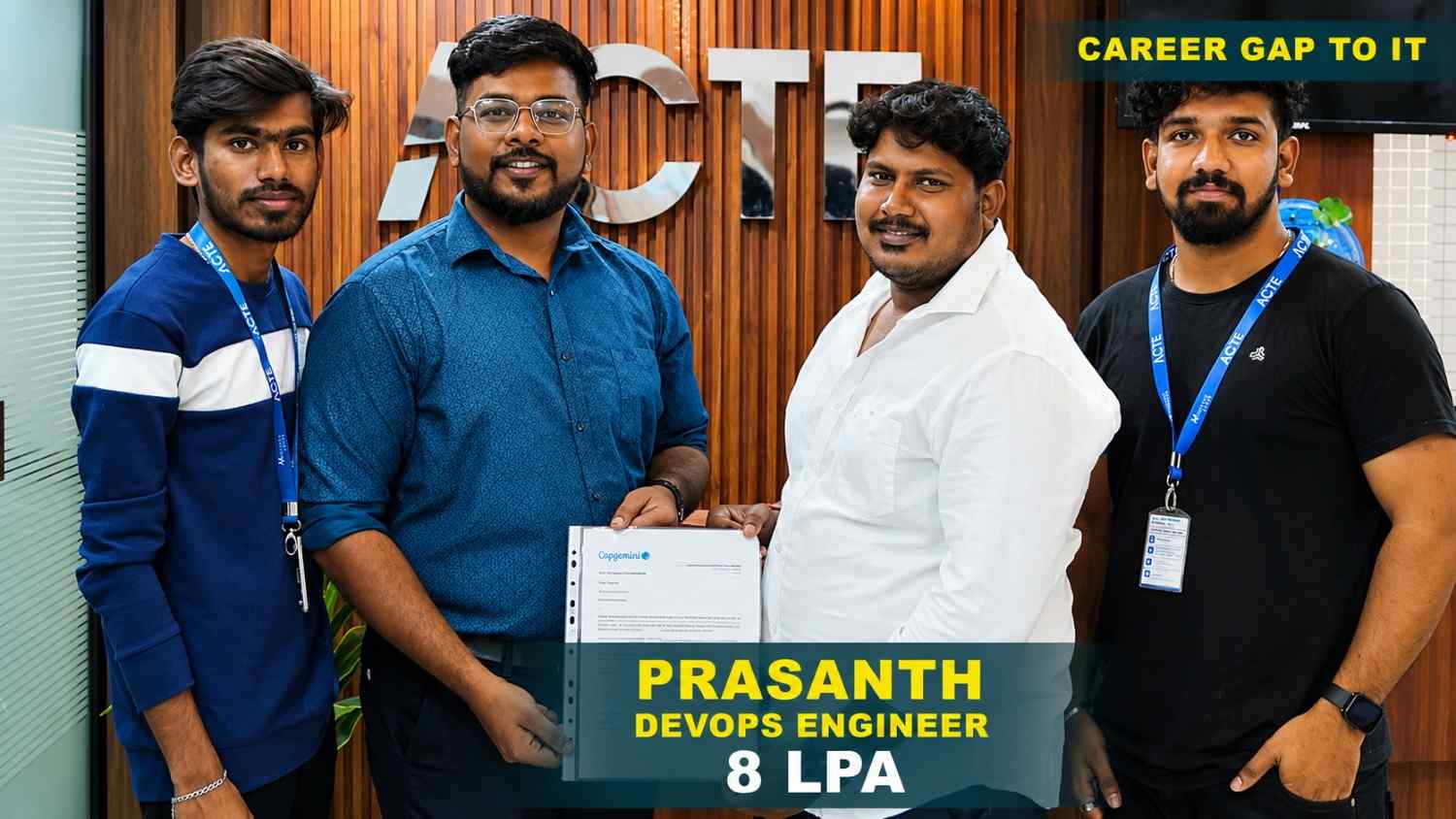
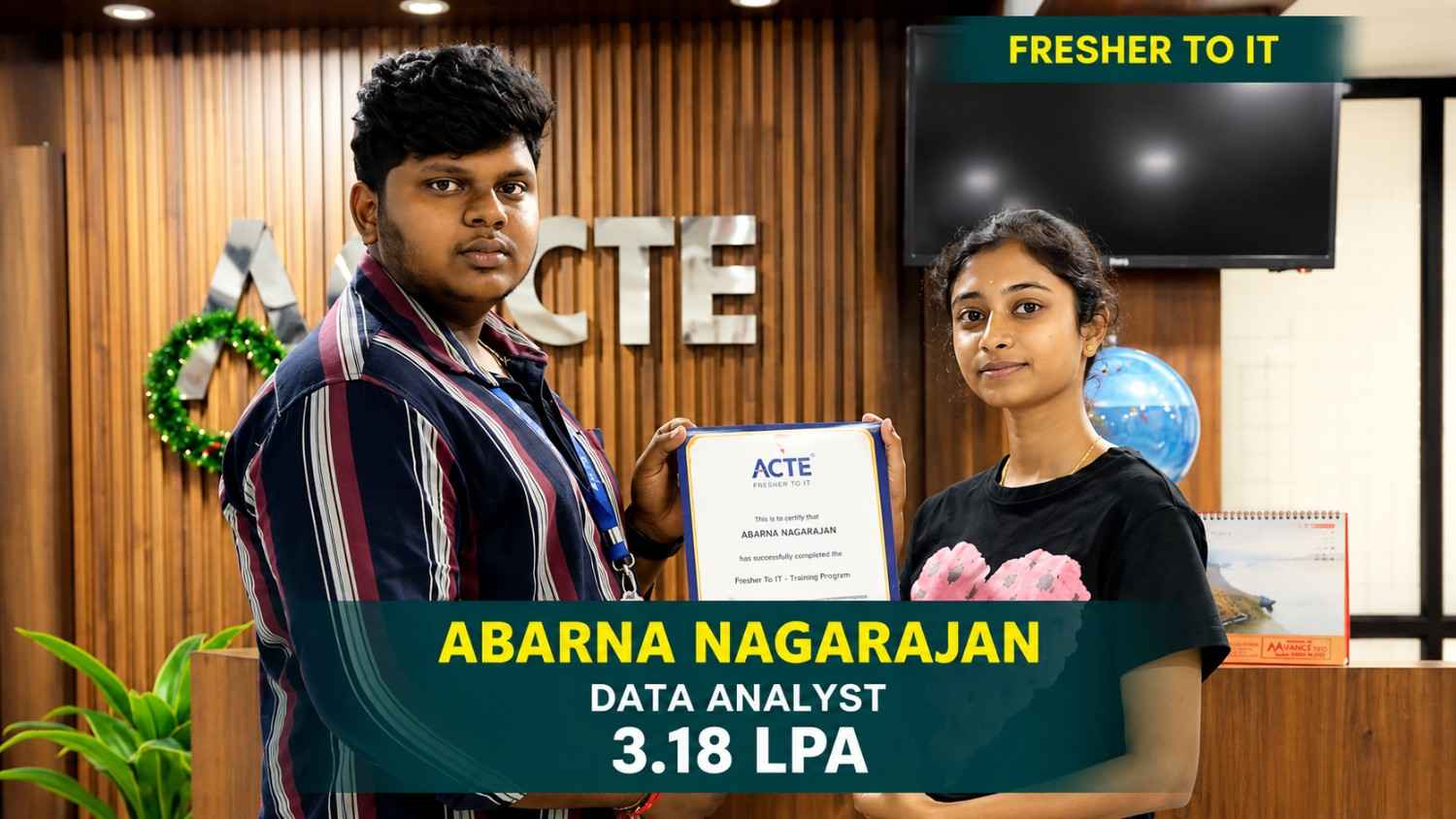
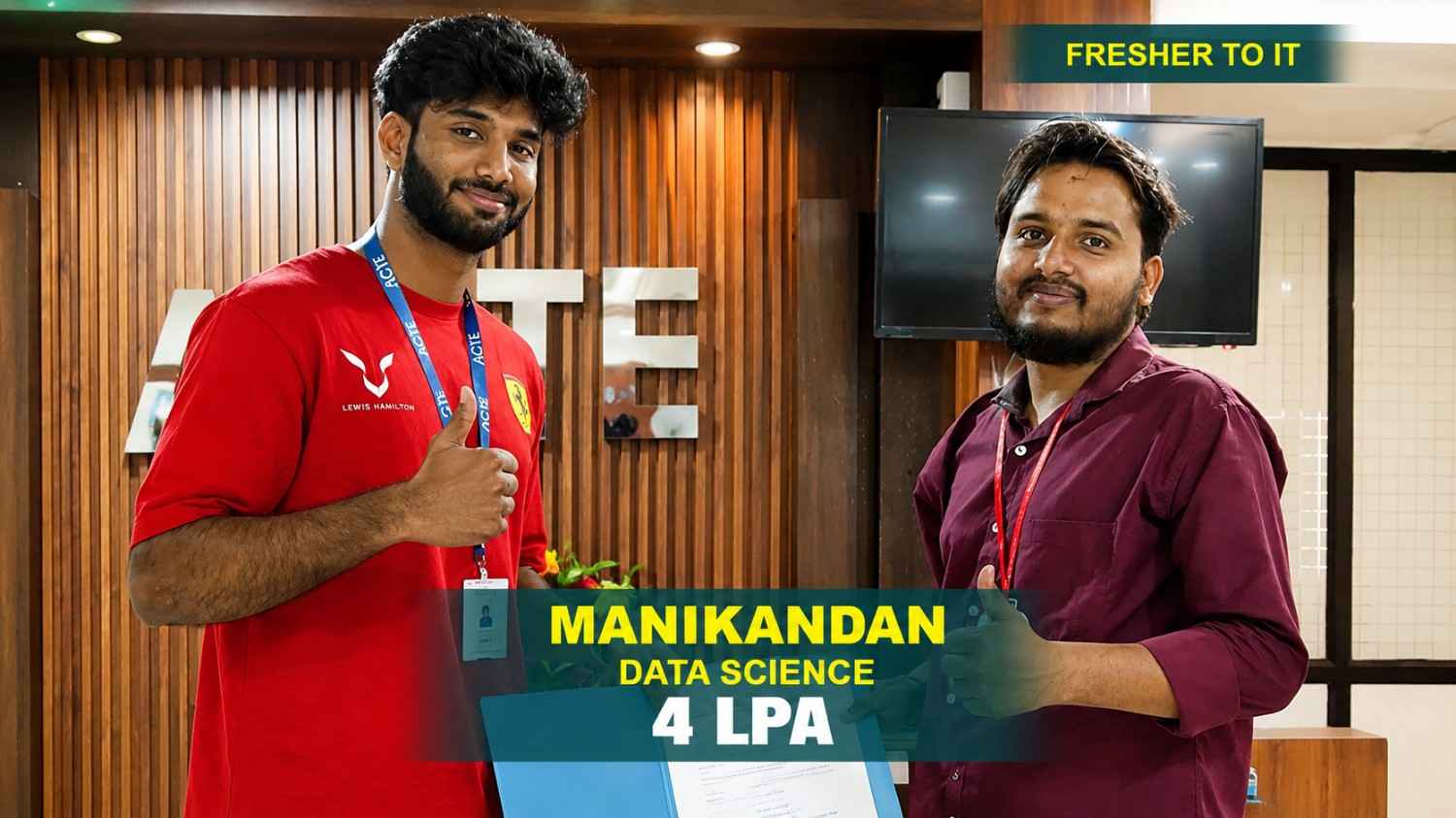
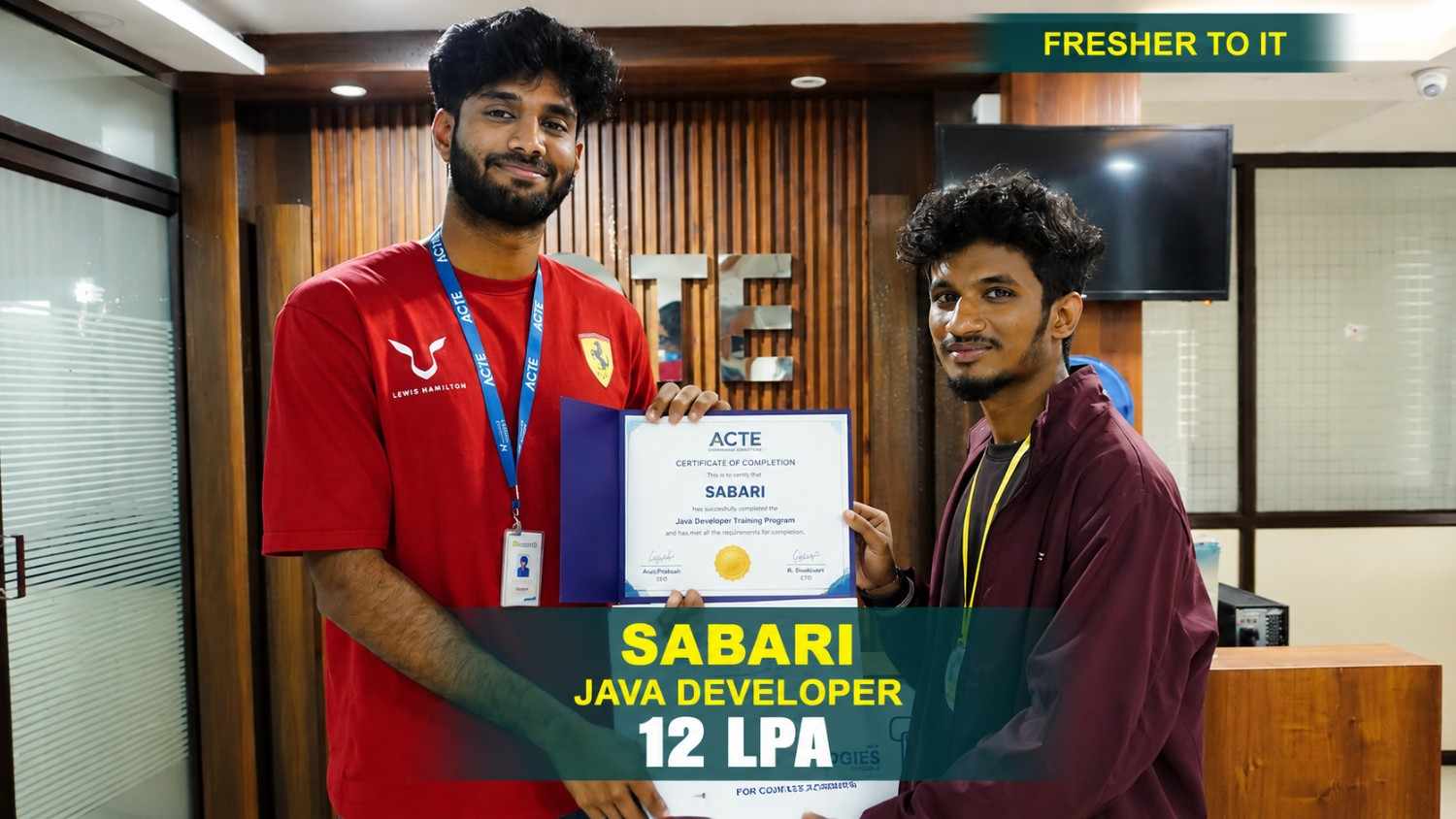
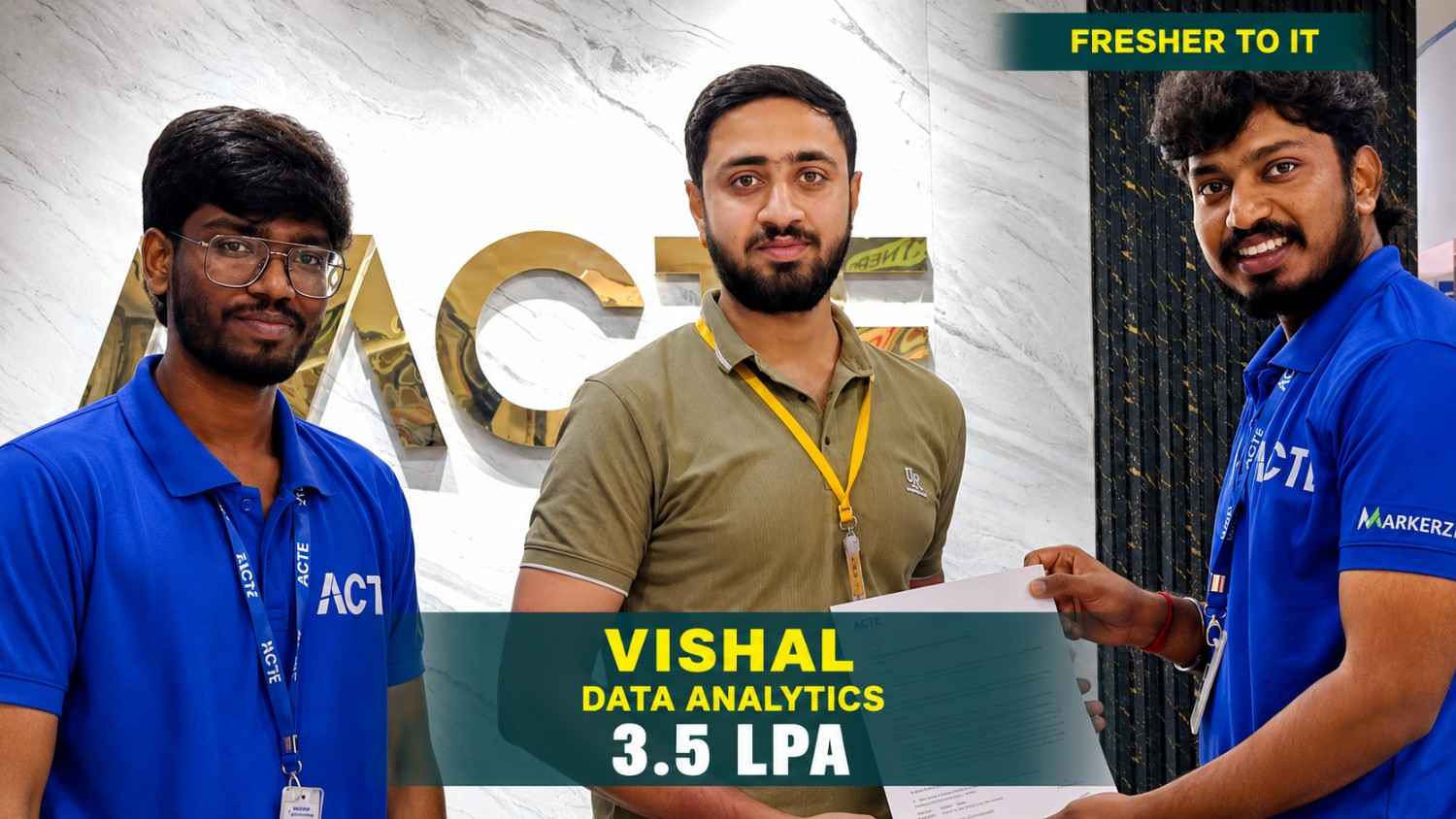
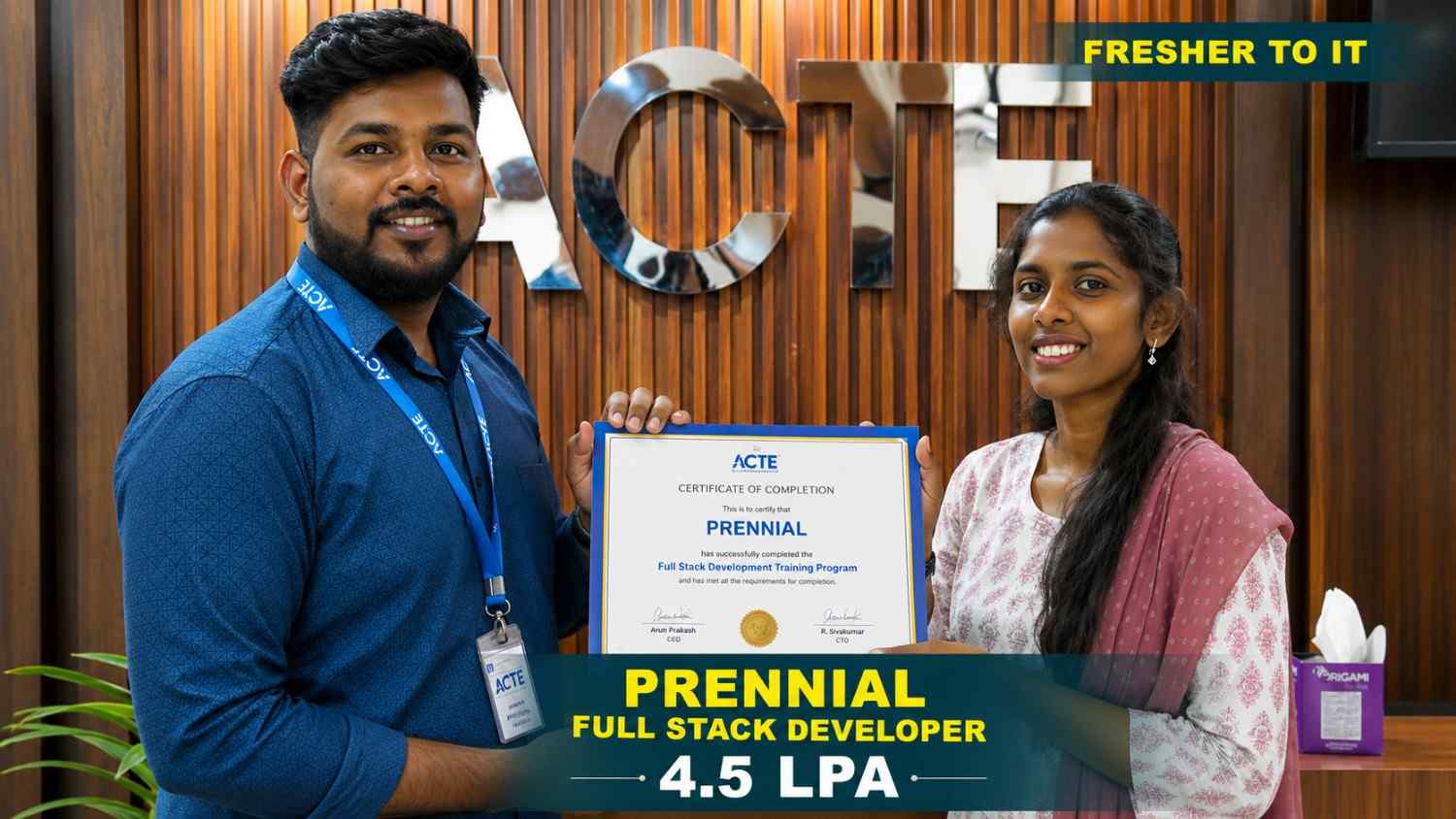
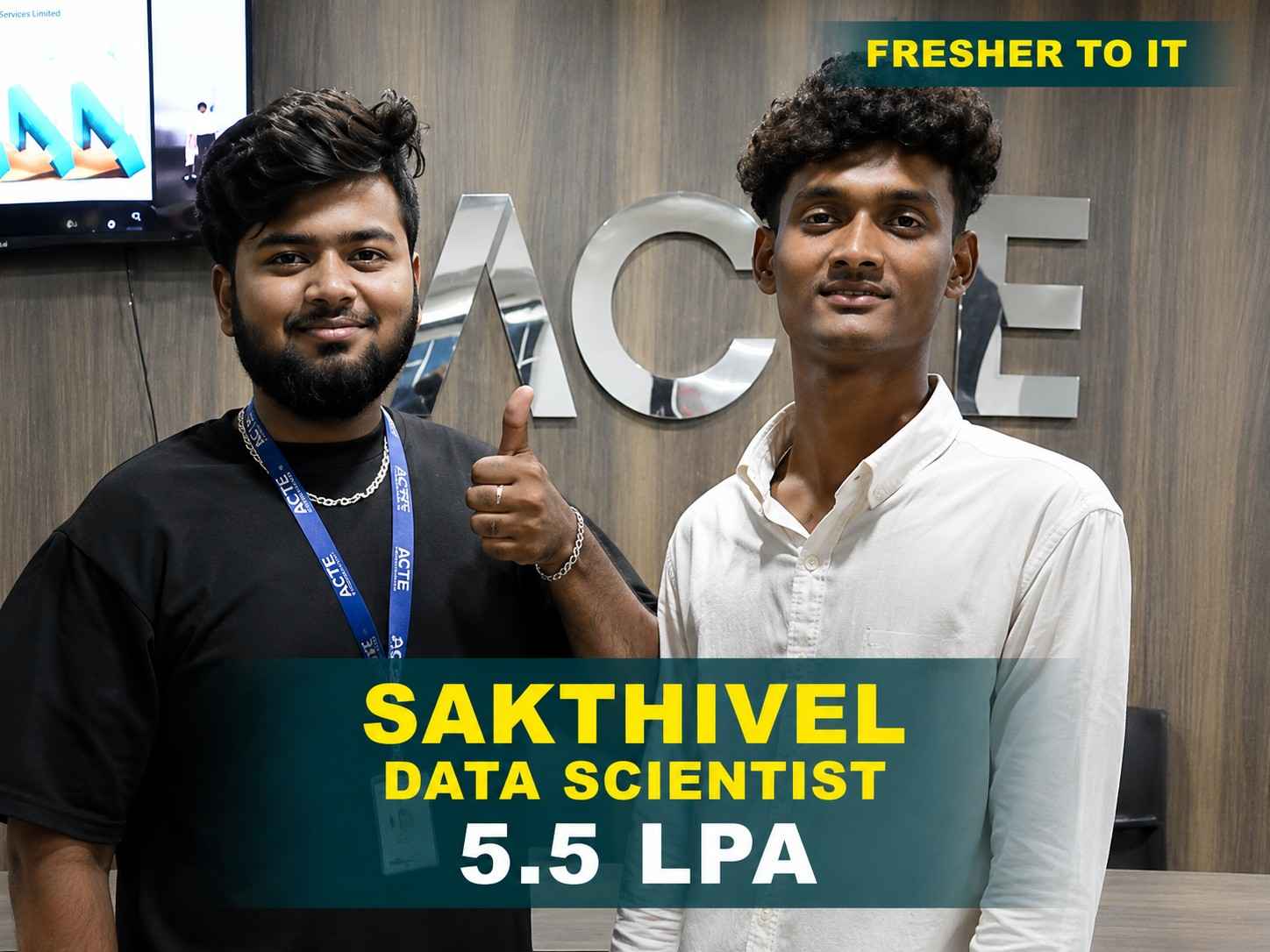
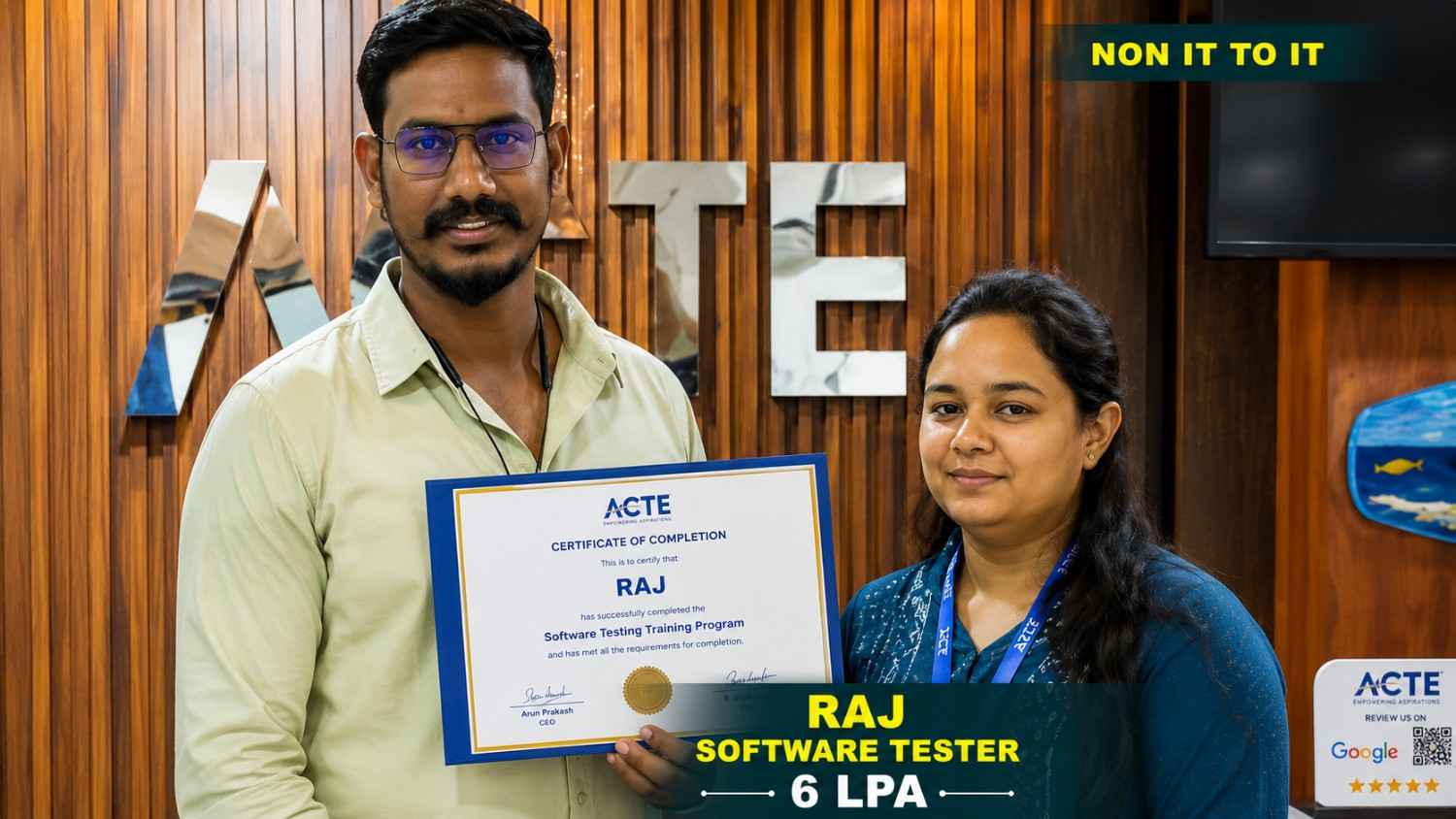
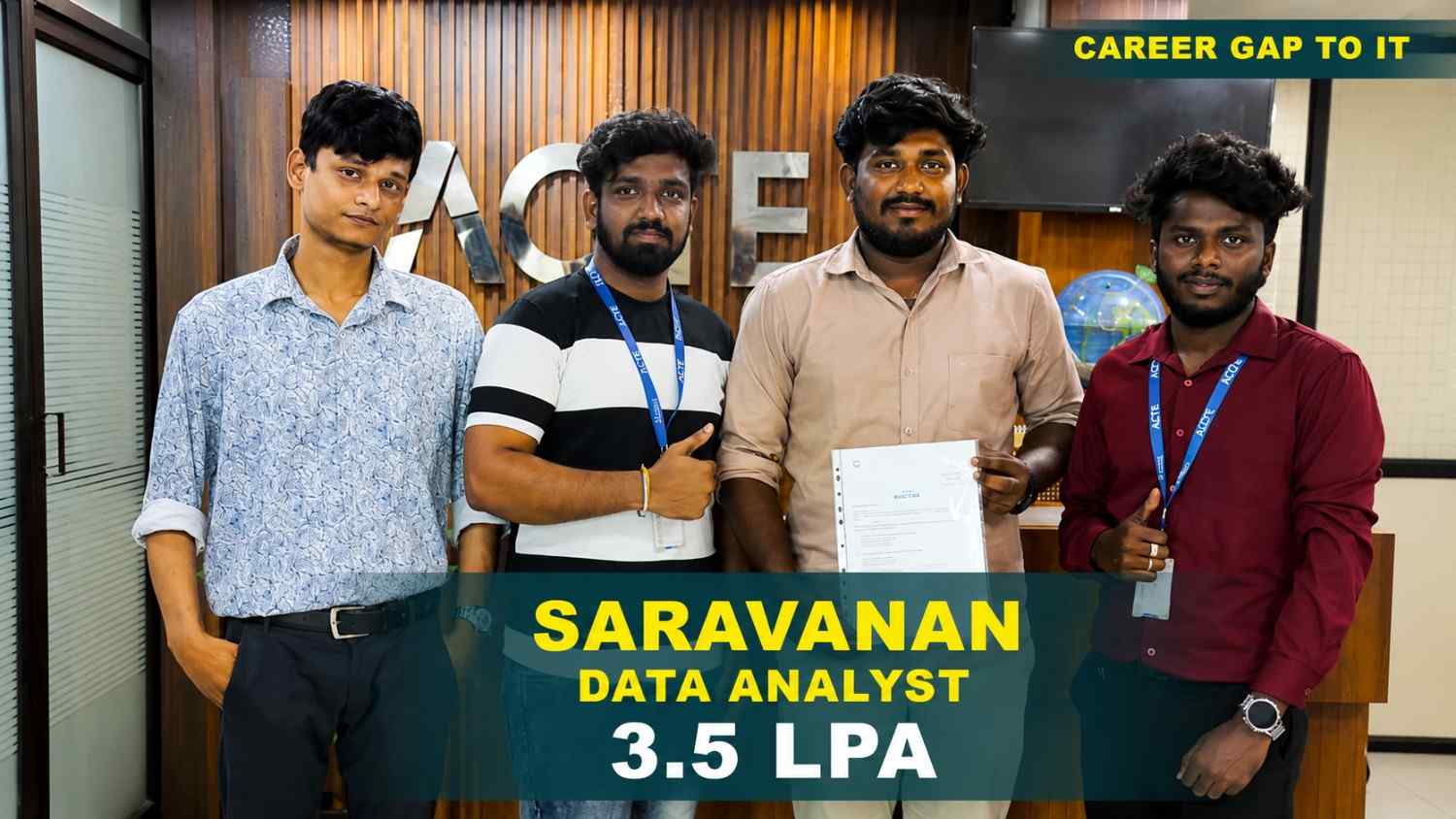
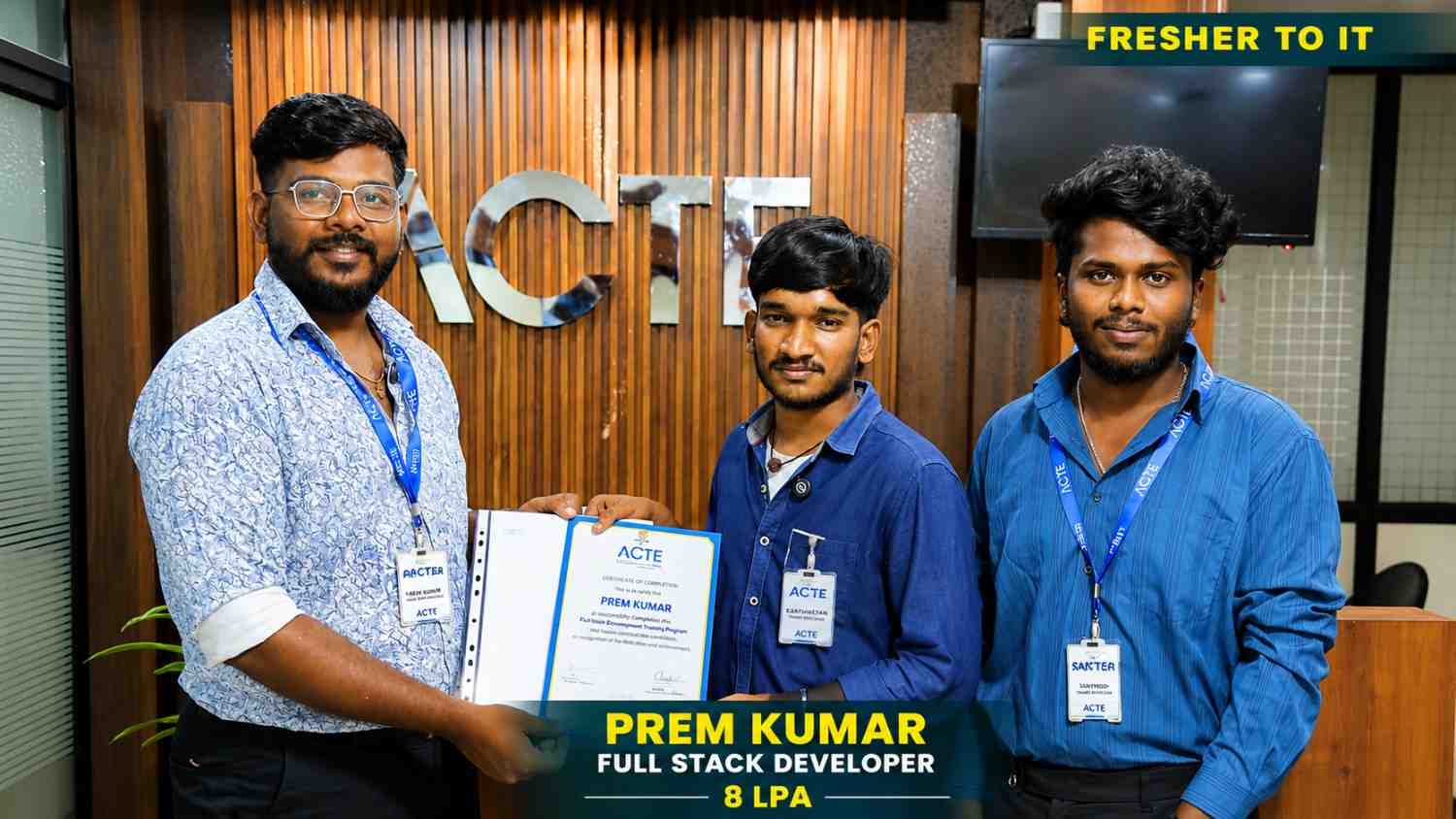
550+ Students Placed Every Month Be The Next!









Our Hiring Partners

Curriculum Designed By Experts
Expertly designed curriculum for future-ready professionals.
Industry Oriented Curriculum
An exhaustive curriculum designed by our industry experts which will help you to get placed in your dream IT company
-
30+ Case Studies & Projects
-
9+ Engaging Projects
-
10+ Years Of Experience
PLC and SCADA Training Projects
Become a PLC and SCADA Expert With Practical and Engaging Projects.
- Practice essential Tools
- Designed by Industry experts
- Get Real-world Experience
Automatic Street Light Control
Objective: Automate street lights based on ambient light levels.Tools: LDR sensor, PLC (basic model), relay module . Learning: Basic sensor interfacing
Traffic Light Simulation System
Objective: Simulate traffic light patterns for a 4-way intersection.Tools: Timers, counters, basic PLC logic.Learning: Timer sequences and output switching.
Water Level Monitoring System
Objective: Control motor based on tank water levels.Tools: Float sensors, PLC, HMI (optional).Learning: Digital input/output programming and interlocking.
Temperature-Based Fan Control System
Objective: Operate a fan based on room temperature levels.Tools: Thermocouple, analog module, SCADA interface . Learning: Analog signal processing and SCADA visualization.
Elevator Control Model
Objective: Simulate an elevator system for small buildings . Tools: Proximity sensors, timers, PLC with SCADA panel . Learning: Sequence programming and logical decision-making.
Bottle Filling Automation with SCADA
Objective: Automate bottle filling using a PLC-SCADA combo . Tools: Proximity sensors, valves, flow sensors, SCADA software.Learning: Integration of sensors and real-time monitoring.
SCADA-Based Energy Management System
Objective: Monitor and control energy consumption in a plant.Tools: Smart meters, SCADA software, industrial PLC . Learning: Data logging.
PLC-Based Automatic Packing Line Control
Objective: Automate packing and labeling in manufacturing.Tools: Multiple conveyor belts, sensors, actuators . Learning: Complex sequencing
Oil & Gas Pipeline Monitoring Using SCADA
Objective: Monitor pressure, flow, and leak detection . Tools: Flow meters, SCADA, PLC controllers.Learning: Remote monitoring, security, and SCADA alerts.
Career Support
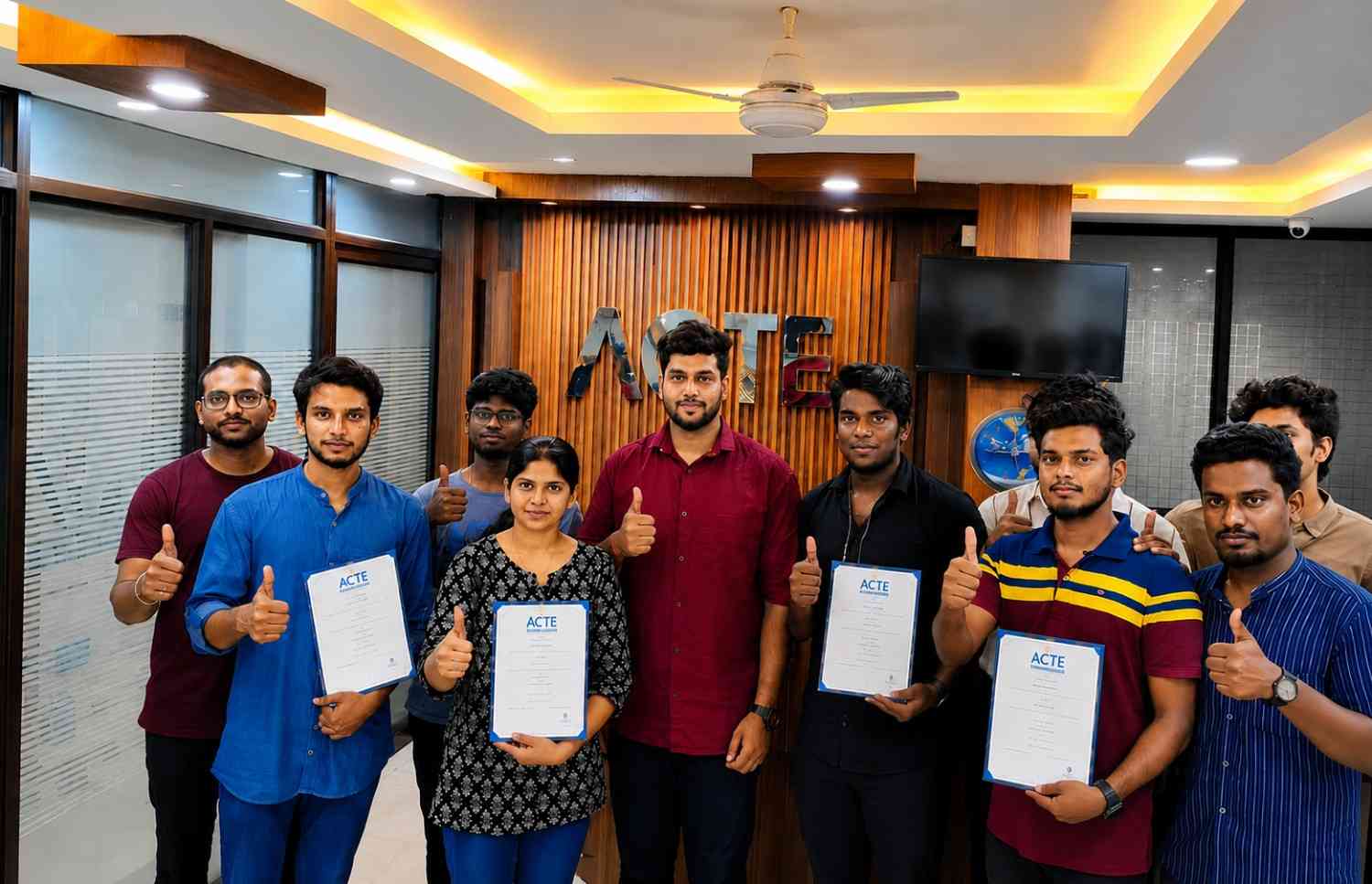

Placement Assistance

Exclusive access to ACTE Job portal

Mock Interview Preparation

1 on 1 Career Mentoring Sessions

Career Oriented Sessions

Resume & LinkedIn Profile Building
Key Features

Practical Training

Global Certifications

Flexible Timing

Trainer Support

Study Material

Placement Support

Mock Interviews

Resume Building
Upcoming Batches
What's included

 Free Aptitude and
Technical Skills Training
Free Aptitude and
Technical Skills Training
- Learn basic maths and logical thinking to solve problems easily.
- Understand simple coding and technical concepts step by step.
- Get ready for exams and interviews with regular practice.

 Hands-On Projects
- Work on real-time projects to apply what you learn.
- Build mini apps and tools daily to enhance your coding skills.
- Gain practical experience just like in real jobs.

 AI Powered Self
Interview Practice Portal
AI Powered Self
Interview Practice Portal
- Practice interview questions with instant AI feedback.
- Improve your answers by speaking and reviewing them.
- Build confidence with real-time mock interview sessions.

 Interview Preparation
For Freshers
Interview Preparation
For Freshers
- Practice company-based interview questions.
- Take online assessment tests to crack interviews
- Practice confidently with real-world interview and project-based questions.

 LMS Online Learning
Platform
LMS Online Learning
Platform
- Explore expert trainer videos and documents to boost your learning.
- Study anytime with on-demand videos and detailed documents.
- Quickly find topics with organized learning materials.
- Learning strategies that are appropriate and tailored to your company's requirements.
- Live projects guided by instructors are a characteristic of the virtual learning environment.
- The curriculum includes of full-day lectures, practical exercises, and case studies.

PLC and SCADA Training Overview
PLC and SCADA Training in Siruseri with Potential Career Paths
A career in PLC and SCADA Placement Training in Siruseri opens doors to a wide spectrum of industries and job roles within the field of industrial automation. Professionals trained in PLC and SCADA can become Automation Engineers, Instrumentation Engineers, Control System Engineers, or Maintenance Engineers in sectors such as manufacturing, oil & gas, power plants, food processing, pharmaceuticals, and more. With industrial automation becoming essential in modern industries, demand for skilled PLC and SCADA experts continues to grow. Over time, one can move into specialized roles like SCADA Analyst, PLC Software Developer, or System Integrator, or transition into leadership positions such as Project Manager or Automation Consultant. With experience, professionals may also explore roles in IoT-based automation, smart factories, and industry 4.0 implementations, making this field a launchpad for a rewarding and futuristic technical career.
The Requirements for Learning PLC and SCADA Training in Siruseri
- Educational Background: To enroll in a PLC and SCADA course, having a foundational knowledge of electrical or electronics principles is helpful. This doesn't necessarily mean you must have an advanced degree—diploma holders
- Technical Skills: Basic computer skills are important, as you'll be working with simulation software and control programs. You should know how to install software, create folders, run simple programs, and handle
- Hardware Awareness: Some prior exposure to industrial components like motors, relays, push buttons, sensors (IR, proximity, level, etc.), and control panels is very useful. It allows you to relate theoretical knowledge
- Software Familiarity: Although not mandatory, knowledge of electrical CAD software (like AutoCAD Electrical) or basic simulation tools gives you a clear advantage. Understanding how to create circuits, simulate signal flow
- Mindset and Goals: Most importantly, you need the right mindset. PLC and SCADA professionals often work in industrial environments, production plants, or field locations, so a willingness to engage with hands-on machinery
Enrolling in PLC and SCADA Certification Course in Siruseri
Enrolling in a PLC and SCADA Course Training in Siruseri is a strategic decision for anyone looking to build a strong foundation in industrial automation, a field that is rapidly expanding in the era of Industry 4.0. This training equips individuals with hands-on skills that are highly valued across sectors including manufacturing, oil and gas, water treatment, energy, and smart infrastructure. By learning PLC and SCADA, students gain the ability to automate, monitor, and troubleshoot real-time industrial processes—skills that are both future-proof and globally in demand. Additionally, the course opens up diverse job opportunities, higher salary prospects, and the ability to work on cutting-edge technologies such as IoT, robotics, and AI-integrated control systems. Whether you're a student, a fresh graduate, or an experienced technician seeking upskilling, PLC and SCADA training gives you the competitive edge and job-ready capabilities in one of the most impactful fields of engineering.
Techniques and Trends in PLC and SCADA Placement Training in Siruseri
- Modular PLC Programming Techniques: This approach involves breaking down the PLC program into independent, reusable blocks or functions. These blocks can be reused across multiple projects, making programming faster and more consistent.
- SCADA Cloud Integration: Modern SCADA systems are evolving beyond local servers and are now capable of connecting to cloud platforms like AWS, Microsoft Azure, or Google Cloud. This allows remote monitoring, control
- IoT and IIoT Integration: With the Industrial Internet of Things (IIoT), PLCs can now communicate with smart sensors, meters, and machines using internet protocols. This connectivity allows for advanced capabilities like condition
- Edge Computing in Automation: Instead of sending all data to a centralized server, edge computing processes data closer to the source, i.e., at the edge of the network—right where the sensors or PLCs are. This trend is being adopted in SCADA
- Cybersecurity in Automation: As industrial control systems get connected to the internet, cybersecurity has become essential. New-generation PLC and SCADA setups include encryption techniques, secure user authentication, role-based
The Most Recent PLC and SCADA Certification Course in Siruseri with Tool
The industrial automation landscape is evolving quickly, with new-age tools and platforms enhancing the power and flexibility of PLC and SCADA systems. Today’s professionals are working with advanced PLCs from Siemens (S7-1200/1500 series), Allen Bradley (CompactLogix, ControlLogix), Schneider (Modicon M340/M580), and Delta PLCs. These PLCs offer faster processing, Ethernet/IP communication, and better integration capabilities. On the SCADA side, tools such as Wonderware InTouch, Siemens WinCC, Ignition by Inductive Automation, and GE iFIX are leading the market. These platforms support real-time HMI development, data logging, alarm configuration, and even mobile dashboards. Many of them are cloud-ready, allowing remote operations and integration with enterprise software like ERP systems. The trend is clearly toward more modular, secure, and intelligent systems that support digital transformation in the industrial sector.
Career Opportunities After PLC and SCADA Training
PLC Programmer
A PLC Programmer is responsible for designing, developing, and testing control logic using Programmable Logic Controllers (PLCs). Their core role involves writing ladder logic or function block diagrams to automate
SCADA Engineer
A SCADA Engineer specializes in configuring and maintaining Supervisory Control and Data Acquisition systems used to monitor and control industrial processes. They create (HMIs),
Automation Engineer
Automation Engineers play a critical role in developing end-to-end automated systems by integrating PLCs, SCADA systems, sensors, actuators, and other control devices. They are responsible for process
Industrial Maintenance Technician
An Industrial Maintenance Technician with PLC specialization is tasked with maintaining, troubleshooting, and repairing industrial machinery and automated equipment. They regularly work on diagnosing PLC issues
Control Systems Engineer
A Control Systems Engineer designs and implements complex control systems for process industries. They focus on building scalable systems using PLCs and SCADA platforms, integrating them with distributed
Instrumentation & Control Engineer
This role involves the selection, installation, and calibration of instruments and control systems in industrial setups. The Instrumentation & Control Engineer ensures that sensors, transmitters
Skill to Master
Ladder Logic Programming
PLC Hardware Configuration
SCADA Interface Development
Industrial Communication Protocols
Sensor and Actuator Integration
Fault Diagnosis and Troubleshooting
Panel Wiring and Circuit Design
Data Logging and Alarm Management
Programming with Timers and Counters
Virtual Commissioning and Simulation
Industrial Safety Standards
System Integration and Commissioning
Tools to Master
Siemens TIA Portal
Allen-Bradley RSLogix 500
Schneider EcoStruxure Machine Expert
WPLSoft / Delta PLC Software
WinCC
Wonderware InTouch
Ignition SCADA by Inductive Automation
CODESYS
Factory I/O
AutoCAD Electrical
Multimeter and Testing Tools
HMI Panels
Learn from certified professionals who are currently working.

Training by
Ramesh, having 7 yrs of experience
Specialized in: Industrial Automation Design, PLC Programming (Siemens, Allen-Bradley), and SCADA Interface Development.
Note: Ramesh is well-known for his in-depth understanding of real-time automation and control systems, and his hands-on teaching approach using industrial-grade simulators.
Premium Training at Best Price
Affordable, Quality Training for Freshers to Launch IT Careers & Land Top Placements.
What Makes ACTE Training Different?
Feature
ACTE Technologies
Other Institutes
Affordable Fees
Competitive Pricing With Flexible Payment Options.
Higher Fees With Limited Payment Options.
Industry Experts
Well Experienced Trainer From a Relevant Field With Practical Training
Theoretical Class With Limited Practical
Updated Syllabus
Updated and Industry-relevant Course Curriculum With Hands-on Learning.
Outdated Curriculum With Limited Practical Training.
Hands-on projects
Real-world Projects With Live Case Studies and Collaboration With Companies.
Basic Projects With Limited Real-world Application.
Certification
Industry-recognized Certifications With Global Validity.
Basic Certifications With Limited Recognition.
Placement Support
Strong Placement Support With Tie-ups With Top Companies and Mock Interviews.
Basic Placement Support
Industry Partnerships
Strong Ties With Top Tech Companies for Internships and Placements
No Partnerships, Limited Opportunities
Batch Size
Small Batch Sizes for Personalized Attention.
Large Batch Sizes With Limited Individual Focus.
LMS Features
Lifetime Access Course video Materials in LMS, Online Interview Practice, upload resumes in Placement Portal.
No LMS Features or Perks.
Training Support
Dedicated Mentors, 24/7 Doubt Resolution, and Personalized Guidance.
Limited Mentor Support and No After-hours Assistance.
We are proud to have participated in more than 40,000 career transfers globally.

PLC and SCADA Certification


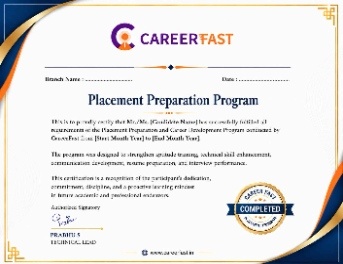
Pursuing a PLC and SCADA Training certification is a smart move for professionals seeking to build or advance a career in industrial automation.
The program offers a job guarantee to eligible participants, though outcomes may depend on prior experience. Completing the training helps candidates stand out in a competitive job market and increases the number of interview calls, enhancing their career opportunities.
Most certification programs do not mandate strict prerequisites. However, having a background in electrical, electronics, or instrumentation engineering is beneficial.
The training is available through reputed institutes, ensuring high-quality learning and recognized credentials. It also offers remote proctoring support for secure and convenient online assessments. Participants are provided with guidance on technical requirements to ensure a smooth learning experience, along with **flexible scheduling options that accommodate both students and working professionals.
Real-world experience is a valuable asset, but it is not always a strict requirement to earn your PLC and SCADA certification.
Yes, ACTE’s PLC and SCADA Training Certification is worth the investment due to its industry-oriented curriculum, expert trainers, and real-time project exposure.
Frequently Asked Questions
- Yes, ACTE offers free demo sessions for all courses, including PLC and SCADA. These demos allow participants to explore the course content, experience the teaching style, and familiarize themselves with the platform interface before enrolling.
- ACTE instructors are industry experts with extensive experience in PLC, SCADA, and industrial automation. Each instructor holds advanced degrees in fields like Electrical Engineering, Mechatronics
- Yes, ACTE provides placement assistance through collaborations with leading industrial companies. The support includes resume building, mock interviews, and job readiness training, helping participants prepare effectively for real-world employment opportunities.
- Upon completion of the PLC and SCADA course, you will receive a certificate from ACTE, which is recognized by many leading companies in the automation industry
- Yes, students at ACTE have the opportunity to work on live projects during their PLC and SCADA training. These projects are designed to simulate real-world automation scenarios, helping students gain hands-on experience
