
550+ Students Placed Every Month Be The Next!



Our Hiring Partners

Curriculum Designed By Experts
Expertly designed curriculum for future-ready professionals.
Industry Oriented Curriculum
An exhaustive curriculum designed by our industry experts which will help you to get placed in your dream IT company
-
30+ Case Studies & Projects
-
9+ Engaging Projects
-
10+ Years Of Experience
Cloud Computing Training Projects
Become a Cloud Computing Expert With Practical and Engaging Projects.
- Practice essential Tools
- Designed by Industry experts
- Get Real-world Experience
Deploy a Static Website Using AWS S3
Create and host a simple static website using Amazon S3. This project involves uploading HTML, CSS, and JavaScript files to an S3 bucket and configuring the bucket for web hosting.
Create a Virtual Machine on GCP
Launch a basic virtual machine (VM) instance using Google Compute Engine. Learn how to configure and manage VM settings and understand basic cloud infrastructure concepts.
Build a Serverless Function with AWS Lambda
Develop and deploy a simple serverless function using AWS Lambda. This project can involve writing a function to process data or respond to events, such as an API call.
Implement a Cloud-Based Data Pipeline with AWS Glue
Design and build a data pipeline using AWS Glue for ETL (Extract, Transform, Load) operations. Integrate with S3, RDS, or Redshift for data processing and storage.
Deploy a Web Application with Docker and AWS ECS
Containerize a web application using Docker and deploy it using Amazon Elastic Container Service (ECS). This project involves understanding containerization and orchestration.
Develop a Multi-Tier Application on Google Cloud Platform
Build a multi-tier application involving front-end, back-end, and database layers on GCP. Use services like Google App Engine, Cloud SQL, and Cloud Storage.
Build and Deploy a Microservices Architecture on Kubernetes
Develop a microservices-based application and deploy it on a Kubernetes cluster managed by a cloud provider like AWS EKS, Google GKE, or Azure AKS.
Implement Cloud-Based Machine Learning Model with AWS SageMaker
Train and deploy a machine learning model using AWS SageMaker. This project involves data preparation, model training, and deploying an endpoint for inference.
Design a High-Availability and Fault-Tolerant Architecture on Azure
Create a robust, high-availability architecture using Azure services such as Virtual Machines, Azure Load Balancer, and Azure Traffic Manager. Ensure redundancy and failover capabilities.
Career Support


Placement Assistance

Exclusive access to ACTE Job portal

Mock Interview Preparation

1 on 1 Career Mentoring Sessions

Career Oriented Sessions

Resume & LinkedIn Profile Building
Key Features

Practical Training

Global Certifications

Flexible Timing

Trainer Support

Study Material

Placement Support

Mock Interviews

Resume Building
Upcoming Batches
What's included

 Free Aptitude and
Technical Skills Training
Free Aptitude and
Technical Skills Training
- Learn basic maths and logical thinking to solve problems easily.
- Understand simple coding and technical concepts step by step.
- Get ready for exams and interviews with regular practice.

 Hands-On Projects
- Work on real-time projects to apply what you learn.
- Build mini apps and tools daily to enhance your coding skills.
- Gain practical experience just like in real jobs.

 AI Powered Self
Interview Practice Portal
AI Powered Self
Interview Practice Portal
- Practice interview questions with instant AI feedback.
- Improve your answers by speaking and reviewing them.
- Build confidence with real-time mock interview sessions.

 Interview Preparation
For Freshers
Interview Preparation
For Freshers
- Practice company-based interview questions.
- Take online assessment tests to crack interviews
- Practice confidently with real-world interview and project-based questions.

 LMS Online Learning
Platform
LMS Online Learning
Platform
- Explore expert trainer videos and documents to boost your learning.
- Study anytime with on-demand videos and detailed documents.
- Quickly find topics with organized learning materials.
- Learning strategies that are appropriate and tailored to your company's requirements.
- Live projects guided by instructors are a characteristic of the virtual learning environment.
- The curriculum includes of full-day lectures, practical exercises, and case studies.

Cloud Computing Training Overview
Goals are achieved in a Cloud Computing Course Online
In a cloud computing Online Training, students achieve a range of goals, including gaining a solid understanding of cloud concepts, models, and services such as IaaS, PaaS, and SaaS. They learn to deploy, manage, and scale cloud infrastructure and applications effectively using major cloud platforms like AWS, Google Cloud, or Azure. The course typically covers critical topics such as cloud security, data management, and cost optimization, equipping students with practical skills for implementing cloud solutions.
Future works for Cloud Computing Training in Online
- Edge Computing: Edge computing will become more common as the need for real-time data processing increases. It entails handling data near its source, cutting down on bandwidth consumption and latency, and enhancing performance for the Internet of Things and autonomous car applications.
- Serverless Architectures: Serverless computing will continue to gain traction, allowing developers to focus on code without managing servers. As cloud providers handle the infrastructure and scaling automatically, this will lead to more scalable and cost-efficient solutions.
- Artificial Intelligence and Machine Learning Integration: Cloud platforms will increasingly integrate advanced AI and ML services, enabling more sophisticated data analytics, predictive modelling, and automation capabilities. This integration will drive innovations in various fields, from personalized recommendations to automated decision-making.
- Hybrid and Multi-Cloud Strategies: Organizations will embrace hybrid and multi-cloud strategies to reduce vendor lock-in, maximize savings, and boost resilience. This will require managing and integrating services from various cloud providers and on-premises systems.
- Enhanced Cloud Security: With increasing cyber threats, cloud providers will focus on advanced security measures, including improved encryption, threat detection, and compliance tools. Innovations in AI-driven security and zero-trust architectures will enhance the protection of cloud environments.
- Decentralized Cloud Computing: Emerging technologies like blockchain will contribute to decentralized cloud computing models, enhancing transparency, security, and data ownership. This approach may lead to new paradigms in data storage and processing.
New Cloud Computing Training in Online with frameworks Trainers
Newer cloud computing Online Certification course frameworks aim to improve integration, scalability, and flexibility. K3s is a thin Kubernetes distribution designed with edge and Internet of Things applications in mind. On Kubernetes, Knative simplifies the deployment and administration of serverless apps. The observability and startup of serverless functions can be customized via AWS Lambda Extensions, expanding their functionality. A completely managed platform for serverless containerized application execution is offered by Google Cloud Run. Unified management in hybrid and multi-cloud setups is made possible by Azure Arc.
Trends and Techniques used in Cloud Computing Course Program
- Serverless Computing: This approach abstracts server management away from developers, allowing them to focus solely on code. Services like AWS Lambda, Azure Functions, and Google Cloud Functions enable automatic scaling and pay-per-use pricing.
- Hybrid and Multi-Cloud Strategies: Organizations are increasingly using multiple cloud providers and combining on-premises infrastructure with cloud resources. This approach helps avoid vendor lock-in, optimize costs, and enhance disaster recovery.
- AI and Machine Learning Integration: Cloud platforms are integrating AI and ML services to offer automation, enhanced analytics, and predictive capabilities. Tools like AWS SageMaker, Azure Machine Learning, and Google AI Platform make training, scalability, and deployment of models easier.
- Containers and Kubernetes: Containers provide a consistent environment for applications, while Kubernetes orchestrates containerized applications across clusters. This combination enhances scalability, reliability, and deployment efficiency.
Cloud Computing Uses
Numerous fields can benefit from the flexible applications that cloud computing Training with Placement provides, such as big data analytics, hosting web and mobile applications, and scalable data storage. Cloud-based productivity tools are used to improve collaboration, disaster recovery solutions are offered, and machine learning and AI model deployment are supported. It also provides cloud gaming experiences, supports virtual desktop infrastructure, facilitates development and testing environments, and manages IoT data.
Career Opportunities After Cloud Computing
Cloud Solutions Architect
A cloud solutions architect develops and deploys cloud infrastructure solutions to meet a company's demands. They examine company objectives, draft architectural designs, and choose suitable cloud services to create scalable, dependable.
Cloud Engineer
Cloud engineers focus on installing, maintaining, and improving cloud infrastructure and services. They configure, maintain, and debug cloud infrastructures, as well as guarantee the security and performance of cloud resources.
Cloud DevOps Engineer
Implementing and overseeing CI/CD pipelines in cloud environments allows a Cloud DevOps Engineer to connect development and operations. They guarantee the scalability and resilience of cloud-based apps, automate deployment procedures.
Cloud Security Specialist
Cloud security specialists are responsible for protecting cloud-based data and systems against cyberattacks. They create and implement compliance rules, identity and access management (IAM).
Cloud Data Analyst
Cloud data analysts analyze and interpret massive datasets using cloud-based data processing and storage capabilities. They execute data mining, create reports, and offer valuable insights.
Cloud Consultant
Cloud consultants offer firms guidance on cloud migration, optimization, and strategy. They evaluate the state of the IT system, provide cloud solutions that satisfy the demands of the company, and direct the adoption.
Skill to Master
Cloud Infrastructure Management
Virtualization Technologies
Cloud Security Practices
Cost Management and Optimization
Disaster Recovery and Backup Solutions
Cloud Service Models (IaaS, PaaS, SaaS)
DevOps Integration
Networking in the Cloud
Automated Scaling and Load Balancing
Containerization and Orchestration
Cloud Migration Strategies
Big Data and Analytics
Tools to Master
Amazon Web Services (AWS)
Microsoft Azure
Google Cloud Platform (GCP)
IBM Cloud
Docker
Kubernetes
Terraform
Ansible
Jenkins
Puppet
CloudFormation (AWS)
Prometheus
Learn from certified professionals who are currently working.

Training by
Aarti , having 12 yrs of experience
Specialized in:Cloud Security, Identity and Access Management (IAM), Compliance and Governance, Encryption Techniques, and Threat Detection in Cloud Environments.
Note:Aarti is a certified cloud security professional with extensive experience in implementing security measures for various cloud platforms. Her expertise includes compliance with industry standards and creating robust security policies to protect sensitive data.
Premium Training at Best Price
Affordable, Quality Training for Freshers to Launch IT Careers & Land Top Placements.
What Makes ACTE Training Different?
Feature
ACTE Technologies
Other Institutes
Affordable Fees
Competitive Pricing With Flexible Payment Options.
Higher Fees With Limited Payment Options.
Industry Experts
Well Experienced Trainer From a Relevant Field With Practical Training
Theoretical Class With Limited Practical
Updated Syllabus
Updated and Industry-relevant Course Curriculum With Hands-on Learning.
Outdated Curriculum With Limited Practical Training.
Hands-on projects
Real-world Projects With Live Case Studies and Collaboration With Companies.
Basic Projects With Limited Real-world Application.
Certification
Industry-recognized Certifications With Global Validity.
Basic Certifications With Limited Recognition.
Placement Support
Strong Placement Support With Tie-ups With Top Companies and Mock Interviews.
Basic Placement Support
Industry Partnerships
Strong Ties With Top Tech Companies for Internships and Placements
No Partnerships, Limited Opportunities
Batch Size
Small Batch Sizes for Personalized Attention.
Large Batch Sizes With Limited Individual Focus.
LMS Features
Lifetime Access Course video Materials in LMS, Online Interview Practice, upload resumes in Placement Portal.
No LMS Features or Perks.
Training Support
Dedicated Mentors, 24/7 Doubt Resolution, and Personalized Guidance.
Limited Mentor Support and No After-hours Assistance.
We are proud to have participated in more than 40,000 career transfers globally.

Cloud Computing Certification

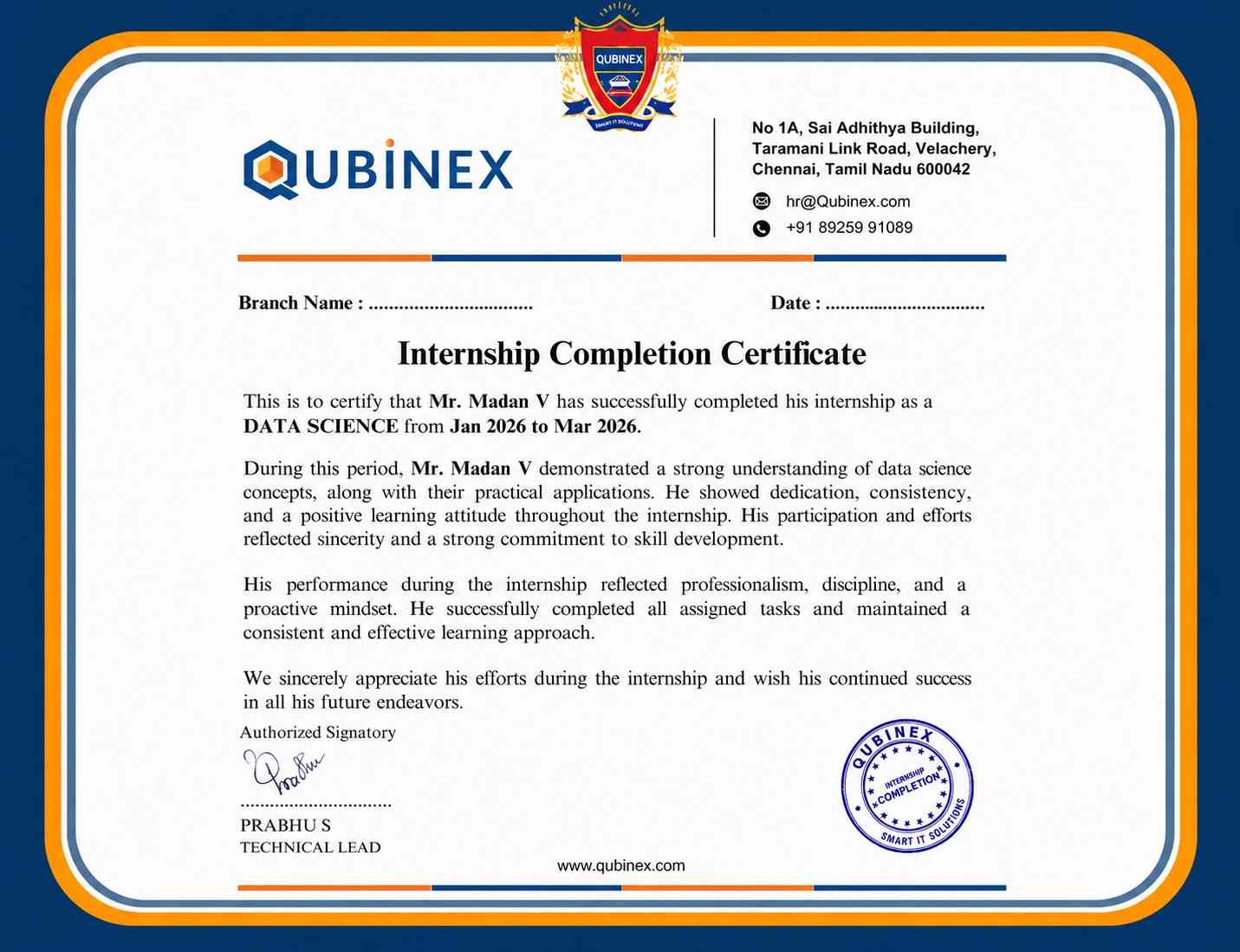
Although having a cloud computing certification can help you land a job and improve your credentials, it is a guarantee. Though landing a job is largely dependent on other variables like experience, industry requirements, and personal connections, certifications demonstrate your skills and knowledge and boost your chances of getting an interview and a job offer.
It is acceptable and frequently advantageous to pursue numerous certifications in cloud computing. You will have a deeper and more comprehensive understanding of cloud platforms and technologies by doing this, which will boost your industry market strength and application diversity. Being certified by several organizations or in various fields might help you become more marketable and adaptable to changing work environments and organizational requirements.
Yes, you can take several certification examinations in cloud computing remotely by using online proctoring services. In order to protect the integrity of the test, these platforms provide the ability to administer it remotely while being watched over via camera and screen-sharing technology. It is simple and flexible to include the certification process into your system with this solution. Make cautious to verify the certificate’s technical and specific requirements, nevertheless.
The decision to work toward an ACTE Java Certification is based on personal professional objectives, industry recognition, and improving one’s ability to program in Java and advance in one’s career. Think about the return on investment, chances for networking, alternatives, and compatibility with long-term professional goals.
Frequently Asked Questions
- Indeed, you may enrol in a course without having to attend a demo session first. It gives you the chance to see how the teacher teaches, go over the course materials and content, and ask any questions you may have. To see a preview of what to expect from the entire course, get in touch with the course provider to arrange a demo.
- Education experts who focus on providing instruction and training inside the Acte program are known as Acte teachers. The Acte program, which is renowned for emphasizing professional and technical education, hires these educators to offer knowledge and direction in their specialized disciplines.
- Indeed, many educational programs, including those covered by Acte, help students get jobs when they finish their training. This assistance may take the form of resume writing services, interview coaching, job search tools, and connections with possible companies. It is a good idea to inquire to find out the specifics and scope of the placement support offered by your program or institution.
- Completion Certificate
- Professional Certification
- Accreditation or Endorsement
- Digital Badge
- Indeed, a lot of students—especially in disciplines like engineering, business, and design—work on real projects as part of their education. These projects, which offer hands-on experience and exposure to industry processes, may entail real-world issues or partnerships with businesses. Students learn to apply theory, hone problem-solving techniques, and add actual accomplishments to their résumé by working on real projects.
