
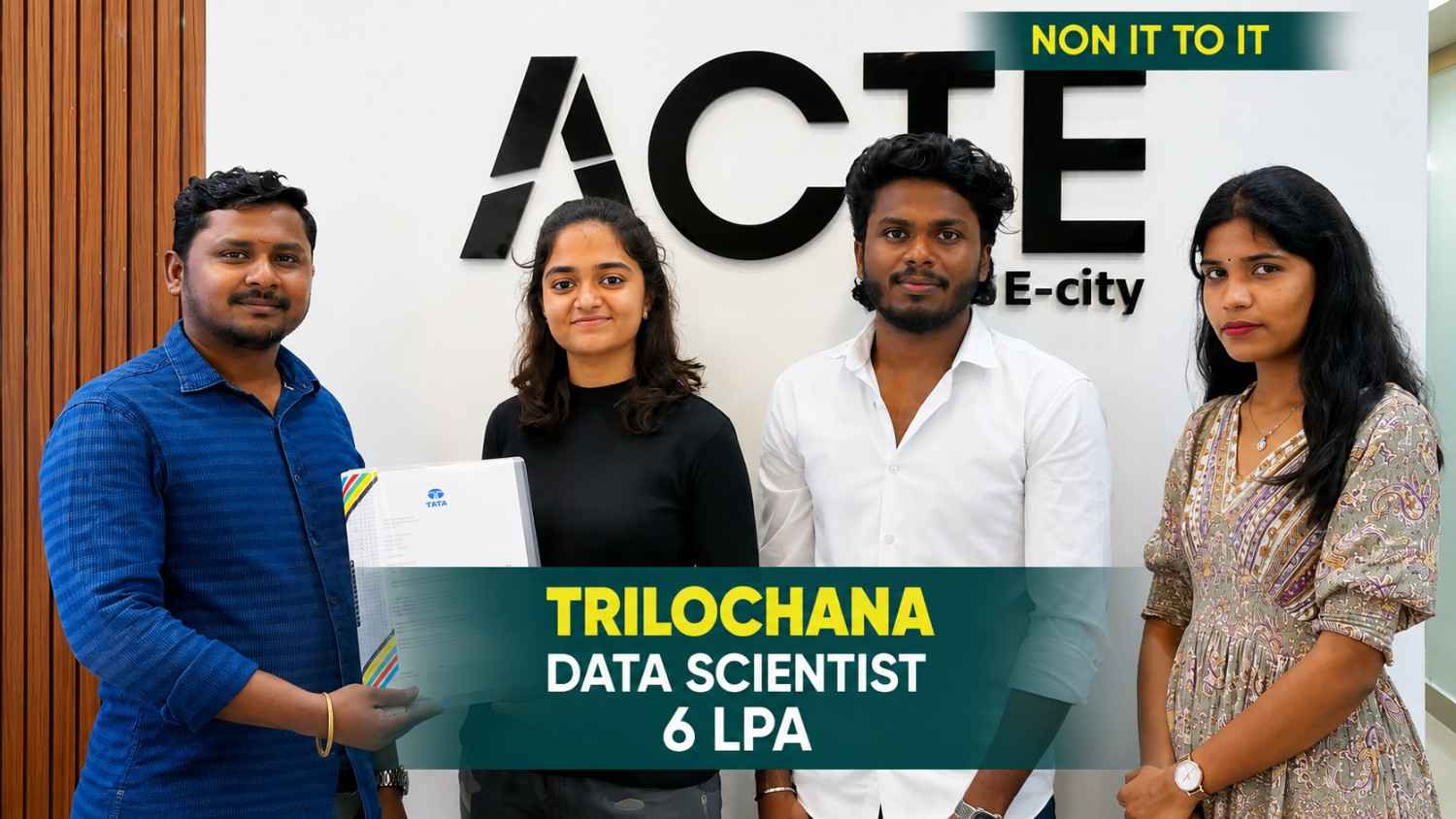
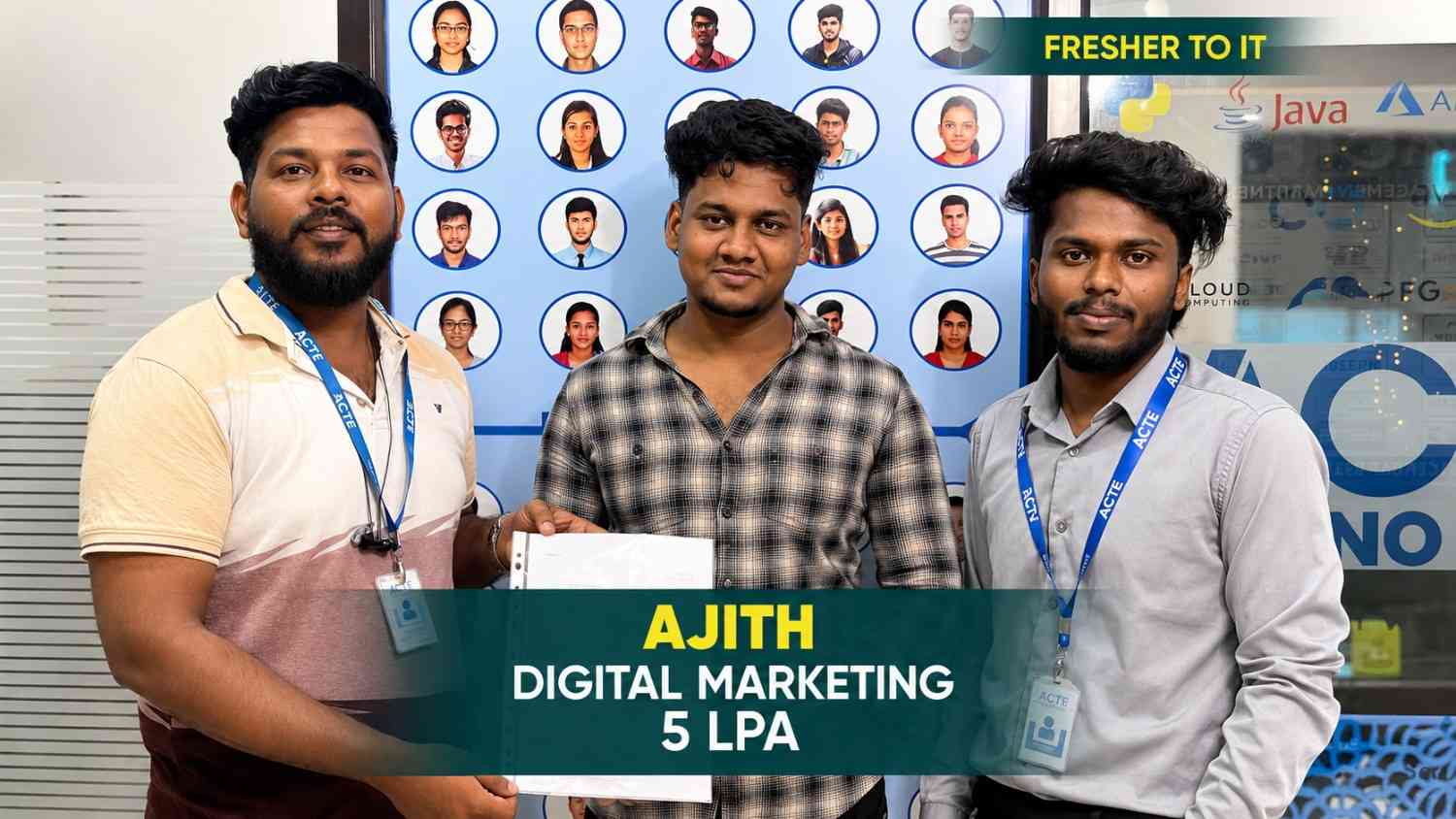
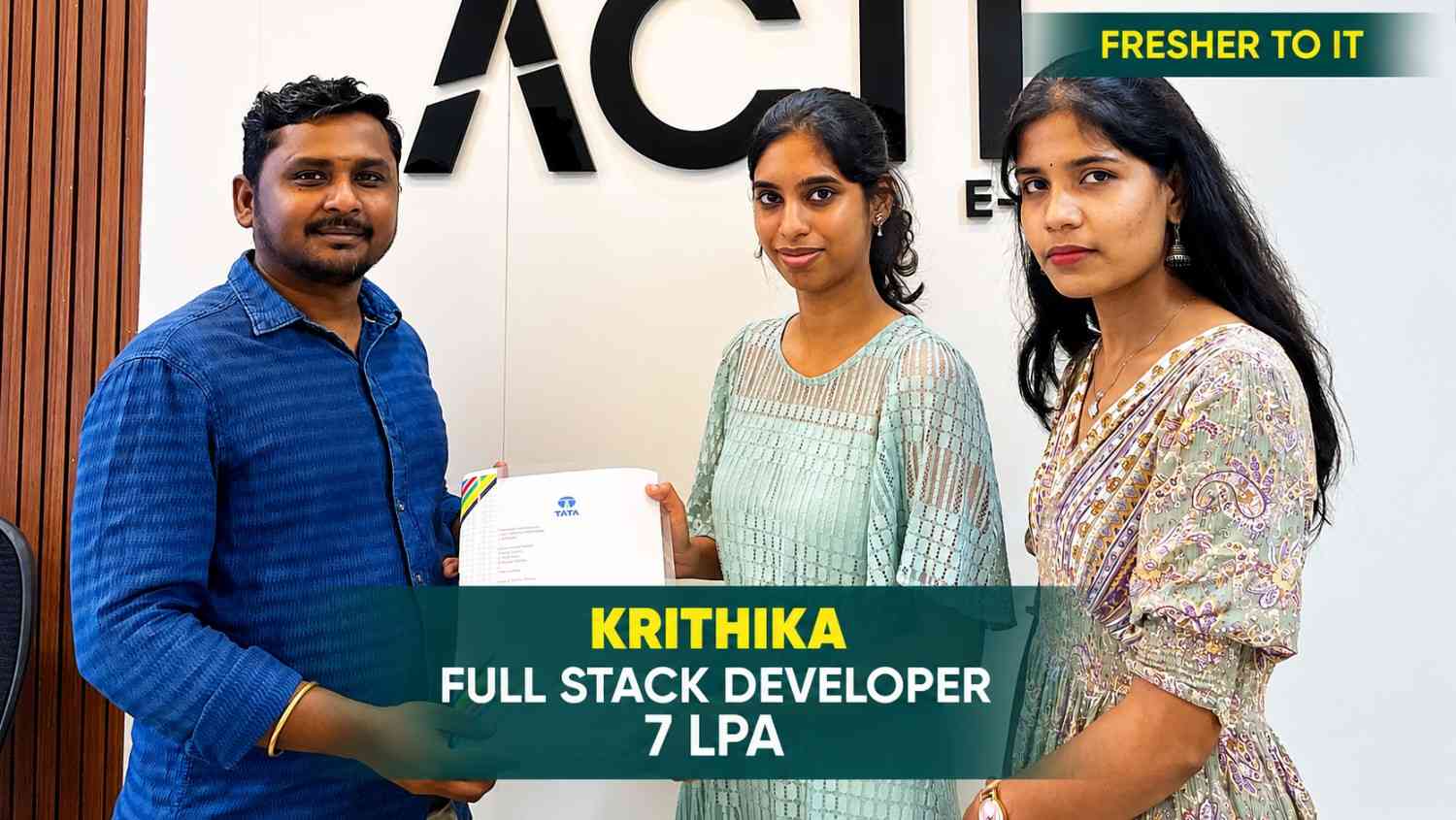
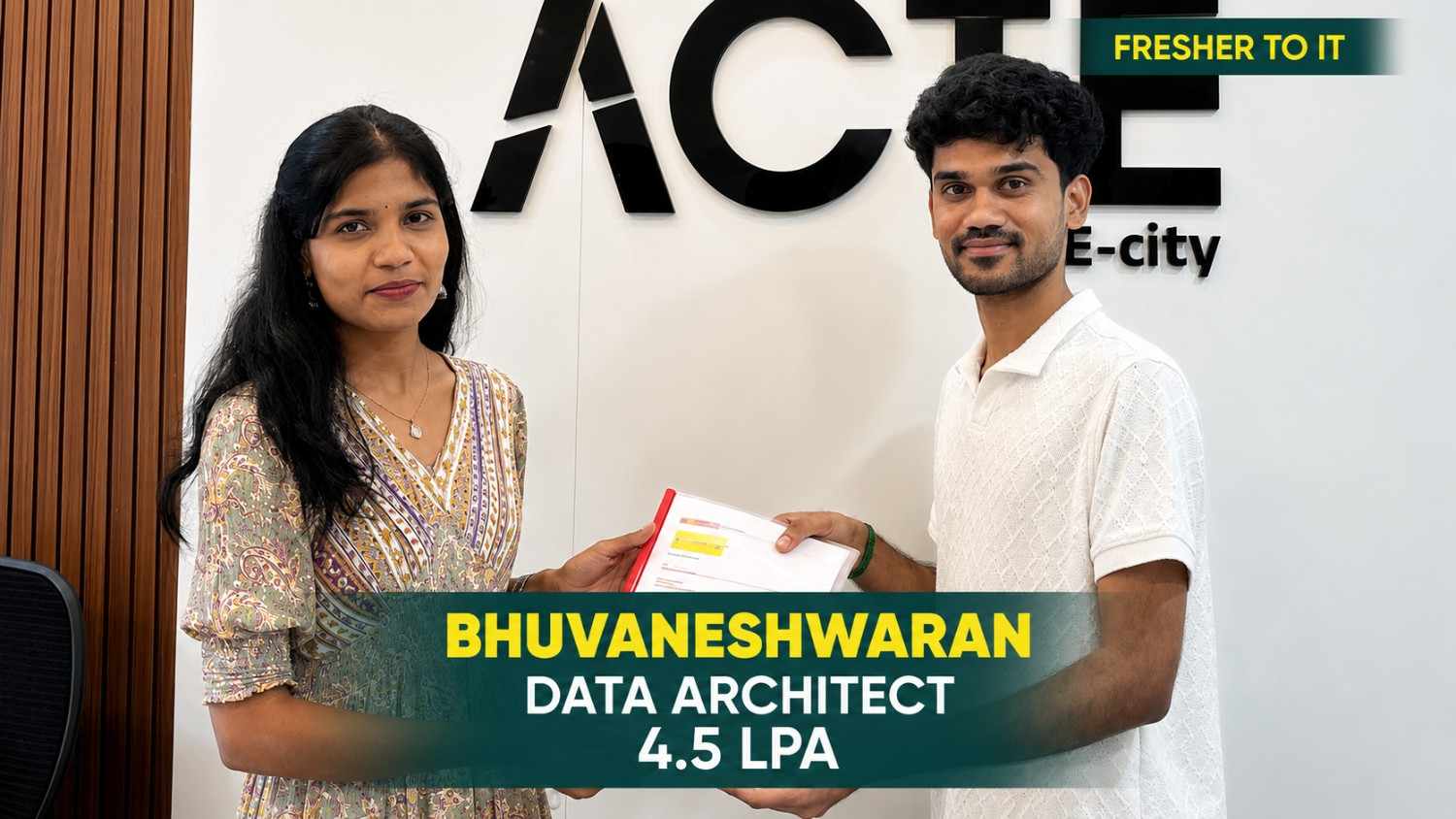
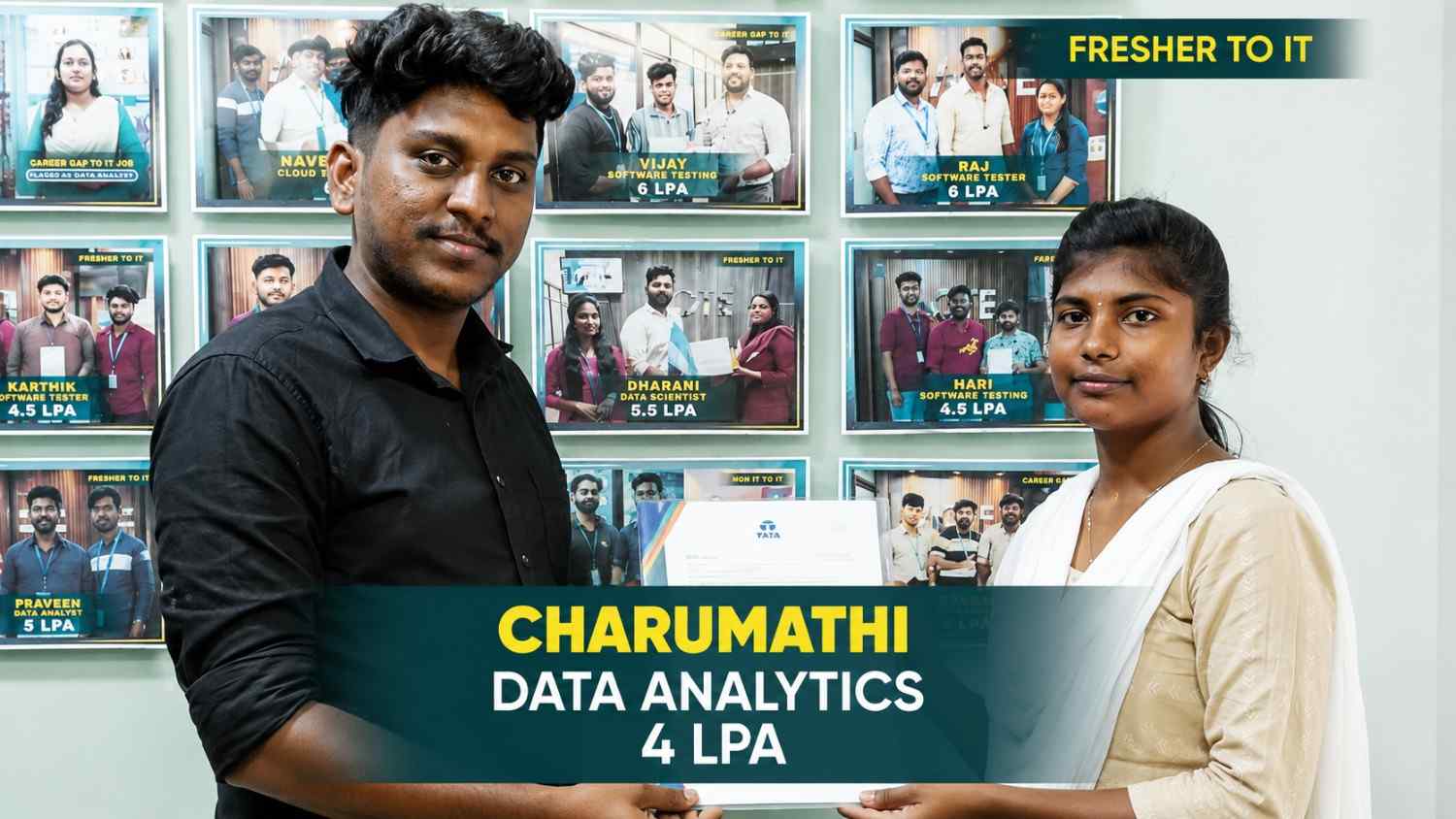
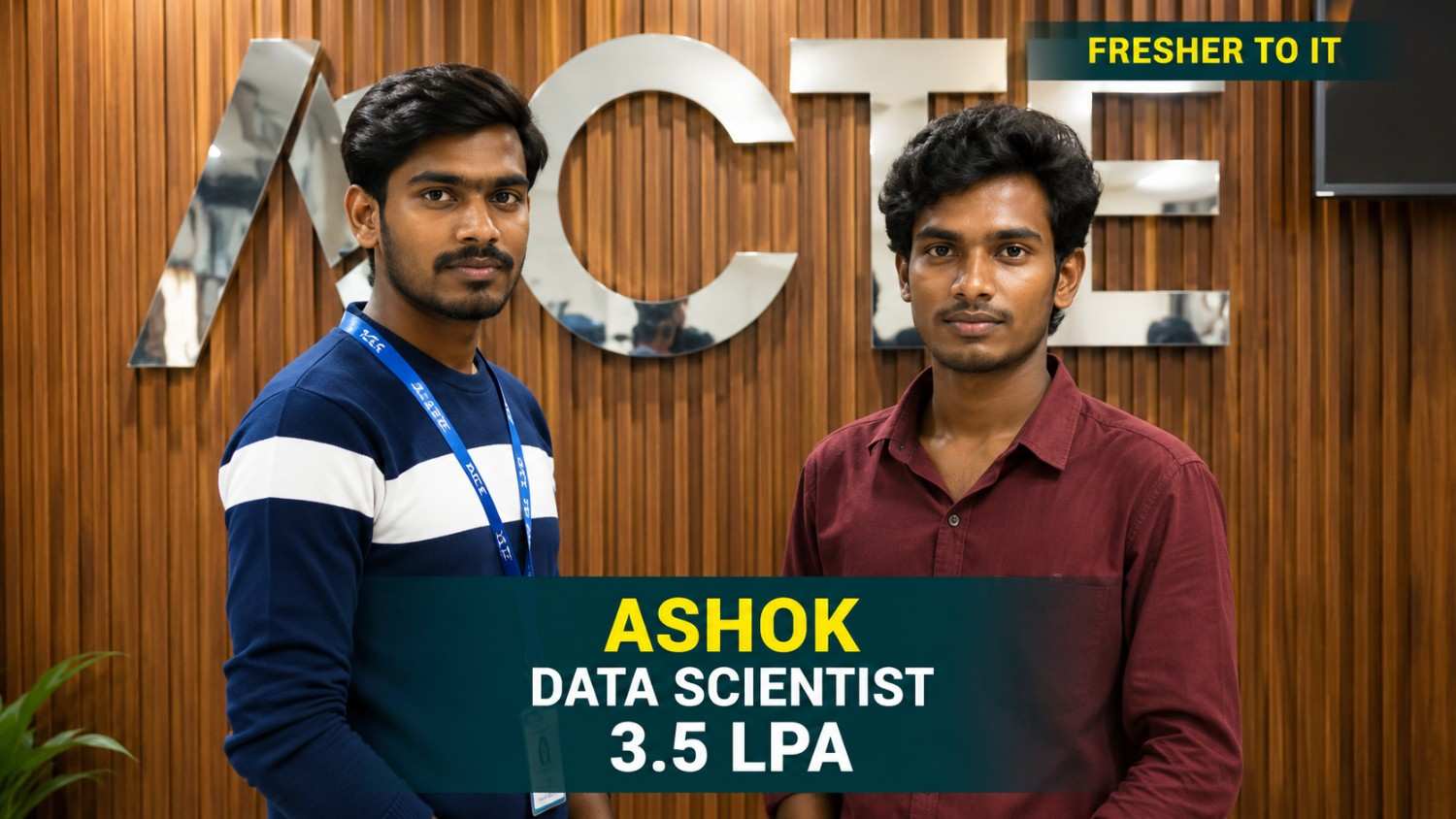
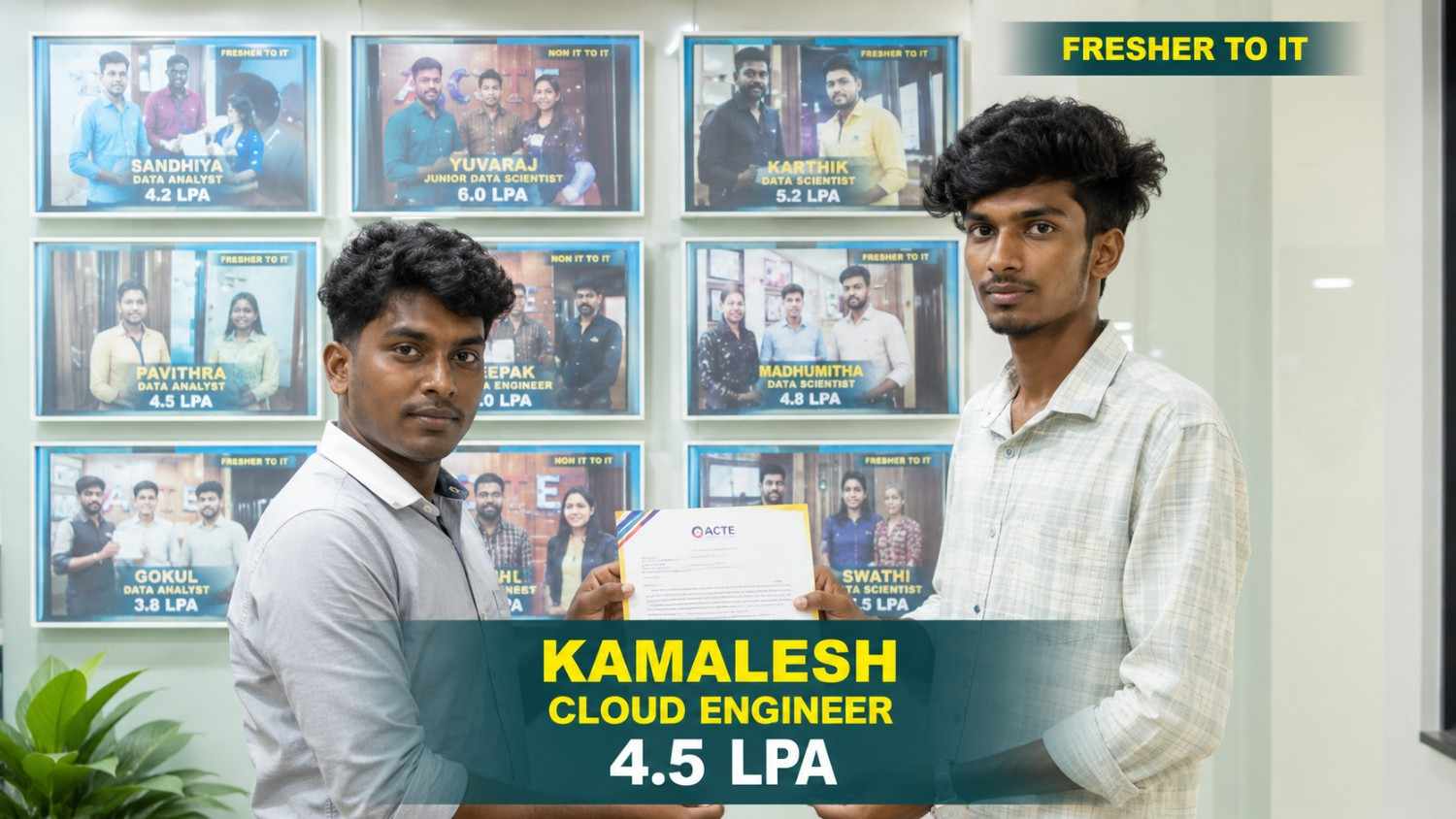
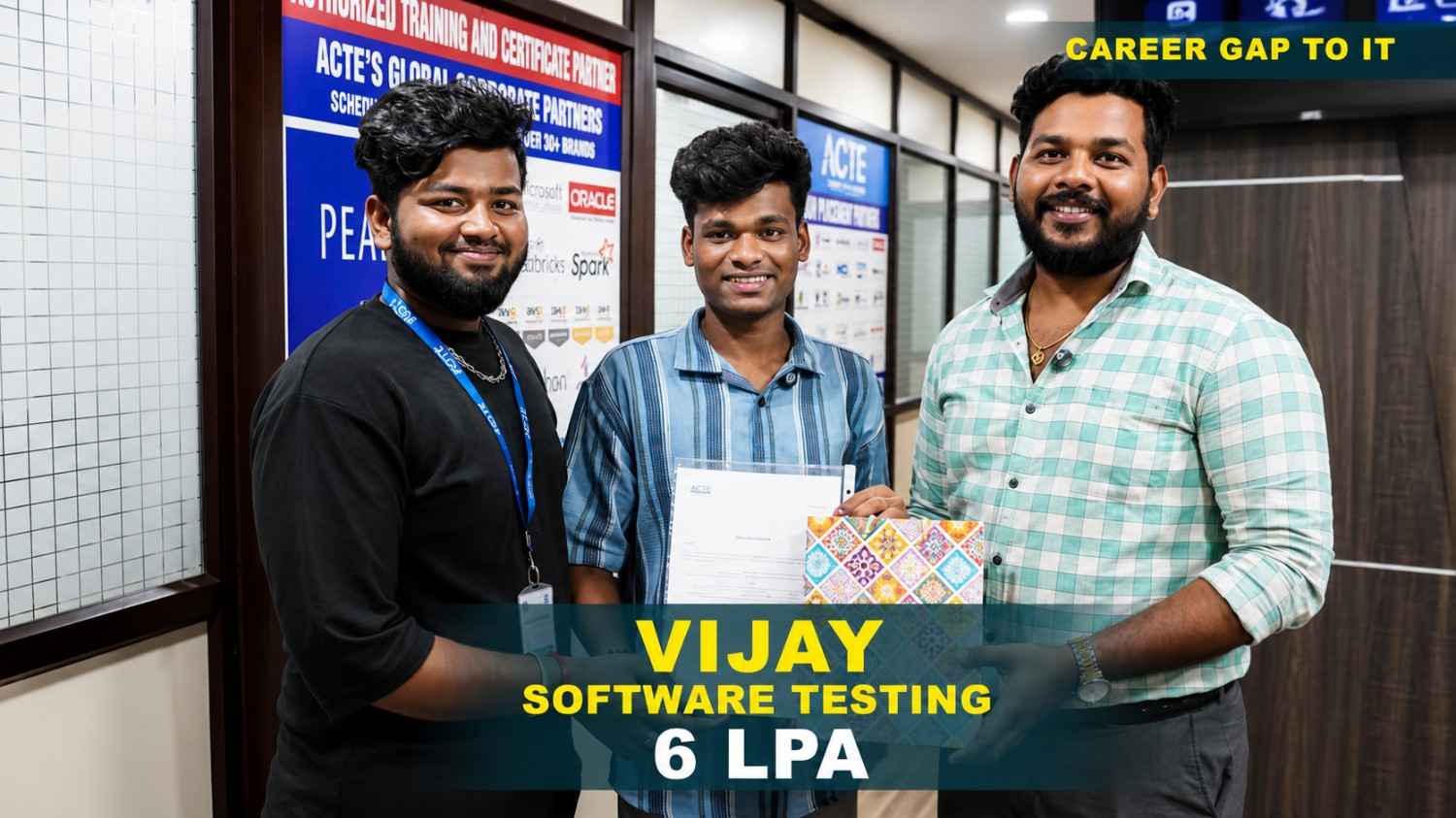
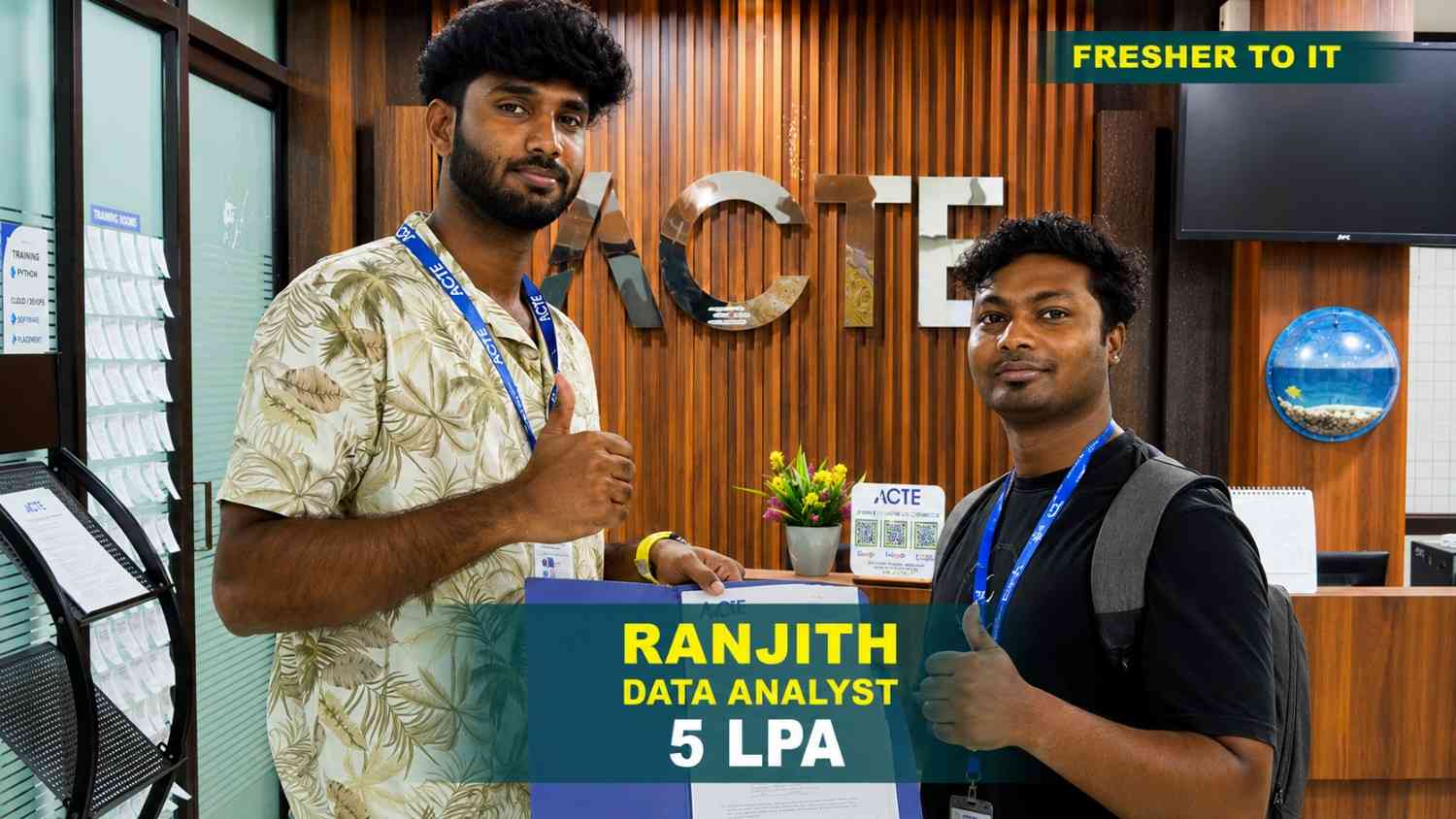
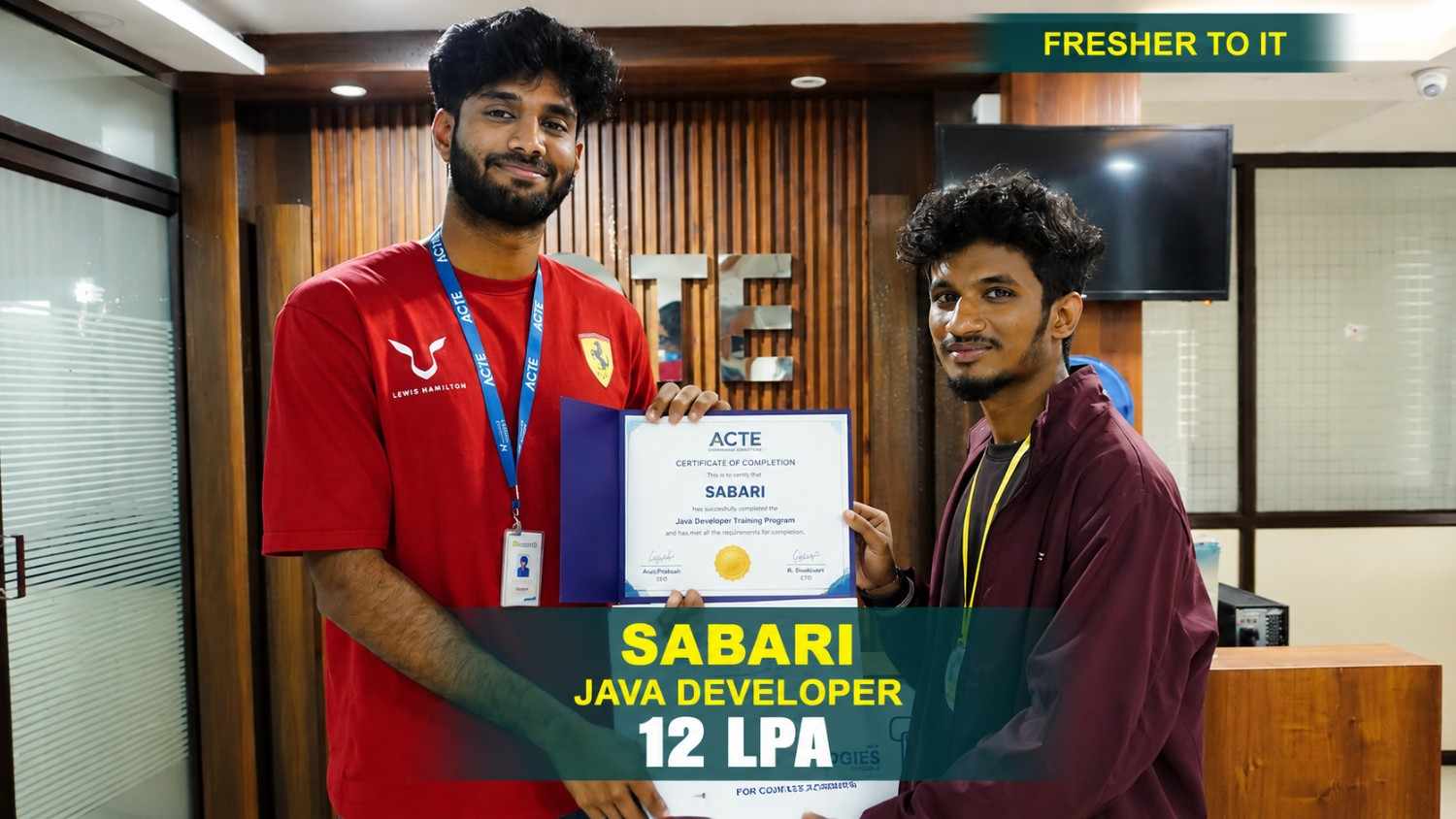
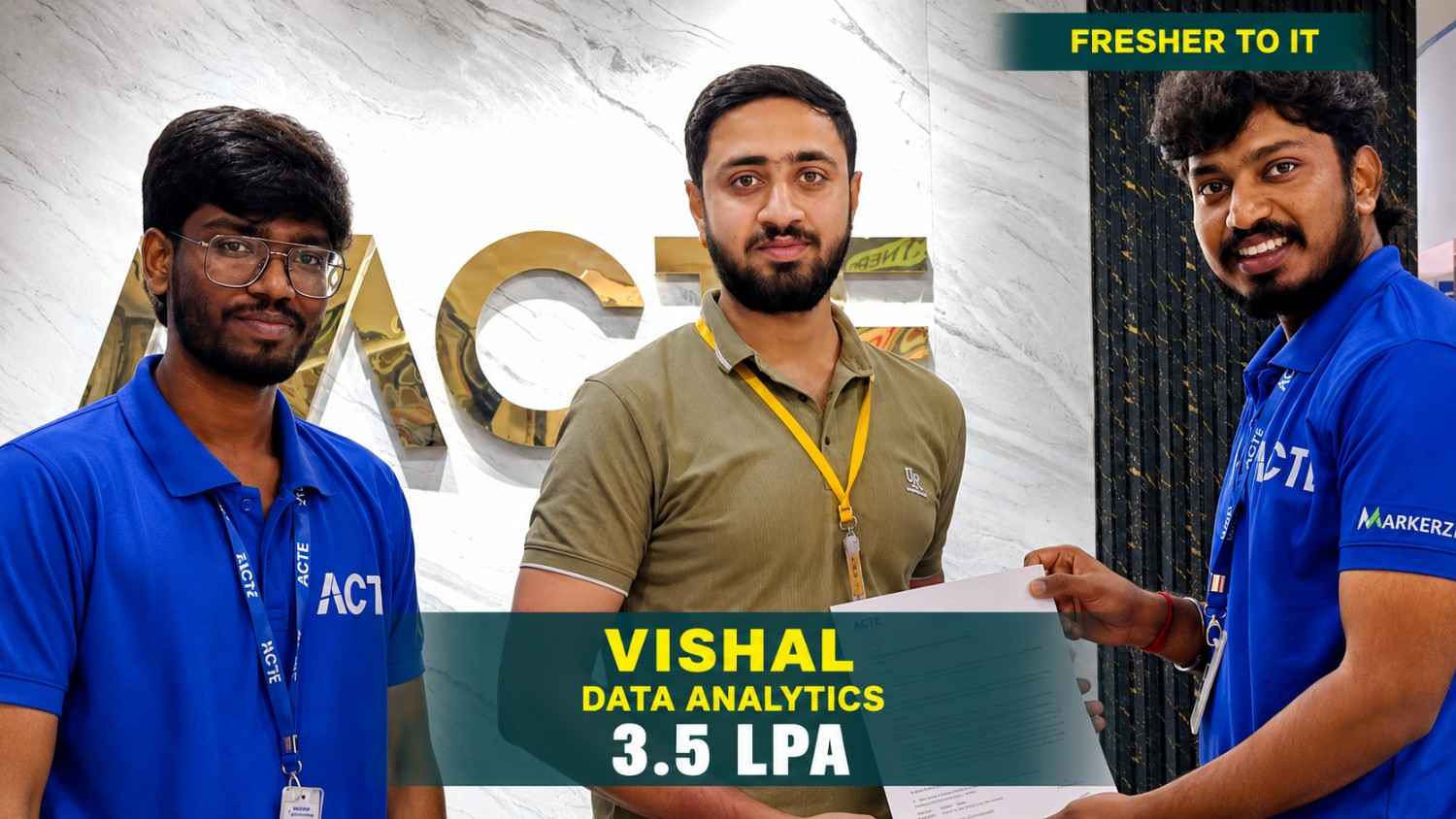
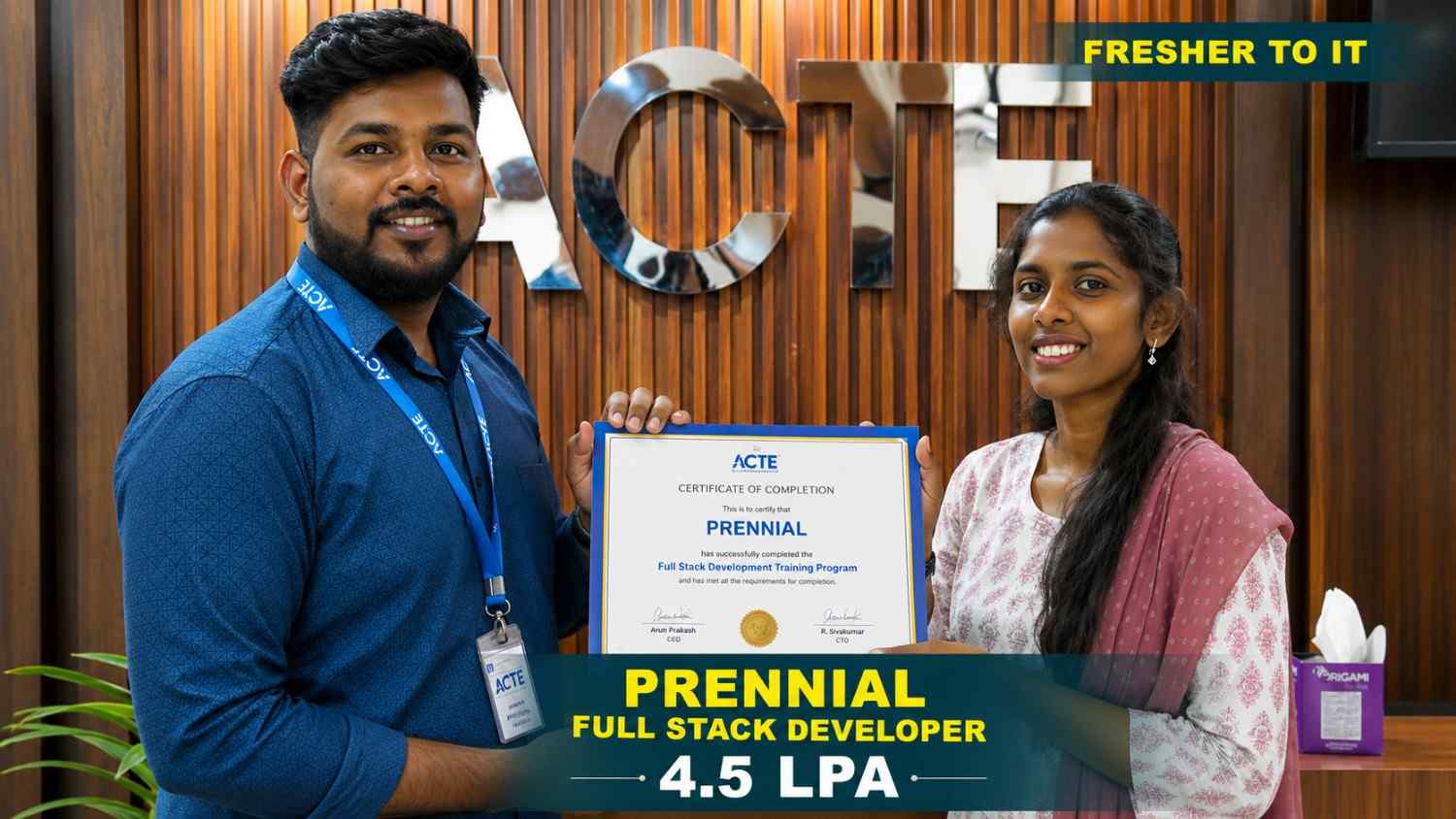
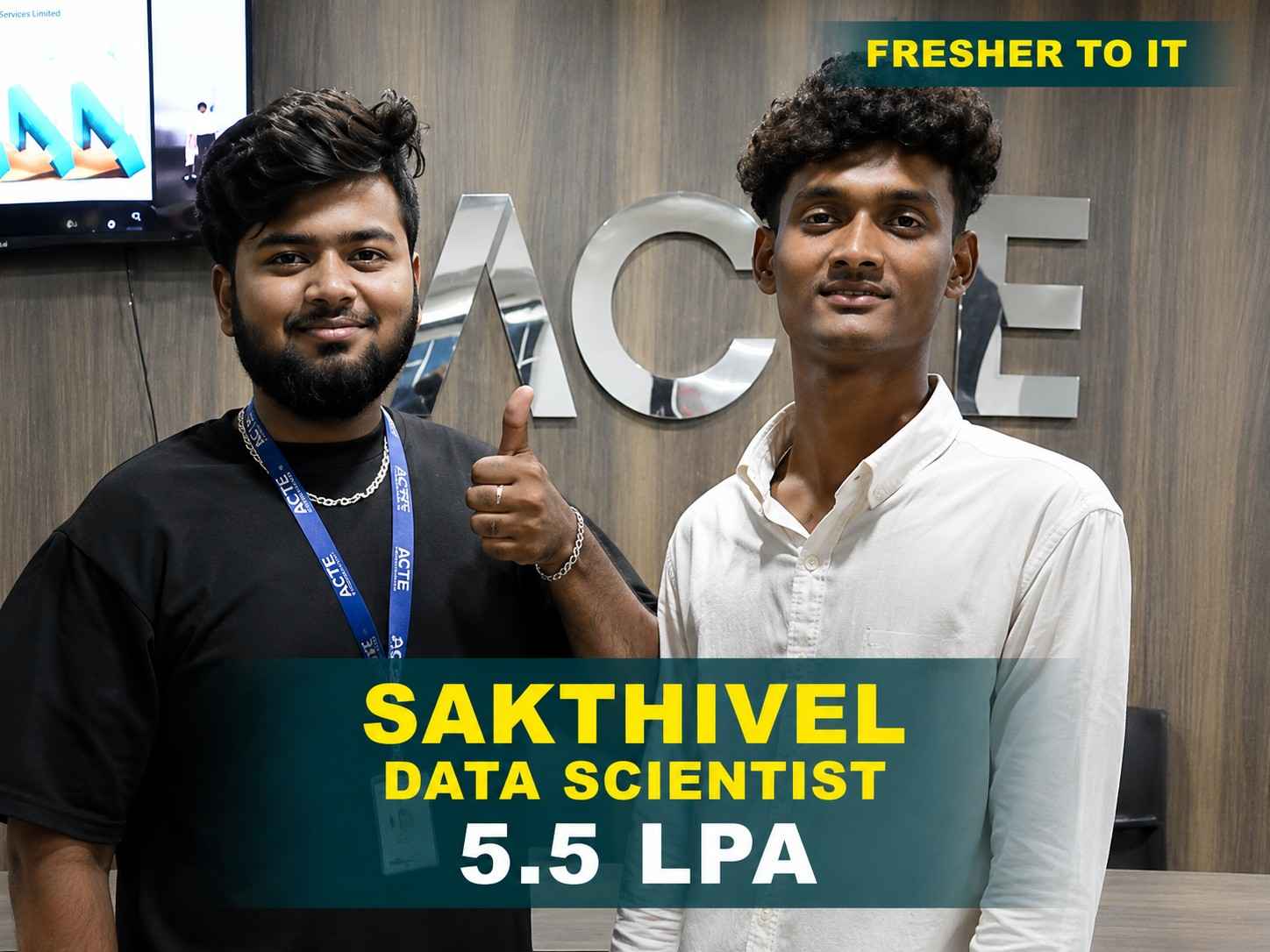
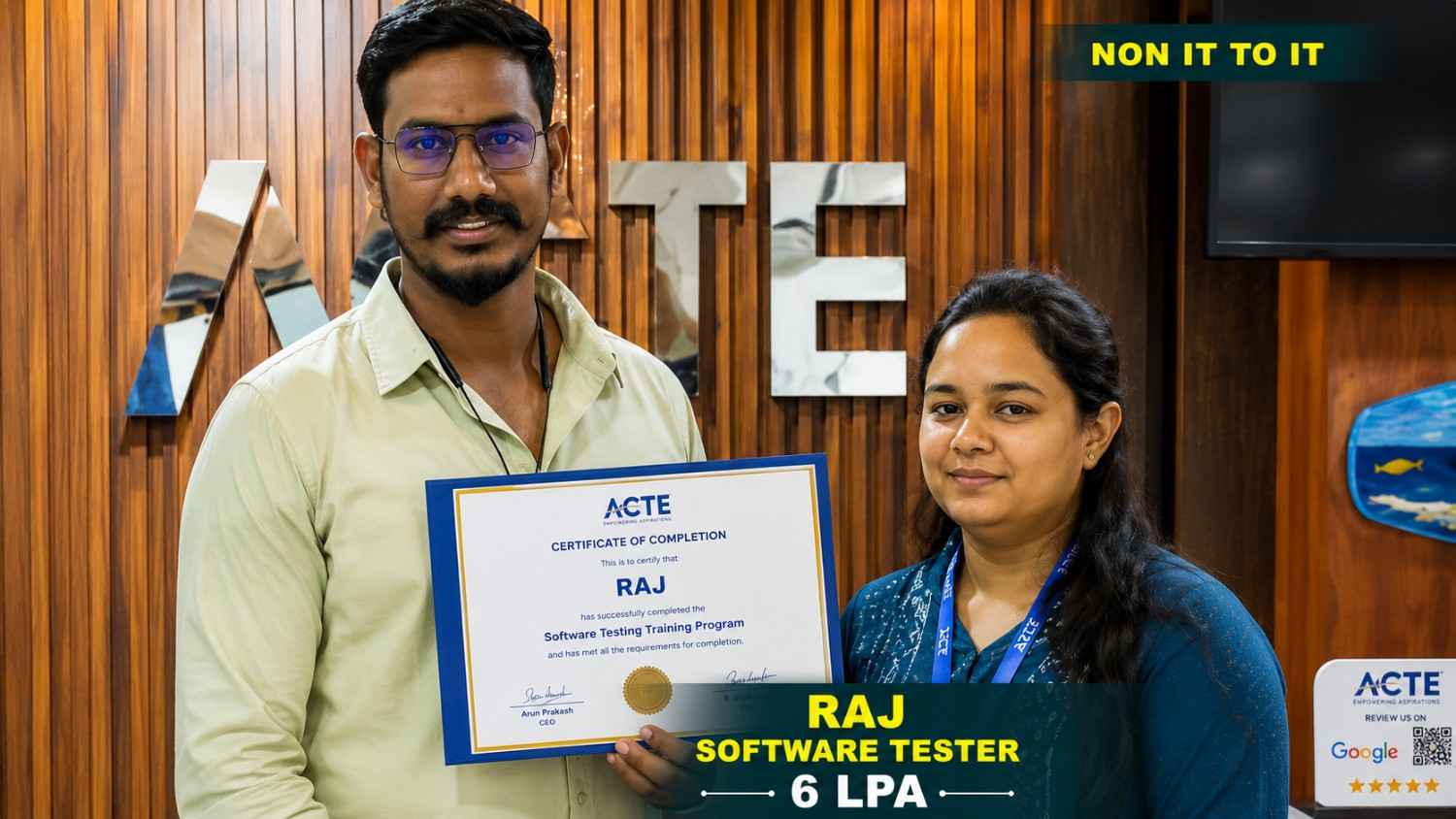
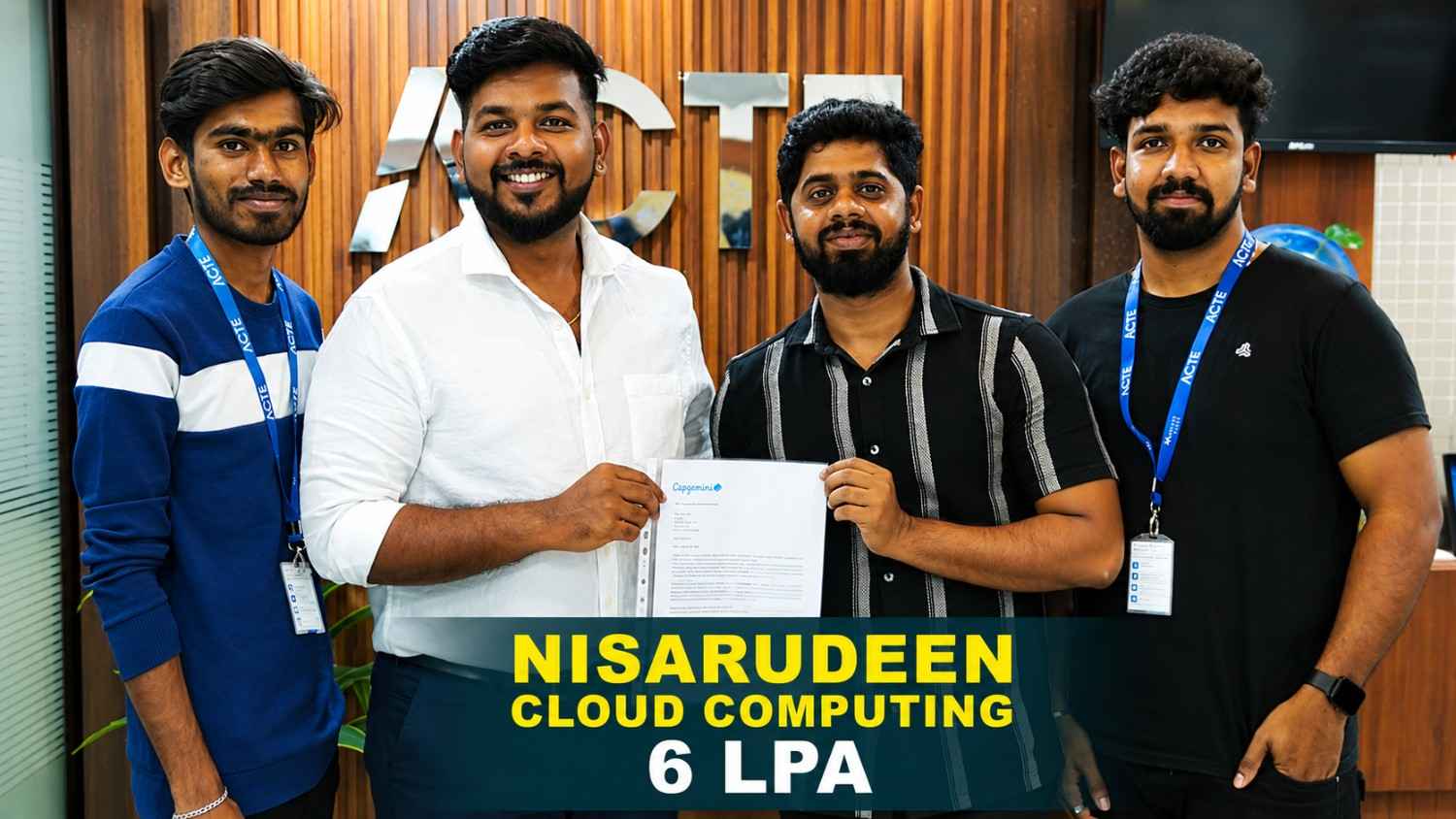
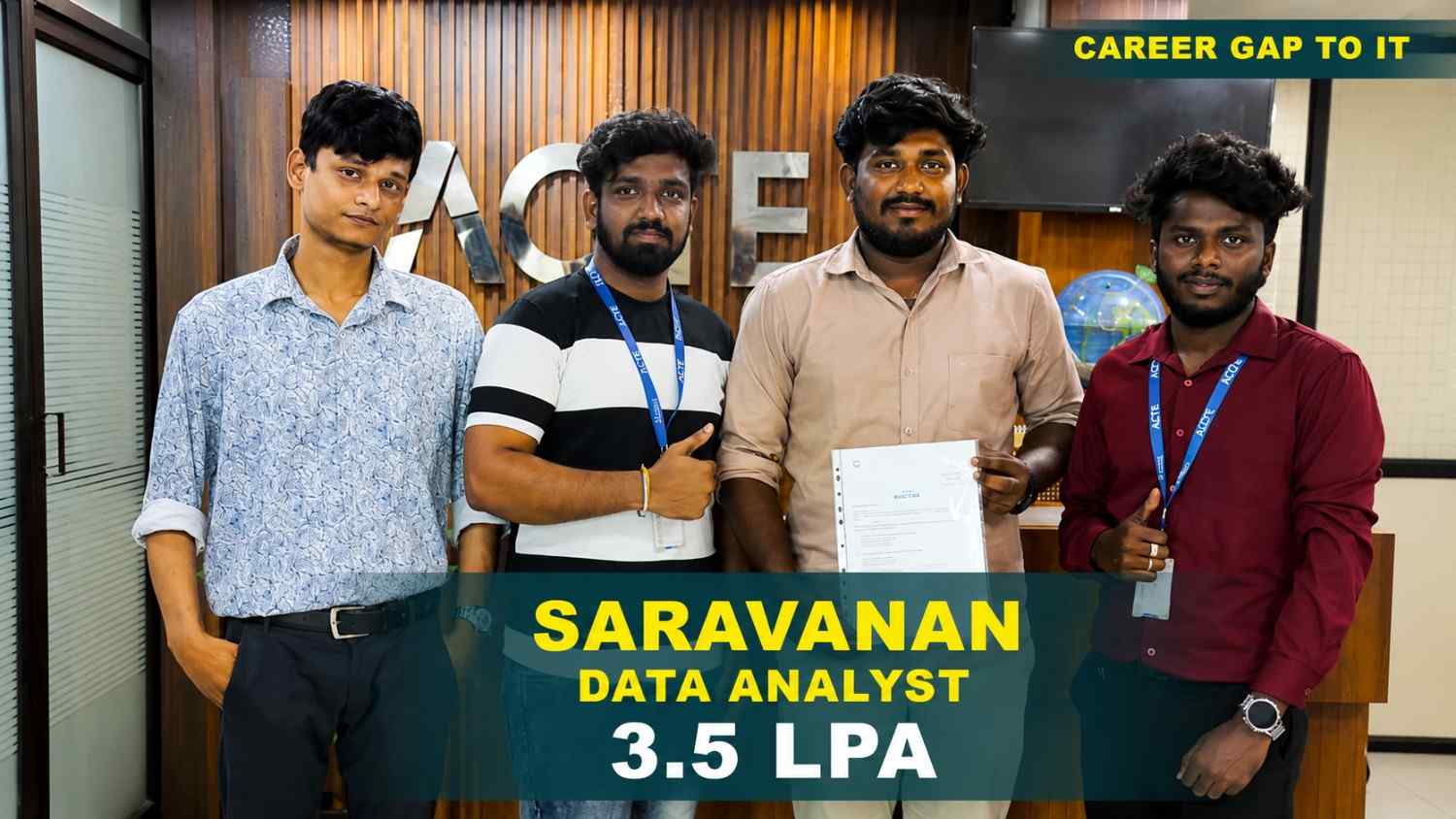
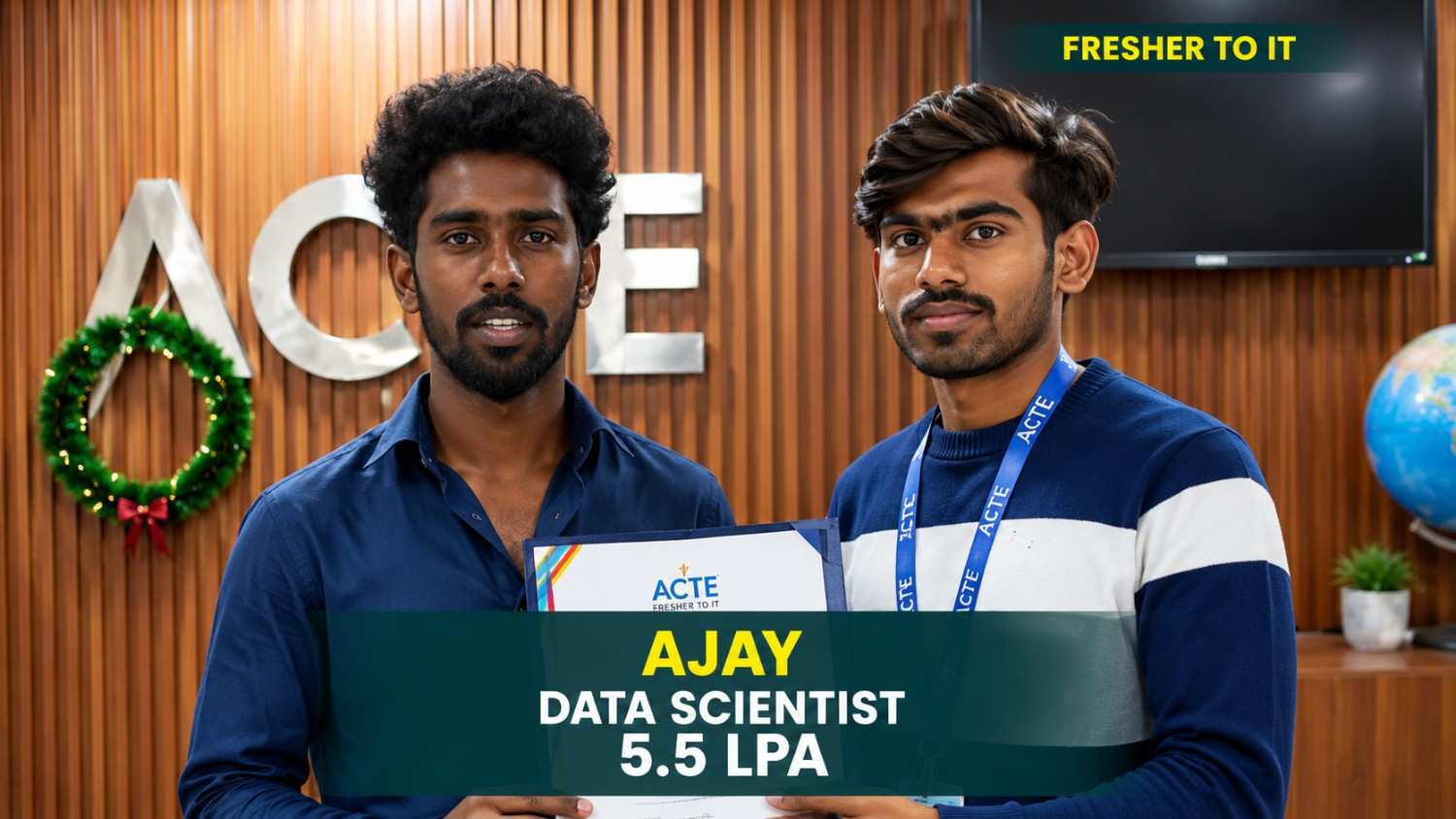
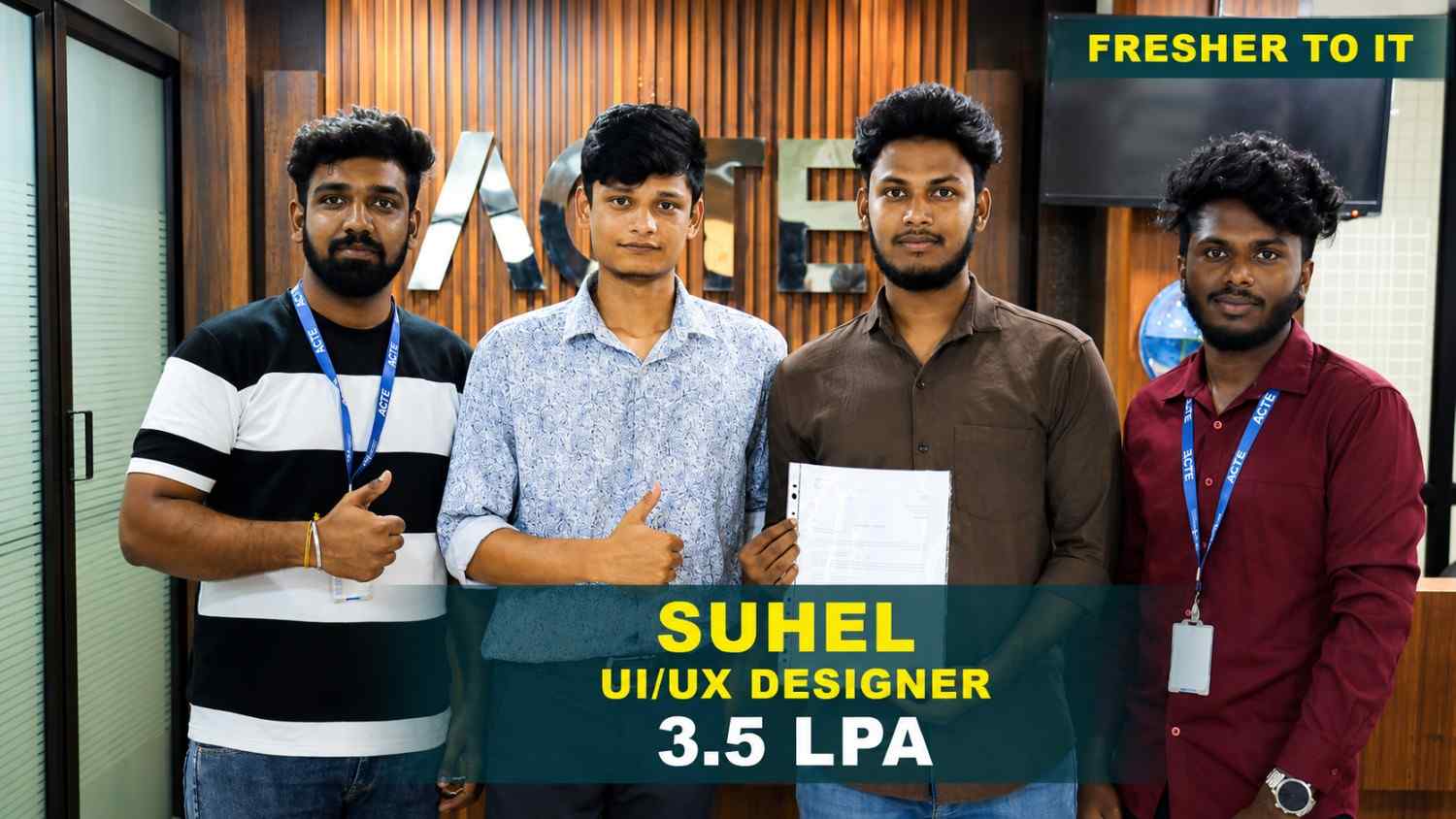
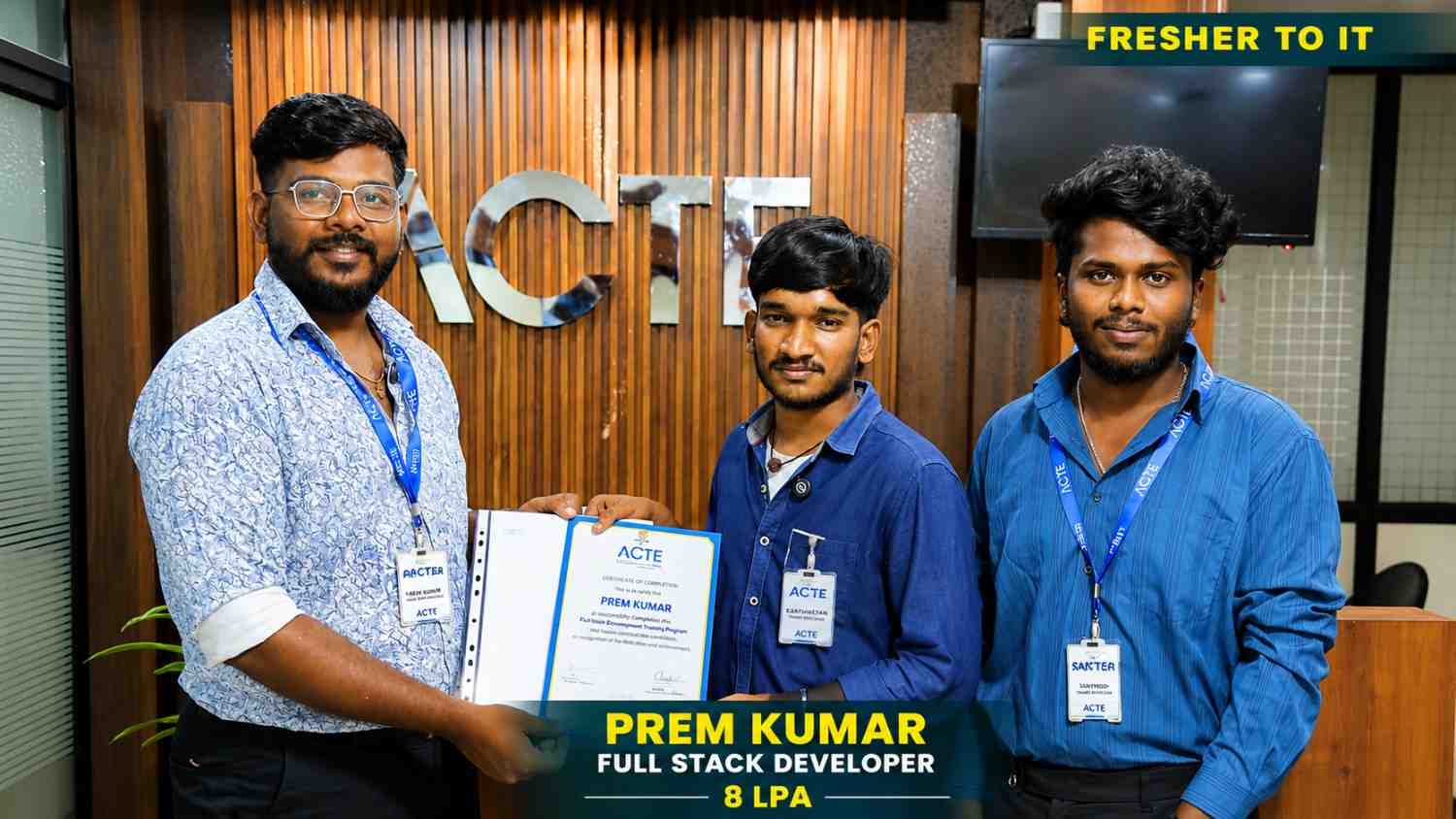
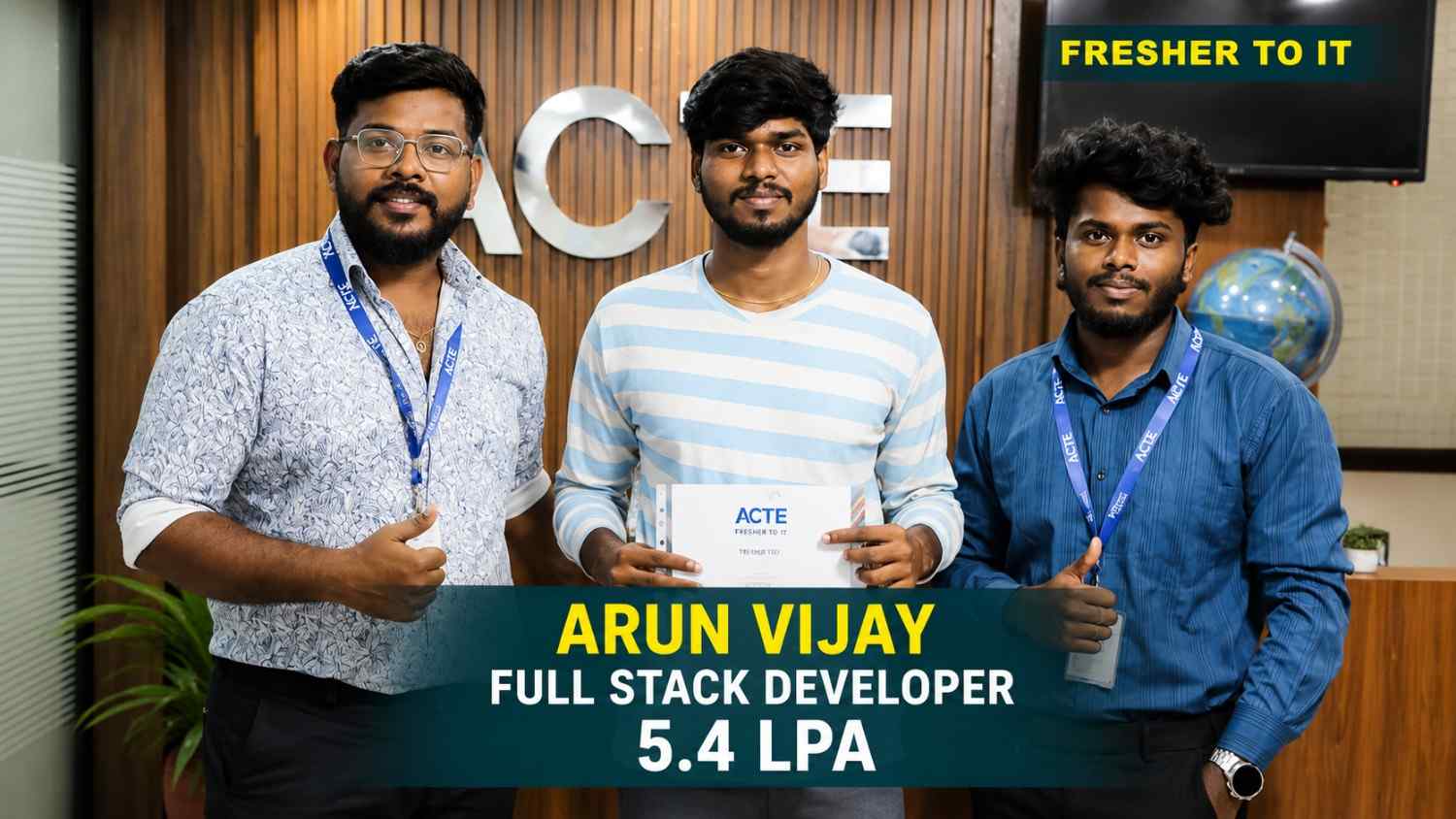
550+ Students Placed Every Month Be The Next!

Our Hiring Partners

Curriculum Designed By Experts
Expertly designed curriculum for future-ready professionals.
Industry Oriented Curriculum
An exhaustive curriculum designed by our industry experts which will help you to get placed in your dream IT company
-
30+ Case Studies & Projects
-
9+ Engaging Projects
-
10+ Years Of Experience
MEAN Stack Training Projects
Become a MEAN Stack Expert With Practical and Engaging Projects.
- Practice essential Tools
- Designed by Industry experts
- Get Real-world Experience
Contact Manager App
Build a contact book where users can add, update, and delete contact information. This project introduces routing, forms, and basic database.
Weather Forecast App
Integrate a public weather API to display real-time weather data. This project focuses on making HTTP calls and displaying dynamic data on Angular.
Notes Taking App
A simple app for writing and storing personal notes using MEAN Stack. Learn how to organize backend routes and display notes on a dashboard.
Blog Management System
Users can write, edit, and delete blog posts. Includes routing, authentication, and dynamic rendering using Angular with a RESTful backend.
Event Scheduling Platform
Users can create events, RSVP, and see attendee lists. Covers Angular forms, custom validations, and API integration for dynamic functionality.
Movie Review Website
Build a platform where users can register, post movie reviews, and rate them. Learn pagination, dynamic content, and user-role-based access.
Healthcare Appointment System
A booking platform for clinics/hospitals with patient records, scheduling, email reminders, and role-based access for doctors and staff.
Job Portal Platform
Build a job board where employers can post jobs and applicants can apply. Includes resume uploads, search filters, and admin moderation tools.
Project Management Dashboard
Complex task tracking with drag-and-drop UI, board creation, team collaboration, and notifications using Angular and advanced Node.js concepts.
Career Support
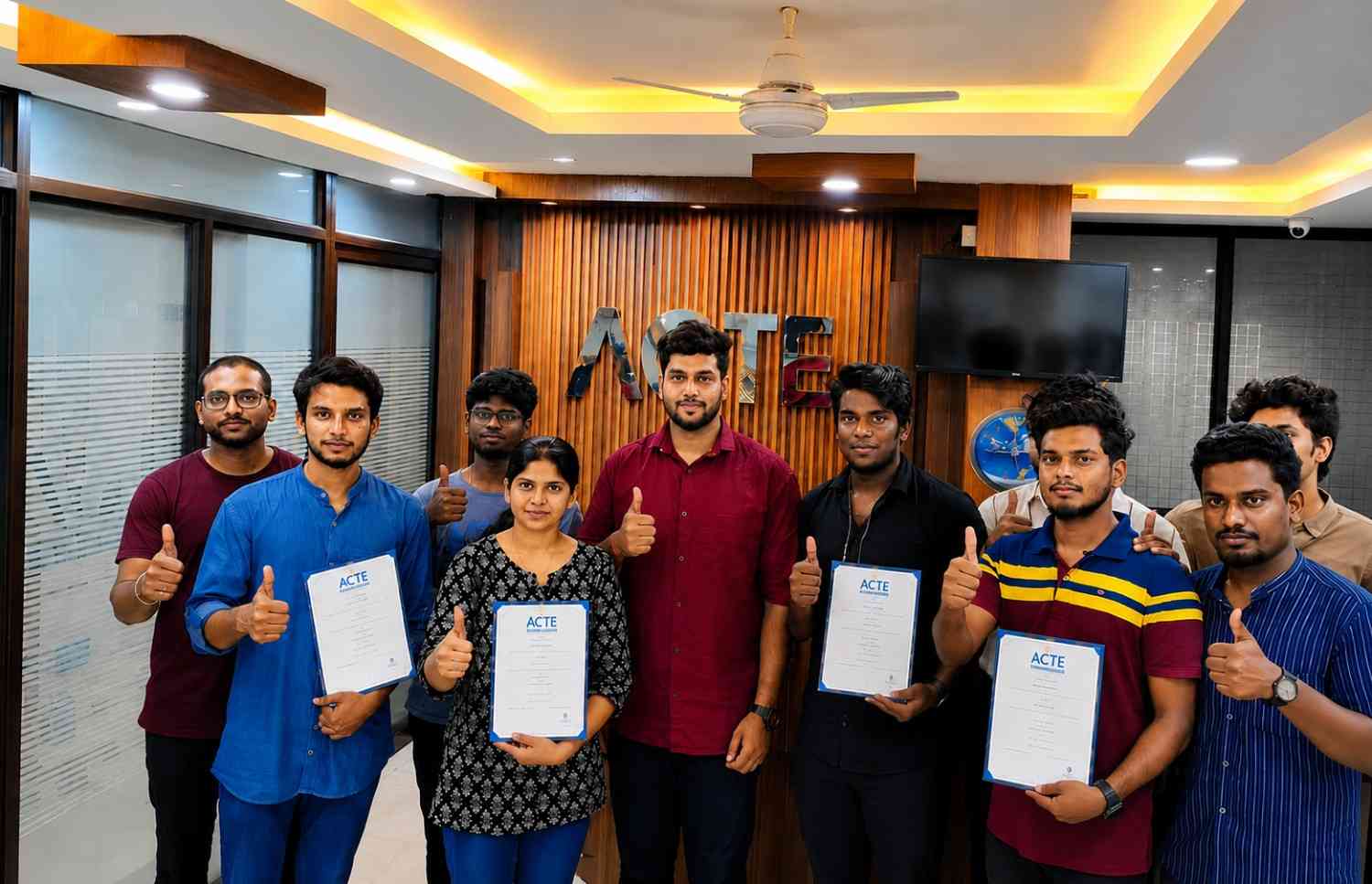

Placement Assistance

Exclusive access to ACTE Job portal

Mock Interview Preparation

1 on 1 Career Mentoring Sessions

Career Oriented Sessions

Resume & LinkedIn Profile Building
Key Features

Practical Training

Global Certifications

Flexible Timing

Trainer Support

Study Material

Placement Support

Mock Interviews

Resume Building
Upcoming Batches
What's included

 Free Aptitude and
Technical Skills Training
Free Aptitude and
Technical Skills Training
- Learn basic maths and logical thinking to solve problems easily.
- Understand simple coding and technical concepts step by step.
- Get ready for exams and interviews with regular practice.

 Hands-On Projects
- Work on real-time projects to apply what you learn.
- Build mini apps and tools daily to enhance your coding skills.
- Gain practical experience just like in real jobs.

 AI Powered Self
Interview Practice Portal
AI Powered Self
Interview Practice Portal
- Practice interview questions with instant AI feedback.
- Improve your answers by speaking and reviewing them.
- Build confidence with real-time mock interview sessions.

 Interview Preparation
For Freshers
Interview Preparation
For Freshers
- Practice company-based interview questions.
- Take online assessment tests to crack interviews
- Practice confidently with real-world interview and project-based questions.

 LMS Online Learning
Platform
LMS Online Learning
Platform
- Explore expert trainer videos and documents to boost your learning.
- Study anytime with on-demand videos and detailed documents.
- Quickly find topics with organized learning materials.
- Learning strategies that are appropriate and tailored to your company's requirements.
- Live projects guided by instructors are a characteristic of the virtual learning environment.
- The curriculum includes of full-day lectures, practical exercises, and case studies.

MEAN Stack Training Overview
MEAN Stack Course in Hebbal Layout with Potential Career Paths
A career in MEAN Stack Placement in Hebbal Layout opens up a wide array of professional opportunities in today’s fast-paced tech industry. As a full-stack JavaScript developer, MEAN Stack professionals are highly sought after due to their ability to handle both front-end and back-end development tasks with a single unified language. Common career paths include Full-Stack Developer, Front-End Angular Developer, Back-End Node.js Developer, and JavaScript Engineer. Additionally, MEAN Stack developers often move into DevOps roles, become Software Architects, or grow into Project Management positions. The flexibility of the MEAN Stack also makes it an excellent foundation for freelancers, startup founders, and product engineers, who need to quickly build and deploy scalable web applications. With cloud computing, AI integration, and microservices becoming more mainstream, MEAN Stack developers are also entering roles that involve system design, infrastructure planning, and hybrid app development using technologies like Ionic or Electron.
The Requirements for Learning MEAN Stack Training in Hebbal Layout
- Basic Programming Knowledge:Before diving into MEAN Stack, learners should have a basic understanding of JavaScript, as it's the core language used across all four technologies in the stack.
- Understanding of Web Technologies:Familiarity with HTML and CSS is important for designing and structuring web pages. You should understand how browsers interpret and render these files to help create a responsive Angular-based front end.
- Node.js Fundamentals:Since Node.js handles the server-side logic, learners should know how it works—particularly its non-blocking, event-driven nature. This knowledge is crucial for managing APIs and backend services effectively.
- Concept of Databases:Knowing the basics of databases, especially CRUD operations (Create, Read, Update, Delete), helps when working with MongoDB. You don’t need to be an expert, but understanding how to store and retrieve data is essential.
- Version Control System:Familiarity with tools like Git and GitHub is highly recommended. They help manage code versions, collaborate with others, and roll back changes when necessary—especially useful in team-based development.
Enrolling in MEAN Stack Training in Hebbal Layout
The MEAN Stack Placement in Hebbal Layout is one of the most efficient and modern stacks for building full-scale web applications, and enrolling in a course can significantly fast-track your career. First and foremost, it allows developers to work with JavaScript across the entire development process, creating seamless and efficient workflows. This uniformity reduces the need to learn multiple languages and improves team productivity. MEAN Stack courses often come with project-based learning, which means students gain real-world experience by building applications from scratch. The demand for full-stack developers has never been higher, and mastering the MEAN Stack opens up lucrative job roles in top-tier companies and startups alike. Additionally, because all the technologies in the MEAN stack—MongoDB, Express, Angular, and Node.js—are open-source, it becomes easier for learners to experiment, collaborate with open-source communities, and stay updated with the latest tools and frameworks..
Techniques and Trends in MEAN Stack Certification in Hebbal
- Component-Based Architecture with Angular:Angular encourages the use of components, which are self-contained units of code that handle a specific part of the UI. This modular approach makes applications easier to manage, test, and scale.
- RESTful API Integration:Express.js is used to create RESTful APIs, which allow the front end (Angular) to interact with the back end. This enables features like retrieving user data or submitting forms by making HTTP requests.
- Single Page Applications (SPA):Angular-based SPAs load a single HTML page and dynamically update content as the user interacts, eliminating full page reloads. This results in faster performance and smoother user experiences.
- Token-Based Authentication:MEAN Stack apps often use JWT (JSON Web Tokens) for authentication. Once a user logs in, a token is stored and sent with every request to validate the user without needing to log in again repeatedly.
- Real-Time Features with WebSockets:Using libraries like Socket.IO, developers can add real-time updates like messaging, live feeds, and notifications, making the apps more interactive and responsive.
The Most Recent MEAN Stack Certification in Hebbal Layout with Tool
The MEAN Stack Course in Hebbal Layout ecosystem is constantly evolving, and new tools are emerging to enhance developer productivity, performance, and scalability. One notable advancement is the use of NestJS, a progressive Node.js framework that works beautifully with Express and TypeScript to build scalable server-side applications. On the front-end side, Angular 17 introduces powerful tools like standalone components, improved performance with hydration, and enhanced signal-based reactivity. MongoDB Atlas now provides a fully managed cloud database with auto-scaling, global clusters, and integrated security features. Developers are also incorporating tools like ESLint and Prettier to maintain code consistency across teams. For real-time features, Socket.IO v4 supports better performance and broader browser compatibility.The stack is often complemented with DevOps tools like Docker, Kubernetes, and GitHub Actions to enable seamless development-to-deployment pipelines. Additionally, advanced monitoring tools like LogRocket, Datadog, and Sentry are becoming part of MEAN projects to track bugs, performance, and user sessions in real-time.
Career Opportunities After MEAN Stack Training
MEAN Stack Developer
A MEAN Stack Developer is responsible for designing, developing, and maintaining scalable web applications using MongoDB, Express.js, Angular, and Node.js. This role requires full-stack expertise in both front-end and back-end development.
Front-End Angular Developer
A Front-End Angular Developer focuses primarily on developing user interfaces using Angular. This role emphasizes designing responsive, dynamic, and visually engaging components for web applications. Developers in this position write clean, reusable code.
Back-End Node.js Developer
A Back-End Node.js Developer specializes in server-side application logic and database integration. This professional writes scalable APIs using Node.js and Express.js to support high-performing, data-driven applications .Node.js developers.
Full-Stack JavaScript Engineer
A Full-Stack JavaScript Engineer is a hybrid role that combines both front-end and back-end development responsibilities. This professional builds end-to-end applications using the entire MEAN Stack and ensures smooth data flow between client and server.They are involved in designing.
MEAN Stack Tech Lead
A MEAN Stack Tech Lead oversees technical strategy, architecture, and team guidance in MEAN Stack projects. Beyond coding, this role involves mentoring developers, performing code reviews, and setting best practices for development, testing, and deployment.
MEAN Stack QA Automation Engineer
A MEAN Stack QA Automation Engineer works on testing MEAN Stack applications by developing automated test suites that ensure the quality and reliability of web applications. This professional writes test scripts using JavaScript-based tools like Jasmine, Protractor.
Skill to Master
JavaScript Mastery
MongoDB Proficiency
Express.js Framework Knowledge
Angular Front-End Development
Node.js Back-End Programming
RESTful API Development
Version Control with Git & GitHub
Authentication & Authorization
Testing and Debugging
Real-Time Data Integration
Deployment & DevOps Basics
Agile & Project-Based Development
Tools to Master
Visual Studio Code
MongoDB Compass
Postman
Node.js & npm
Angular CLI
Git
GitHub
Express Generator
JSON Web Token
Robo 3T
Webpack
Heroku / Firebase / AWS
Learn from certified professionals who are currently working.

Training by
Siva, having 7 yrs of experience
Specialized in: Full-Stack JavaScript Development, API Integration, Real-Time Applications, and DevOps Pipeline Automation.
Note: Siva is known for his practical approach to MEAN Stack training and his deep knowledge of deploying scalable apps using Docker and Kubernetes. His classes are highly interactive with real-world use cases.
Premium Training at Best Price
Affordable, Quality Training for Freshers to Launch IT Careers & Land Top Placements.
What Makes ACTE Training Different?
Feature
ACTE Technologies
Other Institutes
Affordable Fees
Competitive Pricing With Flexible Payment Options.
Higher Fees With Limited Payment Options.
Industry Experts
Well Experienced Trainer From a Relevant Field With Practical Training
Theoretical Class With Limited Practical
Updated Syllabus
Updated and Industry-relevant Course Curriculum With Hands-on Learning.
Outdated Curriculum With Limited Practical Training.
Hands-on projects
Real-world Projects With Live Case Studies and Collaboration With Companies.
Basic Projects With Limited Real-world Application.
Certification
Industry-recognized Certifications With Global Validity.
Basic Certifications With Limited Recognition.
Placement Support
Strong Placement Support With Tie-ups With Top Companies and Mock Interviews.
Basic Placement Support
Industry Partnerships
Strong Ties With Top Tech Companies for Internships and Placements
No Partnerships, Limited Opportunities
Batch Size
Small Batch Sizes for Personalized Attention.
Large Batch Sizes With Limited Individual Focus.
LMS Features
Lifetime Access Course video Materials in LMS, Online Interview Practice, upload resumes in Placement Portal.
No LMS Features or Perks.
Training Support
Dedicated Mentors, 24/7 Doubt Resolution, and Personalized Guidance.
Limited Mentor Support and No After-hours Assistance.
We are proud to have participated in more than 40,000 career transfers globally.

DevopsCertification

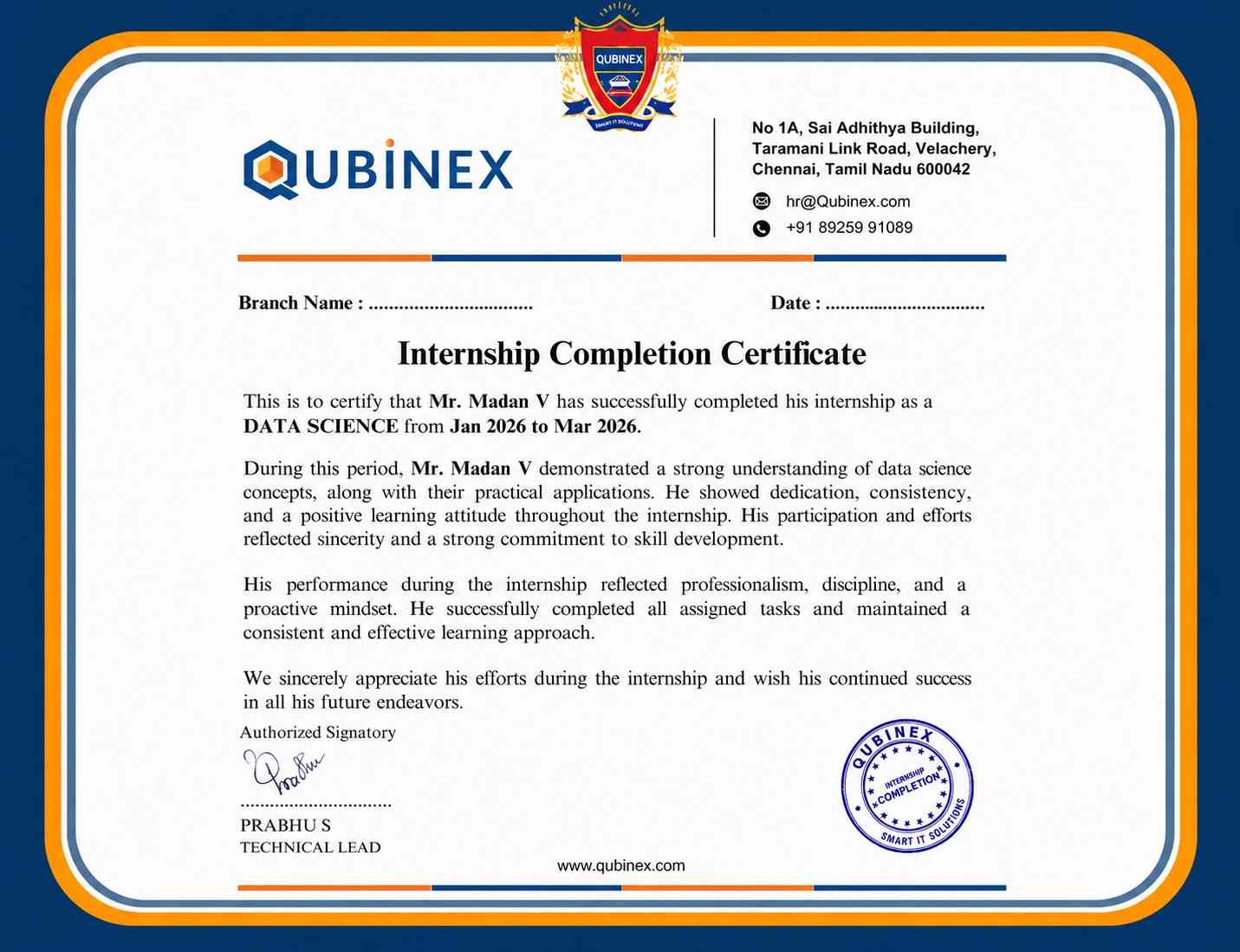
Pursuing a MEAN Stack Training certification helps validate your technical skills in building full-stack applications using MongoDB, Express.js, Angular, and Node.js.
Yes, Guarantee,MEAN Stack course provides you with essential skills in MongoDB, Express.js, Angular, and Node.js, along with hands-on projects and sometimes even placement assistance.
While there are no strict prerequisites, it’s highly recommended that you have a good grasp of JavaScript fundamentals and basic understanding of web development using HTML, CSS, and REST APIs.
Yes, most exams are available online and online proctoring ensures a secure and monitored testing environment. You can schedule the exam at your convenience, making it flexible for learners with busy routines.
Having real-world experience is not essential for earning a MEAN Stack certification, especially if you complete a structured training program that includes hands-on project work. Many institutes simulate real-world scenarios to help students gain practical skills.
Yes, MEAN Stack Course Certification is worth the time and investment due to its hands-on approach, industry-aligned curriculum, and expert trainers. The course is designed to make learners job-ready with real-time project exposure and interview preparation.
Frequently Asked Questions
- Yes, demo sessions are available
- Helps in decision-making
- ACTE instructors are industry experts with years of practical experience in MEAN Stack development. They bring real-world knowledge to the classroom, ensuring that students receive up-to-date and relevant training
- Yes, ACTE provides comprehensive placement assistance. After completing the MEAN Stack course, students have access to placement support that includes resume building, interview preparation, and job search guidance.
- Upon successful completion of the MEAN Stack course, students receive a Certification of Completion from ACTE. This certification validates your skills and knowledge in working with MongoDB, Express.js, Angular, and Node.js, which are the core technologies of the MEAN Stack.
- Yes, students are encouraged to work on live projects as part of their MEAN Stack training. This hands-on experience allows students to apply the concepts they learn in real-world scenarios and gain valuable practical skills.
