
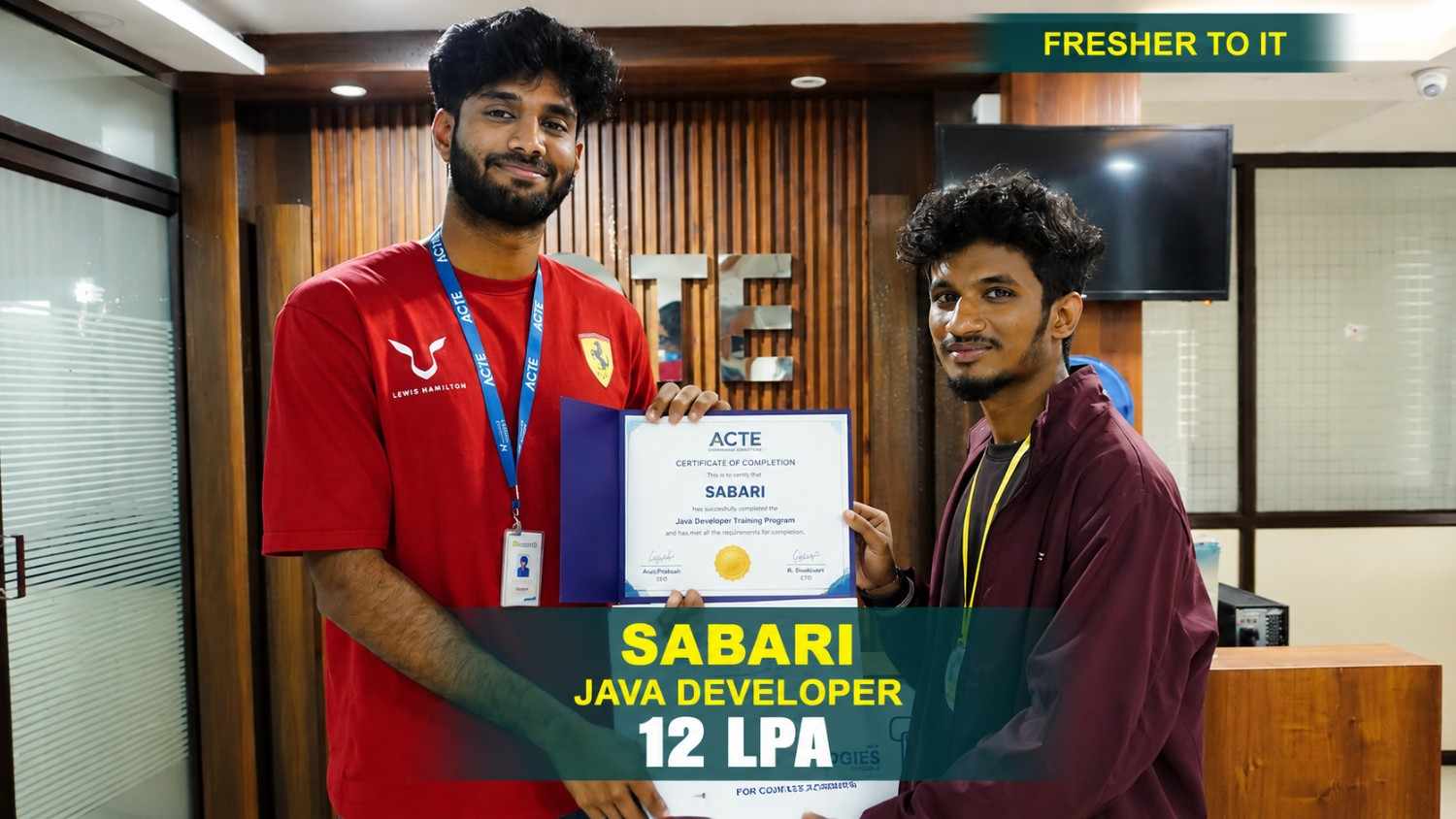
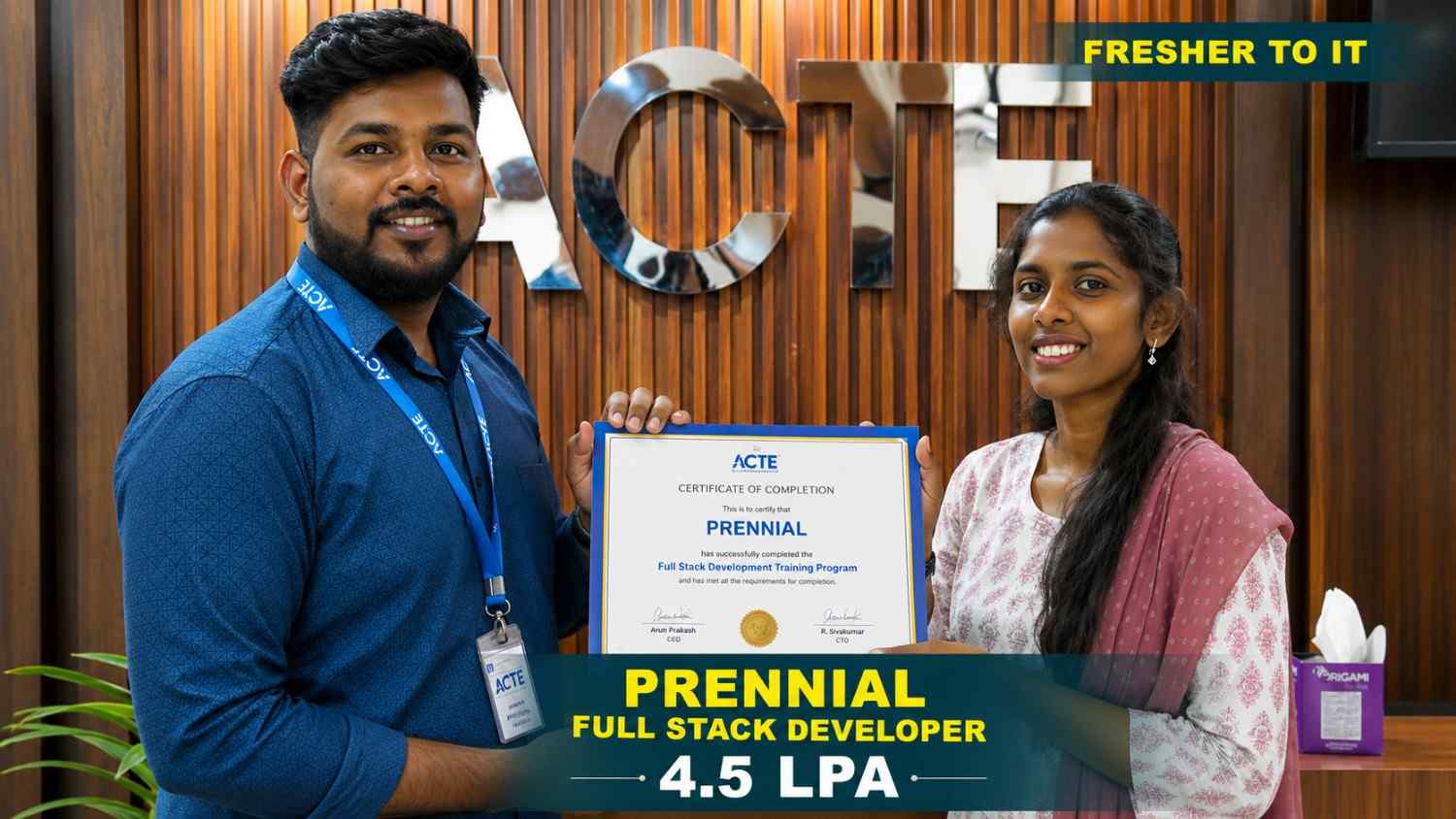
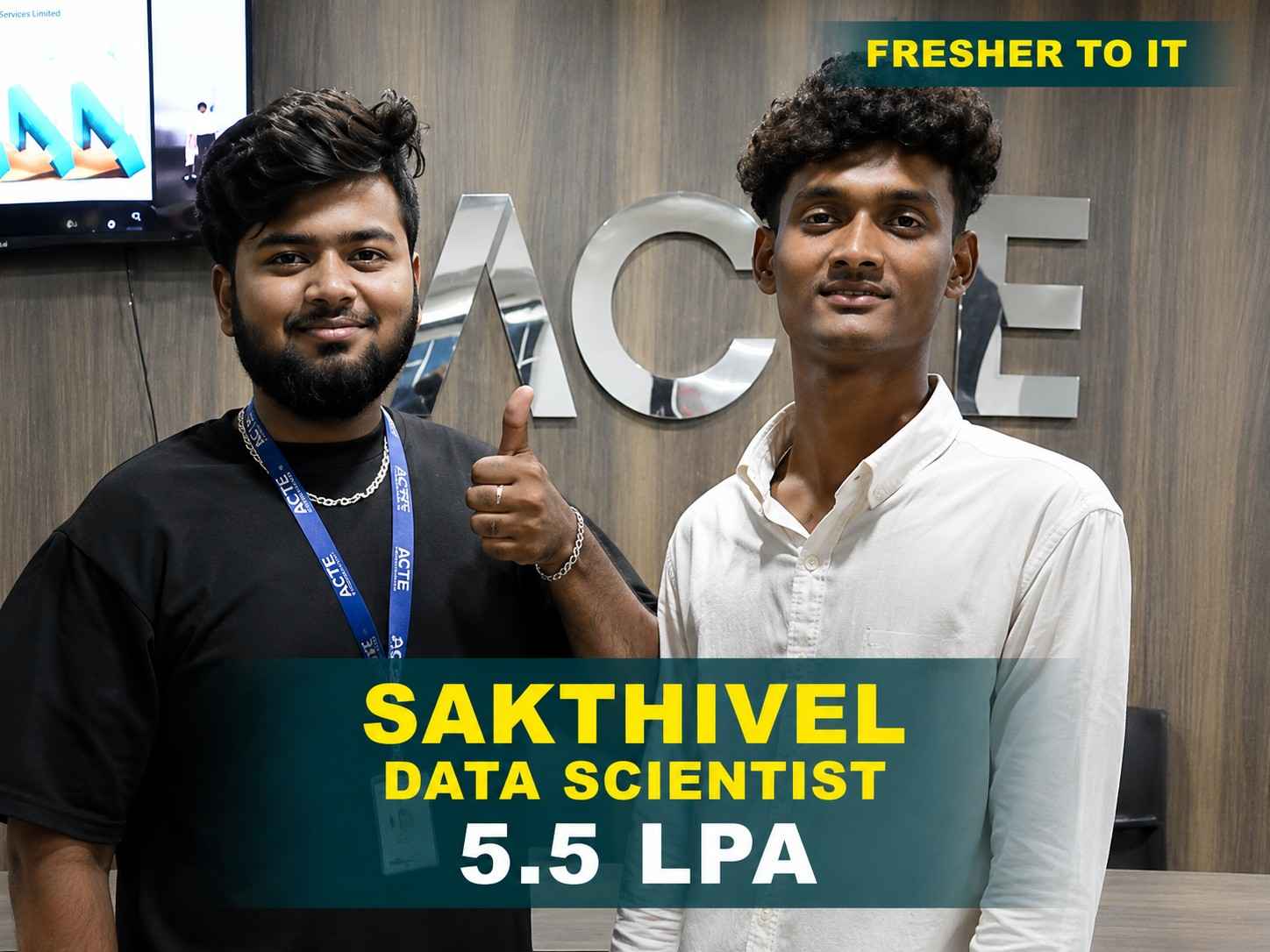
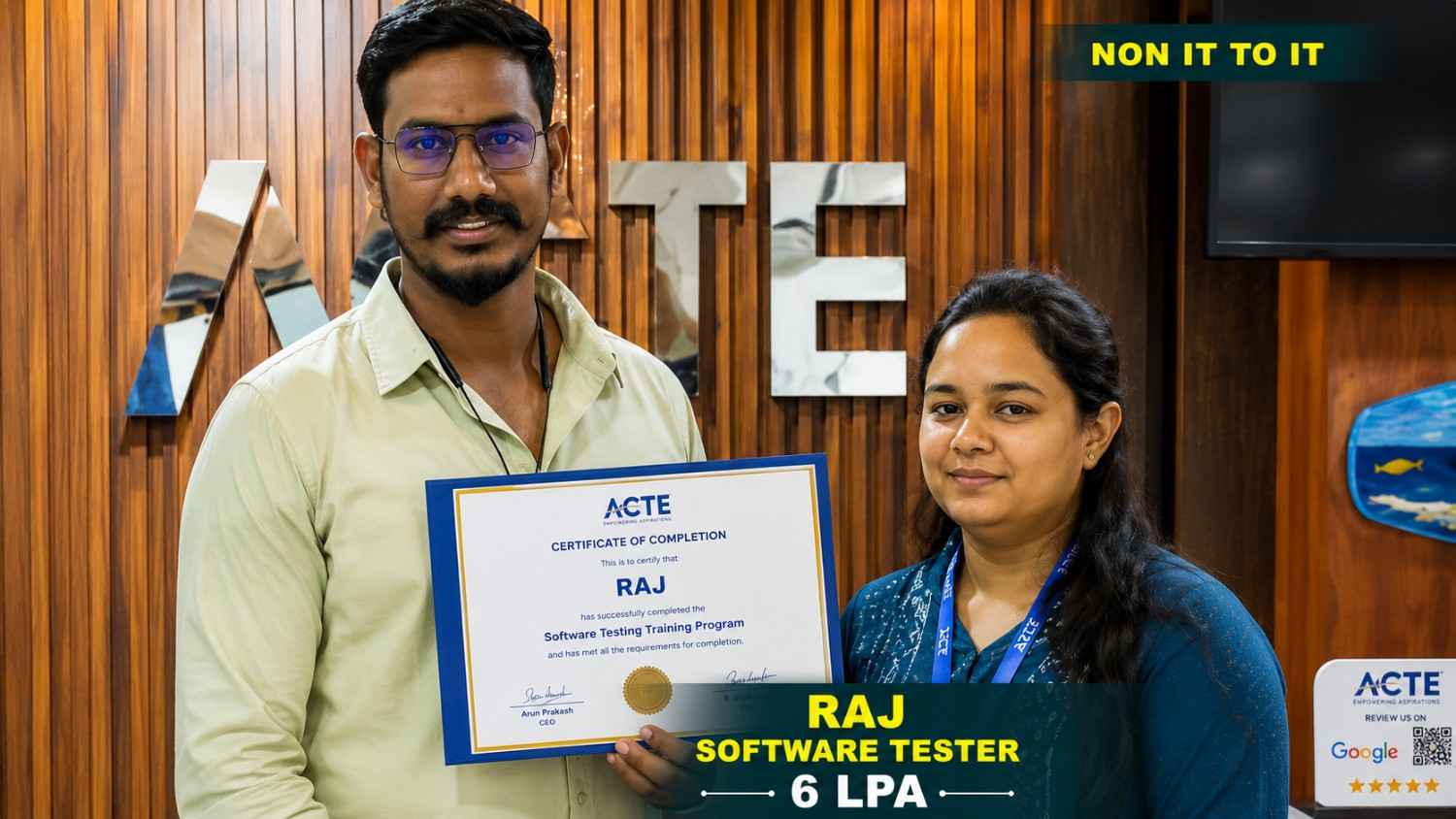
550+ Students Placed Every Month Be The Next!




















Our Hiring Partners

Curriculum Designed By Experts
Expertly designed curriculum for future-ready professionals.
Industry Oriented Curriculum
An exhaustive curriculum designed by our industry experts which will help you to get placed in your dream IT company
-
30+ Case Studies & Projects
-
9+ Engaging Projects
-
10+ Years Of Experience
Manual Testing Training Projects
Become a Manual Testing Expert With Practical and Engaging Projects.
- Practice essential Tools
- Designed by Industry experts
- Get Real-world Experience
Login Page Validation
This project teaches the fundamentals of manual testing through a basic login module. Students learn how to create test cases to validate correct and incorrect usernames/passwords
Registration Form Testing
In this task, learners manually test form fields including name, email, phone number, and password using various input combinations. The focus is on UI field alignment
Calculator Functionality Testing
This project simulates testing a calculator app for functions like addition, subtraction, multiplication, and division. Testers apply boundary value testing, error handling
Online Food Ordering Workflow
This project expands testing across modules such as menu selection, item quantity adjustments, cart updates, coupon codes, and checkout functionality.
Banking Portal
Trainees validate transfer features like payee addition, fund limits, OTP verification, and error handling. They also ensure proper transaction logs and alerts are generated.
Bug Tracking Tool Testing
Testers work with modules involving bug report creation, status changes, and user access levels. The project teaches how to manage state transitions, test role-based features
Hospital Management System Testing
A robust project covering modules like patient intake, doctor assignments, diagnostics, billing, and appointment management. Manual testers perform integration, usability
Learning Management System
Testers verify course enrollment, quiz submission, certificate generation, and progress tracking. This project involves role-based access, backend verification, and testing
Admin Dashboard Role Management
In this project, testers check UI access and permissions for roles like admin, editor, and viewer. They validate data integrity, user permissions, and audit logs across dashboards
Career Support
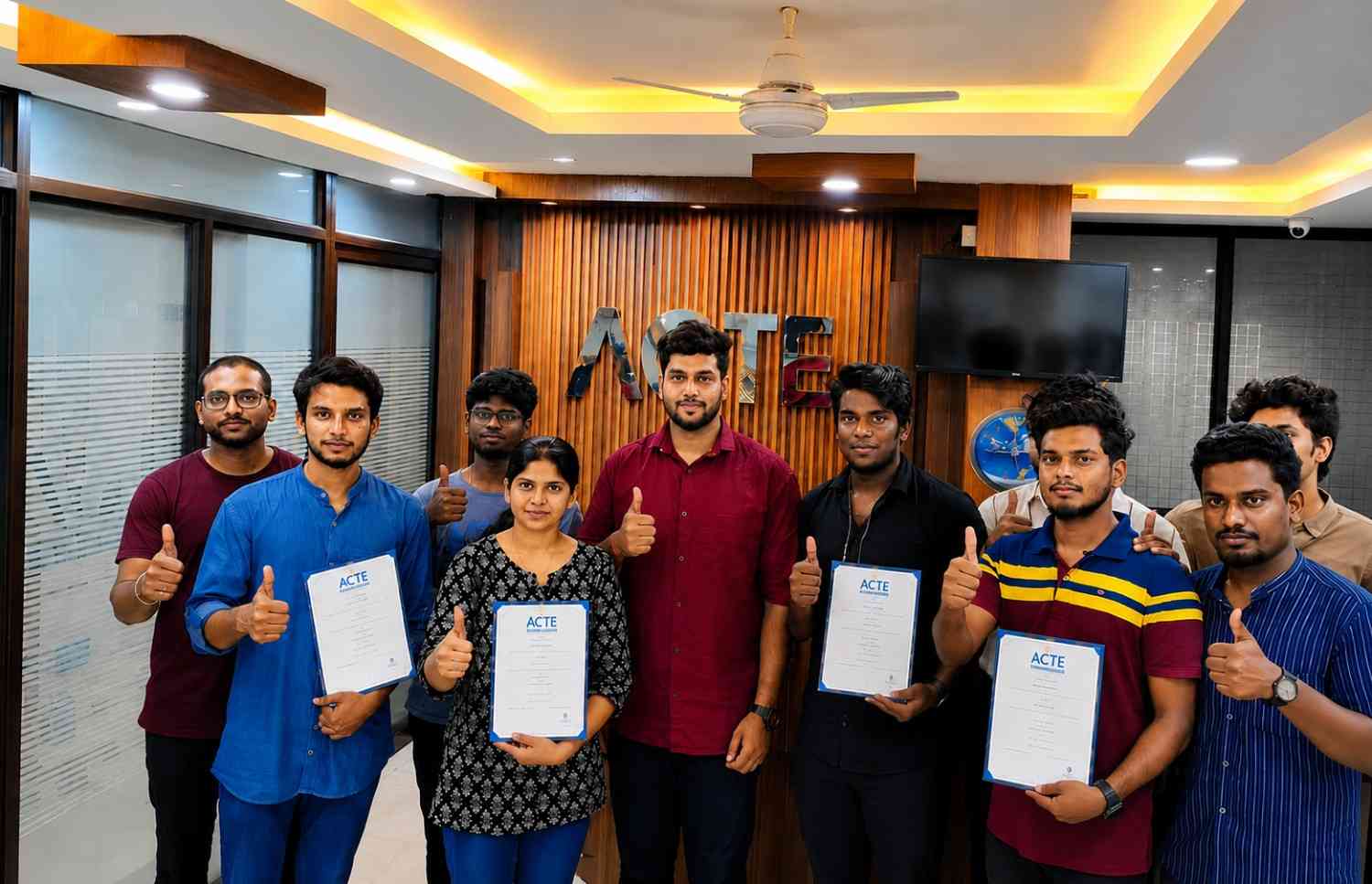

Placement Assistance

Exclusive access to ACTE Job portal

Mock Interview Preparation

1 on 1 Career Mentoring Sessions

Career Oriented Sessions

Resume & LinkedIn Profile Building
Key Features

Practical Training

Global Certifications

Flexible Timing

Trainer Support

Study Material

Placement Support

Mock Interviews

Resume Building
Upcoming Batches
What's included

 Free Aptitude and
Technical Skills Training
Free Aptitude and
Technical Skills Training
- Learn basic maths and logical thinking to solve problems easily.
- Understand simple coding and technical concepts step by step.
- Get ready for exams and interviews with regular practice.

 Hands-On Projects
- Work on real-time projects to apply what you learn.
- Build mini apps and tools daily to enhance your coding skills.
- Gain practical experience just like in real jobs.

 AI Powered Self
Interview Practice Portal
AI Powered Self
Interview Practice Portal
- Practice interview questions with instant AI feedback.
- Improve your answers by speaking and reviewing them.
- Build confidence with real-time mock interview sessions.

 Interview Preparation
For Freshers
Interview Preparation
For Freshers
- Practice company-based interview questions.
- Take online assessment tests to crack interviews
- Practice confidently with real-world interview and project-based questions.

 LMS Online Learning
Platform
LMS Online Learning
Platform
- Explore expert trainer videos and documents to boost your learning.
- Study anytime with on-demand videos and detailed documents.
- Quickly find topics with organized learning materials.
- Learning strategies that are appropriate and tailored to your company's requirements.
- Live projects guided by instructors are a characteristic of the virtual learning environment.
- The curriculum includes of full-day lectures, practical exercises, and case studies.

Manual Testing Training Overview
Manual Testing Program Training in OMR with Potential Career Paths
A career in manual testing opens a variety of opportunities across industries that rely on reliable and bug-free software. Manual testers can start as QA Analysts or Software Testers and gradually progress to roles like Test Lead, QA Manager, or Quality Assurance Consultant. With experience, testers may also move into specialized roles such as Business Analyst, Test Automation Engineer, or User Acceptance Tester. Manual testing provides a strong foundation in understanding software behavior, client requirements, and user expectations, making it an excellent gateway into broader domains like automation testing, DevOps, and software development lifecycle (SDLC) management. Whether working in product-based companies, service firms, or startups, manual testers play a critical role in ensuring software quality and customer satisfaction.
The Requirements for Manual Testing Institute in OMR
- Basic Understanding of Software Development: Having a general idea of how software applications are created, developed, and deployed helps testers understand what to test, when to test it, and how their work fits into the overall product lifecycle.
- Attention to Detail: Manual testers must thoroughly examine software to catch even the smallest bugs or inconsistencies. A sharp eye for detail ensures issues are caught early, and test results are accurately documented
- Knowledge of SDLC & STLC: Understanding the Software Development Life Cycle (SDLC) gives testers a big-picture view of how software evolves from idea to release. Meanwhile, Software Testing Life Cycle (STLC)
- Familiarity with Test Case Documentation: Manual testing often involves preparing and executing test cases, bug reports, and checklists. Being skilled in writing clear and concise documentation ensures that testing efforts are traceable, reproducible
- Good Communication Skills: Testers must frequently interact with developers, project managers, and clients to report bugs, clarify requirements, or give feedback. Clear verbal and written communication is essential .
Enrolling in Manual Testing Development Course in OMR
Enrolling in a Manual Testing course equips you with the foundational skills needed to enter the field of software quality assurance, even without a programming background. It’s a cost-effective, beginner-friendly path for launching a tech career with high demand across industries. Manual testing allows you to understand application behavior from the user’s perspective and identify critical issues before product release. A structured course also exposes you to industry tools, methodologies like Agile and Waterfall, and prepares you for QA certifications and interviews. Whether you’re a fresher, non-IT graduate, or transitioning professional, manual testing is a great stepping stone into the software industry.
Techniques and Trends in Manual Testing Development Training in OMR
- Exploratory Testing: This approach involves simultaneous learning, test design, and execution without relying on predefined test cases. Testers use their intuition, domain knowledge, and creativity to uncover unexpected bugs,
- Agile Testing Approach: In Agile teams, testing is continuous and integrated throughout the development cycle. Manual testers collaborate closely with developers, attend sprint meetings, and provide immediate feedback,
- Risk-Based Testing: This technique focuses on testing the most critical and high-impact features first. By assessing the likelihood of failure and the consequences, testers can allocate effort where it matters
- Shift-Left Testing: Shift-left testing means starting testing earlier in the SDLC, such as during requirement analysis or design. This early involvement allows testers to catch defects sooner, reduce rework, and improve product quality
- Mobile & Cross-Browser Testing: With the wide use of web and mobile apps, manual testers are expected to validate applications across multiple devices, screen sizes, and browsers. This ensures consistent functionality, layout
The Most Recent Manual Testing Training Institute in OMR with Tools
Modern manual testers use a range of collaborative and productivity-enhancing tools to streamline their tasks. Tools like TestLink, Jira, Bugzilla, and Quality Center (HP ALM) are commonly used to document test cases, track bugs, and manage testing workflows. Many teams also adopt Confluence for knowledge management and Excel or Google Sheets for quick reporting and test planning. The shift toward Agile and DevOps methodologies has also led to increased use of tools that support integration, collaboration, and traceability. While manual testing doesn’t rely on automation scripts, today’s testers are expected to be familiar with these tools to work effectively within cross-functional QA teams.
Career Opportunities After Manual Testing Training
Software Test Engineer
A Software Test Engineer is responsible for designing and executing manual test cases to identify bugs and ensure the functionality of software applications.
Quality Assurance Analyst
A QA Analyst plays a vital role in maintaining the quality of software products by planning, creating, and executing manual test plans. The job involves reviewing requirement
Manual Tester
A Manual Tester for web and mobile applications is tasked with verifying application behavior across browsers, devices, and platforms. This professional conducts compatibility
Test Lead
The Manual QA Test Lead manages a team of testers and oversees the entire manual testing process of a project. Responsibilities include defining test strategies, allocating tasks
User Acceptance Tester
UAT Testers act as end-users and verify whether the developed software meets business needs and usability expectations. They execute test cases based on real-world scenarios
Bug Tracking
A Bug Tracking & Reporting Specialist focuses on defect identification, documentation, and resolution coordination. While they are involved in manual testing, their primary
Skill to Master
Understanding of SDLC and STLC
Test Case Design & Execution
Defect Tracking & Reporting
Types of Testing
Test Planning & Strategy
Exploratory Testing Techniques
Understanding Requirements & Traceability
Bug Lifecycle Management
Agile & Scrum Testing Practices
Test Documentation
Communication & Collaboration Skills
Critical Thinking & Attention to Detail
Tools to Master
JIRA
TestLink
Bugzilla
MantisBT
Quality Center (HP ALM)
Excel/Google Sheets
Redmine
Confluence
qTest by Tricentis
Trello
Zoho BugTracker
PractiTest
Learn from certified professionals who are currently working.

Training by
Swetha, having 10 yrs of experience
Specialized in: Manual Testing Recruitment, Onboarding, Performance Management, and Data Migration.
Note: Swetha is recognized for her expertise in cloud HR solutions and her ability to facilitate smooth transitions from legacy systems to Manual Testing frameworks.
Premium Training at Best Price
Affordable, Quality Training for Freshers to Launch IT Careers & Land Top Placements.
What Makes ACTE Training Different?
Feature
ACTE Technologies
Other Institutes
Affordable Fees
Competitive Pricing With Flexible Payment Options.
Higher Fees With Limited Payment Options.
Industry Experts
Well Experienced Trainer From a Relevant Field With Practical Training
Theoretical Class With Limited Practical
Updated Syllabus
Updated and Industry-relevant Course Curriculum With Hands-on Learning.
Outdated Curriculum With Limited Practical Training.
Hands-on projects
Real-world Projects With Live Case Studies and Collaboration With Companies.
Basic Projects With Limited Real-world Application.
Certification
Industry-recognized Certifications With Global Validity.
Basic Certifications With Limited Recognition.
Placement Support
Strong Placement Support With Tie-ups With Top Companies and Mock Interviews.
Basic Placement Support
Industry Partnerships
Strong Ties With Top Tech Companies for Internships and Placements
No Partnerships, Limited Opportunities
Batch Size
Small Batch Sizes for Personalized Attention.
Large Batch Sizes With Limited Individual Focus.
LMS Features
Lifetime Access Course video Materials in LMS, Online Interview Practice, upload resumes in Placement Portal.
No LMS Features or Perks.
Training Support
Dedicated Mentors, 24/7 Doubt Resolution, and Personalized Guidance.
Limited Mentor Support and No After-hours Assistance.
We are proud to have participated in more than 40,000 career transfers globally.

Manual Testing Certification

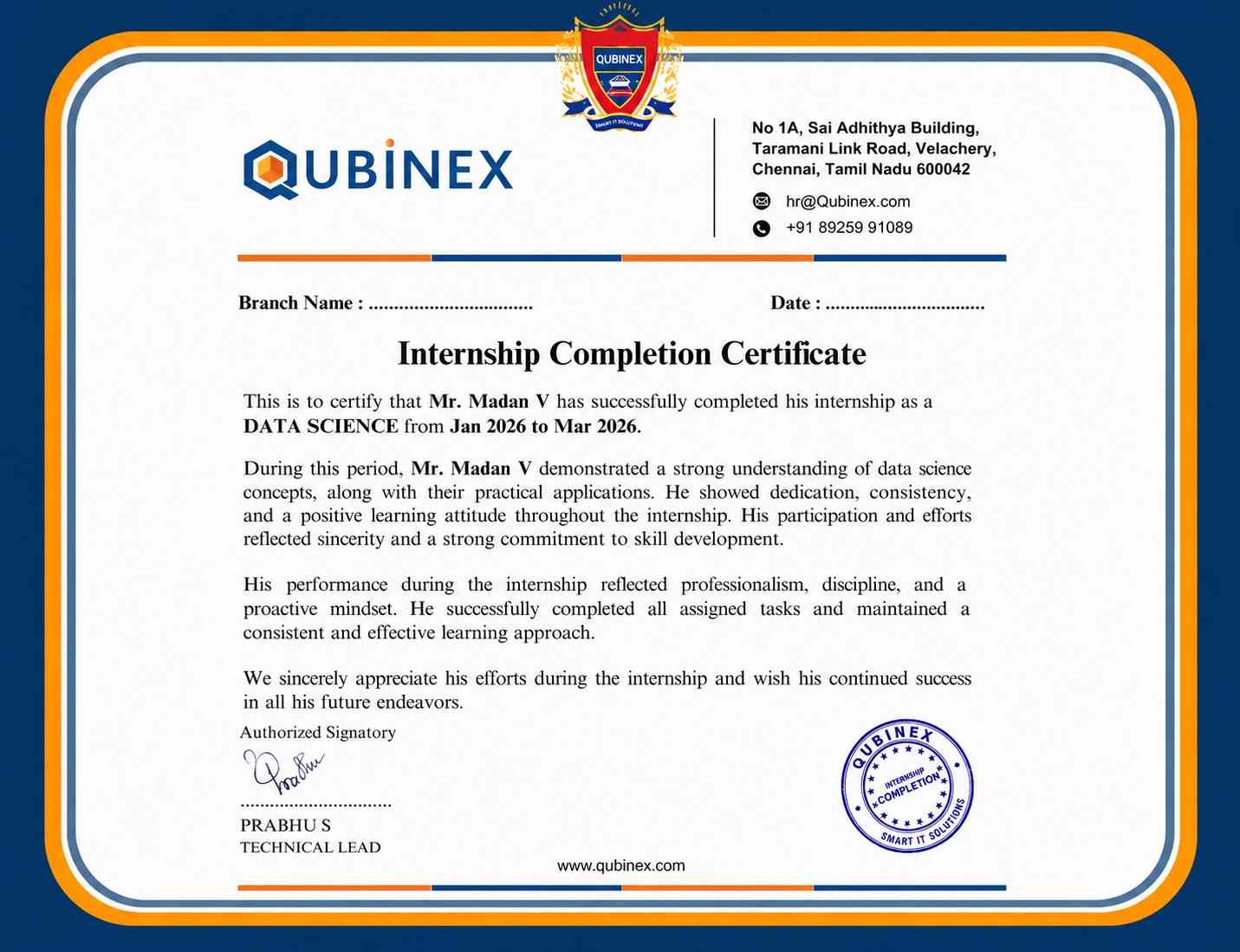
Many certification programs are designed to be beginner-friendly, requiring no prior job experience. Instead, they focus on foundational knowledge, test case design, defect reporting, and best practices.
A Manual Testing certification is a powerful way to validate your skills in identifying bugs, writing test cases, and ensuring software quality without automation tools.
There are typically no strict prerequisites for taking Manual Testing certification exams. Most programs welcome freshers, graduates, or professionals from non-technical backgrounds.
Yes, ACTE’s Manual Testing Training Certification is worth it for aspiring QA professionals. The course is taught by industry experts, offers real-time projects, interview coaching, and access to top testing tools.
Frequently Asked Questions
-
Yes! ACTE offers demo sessions for all interested learners. Benefits include:
- A preview of the teaching style and curriculum structure.
- Opportunity to interact with trainers and clarify your queries.
- 8–15+ years of hands-on experience in software testing.
- Certified QA professionals from leading MNCs.
- Yes, ACTE provides comprehensive placement support. After completing the Manual Testing training, students receive help with resume building, interview preparation, and access to a dedicated job portal.
- After successful completion of the course, students will receive a Manual Testing Course Completion Certificate from ACTE. This certificate validates your expertise in core testing concepts such as test case writing
- Absolutely! ACTE’s Manual Testing course includes live project assignments that mimic real industry scenarios. Students test actual applications and write real-time test cases, execute them, and log bugs using tools like JIRA or Bugzilla.
