
550+ Students Placed Every Month Be The Next!

























Our Hiring Partners

Curriculum Designed By Experts
Expertly designed curriculum for future-ready professionals.
Industry Oriented Curriculum
An exhaustive curriculum designed by our industry experts which will help you to get placed in your dream IT company
-
30+ Case Studies & Projects
-
9+ Engaging Projects
-
10+ Years Of Experience
Embedded System Training Projects
Become a Embedded System Expert With Practical and Engaging Projects.
- Practice essential Tools
- Designed by Industry experts
- Get Real-world Experience
Button-Controlled LED
A Beginner Project that Involves Using Switches to Control the State of an LED Understand the concepts of input devices, signal processing, and simple control mechanisms in embedded systems.
Digital Clock
Design a Simple 12-Hour Digital Clock using a Microcontroller and a 7-Segment Display. Learn the basics of timekeeping, display interfacing, circuit design, real-time clock programming, and managing time.
LED Blinking using Microcontroller
The simplest project to get started with embedded systems. Learn how to use a microcontroller to blink an LED, an essential building block for understanding GPIO pins.
LCD Display Interface
Interface an LCD display to show real-time data, such as temperature readings or system status. Learn how to work with character-based LCDs and optimize memory usage.
Smart Fan Control
Create a system where the fan speed is automatically adjusted based on room temperature using a temperature sensor, a microcontroller, and a PWM signal for speed control.
RFID-based Security System
Implement an RFID-based access control system that triggers a relay for door locking/unlocking. Learn about RFID communication protocols and security systems.
Home Automation System (IoT-based)
Build a home automation system that can control appliances (lights, fans, etc.) via a smartphone app using Wi-Fi. Learn IoT integration, cloud communication, and mobile app interfacing.
Smart Traffic Management System
Implement a system where appliances are controlled using voice commands via a speech recognition module and microcontroller. Gain experience with AI-based voice control systems.
Voice-Controlled Home Automation
An IoT-based wearable device that tracks vital signs like heart rate, temperature, and oxygen levels and sends alerts in emergencies. It integrates biomedical sensors, cloud computing.
Career Support


Placement Assistance

Exclusive access to ACTE Job portal

Mock Interview Preparation

1 on 1 Career Mentoring Sessions

Career Oriented Sessions

Resume & LinkedIn Profile Building
Key Features

Practical Training

Global Certifications

Flexible Timing

Trainer Support

Study Material

Placement Support

Mock Interviews

Resume Building
Upcoming Batches
What's included

 Free Aptitude and
Technical Skills Training
Free Aptitude and
Technical Skills Training
- Learn basic maths and logical thinking to solve problems easily.
- Understand simple coding and technical concepts step by step.
- Get ready for exams and interviews with regular practice.

 Hands-On Projects
- Work on real-time projects to apply what you learn.
- Build mini apps and tools daily to enhance your coding skills.
- Gain practical experience just like in real jobs.

 AI Powered Self
Interview Practice Portal
AI Powered Self
Interview Practice Portal
- Practice interview questions with instant AI feedback.
- Improve your answers by speaking and reviewing them.
- Build confidence with real-time mock interview sessions.

 Interview Preparation
For Freshers
Interview Preparation
For Freshers
- Practice company-based interview questions.
- Take online assessment tests to crack interviews
- Practice confidently with real-world interview and project-based questions.

 LMS Online Learning
Platform
LMS Online Learning
Platform
- Explore expert trainer videos and documents to boost your learning.
- Study anytime with on-demand videos and detailed documents.
- Quickly find topics with organized learning materials.
- Learning strategies that are appropriate and tailored to your company's requirements.
- Live projects guided by instructors are a characteristic of the virtual learning environment.
- The curriculum includes of full-day lectures, practical exercises, and case studies.

Embedded System Training Overview
Embedded System Training in Chennai – Course Programmer’s Potential Career Paths
Completing an Embedded System Certification opens up a wide range of career opportunities in the ever-evolving field of embedded systems. Upon completion of the course, programmers can pursue careers as Embedded Systems Engineers, Firmware Developers, IoT Engineers, or VLSI Design Engineers. The demand for professionals skilled in embedded systems is high across industries such as automotive, healthcare, consumer electronics, aerospace, robotics, and telecommunications. With hands-on experience and a deep understanding of microcontrollers, programming languages like C and C++, and hardware interfacing, graduates are well-equipped for roles that involve designing, testing, and optimizing embedded systems in real-world applications.
What Are the Requirements for an Embedded System Training course?
- Prerequisites: Basic understanding of digital electronics and circuits. Knowledge of programming in languages like C, C++, or Python. Familiarity with basic microcontroller concepts (optional but helpful). An interest in hardware and software integration. Analytical and problem-solving skills to design efficient systems.
- Course Requirements: Laptop/PC with software for embedded development (like Keil, MPLAB, or Eclipse). A willingness to engage in hands-on projects. Enthusiasm for continuous learning and adapting to new technologies. Prior knowledge in basic electronics is a plus but not mandatory.
Reasons to Consider Enrolling in Embedded System Training in Chennai Course
Enrolling in an Embedded System Training course in Chennai offers several key advantages. First, the training equips you with practical skills, combining both hardware and software expertise, which is crucial for working on real-world embedded system applications. With Chennai being a hub for technology and industry, you will gain exposure to cutting-edge tools and techniques. Furthermore, the job-oriented approach of the training ensures that you are well-prepared for placement in top companies that are actively seeking skilled embedded system professionals. You will also have access to personalized coaching and placement assistance, which further enhances the value of this course. This course will not only boost your technical capabilities but also broaden your career opportunities in sectors such as IoT, automotive, robotics, and consumer electronics.
Techniques and Trends in Embedded System Development Training in Velachery
- IoT Integration: Embedded systems are increasingly being integrated with the Internet of Things (IoT), and training programs emphasize learning about cloud communication, data transfer protocols (like MQTT), and sensor interfacing for IoT-based solutions.
- Real-Time Operating Systems (RTOS): Embedded system training focuses on RTOS concepts, task management, inter-task communication, and scheduling algorithms to develop time-critical systems.
- Advanced Microcontroller Programming: The training includes working with 32-bit microcontrollers like ARM Cortex and ESP32, which are now widely used in smart devices and wearables.
- Machine Learning in Embedded Systems: With the advent of edge computing, training courses incorporate machine learning algorithms into embedded systems, enabling devices to process data locally and intelligently.
- Wireless Communication Protocols: Courses now cover the implementation of Bluetooth, Zigbee, Wi-Fi, and LoRa protocols, which are crucial for building connected and smart systems.
The Most Recent Embedded System Training course Tools
The Embedded System Training in Chennai utilizes a range of the most up-to-date development tools to ensure students gain practical, hands-on experience. Keil uVision is widely used for programming and debugging ARM-based microcontrollers, allowing students to develop efficient, real-time embedded software. Proteus is employed for circuit simulation and PCB design, enabling learners to visualize and test their designs before physical implementation. For programming PIC microcontrollers, students work with MPLAB X IDE, which is essential for developing embedded software in industry-standard environments. The Arduino IDE is also a key tool, especially for basic embedded systems and DIY projects, giving students a practical understanding of microcontroller-based designs.
Career Opportunities After Embedded System Training
Embedded Systems Engineer
An Embedded Systems Engineer designs, develops, and tests embedded software and hardware systems. This role involves writing low-level software for embedded microcontrollers, debugging and optimizing embedded code, and ensuring the integration.
Firmware Developers
Firmware Developers are responsible for writing the low-level code (firmware) that runs on embedded systems and microcontrollers. They work with hardware teams to develop efficient and robust firmware for devices, focusing on optimizing performance.
IoT Engineer
An IoT Engineer works on designing and developing embedded systems that connect to the internet, enabling devices to send and receive data. Responsibilities include building the embedded hardware, writing software for sensors, and integrating them with cloud platforms.
VLSI Design Engineer
VLSI (Very-Large-Scale Integration) Design Engineers are responsible for designing complex integrated circuits (ICs) used in embedded systems. This includes working on the architecture, simulation, and testing of microchips for applications.
Embedded Software Developer
An Embedded Software Developer focuses on writing software that operates within embedded systems, typically for devices like medical instruments, industrial machines, and consumer gadgets. The role involves working with languages like C and C++
Hardware Design Engineers
Hardware Design Engineers focus on creating the physical components of embedded systems, including microcontrollers, sensors, and circuit boards. They are responsible for schematic design, PCB layout, and hardware testing.
Skill to Master
Microcontroller Programming
Circuit Design and Simulation
Real-Time Operating Systems
Embedded C Programming
Hardware-Software Integration
Communication Protocols
Power Management Techniques
PCB Design
Sensor Integration
Embedded System Debugging
IoT Development
Project Development and Testing
Tools to Master
Keil uVision
Arduino IDE
MPLAB X IDE
Embedded Linux
STM32CubeIDE
Proteus Design Suite
FreeRTOS
JTAG Debuggers
MATLAB & Simulink
Logic Analyzers
KiCad & Altium Designer
Eclipse & Code Composer Studio
Learn from certified professionals who are currently working.

Training by
Kumar, having 7 years of experience
Specialized in: Embedded System Design, VLSI Design, PCB Design, and Embedded Linux.
Note: Kumar is known for his deep understanding of VLSI and PCB design, as well as his expertise in Embedded Linux for low-power, high-efficiency embedded systems. He brings practical industry insights into the classroom, focusing on real-world hardware design and optimization techniques.
Premium Training at Best Price
Affordable, Quality Training for Freshers to Launch IT Careers & Land Top Placements.
What Makes ACTE Training Different?
Feature
ACTE Technologies
Other Institutes
Affordable Fees
Competitive Pricing With Flexible Payment Options.
Higher Fees With Limited Payment Options.
Industry Experts
Well Experienced Trainer From a Relevant Field With Practical Training
Theoretical Class With Limited Practical
Updated Syllabus
Updated and Industry-relevant Course Curriculum With Hands-on Learning.
Outdated Curriculum With Limited Practical Training.
Hands-on projects
Real-world Projects With Live Case Studies and Collaboration With Companies.
Basic Projects With Limited Real-world Application.
Certification
Industry-recognized Certifications With Global Validity.
Basic Certifications With Limited Recognition.
Placement Support
Strong Placement Support With Tie-ups With Top Companies and Mock Interviews.
Basic Placement Support
Industry Partnerships
Strong Ties With Top Tech Companies for Internships and Placements
No Partnerships, Limited Opportunities
Batch Size
Small Batch Sizes for Personalized Attention.
Large Batch Sizes With Limited Individual Focus.
LMS Features
Lifetime Access Course video Materials in LMS, Online Interview Practice, upload resumes in Placement Portal.
No LMS Features or Perks.
Training Support
Dedicated Mentors, 24/7 Doubt Resolution, and Personalized Guidance.
Limited Mentor Support and No After-hours Assistance.
We are proud to have participated in more than 40,000 career transfers globally.

Embedded System Certification


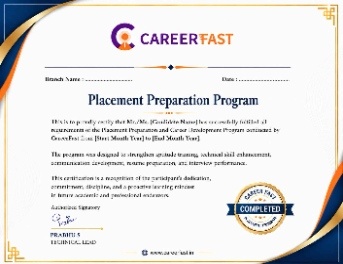
While holding an Embedded System Certification certainly boosts your employability, it does not guarantee automatic employment. It significantly improves your chances by providing you with the essential skills and knowledge employers are looking for certification.
Yes, you can pursue multiple certifications to specialize in different areas of embedded systems. You can obtain certifications in areas like IoT and Embedded Linux simultaneously. Multiple certifications increase your expertise and make you more versatile in the job market.
Yes, many training institutes, including ACTE, offer online certification exams for the Embedded System Training in Chennai course. This flexibility allows you to take the exam at your convenience from anywhere.
While real-world experience is highly beneficial, it is not always a mandatory requirement for obtaining certification in Embedded Systems. The course itself provides you with comprehensive theoretical knowledge and practical skills..
Yes, the investment of time and money in obtaining an ACTE Embedded System Training certification is justified, especially considering the high demand for skilled professionals in the embedded systems field.
Frequently Asked Questions
- ACTE offers multiple training modes for the Embedded System Course Training to suit different learning preferences and schedules. The options include classroom training, where you attend in-person sessions, and online training, which allows you to learn from the comfort of your home. There is also the option for weekend batches for those who are working professionals and prefer flexible timing. Additionally, ACTE provides self-paced learning, allowing you to access course materials at your convenience and progress at your own speed.
- Register Online: Sign up through ACTE's website or course portal to access the online classes.
- Attend Live Sessions Participate in real-time, instructor-led live classes from anywhere, through a stable internet connection.
- Interactive Q&A Engage with instructors and peers through live chats and discussion forums to clarify doubts.
- Yes, ACTE provides recorded sessions for every live class. If you miss a class, you can access the recordings on the learning platform and catch up at your own pace. This ensures you don’t fall behind and can review the material whenever needed. The recorded sessions also serve as a valuable resource for revisiting complex topics and strengthening your understanding.
- Yes, ACTE offers demo classes before you decide to enroll in the course.
- You can attend a free demo session to get an overview of the course structure, teaching style, and syllabus.
- The demo session gives you a chance to evaluate the trainer's expertise and the learning platform.
- The Embedded System Training course at ACTE typically lasts for 2 to 3 months, depending on the batch and training mode you choose. The course is designed to provide a comprehensive understanding of embedded systems, including hands-on projects and assignments. For working professionals, there are weekend batches that extend the course duration to give you more flexibility while learning.
