
550+ Students Placed Every Month Be The Next!




























Our Hiring Partners

Curriculam Designed By Experts
Expertly designed curriculum for future-ready professionals.
Industry Oriented Curriculum
An exhaustive curriculum designed by our industry experts which will help you to get placed in your dream IT company
-
30+ Case Studies & Projects
-
9+ Engaging Projects
-
10+ Years Of Experience
Electronic Design Training Projects
Become a Electronic Design Expert With Practical and Engaging Projects.
- Practice essential Tools
- Designed by Industry experts
- Get Real-world Experience
LED Blinking & Traffic Light Control
Design simple LED circuits using resistors and transistors. Implement a basic traffic light sequence using timers or microcontrollers. This project helps learners understand digital outputs, timing, and sequencing concepts.
Temperature Sensor Circuit
Build a temperature detection circuit using thermistors or LM35 sensors. Display temperature readings using LEDs or 7-segment displays. Introduces analog-to-digital conversion and basic sensor interfacing.
Basic Audio Amplifier
Design a small-scale audio amplifier using transistor or op-amp circuits. Connect speakers and test sound amplification. Demonstrates amplification, gain control, and core audio electronics concepts.
Digital Temperature Controller
Interface temperature sensors with microcontrollers such as Arduino. Control heating or cooling elements based on predefined temperature thresholds. This project demonstrates practical feedback mechanisms and control system.
Automatic Street Light Controller
Design an automatic street lighting system using LDR sensors and a microcontroller to switch lights ON or OFF. Supports time-based or ambient light intensity-based control, introducing real-world automation.
Obstacle Avoiding Robot
Build a robot using motors, sensors, and microcontroller-based logic. Program the robot to detect and avoid obstacles automatically, introducing learners to robotics, sensor integration, and motor control fundamentals.
Home Automation System
Control home appliances using IoT technologies with Wi-Fi or Bluetooth modules. Integrate sensors, relay modules, and mobile applications to enable remote monitoring and control.
FPGA-based Digital Signal Processing
Implement digital signal processing techniques such as filters, FFT, and modulation using FPGA development boards. Perform real-time signal processing while learning advanced.
Renewable Energy Management System
Design electronic circuits to manage solar energy generation and battery charging systems. Include power monitoring, load control, and protection mechanisms, introducing.
Career Support
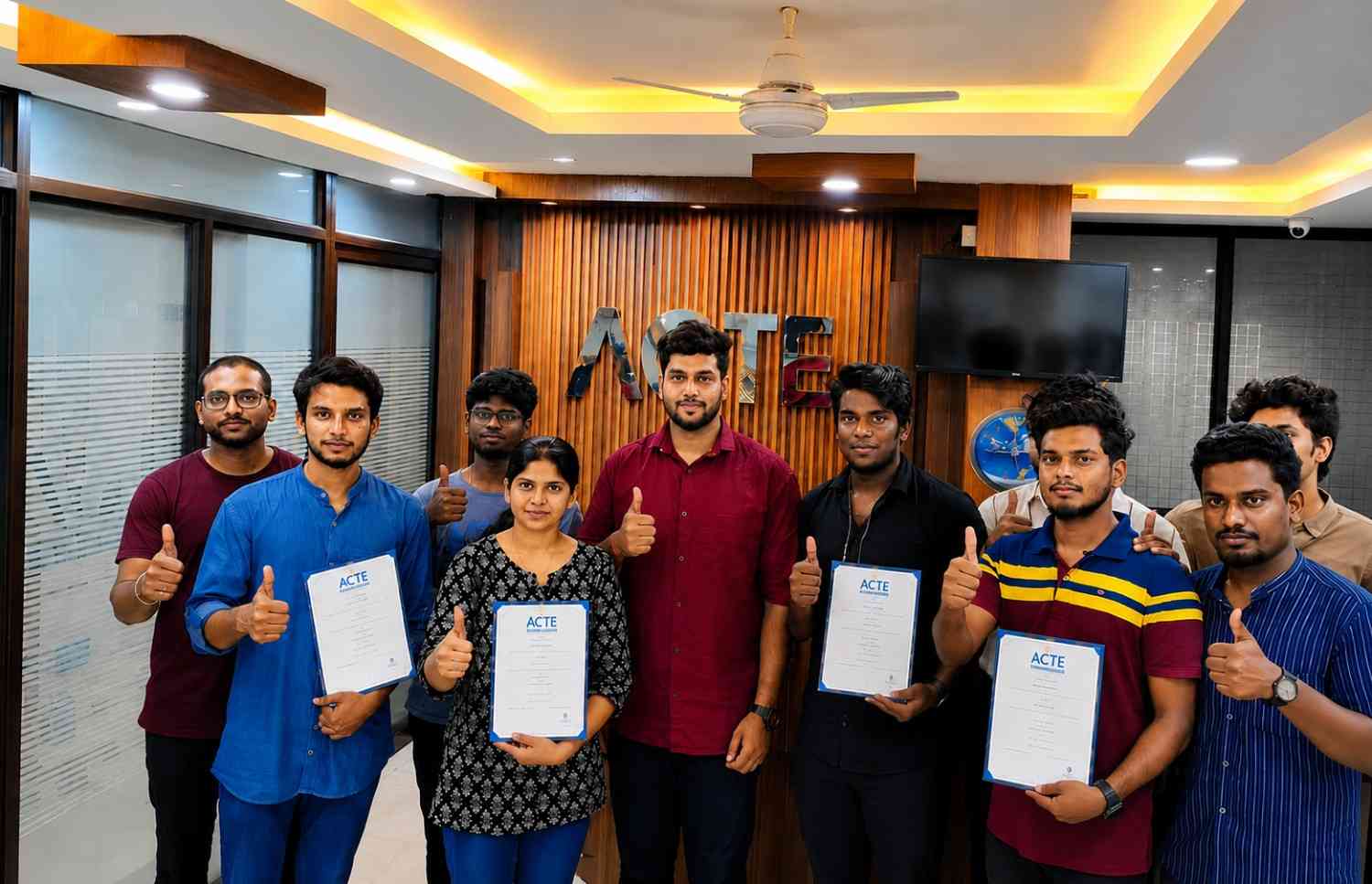

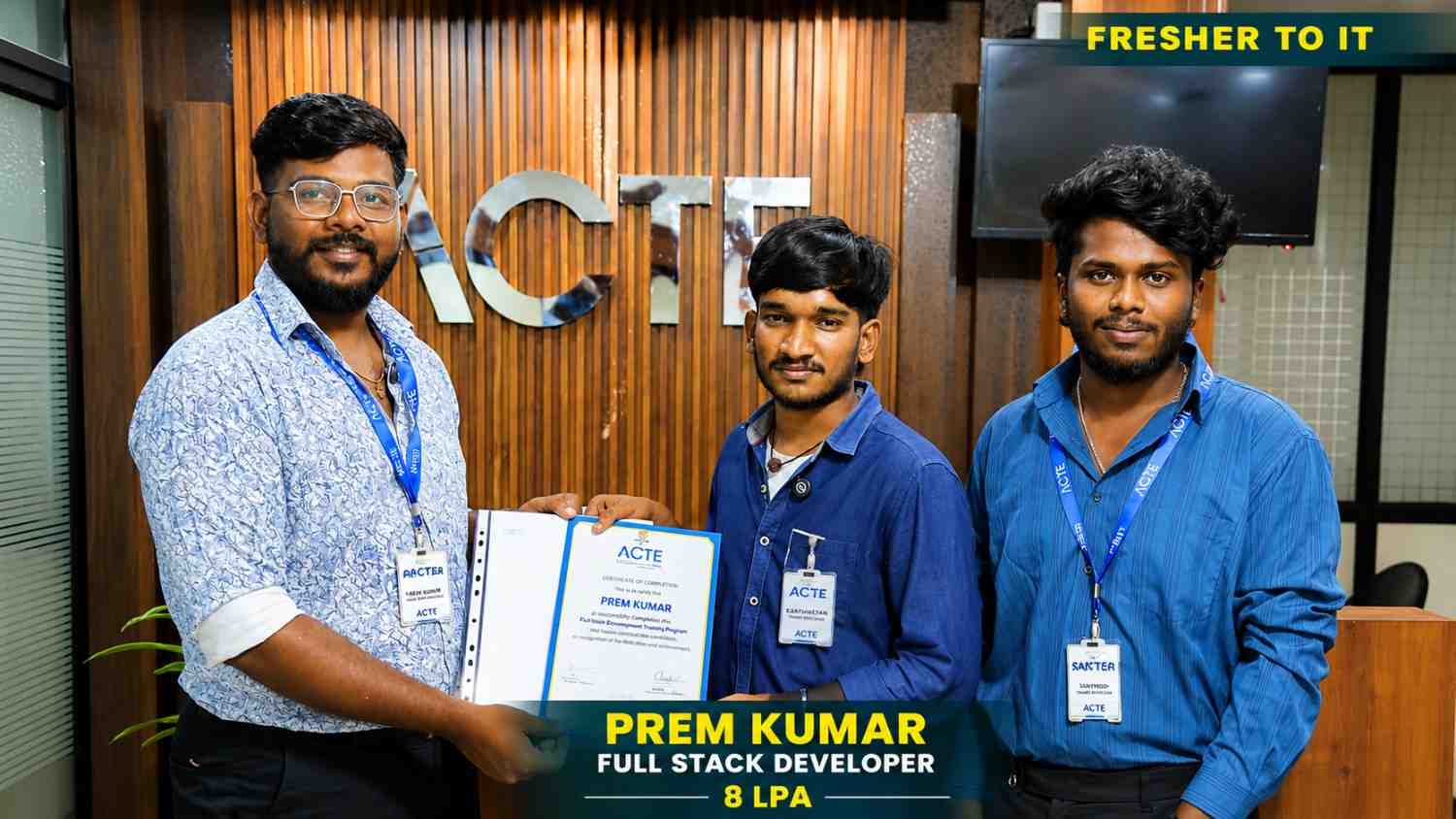
Placement Assistance

Exclusive access to ACTE Job portal

Mock Interview Preparation

1 on 1 Career Mentoring Sessions

Career Oriented Sessions

Resume & LinkedIn Profile Building
Key Features

Practical Training

Global Certifications

Flexible Timing

Trainer Support

Study Material

Placement Support

Mock Interviews

Resume Building
Upcoming Batches
What's included

 Free Aptitude and
Technical Skills Training
Free Aptitude and
Technical Skills Training
- Learn basic maths and logical thinking to solve problems easily.
- Understand simple coding and technical concepts step by step.
- Get ready for exams and interviews with regular practice.

 Hands-On Projects
- Work on real-time projects to apply what you learn.
- Build mini apps and tools daily to enhance your coding skills.
- Gain practical experience just like in real jobs.

 AI Powered Self
Interview Practice Portal
AI Powered Self
Interview Practice Portal
- Practice interview questions with instant AI feedback.
- Improve your answers by speaking and reviewing them.
- Build confidence with real-time mock interview sessions.

 Interview Preparation
For Freshers
Interview Preparation
For Freshers
- Practice company-based interview questions.
- Take online assessment tests to crack interviews
- Practice confidently with real-world interview and project-based questions.

 LMS Online Learning
Platform
LMS Online Learning
Platform
- Explore expert trainer videos and documents to boost your learning.
- Study anytime with on-demand videos and detailed documents.
- Quickly find topics with organized learning materials.
- Learning strategies that are appropriate and tailored to your company's requirements.
- Live projects guided by instructors are a characteristic of the virtual learning environment.
- The curriculum includes of full-day lectures, practical exercises, and case studies.

Electronic Design Overview
Enrolling in Electronic Design Placement in Thiruvanmiyur
Enrolling in an Electronic Design Certification in Thiruvanmiyur provides a unique opportunity to gain hands-on experience in a city known for its emerging technology hubs. These programs are specifically designed to bridge the gap between theoretical knowledge and real-world application, ensuring that learners develop practical skills in circuit design, PCB layout, embedded systems, and IoT integration. Students benefit from industry-aligned curricula, expert mentorship, and exposure to live projects that simulate workplace scenarios. Placement-oriented programs also provide mock interviews, resume-building sessions, and guidance on technical and soft skills to increase employability. Furthermore, being trained in a well-connected locality like Thiruvanmiyur gives students access to internships and job opportunities in nearby electronics companies, startups, and R&D centers, making the transition from training to career smoother and more efficient.
Techniques and Trends Observed in Electronic Design Training in Thiruvanmiyur
- Hands-on Project-Based Learning: Training programs in Thiruvanmiyur emphasize learning by doing. Students work on real-life projects, from simple sensor circuits to advanced IoT devices, strengthening practical skills and problem-solving abilities.
- Integration of Embedded Systems and IoT: Training incorporates embedded systems and IoT modules. Students gain experience with microcontrollers, wireless communication protocols, and IoT platforms
- Use of Industry-Standard Software Tools: Programs use software like Altium, Proteus, and Xilinx, familiarizing students with professional electronics design and simulation tools. This reduces the learning curve when entering industrial roles and improves efficiency in electronic system design.
- Emphasis on Digital and Analog Electronics Integration: Courses focus on blending analog and digital electronics concepts to create hybrid designs, equipping students to handle mixed-signal processing, sensor interfacing, and communication circuits.
- Career-Oriented Workshops and Placement Assistance: Institutes conduct workshops, mock interviews, and resume-building sessions to help students gain technical expertise, soft skills, and confidence, improving their chances of placement in top electronics companies.
Overview of the Most Recent Electronic Design Training in Thiruvanmiyur with Tools
Modern Electronic Design Course in Thiruvanmiyur incorporates a range of sophisticated software and hardware tools to ensure learners gain hands-on expertise with industry-standard equipment. Tools like Altium Designer, KiCAD, and Eagle are used for PCB layout and schematic design, providing students with the ability to simulate, verify, and produce circuit boards efficiently. Multisim, LTSpice, and Proteus are widely used for circuit simulation and testing, allowing learners to visualize signal flow, voltage, and current changes before actual hardware implementation. Embedded system training utilizes microcontroller platforms such as Arduino, Raspberry Pi, and STM32, providing practical exposure to IoT applications, sensor integration, and automation projects. For digital electronics and FPGA-based designs, tools like Xilinx Vivado and Quartus Prime are incorporated to simulate complex logic circuits and high-speed digital processing. Additionally, learners are introduced to advanced measurement instruments like oscilloscopes, logic analyzers, and function generators, which are critical for troubleshooting and validating real-world circuits. These tools collectively ensure that students are well-prepared for both academic excellence and industry demands.
Requirements Needed for an Electronic Design Course in Thiruvanmiyur
- Basic Knowledge of Electronics: Students should have a fundamental understanding of voltage, current, and resistance, as well as basic components like resistors, capacitors, and transistors.
- Familiarity with Computers and Software Tools: Proficiency in computers is essential, as modern electronic design involves simulation, PCB layout, and embedded programming using tools like Proteus, Altium Designer, or Arduino IDE.
- Analytical and Problem-Solving Skills: Electronics design requires logical thinking, troubleshooting skills, and the ability to analyze circuits. Students should be prepared to approach design challenges methodically, test hypotheses, and identify faults in both hardware and software.
- Interest in Embedded Systems and Automation: A keen interest in microcontrollers, sensors, IoT devices, and automation technologies is important. Learners curious about device interaction, communication, and real-world operation are better positioned to succeed in advanced projects.
- Commitment to Hands-On Practice: Regular lab work and project development are critical for mastering electronic design. Students must dedicate time to assembling circuits, debugging systems, and experimenting with designs to gain the practical skills required by industry.
Goals Achieved Through Electronic Design Certification in Thiruvanmiyur with Potential Career Paths for Programmers
Electronic Design Placement in Thiruvanmiyur equips learners with both theoretical knowledge and practical expertise to excel in the fast-evolving electronics industry. Students develop a deep understanding of circuit design, embedded systems, PCB layout, digital and analog electronics, and IoT applications. By completing training programs, learners gain proficiency in industry-standard tools, hands-on project experience, and problem-solving skills that are essential for real-world applications. The potential career paths for programmers and electronics professionals include roles such as Embedded Systems Engineer, Electronics Design Engineer, PCB Designer, IoT Developer, FPGA Developer, Robotics Engineer, and Automation Specialist. Additionally, learners can pursue research and development in smart devices, renewable energy electronics, wearable technology, and industrial automation. Ultimately, the training empowers individuals to contribute effectively to technology-driven organizations, launch innovative projects, and secure high-demand positions in electronics and IT sectors.
Career Opportunities After Electronic Design Training
Electronics Design Engineer
An Electronics Design Engineer designs, develops, and tests electronic circuits and systems. They work on analog and digital circuit design, schematic creation, simulation, and prototype testing.
Embedded Systems Engineer
An Embedded Systems Engineer develops hardware-software integrated systems using microcontrollers and processors. They write embedded firmware, interface sensors and actuators
PCB Designer
A PCB Designer converts electronic schematics into physical board layouts. They handle component placement, routing, signal integrity, thermal considerations, and multi-layer PCB design to ensure reliable.
IoT Developer
An IoT Developer designs smart, connected electronic systems by integrating sensors, microcontrollers, and communication modules. They develop applications for home automation, industrial monitoring
Robotics Engineer
A Robotics Engineer designs and develops robotic systems using electronic circuits, control systems, motors, and sensors. They work on embedded programming and automation logic to enable robots
Electronics Test & Validation
An Electronics Test and Validation Engineer verifies the functionality, performance, and reliability of electronic circuits and systems. They create test plans, perform measurements using testing
Skills to Master
Circuit Analysis
PCB Design
Embedded Systems Programming
Signal Processing
Soldering and Prototyping
Microcontroller Interfacing
Analog Electronics Design
Digital Electronics Design
Simulation and Testing
Troubleshooting and Debugging
Power Electronics
IoT Integration
Tools to Master
Altium Designer
Eagle PCB
KiCAD
Proteus
LTSpice
Multisim
Arduino IDE
Raspberry Pi
STM32CubeIDE
Xilinx Vivado
Quartus Prime
Oscilloscope & Logic Analyzer
Learn from certified professionals who are currently working.

Training by
Ramesh Kumar, having 12+ years of experience
Specialized in: Analog & Digital Circuit Design, PCB Layout Engineering, Embedded Systems Development, and Hardware Debugging.
Note: Ramesh Kumar is well known for his strong industry exposure in consumer electronics and his ability to train students on real-time circuit design challenges using industry-standard tools.
Premium Training at Best Price
Affordable, Quality Training for Freshers to Launch IT Careers & Land Top Placements.
What Makes ACTE Training Different?
Feature
ACTE Technologies
Other Institutes
Affordable Fees
Competitive Pricing With Flexible Payment Options.
Higher Fees With Limited Payment Options.
Industry Experts
Well Experienced Trainer From a Relevant Field With Practical Training
Theoretical Class With Limited Practical
Updated Syllabus
Updated and Industry-relevant Course Curriculum With Hands-on Learning.
Outdated Curriculum With Limited Practical Training.
Hands-on projects
Real-world Projects With Live Case Studies and Collaboration With Companies.
Basic Projects With Limited Real-world Application.
Certification
Industry-recognized Certifications With Global Validity.
Basic Certifications With Limited Recognition.
Placement Support
Strong Placement Support With Tie-ups With Top Companies and Mock Interviews.
Basic Placement Support
Industry Partnerships
Strong Ties With Top Tech Companies for Internships and Placements
No Partnerships, Limited Opportunities
Batch Size
Small Batch Sizes for Personalized Attention.
Large Batch Sizes With Limited Individual Focus.
LMS Features
Lifetime Access Course video Materials in LMS, Online Interview Practice, upload resumes in Placement Portal.
No LMS Features or Perks.
Training Support
Dedicated Mentors, 24/7 Doubt Resolution, and Personalized Guidance.
Limited Mentor Support and No After-hours Assistance.
We are proud to have participated in more than 40,000 career transfers globally.

Electronics DesignCertification

Most Electronic Design Training certification exams do not have strict prerequisites, making them accessible to beginners as well as working professionals.
Yes, many certification exams are available in online or remote mode Exams can often be taken from home with proper system requirements Online exams include proctoring and time-bound assessments
Real-world experience is not mandatory to earn an Electronic Design Training certification. The certification exams are designed to test your understanding of core concepts, tools, and practical scenarios taught during training.
Yes, ACTE Electronic Design Training Certification is worth the time and investment for learners who aim to build a strong career in electronics. The certification is backed by industry-aligned curriculum, expert trainers, and practical project exposure.
Frequently Asked Questions
- Yes, ACTE offers a free demo session to help you understand the course structure and teaching style.The demo gives an overview of Electronic Design concepts, tools, and learning outcomes.
- ACTE instructors for the Electronic Design course are industry professionals
- They bring strong practical exposure from working in reputed electronics
- Yes, ACTE provides dedicated placement assistance to enrolled students.Support includes resume preparation, mock interviews, and interview guidance.Students are connected with hiring partners and recruiters.
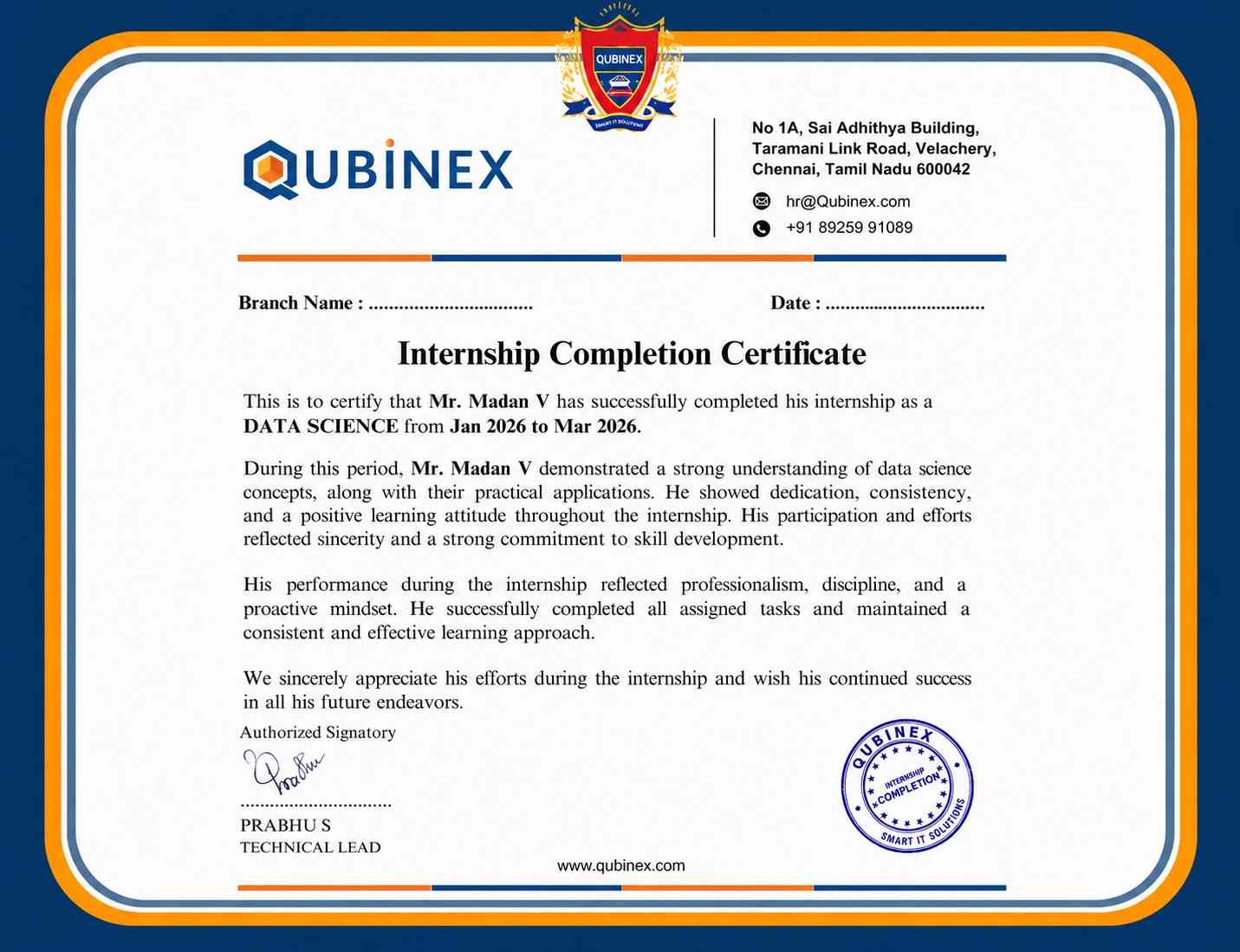
- Upon successful completion of the Electronic Design course, students receive an ACTE Course Completion Certification. This certification validates your skills in electronic circuit design, embedded systems, PCB layout, and related tools.
- Yes, students work on live and real-time projects as part of the Electronic Design course. These projects are designed based on industry scenarios and include hands-on tasks such as circuit design
