
550+ Students Placed Every Month Be The Next!



























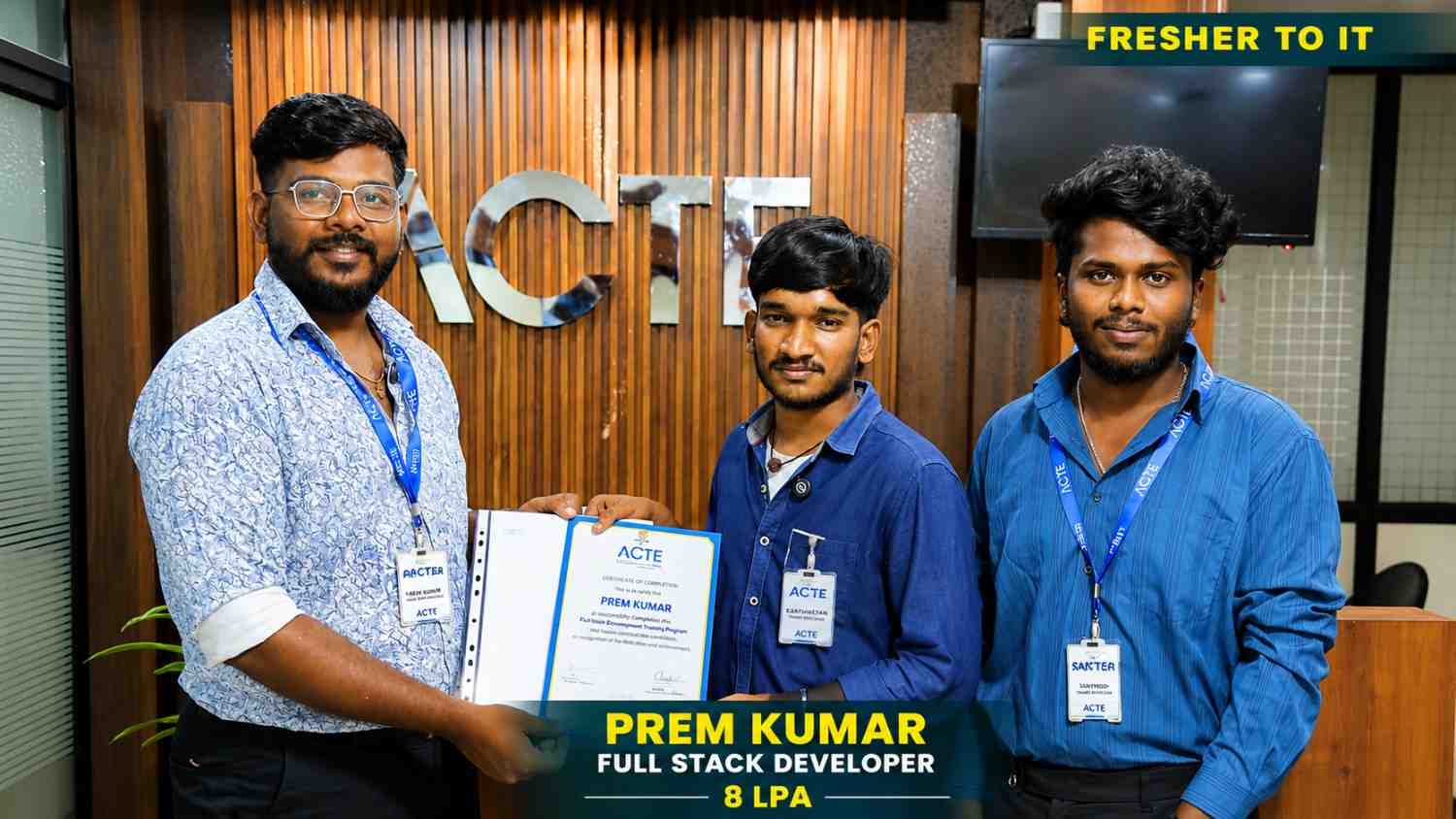

Our Hiring Partners

Curriculum Designed By Experts
Expertly designed curriculum for future-ready professionals.
Industry Oriented Curriculum
An exhaustive curriculum designed by our industry experts which will help you to get placed in your dream IT company
-
30+ Case Studies & Projects
-
9+ Engaging Projects
-
10+ Years Of Experience
Electronic Design Training Projects
Become a Electronic Design Expert With Practical and Engaging Projects.
- Practice essential Tools
- Designed by Industry experts
- Get Real-world Experience
LED Blinking Circuit
This simple project introduces beginners to basic circuit connections, using a resistor, an LED, and a power source. It helps in understanding current flow, voltage drop, and the role of resistors.
Temperature Sensor with LCD
Using a simple LM35 temperature sensor, an Arduino, and an LCD screen, this project teaches beginners how to read analog sensor data and display it in real-time.
Automatic Night Lamp
This project uses an LDR (Light Dependent Resistor) to control an LED. It teaches the basics of light-sensitive circuits, transistor switching, and how to create a simple automation system for lighting.
Digital Clock Using 7-Segment Display
This project involves designing a real-time clock using a microcontroller, a 7-segment display, and a real-time clock (RTC) module. It introduces digital logic, timekeeping, and display control.
Arduino-Based Smart Door Lock
Using an RFID module and a servo motor, this project demonstrates how to implement electronic authentication using RFID tags, a concept used in smart security systems.
Wireless Temperature Monitoring System
By integrating an ESP8266 Wi-Fi module with a temperature sensor, this project allows real-time temperature monitoring through a mobile app or website. It introduces wireless communication.
FPGA-Based Signal Processing System
Using an FPGA (Field Programmable Gate Array), this project processes real-time signals such as audio or biomedical signals. It involves high-speed digital design and advanced circuit.
Self-Balancing Robot
This project involves designing a two-wheeled robot using gyroscopes, accelerometers, and PID controllers. It requires expertise in real-time control systems and embedded programming.
IoT-Based Smart Energy Meter
An advanced project that uses IoT to monitor energy consumption and send data to cloud platforms for analysis. It teaches cloud integration, data logging, and remote system monitoring.
Career Support
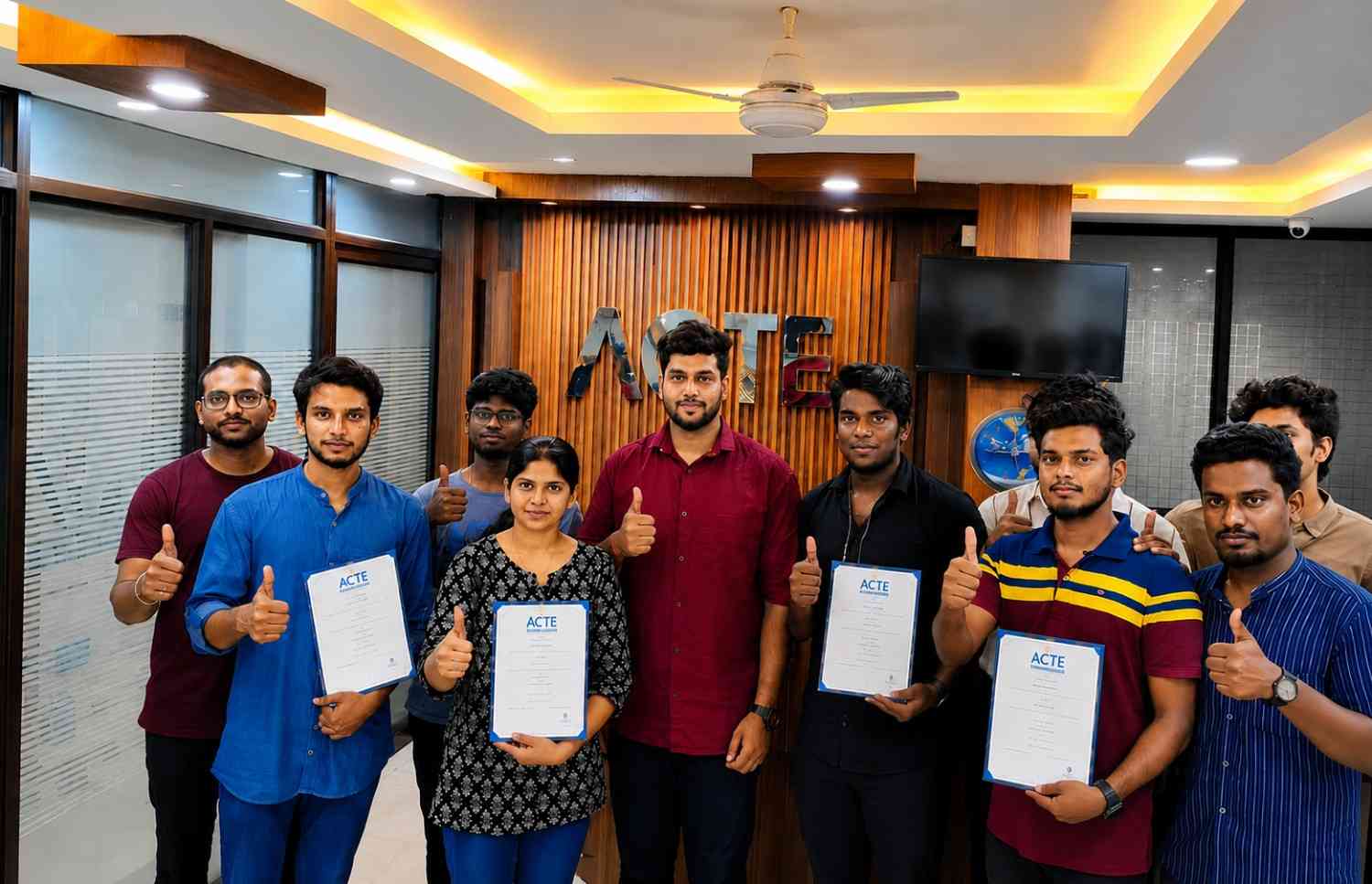

Placement Assistance

Exclusive access to ACTE Job portal

Mock Interview Preparation

1 on 1 Career Mentoring Sessions

Career Oriented Sessions

Resume & LinkedIn Profile Building
Key Features

Practical Training

Global Certifications

Flexible Timing

Trainer Support

Study Material

Placement Support

Mock Interviews

Resume Building
Upcoming Batches
What's included

 Free Aptitude and
Technical Skills Training
Free Aptitude and
Technical Skills Training
- Learn basic maths and logical thinking to solve problems easily.
- Understand simple coding and technical concepts step by step.
- Get ready for exams and interviews with regular practice.

 Hands-On Projects
- Work on real-time projects to apply what you learn.
- Build mini apps and tools daily to enhance your coding skills.
- Gain practical experience just like in real jobs.

 AI Powered Self
Interview Practice Portal
AI Powered Self
Interview Practice Portal
- Practice interview questions with instant AI feedback.
- Improve your answers by speaking and reviewing them.
- Build confidence with real-time mock interview sessions.

 Interview Preparation
For Freshers
Interview Preparation
For Freshers
- Practice company-based interview questions.
- Take online assessment tests to crack interviews
- Practice confidently with real-world interview and project-based questions.

 LMS Online Learning
Platform
LMS Online Learning
Platform
- Explore expert trainer videos and documents to boost your learning.
- Study anytime with on-demand videos and detailed documents.
- Quickly find topics with organized learning materials.
- Learning strategies that are appropriate and tailored to your company's requirements.
- Live projects guided by instructors are a characteristic of the virtual learning environment.
- The curriculum includes of full-day lectures, practical exercises, and case studies.

Electronic Design Training Overview
Electronic Design Training in Velachery with Career Paths
Electronic design Training Center in Velachery opens doors to a wide range of career opportunities in various industries, including consumer electronics, automotive, telecommunications, medical devices, aerospace, and industrial automation. As technology advances, skilled electronic design engineers are in high demand for developing innovative solutions in hardware and embedded systems. Common career paths include PCB Design Engineer, responsible for creating and optimizing printed circuit boards for electronic devices, and Embedded Systems Engineer, who works on microcontroller-based applications. Other opportunities include VLSI Design Engineer, specializing in chip design and semiconductor fabrication, and Power Electronics Engineer, focusing on power conversion and energy-efficient circuit designs. Additionally, IoT Hardware Engineer roles are emerging, where professionals develop smart devices integrated with cloud computing.
The Requirements for an Electronic Design Certification Course in Velachery
- Educational Background:A degree in Electrical Engineering, Electronics, or a related field is often required.Certifications in PCB design, embedded systems, or FPGA programming add value.
- Technical Skills:Proficiency in circuit design and simulation tools like SPICE, Altium, or KiCad.Understanding of microcontrollers, FPGAs, and embedded programming (C, Python).
- Hardware Knowledge:Familiarity with sensors, actuators, and wireless communication modules.PCB layout design and manufacturing processes.
- Software & Programming:Knowledge of VHDL/Verilog for FPGA-based designs.Embedded programming for real-time applications using ARM, AVR, or PIC.
- Analytical & Problem-Solving Skills :Ability to troubleshoot circuit issues and optimize hardware performance.Strong mathematical and logical reasoning skills for complex designs.
- Industry Experience & Hands-on Practice:Working on real-world projects to gain practical exposure.Internships and lab-based training for hands-on learning.
Enrolling in Electronic Design Development Course in Velachery
Electronic Design Placement Training in Velachery is at the heart of technological advancements, making it a valuable field for engineers and innovators. Enrolling in an electronic design course Training provides you with the skills to develop next-generation devices, from consumer gadgets to industrial automation systems. The growing demand for IoT, AI-driven hardware, and power-efficient devices ensures that skilled electronic designers have a vast job market with lucrative salaries. By mastering electronic design, you can work in various sectors, including automotive, medical devices, and renewable energy solutions. Additionally, this field offers opportunities for research and entrepreneurship, allowing individuals to innovate and contribute to emerging technologies. Training in electronic design also enhances problem-solving skills, enabling engineers to create reliable, efficient, and sustainable electronic systems. Whether you're looking to advance your career, switch industries, or start your own hardware startup, electronic design expertise opens limitless possibilities.
Techniques and Trends in Electronic Design Training in Velachery
- Miniaturization & High-Density Circuitry :The demand for compact and efficient devices has led to innovations in high-density PCB layouts and System-on-Chip (SoC) designs.
- Internet of Things (IoT) Hardware :Embedded devices are now integrated with IoT technology, allowing remote monitoring and smart automation.
- Low-Power & Energy-Efficient Designs :Advancements in power management systems are enhancing battery life in mobile and wearable devices.
- Flexible & Wearable Electronics :New materials and fabrication techniques enable the development of flexible displays and smart wearables.
- FPGA & ASIC Development : Field Programmable Gate Arrays (FPGAs) and Application-Specific Integrated Circuits (ASICs) are becoming mainstream in high-performance applications.
- Edge Computing & Embedded AI:AI models are being integrated directly into hardware for faster real-time processing without cloud dependency.
The Most Recent Electronic Design Coaching Class in Velachery with Tools
Electronic design is evolving rapidly, with advanced software and hardware tools that enhance development and testing efficiency. Some of the most recent and widely used tools include Altium Designer, a professional PCB design software known for its intuitive interface and robust design capabilities. KiCad is another powerful open-source alternative used by engineers for PCB layout and schematic design. For circuit simulation, LTspice and PSpice provide accurate analog and mixed-signal simulations, helping designers optimize circuit performance before prototyping. Xilinx Vivado and Intel Quartus are leading tools for FPGA design, enabling hardware engineers to implement complex digital logic efficiently. In embedded systems, Keil, MPLAB, and Arduino IDE are commonly used for microcontroller programming. Moreover, advancements in cloud-based electronic design automation (EDA) tools, such as Autodesk Eagle and EasyEDA, allow for seamless collaboration and remote project management.
Career Opportunities After Electronic Design Training
PCB Design Engineer
A PCB (Printed Circuit Board) Design Engineer is responsible for designing circuit boards that serve as the foundation for electronic devices. Their role includes schematic design, layout optimization, signal integrity analysis, and thermal management.
Embedded Systems Engineer
An Embedded Systems Engineer specializes in designing and developing microcontroller-based systems used in automation, IoT devices, and real-time applications.They work with programming languages like C, C++.
FPGA Design Engineer
An FPGA (Field Programmable Gate Array) Design Engineer is responsible for developing high-speed digital circuits using programmable logic devices. They use hardware description languages (HDL) like Verilog or VHDL to design custom logic.
Power Electronics Engineer
A Power Electronics Engineer specializes in designing circuits that efficiently convert and control electrical power. They develop power supplies, inverters, and battery management systems used in electric vehicles (EVs), renewable energy systems, and industrial automation.
IoT Hardware Engineer
An IoT Hardware Engineer focuses on designing smart, connected devices that communicate over networks. Their responsibilities include integrating microcontrollers, wireless communication modules, and power-efficient sensors to develop IoT-enabled products.
VLSI Design Engineer
A VLSI (Very Large Scale Integration) Design Engineer is involved in designing semiconductor chips that power modern computing devices, smartphones, and artificial intelligence applications. They use specialized software tools like Cadence, Synopsys, and Mentor Graphics.
Skill to Master
Circuit Design & Analysis
PCB Layout & Manufacturing
Embedded Systems Programming
FPGA & VLSI Design
Power Electronics & Energy Management
Wireless Communication & IoT Hardware
Analog & Digital Signal Processing
Testing & Troubleshooting Techniques
Automation & Robotics Integration
ASIC & SoC Design Concepts
Safety & EMI/EMC Compliance
Project Management & Prototyping
Tools to Master
Altium Designer
KiCad
Eagle
LTspice
Proteus
Multisim
OrCAD
MATLAB/Simulink
Xilinx Vivado & Intel Quartus
Arduino IDE
Keil & MPLAB
Oscilloscope & Logic Analyzer Software
Learn from certified professionals who are currently working.

Training by
Shalini , having 7 yrs of experience
Specialized in:PCB Design, Embedded Systems, FPGA Development, and Power Electronics.
Note:Shalini is recognized for his expertise in designing high-speed PCB layouts and optimizing embedded systems for IoT and automation industries. Her hands-on teaching approach helps students transition from theoretical concepts to real-world electronic design applications.
Premium Training at Best Price
Affordable, Quality Training for Freshers to Launch IT Careers & Land Top Placements.
What Makes ACTE Training Different?
Feature
ACTE Technologies
Other Institutes
Affordable Fees
Competitive Pricing With Flexible Payment Options.
Higher Fees With Limited Payment Options.
Industry Experts
Well Experienced Trainer From a Relevant Field With Practical Training
Theoretical Class With Limited Practical
Updated Syllabus
Updated and Industry-relevant Course Curriculum With Hands-on Learning.
Outdated Curriculum With Limited Practical Training.
Hands-on projects
Real-world Projects With Live Case Studies and Collaboration With Companies.
Basic Projects With Limited Real-world Application.
Certification
Industry-recognized Certifications With Global Validity.
Basic Certifications With Limited Recognition.
Placement Support
Strong Placement Support With Tie-ups With Top Companies and Mock Interviews.
Basic Placement Support
Industry Partnerships
Strong Ties With Top Tech Companies for Internships and Placements
No Partnerships, Limited Opportunities
Batch Size
Small Batch Sizes for Personalized Attention.
Large Batch Sizes With Limited Individual Focus.
LMS Features
Lifetime Access Course video Materials in LMS, Online Interview Practice, upload resumes in Placement Portal.
No LMS Features or Perks.
Training Support
Dedicated Mentors, 24/7 Doubt Resolution, and Personalized Guidance.
Limited Mentor Support and No After-hours Assistance.
We are proud to have participated in more than 40,000 career transfers globally.

Electronic Design Certification

Electronic Design Training certification validates your expertise in circuit design, PCB layout, embedded systems, and hardware development. It enhances your credibility as an engineer and opens doors to various job opportunities in industries such as consumer electronics, automotive, telecommunications, and industrial automation.
Most Electronic Design certification exams have prerequisites, but candidates should have a foundational knowledge of electrical and electronics engineering. Some courses may require experience in circuit design, PCB layout, microcontrollers, or FPGA programming.
Real-world experience is beneficial but not always mandatory for Electronic Design certification. Many beginner-level certifications are designed for students and professionals transitioning into the field. However, having hands-on experience in designing circuits, testing PCB layouts, and working with microcontrollers can significantly enhance your understanding.
Yes, ACTE’s Electronic Design Training Certification is highly valuable for professionals looking to advance in the field of hardware and embedded system design. The certification offers in-depth knowledge of circuit simulation, PCB design, microcontroller programming, and industry tools.
Frequently Asked Questions
- Yes, ACTE offers free demo sessions – Prospective students can attend a live demo class to understand the teaching methodology, course structure, and instructor expertise.
- Interactive Learning Experience – The demo session allows students to interact with instructors and clarify doubts before enrolling.
- ACTE instructors are industry professionals with extensive experience in electronic design, embedded systems, and circuit development. They have worked in leading companies across sectors such as semiconductor design, IoT, and industrial automation.
- Yes, ACTE provides dedicated placement assistance to students who complete the Electronic Design course. The training institute has a strong network of hiring partners across industries such as consumer electronics, automotive, and telecommunications.
- ACTE Course Completion Certification – Recognized by employers in the electronics and embedded systems industry.
- Industry-Aligned Credentials – The certification validates your skills in circuit design, PCB layout, and microcontroller programming.
- Yes, students actively work on live projects throughout the Electronic Design course. The curriculum includes hands-on assignments in circuit simulation, PCB prototyping, IoT device development, and FPGA programming. Working on real-world projects enhances students’ problem-solving skills and provides them with practical industry experience.
