
550+ Students Placed Every Month Be The Next!

























Our Hiring Partners

Curriculam Designed By Experts
Expertly designed curriculum for future-ready professionals.
Industry Oriented Curriculum
An exhaustive curriculum designed by our industry experts which will help you to get placed in your dream IT company
-
30+ Case Studies & Projects
-
9+ Engaging Projects
-
10+ Years Of Experience
Electronic Design Training Projects
Become a Electronic Design Expert With Practical and Engaging Projects.
- Practice essential Tools
- Designed by Industry experts
- Get Real-world Experience
Simple LED Blink Circuit
Learn the basics of circuit design by creating a simple LED blink circuit using a microcontroller (e.g., Arduino or 555 Timer). This project teaches students about resistors and capacitors.
Temperature Sensing System
A basic temperature sensor circuit using an analog sensor (like LM35) and an LCD display. This project introduces analog-to-digital conversion and data display techniques.
Basic Light-sensitive Circuit
A light-sensitive circuit using a photoresistor (LDR) and a transistor. This teaches students about analog sensors, transistors, and how to build simple sensor-based circuits.
Digital Clock Using 7-Segment Display
This project involves designing a real-time clock using a microcontroller, a 7-segment display, and a real-time clock (RTC) module. It introduces digital logic.
PWM Motor Speed Control
Use Pulse Width Modulation (PWM) to control the speed of a DC motor. This project teaches students about motor control techniques, signal modulation, and efficiency.
Smart LED Lighting System
Design a lighting system with the ability to change colors based on ambient light conditions or remote control. This project introduces students to RGB LEDs, communication protocols and sensors.
IoT-based Weather Station
Develop a weather station that collects data on various weather parameters (temperature, humidity, atmospheric pressure) and transmits the information to a cloud platform for real-time monitoring
Wireless Energy Meter
Create a wireless energy meter that can measure power consumption and send data to a mobile device or cloud platform. This involves communication protocols like ZigBee, Wi-Fi, or GSM, along with energy measurement techniques.
Bluetooth-Controlled Robot
Design and build a Bluetooth-controlled robot using an Arduino and a motor driver. This advanced project teaches students about Bluetooth communication, motor control, and real-time mobile app interaction.
Career Support
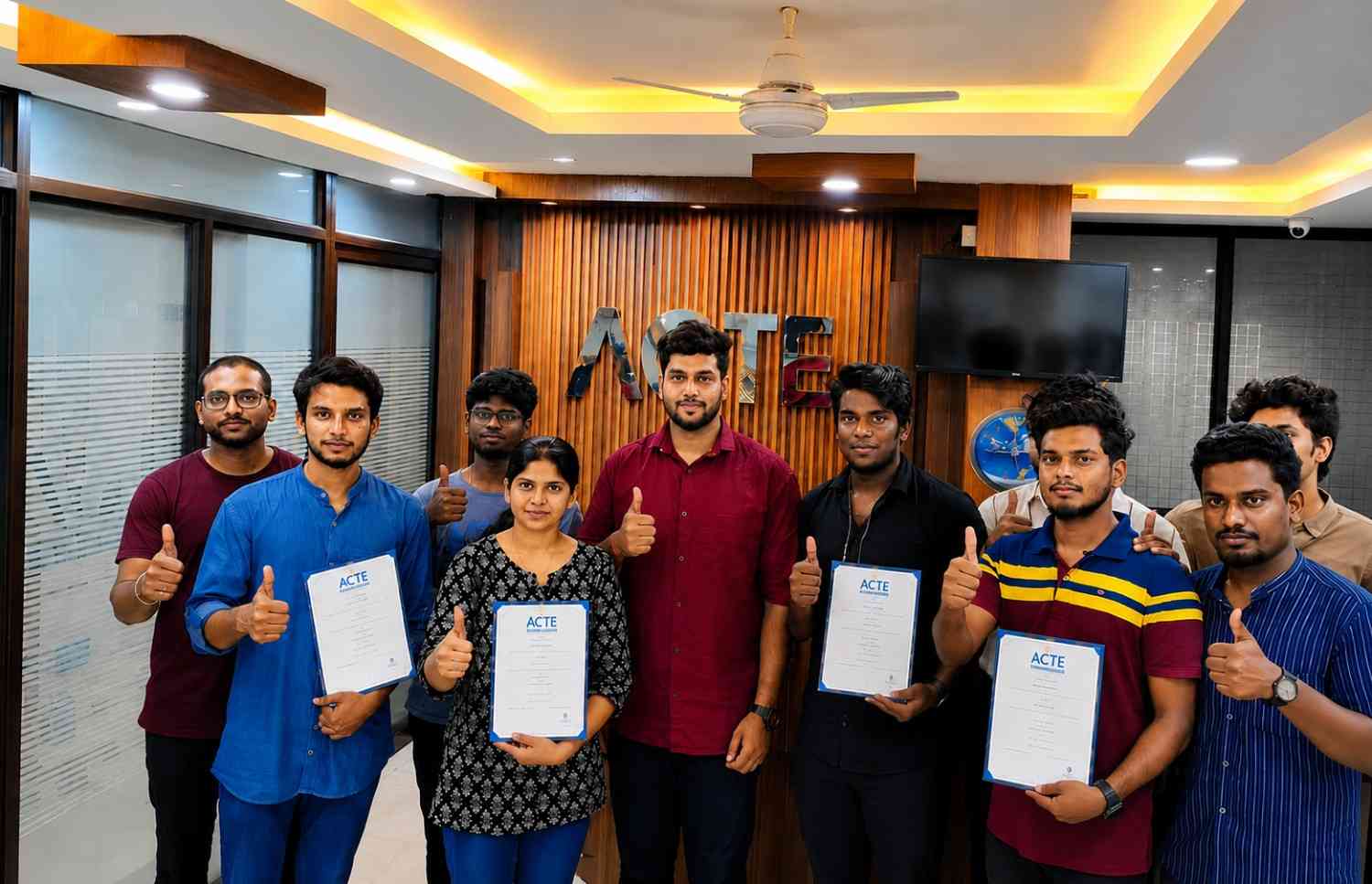

Placement Assistance

Exclusive access to ACTE Job portal

Mock Interview Preparation

1 on 1 Career Mentoring Sessions

Career Oriented Sessions

Resume & LinkedIn Profile Building
Key Features

Practical Training

Global Certifications

Flexible Timing

Trainer Support

Study Material

Placement Support

Mock Interviews

Resume Building
Upcoming Batches
What's included

 Free Aptitude and
Technical Skills Training
Free Aptitude and
Technical Skills Training
- Learn basic maths and logical thinking to solve problems easily.
- Understand simple coding and technical concepts step by step.
- Get ready for exams and interviews with regular practice.

 Hands-On Projects
- Work on real-time projects to apply what you learn.
- Build mini apps and tools daily to enhance your coding skills.
- Gain practical experience just like in real jobs.

 AI Powered Self
Interview Practice Portal
AI Powered Self
Interview Practice Portal
- Practice interview questions with instant AI feedback.
- Improve your answers by speaking and reviewing them.
- Build confidence with real-time mock interview sessions.

 Interview Preparation
For Freshers
Interview Preparation
For Freshers
- Practice company-based interview questions.
- Take online assessment tests to crack interviews
- Practice confidently with real-world interview and project-based questions.

 LMS Online Learning
Platform
LMS Online Learning
Platform
- Explore expert trainer videos and documents to boost your learning.
- Study anytime with on-demand videos and detailed documents.
- Quickly find topics with organized learning materials.
- Learning strategies that are appropriate and tailored to your company's requirements.
- Live projects guided by instructors are a characteristic of the virtual learning environment.
- The curriculum includes of full-day lectures, practical exercises, and case studies.

Electronic Design Overview
Overview of the Most Recent Tools Electronic Design certifcation in Coimbatore
Electronic Design Course in Coimbatore incorporates state-of-the-art tools like Altium Designer, Proteus, and Multisim for circuit simulation and design validation. Trainees gain expertise in PCB fabrication and hardware debugging. The course emphasizes real-time hardware integration with embedded systems and IoT components. By combining digital and analog design approaches, learners acquire holistic skills for end-to-end product development. Through practical labs and expert mentoring, participants become industry-ready for modern design challenges. Students also explore advanced EDA automation techniques for faster prototyping and optimization. The training ensures learners stay ahead with the latest trends in circuit innovation and design reliability.
Techniques and Trends Observed in Electronic Design Training in Coimbatore
- IoT-Driven Designs : Focus on creating circuits compatible with IoT and smart devices. This trend prepares learners for future-ready designs in automation and connected systems.
- High-Speed PCB Design : Training on advanced layout and signal integrity analysis. Learners understand high-frequency behavior and manage EMI/EMC challenges effectively.
- Low-Power Electronics: Emphasis on optimizing power for portable and wearable devices. Participants gain insight into sustainable and energy-efficient design practices.
- Mixed-Signal Systems: Integration of analog-digital hybrids for industrial automation. The course covers signal conditioning and real-world sensor-to-controller interfacing.
- Simulation-Driven Prototyping: Faster design verification using 3D and virtual testing tools. This allows error-free production with minimal rework and optimized design cycles.
Requirements Needed for an Electronic Design Placement in Coimbatore
- Basic Electronics Knowledge: Familiarity with circuits, components, and electricity. This foundation helps students understand complex design principles easily.
- Programming Understanding: Knowledge of C or embedded programming adds value. It aids in integrating hardware with software-based control systems.
- Analytical Thinking: Helps in circuit debugging and design accuracy. Critical thinking ensures precision and innovation during circuit optimization.
- Interest in Hardware: Passion for building circuits and working with physical systems. Hands-on interest drives creativity and deeper understanding of electronic components
- Access to Tools: Hands-on practice using simulation and PCB design tools. Learners get exposure to real-world workflows used in modern design industries.
Goals Achieved Through Electronic Design certifcation in Coimbatore
After completing Electronic Design Placement in Coimbatore, learners master end-to-end circuit design, testing, and validation. They acquire expertise in PCB design, analog and digital systems, and embedded integration. Graduates become proficient with industry tools like Altium and Proteus. This opens career paths in electronics manufacturing, R&D, and automation sectors. Students gain the confidence to design functional, reliable, and optimized hardware systems. The course lays a strong foundation for professional roles in engineering design and innovation. Participants can pursue roles such as Electronics Design Engineer, PCB Layout Specialist, or Embedded Hardware Developer. This program also provides a pathway for advanced research and product development careers.
Career Opportunities After Electronic Design Training
PCB Design Engineer
PCB Design Engineers are responsible for designing, developing, and testing printed circuit boards (PCBs) used in electronic products. They work closely with hardware engineers to ensure that the design meets the required.
Embedded Systems Developer
Embedded Systems Developers design and develop software for embedded devices. These engineers work on microcontroller-based systems, writing efficient firmware and ensuring the integration of hardware and software.
Power Electronics Engineer
Power Electronics Engineers design and develop systems for power conversion, regulation, and distribution. They are responsible for creating efficient power supplies and energy management systems.
IoT Developers
IoT Developers design and implement interconnected devices that collect, exchange, and process data over the internet. They work on sensors, actuators, wireless communication technologies (Wi-Fi, Bluetooth, Zigbee), and cloud integration.
Electronics Test Engineers
Electronics Test Engineers focus on verifying and validating the functionality and performance of electronic systems and components. They design and execute test plans, use instruments like oscilloscopes, signal generators, and multimeters.
Hardware Design Engineers
Hardware Design Engineers are responsible for designing and developing the physical components of electronic systems, such as circuit boards, processors, and microcontrollers. They collaborate with software engineers.
Skill to Master
Circuit Design & Analysis
PCB Layout & Manufacturing
Embedded Systems Programming
Signal Processing
Power Electronics
Simulation and Testing
IoT (Internet of Things) Development
Microcontroller Interfacing
Simulation and Testing
Analog and Digital Electronics
Microcontroller Interfacing
Communication Protocols
Tools to Master
Altium Designer
Eagle PCB
KiCad
LTspice
LTSpice
Proteus
Arduino IDE
MATLAB/Simulink
Raspberry Pi
Multisim
SolidWorks
SolidWorks
Learn from certified professionals who are currently working.

Training by
Rajesh, having 12 years of experience
Specialized in:Analog Circuit Design, PCB Layout, Signal Integrity and Power Electronics.
Note:Rajesh is known for his expertise in high-frequency analog design and ensuring signal integrity in complex circuit boards. His hands-on approach and deep understanding of PCB manufacturing processes make him a sought-after mentor for advanced circuit design projects.
Premium Training at Best Price
Affordable, Quality Training for Freshers to Launch IT Careers & Land Top Placements.
What Makes ACTE Training Different?
Feature
ACTE Technologies
Other Institutes
Affordable Fees
Competitive Pricing With Flexible Payment Options.
Higher Fees With Limited Payment Options.
Industry Experts
Well Experienced Trainer From a Relevant Field With Practical Training
Theoretical Class With Limited Practical
Updated Syllabus
Updated and Industry-relevant Course Curriculum With Hands-on Learning.
Outdated Curriculum With Limited Practical Training.
Hands-on projects
Real-world Projects With Live Case Studies and Collaboration With Companies.
Basic Projects With Limited Real-world Application.
Certification
Industry-recognized Certifications With Global Validity.
Basic Certifications With Limited Recognition.
Placement Support
Strong Placement Support With Tie-ups With Top Companies and Mock Interviews.
Basic Placement Support
Industry Partnerships
Strong Ties With Top Tech Companies for Internships and Placements
No Partnerships, Limited Opportunities
Batch Size
Small Batch Sizes for Personalized Attention.
Large Batch Sizes With Limited Individual Focus.
LMS Features
Lifetime Access Course video Materials in LMS, Online Interview Practice, upload resumes in Placement Portal.
No LMS Features or Perks.
Training Support
Dedicated Mentors, 24/7 Doubt Resolution, and Personalized Guidance.
Limited Mentor Support and No After-hours Assistance.
We are proud to have participated in more than 40,000 career transfers globally.

Electronic Design Certification

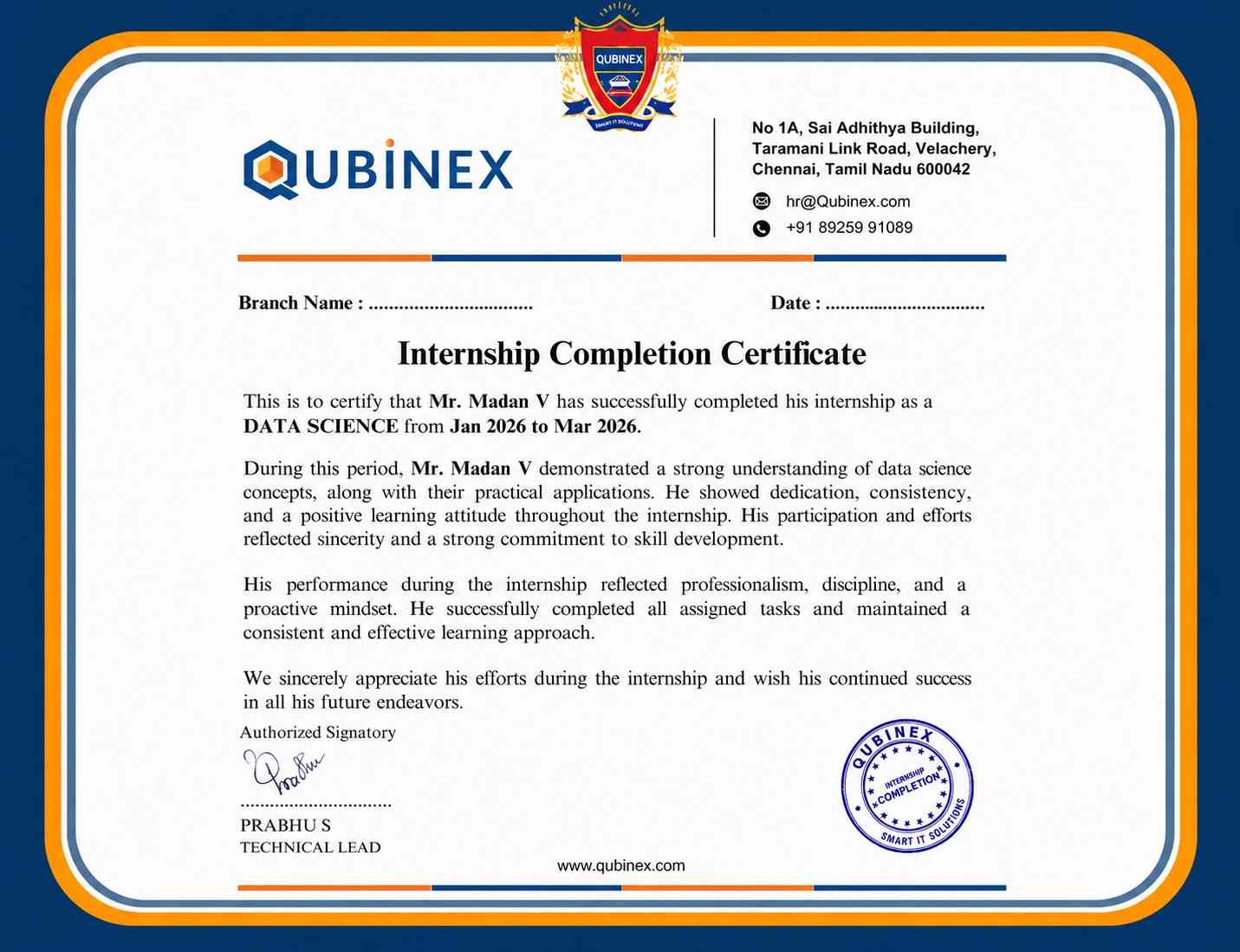
Yes, Electronic Design Placement Course guarantee me a job. your project experience and technical depth determine placement success.
Basic understanding of circuits, simulations, and embedded design is recommended before taking the exam.
Yes, Electronic Design Placement Course exams are available at accredited training and testing centers across Coimbatore.
Absolutely. The program builds solid technical expertise and practical skills, providing long-term career stability in the fast-evolving electronics sector.
Frequently Asked Questions
- Yes, free demo sessions are available to help evaluate course content and teaching quality.
- All trainers are industry professionals with extensive experience in electronic design and product development
- They provide hands-on mentoring, real-time project guidance, and insights into current industry practices to help learners become job-ready.
- Yes, placement support is provided through interviews, job fairs, and industry connections
- Yes, Electronic Design Training Course are widely accepted by electronics firms and manufacturing industries.
- Yes, multiple projects are included using real tools and hardware kits.
