
) 3K+
3K+
Start Your Learning Journey Today
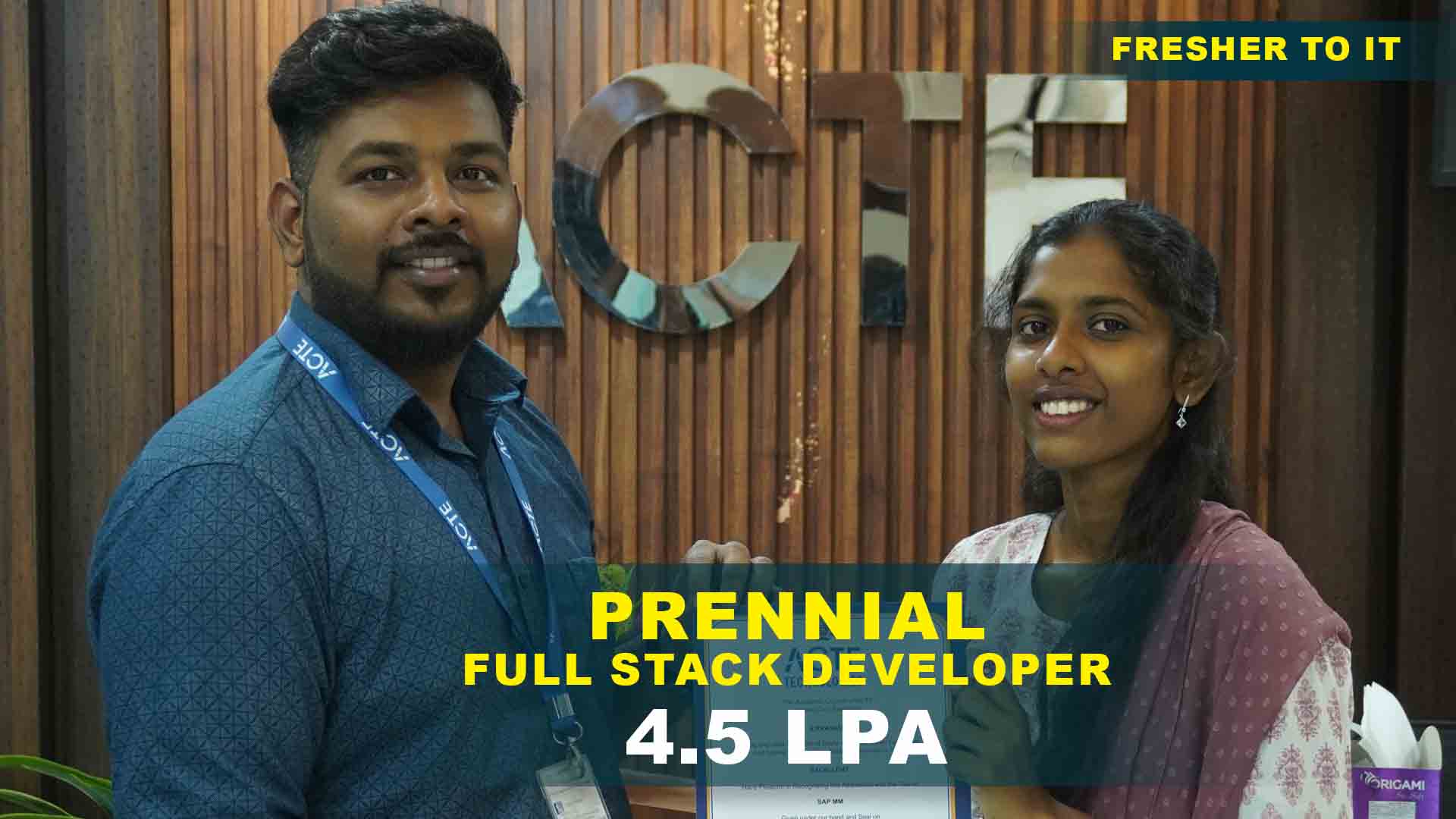
550+ Students Placed Every Month Be The Next!


















Our Hiring Partners

Curriculam Designed By Experts
Expertly designed curriculum for future-ready professionals.
Industry Oriented Curriculum
An exhaustive curriculum designed by our industry experts which will help you to get placed in your dream IT company
-
30+ Case Studies & Projects
-
9+ Engaging Projects
-
10+ Years Of Experience
Electronic Design Training Projects
Become a Electronic Design Expert With Practical and Engaging Projects.
- Practice essential Tools
- Designed by Industry experts
- Get Real-world Experience
Simple LED Circuit Design
Beginners will start by designing basic LED circuits on breadboards, learning component connections, current limiting, and circuit testing.
Basic Power Supply Design
Create a small DC power supply using transformers, rectifiers, and voltage regulators to understand voltage conversion and regulation.
Component Testing Project
Practice testing resistors, capacitors, and diodes using multimeters and oscilloscopes to ensure proper understanding of components.
Multi-Layer PCB Layout
Design and simulate a multi-layer PCB using software like Altium or KiCad, focusing on signal routing and placement optimization.
Microcontroller-Based Temperature Sensor
Interface a microcontroller with a temperature sensor and display readings on an LCD, learning embedded programming basics.
Power Supply with Protection Circuit
Power Supply with Protection Circuit involves designing a regulated power supply that delivers stable voltage to electronic devices while ensuring safety.
IoT-Based Home Automation
Develop a PCB and circuit for controlling home appliances remotely using Wi-Fi or Bluetooth modules.
Mixed-Signal Circuit Design
Design and test circuits combining analog and digital signals, such as audio processing circuits or sensor interfacing.
Industrial Automation Controller
Create a control system for an industrial process using relays, PLC interfaces, and embedded controllers.
Career Support


Placement Assistance

Exclusive access to ACTE Job portal

Mock Interview Preparation

1 on 1 Career Mentoring Sessions

Career Oriented Sessions

Resume & LinkedIn Profile Building
Key Features

Practical Training

Global Certifications

Flexible Timing

Trainer Support

Study Material

Placement Support

Mock Interviews

Resume Building
Upcoming Batches
What's included

 Free Aptitude and
Technical Skills Training
Free Aptitude and
Technical Skills Training
- Learn basic maths and logical thinking to solve problems easily.
- Understand simple coding and technical concepts step by step.
- Get ready for exams and interviews with regular practice.

 Hands-On Projects
- Work on real-time projects to apply what you learn.
- Build mini apps and tools daily to enhance your coding skills.
- Gain practical experience just like in real jobs.

 AI Powered Self
Interview Practice Portal
AI Powered Self
Interview Practice Portal
- Practice interview questions with instant AI feedback.
- Improve your answers by speaking and reviewing them.
- Build confidence with real-time mock interview sessions.

 Interview Preparation
For Freshers
Interview Preparation
For Freshers
- Practice company-based interview questions.
- Take online assessment tests to crack interviews
- Practice confidently with real-world interview and project-based questions.
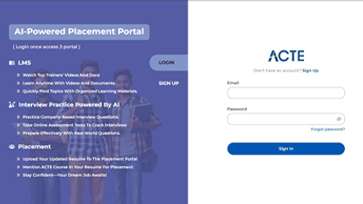
 LMS Online Learning
Platform
LMS Online Learning
Platform
- Explore expert trainer videos and documents to boost your learning.
- Study anytime with on-demand videos and detailed documents.
- Quickly find topics with organized learning materials.
- Learning strategies that are appropriate and tailored to your company's requirements.
- Live projects guided by instructors are a characteristic of the virtual learning environment.
- The curriculum includes of full-day lectures, practical exercises, and case studies.

Electronic DesignOverview
Electronic Design Training in Trichy with Potential Career Paths
A career in Electronic Design Placement in Trichy offers extensive opportunities across multiple industries including consumer electronics, industrial automation, IoT, and embedded systems. Professionals can work as PCB Design Engineers, Embedded System Developers, Hardware Design Specialists, Circuit Simulation Engineers, or Electronics Test Engineers. Mastering electronic design skills allows you to create innovative products, from microcontroller-based devices to complex multi-layer PCB systems. Companies highly value engineers who can design, simulate, and implement both analog and digital circuits efficiently. Knowledge of embedded systems, sensors, actuators, and microcontroller programming further enhances employability. Skills in electronic design also open doors to research and development roles, working on cutting-edge technology in robotics, IoT, and automation. Professionals may also become specialists in power electronics, signal processing, and industrial control systems.
The Requirements for an Electronic Design Course in Trichy
- Basic Electronics Knowledge : Learners should have familiarity with electrical concepts like voltage, current, resistance, and Ohm’s law. This foundational knowledge enables understanding of circuits and PCB design.
- Programming Basics : Knowledge of basic programming, especially for microcontrollers, is useful. Languages such as C, C++, or Python help in embedded system projects.
- Understanding of Circuit Components : A basic understanding of resistors, capacitors, diodes, transistors, and ICs is recommended. This knowledge ensures correct circuit assembly and design.
- Computer and Software Skills : Students should be comfortable with computers and willing to learn design software like Altium Designer, KiCad, or Multisim for PCB layout and simulation.
- Analytical and Problem-Solving Skills : Ability to analyze circuit designs, troubleshoot errors, and optimize performance is critical for success in electronic design projects.
- Commitment to Hands-On Practice : Practical learning is essential. Students must be prepared to work on breadboards, PCB fabrication, simulations, and real-time embedded systems projects.
Enrolling in Electronic Design Training in Trichy
Enrolling in Electronic Design Course in Trichy equips learners with skills in PCB design, embedded systems, and circuit simulation, which are highly relevant in today’s technology-driven industries. Training provides hands-on experience with analog and digital circuits, enabling learners to build practical knowledge and confidence. You will gain proficiency in design software, allowing for efficient schematic creation, layout planning, and simulation. Learning about microcontrollers and sensors helps in developing real-world embedded systems projects. The course also emphasizes power electronics, IoT device integration, and signal processing applications. Students work on live projects to understand practical constraints and testing methods. Industry-relevant examples and case studies enhance problem-solving skills. Learners also become familiar with safety standards, component selection, and optimization techniques. Certification demonstrates your ability to design, simulate, and troubleshoot electronic systems.
Techniques and Trends in Electronic Design Placement in Trichy with Development
- PCB Multi-Layer Design : Modern electronic design emphasizes multi-layer PCBs for compact and efficient layouts, improving signal integrity and power distribution.
- Embedded System Integration : Integrating microcontrollers and sensors enables development of IoT devices, automation systems, and smart electronics.
- Simulation and Testing : Use of tools like Multisim, Proteus, and KiCad allows virtual testing, fault detection, and performance optimization before fabrication.
- Low-Power Design Techniques : Low-Power Design Techniques focus on creating electronic circuits that consume minimal energy while maintaining performance. These techniques are important for battery-operated devices.
- Advanced Analog and Digital Circuits : Combining analog and digital signals in mixed-signal designs is a growing trend for audio processing, sensors, and control systems.
- Industry 4.0 Applications : Electronic design for industrial automation, robotics, and smart manufacturing aligns with current trends in automation and IoT.
The Most Recent Electronic Design Placement in Trichy with Tools
The Electronic Design Certification in Trichy ecosystem includes a range of modern tools to enhance productivity and accuracy. Altium Designer and KiCad are widely used for PCB layout and schematic capture, enabling professional multi-layer designs. Multisim and Proteus allow simulation of analog and digital circuits to verify functionality before fabrication. LTSpice is used for circuit analysis and signal simulations. OrCAD provides comprehensive PCB design and routing solutions. Embedded system developers often use Arduino IDE or PlatformIO for microcontroller programming. MATLAB/Simulink is employed for system-level simulations and algorithm testing. Tools like EasyEDA and Fritzing help beginners create and prototype circuits quickly. Oscilloscopes and logic analyzers are critical for testing and debugging. Thermal and power analysis tools ensure robust and reliable designs.
Career Opportunities After Electronic Design Training
PCB Design Engineer
A PCB Design Engineer is responsible for creating and optimizing printed circuit board layouts for electronic devices. They work with schematic designs, component placement, and routing to ensure efficient signal flow, thermal management.
Embedded Systems Engineer
An Embedded Systems Engineer develops microcontroller- or microprocessor-based electronic systems. They design hardware and software interfaces, integrate sensors and actuators, and write firmware to control devices.
Electronics Test Engineer
An Electronics Test Engineer focuses on testing and validating electronic circuits and devices. They use instruments like oscilloscopes, multimeters, and logic analyzers to identify faults, verify performance, and ensure compliance with design.
Hardware Design Specialist
A Hardware Design Specialist is responsible for designing analog and digital circuits, power electronics, and mixed-signal systems. They work on circuit simulation, PCB layout, and prototyping.
IoT Solutions Engineer
An IoT Solutions Engineer designs and develops connected devices for smart applications. They integrate sensors, communication modules, and microcontrollers to build IoT systems for homes, industries, or healthcare.
Industrial Automation Engineer
An Industrial Automation Engineer creates electronic control systems for manufacturing and production environments. They design circuits for PLC interfaces, motor controllers, and sensor integration.


