
) 3K+
3K+
Start Your Learning Journey Today
550+ Students Placed Every Month Be The Next!














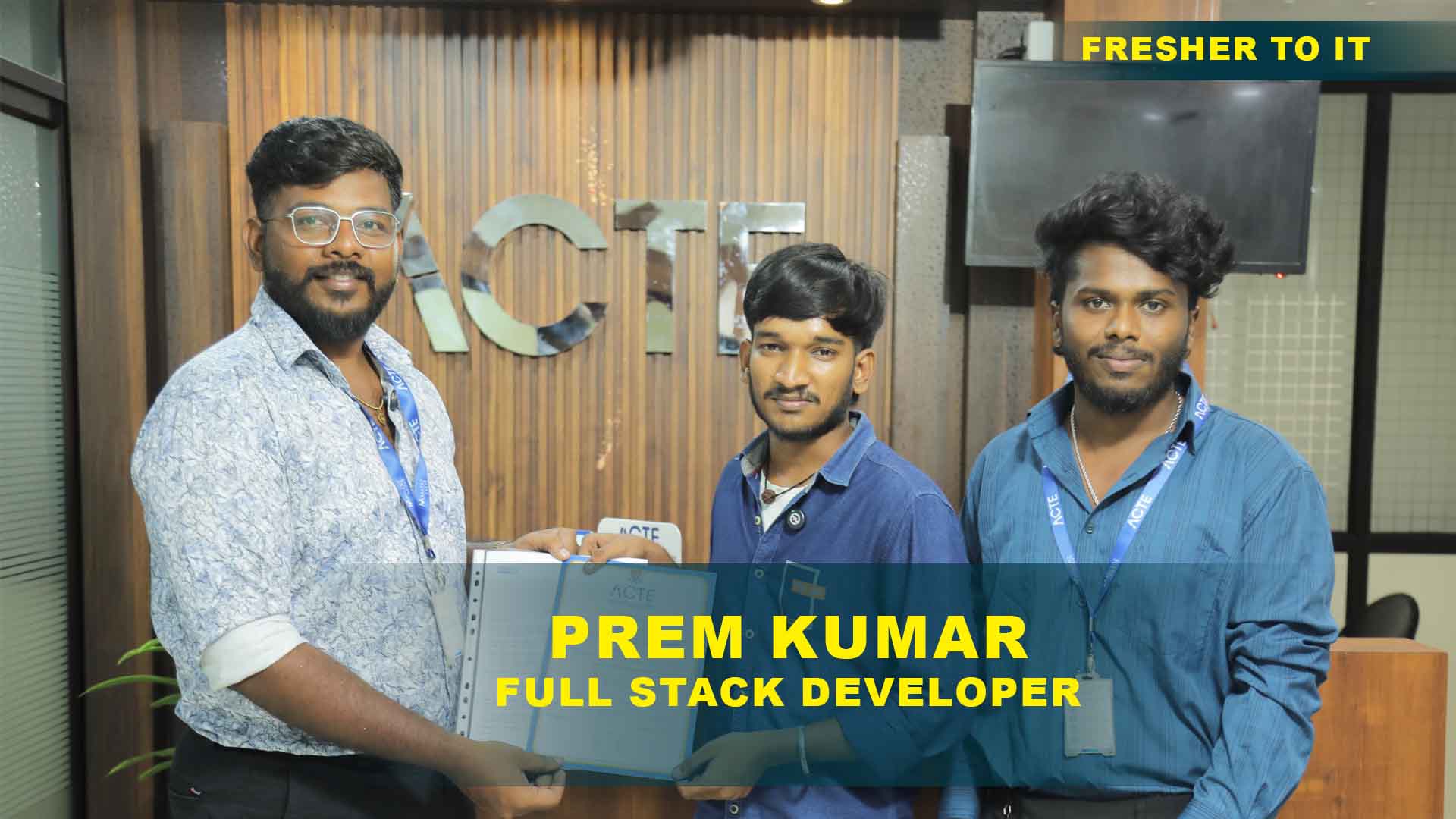
Our Hiring Partners

Curriculum Designed By Experts
Expertly designed curriculum for future-ready professionals.
Industry Oriented Curriculum
An exhaustive curriculum designed by our industry experts which will help you to get placed in your dream IT company
-
30+ Case Studies & Projects
-
9+ Engaging Projects
-
10+ Years Of Experience
- Circuit basics
- Components overview
- Voltage/current workflows
- ERP integration basics
- Administration basics
- Advanced fundamentals
- SPICE usage
- Testing methods
- Simulation workflows
- Optimization strategies
- Advanced circuit design
- PCB basics
- Layout workflows
- Routing methods
- Fabrication processes
- Testing workflows
- Advanced PCB design
- VLSI basics
- HDL workflows
- Logic design
- FPGA usage
- Advanced VLSI
- Microcontroller basics
- ARM workflows
- Programming methods
- Sensor integration
- Advanced embedded systems
- IoT basics
- Cloud workflows
- SaaS integration
- ERP connectors
- Monitoring workflows
- Advanced IoT strategies
- Encryption methods
- Compliance monitoring
- Audit workflows
- Risk assessment
- Advanced security strategies
- Debugging basics
- Testing strategies
- Recovery methods
- Optimization workflows
- Advanced troubleshooting
- Circuit project
- PCB project
- VLSI project
- Embedded project
- IoT project
- End-to-end electronic workflow
Electronic Design Projects
Become a Electronic Design Expert With Practical and Engaging Projects.
- Practice essential Tools
- Designed by Industry experts
- Get Real-world Experience
Circuit Design
Build simple circuits with resistors and capacitors. Simulate workflows for basic voltage/current analysis.
PCB Basics
Design layouts and routing. Fabricate small boards for structured projects.
Embedded Systems
Program microcontrollers for sensor integration. Apply workflows for simple IoT devices.
VLSI Design
Create logic circuits with HDL. Implement FPGA workflows for digital design.
IoT Integration
Connect sensors to cloud platforms. Monitor workflows with dashboards.
Security Implementation
Configure authentication and encryption. Apply compliance monitoring workflows.
VLSI Design
Create logic circuits with HDL. Implement FPGA workflows for digital design.
IoT Integration
Connect sensors to cloud platforms. Monitor workflows with dashboards.
Security Implementation
Configure authentication and encryption. Apply compliance monitoring workflows.
Career Support


Placement Assistance

Exclusive access to ACTE Job portal

Mock Interview Preparation

1 on 1 Career Mentoring Sessions

Career Oriented Sessions

Resume & LinkedIn Profile Building
Key Features

Practical Training

Global Certifications

Flexible Timing

Trainer Support

Study Material

Placement Support

Mock Interviews

Resume Building
Upcoming Batches
What's included

 Free Aptitude and
Technical Skills Training
Free Aptitude and
Technical Skills Training
- Learn basic maths and logical thinking to solve problems easily.
- Understand simple coding and technical concepts step by step.
- Get ready for exams and interviews with regular practice.

 Hands-On Projects
- Work on real-time projects to apply what you learn.
- Build mini apps and tools daily to enhance your coding skills.
- Gain practical experience just like in real jobs.

 AI Powered Self
Interview Practice Portal
AI Powered Self
Interview Practice Portal
- Practice interview questions with instant AI feedback.
- Improve your answers by speaking and reviewing them.
- Build confidence with real-time mock interview sessions.

 Interview Preparation
For Freshers
Interview Preparation
For Freshers
- Practice company-based interview questions.
- Take online assessment tests to crack interviews
- Practice confidently with real-world interview and project-based questions.
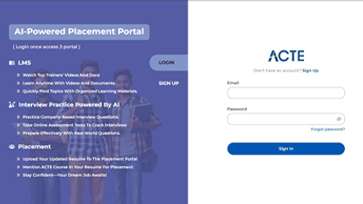
 LMS Online Learning
Platform
LMS Online Learning
Platform
- Explore expert trainer videos and documents to boost your learning.
- Study anytime with on-demand videos and detailed documents.
- Quickly find topics with organized learning materials.
- Learning strategies that are appropriate and tailored to your company's requirements.
- Live projects guided by instructors are a characteristic of the virtual learning environment.
- The curriculum includes of full-day lectures, practical exercises, and case studies.

Electronic Design Training Overview
Benefits Gained from Electronic Design Course in Pondicherry
The Electronic Design Training in Pondicherry helps learners understand how circuit design ensures scalability and reliability in enterprise systems. Participants gain clarity on how electronic design reduces manual effort in managing hardware workflows. The training explains how design supports compliance with organizational standards. Learners also understand how electronic design improves transparency across departments through structured documentation. Practical examples show how design enhances monitoring and troubleshooting. The program highlights how integration with embedded systems and IoT platforms strengthens enterprise workflows. Learners build confidence in handling PCB layouts, simulation tools, and hardware testing. The section emphasizes how electronic design supports decision-making by providing accurate insights. By the end, participants recognize the benefits gained from electronic design training. This foundation prepares them for certification and placement opportunities.
Emerging Future Trends in Electronic Design Placement in Pondicherry
- IoT Integration: Learners explore how electronic design connects with IoT devices. IoT adoption reduces reliance on traditional systems. This trend is vital for modern enterprises.
- AI-Powered Simulation: Artificial intelligence supports predictive modeling. Learners practice using AI tools for smarter designs. These skills improve accuracy.
- Automation in PCB Design: Enterprises demand streamlined workflows. Learners study how automation reduces errors and improves efficiency. This makes administration more effective.
- Wearable Electronics: Electronic design is integrated into wearable devices. Learners understand how wearable technology improves usability. This trend enhances professional growth.
- Certification Pathways: Training aligns with exam standards. Learners prepare for the Electronic Design Certification course. Certification validates their expertise.
Latest Advancements in Electronic Design Certification in Pondicherry
The Electronic Design Certification in Pondicherry introduces learners to advancements shaping enterprise hardware development. Participants study modern models that improve scalability and performance. The training explains how new features support integration with cloud-based systems. Learners gain exposure to modular approaches that simplify administration. Security frameworks are also covered to ensure compliance with organizational policies. Learners practice using tools that support advanced simulation and reporting. The program highlights how advancements meet business demands. Practical exercises show how these advancements are applied in real projects. Learners finish with a clear view of how updates shape electronic design strategies. This section ensures participants stay current with industry standards.
Main Concepts Behind Electronic Design Placement in Pondicherry
- Workplace Readiness: Learners practice tasks that mirror real jobs. Placement programs focus on practical skills. This builds confidence for interviews.
- Technical Skills: Training explains how electronic design supports enterprise systems. Learners prepare solutions for managers. These skills improve placement chances.
- Collaboration Skills: Participants learn to work with IT and engineering teams. Communication is emphasized during projects. This prepares them for teamwork roles.
- Problem-Solving: Learners practice troubleshooting design issues. Exercises simulate real challenges. This shows readiness for professional tasks for problem-solving skills.
- Career Pathways: Placement programs connect skills with jobs. Learners explore opportunities in IT services, consulting, and enterprise hardware design. This makes Electronic Design Placement more relevant.
Real-Time Projects Completed Recently in Electronic Design Course in Pondicherry
The Electronic Design Training in Pondicherry connects hardware knowledge with real-time projects that reflect industry needs. Learners apply their skills by designing solutions for enterprise workflows. Projects include validating performance tuning strategies across multiple platforms. Learners also practice deployment automation and embedded system integration. Case studies highlight how electronic design supports compliance and auditing. Participants gain experience in preparing audit-ready reports. The training emphasizes how projects improve confidence for workplace roles. Learners finish with portfolios that showcase technical and analytical skills. Networking opportunities are also highlighted through project collaboration. These projects tie classroom learning directly to professional application.
Career Opportunities After Electronic Design Training
Electronic Design Engineer
Designs and simulates circuits. Applies workflows for PCB and embedded systems development.
PCB Designer
Creates layouts and routing strategies. Fabricates and tests boards for enterprise applications.
VLSI Engineer
Develops logic circuits with HDL. Implements FPGA workflows for digital design projects.
Embedded Systems Developer
Programs microcontrollers and integrates sensors. Builds IoT devices with structured workflows.
IoT Specialist
Connects devices to cloud platforms. Monitors workflows and optimizes performance.
Security Consultant
Configures authentication, encryption, and compliance workflows. Protects electronic systems from threats.
Skills to Master
Circuit Design
Simulation Workflows
PCB Design
VLSI Development
HDL Programming
Embedded Systems
IoT Integration
Cloud Deployment
Security Workflows
Compliance Monitoring
Debugging Strategies
Troubleshooting
Tools to Master
SPICE simulators
MATLAB
Multisim
Altium Designer
Eagle PCB
FPGA boards
Arduino
Raspberry Pi
Cloud consoles (AWS, Azure, GCP)
Security utilities
Audit tools
Monitoring dashboards
Learn from certified professionals who are currently working.

Training by
Ramesh Kumar, having 12 yrs of experience
Specialized in: Circuit Design, PCB, VLSI, Embedded Systems, IoT, Cloud Integration, Security.
Note: Ramesh Kumar is recognized for his practical teaching style and success in guiding learners to master Electronic Design with clear, hands-on outcomes.
Premium Training at Best Price
Affordable, Quality Training for Freshers to Launch IT Careers & Land Top Placements.
What Makes ACTE Training Different?
Feature
ACTE Technologies
Other Institutes
Affordable Fees
Competitive Pricing With Flexible Payment Options.
Higher Fees With Limited Payment Options.
Industry Experts
Well Experienced Trainer From a Relevant Field With Practical Training
Theoretical Class With Limited Practical
Updated Syllabus
Updated and Industry-relevant Course Curriculum With Hands-on Learning.
Outdated Curriculum With Limited Practical Training.
Hands-on projects
Real-world Projects With Live Case Studies and Collaboration With Companies.
Basic Projects With Limited Real-world Application.
Certification
Industry-recognized Certifications With Global Validity.
Basic Certifications With Limited Recognition.
Placement Support
Strong Placement Support With Tie-ups With Top Companies and Mock Interviews.
Basic Placement Support
Industry Partnerships
Strong Ties With Top Tech Companies for Internships and Placements
No Partnerships, Limited Opportunities
Batch Size
Small Batch Sizes for Personalized Attention.
Large Batch Sizes With Limited Individual Focus.
LMS Features
Lifetime Access Course video Materials in LMS, Online Interview Practice, upload resumes in Placement Portal.
No LMS Features or Perks.
Training Support
Dedicated Mentors, 24/7 Doubt Resolution, and Personalized Guidance.
Limited Mentor Support and No After-hours Assistance.
We are proud to have participated in more than 40,000 career transfers globally.

Electronic Design Certification

The exam focuses on circuit design, PCB layout, embedded systems, and compliance with electronic industry standards.
Yes, the Electronic Design Course in Pondicherry provides practical exposure to hardware prototyping and simulation using real-time projects.
- Scenario-driven circuit design tasks
- Case studies on embedded system integration
- Mock exams simulating certification conditions
- Peer reviews for collaborative evaluation
- Employers value certified engineers for enterprise-level expertise.
- Manufacturing firms prefer certified staff for product development.
- Audit teams rely on certified professionals for compliance checks.
- IT and hardware service providers demand certification for design projects.
Yes, the certification aligns with global standards in IoT, automation, and evolving compliance frameworks.
The certification usually takes 8–10 weeks depending on learner progress.
- Placement services connect learners with electronics-focused employers
- Career guidance prepares candidates for hardware design interviews
- Alumni networks assist with referrals
- Local hiring events provide direct recruitment opportunities
Frequently Asked Questions
- The Electronic Design Training Course emphasizes PCB automation. Embedded systems are integrated into practical sessions.
- Learners receive mentoring sessions.
- Progress tracking is provided throughout the program.
- Instructor-led feedback ensures continuous improvement.
- Yes, placement assistance is provided to eligible learners. Resume sessions help tailor profiles for hardware roles.
- CAD tools
- Simulation software
- Embedded controllers
- Compliance modules
- Yes, the Electronic Design Certification Course integrates real-time projects.
