
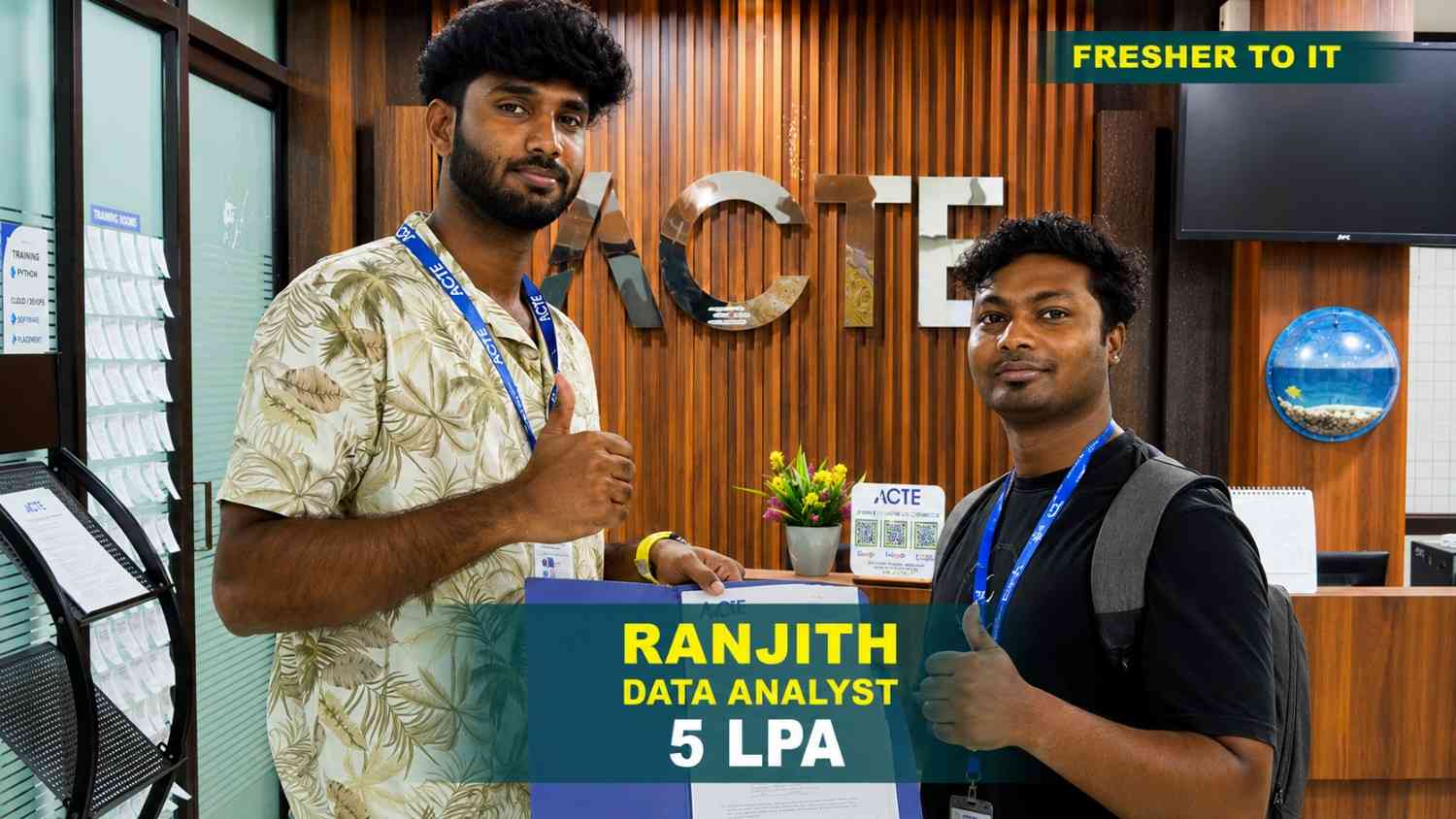
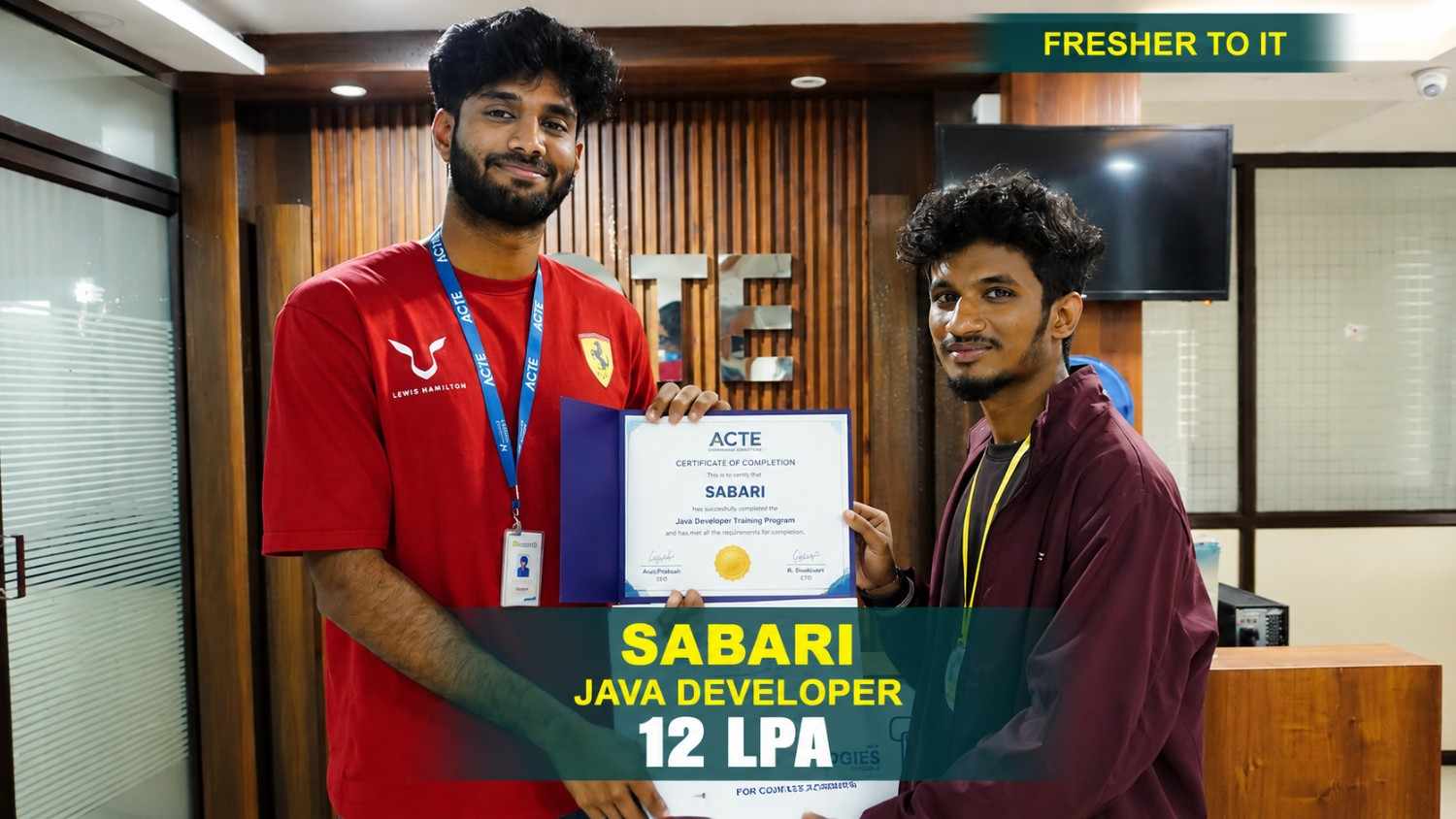
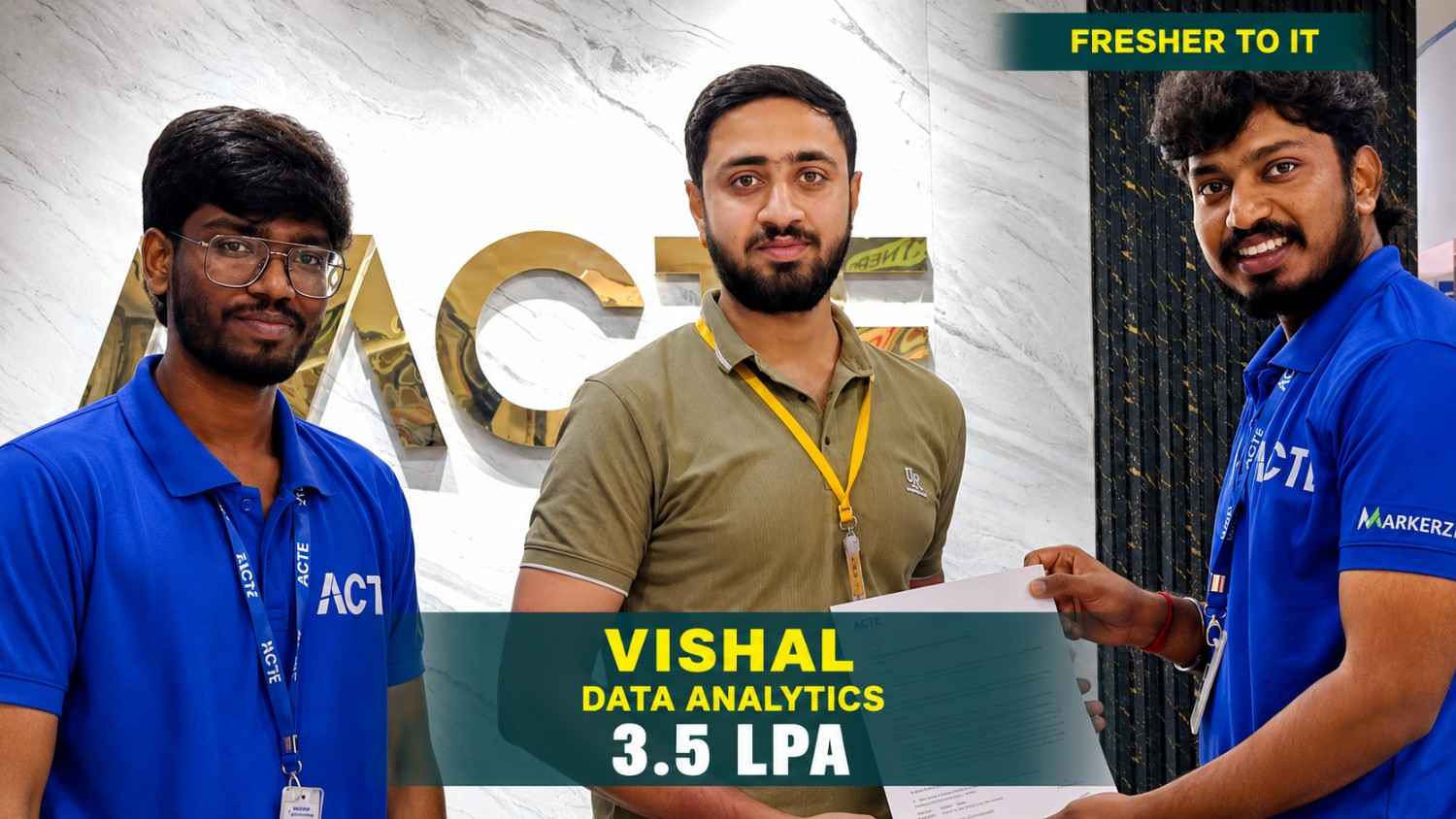
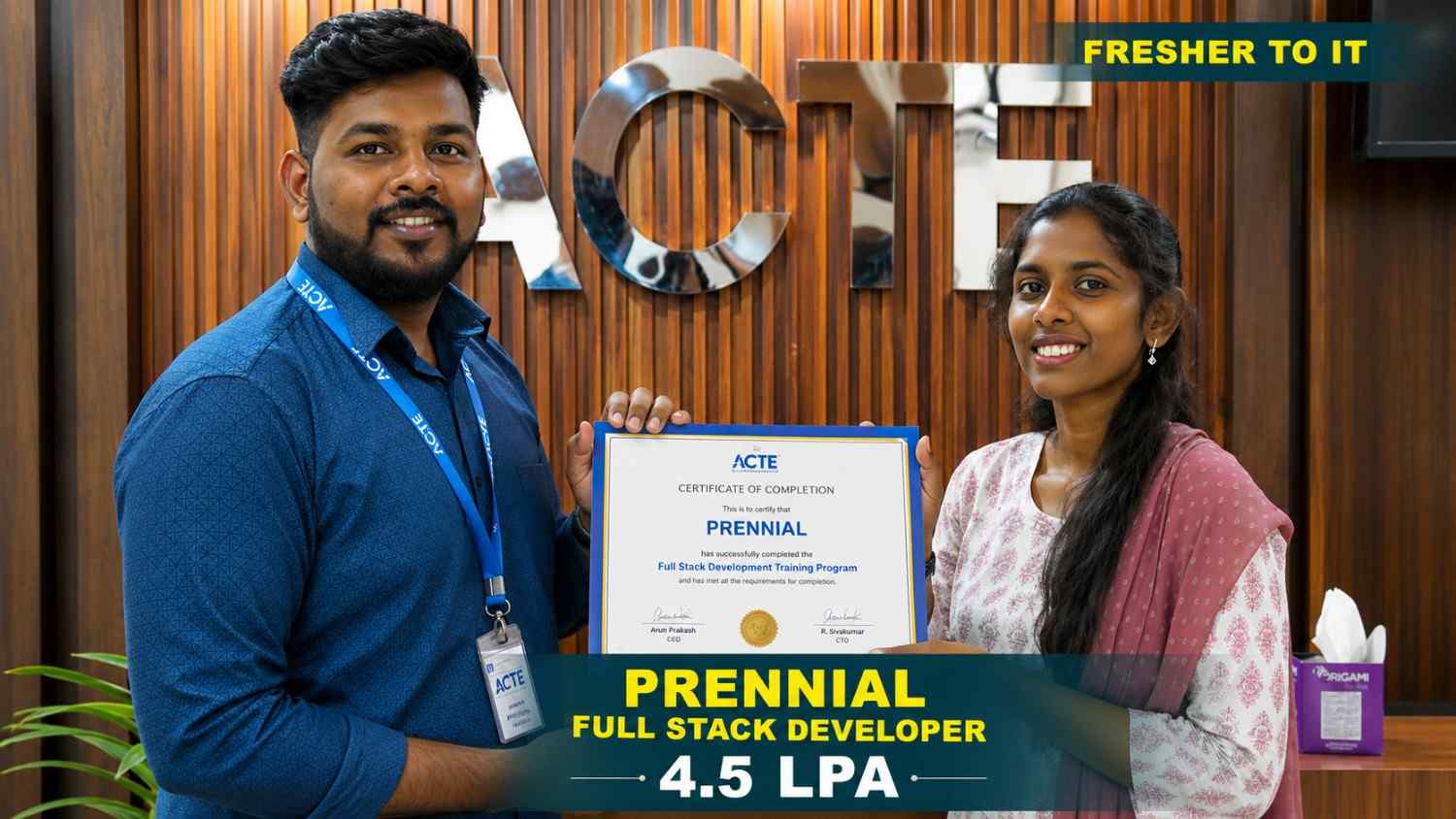
550+ Students Placed Every Month Be The Next!

Our Hiring Partners

Curriculum Designed By Experts
Expertly designed curriculum for future-ready professionals.
Industry Oriented Curriculum
An exhaustive curriculum designed by our industry experts which will help you to get placed in your dream IT company
-
30+ Case Studies & Projects
-
9+ Engaging Projects
-
10+ Years Of Experience
Docker Training Projects
Become a Docker Expert With Practical and Engaging Projects.
- Practice essential Tools
- Designed by Industry experts
- Get Real-world Experience
Simple Static Website Deployment
Learn how to containerize and deploy a basic static HTML website using Docker. This project teaches you how to build custom Docker images, create containers, and expose ports.
Dockerizing a Python or Node.js Application
Develop a simple Python Flask or Node.js Express app, and use Docker to build, run, and manage the application inside a container. This project introduces Dockerfile creation, environment.
Nginx Web Server Setup
Set up an Nginx server inside a Docker container to host static files or reverse proxy requests. You'll learn container networking, volume mounting, and basic server configurations using Docker.
WordPress with MySQL
Build and deploy a full-fledged WordPress site backed by a MySQL container. Learn multi-container orchestration, data persistence, and environment variable management.
Dockerized GitLab CI/CD Pipeline
Implement a simple Continuous Integration pipeline by running GitLab Runner inside Docker. Automate the build and test cycle of a small application using Dockerized GitLab CI.
Private Docker Registry Setup
et up your own secure private Docker registry to store, share, and manage Docker images within your team or organization. Learn about authentication, image tagging, and pushing/pulling.
Docker Swarm Cluster Setup
Create and manage a Docker Swarm cluster with multiple nodes. Deploy a scalable application using Swarm services, load balancing, service scaling, and failover strategies.
CI/CD Pipeline
Integrate Jenkins with Docker to automate application build, testing, and deployment workflows. Learn about Jenkins pipelines, Docker agents, and continuous delivery using Docker.
Kubernetes with Docker
Deploy containerized applications using Kubernetes (Minikube or GKE). Understand how Docker containers are managed using Kubernetes Pods, Deployments, Services, and ConfigMaps.
Career Support
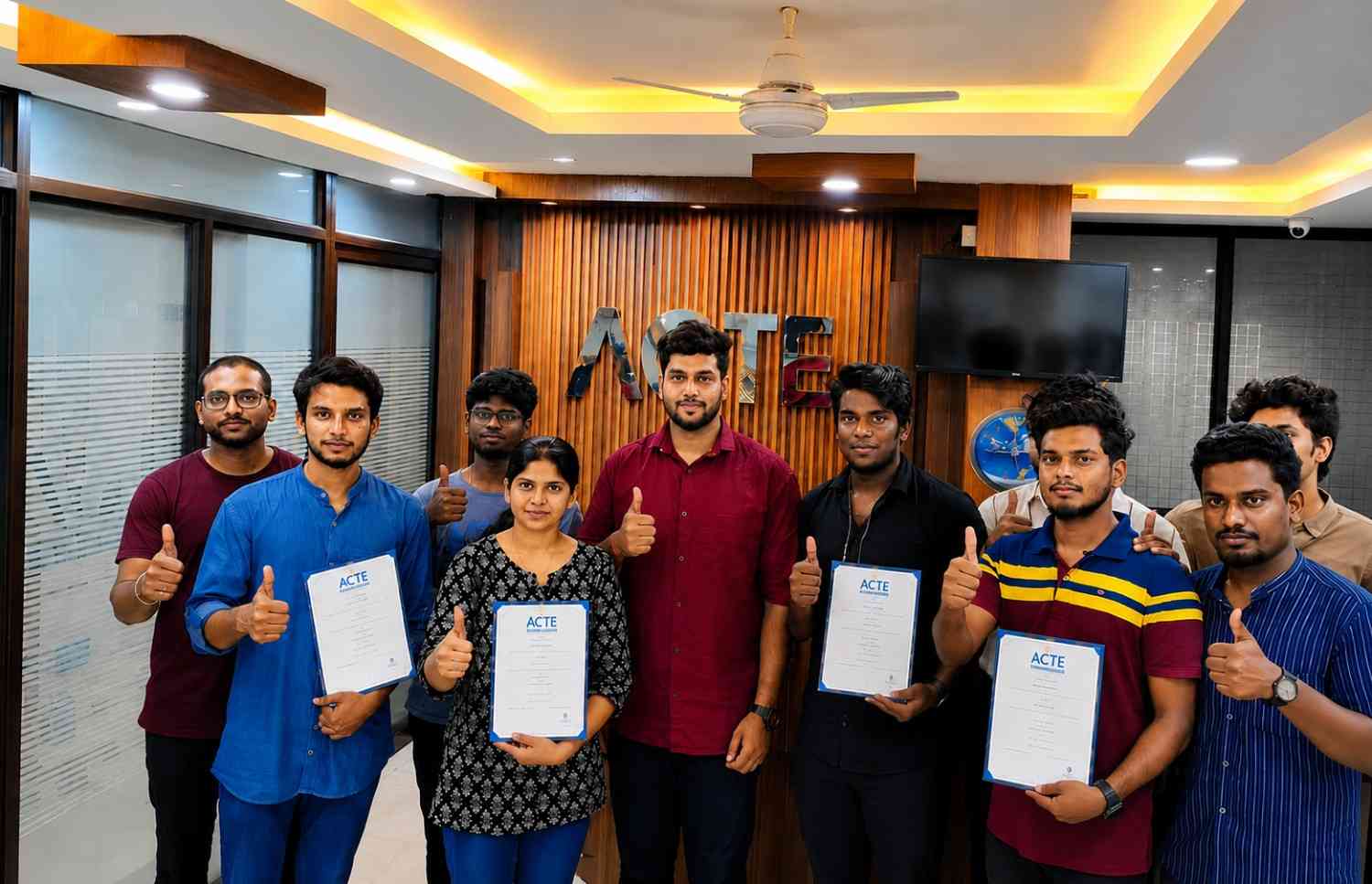

Placement Assistance

Exclusive access to ACTE Job portal

Mock Interview Preparation

1 on 1 Career Mentoring Sessions

Career Oriented Sessions

Resume & LinkedIn Profile Building
Key Features

Practical Training

Global Certifications

Flexible Timing

Trainer Support

Study Material

Placement Support

Mock Interviews

Resume Building
Upcoming Batches
What's included

 Free Aptitude and
Technical Skills Training
Free Aptitude and
Technical Skills Training
- Learn basic maths and logical thinking to solve problems easily.
- Understand simple coding and technical concepts step by step.
- Get ready for exams and interviews with regular practice.

 Hands-On Projects
- Work on real-time projects to apply what you learn.
- Build mini apps and tools daily to enhance your coding skills.
- Gain practical experience just like in real jobs.

 AI Powered Self
Interview Practice Portal
AI Powered Self
Interview Practice Portal
- Practice interview questions with instant AI feedback.
- Improve your answers by speaking and reviewing them.
- Build confidence with real-time mock interview sessions.

 Interview Preparation
For Freshers
Interview Preparation
For Freshers
- Practice company-based interview questions.
- Take online assessment tests to crack interviews
- Practice confidently with real-world interview and project-based questions.

 LMS Online Learning
Platform
LMS Online Learning
Platform
- Explore expert trainer videos and documents to boost your learning.
- Study anytime with on-demand videos and detailed documents.
- Quickly find topics with organized learning materials.
- Learning strategies that are appropriate and tailored to your company's requirements.
- Live projects guided by instructors are a characteristic of the virtual learning environment.
- The curriculum includes of full-day lectures, practical exercises, and case studies.

Docker Training Overview
Docker Training in Velachery with Career Paths
Docker Training Center in Velachery professionals have a variety of promising career paths as containerization has become a core component of modern software development and DevOps practices. As a Docker-certified specialist, you can work as a Docker Engineer, DevOps Engineer, Site Reliability Engineer (SRE), Cloud Infrastructure Engineer, or Automation Engineer. Docker is widely used in startups, enterprises, and cloud-native environments. Companies are increasingly adopting container-based microservices and CI/CD pipelines, which makes Docker expertise a highly demanded skill. Additionally, Docker professionals often get opportunities in cloud platforms like AWS, GCP, and Azure where container orchestration tools such as Kubernetes and Docker Swarm are heavily integrated. The ability to package, deploy, and manage applications in a consistent and scalable way makes Docker professionals vital for modern tech teams. Skilled Docker professionals are also well-positioned for roles in Cloud DevOps, Platform Engineering, and Infrastructure Automation teams with lucrative salary packages and career growth.
The Requirements for Docker Certification Course in Velachery
- Basic Technical Skills:Understanding of Linux/Unix commands and file systems.Basic knowledge of networking concepts (ports, IP, DNS, etc.).
- Programming Knowledge:Familiarity with programming or scripting languages like Python, Bash, or JavaScript is recommended.Experience in developing basic applications (optional but helpful).
- Development Tools Knowledge:Exposure to version control systems like Git.Awareness of cloud platforms (AWS, Azure, GCP) is beneficial.
- Understanding of Virtualization Concepts :Conceptual knowledge of Virtual Machines, Containers, and differences between them.Knowledge of infrastructure and system administration basics.
- System Requirements for Practice:A machine with Windows, Mac, or Linux OS.At least 8GB RAM and Docker installed for hands-on lab work
Enrolling in Docker Training in Velachery
Docker Course Program has revolutionized the way modern applications are built, shipped, and deployed. By enrolling in a Docker course, you position yourself at the forefront of the containerization movement. Docker simplifies application deployment by creating lightweight, portable, and consistent containers that run seamlessly across different platforms and environments. Enrolling in Docker training helps you understand how to automate software delivery pipelines, reduce deployment time, and improve reliability. Whether you are aiming for a career in DevOps, Cloud Engineering, or Software Development, Docker knowledge will significantly boost your marketability. The Docker ecosystem, combined with tools like Kubernetes, Jenkins, and CI/CD workflows, forms the foundation of modern DevOps practices. With organizations migrating their applications into microservices and containerized environments, Docker proficiency is no longer optional but essential.
Techniques and Trends in Docker Development Training in Velachery
- Infrastructure as Code (IaC):Integration of Docker with IaC tools like Terraform, Ansible, and Pulumi is becoming standard for automating infrastructure deployments.
- CI/CD with Docker:Continuous Integration and Continuous Deployment pipelines increasingly rely on Docker for building, testing, and deploying applications faster.
- Kubernetes and Container Orchestration :Docker is frequently used alongside Kubernetes for orchestrating containers, managing scaling, load balancing, and automated deployments.
- DevSecOps Integration :Integrating security best practices into Docker workflows to ensure secure images, vulnerability scanning, and secrets management.
- Serverless and Edge Computing:Docker is finding applications in serverless environments and edge computing for lightweight, efficient deployments.
- Cloud-native Adoption:Docker is heavily used in cloud-native architectures on AWS, Azure, and Google Cloud Platform (GCP).
The Most Recent Docker Coaching Class in Velachery with Tools
The Docker Placement Training in Velachery ecosystem is continuously expanding with new tools designed to simplify, automate, and secure container-based development. Some of the most recent and popular Docker-related tools include Docker Desktop (for easy local development and testing), Docker Compose v2 (offering a smoother multi-container orchestration experience), and Docker Buildx (for advanced image building with BuildKit). In addition, tools like Docker Scan provide security scanning directly from the CLI to detect vulnerabilities. On the orchestration front, Kubernetes and Docker Swarm remain vital for managing clusters of containers. The rise of Docker Hub and private registries allows for seamless image distribution. Other trending tools like Docker Slim (for image optimization), Portainer (for GUI-based container management), and Docker Machine (for managing Docker hosts) are increasingly being adopted by the DevOps community. Together, these tools enable professionals to streamline containerization workflows, enhance security, and manage large-scale deployments effectively.
Career Opportunities After Docker Training
Docker Trainer
As a Docker Trainer & DevOps Instructor, you will be responsible for designing and delivering comprehensive training programs on Docker and containerization technologies.
Corporate Docker Trainer
As a Corporate Docker Trainer, you will deliver tailored Docker training sessions for enterprise clients, focusing on the adoption of containerization within their development and operations teams.
Kubernetes Technical Trainer
In this role, you will provide in-depth training on Docker and Kubernetes to IT professionals, development teams, and DevOps engineers.You will be responsible for creating engaging training content, labs.
Freelance Docker Trainer
As a Freelance Docker Trainer, you will independently provide Docker training services to individual learners, tech institutes, and corporate clients.You will prepare comprehensive Docker.
Docker Bootcamp Instructor
As a Docker Bootcamp Instructor, you will be responsible for delivering intensive, short-term bootcamps focused on teaching Docker and related containerization technologies.
Docker Curriculum Developer
In this role, you will work as both a curriculum designer and a trainer, responsible for building end-to-end Docker training content for beginners to advanced learners.
Skill to Master
Docker Installation & Setup
Container Management
Image Creation & Optimization
Docker Networking
Docker Volumes & Storage Management
Docker Compose
Container Orchestration
Docker Security Best Practices
CI/CD
Docker Registry & Image Management
Debugging & Troubleshooting Containers
Cloud & Docker Integration
Tools to Master
Docker CLI
Docker Desktop
Docker Compose
Docker Hub
Dockerfile
Portainer
Kubernetes
Minikube
Jenkins
Prometheus & Grafana
ELK Stack
Docker Swarm
Learn from certified professionals who are currently working.

Training by
Sneha , having 7 yrs of experience
Specialized in:Docker, Kubernetes, DevOps, CI/CD Pipelines, and Cloud Infrastructure.
Note:Sneha is a DevOps expert known for his deep understanding of container orchestration and his ability to optimize cloud-native applications using Docker and Kubernetes.
Premium Training at Best Price
Affordable, Quality Training for Freshers to Launch IT Careers & Land Top Placements.
What Makes ACTE Training Different?
Feature
ACTE Technologies
Other Institutes
Affordable Fees
Competitive Pricing With Flexible Payment Options.
Higher Fees With Limited Payment Options.
Industry Experts
Well Experienced Trainer From a Relevant Field With Practical Training
Theoretical Class With Limited Practical
Updated Syllabus
Updated and Industry-relevant Course Curriculum With Hands-on Learning.
Outdated Curriculum With Limited Practical Training.
Hands-on projects
Real-world Projects With Live Case Studies and Collaboration With Companies.
Basic Projects With Limited Real-world Application.
Certification
Industry-recognized Certifications With Global Validity.
Basic Certifications With Limited Recognition.
Placement Support
Strong Placement Support With Tie-ups With Top Companies and Mock Interviews.
Basic Placement Support
Industry Partnerships
Strong Ties With Top Tech Companies for Internships and Placements
No Partnerships, Limited Opportunities
Batch Size
Small Batch Sizes for Personalized Attention.
Large Batch Sizes With Limited Individual Focus.
LMS Features
Lifetime Access Course video Materials in LMS, Online Interview Practice, upload resumes in Placement Portal.
No LMS Features or Perks.
Training Support
Dedicated Mentors, 24/7 Doubt Resolution, and Personalized Guidance.
Limited Mentor Support and No After-hours Assistance.
We are proud to have participated in more than 40,000 career transfers globally.

Docker Certification

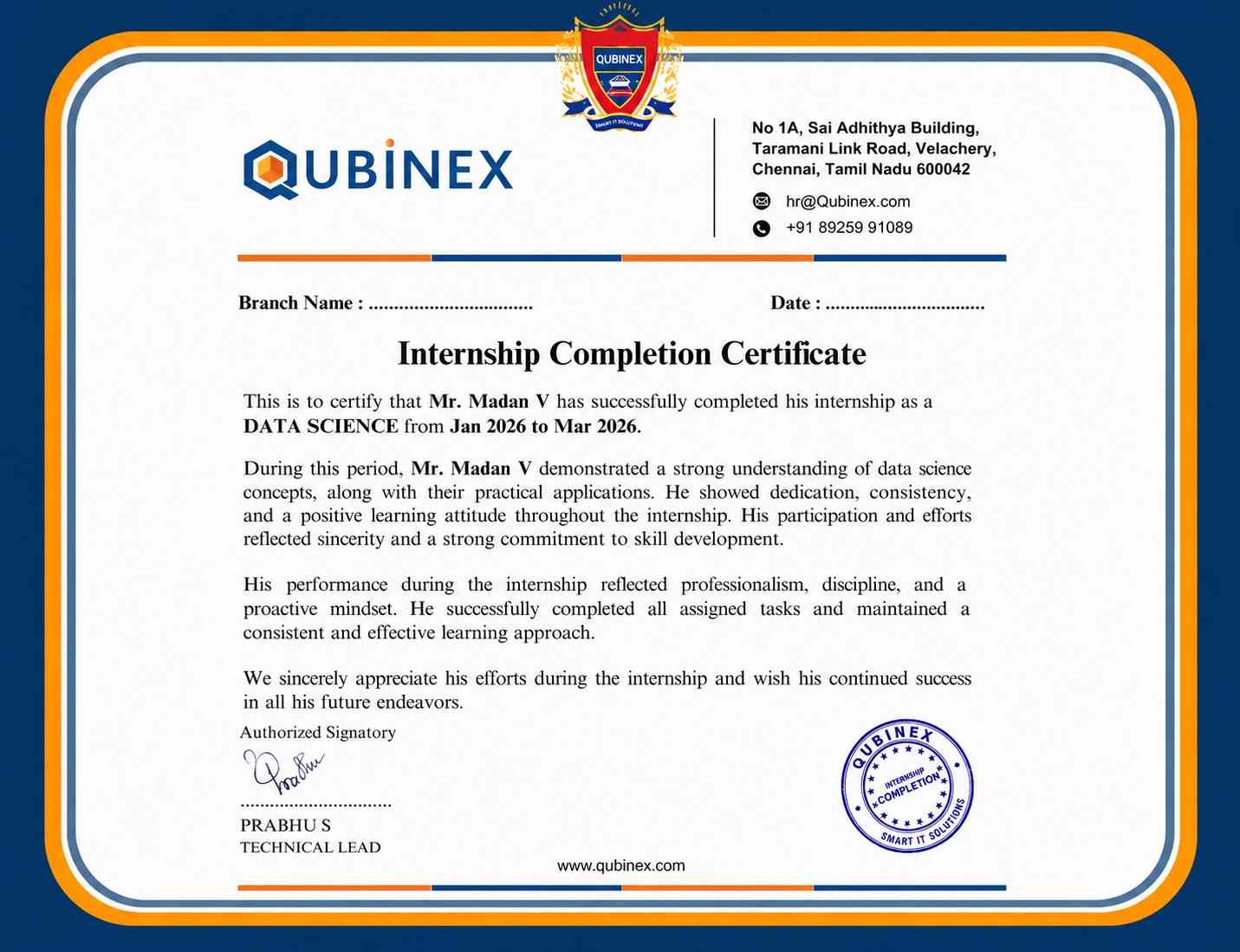
A Docker Training certification validates your expertise in containerization, a crucial skill in modern DevOps and cloud environments. It enhances your ability to deploy, manage, and optimize containerized applications, making you a valuable asset to employers.
Most Docker certifications do have prerequisites, but having a basic understanding of Linux, containerization concepts, and cloud computing is highly beneficial. Some advanced certifications may require hands-on experience with Docker, Kubernetes, and CI/CD pipelines.
While real-world experience is not always required to earn a Docker certification, it significantly improves your understanding of Docker’s practical applications. Certifications often focus on hands-on problem-solving, so having prior experience with Docker containers, networking, and orchestration tools will give you an advantage.
Yes, ACTE’s Docker Training Certification is worth it if you are looking to build a career in DevOps, cloud computing, or software development. Their training programs provide structured learning, hands-on experience, and guidance from industry experts.
Frequently Asked Questions
- Yes, ACTE offers demo sessions for prospective students.
- The demo gives you an overview of the course structure, teaching methodology, and instructor expertise.
- ACTE instructors are industry professionals with extensive experience in Docker, DevOps, and cloud computing. Most trainers have 8+ years of experience and are experts in real-world containerized application deployments. They provide hands-on training, guiding students through practical scenarios and industry best practices.
- Yes, ACTE provides placement support, including resume-building sessions, mock interviews, and job referrals. They have partnerships with top IT companies, which helps students connect with potential employers.
- Upon completing the Docker training at ACTE, students receive an industry-recognized certification. This certification validates their expertise in containerization, Docker architecture, and DevOps practices. Additionally, the course prepares students for official Docker certifications, such as Docker Certified Associate (DCA), enhancing their job prospects.
- Yes, ACTE integrates live projects into the Docker training curriculum. These projects help students gain hands-on experience by working on real-world containerized applications. By solving practical challenges, students develop a deep understanding of Docker's functionalities, making them job-ready for DevOps and cloud-based roles.
