
550+ Students Placed Every Month Be The Next!
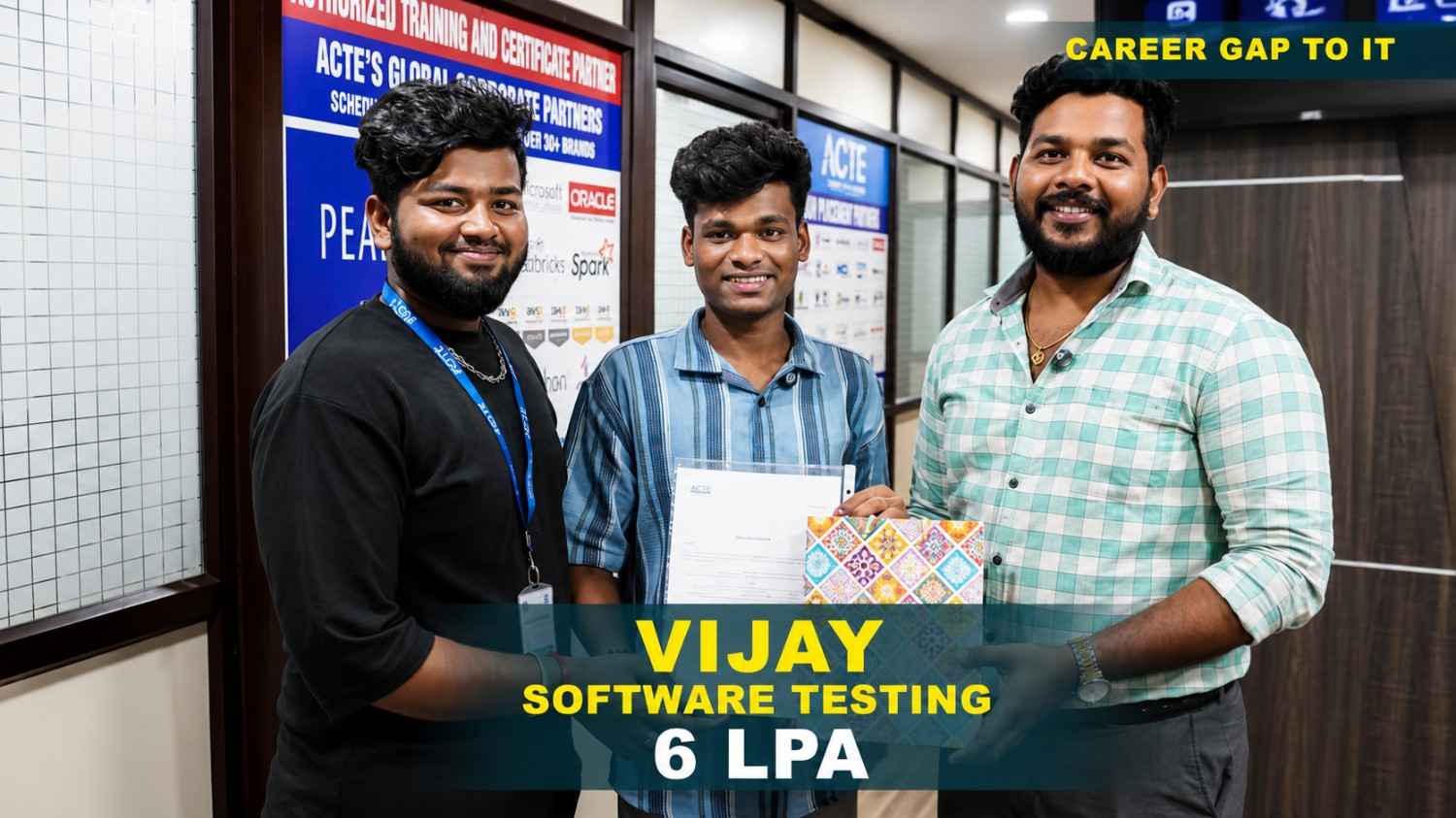
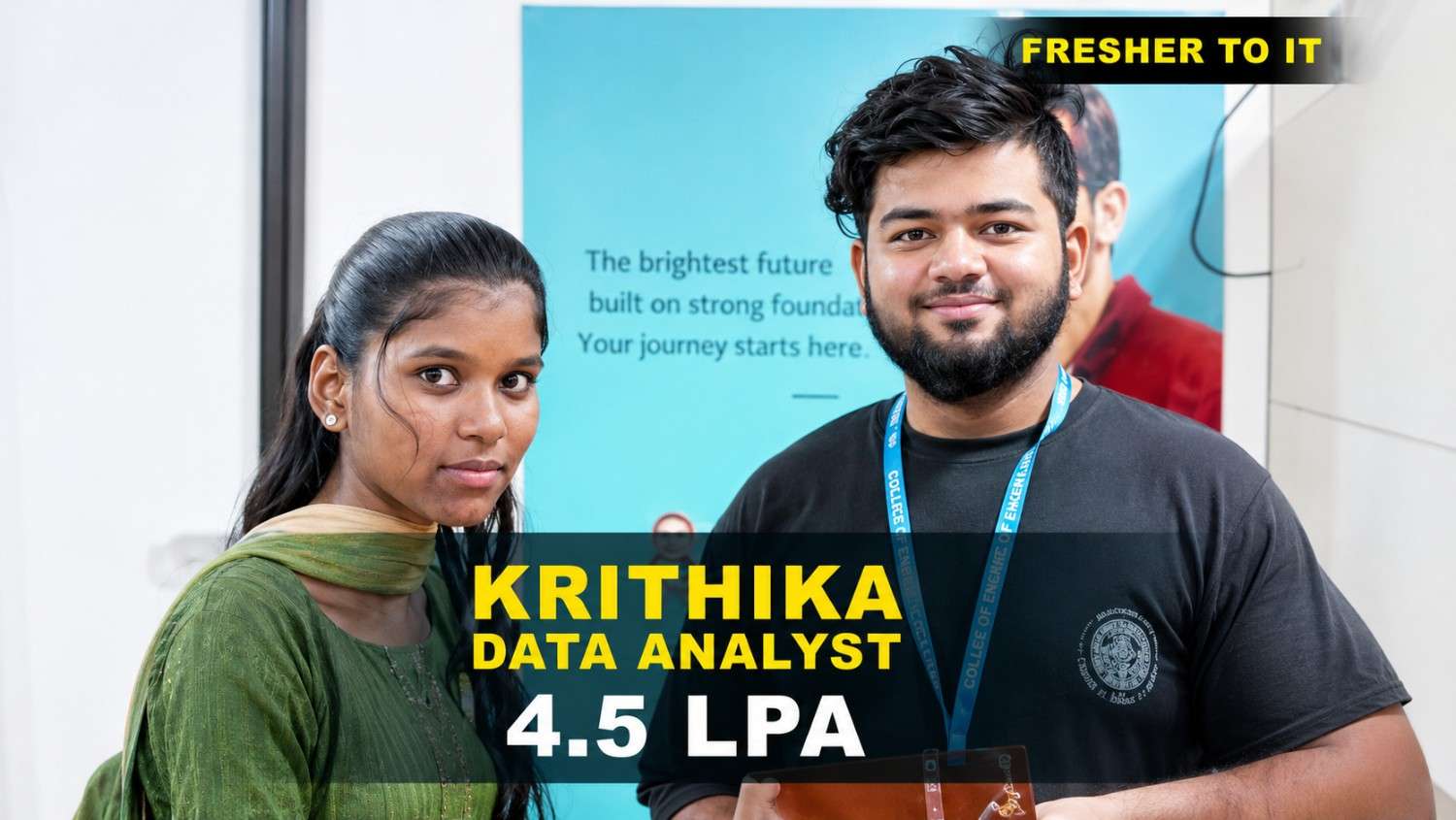
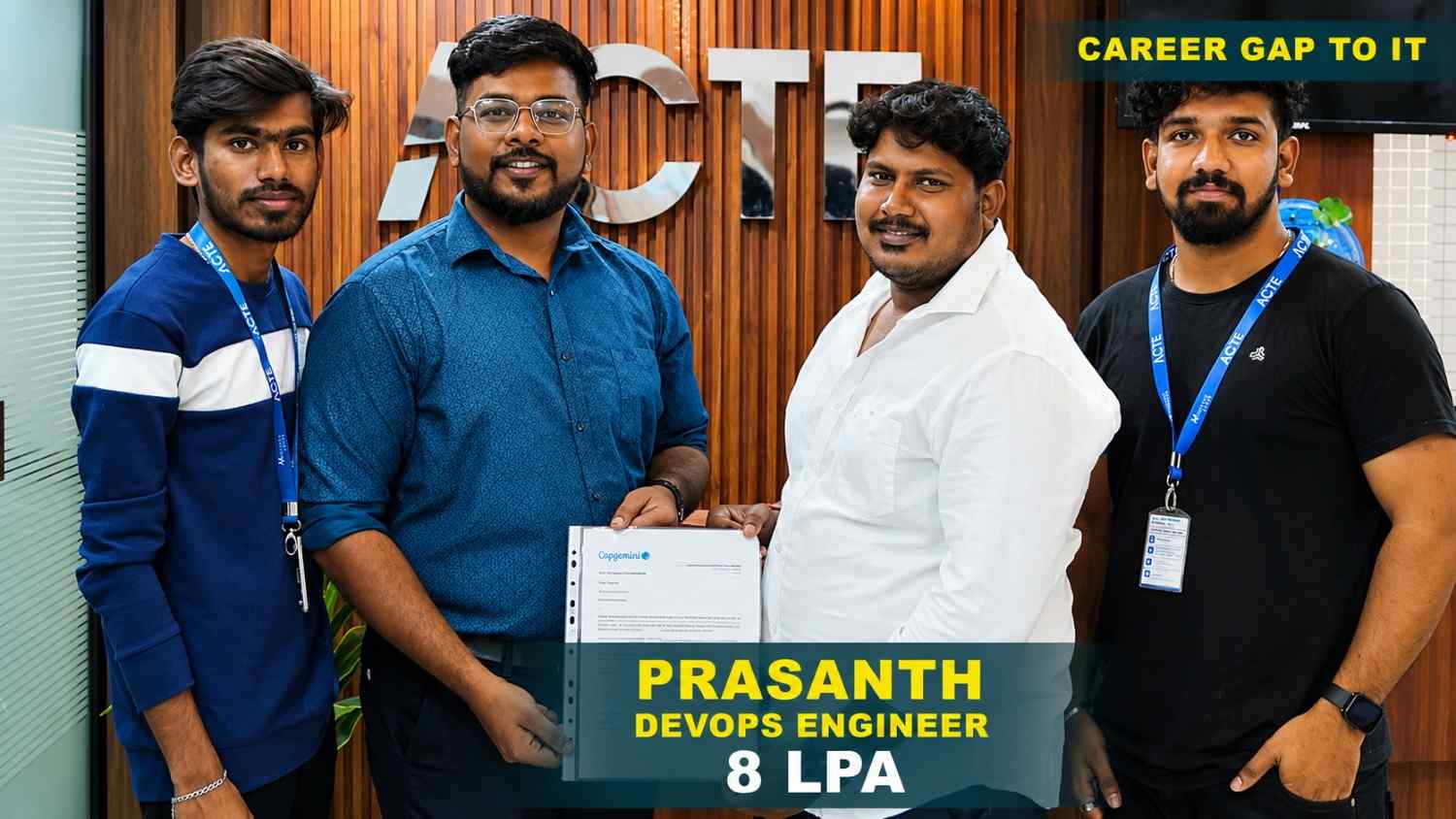
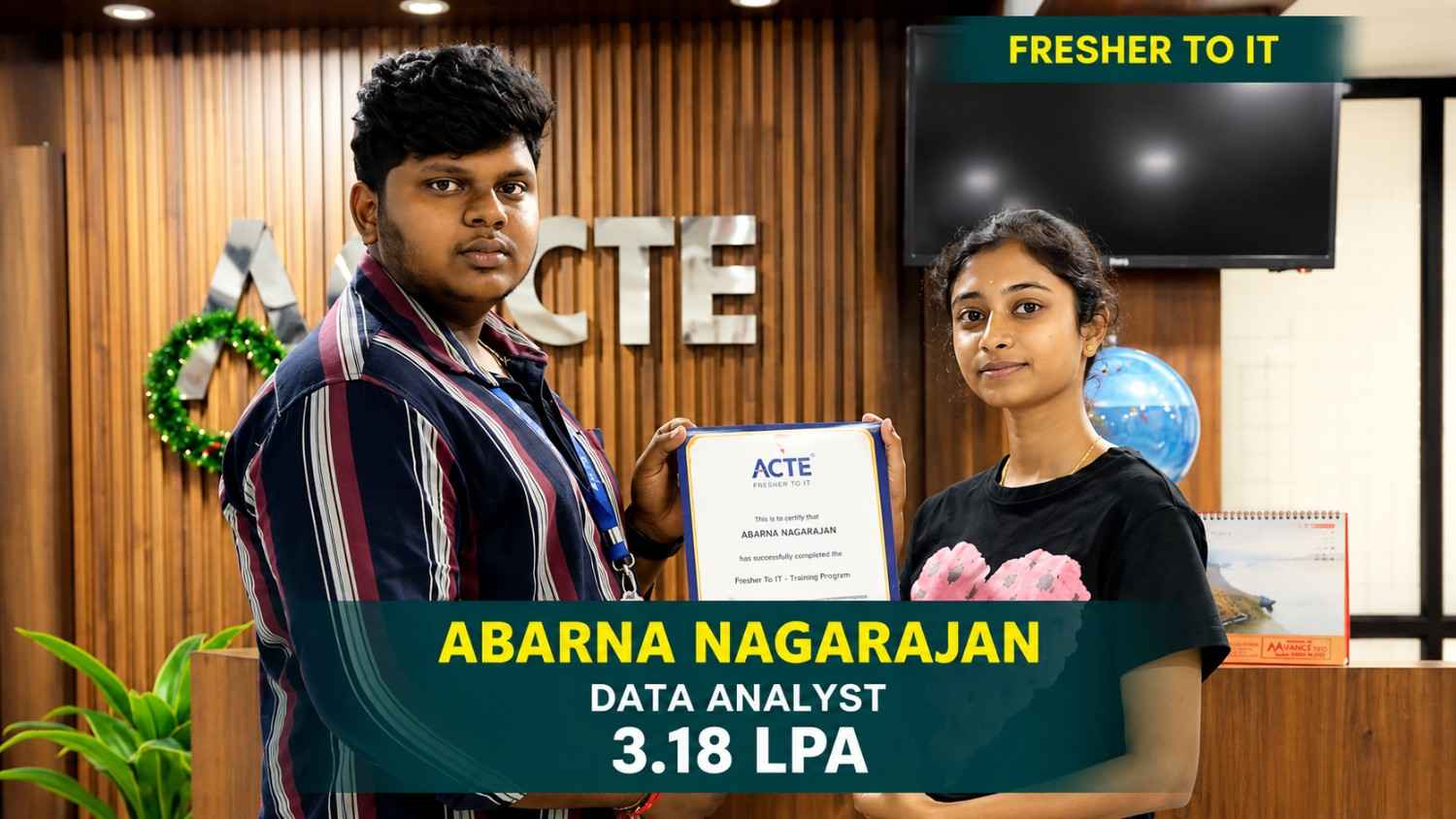
Our Hiring Partners

Curriculam Designed By Experts
Expertly designed curriculum for future-ready professionals.
Industry Oriented Curriculum
An exhaustive curriculum designed by our industry experts which will help you to get placed in your dream IT company
-
30+ Case Studies & Projects
-
9+ Engaging Projects
-
10+ Years Of Experience
- What is Docker and why use it?
- Containers vs Virtual Machines
- Docker architecture overview
- Docker components: Docker Engine, CLI, Hub
- Installing Docker on Windows, Mac, Linux
- Basic Docker commands
- Understanding Docker images and containers
- Docker use cases and benefits
- What are Docker images?
- Searching and pulling images from Docker Hub
- Creating custom Docker images using Dockerfile
- Dockerfile syntax and best practices
- Building and tagging images
- Managing images (list, remove, inspect)
- Using multi-stage builds
- Running containers from images
- Container lifecycle: start, stop, restart, remove
- Viewing container logs and stats
- Accessing container shell and processes
- Managing container networking basics
- Data persistence with volumes and bind mounts
- Docker networking basics
- Default network types: bridge, host, none
- Creating custom networks
- Container communication across networks
- Exposing and mapping ports
- Understanding Docker volumes and bind mounts
- Creating and managing volumes
- Persisting data across container restarts
- Volume drivers and remote storage options
- Introduction to Docker Compose
- Installing and setting up Docker Compose
- Writing docker-compose.yml files
- Defining services, networks, and volumes
- Managing multi-container applications
- Running and scaling services with Compose
- Using Docker Hub as a public registry
- Setting up a private Docker registry
- Pushing and pulling images to/from registries
- Managing image versions and tags
- Securing Docker registries
- Security considerations for Docker containers
- Running containers with least privilege
- Managing secrets and sensitive data
- Image scanning and vulnerability assessment
- Docker Content Trust and signing images
- User namespaces and container isolation
- Building and deploying a web application with Docker
- Containerizing a multi-service application
- Automating builds and deployments with CI/CD
- Performance tuning Docker containers
- Monitoring and logging container metrics
Docker Training Projects
Become a Docker Expert With Practical and Engaging Projects.
- Practice essential Tools
- Designed by Industry experts
- Get Real-world Experience
Containerize a Static Website
Deploy a simple HTML/CSS website using Docker and serve it through Nginx. Learn the basics of Dockerfile, images, and container lifecycle.
Create a Personal Blog with WordPress
Use Docker Compose to set up WordPress and MySQL containers. Understand how multi-container applications work in Docker.
Build a Simple Python App
Package a Python script (like a calculator or to-do list) into a Docker container. Great for learning how to manage dependencies and environments.
Deploy a Node.js App with MongoDB
Use Docker Compose to connect a Node.js backend with a MongoDB database. Practice linking services and managing volumes for data persistence.
Set Up a CI/CD Pipeline with Jenkins
Run Jenkins in Docker to automate builds and testing. Learn container orchestration and pipeline automation fundamentals.
Monitor Containers with Prometheus & Grafana
Set up monitoring for Docker containers using Prometheus and Grafana. Gain insight into container health, performance, and resource usage.
Kubernetes Deployment with Dockerized Microservices
Break an app into microservices and deploy it on a Kubernetes cluster. Master service scaling, networking, and orchestration.
Build a Scalable Chat Application
Use Docker Swarm or Kubernetes to manage real-time chat services with WebSocket, Redis, and load balancing. Focus on scalability and fault tolerance.
Create a Custom Docker Image Registry
Set up your own private Docker registry to store and manage images securely. Learn about image versioning, security, and enterprise-level deployments.
Career Support

Placement Assistance

Exclusive access to ACTE Job portal

Mock Interview Preparation

1 on 1 Career Mentoring Sessions

Career Oriented Sessions

Resume & LinkedIn Profile Building
Key Features

Practical Training

Global Certifications

Flexible Timing

Trainer Support

Study Material

Placement Support

Mock Interviews

Resume Building
Upcoming Batches
What's included

 Free Aptitude and
Technical Skills Training
Free Aptitude and
Technical Skills Training
- Learn basic maths and logical thinking to solve problems easily.
- Understand simple coding and technical concepts step by step.
- Get ready for exams and interviews with regular practice.

 Hands-On Projects
- Work on real-time projects to apply what you learn.
- Build mini apps and tools daily to enhance your coding skills.
- Gain practical experience just like in real jobs.

 AI Powered Self
Interview Practice Portal
AI Powered Self
Interview Practice Portal
- Practice interview questions with instant AI feedback.
- Improve your answers by speaking and reviewing them.
- Build confidence with real-time mock interview sessions.

 Interview Preparation
For Freshers
Interview Preparation
For Freshers
- Practice company-based interview questions.
- Take online assessment tests to crack interviews
- Practice confidently with real-world interview and project-based questions.

 LMS Online Learning
Platform
LMS Online Learning
Platform
- Explore expert trainer videos and documents to boost your learning.
- Study anytime with on-demand videos and detailed documents.
- Quickly find topics with organized learning materials.
- Learning strategies that are appropriate and tailored to your company's requirements.
- Live projects guided by instructors are a characteristic of the virtual learning environment.
- The curriculum includes of full-day lectures, practical exercises, and case studies.

Docker Training Overview
Career Opportunities Available for Docker Training in Porur Programmers
Docker training enables programmers to specialize in containerization, a critical skill in modern DevOps environments. Career roles include Docker Engineer, DevOps Engineer, Cloud Engineer, and Systems Administrator. These professionals streamline application deployment, enhance scalability, and ensure environment consistency, making them vital in IT infrastructure and software delivery. They also contribute to reducing deployment time and improving application reliability. Docker professionals are in demand across startups, enterprises, and cloud-native companies worldwide.
Essential Prerequisites and Requirements for Docker Course in Porur
- Basic Knowledge of Linux/Unix: Command-line experience is essential for managing containers. It helps learners work efficiently with file systems, processes, and permissions. A strong Linux foundation speeds up mastering Docker commands and scripts.
- Understanding of Application Development: Familiarity with software lifecycle and deployment concepts.This ensures better comprehension of containerizing applications end-to-end. It also helps in integrating Docker within modern CI/CD workflows.
- Networking Fundamentals: Knowledge of ports, IP addressing, and protocols helps in container networking.This is vital for configuring multi-container communication and exposed services. Networking skills enable smooth troubleshooting of connectivity issues.
- Prior Experience with Virtualization: Awareness of virtualization concepts aids in grasping container technologies.It helps differentiate between hypervisors and container runtime environments. Learners can better understand resource isolation and system efficiency.
- Basic Scripting Skills: Ability to write shell scripts for automation tasks. Scripting automates repetitive Docker processes for faster workflows. It boosts efficiency in container management and deployment pipelines.
Reasons to Consider Docker Placement in Porur Programs Online
Docker placement programs provide practical skills in container creation, management, and orchestration, making candidates job-ready. The training covers real-world scenarios and integrates with CI/CD pipelines for comprehensive learning. Online formats offer flexibility and updated curriculum aligned with industry demands. Placement assistance and project experience improve employability in competitive job markets. These programs also expose learners to enterprise-level case studies and tools. They help build strong portfolios showcasing containerized applications and automation skills.
Latest Techniques and Emerging Trends for Docker Certification in Porur Online
- Multi-stage Builds: Optimizing Docker images to reduce size and improve efficiency. This technique enhances security by minimizing unnecessary dependencies. It ensures faster deployment with lightweight production-ready images.
- Docker Swarm & Kubernetes Integration: Managing container clusters for high availability. Training includes load balancing, scaling, and fault tolerance techniques. Learners gain expertise in orchestrating large-scale microservices.
- Security Best Practices: Implementing container security policies and vulnerability scanning. The training covers image hardening, secrets management, and runtime protection. Security awareness prepares learners for enterprise DevSecOps roles.
- Serverless with Docker: Combining containerization with serverless architecture for scalable apps. This enables developers to deploy event-driven applications efficiently. It supports cost optimization and modern cloud-native development patterns.
- Docker Compose: Simplifying multi-container application deployment. Learners understand service dependencies, volumes, and networks. Compose helps streamline local development and testing environments.
Modern Tools and Technologies Used in Docker Certification in Porur for Effective Learning
- Docker CLI & Docker Desktop: Core tools for container management and image building. They offer a user-friendly interface for local container development. These tools streamline workflows for beginners and professionals alike.
- Docker Compose: For defining and running multi-container Docker applications. It reduces complexity in managing multiple services simultaneously. Compose files help automate repeatable development setups.
- Kubernetes: Container orchestration platform for deployment and scaling. Training covers pods, deployments, services, and stateful sets. Kubernetes knowledge is essential for modern cloud-native careers.
- Jenkins: CI/CD automation integrating Docker workflows. It helps automate testing, building, and deployment pipelines. Combined with Docker, Jenkins improves delivery speed and consistency.
- Portainer: GUI for easier Docker container management. It simplifies monitoring, managing, and deploying containers visually. Ideal for beginners who prefer a graphical interface over CLI.
Career Opportunities After Docker Training
Docker Engineer
Designs and manages containerized applications, ensuring seamless deployment and scalability across environments. They optimize container workflows and maintain efficient runtime environments. Docker Engineers play key roles in microservices-based development.
DevOps Engineer
Uses Docker to automate software delivery pipelines, improving collaboration between development and operations teams. They integrate Docker with CI/CD tools for smoother deployments. DevOps Engineers help reduce failures and accelerate release cycles.
Cloud Engineer
Implements container orchestration with Docker in cloud platforms to optimize resource utilization and application performance. They deploy scalable workloads on platforms like AWS, Azure, and GCP. Cloud Engineers ensure high availability and fast containerized services.
Site Reliability Engineer (SRE)
Leverages Docker for consistent environment setups and efficient infrastructure management to maintain system reliability. They monitor system health and automate recovery processes. SREs ensure robust and stable distributed systems. Implement proactive measures to prevent future system outages and issues.
Software Developer
Builds and tests applications in containerized environments, accelerating development cycles and minimizing inconsistencies. They create reproducible development setups using Docker files and Compose. Developers benefit from faster debugging and easier environment sharing. This approach ensures consistency.
Infrastructure Engineer
Manages container-based infrastructure and integrates Docker with CI/CD tools for automated deployments. They maintain the underlying servers and networks supporting Docker clusters. Infrastructure Engineers ensure performance, security, and scalability. They optimize resource utilization to reduce costs and improve efficiency.
Skills To Master
Understanding Containerization Concepts
Docker Installation and Configuration
Building and Managing Docker Images
Docker Containers Lifecycle Management
Networking in Docker
Docker Compose for Multi-Container Applications
Docker Swarm for Orchestration
Integration with CI/CD Pipelines
Docker Security Best Practices
Volume Management and Persistent Storage
Troubleshooting Docker Environments
Using Docker with Cloud Platforms
Tools To Master
Docker Engine
Docker Compose
Docker Swarm
Kubernetes (basic integration)
Jenkins (for CI/CD)
Git
Portainer (Docker management UI)
Docker Hub
Visual Studio Code (with Docker extensions)
AWS ECS (Elastic Container Service)
Azure Container Instances
Google Kubernetes Engine (GKE)
Learn from certified professionals who are currently working.

Training by
Ravi, having 12+ yrs of experience
Specialized in: Containerization, Docker Ecosystem, and CI/CD Integration.
Note:Ravi is known for his clear, practical teaching approach, helping students grasp Docker fundamentals and advanced concepts through real-world projects and hands-on experience.
Premium Training at Best Price
Affordable, Quality Training for Freshers to Launch IT Careers & Land Top Placements.
What Makes ACTE Training Different?
Feature
ACTE Technologies
Other Institutes
Affordable Fees
Competitive Pricing With Flexible Payment Options.
Higher Fees With Limited Payment Options.
Industry Experts
Well Experienced Trainer From a Relevant Field With Practical Training
Theoretical Class With Limited Practical
Updated Syllabus
Updated and Industry-relevant Course Curriculum With Hands-on Learning.
Outdated Curriculum With Limited Practical Training.
Hands-on projects
Real-world Projects With Live Case Studies and Collaboration With Companies.
Basic Projects With Limited Real-world Application.
Certification
Industry-recognized Certifications With Global Validity.
Basic Certifications With Limited Recognition.
Placement Support
Strong Placement Support With Tie-ups With Top Companies and Mock Interviews.
Basic Placement Support
Industry Partnerships
Strong Ties With Top Tech Companies for Internships and Placements
No Partnerships, Limited Opportunities
Batch Size
Small Batch Sizes for Personalized Attention.
Large Batch Sizes With Limited Individual Focus.
LMS Features
Lifetime Access Course video Materials in LMS, Online Interview Practice, upload resumes in Placement Portal.
No LMS Features or Perks.
Training Support
Dedicated Mentors, 24/7 Doubt Resolution, and Personalized Guidance.
Limited Mentor Support and No After-hours Assistance.
We are proud to have participated in more than 40,000 career transfers globally.

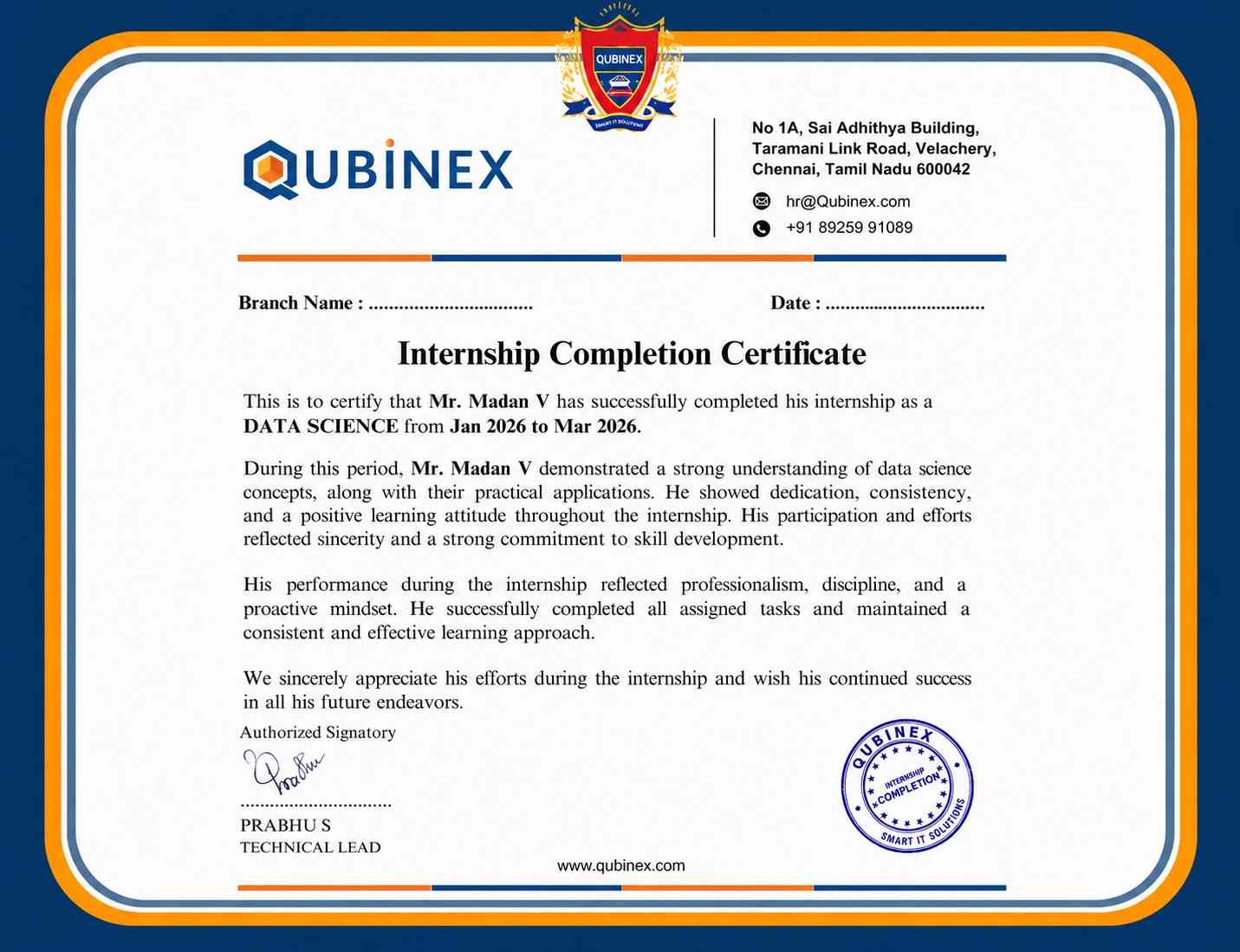
Docker TrainingCertification

- Simplifies application deployment using containerization
- Ensures consistency across multiple environments
- Enables faster software development and delivery
- Supports microservices architecture
- Enhances scalability and resource efficiency
- Facilitates collaboration between development and operations teams
- Reduces conflicts between different software dependencies
- Widely supported by cloud platforms and DevOps tools
Yes, Docker offers multiple certification paths focusing on different skill levels and roles. These include Docker Certified Associate (DCA) for foundational knowledge, specialized certifications in container orchestration, and vendor-specific Docker training integrated with cloud platforms, enabling learners to choose a path that fits their career goals.
- High demand for Docker skills in DevOps and cloud roles
- Opportunities in software development, system administration, and infrastructure automation
- Growing adoption of containerization across industries
- Competitive salaries for certified Docker professionals
- Availability of freelance and remote job options
- Potential for career growth into cloud architecture and DevOps leadership
- Integration with popular cloud providers expands job opportunities
- Increasing requirement of Docker skills in modern IT job listings
Yes, pursuing Docker placement certifications is fully encouraged and supported by industry standards. These certifications validate your skills, increase employability, and demonstrate your proficiency to potential employers, making them a valuable asset during job placements.
- DevOps Engineer
- Cloud Infrastructure Engineer
- Site Reliability Engineer (SRE)
- Software Developer with container expertise
- System Administrator with container management skills
- Continuous Integration/Continuous Deployment (CI/CD) Specialist
- Kubernetes Administrator (with Docker knowledge)
- Container Security Specialist
Yes, many Docker certification exams are offered online with remote proctoring options. This allows candidates to take the exam from the comfort of their home or office while ensuring exam integrity through monitoring technology.
While hands-on experience with Docker improves your practical understanding and job readiness, it is not always mandatory. Many training programs and certifications provide lab environments and simulations to build your skills, but real-world experience greatly enhances your ability to solve complex problems and succeed in placement roles.
- Gain structured, expert-led learning
- Access to practical labs and real-world scenarios
- Faster skill acquisition compared to self-study
- Personalized guidance and doubt resolution
- Preparation tailored to certification and job market needs
- Exposure to best practices and industry standards
- Networking opportunities with peers and professionals
- Increased confidence and improved placement chances
Frequently Asked Questions
- Containerization
- Image creation
- Container orchestration
- Integration with CI/CD pipelines
-
Yes, you can prepare for Docker Certified Associate (DCA) exams through the course.
- DevOps Engineer
- Cloud Engineer
- Site Reliability Engineer
- System Administrator
- Yes, the Docker certification exam is available online with remote proctoring.
- Prior Linux and basic container knowledge help but are not mandatory; hands-on training is provided.
