
550+ Students Placed Every Month Be The Next!

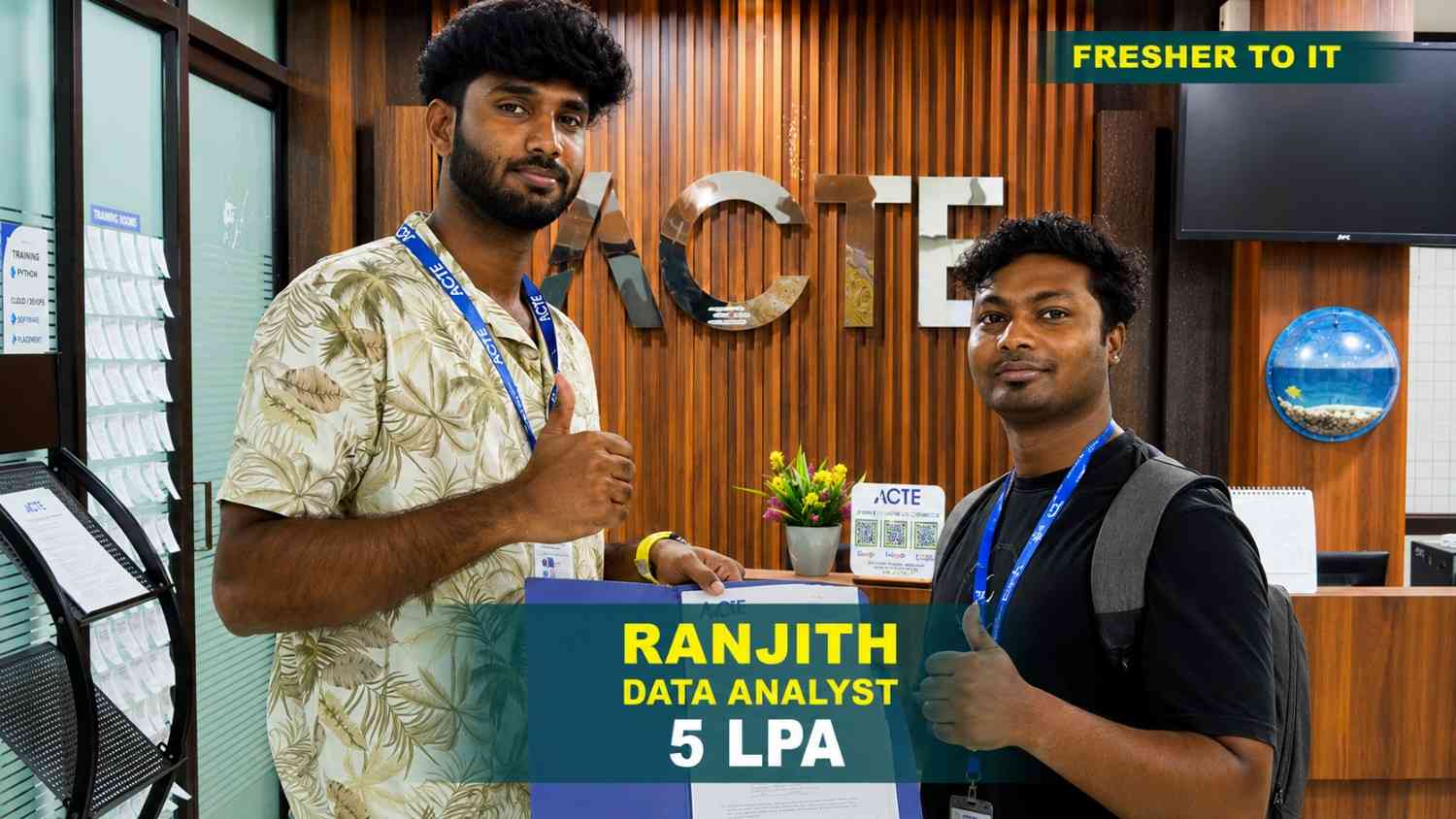
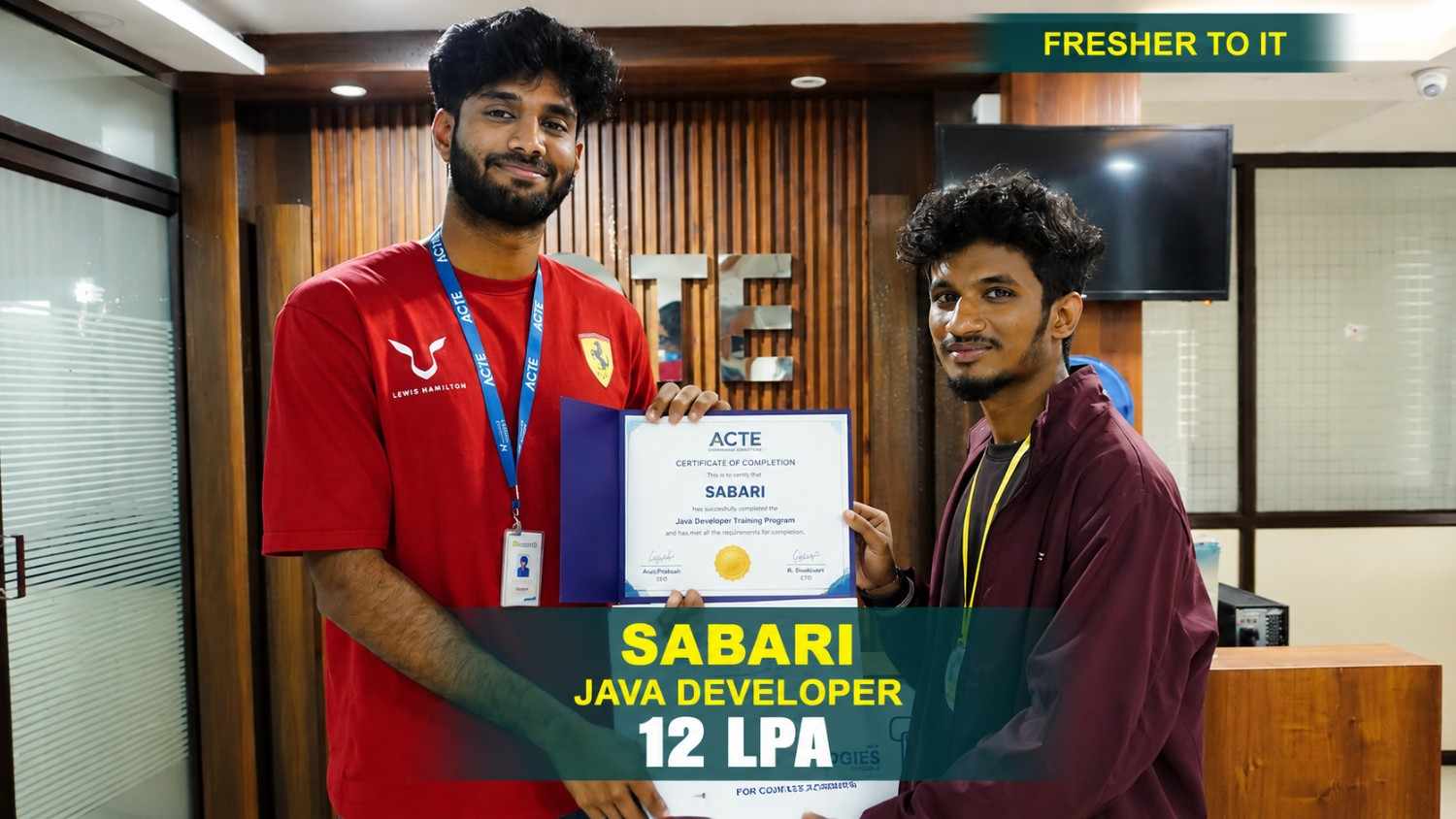
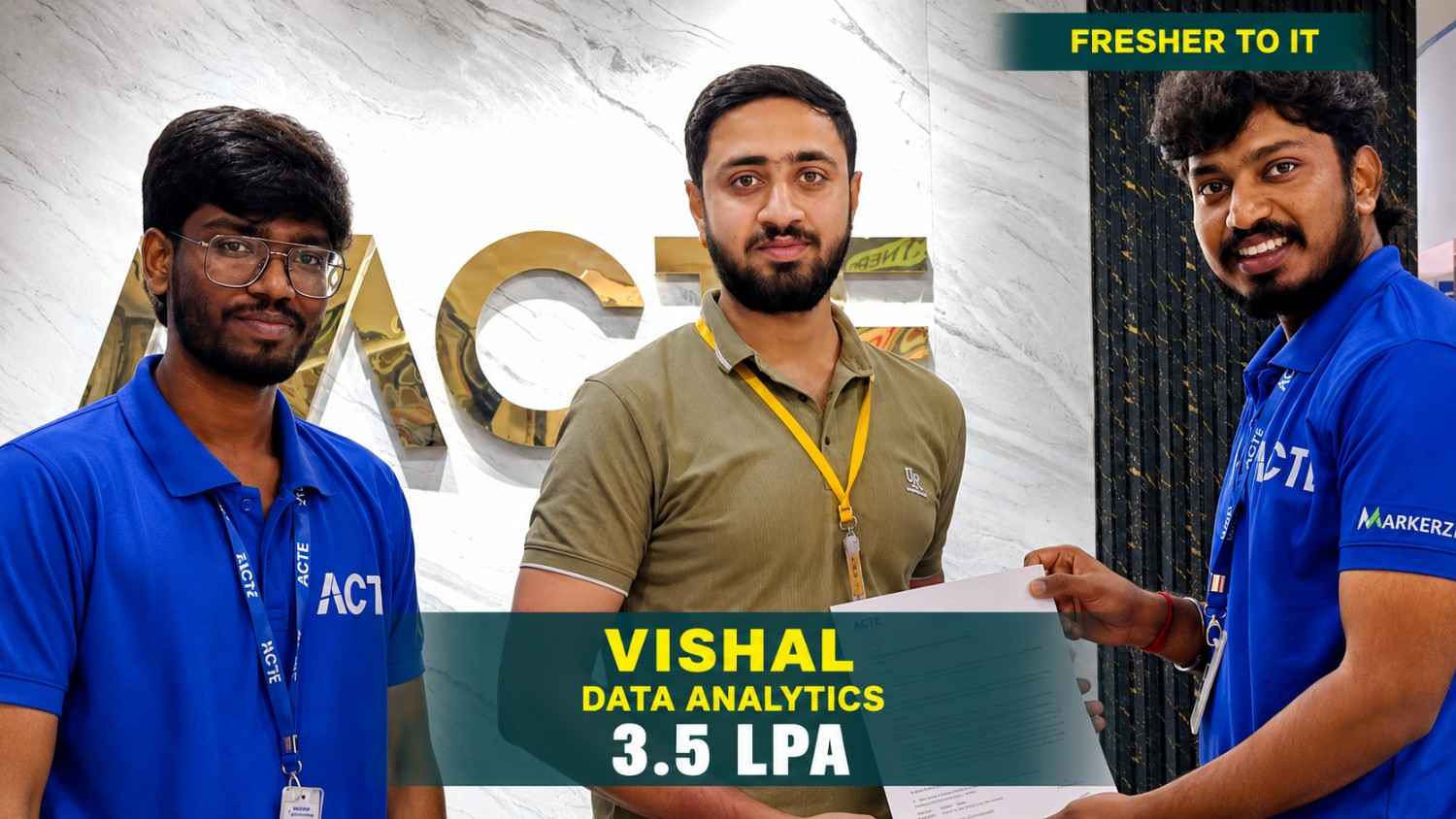
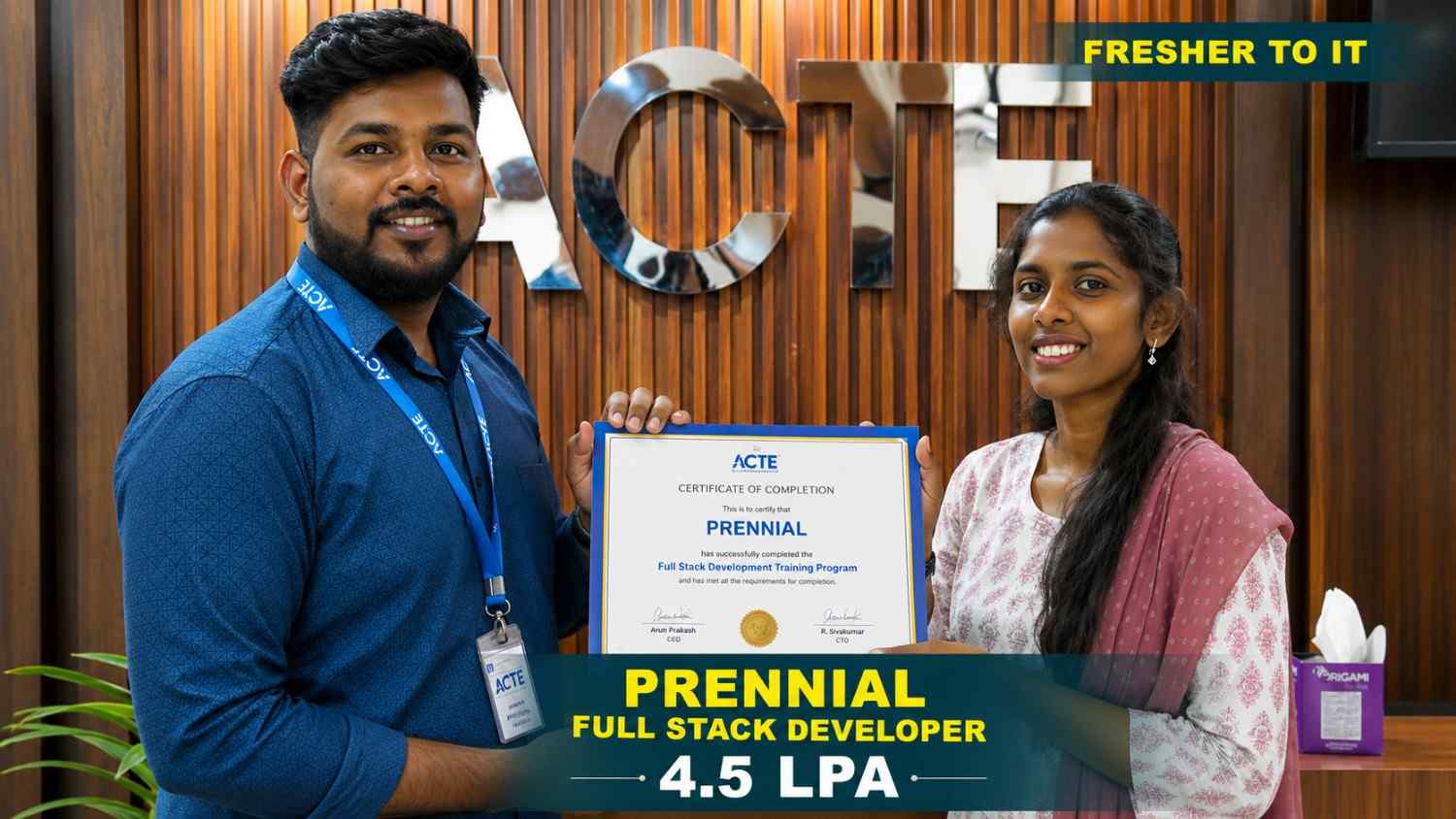
Our Hiring Partners

Curriculum Designed By Experts
Expertly designed curriculum for future-ready professionals.
Industry Oriented Curriculum
An exhaustive curriculum designed by our industry experts which will help you to get placed in your dream IT company
-
30+ Case Studies & Projects
-
9+ Engaging Projects
-
10+ Years Of Experience
Digital Video Production Training Projects
Become a Digital Video Production Expert With Practical and Engaging Projects.
- Practice essential Tools
- Designed by Industry experts
- Get Real-world Experience
Vlog Production
Produce a simple vlog using a smartphone or DSLR. Focus on capturing natural sound, smooth shots, and incorporating basic editing techniques.
Product Promo Video
Create a short promotional video for a product or service, using available lighting and a simple set. Focus on capturing clear, engaging visuals.
Time-Lapse Photography
Capture a time-lapse video of an event or scene (like a sunset or a busy street) and learn how to speed up the footage in post-production.
Music Video
Produce a music video for a song, incorporating multiple scenes, camera angles, and basic choreography.
Event Coverage
Objective: Cover a live event, capturing candid moments, speeches, and key interactions. This project focuses on real-time shooting and editing.
Short Film with Visual Effects
Objective: Create a short narrative film incorporating simple visual effects (VFX), such as green-screening, and basic CGI elements.
Cinematic Short Film
Produce a high-quality short film with advanced camera techniques, professional lighting setups, and sound design.
360-Degree Video
Objective: Create an immersive 360-degree video experience for a virtual reality platform, using specialized equipment and post-production techniques.
Multicam Music Concert
Objective: Film a live music concert using multiple cameras, ensuring that each camera angle is perfectly synced with the audio for the final edit.
Career Support
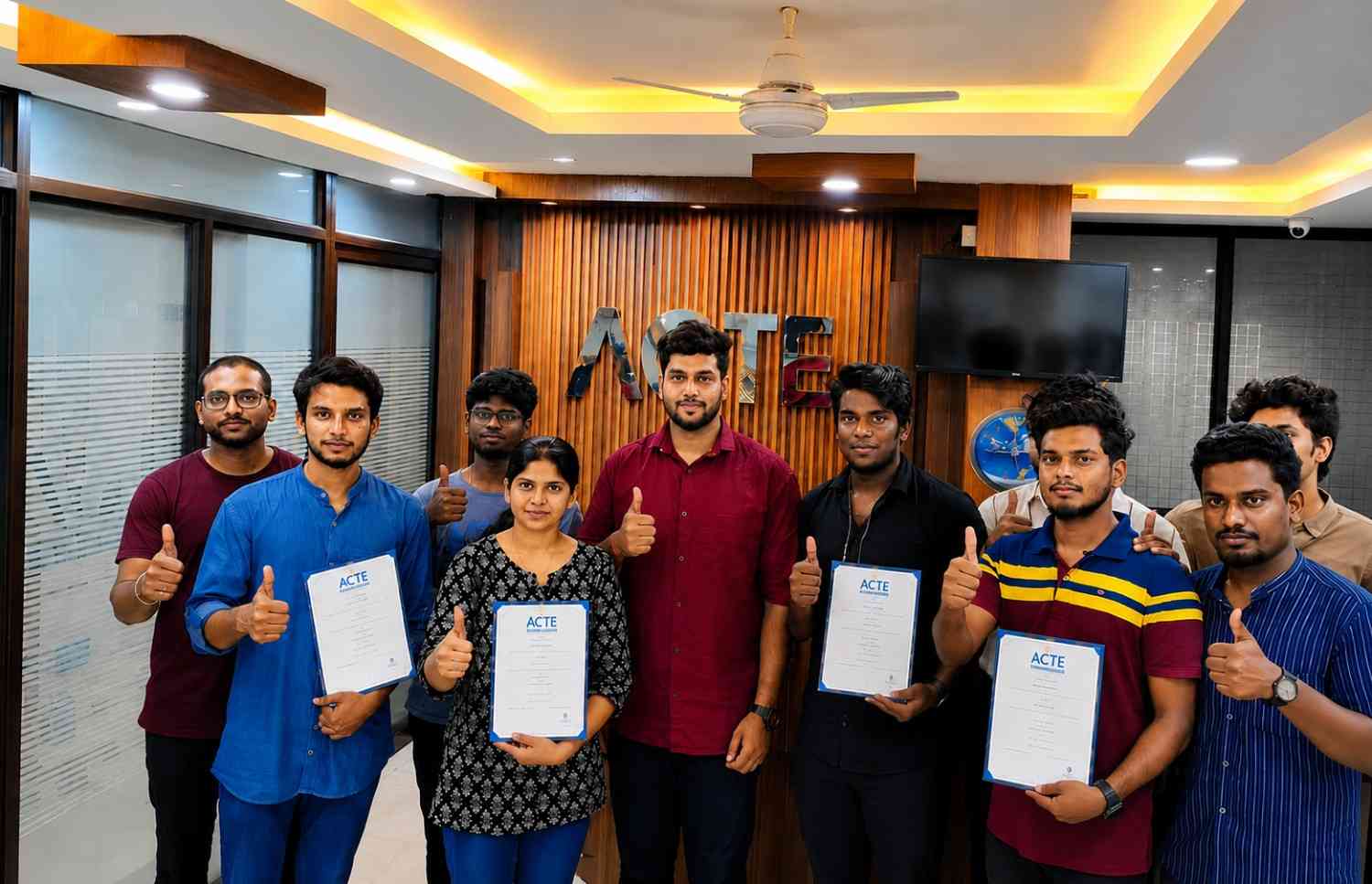

Placement Assistance

Exclusive access to ACTE Job portal

Mock Interview Preparation

1 on 1 Career Mentoring Sessions

Career Oriented Sessions

Resume & LinkedIn Profile Building
Key Features

Practical Training

Global Certifications

Flexible Timing

Trainer Support

Study Material

Placement Support

Mock Interviews

Resume Building
Upcoming Batches
What's included
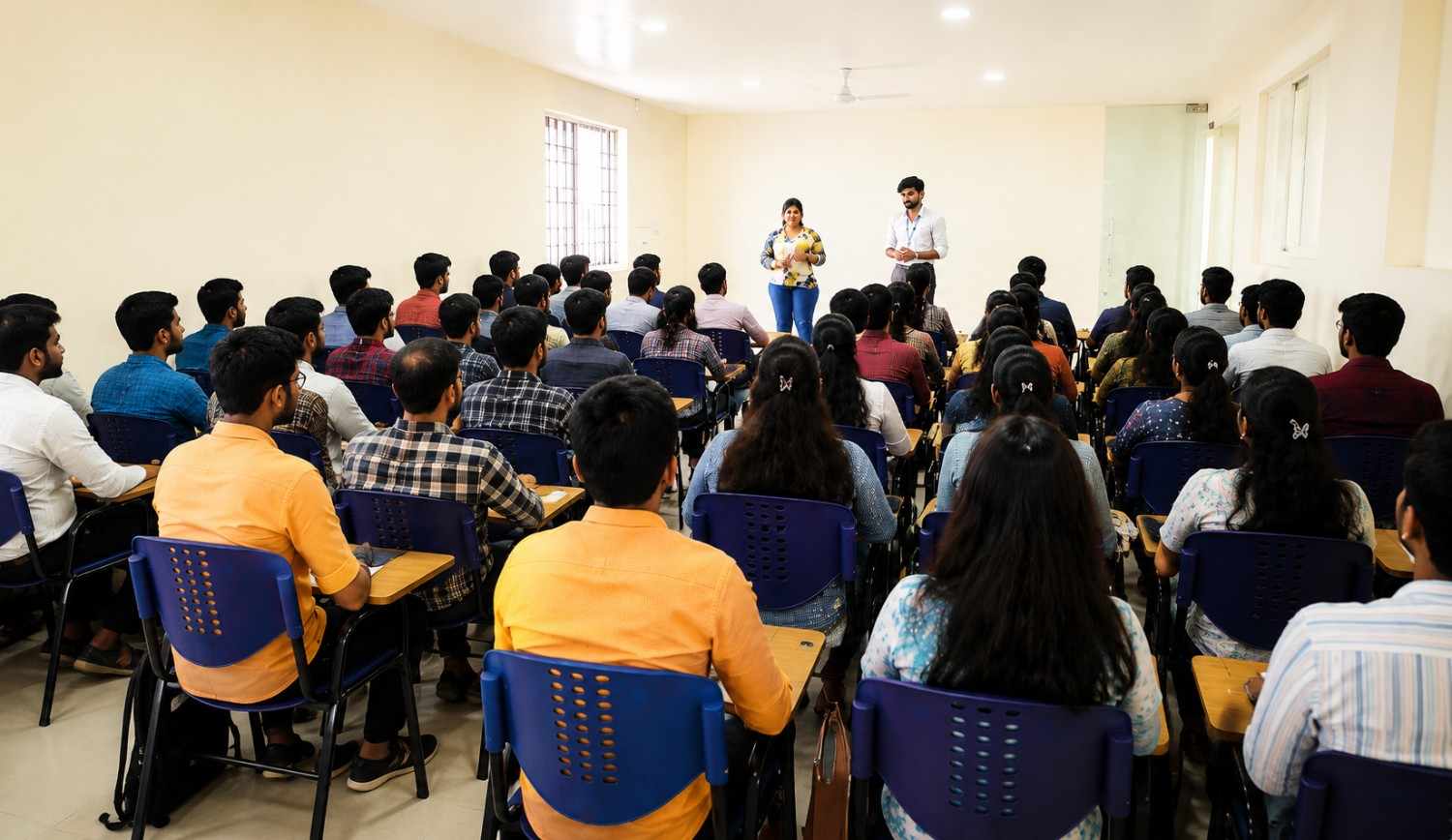
 Free Aptitude and
Technical Skills Training
Free Aptitude and
Technical Skills Training
- Learn basic maths and logical thinking to solve problems easily.
- Understand simple coding and technical concepts step by step.
- Get ready for exams and interviews with regular practice.
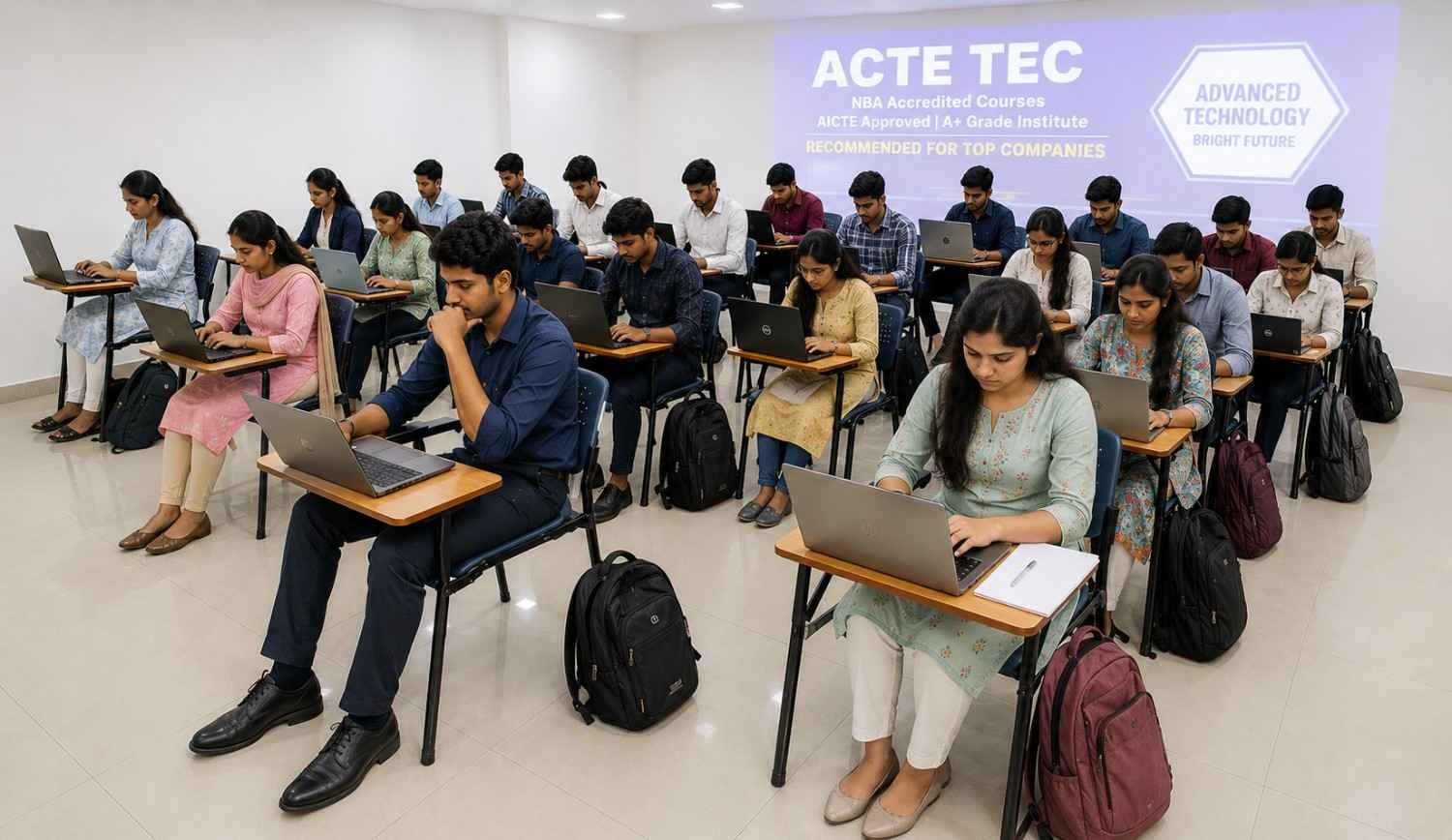
 Hands-On Projects
- Work on real-time projects to apply what you learn.
- Build mini apps and tools daily to enhance your coding skills.
- Gain practical experience just like in real jobs.

 AI Powered Self
Interview Practice Portal
AI Powered Self
Interview Practice Portal
- Practice interview questions with instant AI feedback.
- Improve your answers by speaking and reviewing them.
- Build confidence with real-time mock interview sessions.

 Interview Preparation
For Freshers
Interview Preparation
For Freshers
- Practice company-based interview questions.
- Take online assessment tests to crack interviews
- Practice confidently with real-world interview and project-based questions.
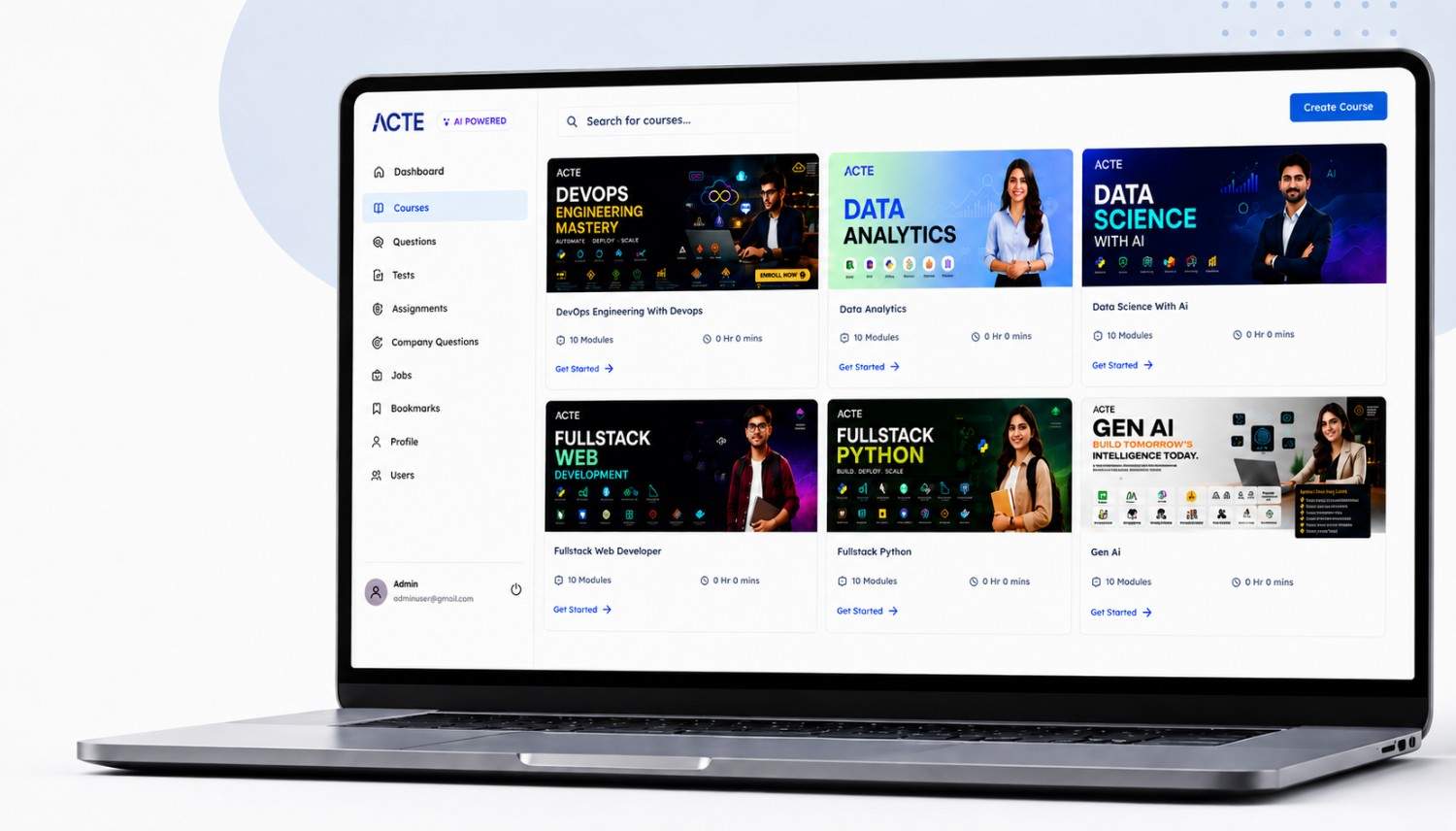
 LMS Online Learning
Platform
LMS Online Learning
Platform
- Explore expert trainer videos and documents to boost your learning.
- Study anytime with on-demand videos and detailed documents.
- Quickly find topics with organized learning materials.
- Learning strategies that are appropriate and tailored to your company's requirements.
- Live projects guided by instructors are a characteristic of the virtual learning environment.
- The curriculum includes of full-day lectures, practical exercises, and case studies.

Digital Video ProductionOverview
Digital Video Production Training in Chennai: Potential Career Paths
A Digital Video Production course opens the door to a wide range of career opportunities within the media, entertainment, and marketing industries. Graduates can pursue roles such as Video Producer, Film Director, Cinematographer, Camera Operator, Video Editor, Sound Designer, and Motion Graphics Artist. With the increasing demand for content across platforms like YouTube, social media, and streaming services, skilled video production professionals are highly sought after. Additionally, freelance opportunities in the commercial and corporate sectors allow for flexibility and creative freedom. Whether working for a production studio, media house, or as an independent freelancer, this course provides the foundational skills necessary for a successful career in video production.
What Are the Requirements for a Digital Video Production Course?
- Basic Technical Requirements: A computer or laptop with editing software (Adobe Premiere Pro, Final Cut Pro, DaVinci Resolve)
- Pre-Requisite Knowledge: Basic understanding of film, media, or visual arts (beneficial but not mandatory)
- Personal Requirements: Strong communication and collaboration skills for team-based projects. A creative mindset and attention to detail
Reasons to Consider Enrolling in a Digital Video Production Course
Enrolling in a Digital Video Production course provides an invaluable opportunity to learn a high-demand skill set from industry professionals. With a combination of theoretical knowledge and hands-on experience, this course equips you with the tools needed to create visually compelling content. Whether you’re interested in working in film, television, social media, or corporate video production, this course provides the foundation for a successful career. Additionally, video production is an incredibly versatile skill, allowing you to work across a variety of mediums and industries. As digital content continues to explode in demand, now is the perfect time to build a solid foundation and gain practical experience that can lead to multiple career opportunities.
Techniques and Trends in Digital Video Production Course Development
- 4K & 8K Video Production: With the increasing use of high-definition video, mastering 4K and 8K filming techniques has become essential for creating content that meets industry standards.
- Cinematic Lighting Techniques: The use of advanced lighting setups, including softboxes, LED panels, and practical lighting, to create cinematic moods and enhance visual storytelling.
- Green Screen & VFX: Integrating green-screen technology to combine live-action footage with digital backgrounds and special effects, creating seamless and immersive visual experiences.
- Drone Videography: The rise of drone technology has revolutionized aerial shots in filmmaking. Learning to operate drones for capturing stunning, high-quality footage has become an important skill.
- Social Media Video Content Creation: Understanding the formats and requirements for creating engaging, short-form content for platforms like Instagram, TikTok, YouTube Shorts, and others, which is a growing trend.
- Virtual Reality (VR) and 360-Degree Video: The growing demand for immersive experiences has led to the development of VR and 360-degree video production. Learning these techniques offers an edge in specialized fields like gaming and virtual tours.
The Most Recent Digital Video Production Tools
The latest tools in Digital Video Production offer enhanced capabilities for creating professional-grade content with greater ease and efficiency. Camera technology has advanced with mirrorless systems offering exceptional quality at a fraction of the price of traditional cameras. Editing software such as Adobe Premiere Pro, Final Cut Pro, and DaVinci Resolve continue to evolve with added features like AI-powered editing tools, color grading improvements, and advanced effects integration. Additionally, audio equipment has become more specialized, with microphones like the Shure SM7B and Rode VideoMic Pro providing better sound quality for video projects. Virtual production tools such as Unreal Engine and LED wall sets are also revolutionizing how films and television shows are created. These tools enable real-time rendering and integration of complex virtual environments, providing a more efficient and cost-effective production process.
Career Opportunities After Digital Video Production Training
Video Producer
A Video Producer is responsible for overseeing the entire video production process, from concept development to final delivery. They work closely with directors, editors, and clients to ensure that a video project aligns with creative goals, deadlines, and budget.
Cinematographer
The Cinematographer or Director of Photography (DP) is in charge of capturing the visual elements of a video. They work closely with the director to bring the script to life by determining the camera angles, lighting setups, and shot compositions.
Video Editor
A Video Editor takes raw footage and assembles it into a coherent, engaging final product. Using industry-standard editing software such as Adobe Premiere Pro, Final Cut Pro, or DaVinci Resolve, the video editor cuts, trims, and arranges clips.
Motion Graphics Designer
A Motion Graphics Designer creates animated visual elements, titles, and effects for videos. These can range from simple text animations to complex visual effects that enhance storytelling. Motion graphics are used in many video productions, explainer videos, and film opening sequences.
Sound Designer
A Sound Designer is responsible for creating and editing the audio elements of a video project, from dialogue to sound effects to background music. They ensure that the audio enhances the visual experience and supports the story being told.
Corporate Videographer
A Corporate Videographer specializes in producing professional videos for businesses and organizations. These include promotional videos, internal training videos, client testimonials, event coverage, and corporate documentaries.Their role is to translate a company’s message.
Skill to Master
Camera Techniques
Lighting for Video Production
Video Editing
Audio Recording & Sound Design
Scriptwriting & Storyboarding
Motion Graphics & Animation
Green Screen & Visual Effects
Drone Videography
Project Management for Video Production
Color Grading & Correction
Lighting & Camera Setup for Different Styles
Professional Portfolio Development
Tools to Master
Adobe Premiere Pro
DaVinci Resolve
Final Cut Pro
Adobe After Effects
Avid Media Composer
OBS Studio (Open Broadcaster Software
Canon EOS DSLR Cameras
Sony A7 Series
Adobe Audition
Tripod & Monopod
Moza Air 2 Gimbal
Green Screen & Chroma Key Setup
Learn from certified professionals who are currently working.

Training by
Arvind Kumar, having 12 years of experience
Specialized in:Camera Operations, Cinematography, Lighting Techniques, and Post-Production Editing.
Note:Arvind is recognized for his expertise in cinematic storytelling, having worked on major film projects and high-end corporate video productions. He’s known for his ability to teach complex camera techniques in a simplified manner, ensuring students gain practical, real-world skills.
Premium Training at Best Price
Affordable, Quality Training for Freshers to Launch IT Careers & Land Top Placements.
What Makes ACTE Training Different?
Feature
ACTE Technologies
Other Institutes
Affordable Fees
Competitive Pricing With Flexible Payment Options.
Higher Fees With Limited Payment Options.
Industry Experts
Well Experienced Trainer From a Relevant Field With Practical Training
Theoretical Class With Limited Practical
Updated Syllabus
Updated and Industry-relevant Course Curriculum With Hands-on Learning.
Outdated Curriculum With Limited Practical Training.
Hands-on projects
Real-world Projects With Live Case Studies and Collaboration With Companies.
Basic Projects With Limited Real-world Application.
Certification
Industry-recognized Certifications With Global Validity.
Basic Certifications With Limited Recognition.
Placement Support
Strong Placement Support With Tie-ups With Top Companies and Mock Interviews.
Basic Placement Support
Industry Partnerships
Strong Ties With Top Tech Companies for Internships and Placements
No Partnerships, Limited Opportunities
Batch Size
Small Batch Sizes for Personalized Attention.
Large Batch Sizes With Limited Individual Focus.
LMS Features
Lifetime Access Course video Materials in LMS, Online Interview Practice, upload resumes in Placement Portal.
No LMS Features or Perks.
Training Support
Dedicated Mentors, 24/7 Doubt Resolution, and Personalized Guidance.
Limited Mentor Support and No After-hours Assistance.
We are proud to have participated in more than 40,000 career transfers globally.

Digital Video Production Certification
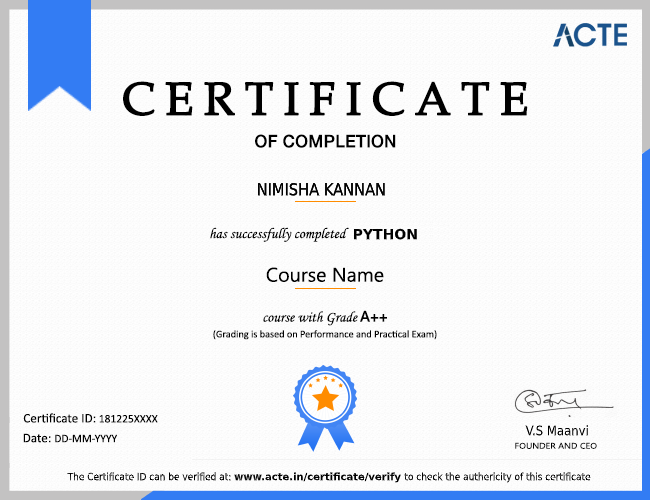
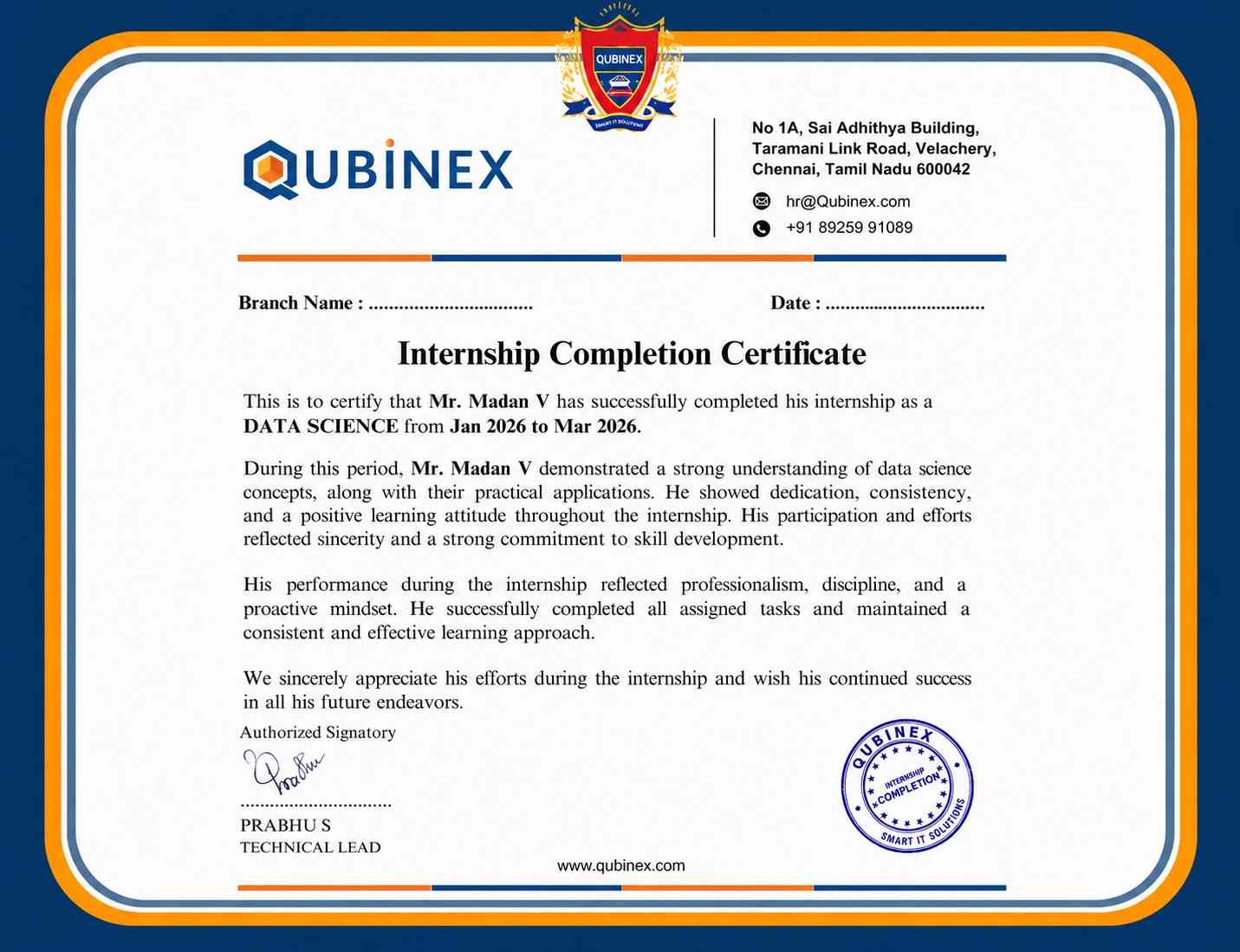
Pursuing a Digital Video Production Course certification is essential for those looking to build a career in the video production industry. The certification validates your skills, enhancing your employability by showcasing your proficiency in areas such as cinematography, editing, sound design, and video post-production.
Typically, there are no strict prerequisites for enrolling in a Digital Video Production Course certification exam, but having a basic understanding of video production, editing, and media tools can be beneficial. A strong passion for learning and a willingness to practice are often the most important factors in preparing for the exam.
While real-world experience is valuable in Digital Video Production, it is not always a strict requirement to earn a certification. However, having some practical experience, such as working on personal video projects, internships, or freelance work, will certainly enhance your understanding and performance during the course.
ACTE’s Digital Video Production Course certification is definitely worth the time and investment for anyone serious about building a career in video production. The course offers comprehensive training from industry-experienced instructors, providing you with in-depth knowledge and practical skills required in the field.
Frequently Asked Questions
- Yes, ACTE offers demo sessions for all prospective students. The demo session allows you to get a feel for the course content, teaching style, and the overall structure of the Digital Video Production Course. It also provides you with an opportunity to interact with the instructors and ask any questions you may have about the course. Attending the demo session will help you make an informed decision about whether the course meets your learning needs and expectations before committing to the full program.
- Experienced Professionals: ACTE instructors have years of industry experience in Digital Video Production, film-making, and content creation.
- Certified Experts: All instructors hold relevant certifications and qualifications in their specialized areas of video production.
- Hands-On Mentors: ACTE’s instructors are committed to hands-on teaching, providing real-time guidance on projects and practical assignments.
- Industry Veterans: Many instructors have worked on large-scale production sets and have collaborated with top media houses, making them experts in the field
- Yes, ACTE offers placement assistance to all of its Digital Video Production Course students. While the course focuses on giving you the skills necessary to work in the industry, ACTE also provides career support through job fairs, resume building workshops, and interview preparation. The placement team actively connects students with recruiters and companies looking for fresh talent in the video production and film industry. With strong industry connections, ACTE ensures that students are well-prepared for job opportunities post-certification.
- Digital Video Production Certificate: A certificate acknowledging your completion of the course.
- Industry-Recognized Certification: The certification is recognized by top companies in the video production, media, and entertainment industries.
- Portfolio Completion: Your certificate will be accompanied by a portfolio showcasing the video projects you've worked on during the course.
- Yes, students enrolled in the Digital Video Production Course at ACTE work on live projects as part of their training. These projects simulate real-world video production scenarios, allowing students to apply the skills they’ve learned in practical, hands-on settings. Working on live projects helps students gain experience in various stages of video production, from pre-production planning to shooting, editing, and post-production. It also provides an opportunity to build a strong portfolio of work, which is essential for securing employment in the video production industry.
