
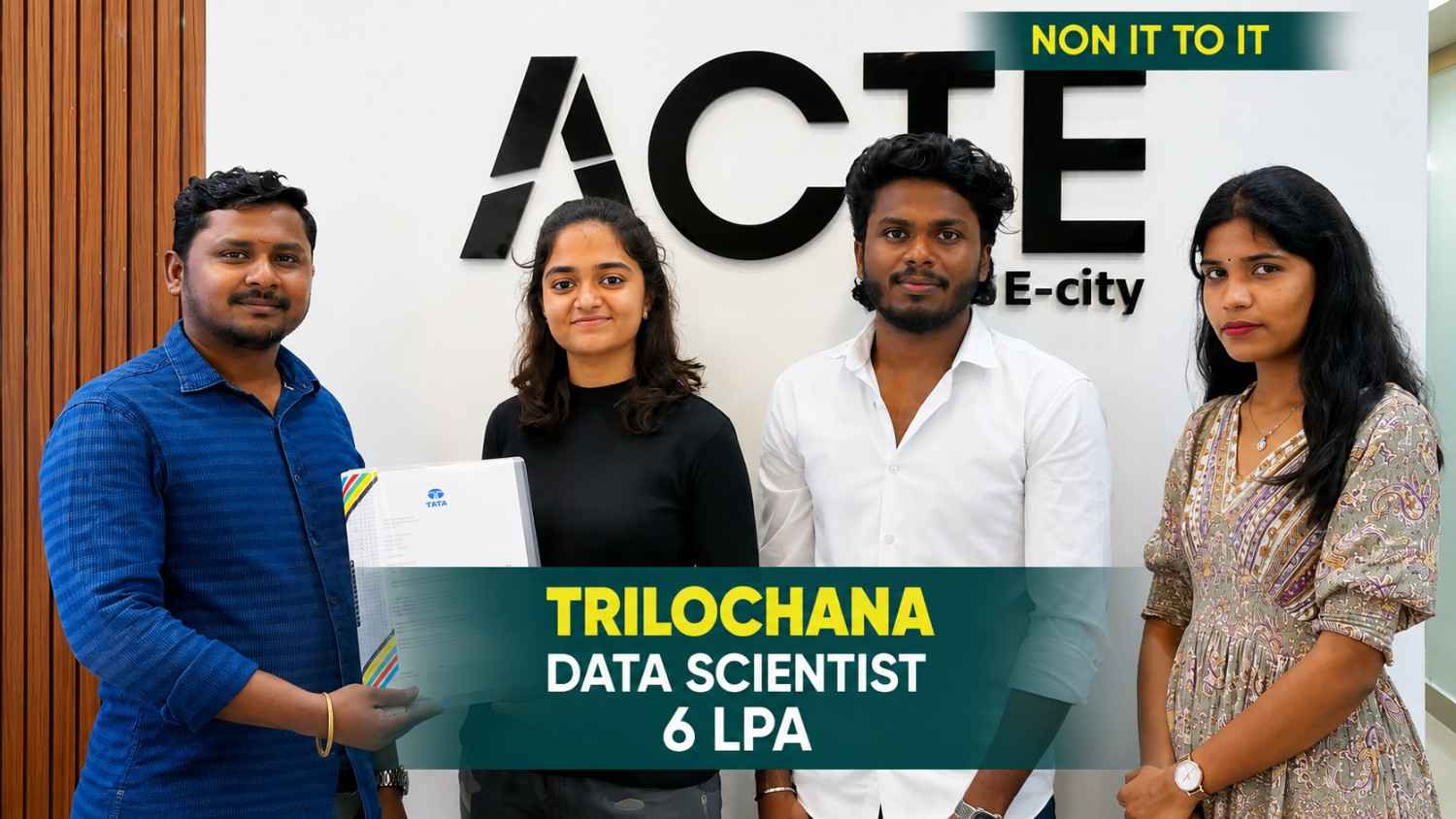
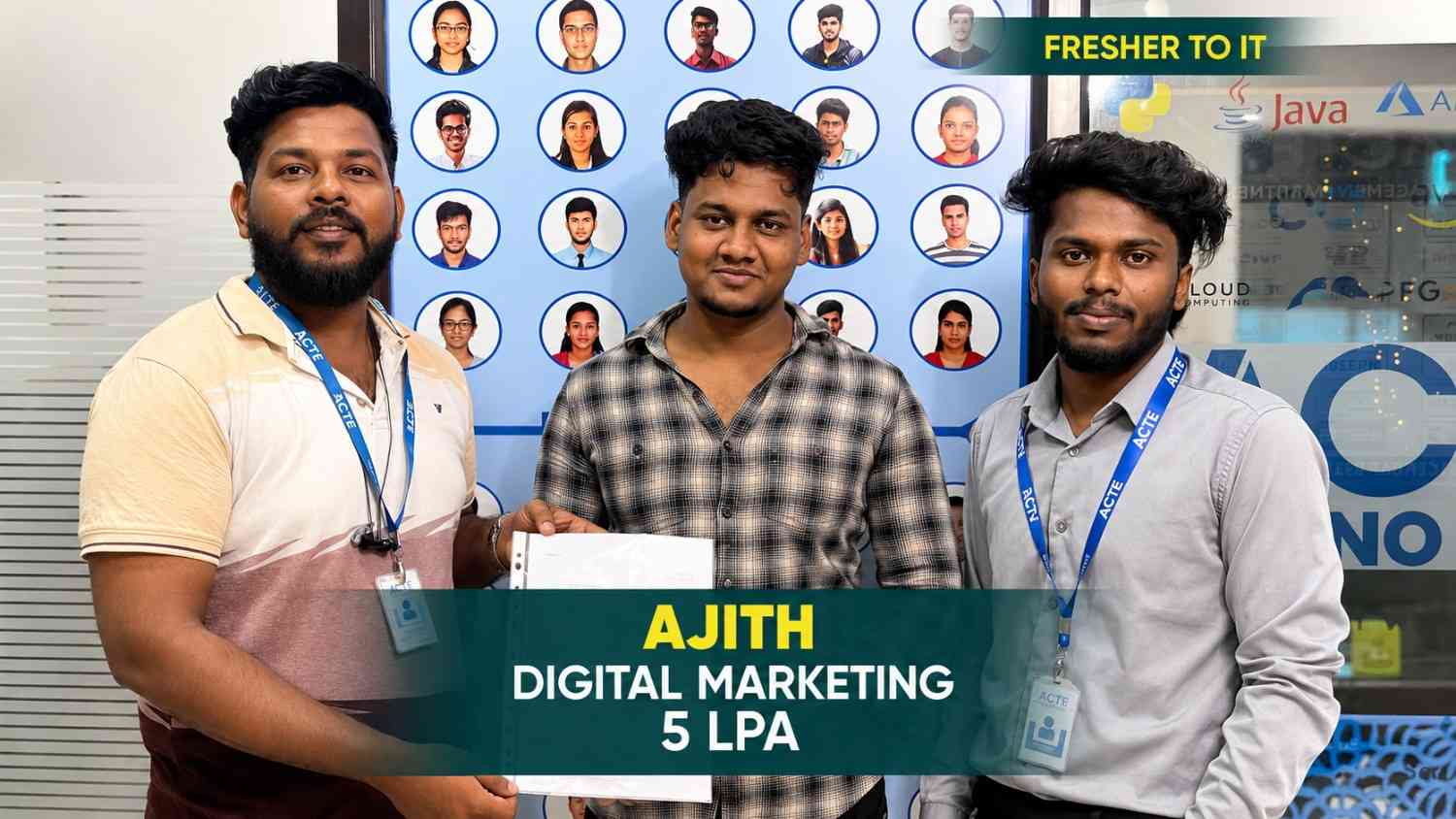
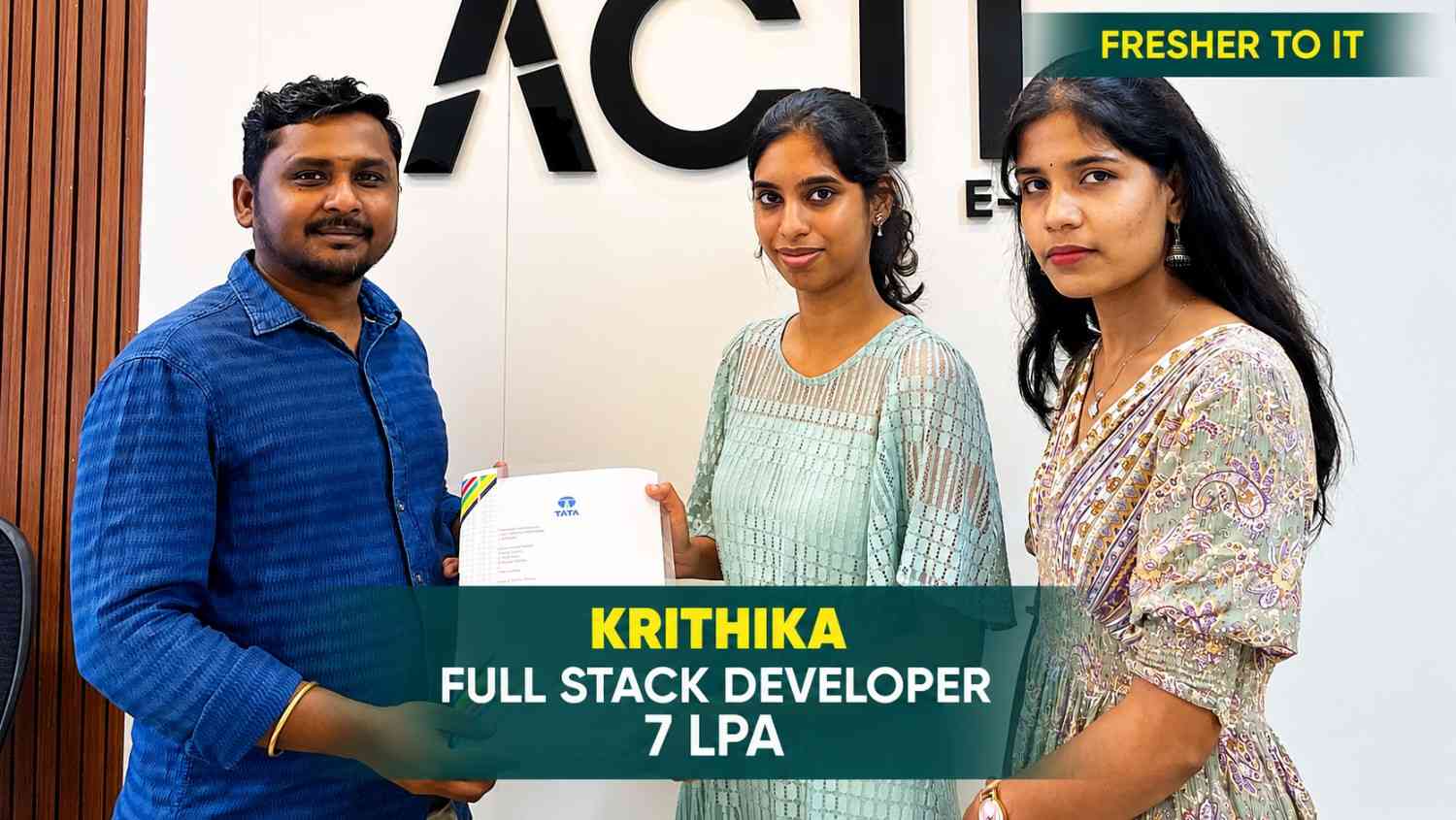
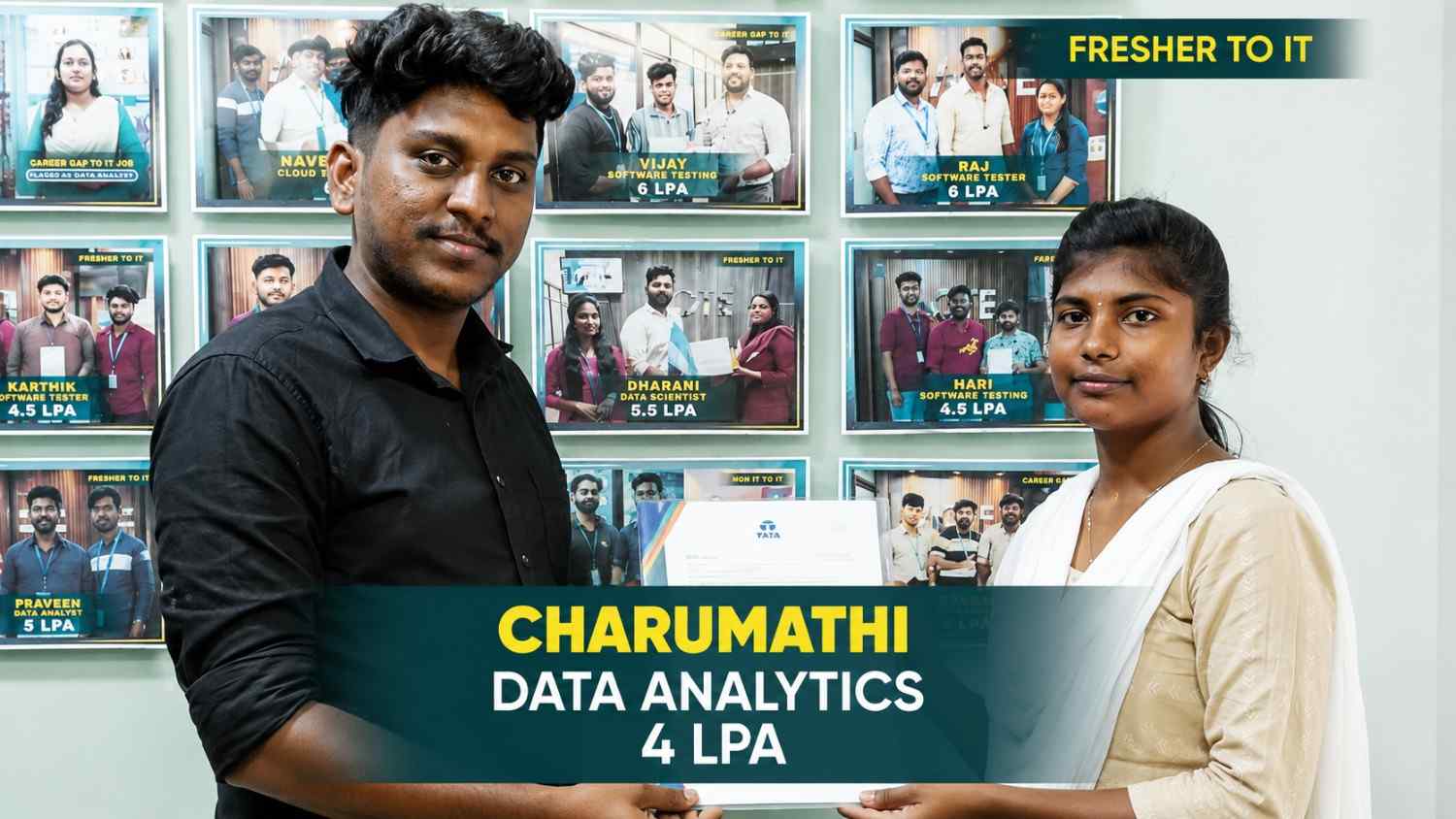
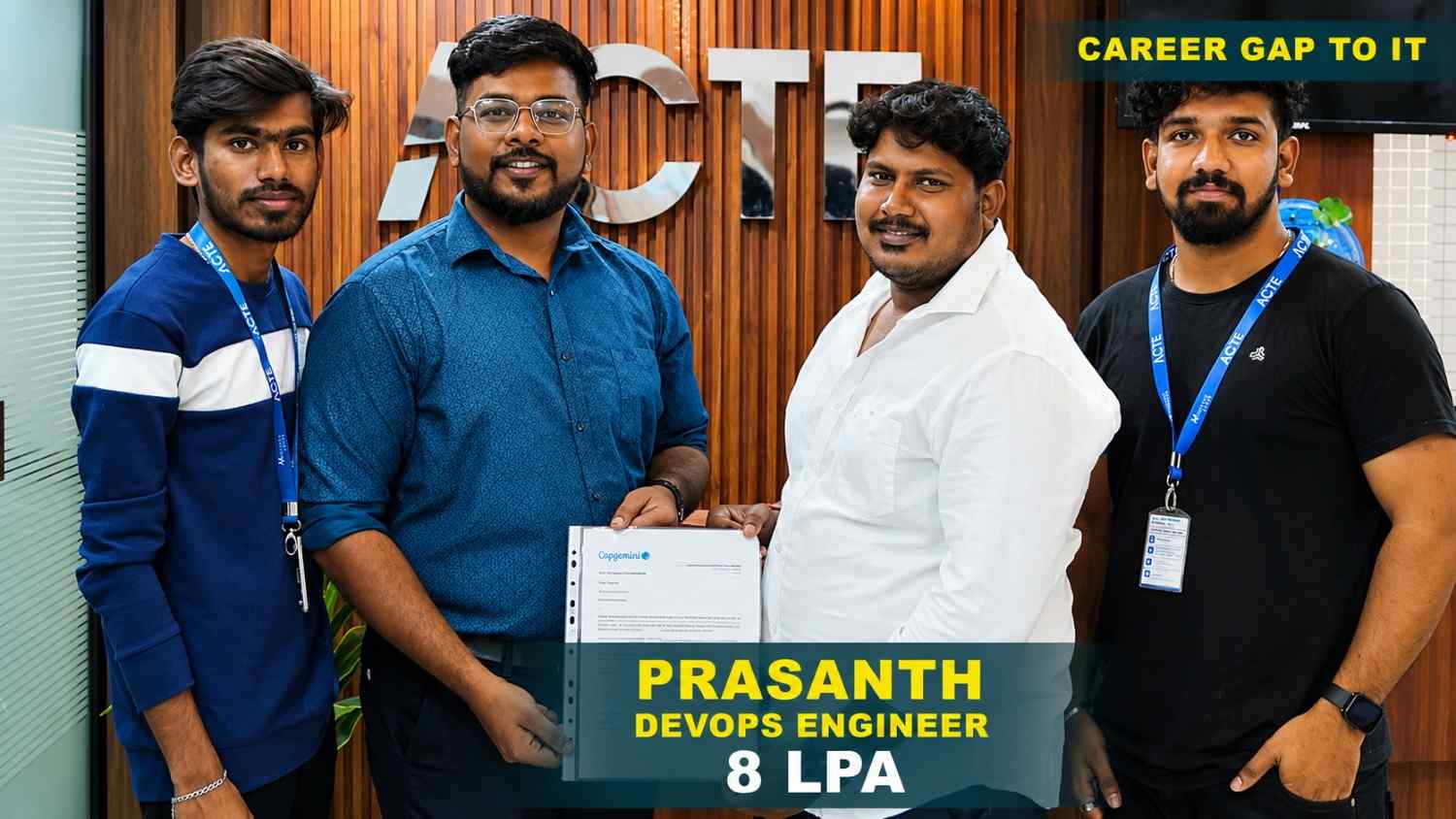
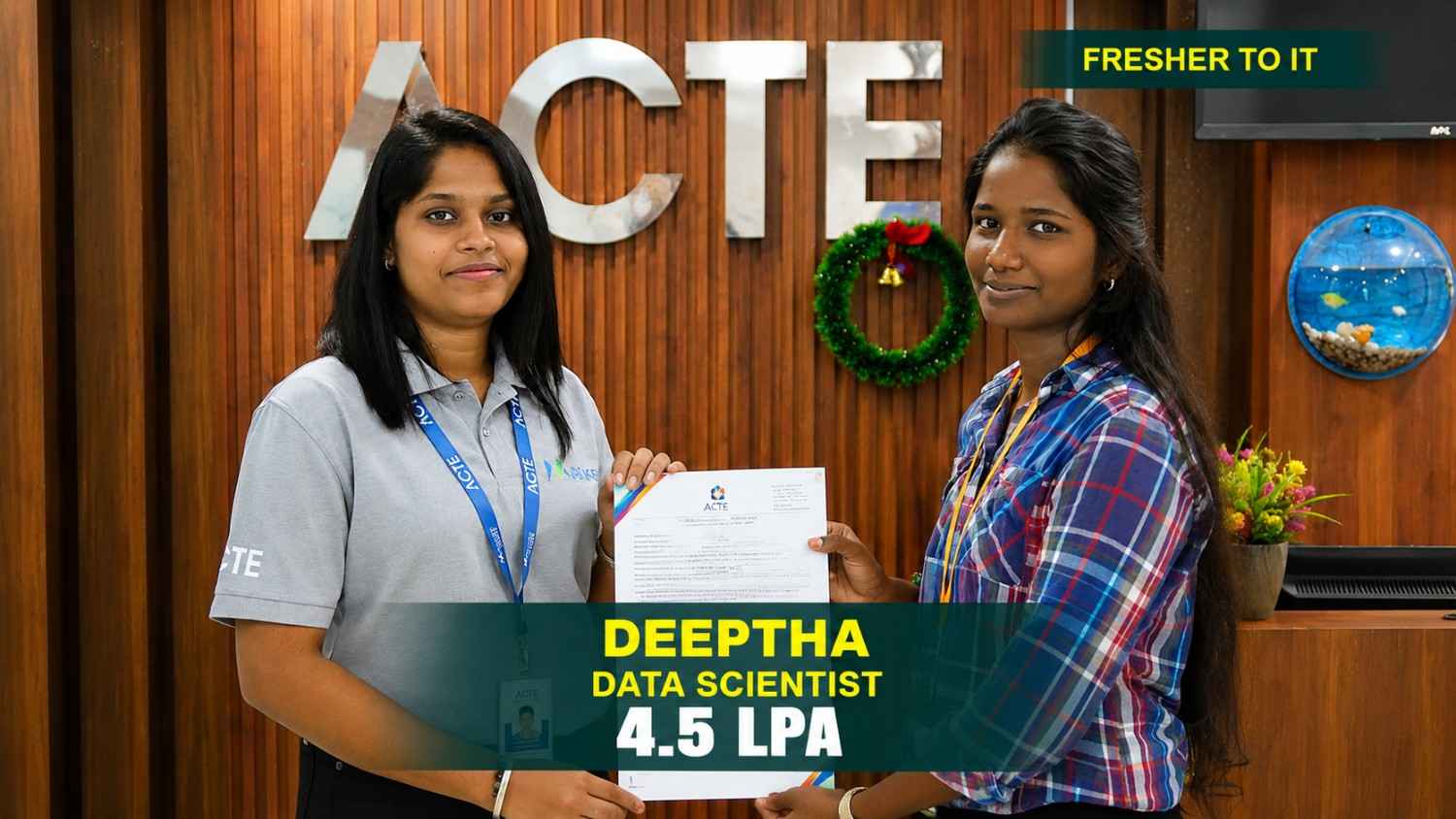
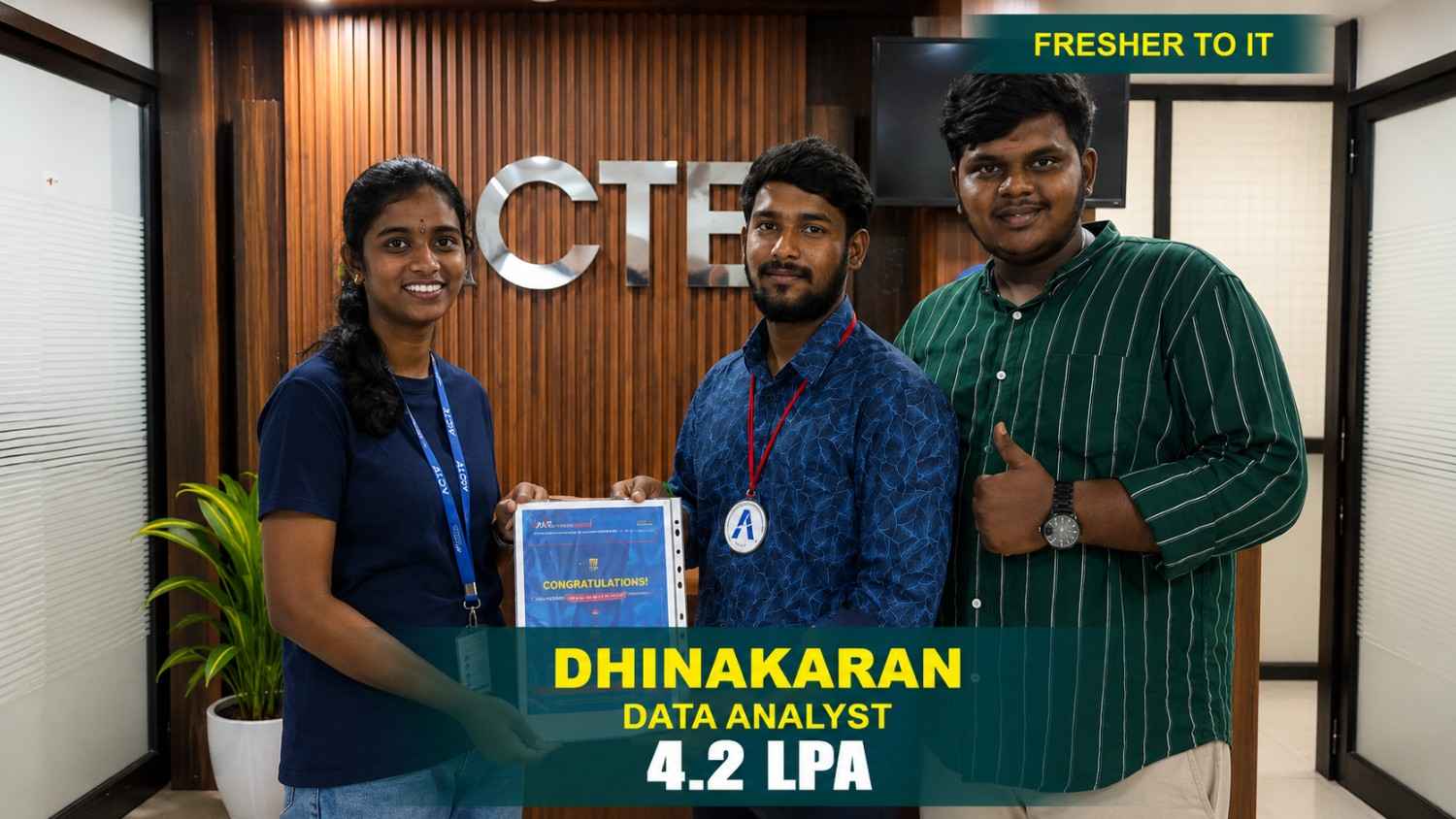
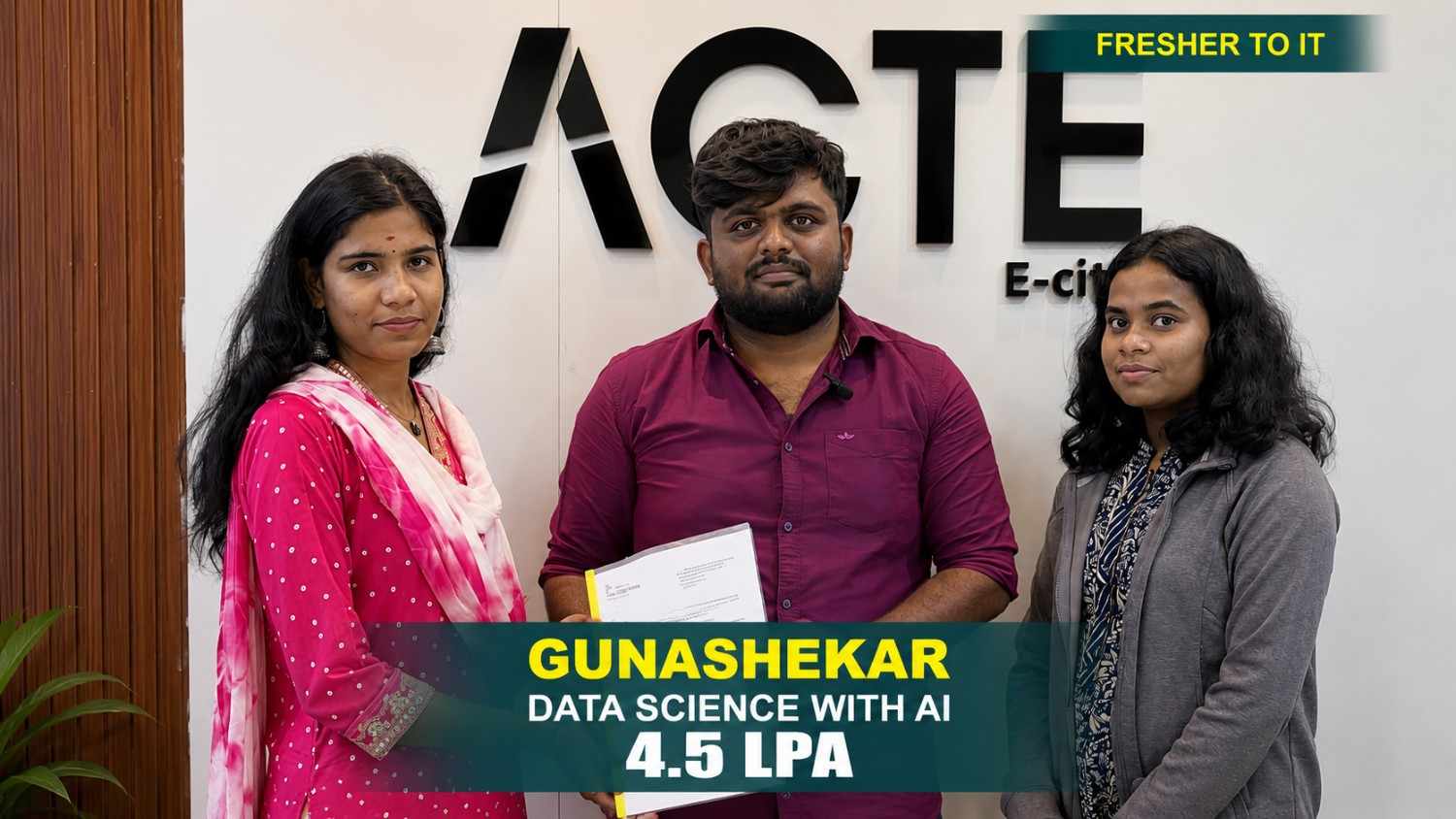
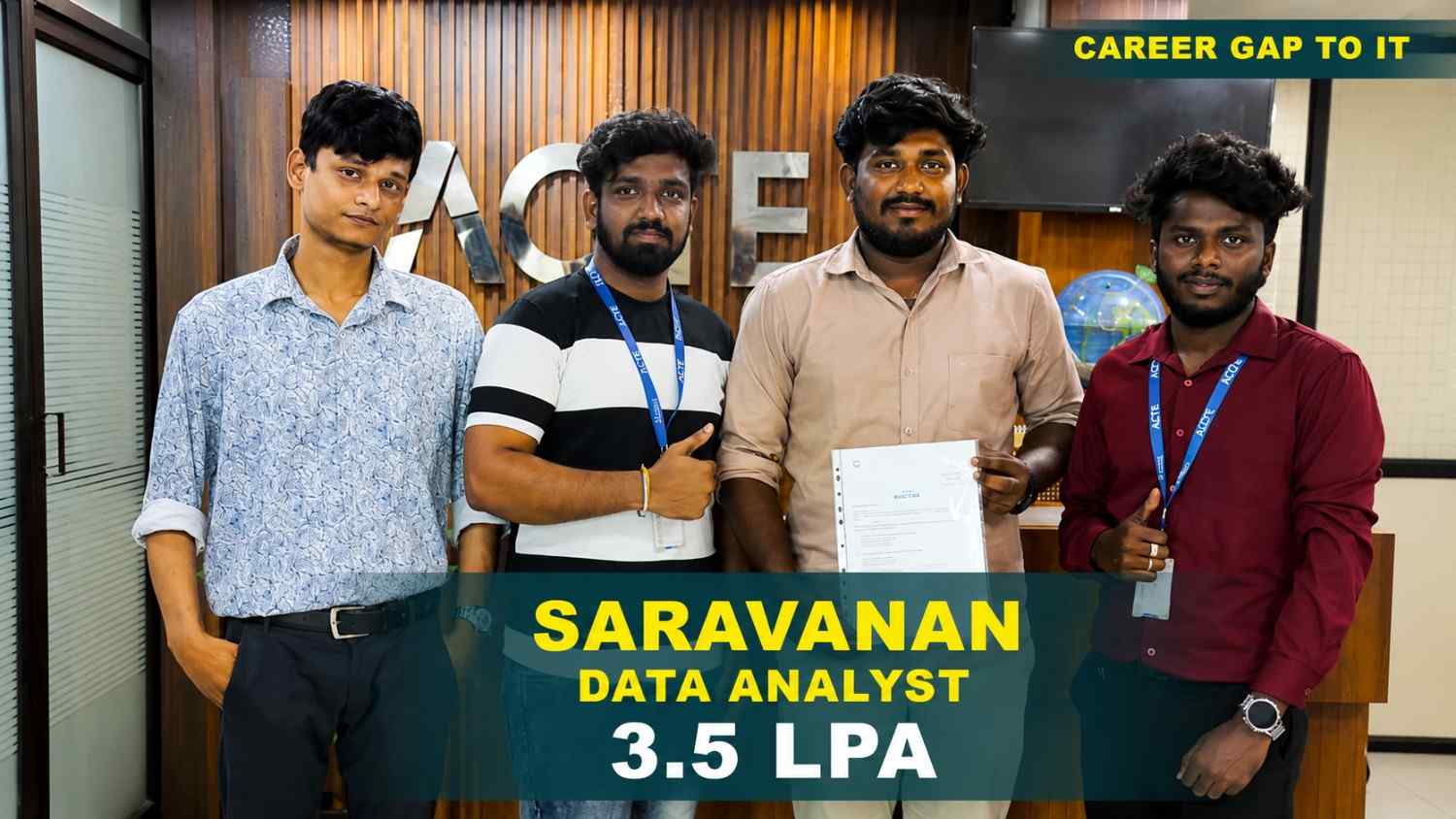
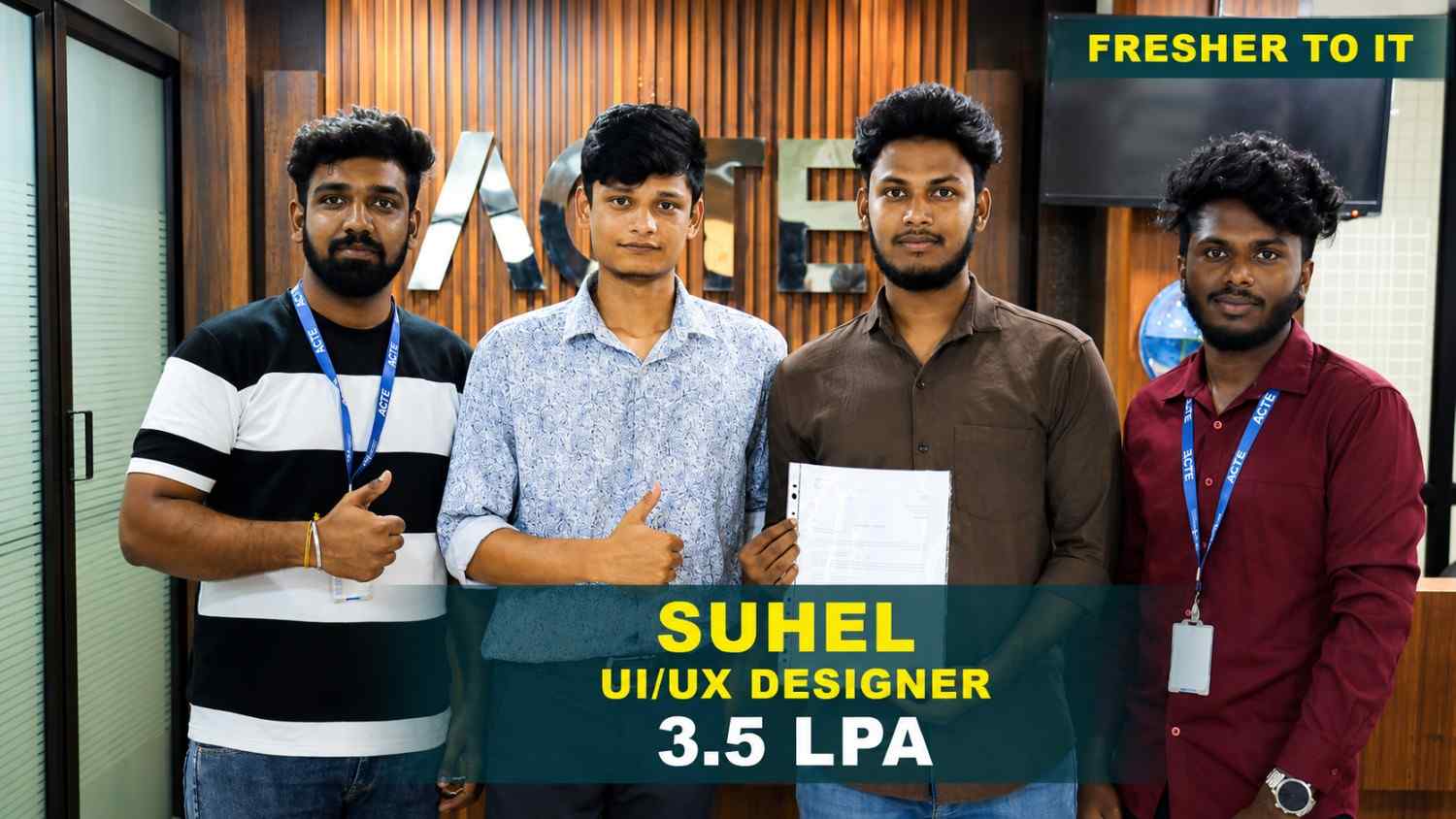
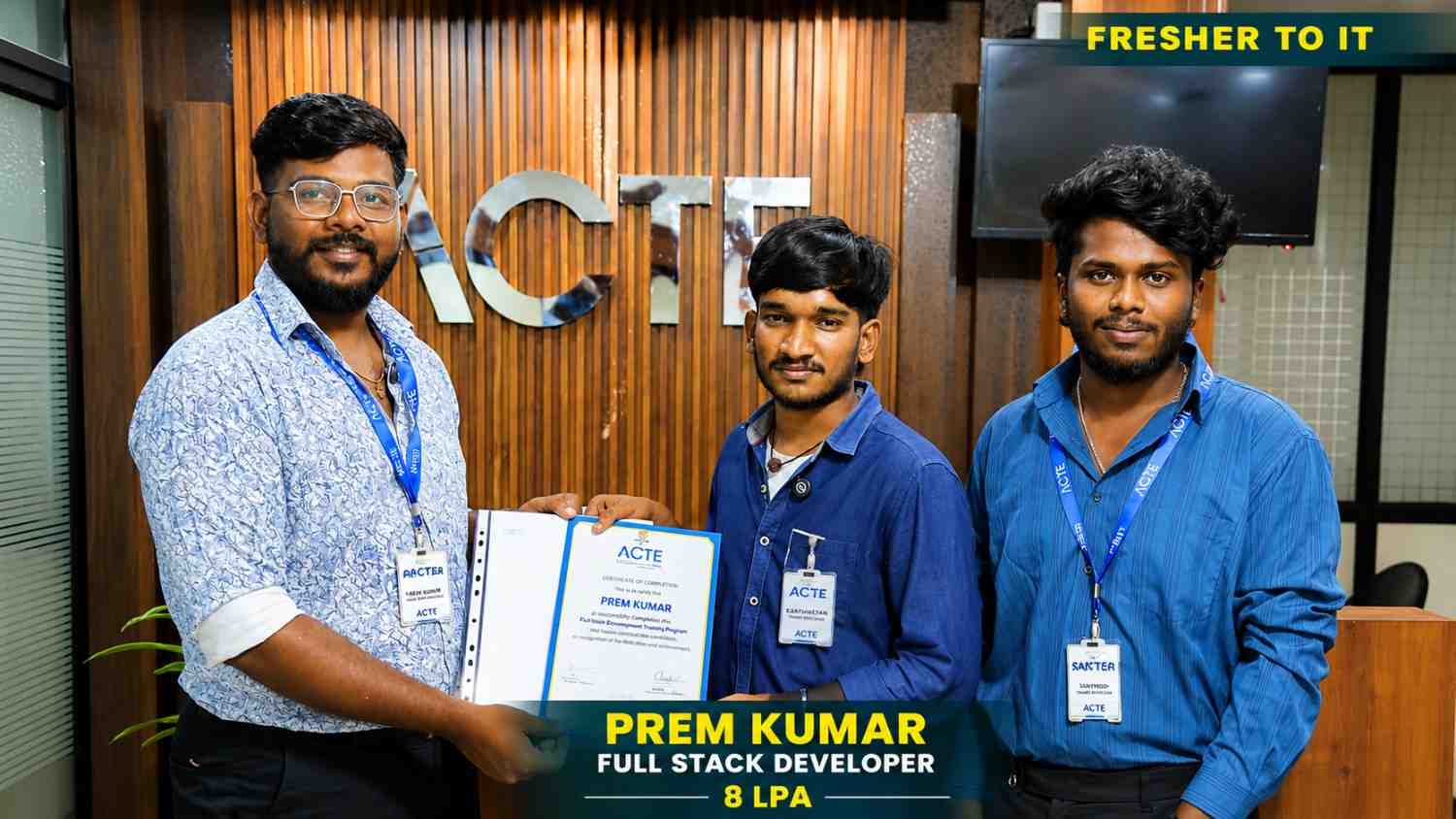
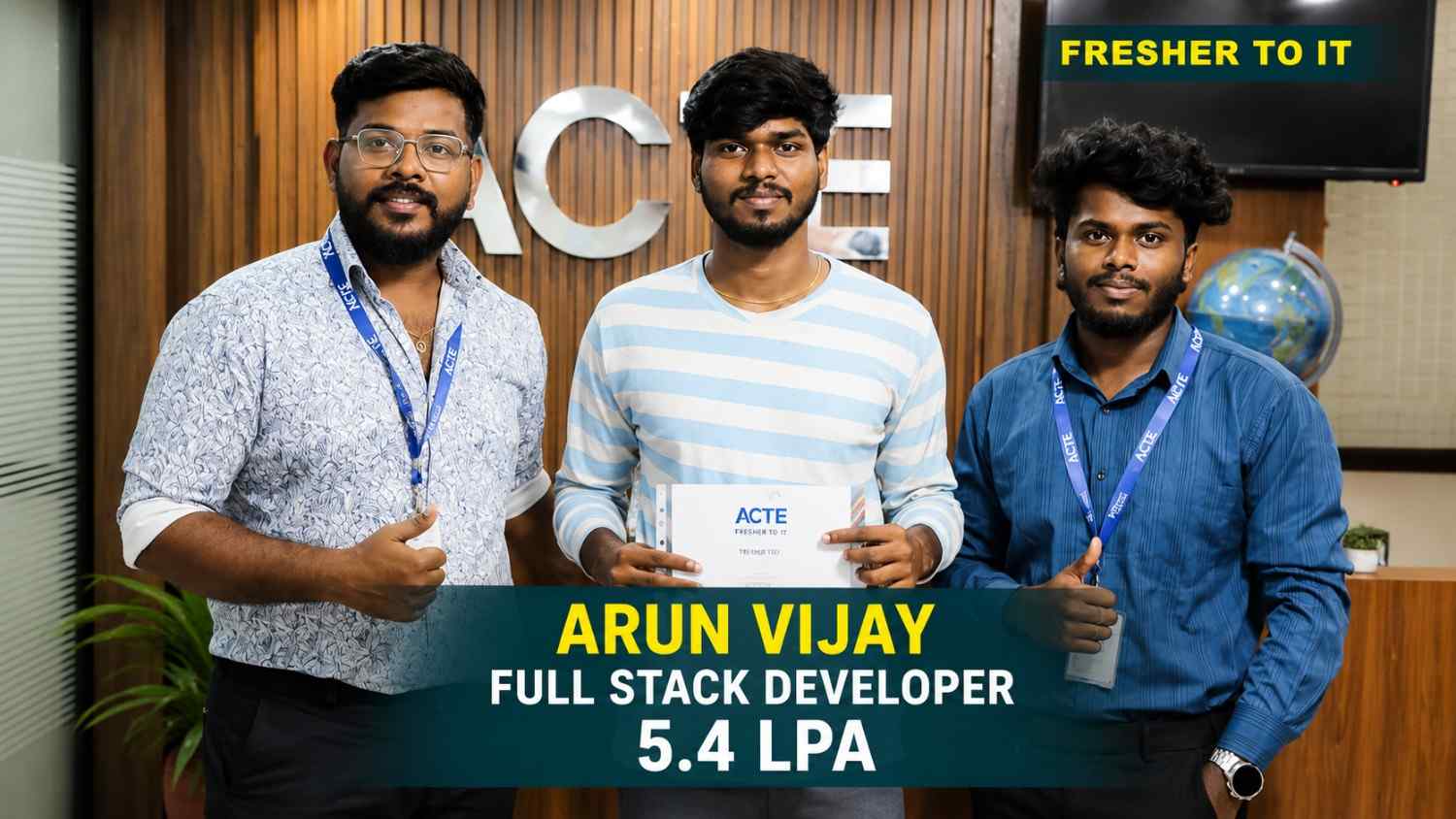
550+ Students Placed Every Month Be The Next!



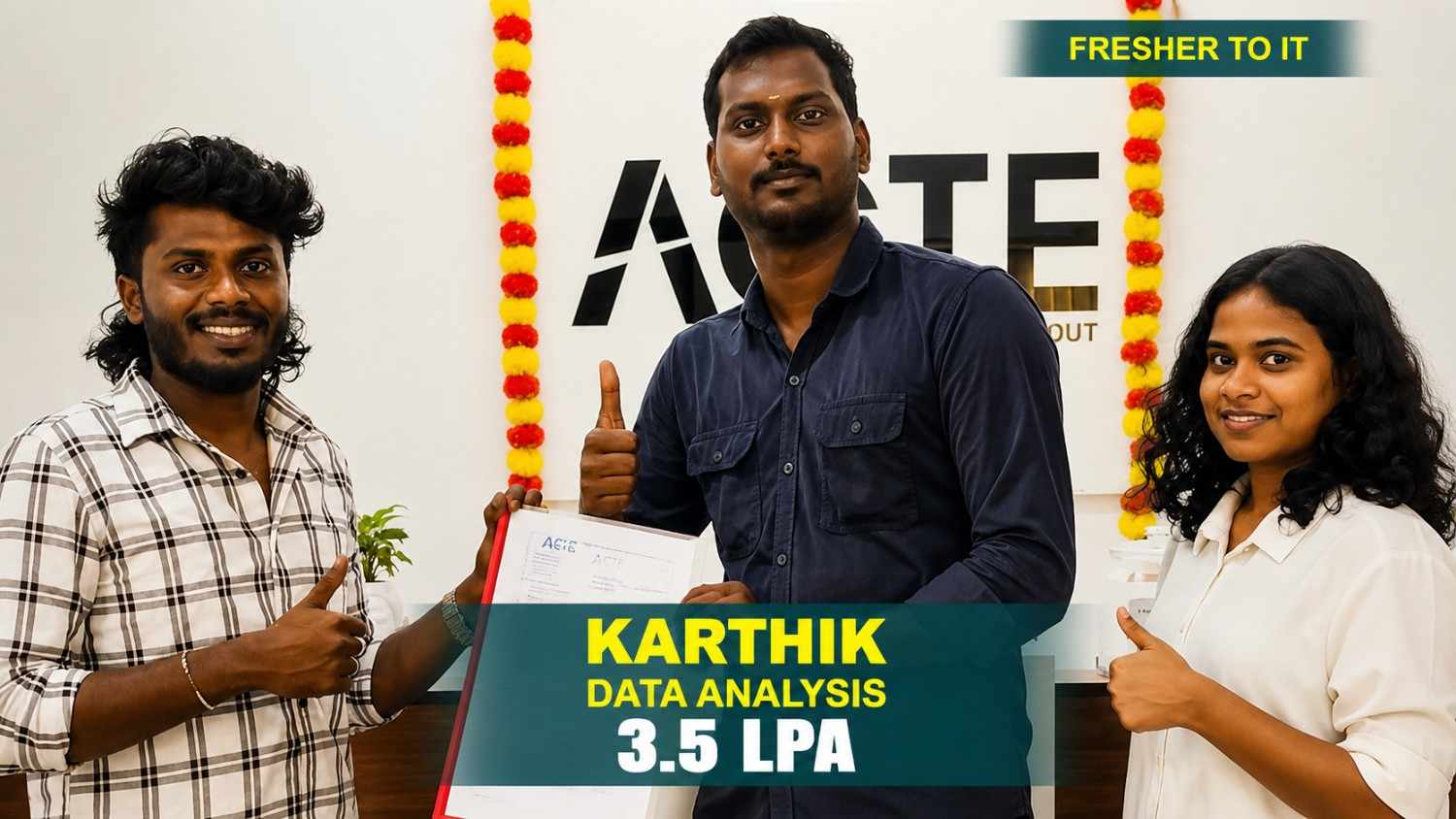
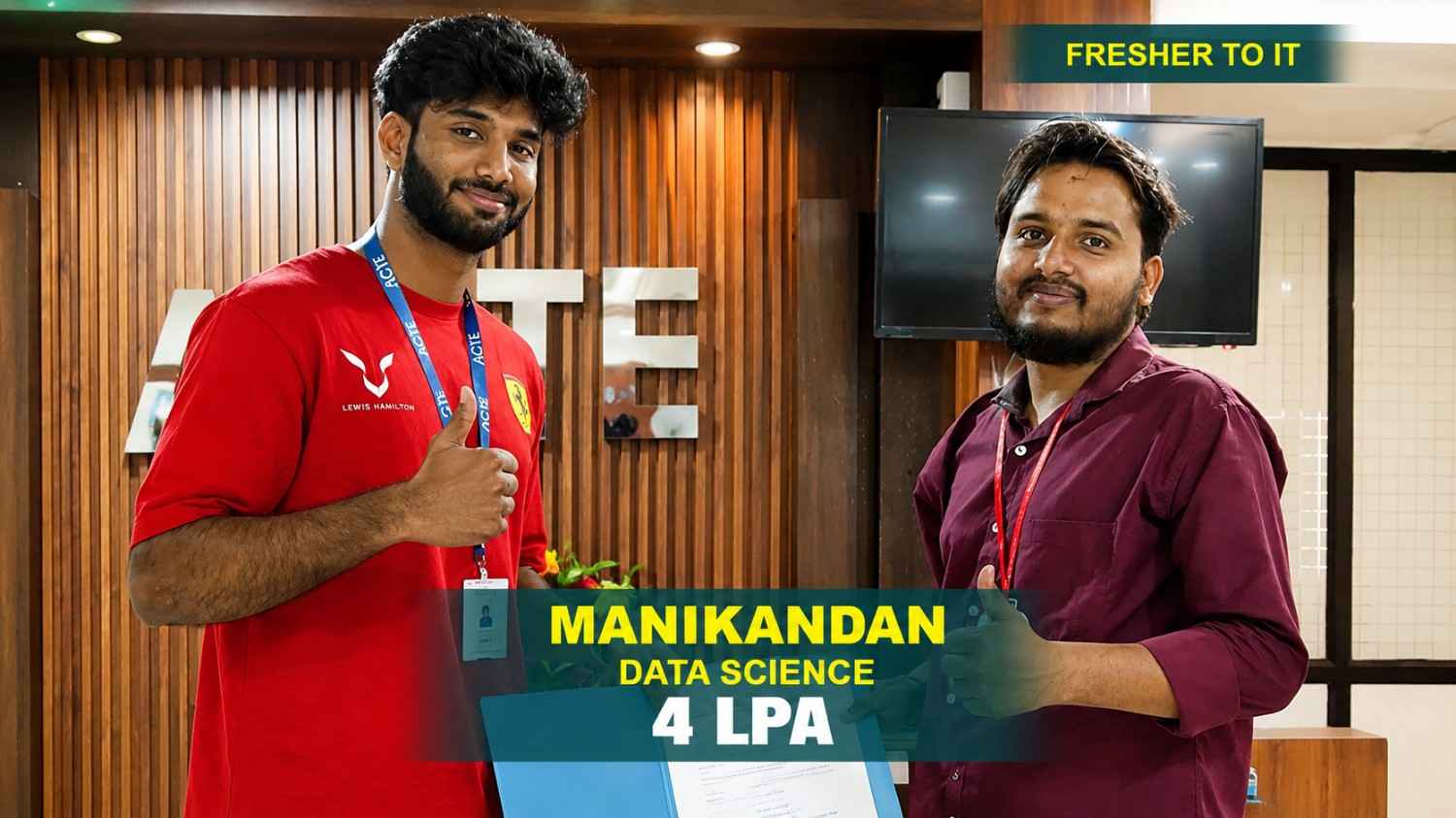

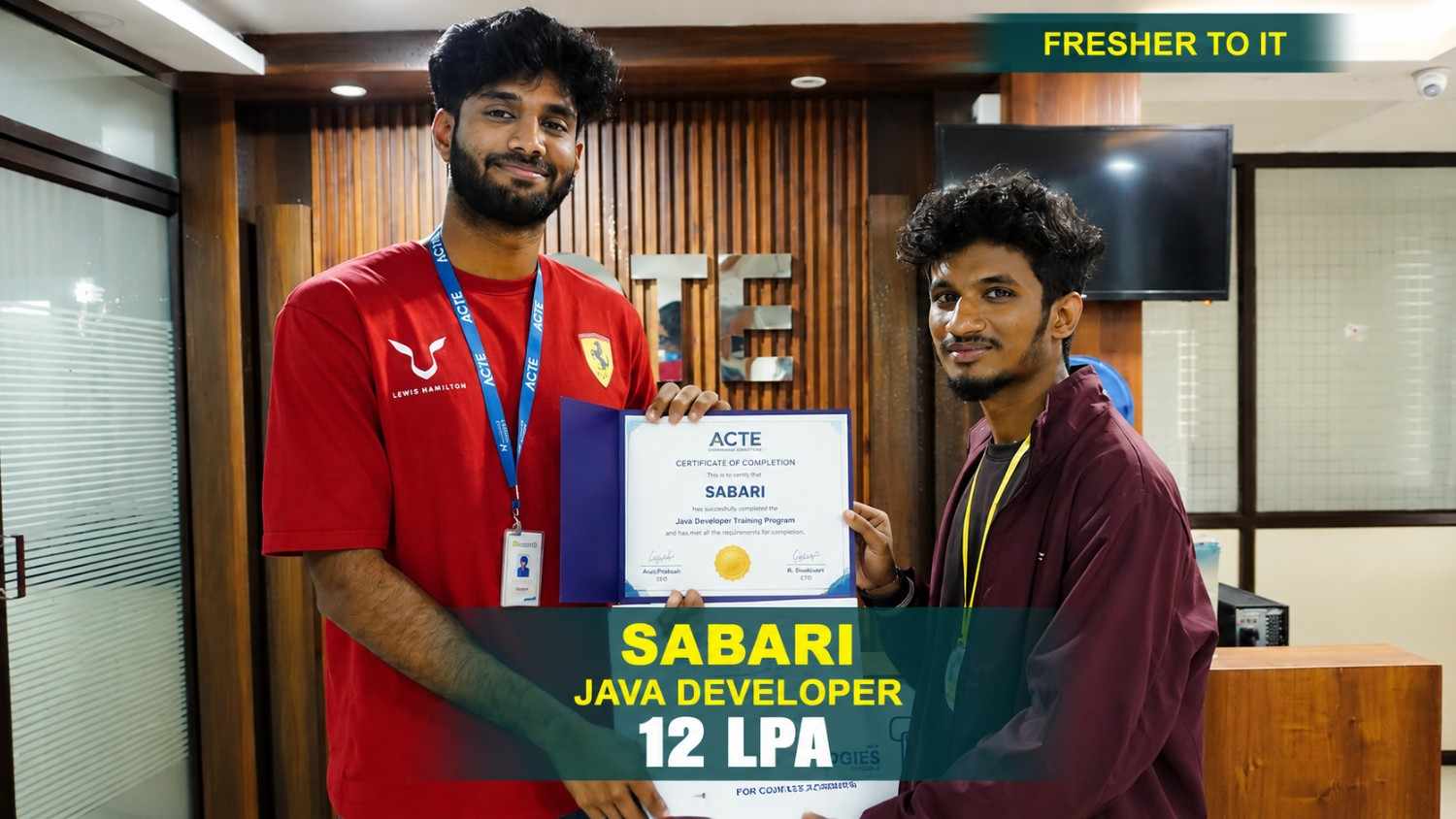
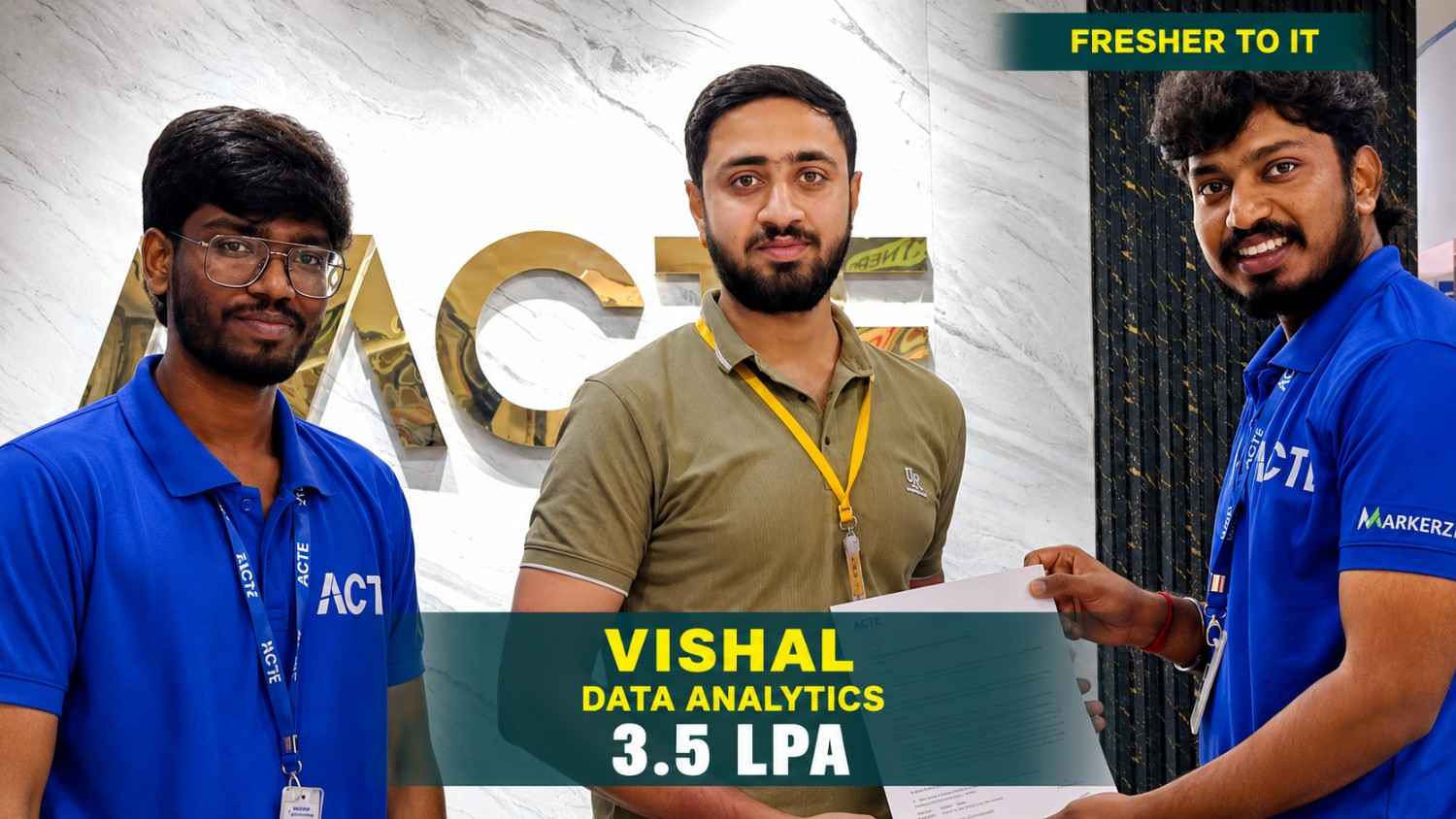

Our Hiring Partners

Curriculam Designed By Experts
Expertly designed curriculum for future-ready professionals.
Industry Oriented Curriculum
An exhaustive curriculum designed by our industry experts which will help you to get placed in your dream IT company
-
30+ Case Studies & Projects
-
9+ Engaging Projects
-
10+ Years Of Experience
- What is DevOps? Overview and benefits
- DevOps lifecycle and key concepts
- Differences between traditional and DevOps models
- Agile and DevOps synergy
- Basics of Git and version control
- Creating repositories and cloning
- Commit, push, pull, fetch operations
- Branching and merging strategies
- Resolving merge conflicts
- Introduction to CI and its importance
- Jenkins installation and setup
- Creating simple Jenkins jobs
- Automating build and test processes
- Pipeline as Code (Jenkinsfile) basics
- Integration with Git and notifications
- What are containers? Benefits over VMs
- Docker installation and basic commands
- Building Docker images using Dockerfile
- Running and managing containers
- Docker networking basics
- Docker volumes for persistent storage
- Docker Compose for multi-container apps
- What is Kubernetes? Core concepts
- Kubernetes architecture: nodes, pods, services
- Deploying applications on Kubernetes
- Scaling and rolling updates
- ConfigMaps and Secrets
- Persistent storage basics
- Monitoring Kubernetes clusters
- What is IaC and why it matters
- Introduction to Terraform
- Writing basic Terraform configuration files
- Provisioning infrastructure on AWS/Azure/GCP
- Managing Terraform state
- Modules and reusable code
- Terraform best practices
- Overview of other IaC tools
- What is configuration management?
- Introduction to Ansible: setup and architecture
- Writing simple playbooks
- Managing inventories and variables
- Importance of monitoring and logging
- Introduction to Prometheus and Grafana
- Setting up basic metrics and dashboards
- Centralized logging with ELK stack
- Alerting and notifications
Devops Training Projects
Become a Devops Training Expert With Practical and Engaging Projects.
- Practice essential Tools
- Designed by Industry experts
- Get Real-world Experience
Version Control with Git
Manage a code repository with branching and merge strategies. Track code changes and collaborate using Git version control.
Simple CI Pipeline with Jenkins
Automate testing for a small web app. Understand the basics of continuous integration using Jenkins.
Docker Basics Project
Containerize a static website or API. Package applications for consistent deployment across environments.
Build Automation for Java App
Use Maven and Jenkins to build and deploy a Java application. Integrate build tools with CI/CD pipelines for automation.
Kubernetes Basics Project
Deploy a sample app using kubectl, create deployments, services, and config maps. Practice deploying apps in a container orchestration system.
Environment Configuration with Ansible
Use Ansible to configure web servers and deploy code. Automate infrastructure setup and application deployment.
End-to-End DevOps Pipeline for E-commerce App
Build a fully automated pipeline using Git, Jenkins, Docker, Kubernetes, and Helm. Deploy, monitor, and scale an e-commerce app with best DevOps practices.
Security Integration in CI/CD (DevSecOps)
Add vulnerability scanning and policy checks into your CI/CD flow. Implement security automation into the SDLC.
Cloud Cost Optimization using Terraform and AWS Budgets
Automate infrastructure and track cloud spending using AWS tools. Improve resource usage and minimize unnecessary cloud costs.
Career Support
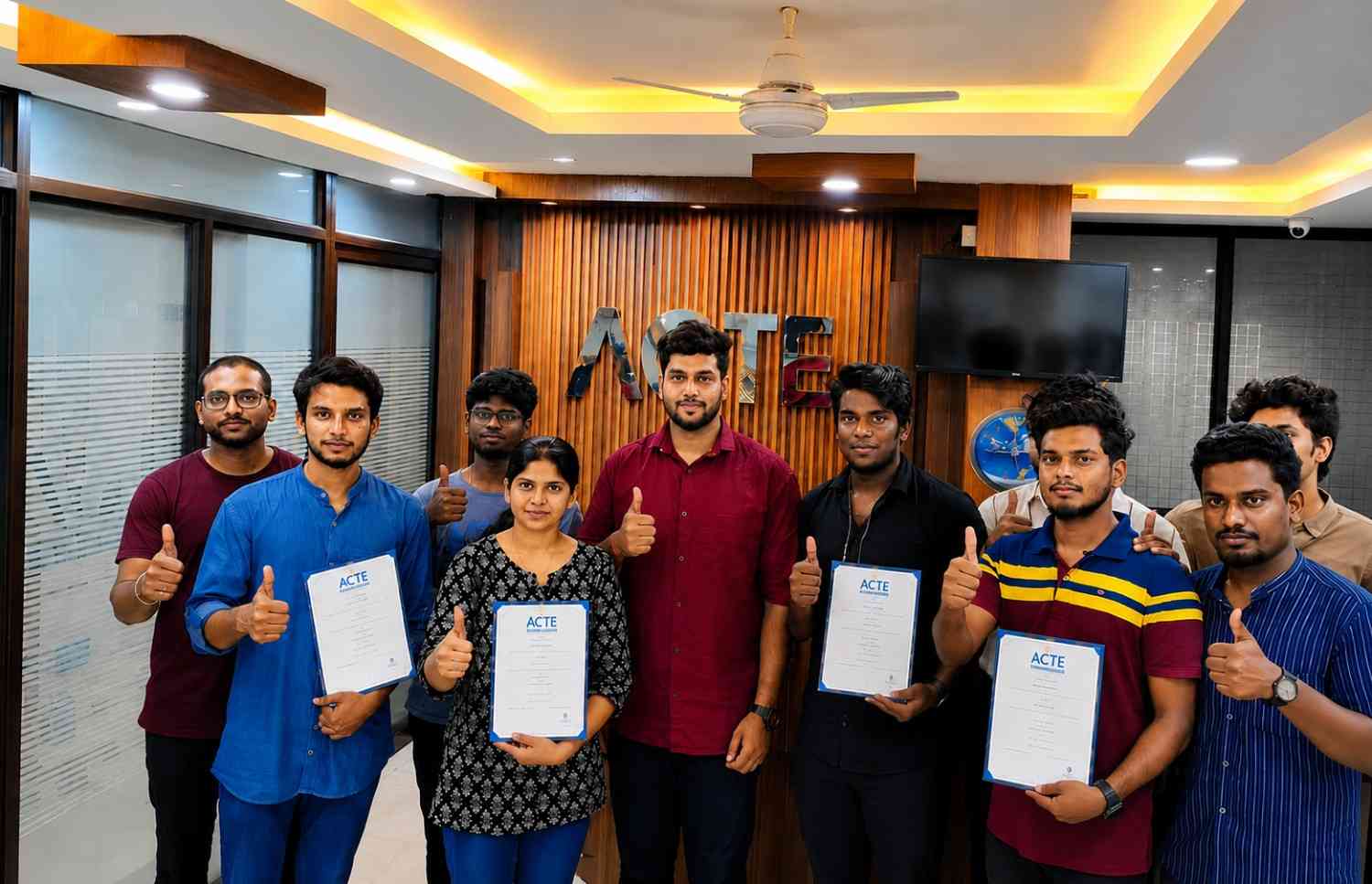

Placement Assistance

Exclusive access to ACTE Job portal

Mock Interview Preparation

1 on 1 Career Mentoring Sessions

Career Oriented Sessions

Resume & LinkedIn Profile Building
Key Features

Practical Training

Global Certifications

Flexible Timing

Trainer Support

Study Material

Placement Support

Mock Interviews

Resume Building
Upcoming Batches
What's included

 Free Aptitude and
Technical Skills Training
Free Aptitude and
Technical Skills Training
- Learn basic maths and logical thinking to solve problems easily.
- Understand simple coding and technical concepts step by step.
- Get ready for exams and interviews with regular practice.

 Hands-On Projects
- Work on real-time projects to apply what you learn.
- Build mini apps and tools daily to enhance your coding skills.
- Gain practical experience just like in real jobs.

 AI Powered Self
Interview Practice Portal
AI Powered Self
Interview Practice Portal
- Practice interview questions with instant AI feedback.
- Improve your answers by speaking and reviewing them.
- Build confidence with real-time mock interview sessions.

 Interview Preparation
For Freshers
Interview Preparation
For Freshers
- Practice company-based interview questions.
- Take online assessment tests to crack interviews
- Practice confidently with real-world interview and project-based questions.
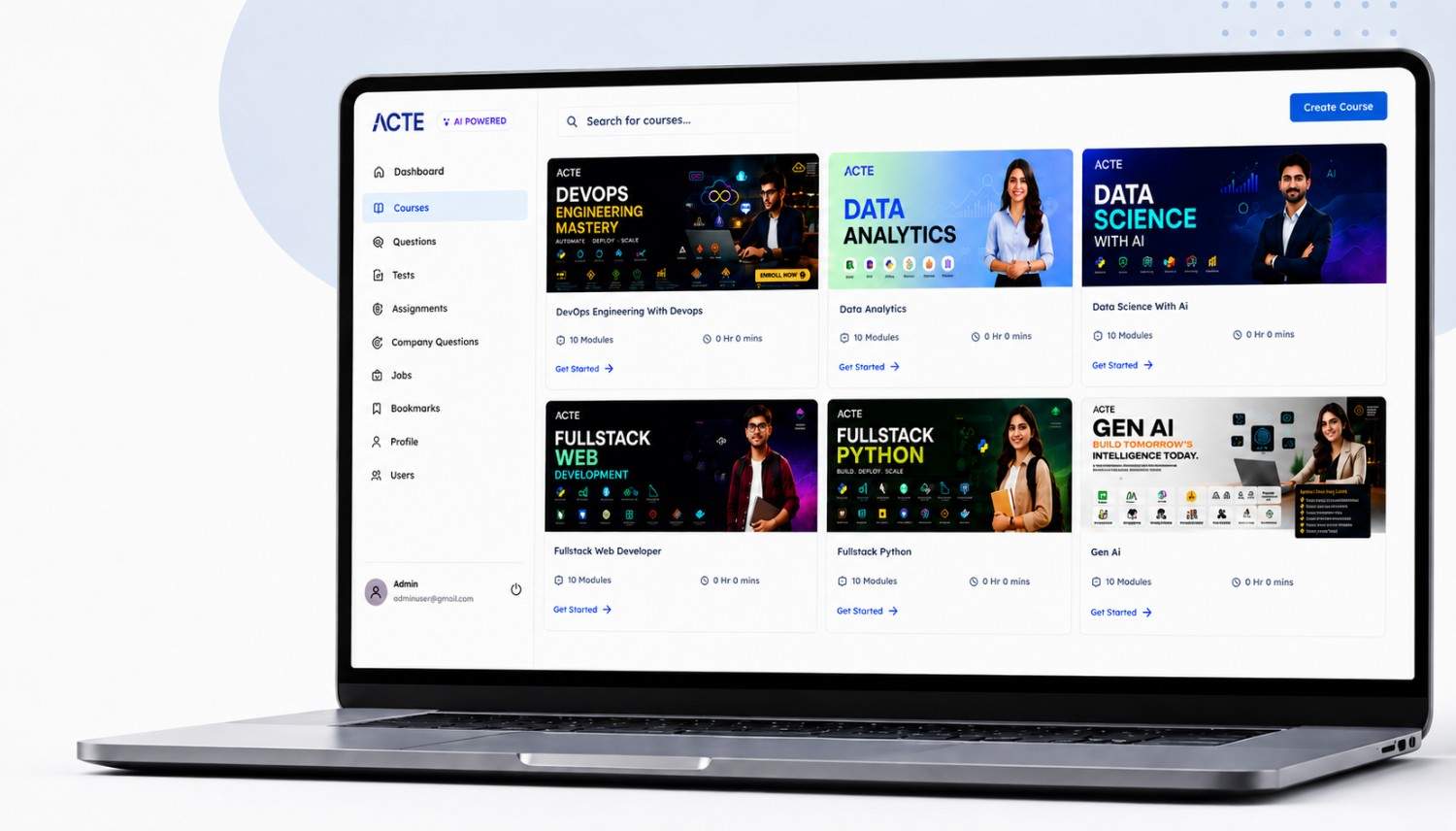
 LMS Online Learning
Platform
LMS Online Learning
Platform
- Explore expert trainer videos and documents to boost your learning.
- Study anytime with on-demand videos and detailed documents.
- Quickly find topics with organized learning materials.
- Learning strategies that are appropriate and tailored to your company's requirements.
- Live projects guided by instructors are a characteristic of the virtual learning environment.
- The curriculum includes of full-day lectures, practical exercises, and case studies.

Devops Overview
Reasons to Consider Enrolling in DevOps Placement in Porur Programs Online
Enrolling in DevOps placement programs online offers flexible learning tailored to industry needs, combining development and operations for faster software delivery. These programs emphasize real-world projects and tools, ensuring practical experience. Placement support connects learners to top companies, bridging skill gaps. Online formats make training accessible globally, ideal for working professionals. The demand for DevOps experts continues to rise, making this training a valuable career investment. Learners develop expertise in automation, CI/CD pipelines, and cloud technologies. This hands-on approach prepares participants to confidently handle modern software development challenges.
Overview of the Most Recent DevOps Training in Porur Tools
Modern DevOps training focuses on tools that automate and streamline software development and deployment. Key tools include Jenkins for CI/CD pipelines, Docker for containerization, and Kubernetes for orchestration. Infrastructure as Code (IaC) tools like Terraform and Ansible automate infrastructure provisioning. Monitoring and logging tools such as Prometheus and ELK stack ensure system reliability. Cloud platforms like AWS, Azure, and GCP integrate seamlessly with these tools to provide scalable environments.
Techniques and Trends Observed in DevOps Course in Porur Online
- Continuous Integration and Continuous Deployment (CI/CD) : Automates building, testing, and deploying applications for faster release cycles. Enables rapid feedback loops and reduces manual errors in the development process. Supports agile teams by ensuring consistent and reliable software delivery.
- Containerization and Orchestration : Use of Docker and Kubernetes to manage microservices efficiently. Facilitates scalable, portable, and isolated application environments. Simplifies deployment, scaling, and management of complex systems.
- Infrastructure as Code (IaC) : Tools like Terraform automate infrastructure setup, enhancing consistency and repeatability. Allows version control and auditing of infrastructure changes. Reduces configuration drift and accelerates environment provisioning.
- DevSecOps: Embeds security practices within DevOps pipelines to ensure compliance and protect assets. Integrates automated security testing and monitoring throughout the development lifecycle.Promotes a culture of shared responsibility for security among teams.
- Serverless Computing Adoption of cloud-managed services reduces infrastructure overhead and boosts scalability. Allows developers to focus on code without managing servers. Offers cost-effective scaling based on actual usage, improving resource efficiency.
Requirements Needed for DevOps Certification in Porur
- Basic Programming Skills: Understanding of object-oriented programming concepts. Ability to write and troubleshoot scripts to automate processes.
- Linux Fundamentals : Familiarity with file system hierarchy and permissions. Knowledge of basic shell commands for file manipulation and system monitoring.
- Knowledge of Cloud Services: Understanding of cloud architecture and deployment models (IaaS, PaaS, SaaS). Experience with cloud security best practices and cost management.
- Understanding of Networking : Knowledge of basic routing and switching concepts. Familiarity with network troubleshooting tools (e.g., ping, traceroute).
- Awareness of Agile and Scrum: Understanding of roles within Agile teams (e.g., Product Owner, Scrum Master).Ability to participate in sprint planning, reviews, and retrospectives.
Goals Achieved Through DevOps Placement in Porur and Potential Career Paths
DevOps training equips candidates to automate software delivery, improve collaboration between development and operations teams, and ensure scalable infrastructure management. Graduates can pursue roles such as DevOps Engineer, Cloud Engineer, Site Reliability Engineer (SRE), and Automation Architect. The program prepares learners to implement CI/CD pipelines, manage containers, and integrate security in the development lifecycle, making them valuable assets to any tech-driven organization.
Career Opportunities After Devops Training
DevOps Engineer
Automates software deployment and infrastructure management, bridging development and operations to ensure faster, reliable releases. They collaborate closely with developers and system administrators to streamline the entire software lifecycle.
Build and Release Engineer
Manages code releases, builds, and deployment pipelines to ensure smooth integration and delivery of software. They maintain version control systems and ensure that software updates are delivered efficiently and error-free.
Automation Engineer
Creates automation scripts for testing, deployment, and configuration management to reduce manual effort. They improve productivity and consistency by implementing automated workflows across various development stages.
Site Reliability Engineer (SRE)
Site Reliability Engineer (SRE) focuses on system reliability, performance monitoring, and incident response using DevOps principles. They use metrics and automation to enhance uptime and ensure scalable, resilient, and robust system performance.
Cloud Engineer
Implements and manages cloud infrastructure leveraging DevOps tools and practices for scalability and automation. They optimize resource utilization and integrate continuous deployment within cloud environments.
Configuration Manager
Maintains system configuration and environment consistency using infrastructure as code and configuration management tools. They ensure that all development and production systems remain aligned and securely managed.
Skill to Master
Continuous Integration & Continuous Deployment (CI/CD)
Containerization with Docker
Orchestration with Kubernetes
Infrastructure as Code (Terraform, Ansible)
Scripting (Shell, Python)
Version Control using Git
Monitoring & Logging Tools (Prometheus, ELK)
Cloud Platforms (AWS, Azure, GCP)
Build Tools (Jenkins, Maven)
Automated Testing
Configuration Management (Chef, Puppet)
Agile & Scrum methodologies
Tools to Master
Docker
Kubernetes (P)
Jenkins
Terraform
Git & GitHub
Prometheus
ELK Stack (Elasticsearch, Logstash, Kibana)
AWS/Azure/GCP
Maven
Brushes & Pencil Tool
Nagios
Selenium
Learn from certified professionals who are currently working.

Training by
Vikram, having 14 yrs of experience
Specialized in: DevOps Automation, Cloud Infrastructure, and Container Orchestration.
Note: Vikram is well-regarded for his practical, hands-on approach, guiding students through real-world projects to master DevOps tools and methodologies effectively.
Premium Training at Best Price
Affordable, Quality Training for Freshers to Launch IT Careers & Land Top Placements.
What Makes ACTE Training Different?
Feature
ACTE Technologies
Other Institutes
Affordable Fees
Competitive Pricing With Flexible Payment Options.
Higher Fees With Limited Payment Options.
Industry Experts
Well Experienced Trainer From a Relevant Field With Practical Training
Theoretical Class With Limited Practical
Updated Syllabus
Updated and Industry-relevant Course Curriculum With Hands-on Learning.
Outdated Curriculum With Limited Practical Training.
Hands-on projects
Real-world Projects With Live Case Studies and Collaboration With Companies.
Basic Projects With Limited Real-world Application.
Certification
Industry-recognized Certifications With Global Validity.
Basic Certifications With Limited Recognition.
Placement Support
Strong Placement Support With Tie-ups With Top Companies and Mock Interviews.
Basic Placement Support
Industry Partnerships
Strong Ties With Top Tech Companies for Internships and Placements
No Partnerships, Limited Opportunities
Batch Size
Small Batch Sizes for Personalized Attention.
Large Batch Sizes With Limited Individual Focus.
LMS Features
Lifetime Access Course video Materials in LMS, Online Interview Practice, upload resumes in Placement Portal.
No LMS Features or Perks.
Training Support
Dedicated Mentors, 24/7 Doubt Resolution, and Personalized Guidance.
Limited Mentor Support and No After-hours Assistance.
We are proud to have participated in more than 40,000 career transfers globally.

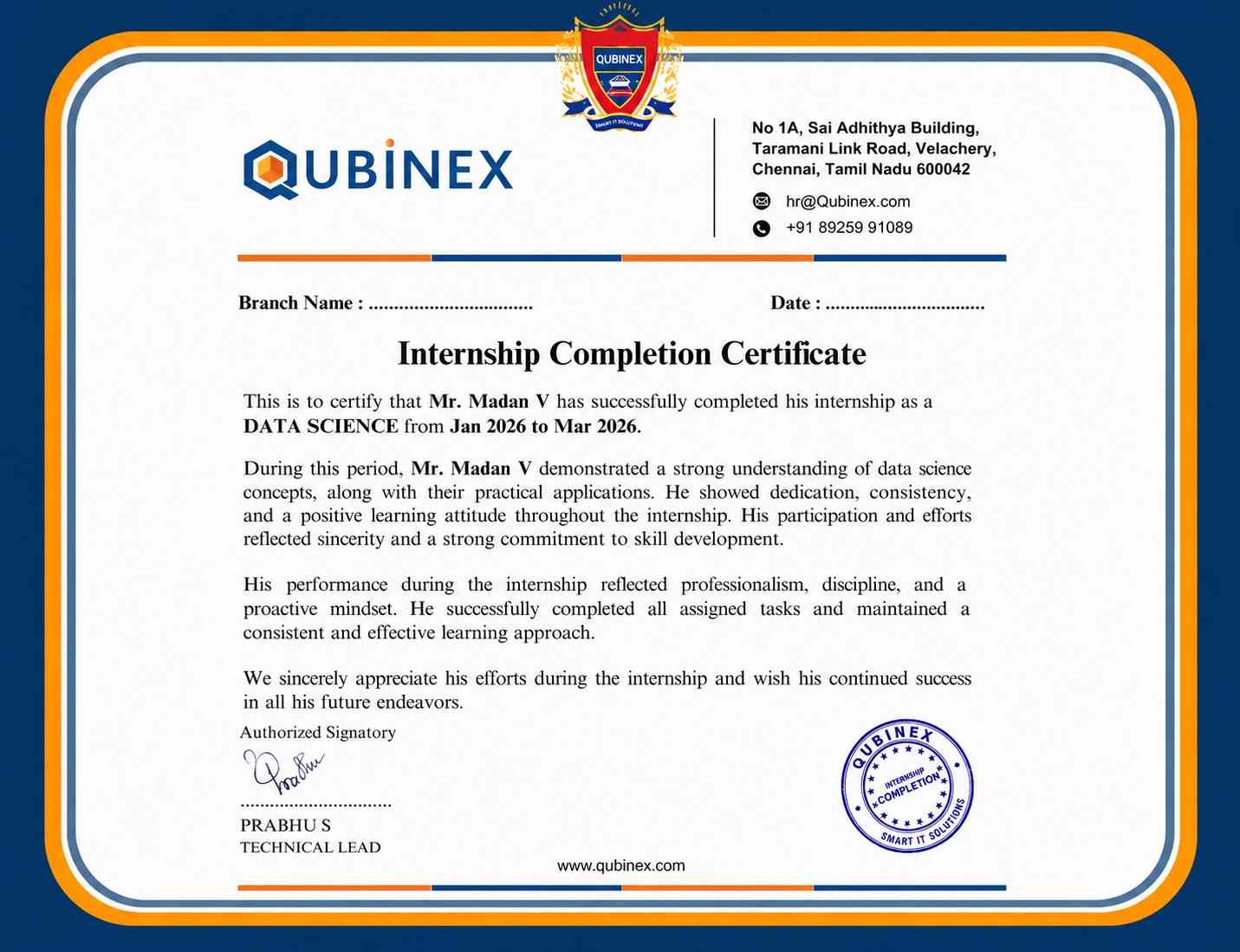
DevopsCertification

- Flexible learning from anywhere at your convenience
- Access to expert instructors and updated course materials
- Hands-on labs and real-world project simulations
- Ability to learn at your own pace alongside other commitments
The DevOps course equips you with a comprehensive understanding of continuous integration and continuous delivery (CI/CD), automation tools, infrastructure as code, containerization, and cloud services.
- Understand the exam syllabus and objectives thoroughly
- Enroll in a structured training program or self-study using official materials
- Practice with real-world tools like Jenkins, Docker, Kubernetes, and Ansible
- Complete hands-on projects to build practical skills
Yes, it guarantee a job on its own. Employment depends on various factors including experience, portfolio, interview performance, and market demand. However, certification significantly increases your chances and helps you stand out to employers.
Absolutely. Investing in DevOps training provides valuable skills that are in high demand across industries. It improves your ability to deliver software efficiently, reduces deployment risks, and fosters a collaborative culture between development and operations. This translates into better job prospects, higher earning potential, and long-term career growth.
Most DevOps certification exams recommend a basic understanding of software development, Linux fundamentals, and networking concepts. Familiarity with scripting languages and cloud platforms is beneficial but not always mandatory. Candidates are encouraged to have some practical experience or hands-on practice with DevOps tools before attempting the exam.
- Basic knowledge of Linux/Unix systems
- Understanding of software development life cycle (SDLC)
- Familiarity with scripting languages like Python or Bash
- Awareness of cloud platforms such as AWS, Azure, or GCP
Yes, most DevOps certification exams are available online with remote proctoring. This allows candidates to take the exam from any location while maintaining exam integrity through identity verification and monitoring.
Frequently Asked Questions
- Yes, it covers SEO, SEM, social media marketing, email marketing, content marketing, and analytics.
- Yes, the course is beginner-friendly and gradually builds up skills.
- Yes, hands-on projects and live campaigns are part of the curriculum.
- Yes, institutes offer placement support including mock interviews and job referrals.
- Yes, a recognized digital marketing certification is awarded on successful completion.
