
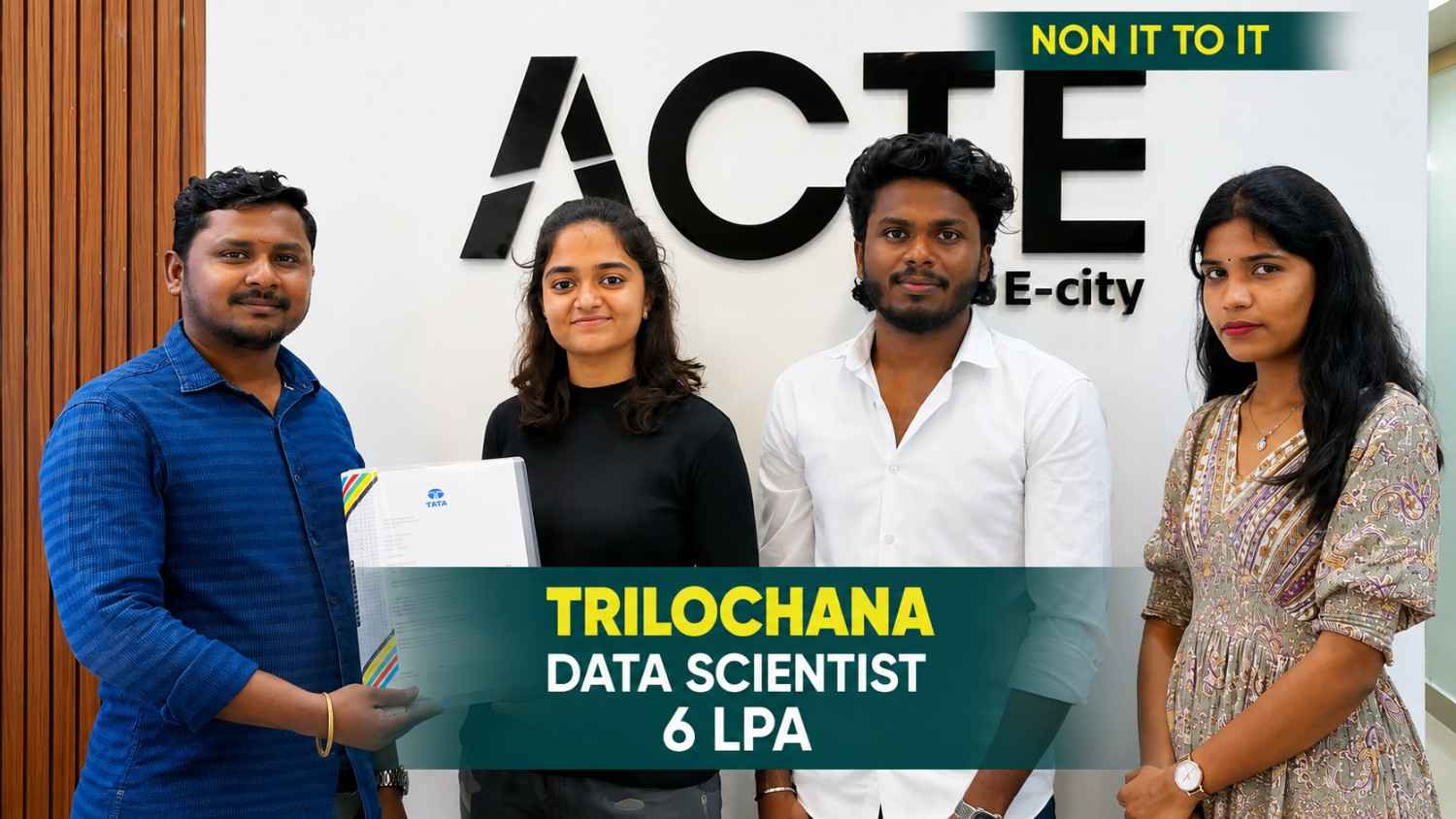
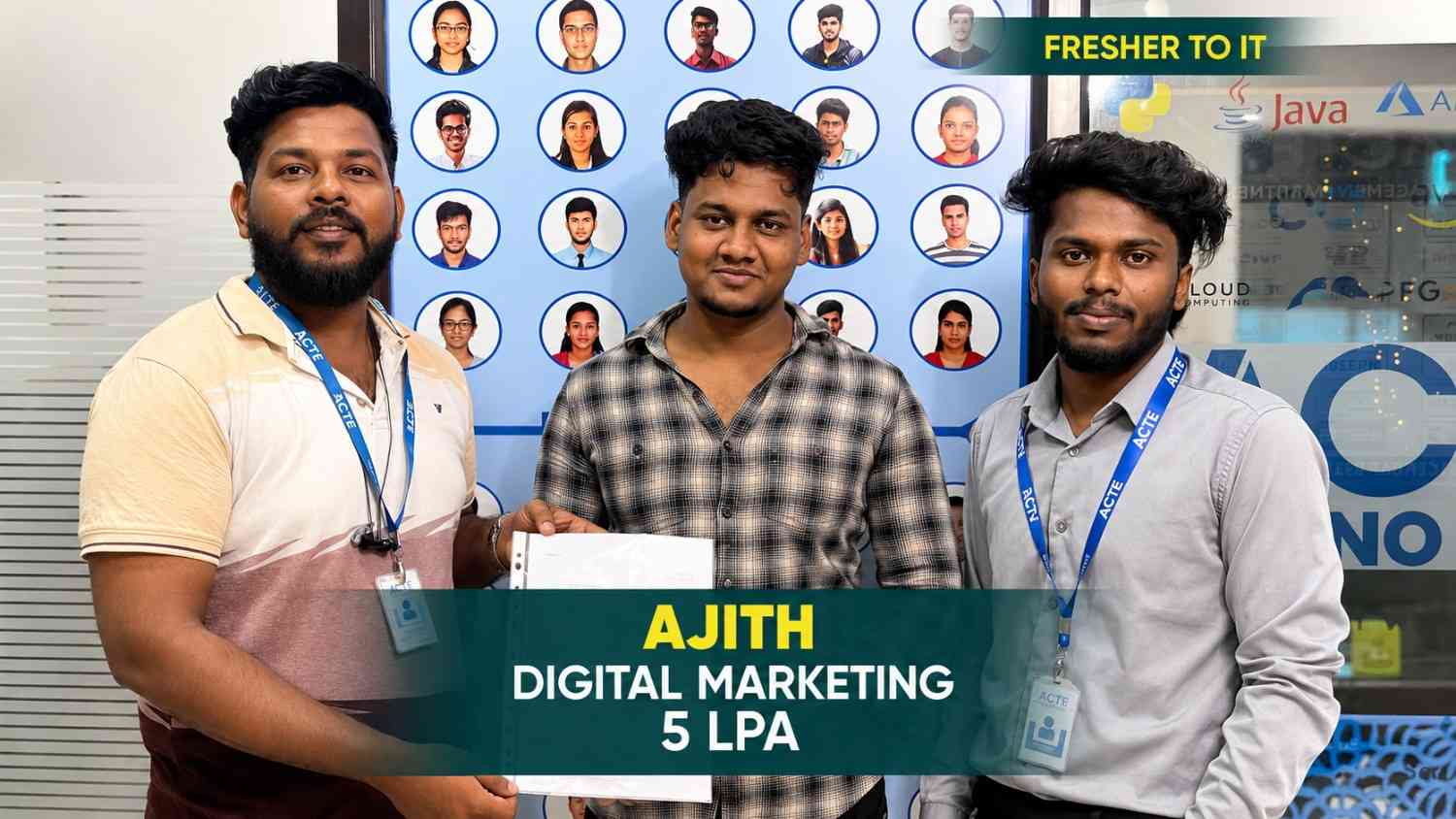
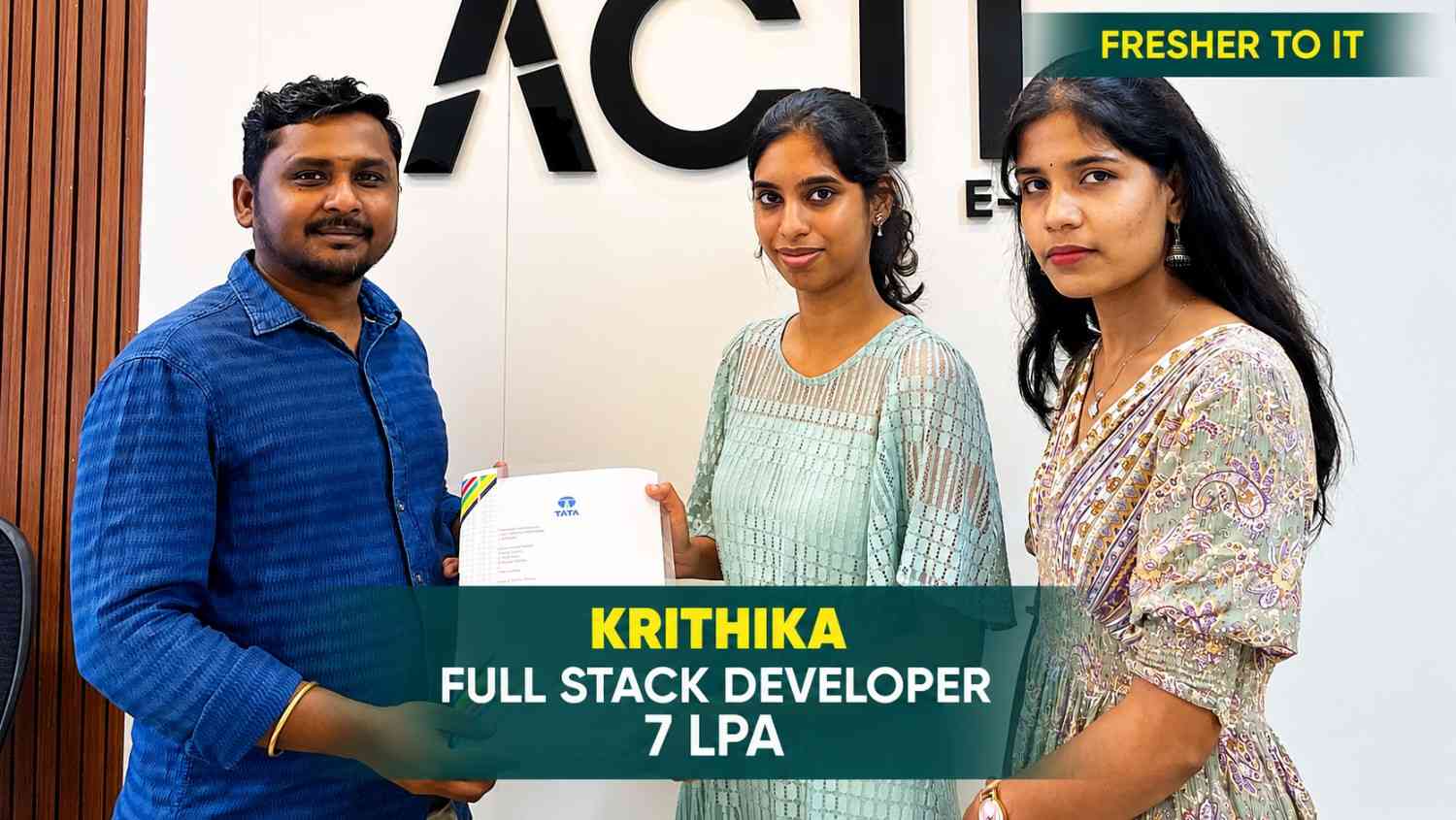
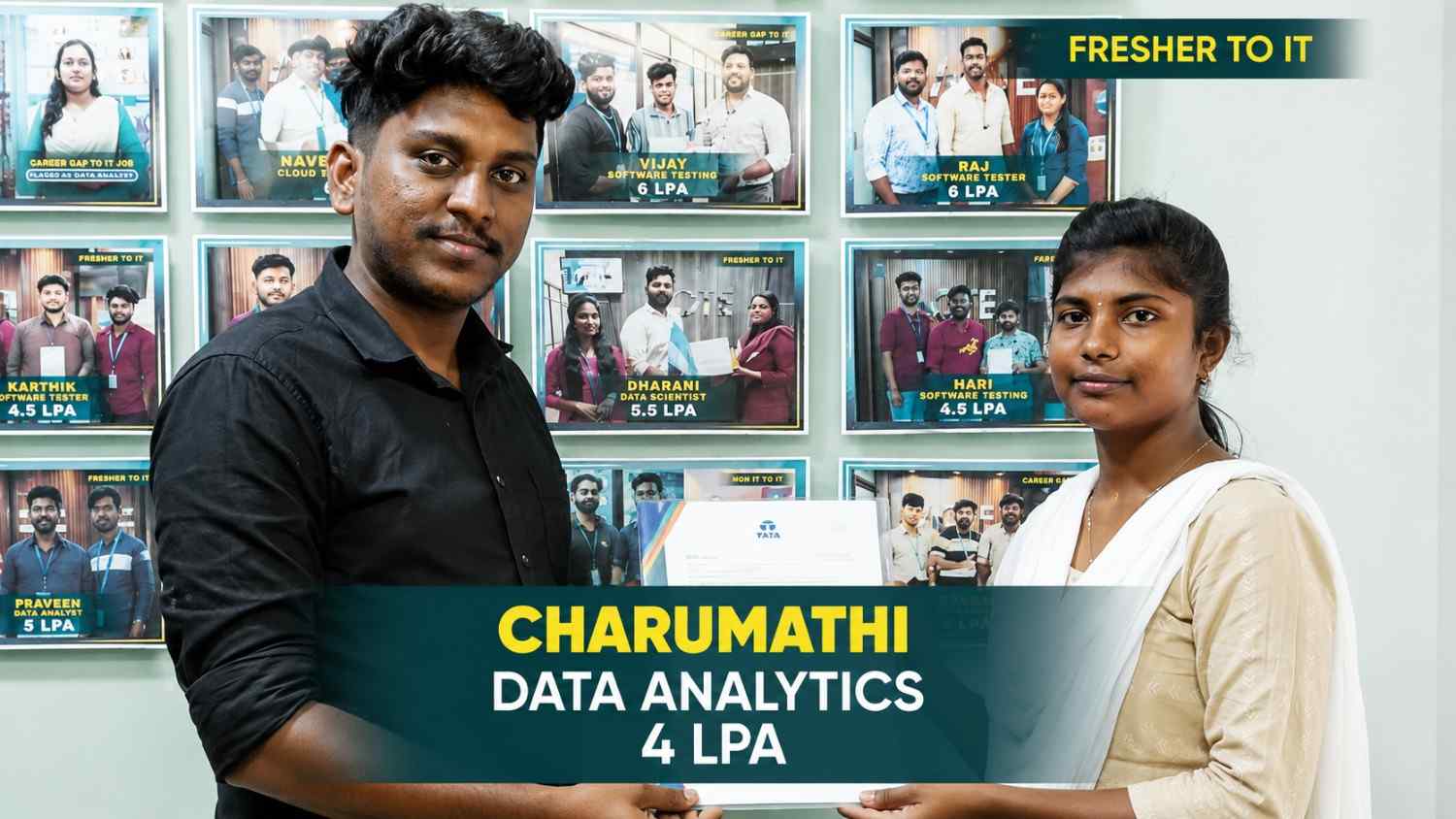
550+ Students Placed Every Month Be The Next!



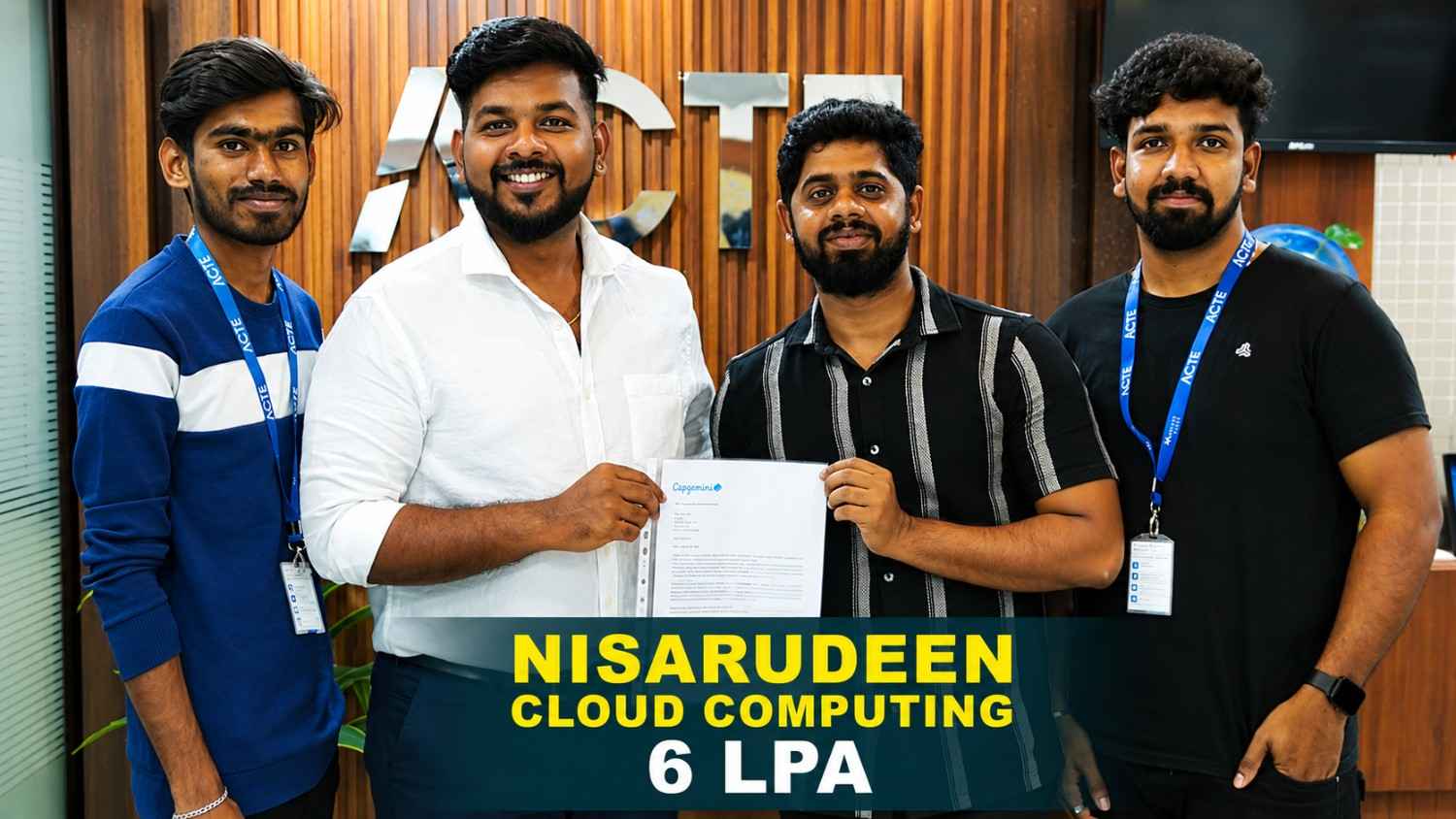
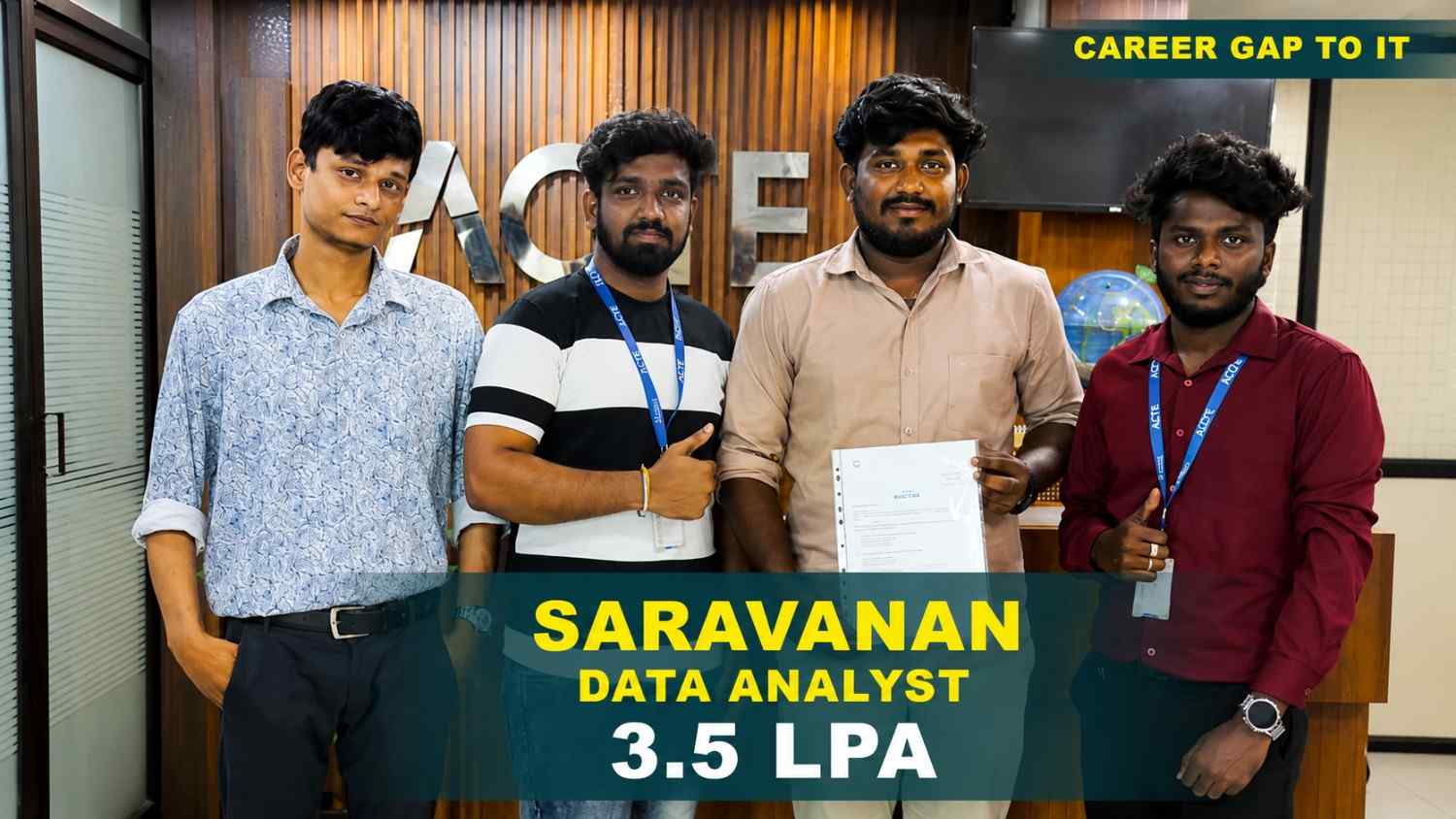

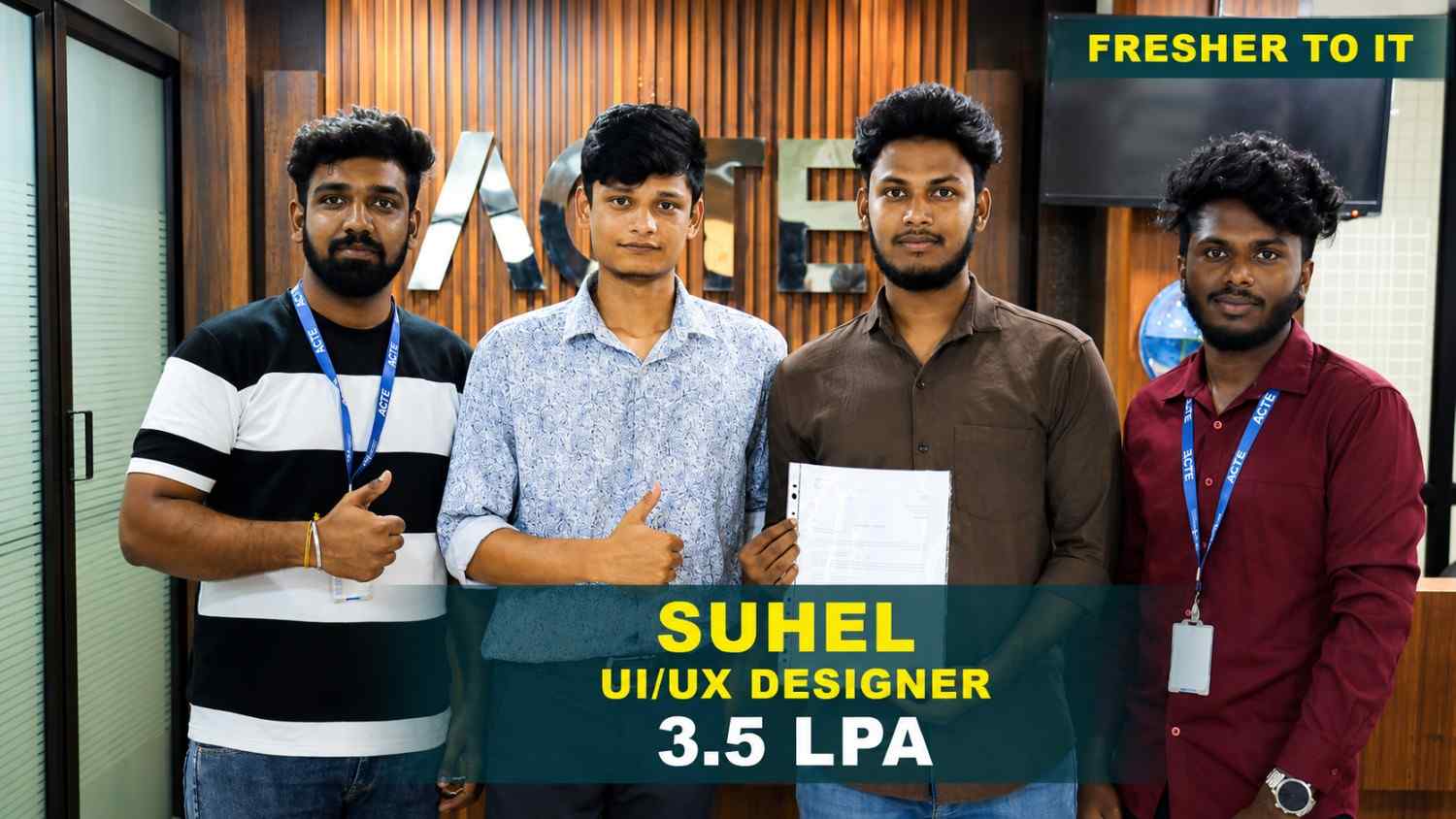
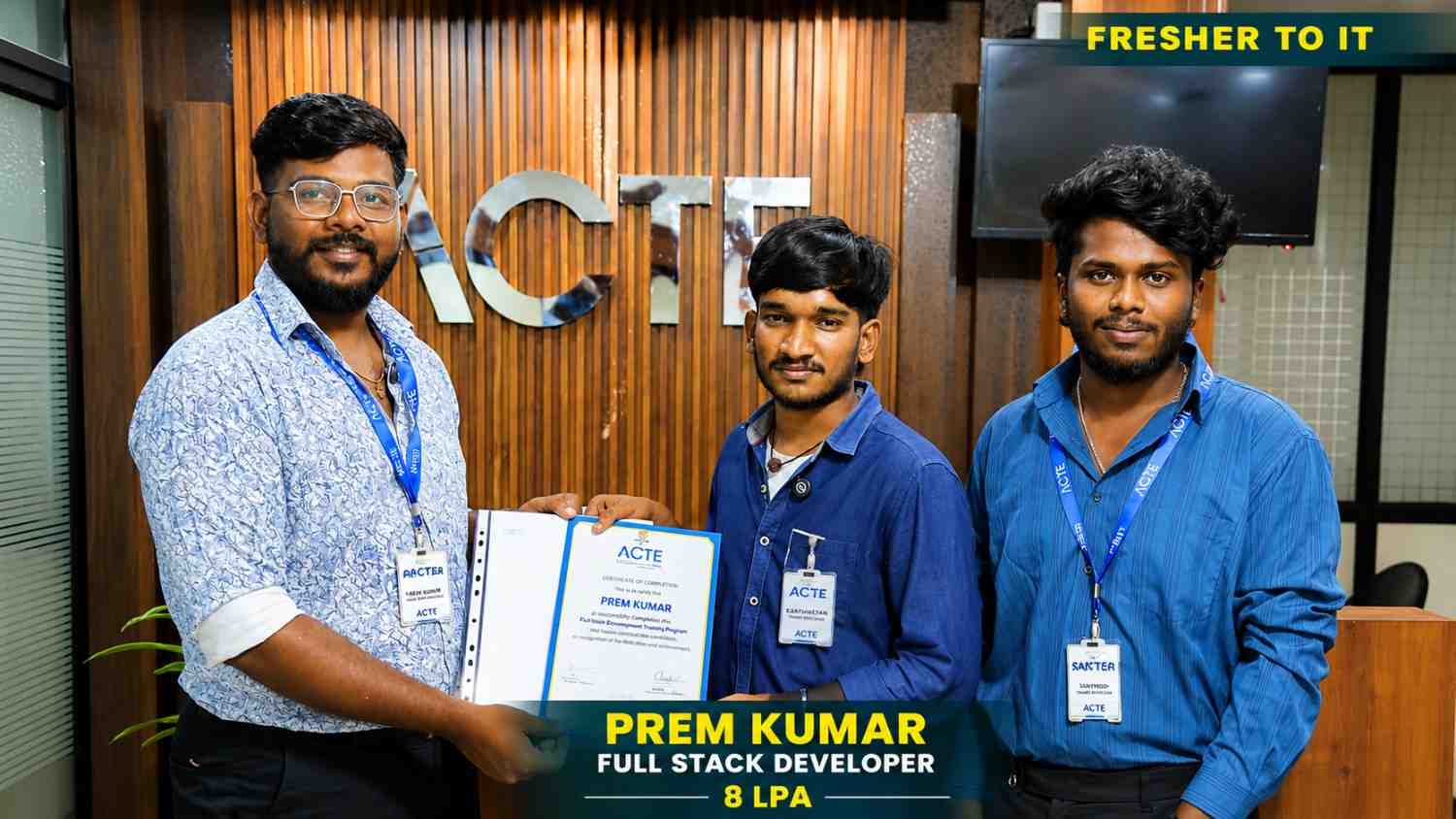
Our Hiring Partners

Curriculam Designed By Experts
Expertly designed curriculum for future-ready professionals.
Industry Oriented Curriculum
An exhaustive curriculum designed by our industry experts which will help you to get placed in your dream IT company
-
30+ Case Studies & Projects
-
9+ Engaging Projects
-
10+ Years Of Experience
- Overview of DevOps and Its Importance
- DevOps Lifecycle: Plan, Code, Build, Test, Release, Deploy, Operate & Monitor
- DevOps vs Agile vs Traditional IT
- Key Challenges in Traditional Software Development
- DevOps Culture and Collaborative Communication
- Benefits of DevOps Implementation in Enterprises
- Introduction to Version Control Systems
- Working with Git Repositories
- Branching, Merging & Conflict Resolution
- Git Workflow Strategies (Feature Branch, Git Flow)
- GitHub, GitLab & Bitbucket Integration
- Introduction to Continuous Integration Concepts
- Installing and Configuring Jenkins
- Creating Build Jobs & Automated Build Triggers
- Hands-On: Creating CI Pipeline Jobs
- Importance of Configuration Management in DevOps
- Introduction to Ansible, Puppet & Chef
- Infrastructure Automation Using Ansible Playbooks
- Environment Provisioning and Server Configuration
- Managing Multi-Server Deployments
- IaC (Infrastructure as Code) Concepts
- Basics of Containers and Virtualization
- Installing Docker and Understanding Docker Architecture
- Creating Docker Images & Working with Docker Hub
- Container Management & Networking
- Docker Compose for Multi-Container Applications
- Introduction to Kubernetes Architecture & Components
- Understanding Pods, Services, Deployments & ReplicaSets
- Scaling and Auto-Healing Applications
- Hands-On: Deploying Apps on Kubernetes Cluster
- CI/CD Pipeline Architecture and Workflow
- Integrating Jenkins, Docker & Kubernetes
- Automated Build, Test & Deployment Processes
- Artifact Management Using Nexus / JFrog
- Handling Rollbacks and Deployment Failures
- Introduction to Monitoring and Observability
- Monitoring Tools: Prometheus, Grafana & Nagios
- Log Management Using ELK / Splunk
- Setting Alerts & Performance Thresholds
- Application Health Monitoring & Troubleshooting
- Dashboard Creation for Real-Time Insights
- Real-Time DevOps Project with Full CI/CD Lifecycle
- Deployment to Production and Rollback Planning
- Working with Cloud DevOps Tools (AWS / Azure / GCP)
- Resume Building and Portfolio Preparation
DevOps Training Projects
Become a DevOps Expert With Practical and Engaging Projects.
- Practice essential Tools
- Designed by Industry experts
- Get Real-world Experience
Version Control and Collaborative Code Management
Practicing source code management with Git and GitHub helps understand branching, merging, and pull requests. Builds confidence in handling teamwork-based code updates and resolving conflicts.
Basic CI Pipeline Setup Using Jenkins
Configuring automated build and test pipelines helps eliminate manual compilation efforts. Enhances workflow automation knowledge and introduces job scheduling and plugin integration.
Container Setup and Deployment Using Docker
Creating containers and running isolated applications improves environment consistency and portability. Helps understand image creation, Dockerfile usage, and container lifecycle management.
Automated Infrastructure Provisioning Using Terraform
Managing cloud infrastructure as code enables faster deployment and version-controlled configuration. Supports reusable templates to scale environments efficiently without manual setup.
Configuration Management and Deployment with Ansible
Automating updates, patches, and software installations across multiple servers improves reliability. Enhances repeatability and reduces human errors during production deployment.
Monitoring & Logging Implementation with Prometheus and Grafana
Setting alerts, dashboards, and metrics visualization ensures faster troubleshooting and system health tracking. Supports continuous performance improvement and proactive issue prevention.
End-to-End CI/CD Pipeline for Microservices Applications
Integrating building, testing, containerizing, and deploying multiple services ensures continuous delivery. Enables zero-downtime updates and improves release quality and deployment speed.
Kubernetes Cluster Deployment and Auto-Scaling
Orchestrating containerized applications across distributed nodes provides flexibility and fault tolerance. Enhances production readiness with load balancing, scaling, and service discovery.
Cloud Migration & Disaster Recovery Automation
Automating backup, recovery, and cloud resource movement ensures data protection and system resilience. Helps establish highly available architectures and business continuity strategies.
Career Support
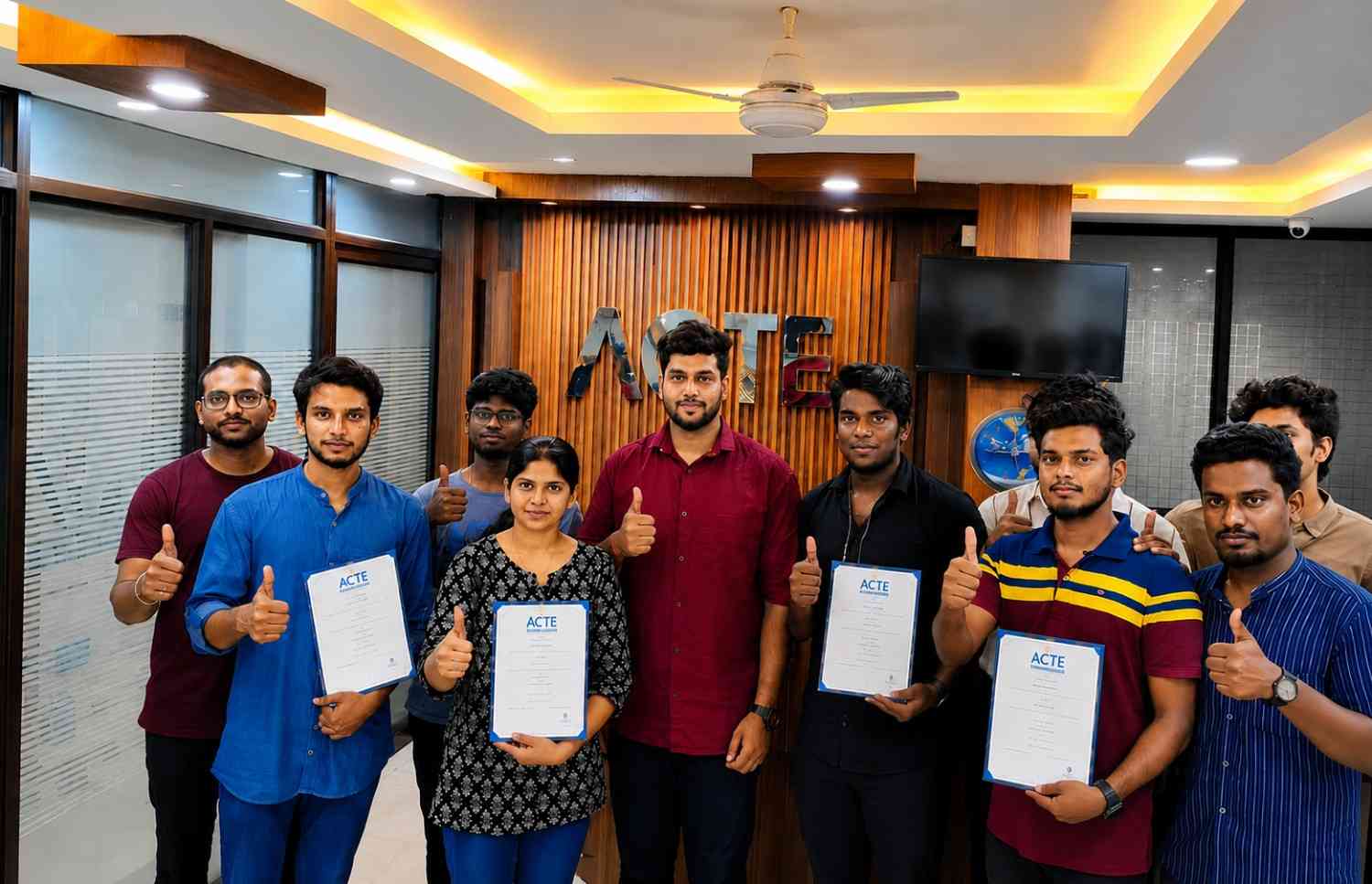

Placement Assistance

Exclusive access to ACTE Job portal

Mock Interview Preparation

1 on 1 Career Mentoring Sessions

Career Oriented Sessions

Resume & LinkedIn Profile Building
Key Features

Practical Training

Global Certifications

Flexible Timing

Trainer Support

Study Material

Placement Support

Mock Interviews

Resume Building
Upcoming Batches
What's included

 Free Aptitude and
Technical Skills Training
Free Aptitude and
Technical Skills Training
- Learn basic maths and logical thinking to solve problems easily.
- Understand simple coding and technical concepts step by step.
- Get ready for exams and interviews with regular practice.

 Hands-On Projects
- Work on real-time projects to apply what you learn.
- Build mini apps and tools daily to enhance your coding skills.
- Gain practical experience just like in real jobs.

 AI Powered Self
Interview Practice Portal
AI Powered Self
Interview Practice Portal
- Practice interview questions with instant AI feedback.
- Improve your answers by speaking and reviewing them.
- Build confidence with real-time mock interview sessions.

 Interview Preparation
For Freshers
Interview Preparation
For Freshers
- Practice company-based interview questions.
- Take online assessment tests to crack interviews
- Practice confidently with real-world interview and project-based questions.

 LMS Online Learning
Platform
LMS Online Learning
Platform
- Explore expert trainer videos and documents to boost your learning.
- Study anytime with on-demand videos and detailed documents.
- Quickly find topics with organized learning materials.
- Learning strategies that are appropriate and tailored to your company's requirements.
- Live projects guided by instructors are a characteristic of the virtual learning environment.
- The curriculum includes of full-day lectures, practical exercises, and case studies.

DevOps Overview
Benefits Gained from DevOps Training in Maraimalai Nagar
- Faster Software Development and Deployment Cycles DevOps reduces release delays through automation and improves communication between teams. Enables rapid delivery of updates and features with fewer failures and faster recovery.
- Improved Collaboration Between Dev and Ops Teams Breaks silos by enabling shared responsibility, continuous feedback, and collective ownership. Enhances overall productivity and ensures smoother workflow execution.
- High System Stability and Performance Monitoring Real-time monitoring tools provide visibility into system health, preventing critical failures. Helps detect issues early and maintain uninterrupted service availability.
- Strong Foundation for Cloud & Container Technology Training builds practical knowledge in scalable cloud platforms and virtualized environments. Prepares learners for modern infrastructure architecture and cloud-native solutions.
- Increased Efficiency Through Automation Automating repetitive tasks eliminates manual dependency and reduces human error. Enables consistent, reliable, and predictable deployments.
- Enhanced Problem-Solving and Troubleshooting Skills Hands-on experience with monitoring, logs, and failure simulation improves incident response capability. Helps quickly restore system stability and minimize downtime.
Emerging Future Trends in DevOps Training in Maraimalai Nagar
- AI-Driven DevOps and Intelligent Automation Artificial intelligence is transforming deployment, monitoring, and testing automation. Predictive analytics will help detect failures before they occur.
- GitOps for Declarative Infrastructure Management Version-controlled infrastructure updates are becoming the new deployment standard. Ensures maximum transparency, traceability, and rollback efficiency.
- Serverless and Event-Driven Architecture Adoption Modern systems will run applications without managing servers manually. Reduces operational complexity and improves cost efficiency.
- Edge Computing Integrated with DevOps Pipelines Faster processing near user locations demands distributed automation and deployment techniques. Useful for IoT, autonomous systems, and real-time applications.
- Security-Integrated DevOps (DevSecOps) Security will become part of CI/CD pipelines from source code to production. Ensures vulnerability-free releases and strong compliance practices.
Latest Advancements in DevOps Training in Maraimalai Nagar
DevOps now heavily integrates cloud-native tools and AI-driven automation for continuous delivery and monitoring. Infrastructure as Code (IaC) frameworks like Terraform and Ansible streamline environment provisioning. Containerization with Docker and orchestration using Kubernetes has become standard for scalable deployments. CI/CD pipelines are enhanced with automated testing, code quality checks, and vulnerability scanning. Observability tools provide real-time monitoring, logging, and analytics to detect issues proactively. GitOps practices ensure declarative management and faster rollback. Overall, modern DevOps emphasizes speed, reliability, and collaboration across development and operations.
Main Concepts Behind DevOps:
The foundation of DevOps includes continuous integration, continuous deployment, and continuous testing. Collaboration between development and operations ensures faster delivery of high-quality software. Automation of build, test, and deployment processes reduces human errors. Version control, containerization, and orchestration enable reproducible and scalable environments. Monitoring, logging, and feedback loops provide actionable insights for optimization. Security integration (DevSecOps) ensures compliance and protection. DevOps focuses on process efficiency, reliability, and rapid response to changing business needs.
Real-Time Projects Completed in Placement:
- Students implemented automated CI/CD pipelines for web and mobile applications, integrating testing and deployment. Pipelines were optimized for faster build times and reduced errors. Automated testing ensured code quality before deployment.
- Infrastructure was provisioned using Terraform and Ansible for scalable environments. IaC practices improved consistency and reduced manual setup errors. Environment replication became more efficient and reliable.
- Containerized applications were orchestrated with Kubernetes for high availability. Auto-scaling features handled traffic spikes effectively. Resource utilization was optimized with container management.
- Automated monitoring and alerting systems were set up using Prometheus and Grafana. Teams received real-time insights into application performance. Proactive monitoring reduced downtime and improved SLAs.
- Security compliance checks were applied to production pipelines. Automated security scans identified vulnerabilities early. Compliance reporting ensured industry standards were met consistently.
- Projects also included rollback strategies and version-controlled deployments for zero-downtime updates. Blue-green deployment techniques minimized user impact. Versioning allowed quick rollbacks if issues arose.
Career Opportunities After DevOps Training
DevOps Engineer / Cloud DevOps Specialist
Manages automation pipelines, cloud infrastructure, and continuous deployment workflows. High demand across software companies and global cloud service providers.
Site Reliability Engineer (SRE)
Maintains performance, reliability, and scalability of production environments. Combines development, automation, and monitoring expertise. This role involves ensuring seamless deployment.
Cloud Architect / Infrastructure Engineer
Designs and builds scalable cloud environments using AWS, Azure, or GCP. Ensures secure, cost-optimized, and resilient architecture. Implements automation and monitoring solutions.
Build and Release Engineer
Manages build processes, automated testing, and application packaging for release cycles. Ensures consistent deployment across multiple platforms and environments.
Kubernetes Administrator / Container Orchestration Engineer
Handles large-scale microservices infrastructure and automated scaling. Key role in enterprise cloud-native application management.
Automation Engineer / CI-CD Pipeline Engineer
Focuses on scripting, pipeline development, and automated deployment solutions. Improves operational efficiency.
Skill to Master
Continuous Integration / Continuous Deployment (CI/CD)
Version Control with Git
Containerization and Orchestration
Infrastructure as Code (IaC)
Cloud Platforms Knowledge
Monitoring and Logging
Automation Scripting (Python, Bash)
Configuration Management
Security & Compliance in DevOps
Agile & Scrum Methodology
Problem-Solving & Troubleshooting
Collaboration and Teamwork
Tools to Master
Jenkins
Docker
Kubernetes
Terraform
Ansible / Chef / Puppet
Git / GitHub / GitLab
Prometheus / Grafana
AWS / Azure / Google Cloud
Nagios / Cloud Monitoring Tools
Maven / Gradle
ELK Stack (Elasticsearch, Logstash, Kibana)
Slack / Jira / Confluence
Learn from certified professionals who are currently working.

Training by
Karthik Reddy, having 11 years of industry experience
Specialized in: CI/CD pipelines, cloud automation, and DevOps best practices
Note: Karthik has deep expertise in implementing automated deployment workflows using Docker, Kubernetes, and Terraform. His training focuses on real-time lab exercises and industry-standard DevOps practices, preparing students for roles in IT operations, cloud engineering, and software deployment.
Premium Training at Best Price
Affordable, Quality Training for Freshers to Launch IT Careers & Land Top Placements.
What Makes ACTE Training Different?
Feature
ACTE Technologies
Other Institutes
Affordable Fees
Competitive Pricing With Flexible Payment Options.
Higher Fees With Limited Payment Options.
Industry Experts
Well Experienced Trainer From a Relevant Field With Practical Training
Theoretical Class With Limited Practical
Updated Syllabus
Updated and Industry-relevant Course Curriculum With Hands-on Learning.
Outdated Curriculum With Limited Practical Training.
Hands-on projects
Real-world Projects With Live Case Studies and Collaboration With Companies.
Basic Projects With Limited Real-world Application.
Certification
Industry-recognized Certifications With Global Validity.
Basic Certifications With Limited Recognition.
Placement Support
Strong Placement Support With Tie-ups With Top Companies and Mock Interviews.
Basic Placement Support
Industry Partnerships
Strong Ties With Top Tech Companies for Internships and Placements
No Partnerships, Limited Opportunities
Batch Size
Small Batch Sizes for Personalized Attention.
Large Batch Sizes With Limited Individual Focus.
LMS Features
Lifetime Access Course video Materials in LMS, Online Interview Practice, upload resumes in Placement Portal.
No LMS Features or Perks.
Training Support
Dedicated Mentors, 24/7 Doubt Resolution, and Personalized Guidance.
Limited Mentor Support and No After-hours Assistance.
We are proud to have participated in more than 40,000 career transfers globally.

DevopsCertification

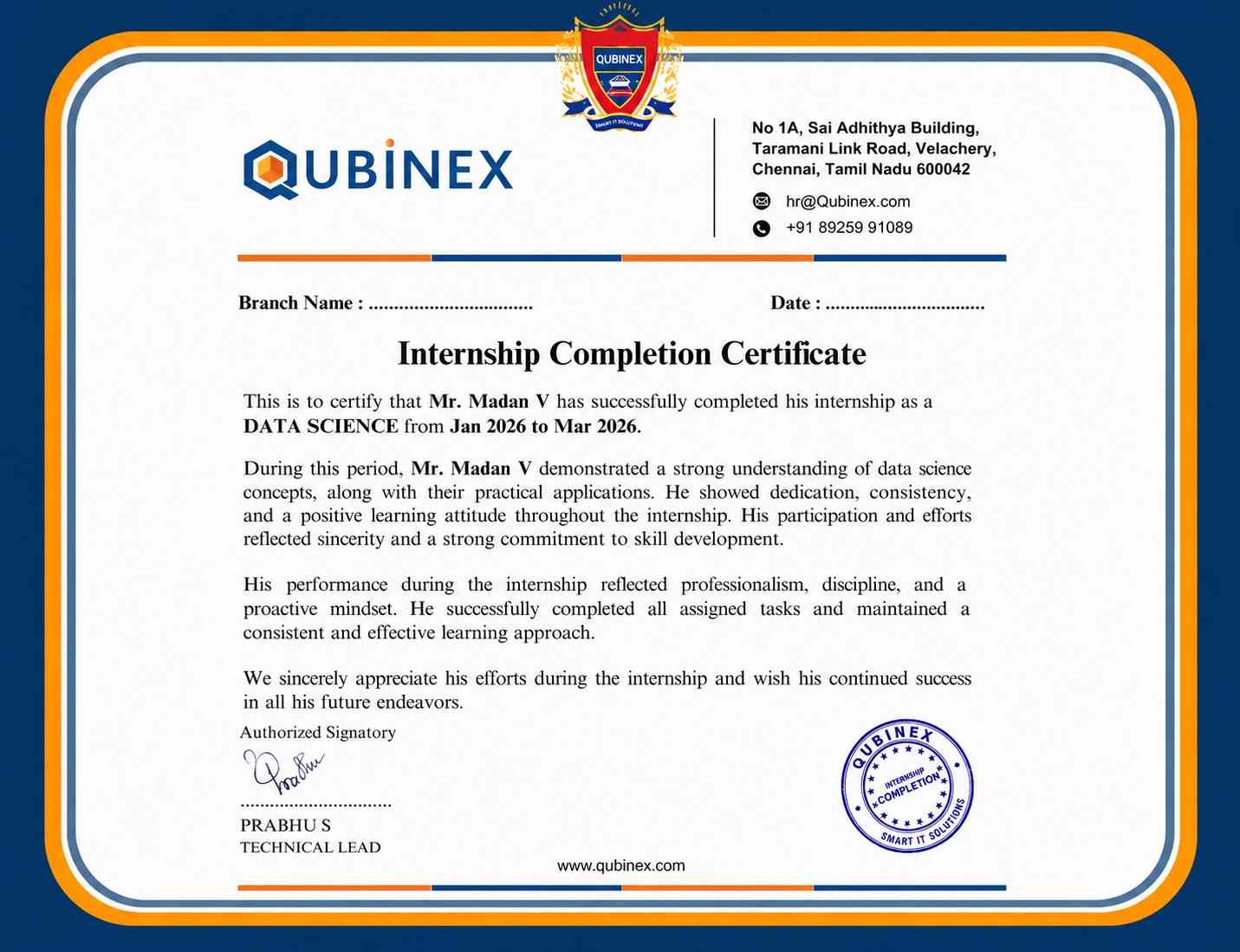
- Provides expertise in continuous integration (CI), continuous deployment (CD), and automated workflows.
- Enhances skills in DevOps tools such as Jenkins, Docker, Kubernetes, Ansible, and Git.
- Improves employability in IT organizations, cloud infrastructure, and software development companies.
- DevOps Engineer
- Cloud Engineer
- Release Manager
- Automation Engineer
- Site Reliability Engineer (SRE)
- Build & Release Engineer
- IT and software companies requiring CI/CD pipeline management.
- Cloud-based infrastructure management and deployment roles.
- Automation and configuration management positions using tools like Ansible, Chef, and Puppet.
- High demand for DevOps professionals across IT, cloud, and software industries.
- Certification enhances career growth, employability, and project readiness.
- Real-time projects provide practical exposure to CI/CD pipelines and automation.
Frequently Asked Questions
- Institutes offer free demo sessions online or in-person. You can register through the website or contact the training coordinator to understand course flow and methodology.
- Trainers are certified DevOps professionals with 5–12 years of experience in automation, cloud deployment, CI/CD, and containerization. Many have implemented DevOps pipelines in real-world enterprise projects.
- Yes, placement support includes resume building, mock interviews, technical test preparation, and connections with companies looking for certified DevOps engineers.
- Yes, DevOps certifications are widely recognized by IT, cloud, and software development companies. They validate practical skills in CI/CD, automation, and cloud deployment strategies.
- Absolutely. Training includes CI/CD labs, containerization projects, configuration management exercises, cloud deployment workshops, and real-time project simulations to ensure practical skills.
