
550+ Students Placed Every Month Be The Next!



Our Hiring Partners

Curriculam Designed By Experts
Expertly designed curriculum for future-ready professionals.
Industry Oriented Curriculum
An exhaustive curriculum designed by our industry experts which will help you to get placed in your dream IT company
-
30+ Case Studies & Projects
-
9+ Engaging Projects
-
10+ Years Of Experience
- Overview of AR and VR concepts and history
- Key differences between AR, VR, and MR (Mixed Reality)
- Use cases in gaming, education, and industry
- Understanding 3D environments and spatial computing
- Overview of headsets, sensors, and devices
- Career opportunities in immersive technology
- Basics of user experience (UX) and user interface (UI) in AR/VR
- 3D modeling and texturing essentials
- Lighting, animation, and visual realism techniques
- Principles of spatial design and scene composition
- Understanding object placement and interaction
- Introduction to Unity and Unreal Engine
- Integration of ARCore and ARKit for mobile AR
- 3D asset creation using Blender and Maya
- Incorporating interactivity with C# and Python scripts
- Creating AR applications with Unity and Vuforia
- Marker-based and markerless AR development
- Implementing 3D object tracking and image recognition
- Integrating AR with camera feeds and sensors
- Building AR filters and effects
- Deploying AR projects on Android and iOS
- VR environment setup and scene optimization
- Creating interactive VR worlds and simulations
- Incorporating physics and motion controllers
- User navigation and telepresence techniques
- Integrating sound, lighting, and animations
- 3D model creation using Blender and Maya
- Rigging and animating 3D characters
- Texture mapping and UV unwrapping
- Lighting and rendering techniques for realism
- Connecting AR/VR apps with IoT sensors
- Real-time data visualization in immersive spaces
- Developing smart interactive experiences
- Edge computing applications in AR/VR
- Future trends in intelligent immersive systems
- App optimization for performance and latency
- Cross-platform deployment best practices
- Testing on multiple headsets and devices
- User testing for UX feedback
- Debugging AR/VR build errors
- End-to-end AR and VR project implementation
- Best practices in performance tuning and design
- Data handling and cloud integration in AR/VR
- Industry-specific case studies and prototypes
AR VR Technologies Training Projects
Become a AR VR Technologies Training Expert With Practical and Engaging Projects.
- Practice essential Tools
- Designed by Industry experts
- Get Real-world Experience
Virtual Product Showcase
In this project, learners create a simple 3D product display using AR frameworks like Unity and Vuforia. The project teaches how to overlay virtual models onto real-world environments. Beginners learn basic object rendering and spatial positioning. It introduces 3D modeling fundamentals and interaction design. This hands-on task helps learners understand augmented reality basics.
360° Virtual Tour
Students develop a VR experience that lets users explore a virtual space like a museum or a city. The project involves integrating panoramic images and interactive hotspots. Learners practice scene transitions and camera control in Unity. It enhances understanding of VR environments and user navigation. This project builds a foundation for immersive storytelling.
AR Flashcard App
An AR-based educational app where flashcards come to life with animations. This project helps learners understand marker-based AR and image recognition. It improves skills in linking 3D assets to physical objects. Learners also explore real-time tracking and simple UI elements. This project strengthens spatial mapping and animation basics.
Interactive VR Training Simulation
Students build a VR simulation for industrial or medical training purposes. The project focuses on physics-based interactions and user-controlled tasks. It helps learners understand environment setup and object manipulation. The goal is to develop real-world applicable training tools. This strengthens skills in scenario-based learning design.
AR Navigation System
This project enables real-time indoor navigation using AR markers. Students integrate sensors, GPS, and mapping tools. It develops problem-solving skills in pathfinding and location tracking. The app enhances accuracy in AR overlays and UI integration. Learners gain practical experience with spatial computing.
Virtual Reality Game
Students design a VR game with interactive environments and immersive audio. The project teaches collision detection, object scripting, and gameplay mechanics. It enhances creativity and coding skills using Unity or Unreal Engine. This helps learners understand game physics and VR optimization. It’s an engaging way to explore 3D design and logic.
AR Shopping Experience Application
This project involves developing an AR-based e-commerce platform. Users can visualize products in their environment before purchase. Learners integrate machine learning for object placement and scaling. It includes API connections for inventory and payments. This real-world project demonstrates advanced AR-UX design and backend integration.
VR Architectural Visualization
Students create a virtual walk-through of a building design. The project combines 3D modeling, lighting, and realistic rendering. It involves importing CAD files and adding interactive features. This project strengthens visualization and rendering skills. Learners understand the integration of architecture and VR design.
Mixed Reality Healthcare Training App
This advanced project simulates medical procedures using AR/VR integration. It teaches how to combine 3D visualization with haptic feedback devices. Learners work with patient anatomy models and real-time simulations. The project promotes innovation in healthcare technology. It combines technical precision with human-centered design.
Career Support
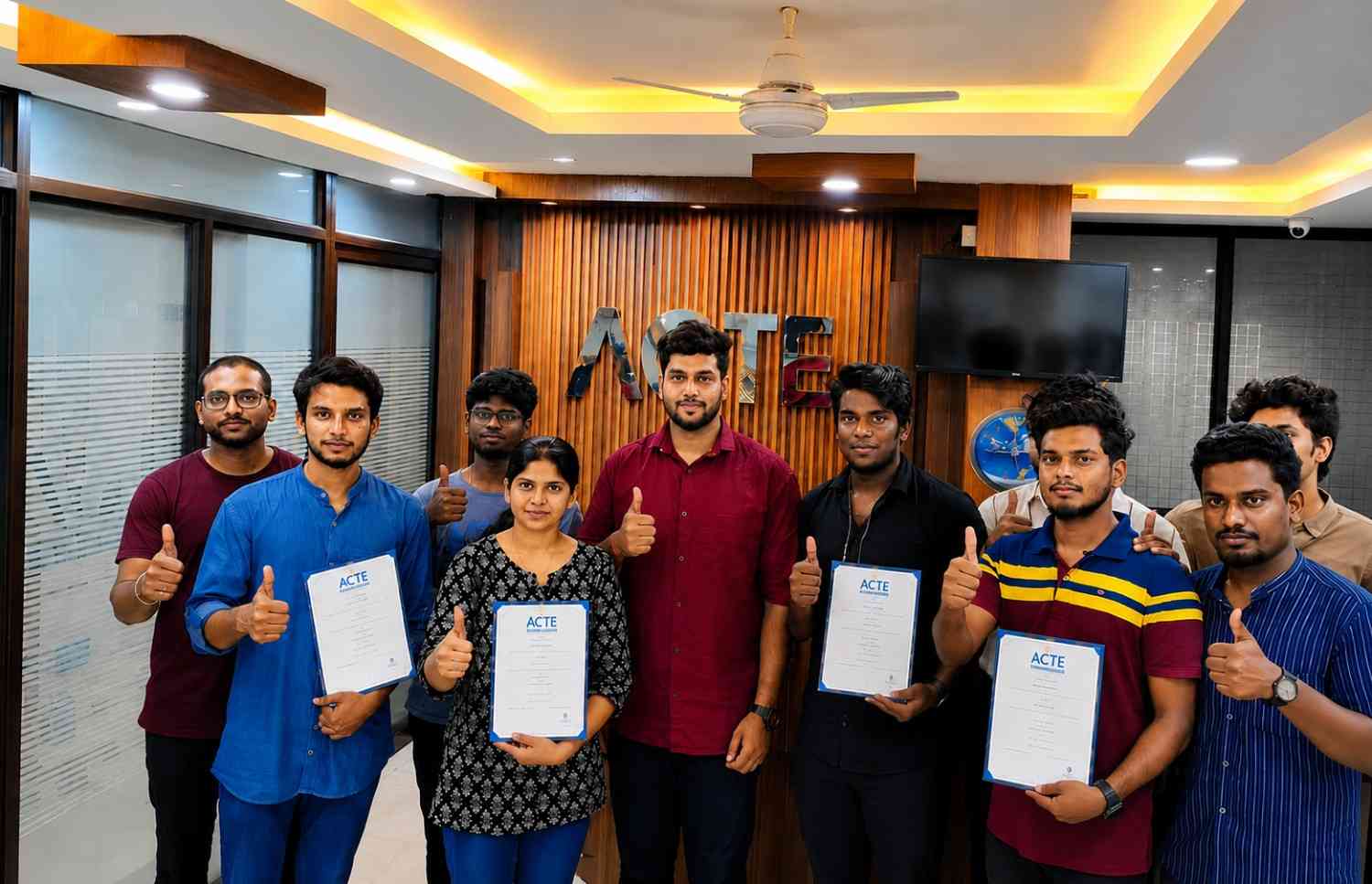

Placement Assistance

Exclusive access to ACTE Job portal

Mock Interview Preparation

1 on 1 Career Mentoring Sessions

Career Oriented Sessions

Resume & LinkedIn Profile Building
Key Features

Practical Training

Global Certifications

Flexible Timing

Trainer Support

Study Material

Placement Support

Mock Interviews

Resume Building
Upcoming Batches
What's included
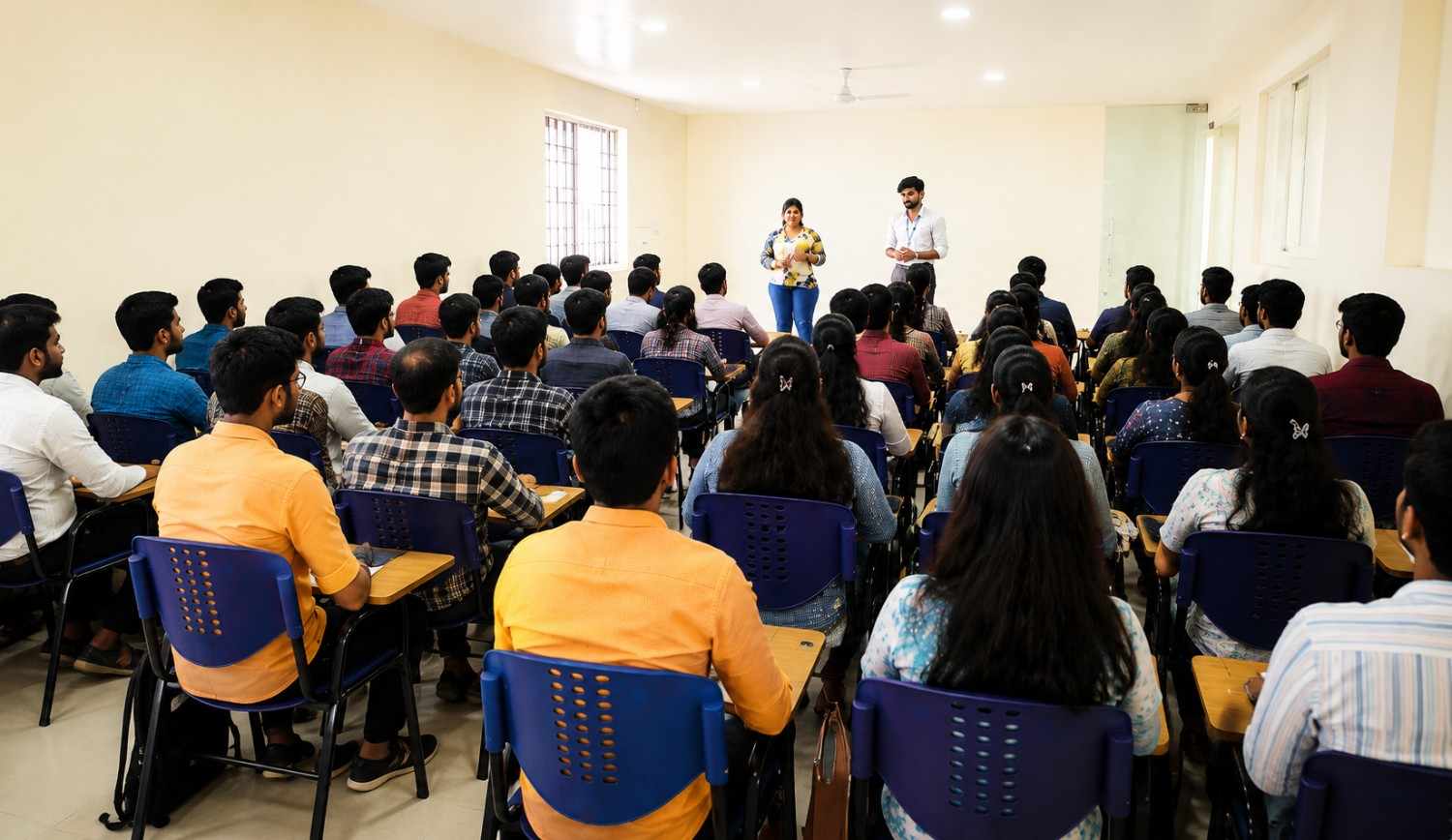
 Free Aptitude and
Technical Skills Training
Free Aptitude and
Technical Skills Training
- Learn basic maths and logical thinking to solve problems easily.
- Understand simple coding and technical concepts step by step.
- Get ready for exams and interviews with regular practice.
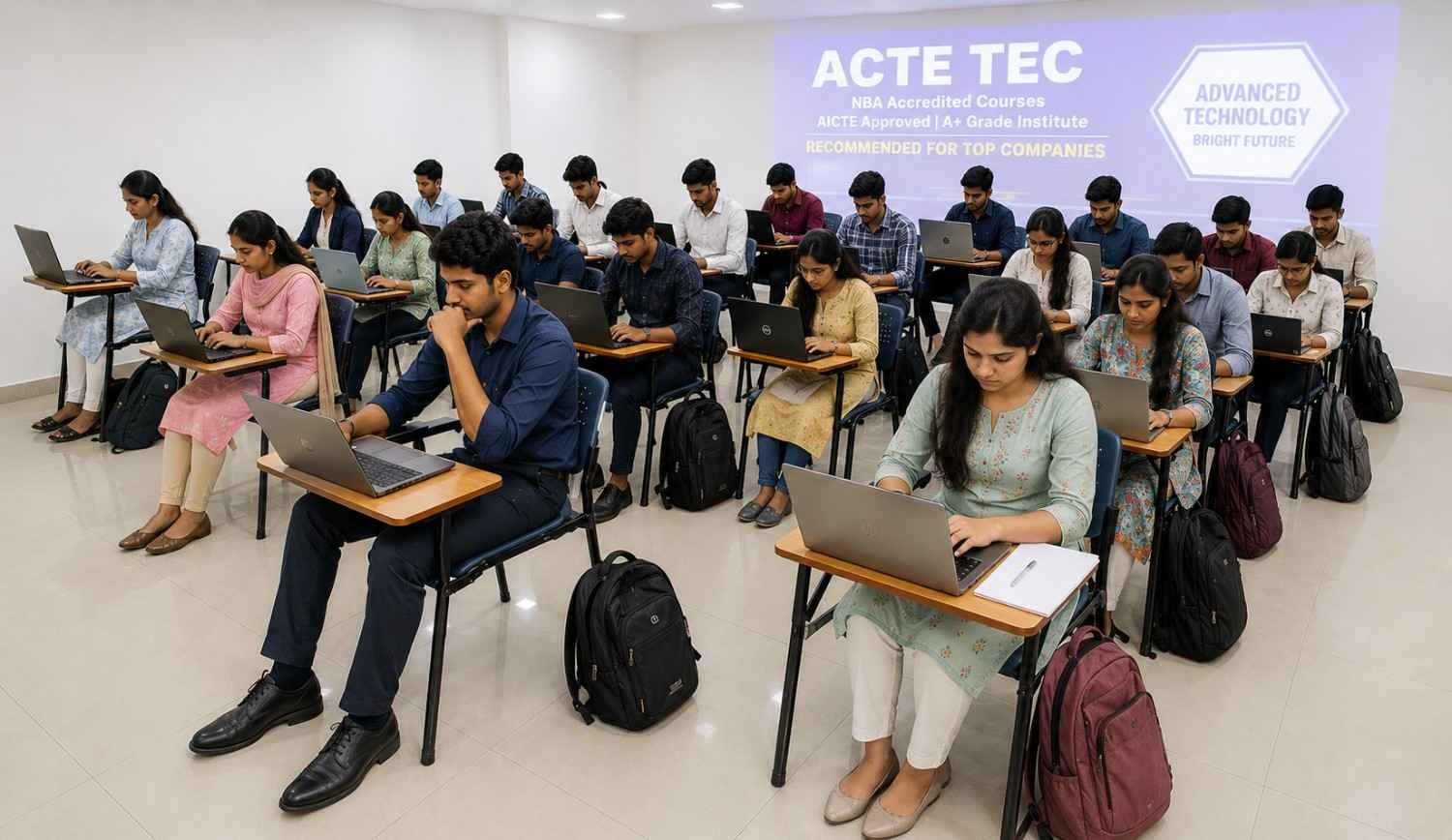
 Hands-On Projects
- Work on real-time projects to apply what you learn.
- Build mini apps and tools daily to enhance your coding skills.
- Gain practical experience just like in real jobs.

 AI Powered Self
Interview Practice Portal
AI Powered Self
Interview Practice Portal
- Practice interview questions with instant AI feedback.
- Improve your answers by speaking and reviewing them.
- Build confidence with real-time mock interview sessions.
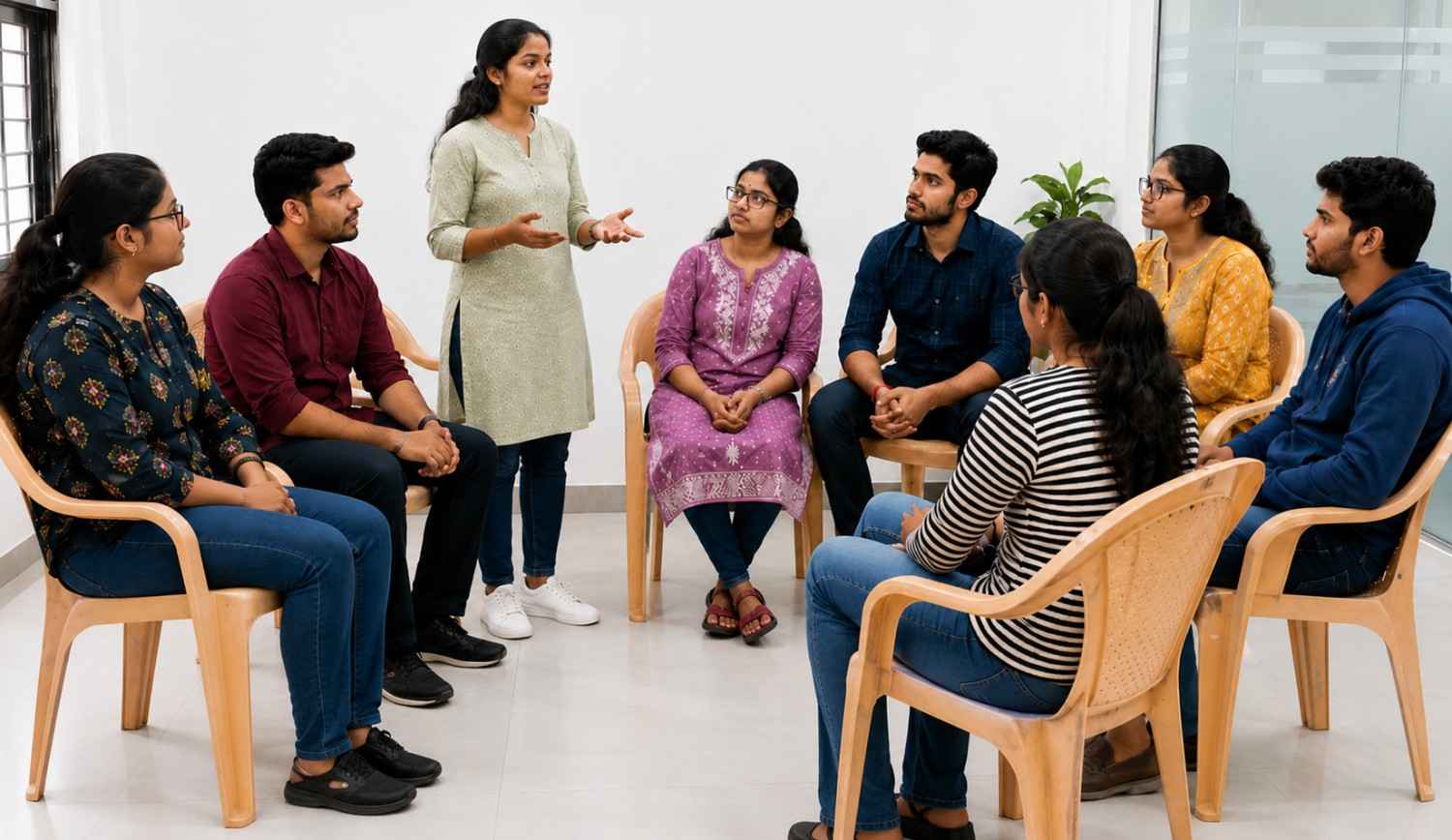
 Interview Preparation
For Freshers
Interview Preparation
For Freshers
- Practice company-based interview questions.
- Take online assessment tests to crack interviews
- Practice confidently with real-world interview and project-based questions.
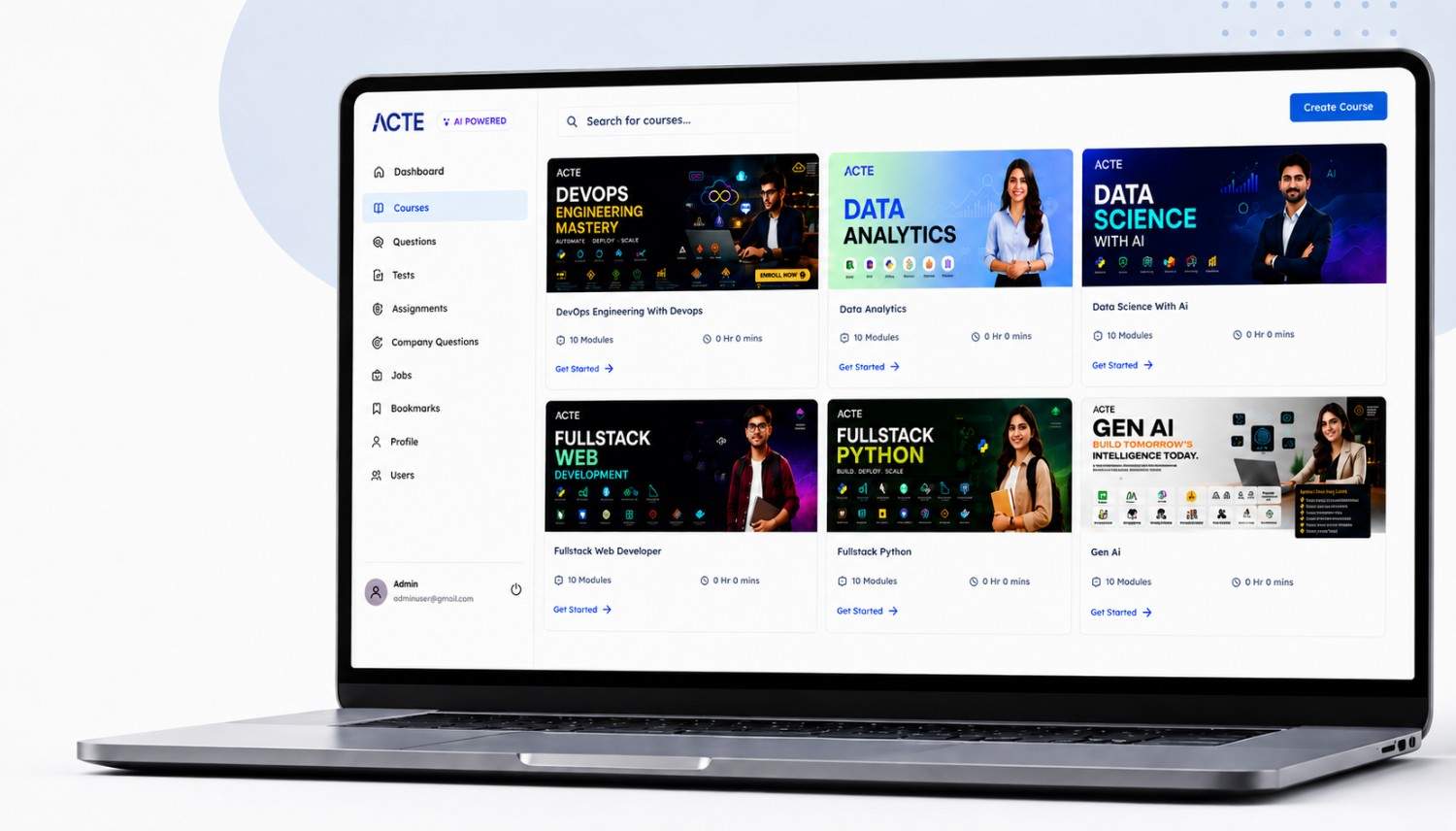
 LMS Online Learning
Platform
LMS Online Learning
Platform
- Explore expert trainer videos and documents to boost your learning.
- Study anytime with on-demand videos and detailed documents.
- Quickly find topics with organized learning materials.
- Learning strategies that are appropriate and tailored to your company's requirements.
- Live projects guided by instructors are a characteristic of the virtual learning environment.
- The curriculum includes of full-day lectures, practical exercises, and case studies.

AR VR Technologies Overview
Reasons to Consider Enrolling in AR VR Technologies Training in Anna Nagar
Enrolling in AR VR Technologies training equips learners with future-ready skills in immersive technology. The program blends creativity, coding, and spatial design for impactful applications. Expert trainers guide participants through hands-on projects and real-world simulations. The course curriculum is designed to meet industry standards for XR (Extended Reality) development. It enhances knowledge of Unity, Unreal Engine, and 3D modeling tools. Placement-oriented sessions prepare students for emerging tech careers. The institute provides access to modern labs and real-time devices. This training is ideal for aspiring developers, designers, and innovators aiming to lead in immersive technologies.
Techniques and Trends Observed in AR VR Technologies Course in Anna Nagar
- Cross-Platform Development Learners are trained to create AR/VR experiences that run on multiple devices like Oculus, Vive, and smartphones. This ensures compatibility and wider accessibility.
- Spatial Computing and Gesture Control The focus is on hand-tracking and motion-based interactions for immersive realism. Students explore gesture-based navigation and haptic feedback integration.
- Real-Time Rendering Optimization Training emphasizes performance tuning to achieve smooth frame rates in 3D environments. Learners apply light baking and shader optimization techniques.
- Integration of AI in AR/VR AI-based object recognition and predictive analytics are integrated into AR apps. This trend enhances automation and user experience within immersive environments.
- Cloud and WebXR Applications Cloud-connected XR solutions enable multi-user VR experiences and remote collaboration. Students explore online deployment for AR/VR content accessibility.
Overview of the Most Recent AR VR Tools
Modern AR/VR development leverages cutting-edge tools for creating immersive environments. Unity 3D and Unreal Engine are the leading platforms for 3D visualization, interaction design, and animation. Vuforia and ARCore enable augmented reality applications with image recognition and object tracking. Blender and Maya assist in designing 3D models and textures. Oculus SDK and SteamVR allow VR hardware integration for realistic experiences. Developers also use WebXR for browser-based immersive apps. These tools support cross-platform compatibility, high-quality rendering, and real-time physics simulation. Collectively, they empower creators to bring virtual and augmented experiences to life efficiently.
Requirements Needed for an AR VR Technologies Certification in Anna Nagar
- Basic Programming Knowledge Understanding C#, C++, or JavaScript is essential since these languages are used in Unity and Unreal. This ensures smooth progression into logic and scripting.
- Knowledge of 3D Design Familiarity with 3D modeling tools like Blender or Maya helps in creating virtual assets and textures. This enhances the quality of AR/VR environments.
- System Requirements A system with high GPU power, minimum 16GB RAM, and VR headset support is recommended. These specs enable efficient simulation and rendering.
- Understanding of Graphics and Physics Concepts Knowledge of lighting, animation, and real-world physics helps in creating realistic motion and interaction. This foundation enhances immersion and usability.
- Creative and Analytical Thinking Developing immersive experiences requires innovation and problem-solving. A balance of creativity and logic helps in building engaging applications.
Goals Achieved Through AR VR Technologies placement in Anna Nagar and Potential Career Paths
AR/VR training helps learners master the art of creating immersive digital worlds that blend physical and virtual realities. Participants gain expertise in 3D modeling, spatial design, and interactive storytelling. The course builds technical proficiency in Unity, Unreal Engine, and AR SDKs. Learners become adept at simulating real-world environments for training, gaming, or visualization. Graduates can pursue careers in gaming, architecture, healthcare, and education technology. They also gain entrepreneurial potential by developing custom AR/VR solutions. The training enhances creativity and innovation in interactive content design. It ultimately prepares learners for global careers in the expanding XR industry.
Career Opportunities After AR VR Technologies Training
AR/VR Developer
Develop immersive applications for gaming, education, or training industries. Utilize Unity, Unreal, and AR SDKs for high-quality experiences. Ensure performance optimization and cross-platform deployment.
3D Modeler/Designer
Create detailed 3D assets and environments for AR/VR platforms. Work with tools like Blender or Maya. Focus on realistic textures, lighting, and animations to enhance user immersion.
XR (Extended Reality) Engineer
Specialize in developing integrated AR, VR, and MR systems. Build hardware-software interfaces and manage device calibration. Ensure seamless interaction between digital and physical elements.
Game Developer (AR/VR)
Design engaging VR games with interactive mechanics and storytelling. Implement physics simulations and motion control. Collaborate with designers and artists for immersive gameplay.
Simulation Specialist
Develop AR/VR-based simulations for fields like aviation, healthcare, or defense. Emphasize precision, realism, and scenario-based learning experiences. Optimize models for user engagement and accuracy.
UI/UX Designer for AR/VR
Design intuitive interfaces and navigation systems for immersive environments. Focus on spatial awareness, accessibility, and user comfort. Collaborate with developers to integrate 3D UI elements seamlessly.
Skills To Master
3D Modeling
Unity Development
ARCore and ARKit Integration
Virtual Environment Design
User Interaction Design
Animation and Rigging
Performance Optimization
Spatial Audio Design
VR SDK Integration
AI-based Interaction
Cross-Platform Deployment
Cloud Collaboration
Tools To Master
Unity
Unreal Engine
Blender
Maya
ARCore
ARKit
Vuforia
Oculus SDK
Meta Quest Tools
3ds Max
Substance Painter
Spark AR
Learn from certified professionals who are currently working.

Training by
Priya Narayanan, having 13 yrs of experience
Specialized in: AR/VR Development, 3D Modeling, and Immersive Simulation Training.
Note: Priya Narayanan is known for her expertise in immersive experience design and her ability to simplify complex AR/VR concepts into engaging, real-world applications.
Premium Training at Best Price
Affordable, Quality Training for Freshers to Launch IT Careers & Land Top Placements.
What Makes ACTE Training Different?
Feature
ACTE Technologies
Other Institutes
Affordable Fees
Competitive Pricing With Flexible Payment Options.
Higher Fees With Limited Payment Options.
Industry Experts
Well Experienced Trainer From a Relevant Field With Practical Training
Theoretical Class With Limited Practical
Updated Syllabus
Updated and Industry-relevant Course Curriculum With Hands-on Learning.
Outdated Curriculum With Limited Practical Training.
Hands-on projects
Real-world Projects With Live Case Studies and Collaboration With Companies.
Basic Projects With Limited Real-world Application.
Certification
Industry-recognized Certifications With Global Validity.
Basic Certifications With Limited Recognition.
Placement Support
Strong Placement Support With Tie-ups With Top Companies and Mock Interviews.
Basic Placement Support
Industry Partnerships
Strong Ties With Top Tech Companies for Internships and Placements
No Partnerships, Limited Opportunities
Batch Size
Small Batch Sizes for Personalized Attention.
Large Batch Sizes With Limited Individual Focus.
LMS Features
Lifetime Access Course video Materials in LMS, Online Interview Practice, upload resumes in Placement Portal.
No LMS Features or Perks.
Training Support
Dedicated Mentors, 24/7 Doubt Resolution, and Personalized Guidance.
Limited Mentor Support and No After-hours Assistance.
We are proud to have participated in more than 40,000 career transfers globally.

AR VR Technologies Certification

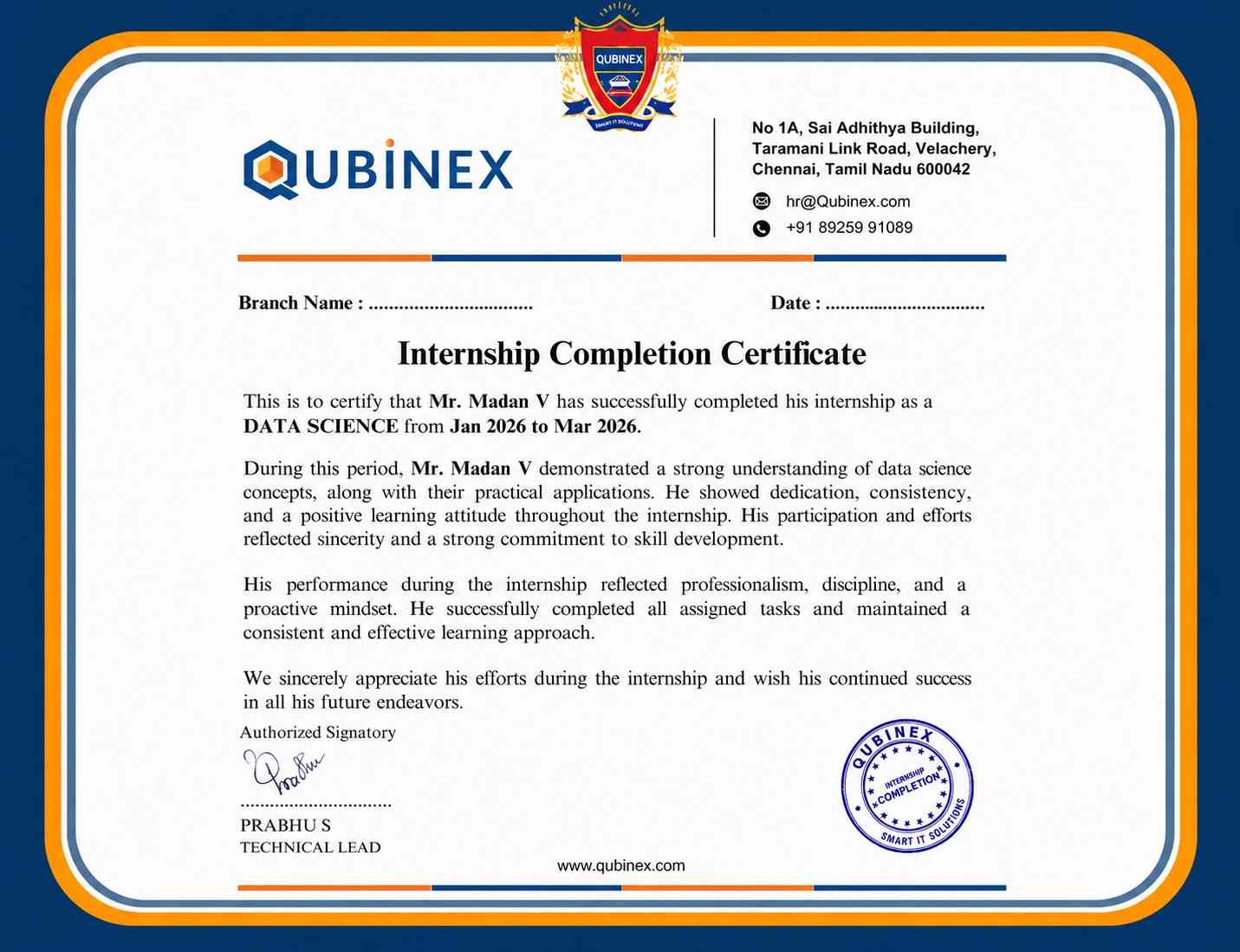
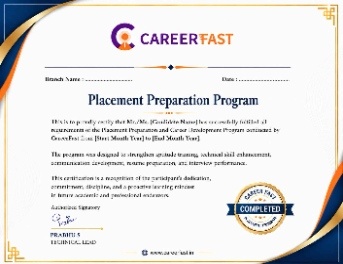
- Validates expertise in immersive design and AR/VR application development.
- Boosts career growth in gaming, simulation, and 3D visualization sectors.
- Enhances skills in Unity, Unreal, and AI integration.
- Provides exposure to live projects and metaverse development.
- Gain hands-on experience in real-world projects.
- Learn from industry professionals with practical exposure.
- Master advanced tools and frameworks used globally.
- Access placement and certification support.
While certification doesn’t guarantee a job, it boosts employability by showcasing technical skills, creativity, and project-based experience. Combined with placement support, it enhances opportunities in AR/VR startups, design studios, and tech firms.
Basic knowledge of programming, 3D modeling, and user experience design helps in preparation. Candidates should also understand Unity or Unreal Engine environments.
- Understand core AR/VR concepts and tools.
- Develop multiple projects in Unity or Unreal.
- Practice real-world case studies and scenarios.
- Review mock tests and certification guides.
- Focus on spatial design and interactive features.
Yes, online and offline certification exams are available through authorized centers. Students can schedule their tests flexibly and appear remotely.
- Basic technical knowledge and creativity in design.
- Interest in 3D, gaming, or interactive environments.
- Familiarity with visual scripting or coding logic.
- Enthusiasm for immersive learning and innovation.
Yes. The AR VR Technologies Course in Anna Nagar provides high-demand skills for the next generation of developers, designers, and creators. With practical exposure, certification, and placement support, it prepares learners for success in immersive technology industries.
Frequently Asked Questions
- No, beginners with a creative and technical mindset can start from scratch.
- AR/VR design
- Development
- 3D modeling
- Scripting
- Real-time deployment.
- Students build professional portfolios with project showcases and live demos.
- Yes, an industry-recognized certificate is awarded upon successful completion.
- Yes, professionals can pursue roles in gaming, simulation, metaverse design, and visualization industries.
