
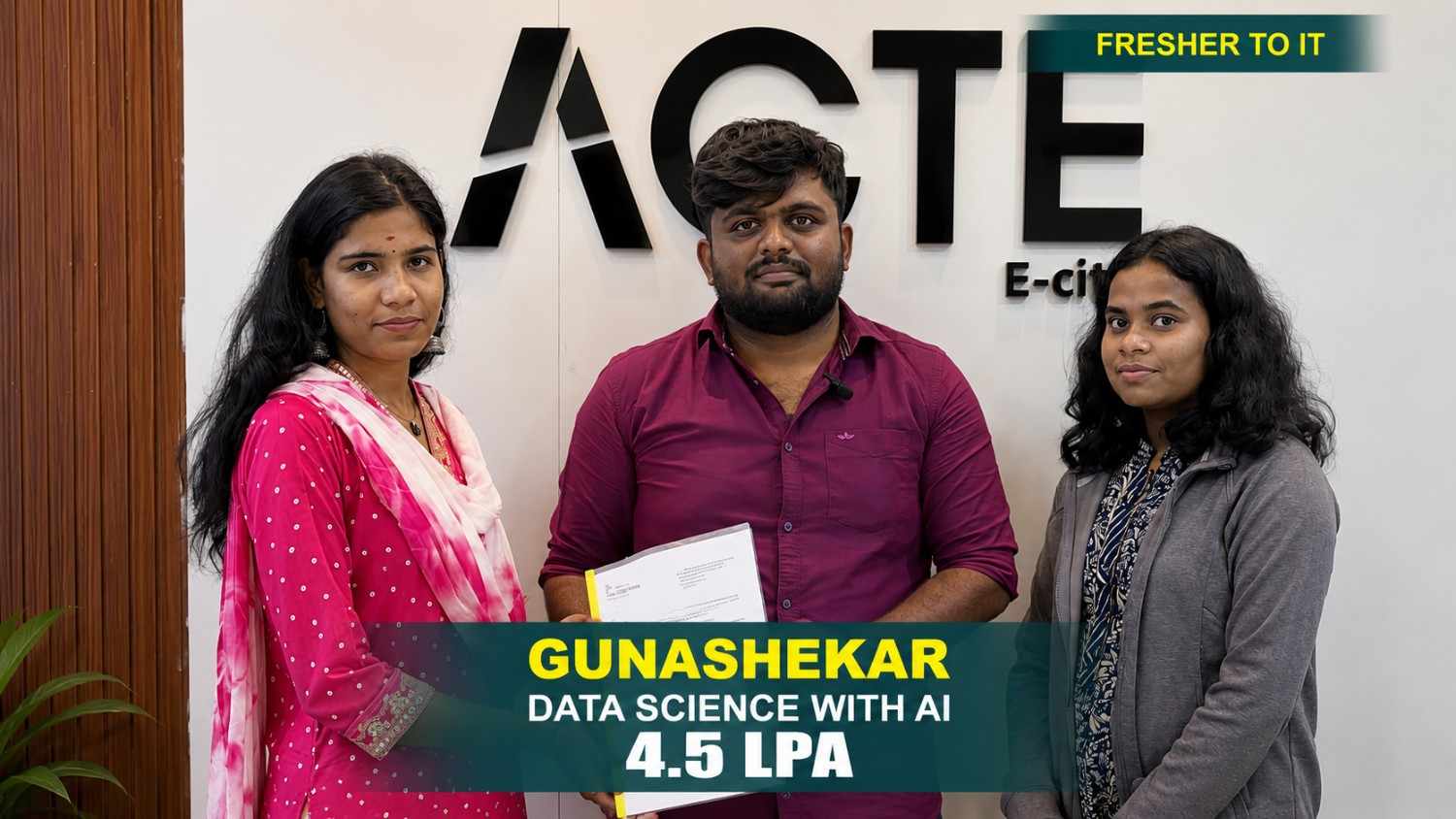
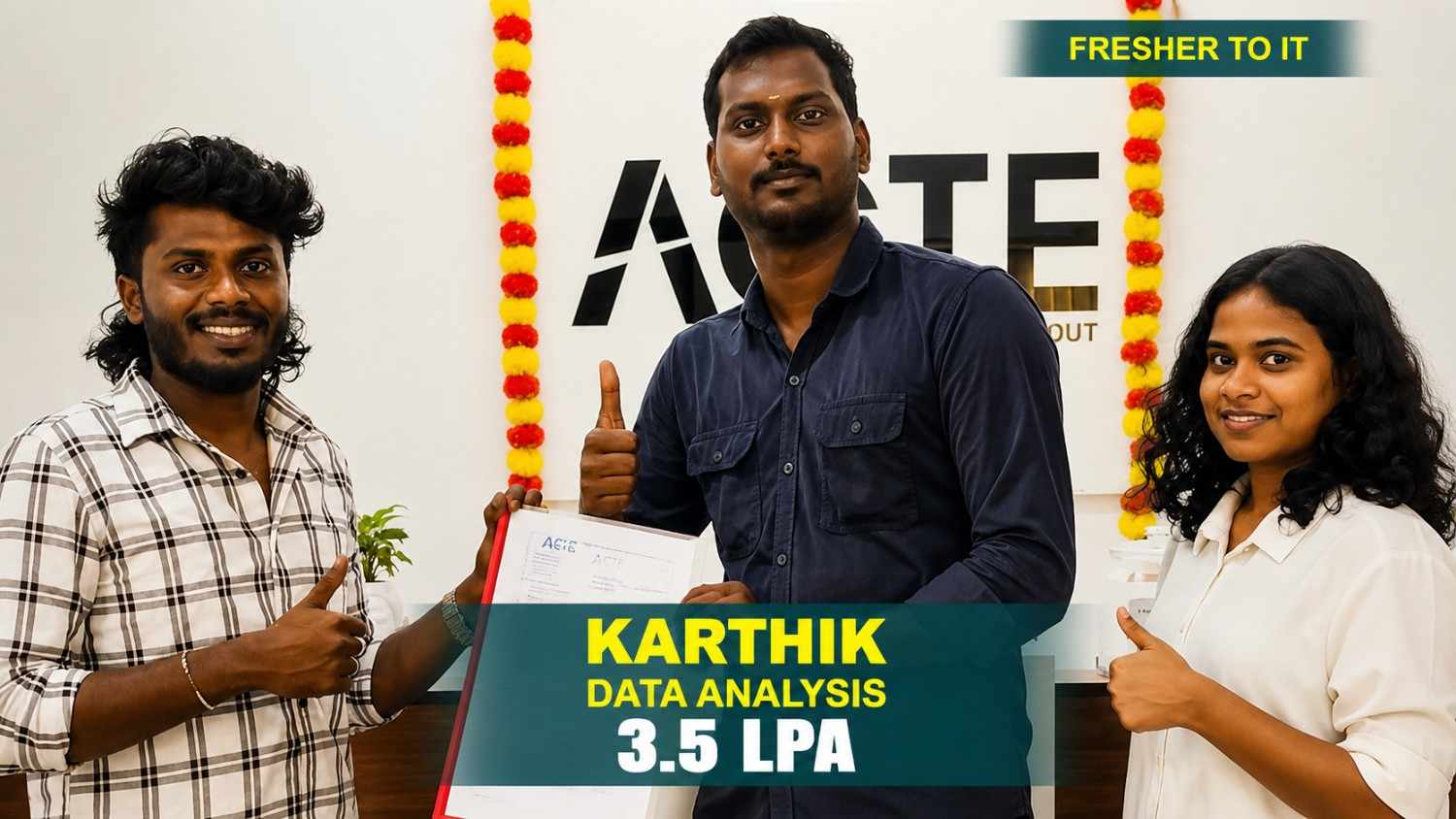
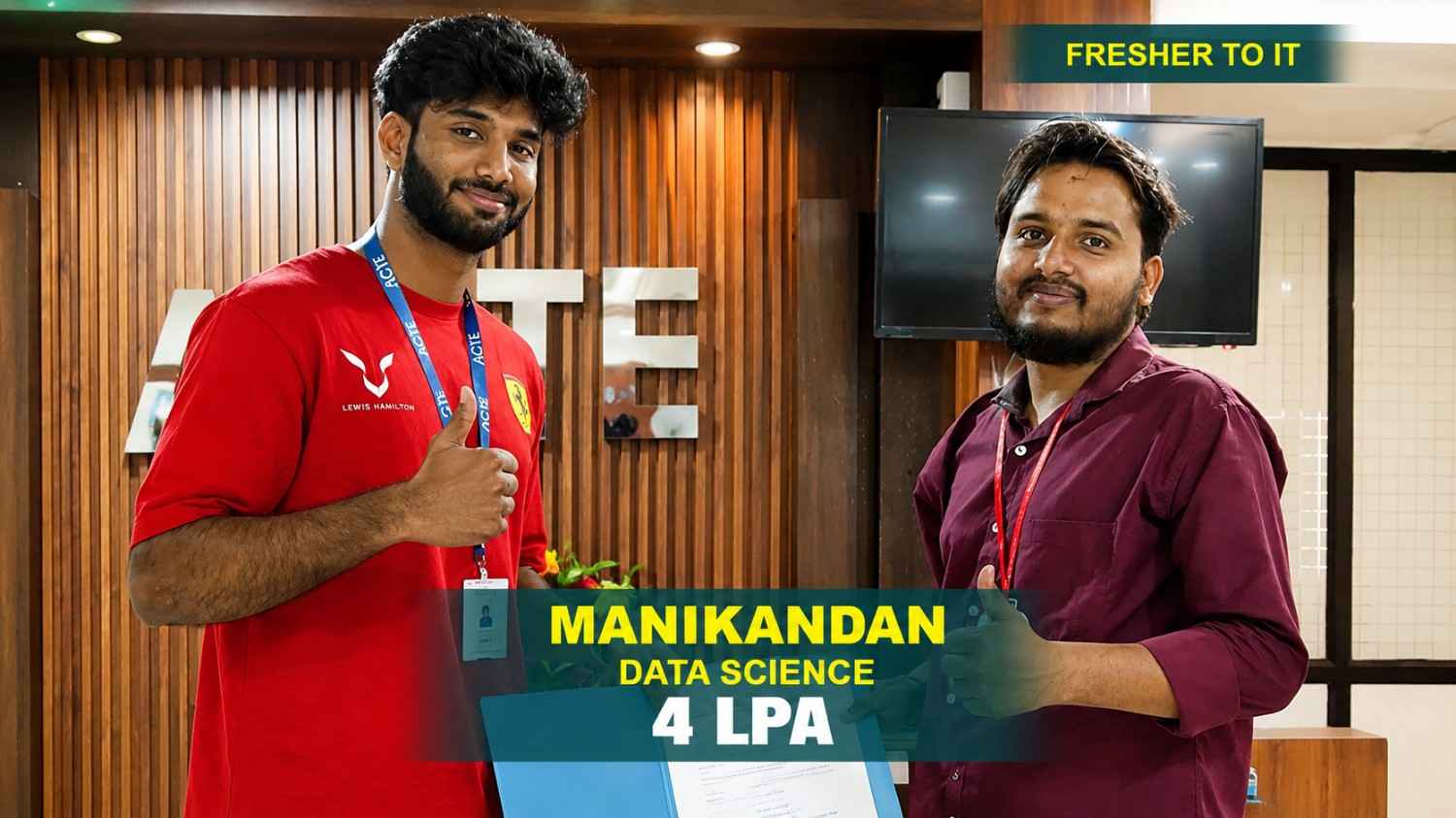
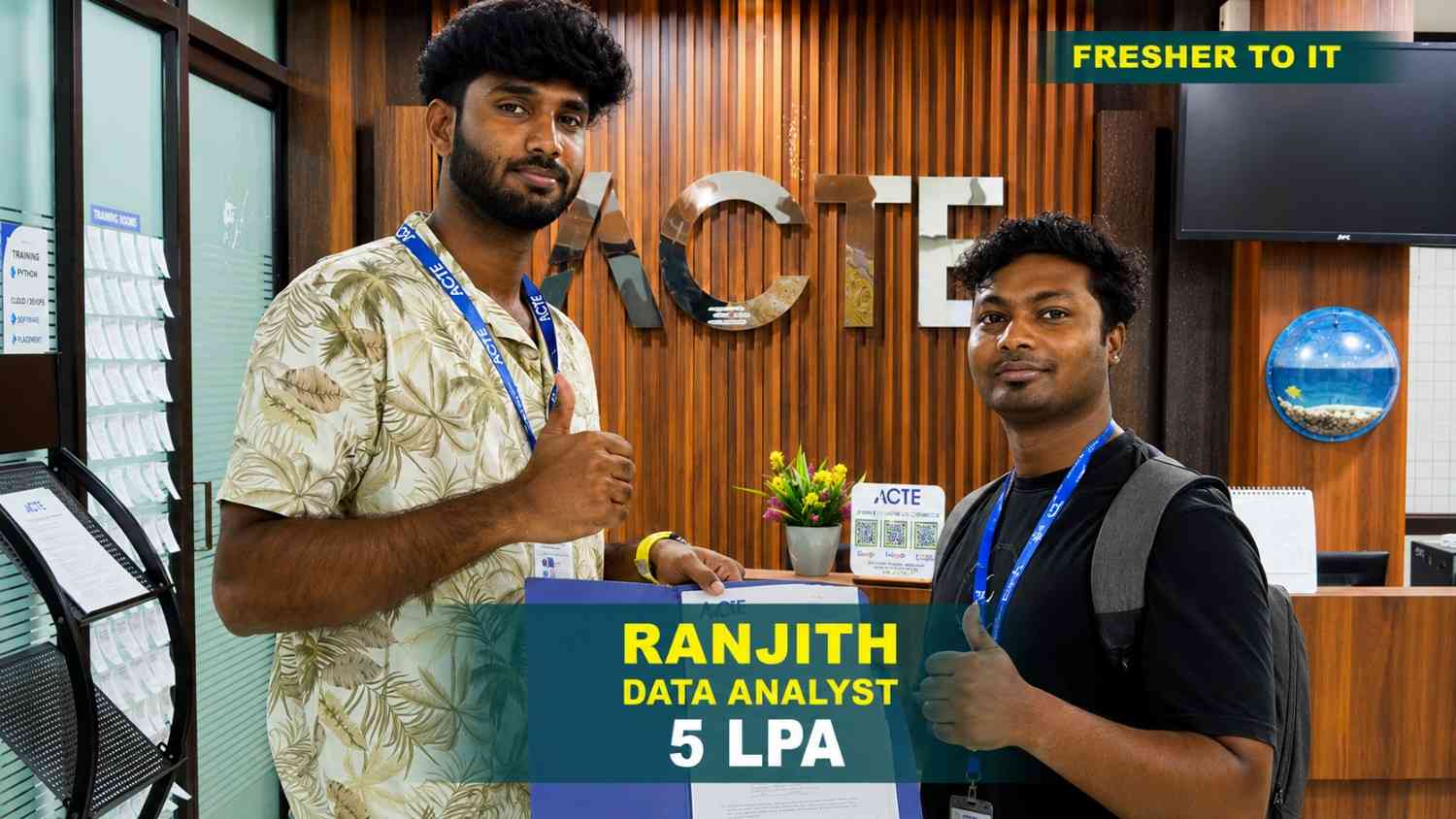
550+ Students Placed Every Month Be The Next!
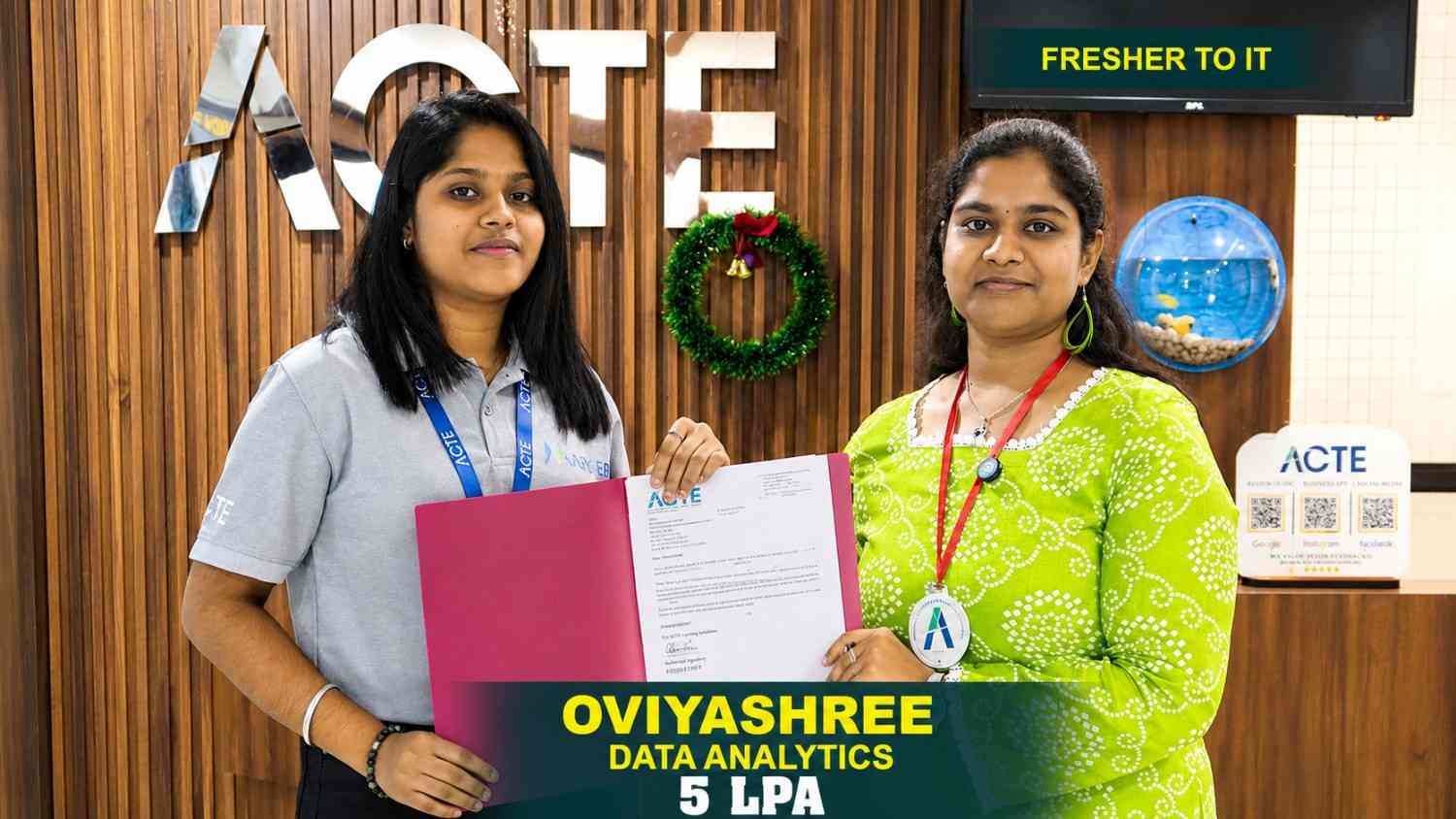
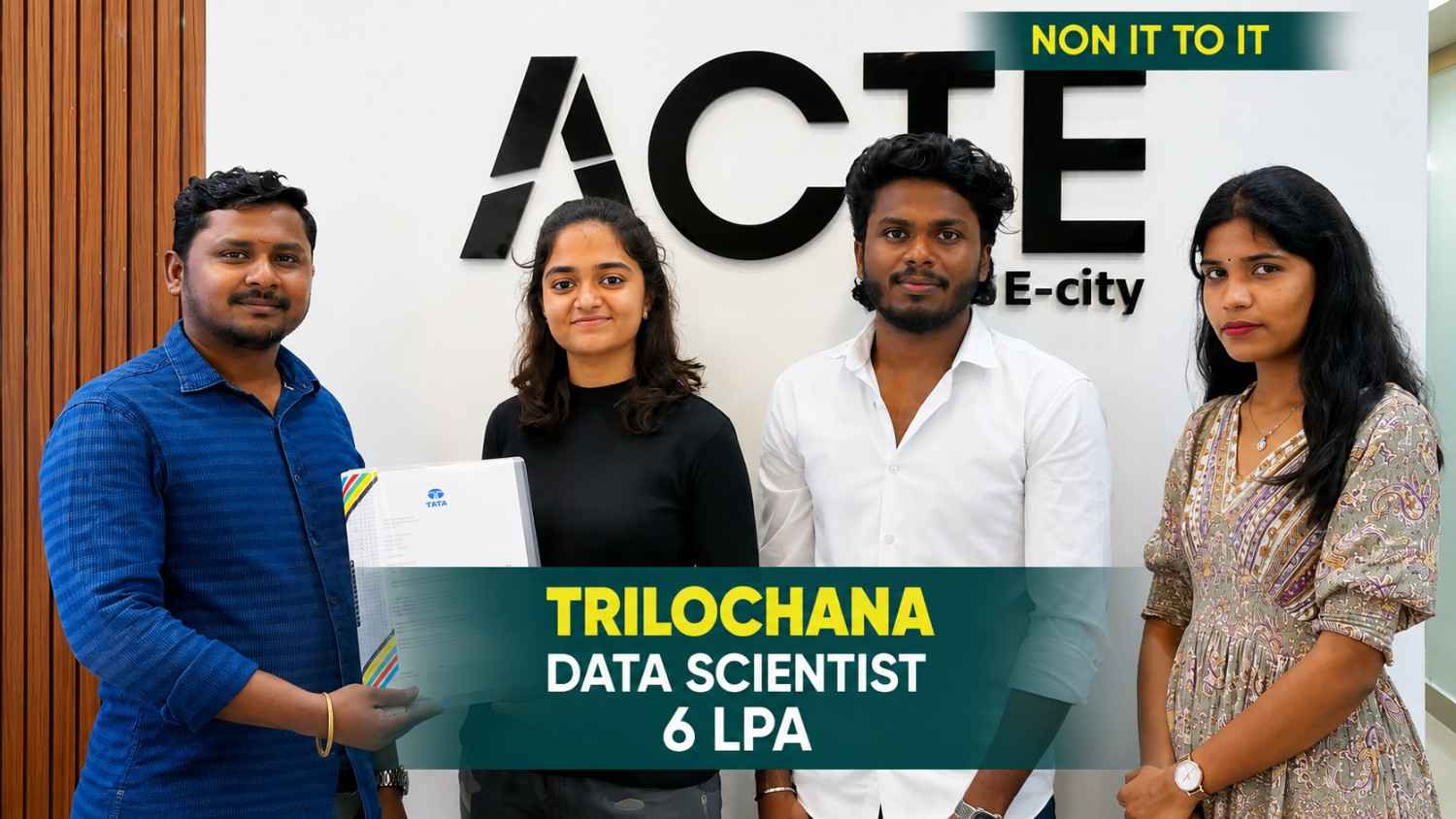
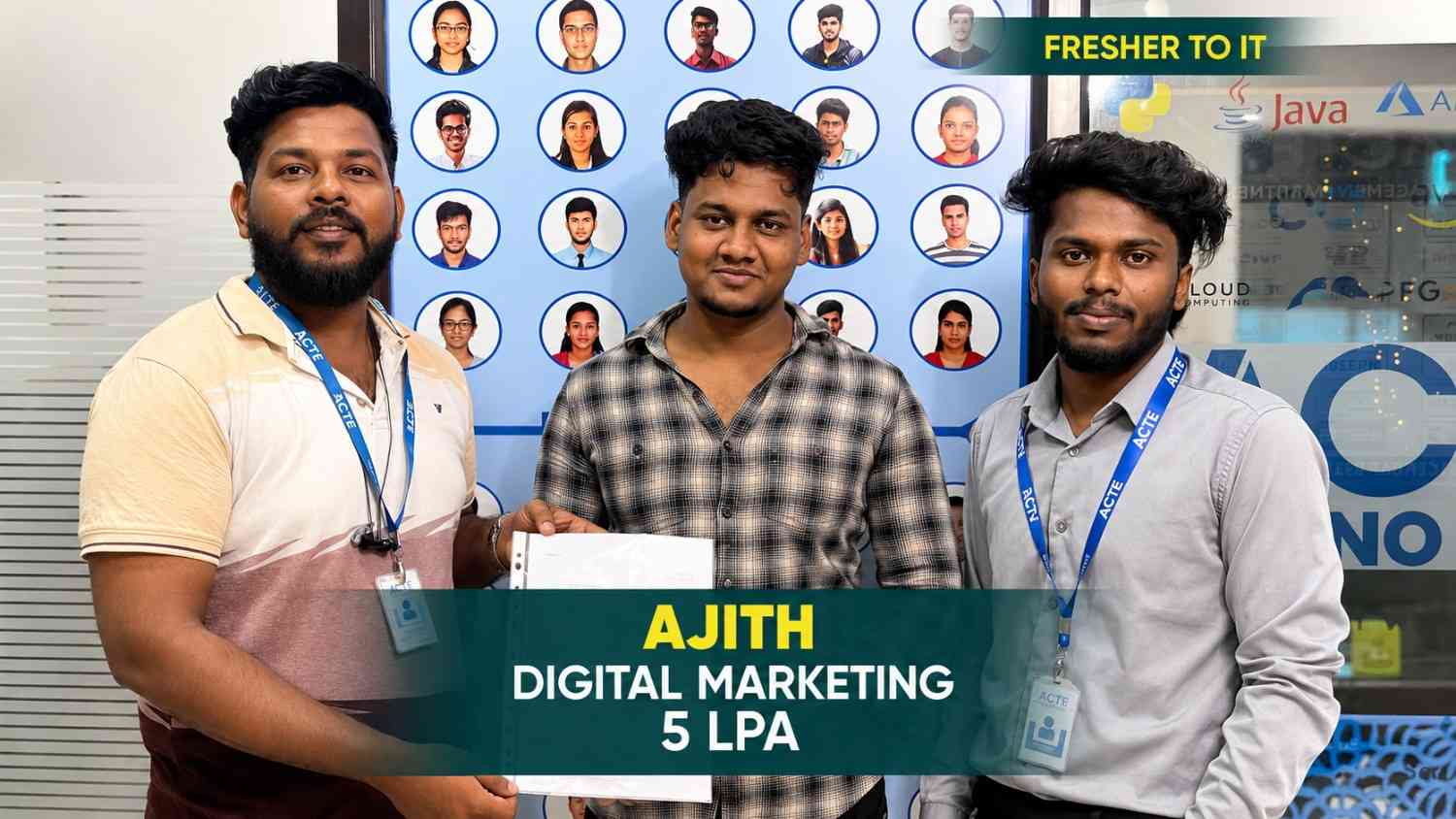
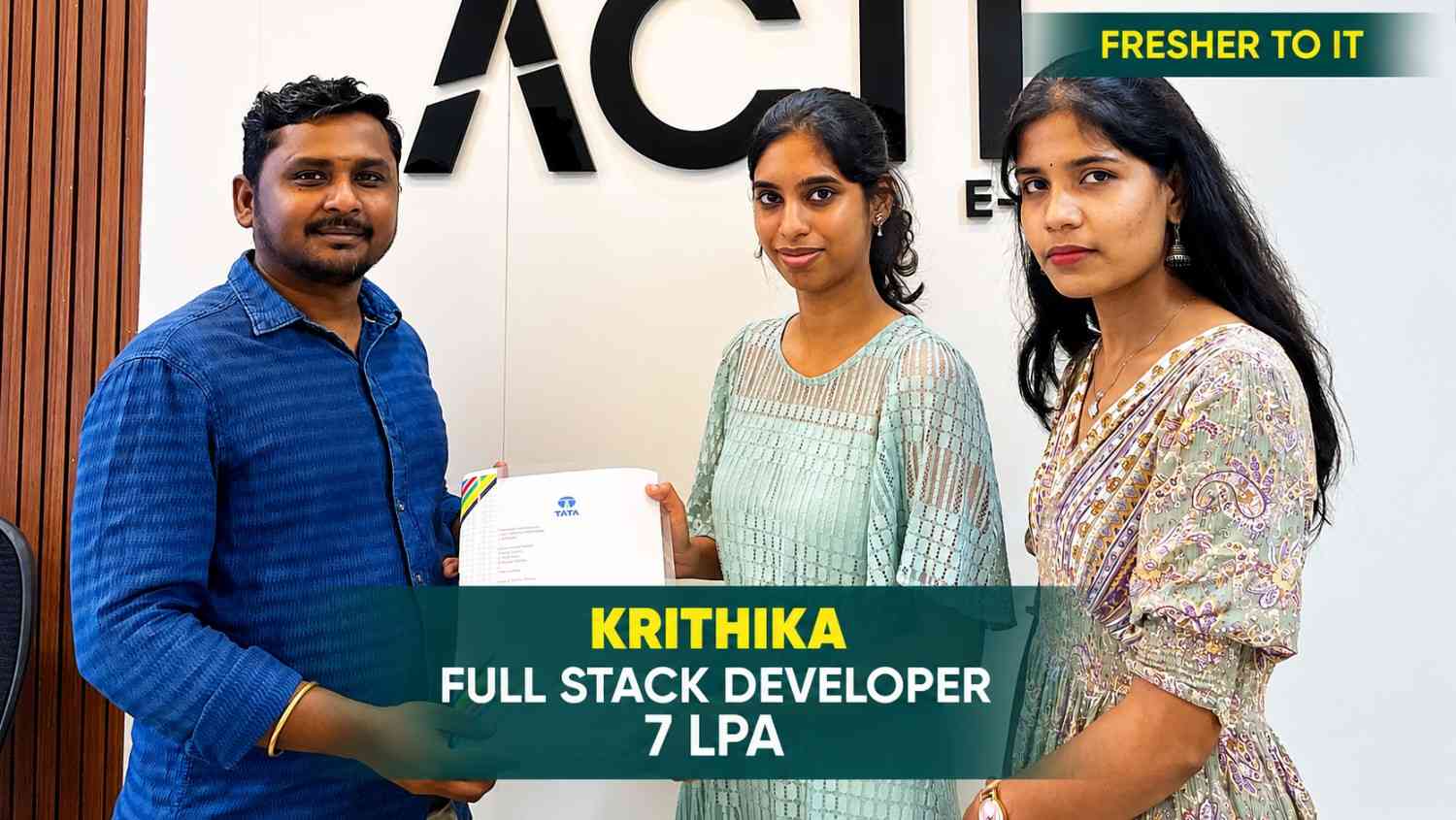


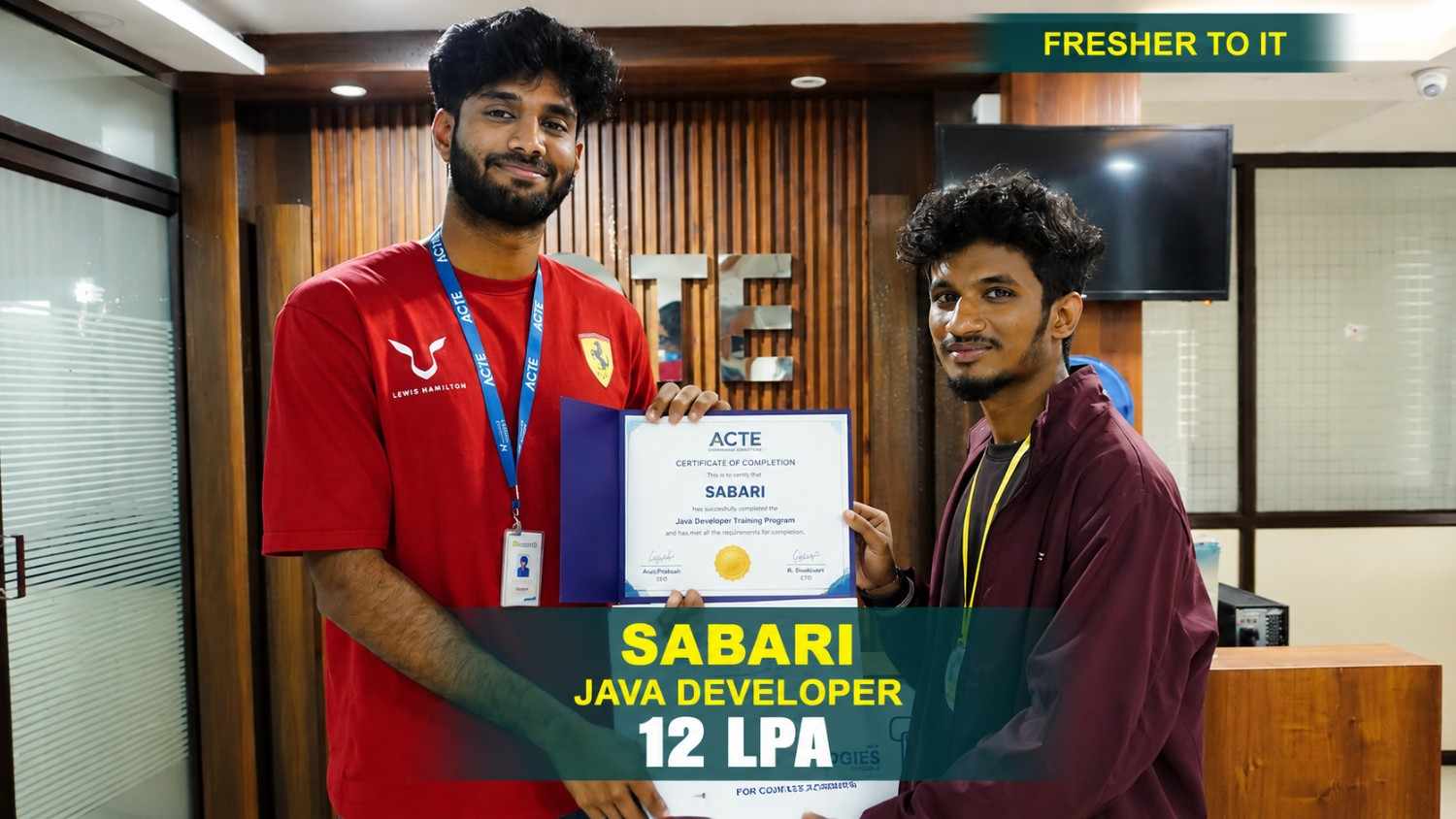

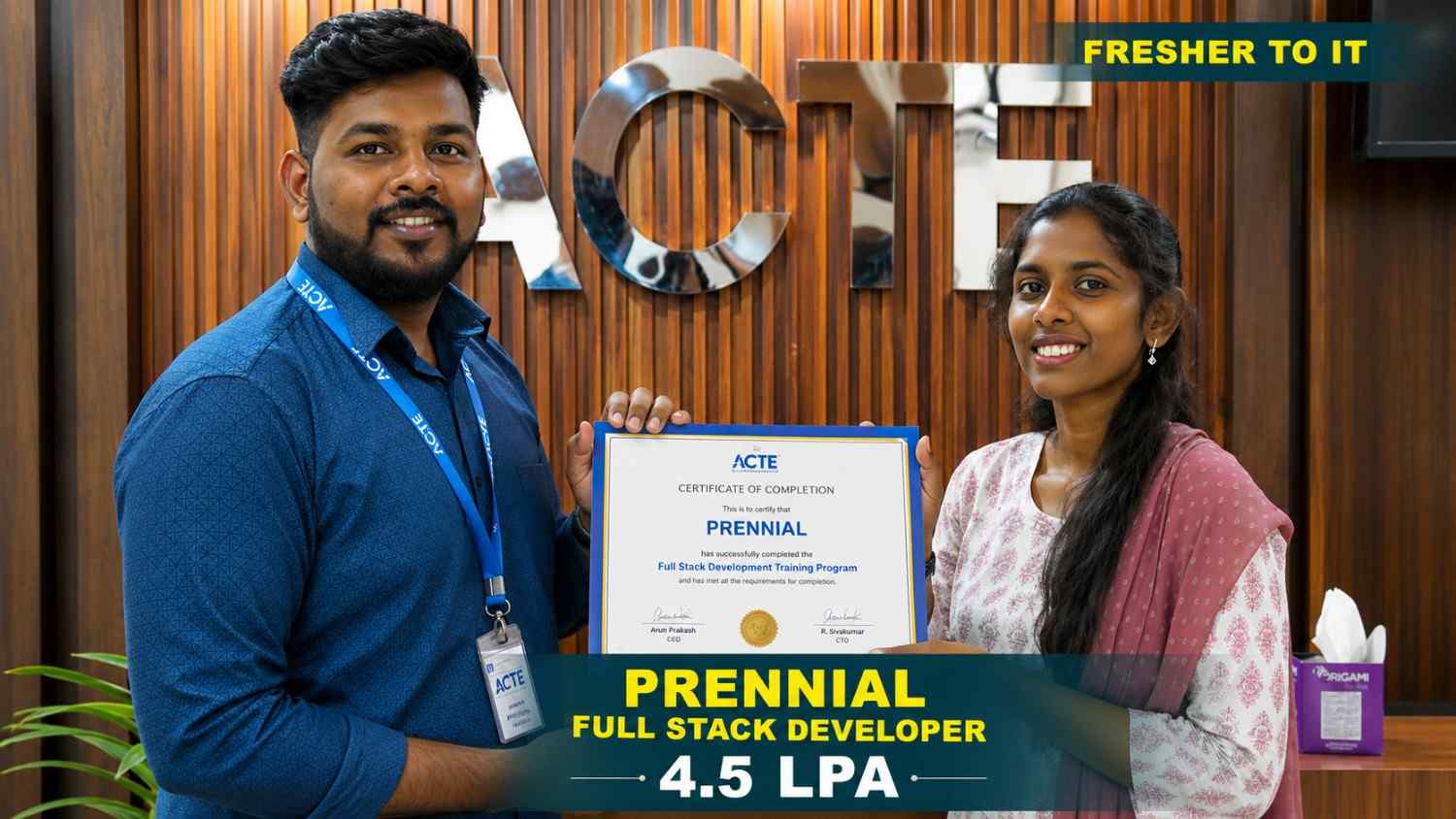
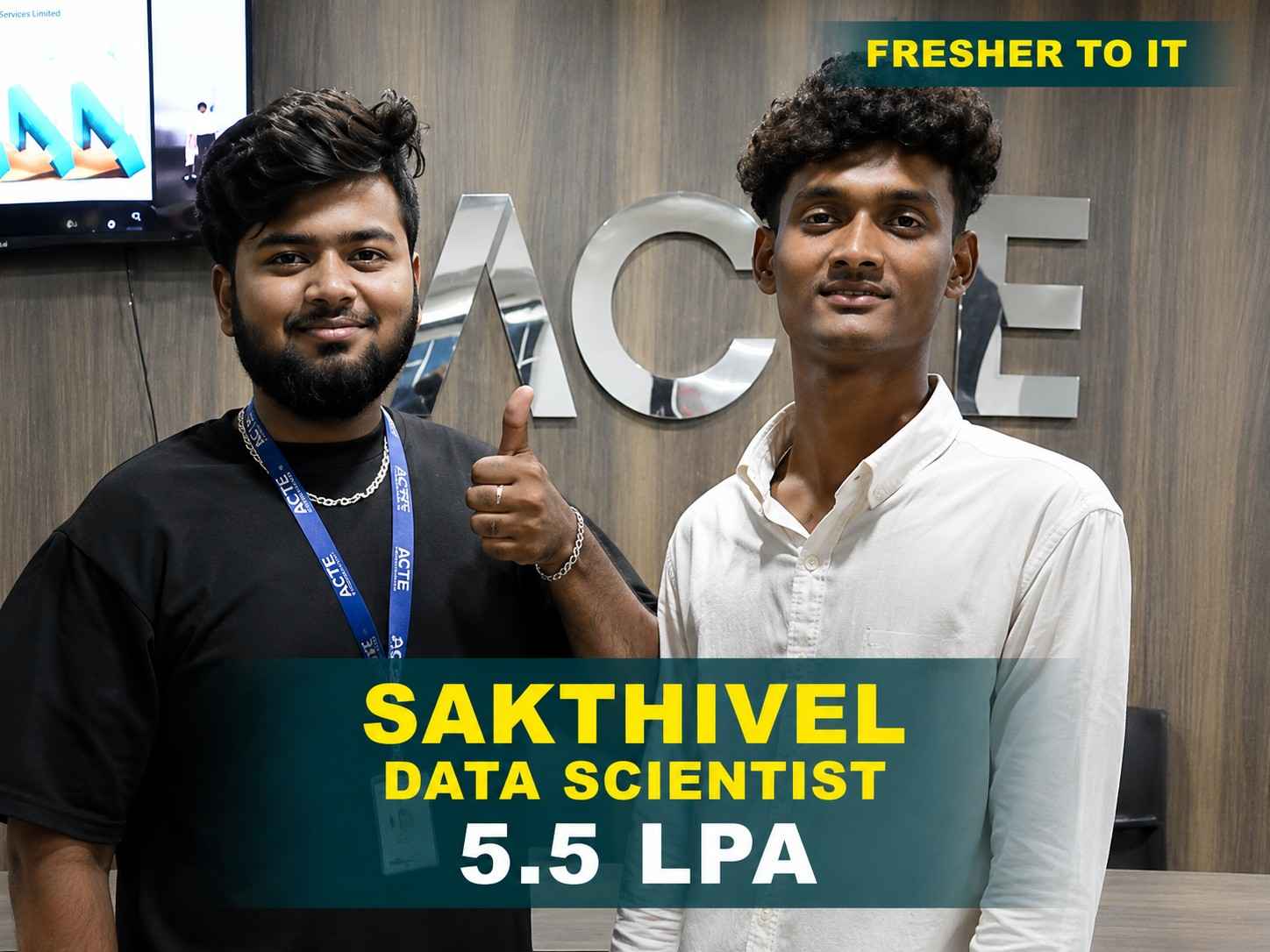
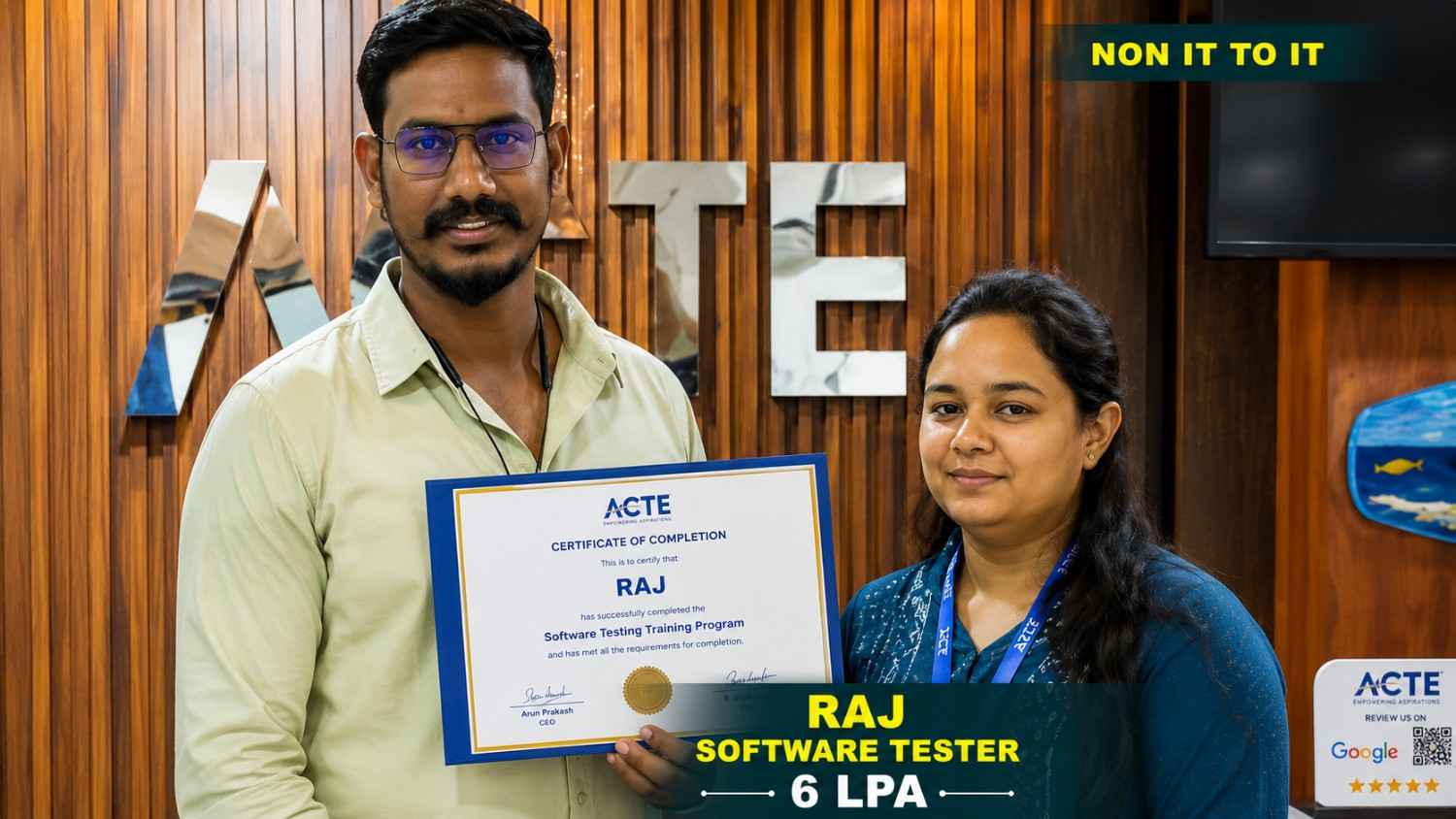
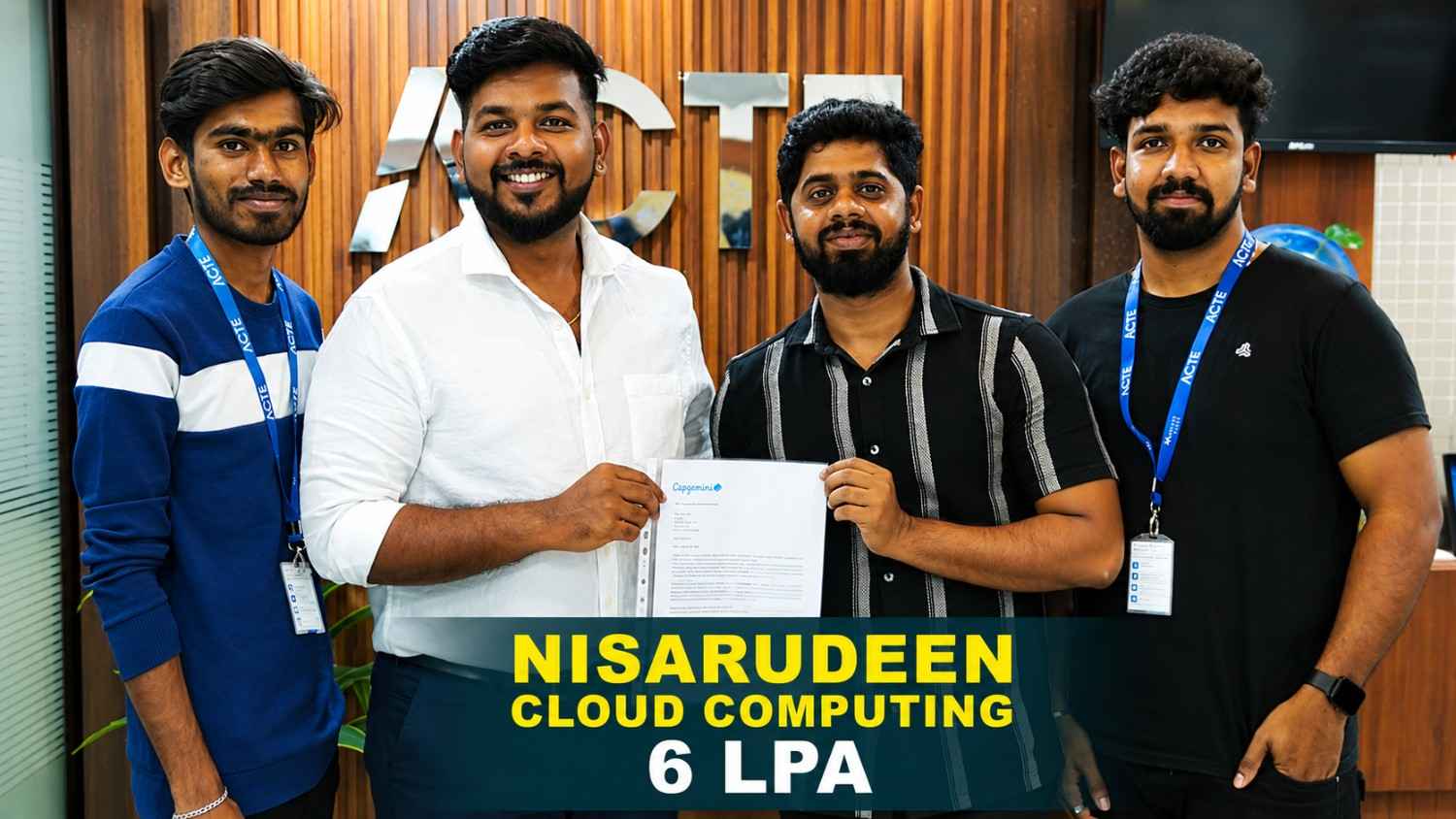
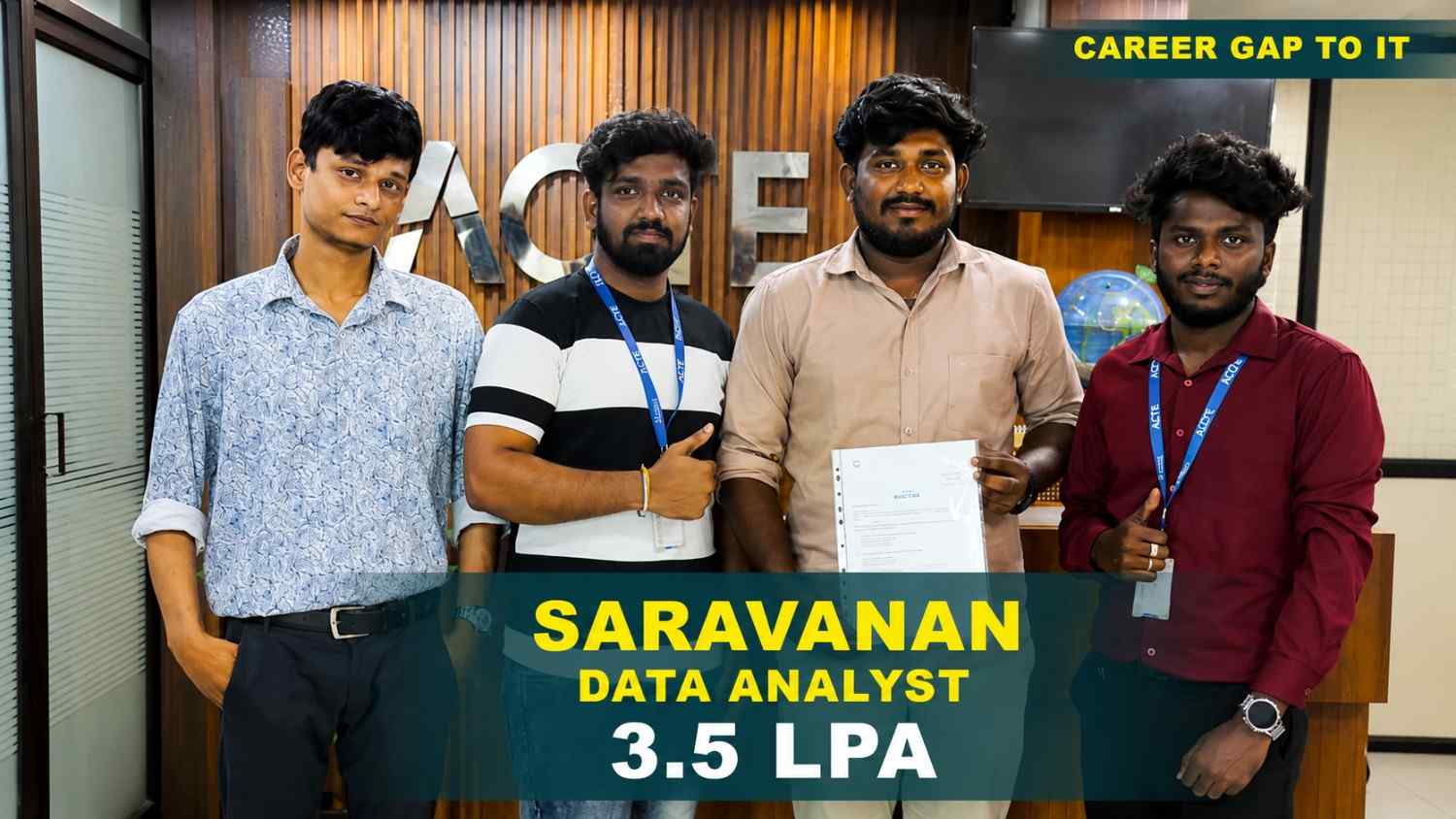

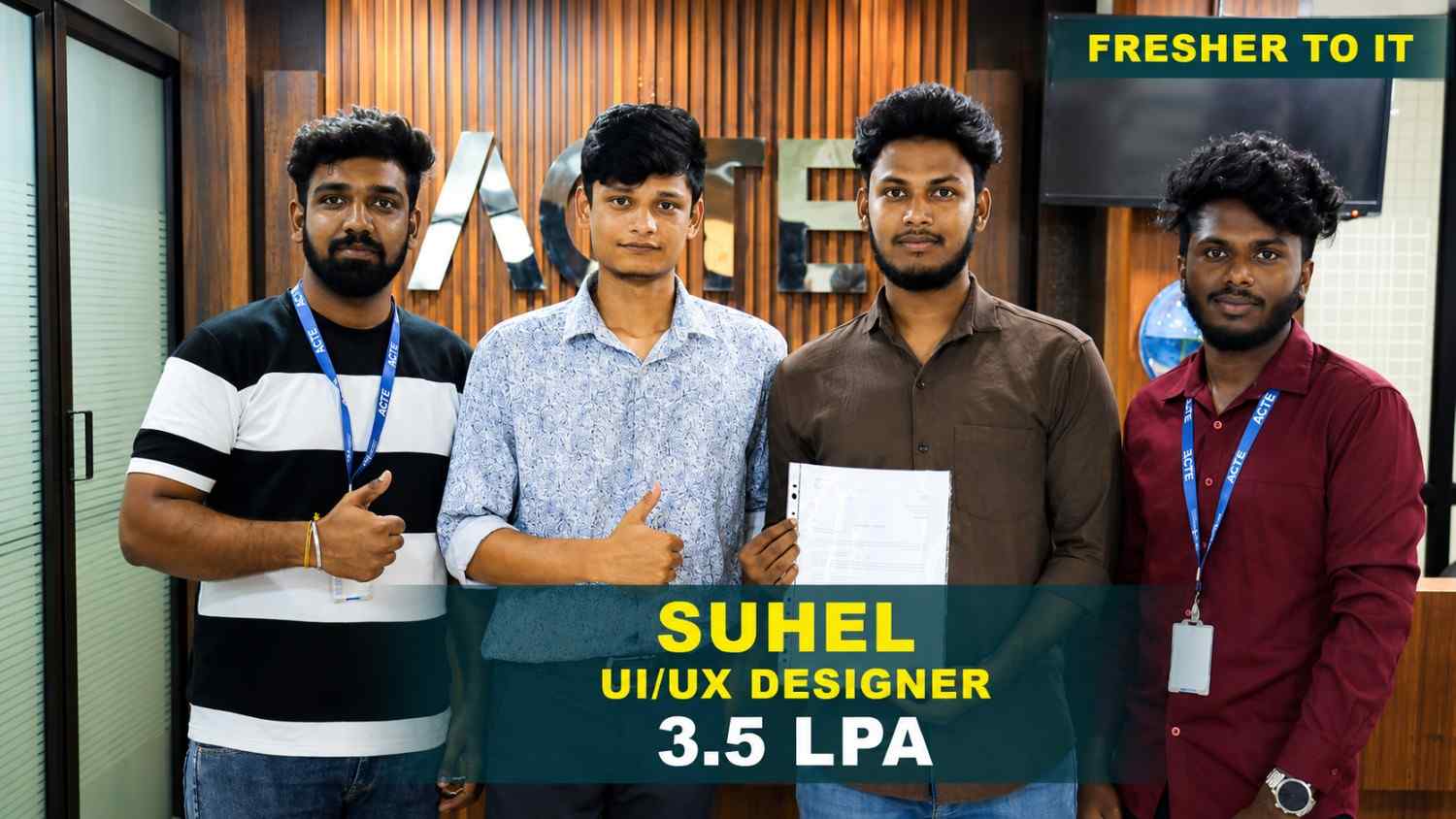
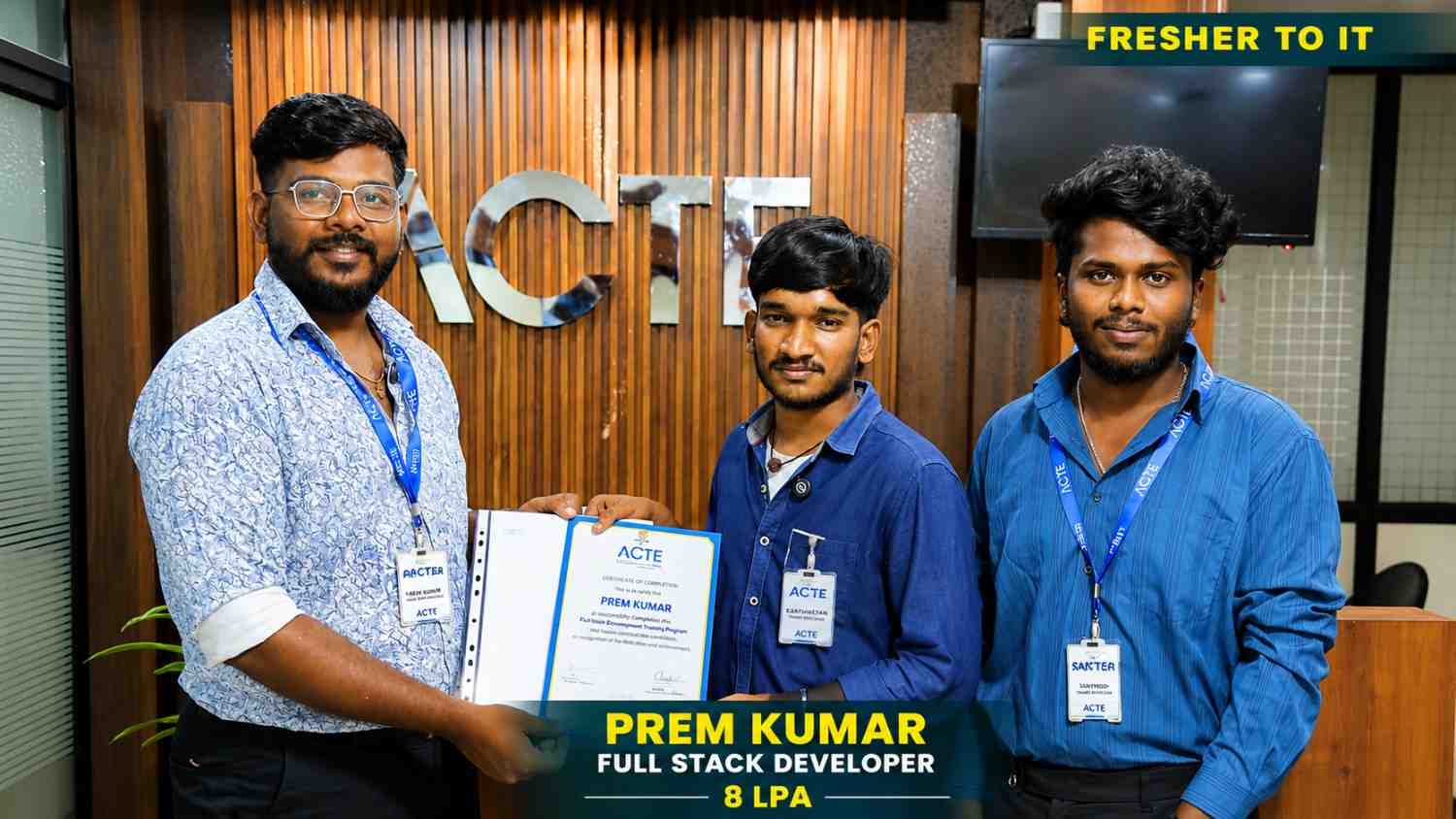
Our Hiring Partners

Curriculum Designed By Experts
Expertly designed curriculum for future-ready professionals.
Industry Oriented Curriculum
An exhaustive curriculum designed by our industry experts which will help you to get placed in your dream IT company
-
30+ Case Studies & Projects
-
9+ Engaging Projects
-
10+ Years Of Experience
Android Training Projects
Become a Android Expert With Practical and Engaging Projects.
- Practice essential Tools
- Designed by Industry experts
- Get Real-world Experience
Simple Calculator App
This project introduces students to Android UI elements such as buttons, text fields, and event handling for performing basic arithmetic operations.
To-Do List App
A basic task management application that helps users add, edit, and delete tasks using simple UI components and local storage with SharedPreferences.
Weather App
Students learn how to integrate an API by fetching weather data and displaying real-time weather updates using OpenWeather API.
Expense Tracker App
A personal finance tracking app that allows users to log their expenses and view reports using SQLite or Room Database.
Chat Messaging App
Students work on real-time messaging functionality, integrating Firebase for authentication and real-time database storage.
Music Streaming App
A project that helps students learn media playback, background services, and working with third-party APIs to fetch and play music.
E-Commerce App
A fully functional shopping app with product listings, cart management, payment gateway integration, and Firebase authentication.
Ride-Sharing App
Students develop a location-based app that integrates Google Maps, real-time tracking, Firebase, and user authentication.
AI-Powered Chatbot App
A chatbot that utilizes Natural Language Processing (NLP) with Dialogflow API for answering user queries in a conversational way.
Career Support
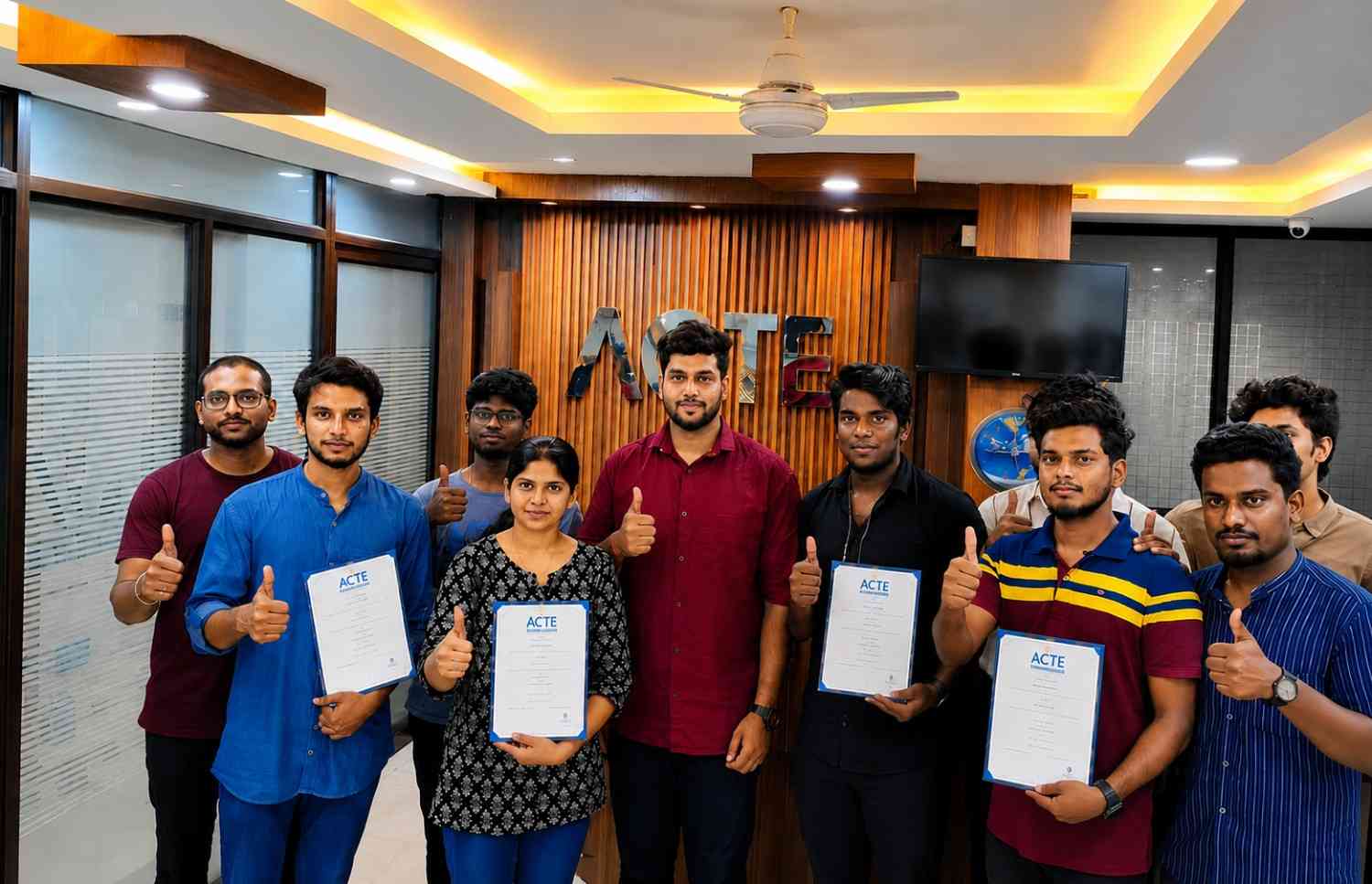

Placement Assistance

Exclusive access to ACTE Job portal

Mock Interview Preparation

1 on 1 Career Mentoring Sessions

Career Oriented Sessions

Resume & LinkedIn Profile Building
Key Features

Practical Training

Global Certifications

Flexible Timing

Trainer Support

Study Material

Placement Support

Mock Interviews

Resume Building
Upcoming Batches
What's included

 Free Aptitude and
Technical Skills Training
Free Aptitude and
Technical Skills Training
- Learn basic maths and logical thinking to solve problems easily.
- Understand simple coding and technical concepts step by step.
- Get ready for exams and interviews with regular practice.

 Hands-On Projects
- Work on real-time projects to apply what you learn.
- Build mini apps and tools daily to enhance your coding skills.
- Gain practical experience just like in real jobs.

 AI Powered Self
Interview Practice Portal
AI Powered Self
Interview Practice Portal
- Practice interview questions with instant AI feedback.
- Improve your answers by speaking and reviewing them.
- Build confidence with real-time mock interview sessions.

 Interview Preparation
For Freshers
Interview Preparation
For Freshers
- Practice company-based interview questions.
- Take online assessment tests to crack interviews
- Practice confidently with real-world interview and project-based questions.

 LMS Online Learning
Platform
LMS Online Learning
Platform
- Explore expert trainer videos and documents to boost your learning.
- Study anytime with on-demand videos and detailed documents.
- Quickly find topics with organized learning materials.
- Learning strategies that are appropriate and tailored to your company's requirements.
- Live projects guided by instructors are a characteristic of the virtual learning environment.
- The curriculum includes of full-day lectures, practical exercises, and case studies.

Andriod Training Overview
Career Opportunities for Android Training in OMR
Android Development Course with Placement in OMR are considered some of the most in-demand skills in the mobile application development field. With billions of Android devices in use worldwide, skilled Android developers have access to a wide range of job opportunities. A certified Android developer might work as a mobile app developer, tasked with the design and creation of Android applications for various industries, such as business, gaming, social networking, and e-commerce. Many developers also take on positions as UI/UX designers, focusing on creating user-friendly and visually appealing mobile applications. Moreover, Android developers can specialize in backend integration, working with APIs, cloud services, and databases to develop scalable mobile applications.
Prerequisites for Android Course Training in OMR
- Foundational Programming Skills: Before diving into Android development, it's essential to have a basic understanding of core programming concepts such as variables, loops, conditionals, and object-oriented programming. While not mandatory, familiarity with Java or Kotlin is highly advantageous since these are the primary languages used in Android development.
- Essential Hardware: A personal computer or laptop is a critical requirement for anyone planning to pursue Android app development. It should have sufficient RAM (preferably 8GB or more), a decent processor (Intel i5 or equivalent), and ample storage to install and run development tools like Android Studio smoothly.
- Operating System Compatibility: Your development system should run on a supported operating system—Windows, macOS, or Linux. These platforms are fully compatible with Android Studio and the Android SDK, which are required for building, testing, and deploying applications. Ensuring the operating system is up-to-date and configured correctly helps avoid installation issues and software conflicts during development.
- Understanding XML for UI Design: A basic knowledge of XML (Extensible Markup Language) can be incredibly useful for designing Android app interfaces. In Android development, XML is used to define UI elements such as buttons, text fields, layouts, and menus.
- Genuine Interest in Mobile App Development: A successful learning journey in Android development starts with a strong personal interest in mobile applications. Enthusiasm for building apps, exploring mobile technologies, and solving real-world problems with creative solutions can greatly enhance motivation and engagement throughout the course.
- Commitment and Dedication: Learning Android development requires a commitment to attend classes, complete assignments, and consistently practice coding. Regular engagement with the course content ensures that learners gradually build the necessary technical expertise. Setting aside dedicated time for self-study, project work, and peer collaboration can make a significant difference in mastering the skills required.
- Stable Internet Connectivity: Reliable internet access is essential for downloading development tools like Android Studio, accessing SDK updates, and participating in online learning sessions. It also enables students to collaborate on cloud-based platforms, watch tutorial videos, access learning portals, and interact with instructors and peers.
Prerequisites for Android Training in OMR
Enrolling in an Android training program in OMR lays a solid groundwork for creating innovative mobile applications and obtaining lucrative roles in the technology industry. With the increasing demand for Android applications, companies and startups require skilled developers to create mobile solutions. Gaining expertise in Android development opens doors to various career options, including positions with international firms, freelancing, or starting personal projects. Proficiency in Android programming is a skill that remains applicable, particularly with continuous advancements in artificial intelligence, the Internet of Things, and cloud technologies. The Android development environment is constantly evolving, offering an exciting field abundant in learning opportunities. The ability to develop mobile applications enables developers to transform ideas into real solutions, reaching millions of users around the globe. Additionally, the financial benefits linked to Android development are significant, with roles providing competitive salaries and growth prospects. Whether your aspiration is to operate in a corporate setting, engage in freelancing, or establish your own business, gaining expertise in Android development is a valuable and fulfilling investment in your career path.
Latest Trends and Techniques in Android Development Program in OMR
- Latest Techniques in Android Development: The Android ecosystem has undergone significant advancements, introducing new tools, frameworks, and best practices to improve app performance and developer efficiency.
- Kotlin The Preferred Language for Android Development: Google officially adopted Kotlin as the primary Android development language in 2017, and its usage has skyrocketed.
- MVVM & Clean Architecture: Android developers follow structured architectural patterns like MVVM (Model-View-ViewModel) and Clean Architecture to improve scalability and maintainability.
- Android App Bundles: Android App Bundles (AAB) have replaced traditional APKs as the new publishing format.Smaller App Size – Only necessary resources are included for the user’s device.
- Machine Learning & AI in Android: Developers are integrating AI capabilities using TensorFlow Lite and ML Kit to create intelligent mobile applications.
Essential Tools for Android Certification Course
The Android Development Course with Placement in OMR utilizes a range of tools intended to facilitate the creation, testing, and deployment of high-quality mobile applications. Android Studio acts as the official IDE, providing a comprehensive array of features such as a robust code editor, real-time previews, and an integrated emulator for app testing. The programming language Kotlin has emerged as the favored choice for Android development because of its simplicity, safety, and performance advantages over Java. Moreover, Jetpack Compose is a contemporary toolkit that eases the process of creating responsive user interfaces with minimal code. For backend services, Firebase offers cloud-based solutions such as real-time databases, authentication, and analytics, which enhance scalability. To perform networking tasks, developers depend on libraries like Retrofit and Volley for making API calls and managing data retrieval. Finally, Room Database, part of the Jetpack suite, simplifies database management by providing an abstraction layer over SQLite, thereby improving development efficiency. Collectively, these tools enable developers to build dynamic, scalable, and efficient Android applications.
Career Opportunities After Android Training
Android App Developer
An Android App Developer is responsible for designing, coding, testing, and maintaining mobile applications for the Android platform. They work with programming languages such as Kotlin and Java, utilizing Android Studio as the primary development environment.
Android UI/UX Designer
An Android UI/UX Designer focuses on creating intuitive, visually appealing, and user-friendly interfaces for Android applications. They work closely with developers to design interactive layouts using XML, Jetpack Compose, or third-party design tools like Figma and Adobe XD.
Android Software Engineer
An Android Software Engineer is involved in the end-to-end development of Android applications, ensuring high performance, security, and scalability. They develop complex features such as machine learning-based recommendations, real-time notifications, and cloud-based.
Android Game Developer
An Android Game Developer specializes in building interactive mobile games using game engines such as Unity or Unreal Engine, with C# or C++ as primary languages. They create engaging 2D and 3D gaming experiences, focusing on gameplay mechanics, physics simulations.
Android Security Engineer
An Android Security Engineer ensures the safety of mobile applications by identifying and mitigating security vulnerabilities. They focus on data encryption, secure authentication methods, API security, and protection against threats such as malware, hacking, and reverse engineering.
Android IoT Developer
An Android IoT (Internet of Things) Developer creates mobile applications that interact with smart devices, wearables, and connected home automation systems. They work with IoT platforms, Bluetooth Low Energy (BLE), MQTT protocols, and cloud-based services to build applications.
Skill to Master
Android App Development
Android Studio
UI/UX Design for Android
Android Lifecycle Management
Database and Storage Solutions
Networking & API Integration
Multithreading and Asynchronous
Security Best Practices
Android Jetpack Components
Testing & Debugging
Google Play Store Deployment
IoT & Wearable Device Integration
Tools to Master
Adobe Photoshop
Adobe Illustrator
Adobe InDesign
CorelDRAW
Figma
Adobe XD
Adobe After Effects
Canva
Sketch
Affinity Designer
Blender
Procreate
Learn from certified professionals who are currently working.

Training by
Murali, having 8 yrs of experience
Specialized in: Android App Development, UI/UX Design, Mobile Security, and Cloud Integration.
Note: Murali is a seasoned Android developer and trainer with over a decade of experience in the mobile application development industry. She has worked with top tech companies, leading multiple Android app projects across different domains such as e-commerce, fintech, healthcare, and social networking.
Premium Training at Best Price
Affordable, Quality Training for Freshers to Launch IT Careers & Land Top Placements.
What Makes ACTE Training Different?
Feature
ACTE Technologies
Other Institutes
Affordable Fees
Competitive Pricing With Flexible Payment Options.
Higher Fees With Limited Payment Options.
Industry Experts
Well Experienced Trainer From a Relevant Field With Practical Training
Theoretical Class With Limited Practical
Updated Syllabus
Updated and Industry-relevant Course Curriculum With Hands-on Learning.
Outdated Curriculum With Limited Practical Training.
Hands-on projects
Real-world Projects With Live Case Studies and Collaboration With Companies.
Basic Projects With Limited Real-world Application.
Certification
Industry-recognized Certifications With Global Validity.
Basic Certifications With Limited Recognition.
Placement Support
Strong Placement Support With Tie-ups With Top Companies and Mock Interviews.
Basic Placement Support
Industry Partnerships
Strong Ties With Top Tech Companies for Internships and Placements
No Partnerships, Limited Opportunities
Batch Size
Small Batch Sizes for Personalized Attention.
Large Batch Sizes With Limited Individual Focus.
LMS Features
Lifetime Access Course video Materials in LMS, Online Interview Practice, upload resumes in Placement Portal.
No LMS Features or Perks.
Training Support
Dedicated Mentors, 24/7 Doubt Resolution, and Personalized Guidance.
Limited Mentor Support and No After-hours Assistance.
We are proud to have participated in more than 40,000 career transfers globally.

Android Certification

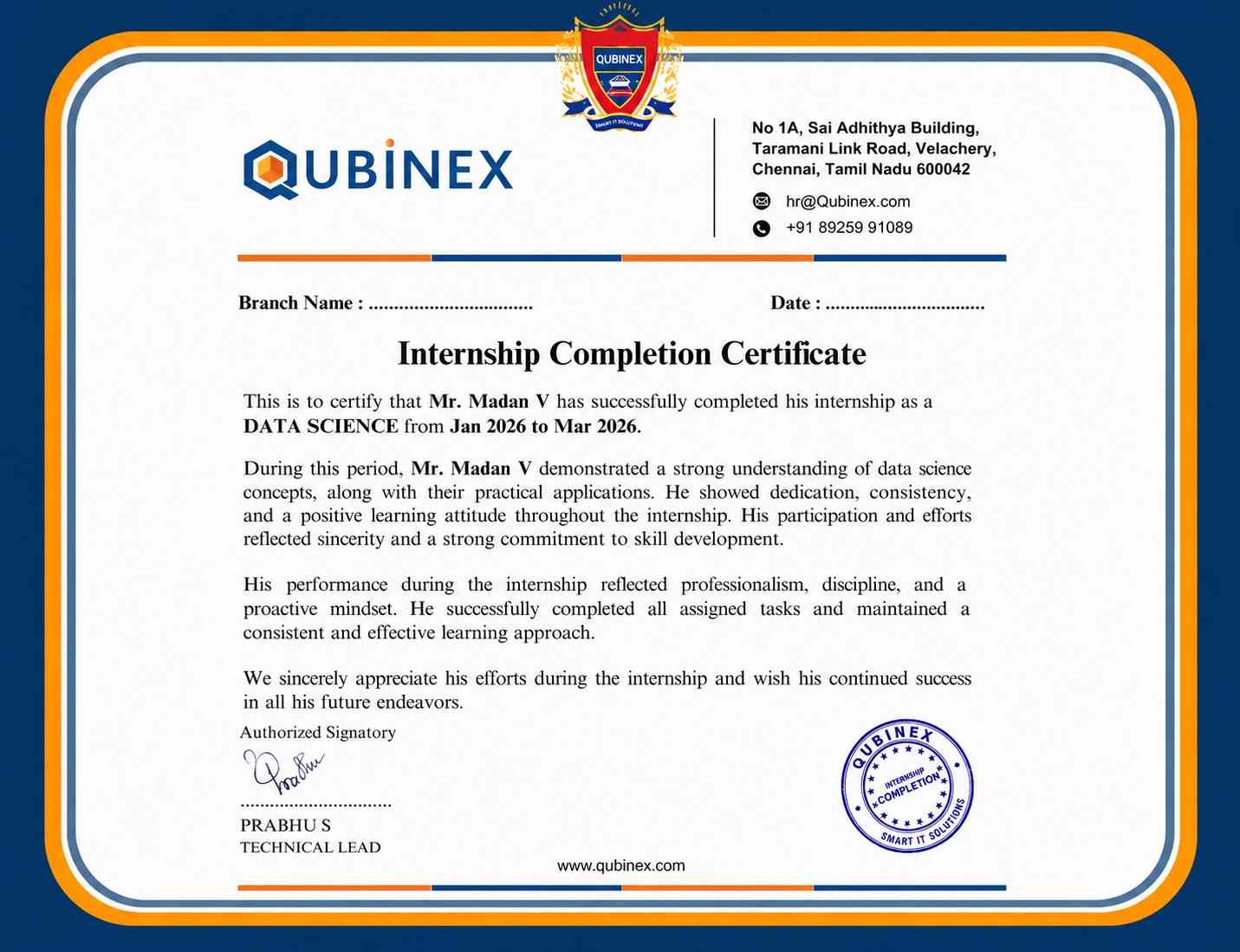
Many Android certifications do not strictly require real-world experience, but having some hands-on practice can be advantageous. Beginners can start with foundational courses that include practical exercises, coding challenges, and simulated projects to build a solid understanding.
An Android Training certification can significantly enhance your career prospects by validating your skills in mobile app development. With the growing demand for Android applications, certified professionals stand out in the competitive job market. This certification demonstrates your expertise in coding, UI/UX design, API integration, and app security, making you a valuable asset to employers.
Most entry-level Android certifications do not have strict prerequisites, making them accessible to beginners. However, having a basic understanding of Java or Kotlin, Android Studio, and mobile app development concepts is beneficial. Intermediate and advanced certifications may require prior experience with API integration, UI/UX design, and database management.
To earn an Android Training certification, you must first enroll in a structured training program that covers essential topics like Android architecture, UI development, database management, and security best practices. Most certification exams require candidates to complete a series of theoretical and practical assessments.
Frequently Asked Questions
- Yes, ACTE offers free demo sessions for prospective students to understand the course structure and teaching methodology.
- The demo session includes an overview of the syllabus, instructor introduction, and a brief hands-on session.
- ACTE instructors are industry professionals with extensive experience in Android development. They bring real-world expertise and provide hands-on training to help students gain practical skills. Many instructors have worked on enterprise-level applications and are certified experts in mobile app development technologies such as Kotlin, Java, and Android SDK.
- Yes, ACTE provides dedicated placement assistance to students who successfully complete the Android course. The placement support includes resume building, mock interviews, and access to job opportunities from hiring partners. ACTE has a strong network of recruiters and companies looking for certified Android developers.
- After completing the course, you will receive an industry-recognized certification from ACTE.
- The certification validates your Android development skills and enhances your job prospects.
- Yes, students work on live projects as part of the Android course curriculum. These projects are designed to provide real-world experience in developing, testing, and deploying Android applications. Working on live projects helps students understand the complete app development lifecycle, including UI/UX design, API integration, database management, and debugging.
