
550+ Students Placed Every Month Be The Next!




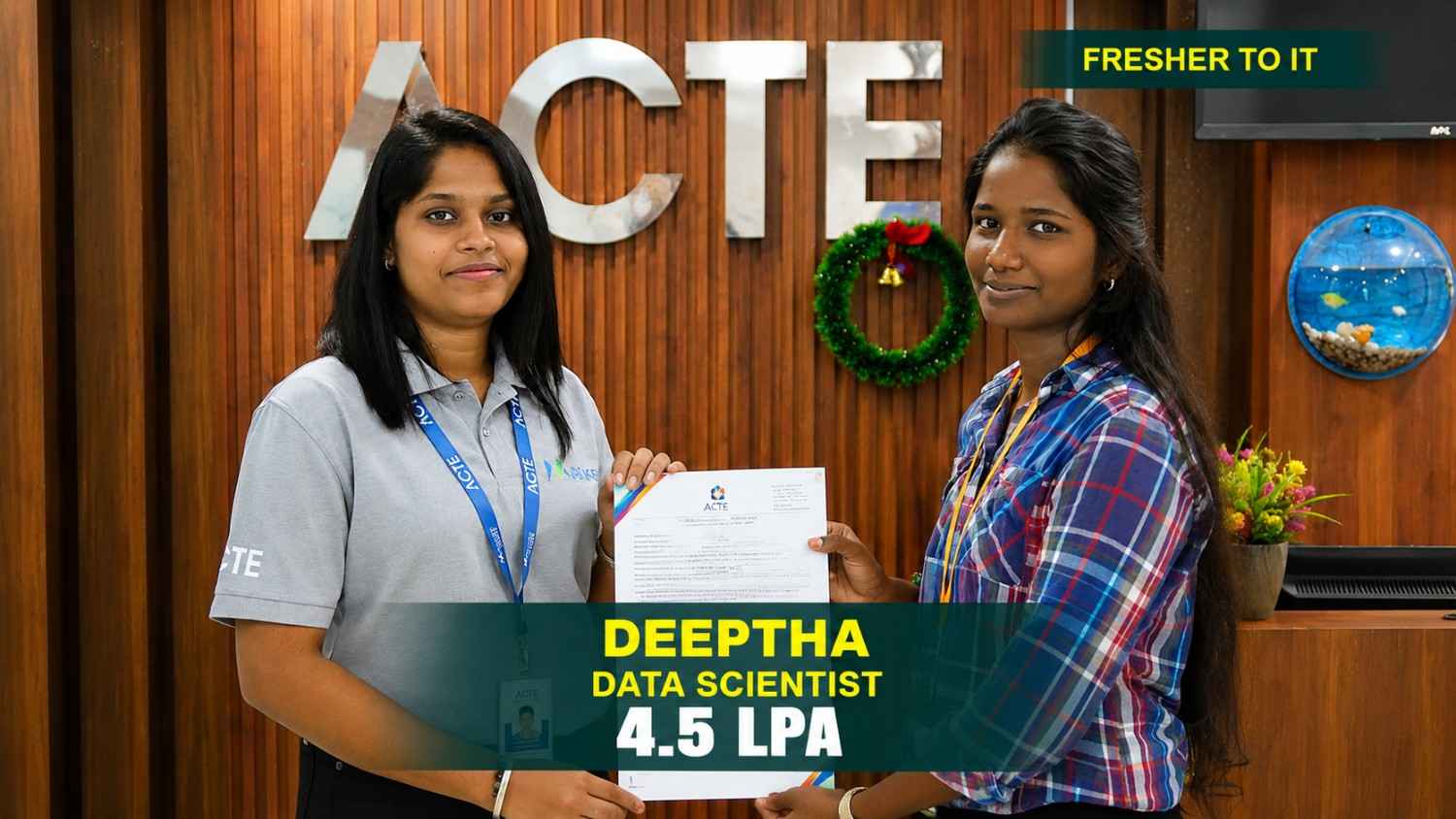
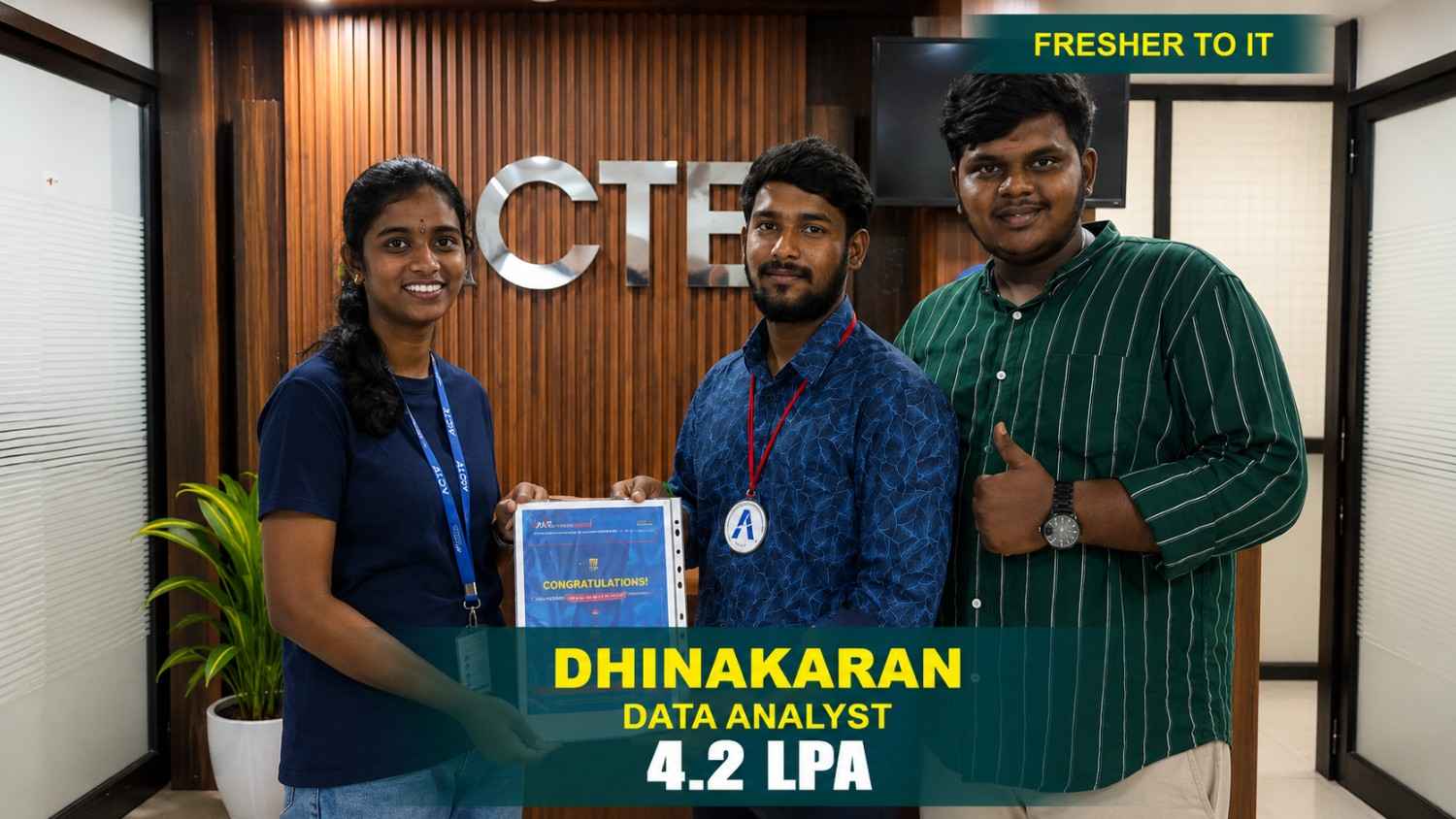
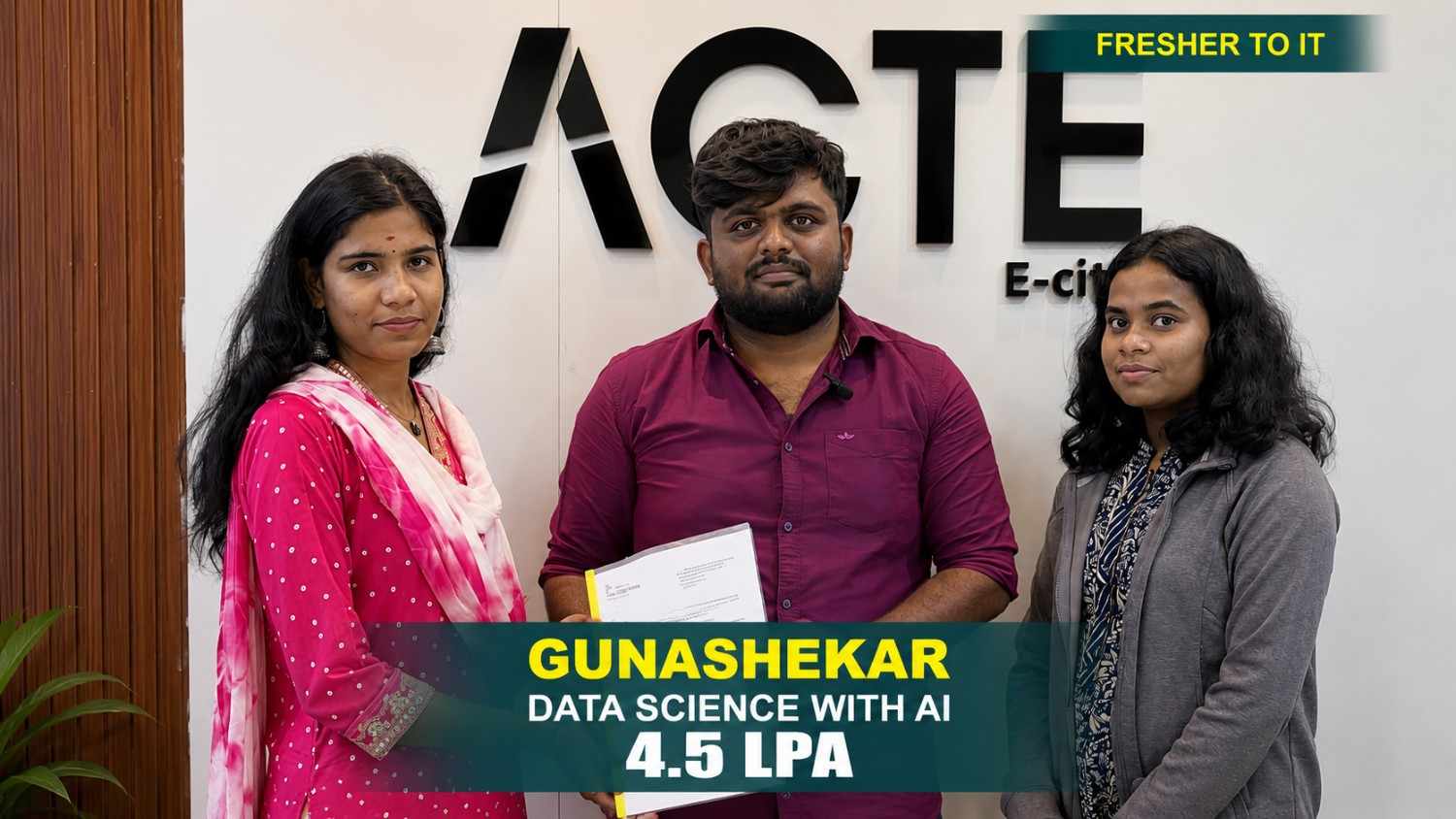
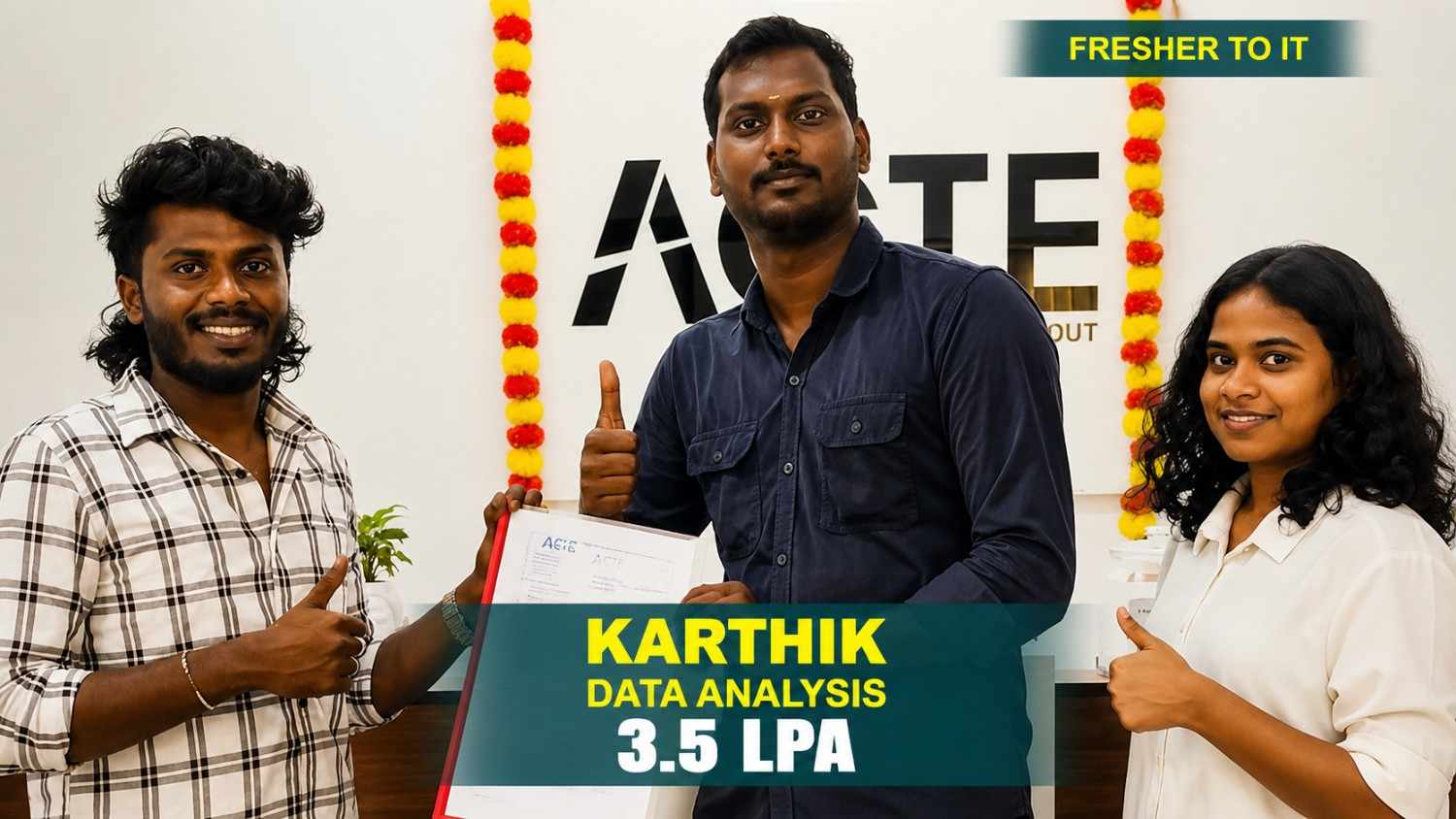







Our Hiring Partners

Curriculum Designed By Experts
Expertly designed curriculum for future-ready professionals.
Industry Oriented Curriculum
An exhaustive curriculum designed by our industry experts which will help you to get placed in your dream IT company
-
30+ Case Studies & Projects
-
9+ Engaging Projects
-
10+ Years Of Experience
Deep Learning Training Projects
Become a Deep Learning Training Expert With Practical and Engaging Projects.
- Practice essential Tools
- Designed by Industry experts
- Get Real-world Experience
Handwritten Digit Recognition
This project involves training a Neural Network using the MNIST dataset to classify handwritten digits. It introduces students to image preprocessing, neural network architectures.
Sentiment Analysis Reviews
A simple Natural Language Processing (NLP) project where students train a model to classify movie reviews as positive or negative using datasets like IMDB.
Spam Email Detection
This project focuses on building a spam filter using Naïve Bayes or Deep Learning models. Students will work with labeled datasets to classify emails as spam or non-spam, gaining experience.
Face Recognition System
Develop a face recognition model using Deep Learning frameworks like OpenCV and TensorFlow. This project enhances understanding of face detection, feature extraction, and real-time image.
Chatbot Development
Build an AI-powered chatbot using NLP and Transformer models like GPT or BERT. This project introduces students to intent recognition, response generation, and chatbot deployment.
Object Detection with YOLO
Create an object detection system using YOLO (You Only Look Once) or SSD (Single Shot MultiBox Detector). This project covers real-time image processing, bounding box detection.
Self-Driving Car Simulation
Develop an autonomous vehicle model using Deep Reinforcement Learning and Computer Vision. This project requires sensor fusion, decision-making AI, and real-time object detection.
AI for Fake News Detection
Train a deep learning model to detect fake news articles using NLP models like LSTMs, BERT, or Transformer-based architectures. This project involves text classification, misinformation detection.
AI-Based Music Composition
Use Generative Adversarial Networks (GANs) or Recurrent Neural Networks (RNNs) to create AI-generated music compositions. This project introduces students to sequence modeling.
Career Support


Placement Assistance

Exclusive access to ACTE Job portal

Mock Interview Preparation

1 on 1 Career Mentoring Sessions

Career Oriented Sessions

Resume & LinkedIn Profile Building
Key Features

Practical Training

Global Certifications

Flexible Timing

Trainer Support

Study Material

Placement Support

Mock Interviews

Resume Building
Upcoming Batches
What's included

 Free Aptitude and
Technical Skills Training
Free Aptitude and
Technical Skills Training
- Learn basic maths and logical thinking to solve problems easily.
- Understand simple coding and technical concepts step by step.
- Get ready for exams and interviews with regular practice.

 Hands-On Projects
- Work on real-time projects to apply what you learn.
- Build mini apps and tools daily to enhance your coding skills.
- Gain practical experience just like in real jobs.

 AI Powered Self
Interview Practice Portal
AI Powered Self
Interview Practice Portal
- Practice interview questions with instant AI feedback.
- Improve your answers by speaking and reviewing them.
- Build confidence with real-time mock interview sessions.

 Interview Preparation
For Freshers
Interview Preparation
For Freshers
- Practice company-based interview questions.
- Take online assessment tests to crack interviews
- Practice confidently with real-world interview and project-based questions.

 LMS Online Learning
Platform
LMS Online Learning
Platform
- Explore expert trainer videos and documents to boost your learning.
- Study anytime with on-demand videos and detailed documents.
- Quickly find topics with organized learning materials.
- Learning strategies that are appropriate and tailored to your company's requirements.
- Live projects guided by instructors are a characteristic of the virtual learning environment.
- The curriculum includes of full-day lectures, practical exercises, and case studies.

Deep Learning Training Overview
Benefits gained from Deep Learning Training in Online
- Hands-on experience with neural networks and AI models. Work on real-time datasets and implement deep learning algorithms from scratch. Gain practical skills that are highly valued in AI and machine learning roles.
- Mastery of frameworks like TensorFlow and Keras for image, speech, and text processing. Learn how to build, train, and deploy models using industry-standard tools. Apply your skills across domains like computer vision, NLP, and audio analysis.
- Develop predictive and classification models for real-world applications. Understand data preprocessing, feature engineering, and model evaluation. Build intelligent systems for use cases like fraud detection and sentiment analysis.
- Exposure to advanced concepts like CNNs, RNNs, and GANs. Dive deep into architectures that power modern AI applications. Explore how these networks are used in self-driving cars, chatbots, and image generation.
Emerging trends in Deep Learning Certification in Online
- AI-powered Automation: Deep learning applications in industry. Enhance operational efficiency through intelligent decision-making systems.
- Computer Vision: Image recognition and analysis projects. Implement real-time object detection, facial recognition, and image classification.
- Natural Language Processing: Chatbots and text analytics. Develop models for sentiment analysis, language translation, and voice assistants.
- Generative AI Models: Create synthetic data and deepfake applications. Explore GANs to generate realistic images, videos, and creative AI content.
Main concepts behind Deep Learning Training Course
Emphasis on neural network architecture, activation functions, loss optimization, backpropagation, and model evaluation. Courses cover AI model deployment, transfer learning, and practical project implementation. Learners also gain insights into hyperparameter tuning, model scalability, and integration of AI models into business processes. By signing up for an AI course, you will gain hands-on experience with AI models, machine learning methods, and neural networks, preparing you to tackle real-world problems in sectors like healthcare, finance, robotics, and cybersecurity. The program also prioritizes project-based learning, encourages AI-driven innovation, and offers exposure to industry-standard tools like TensorFlow and PyTorch.
Techniques and Trends in Deep Learning Certification in Online
- Transfer Learning: This technique leverages pre-trained AI models to improve the efficiency of training new models. Instead of training a model from scratch, transfer learning allows developers to fine-tune existing models with domain-specific data, reducing training time and computational requirements. It is widely used in applications such as image recognition, natural language processing, and speech recognition.
- Self-Supervised Learning: A cutting-edge AI approach that minimizes the need for manually labeled data by enabling AI to learn from unstructured datasets. This method allows AI models to generate their own labels based on patterns in the data, making it highly effective for tasks such as speech synthesis, language translation, and object detection.
- AI-Powered Chatbots & Virtual Assistants: Advanced conversational AI models like GPT-4, LLaMA, and BERT are revolutionizing human-machine interactions. These models enable chatbots and virtual assistants to understand context, generate human-like responses, and provide personalized assistance in industries such as customer service, e-commerce, and healthcare.
- AI in Healthcare: Deep learning is transforming the medical field by enhancing diagnostic accuracy, improving treatment recommendations, and enabling faster drug discovery. AI models are being used for medical imaging analysis (e.g., detecting tumors in MRI scans), predicting disease progression, and personalizing patient care based on genetic data.
- Federated Learning: A privacy-preserving AI training method that allows models to be trained across multiple decentralized devices without transferring data to a central server. This approach is particularly beneficial in industries such as finance and healthcare, where sensitive data must remain on local devices to comply with privacy regulations.
Essential Tools and Frameworks Driving Deep Learning Training in Online
The progress of the Deep Learning Course in OMR is significantly enhanced by powerful frameworks, libraries, and tools that promote rapid innovation. The latest tools are crafted to enhance deep learning models, broaden AI applications, and boost the clarity of AI systems. TensorFlow, a free framework developed by Google, is among the most commonly used tools, offering deep learning capabilities for natural language processing, computer vision, and automation tasks. Another well-known framework is PyTorch, created by Facebook AI, which is renowned for its adaptability, ease of use, and strong support for both research and production AI projects. Other significant AI tools include OpenCV for computer vision, Hugging Face Transformers for natural language processing, and Scikit-Learn for machine learning models. Furthermore, cloud-based AI solutions such as Google AI Platform, AWS AI, and Microsoft Azure AI provide scalable machine learning infrastructure for companies and researchers alike.
Career Opportunities After Deep Learning
Machine Learning Engineer
A Machine Learning Engineer develops and deploys machine learning models to solve real-world problems. Their role involves data preprocessing, feature engineering, model training, and optimization using frameworks like TensorFlow, PyTorch, and Scikit-learn.
AI Research Scientist
An AI Research Scientist focuses on cutting-edge innovations in artificial intelligence, including deep learning, reinforcement learning, and generative AI. They work in academic institutions, AI labs, and corporate R&D teams to develop new neural network .
Computer Vision Engineer
A Computer Vision Engineer specializes in image processing, object detection, facial recognition, and augmented reality (AR) applications. Using Convolutional Neural Networks (CNNs) and OpenCV, they develop AI models for autonomous vehicles.
Natural Language Processing
An NLP Engineer builds AI models for speech recognition, text analysis, chatbots, and automated translations. Using deep learning models like Transformers, BERT, and GPT, they enhance voice assistants, sentiment analysis tools, and AI-driven.
AI Product Manager
An AI Product Manager bridges the gap between business strategy and AI development. They oversee AI projects, ensuring that machine learning solutions align with market needs, customer expectations, and business objectives.
AI Ethics & Policy Specialist
An AI Ethics & Policy Specialist ensures that AI models are designed and implemented ethically, preventing bias, discrimination, and misuse of AI technologies. They work with governments, regulatory bodies, and tech companies to develop ethical AI.
Skill to Master
Machine Learning Fundamentals
Deep Learning & Neural Networks
Programming in Python & AI Libraries
Natural Language Processing
Computer Vision & Image Processing
Data Preprocessing & Feature Engineering
Model Training & Optimization
AI Model Deployment
Generative AI & GANs
Reinforcement Learning
Ethical AI & Bias Mitigation
Real-World AI Project Development
Tools to Master
TensorFlow
PyTorch
Scikit-Learn
OpenCV
Keras
Google Colab
Jupyter Notebook
Hugging Face Transformers
AutoML
Apache MLlib
IBM Watson AI
MATLAB Deep Learning Toolbox
Learn from certified professionals who are currently working.

Training by
Krishna, having 12 yrs of experience
Specialized in: Deep Learning Expert with 15 Years of Industry Experience
Note: Krishna is a seasoned Deep Learning professional with over 15 years of hands-on experience in developing AI-powered solutions across multiple industries. Having worked with top tech firms, research institutions, and Fortune 500 companies, he brings a wealth of expertise in machine learning, artificial intelligence, and data-driven decision-making.
Premium Training at Best Price
Affordable, Quality Training for Freshers to Launch IT Careers & Land Top Placements.
What Makes ACTE Training Different?
Feature
ACTE Technologies
Other Institutes
Affordable Fees
Competitive Pricing With Flexible Payment Options.
Higher Fees With Limited Payment Options.
Industry Experts
Well Experienced Trainer From a Relevant Field With Practical Training
Theoretical Class With Limited Practical
Updated Syllabus
Updated and Industry-relevant Course Curriculum With Hands-on Learning.
Outdated Curriculum With Limited Practical Training.
Hands-on projects
Real-world Projects With Live Case Studies and Collaboration With Companies.
Basic Projects With Limited Real-world Application.
Certification
Industry-recognized Certifications With Global Validity.
Basic Certifications With Limited Recognition.
Placement Support
Strong Placement Support With Tie-ups With Top Companies and Mock Interviews.
Basic Placement Support
Industry Partnerships
Strong Ties With Top Tech Companies for Internships and Placements
No Partnerships, Limited Opportunities
Batch Size
Small Batch Sizes for Personalized Attention.
Large Batch Sizes With Limited Individual Focus.
LMS Features
Lifetime Access Course video Materials in LMS, Online Interview Practice, upload resumes in Placement Portal.
No LMS Features or Perks.
Training Support
Dedicated Mentors, 24/7 Doubt Resolution, and Personalized Guidance.
Limited Mentor Support and No After-hours Assistance.
We are proud to have participated in more than 40,000 career transfers globally.

Deep Learning Certification

Yes,Deep Learning Certification with Placement guarantee employment. It enhances credibility and improves chances of roles in AI, machine learning, and research positions.
Knowledge of Python programming, basic machine learning, and linear algebra is recommended. Familiarity with statistics and data preprocessing is also helpful.
Yes, exams are conducted online and include project evaluation, coding assignments, and multiple-choice assessments.
Yes, Deep Learning Certification with Placement provides in-demand skills, practical projects, and career opportunities in AI, computer vision, NLP, and predictive analytics.
Frequently Asked Questions
- Yes, you can attend a free demo session before signing up to get a better understanding of the course and teaching style.
- Experienced Industry Professionals: ACTE instructors are experts with 10+ years of experience in Deep Learning.
- Certified Experts: Trainers hold certifications from leading AI organizations like Google, Microsoft, and IBM.
- Hands-on Industry Knowledge: Instructors have worked on real-world AI applications, including computer vision, NLP, and automation.
- Yes! It provides comprehensive placement support to help students transition into AI careers. The assistance includes:Resume Building & Interview Prep: Expert guidance in crafting AI-focused resumes and preparing for technical interviews.Mock Interviews: Practice with industry professionals to gain confidence in job interviews.
- Upon successful completion, students receive an industry-recognized Deep Learning certification.
- This certification validates your expertise in deep learning models, neural networks, and AI applications, enhancing your job prospects.
- Yes! Deep Learning Training Course is project-driven, ensuring students gain practical, hands-on experience.Throughout the training, you will work on real-world AI projects involving:Natural Language Processing (NLP): Chatbot development, sentiment analysis, and speech recognition.Computer Vision: Image classification, object detection, and facial recognition models.
