
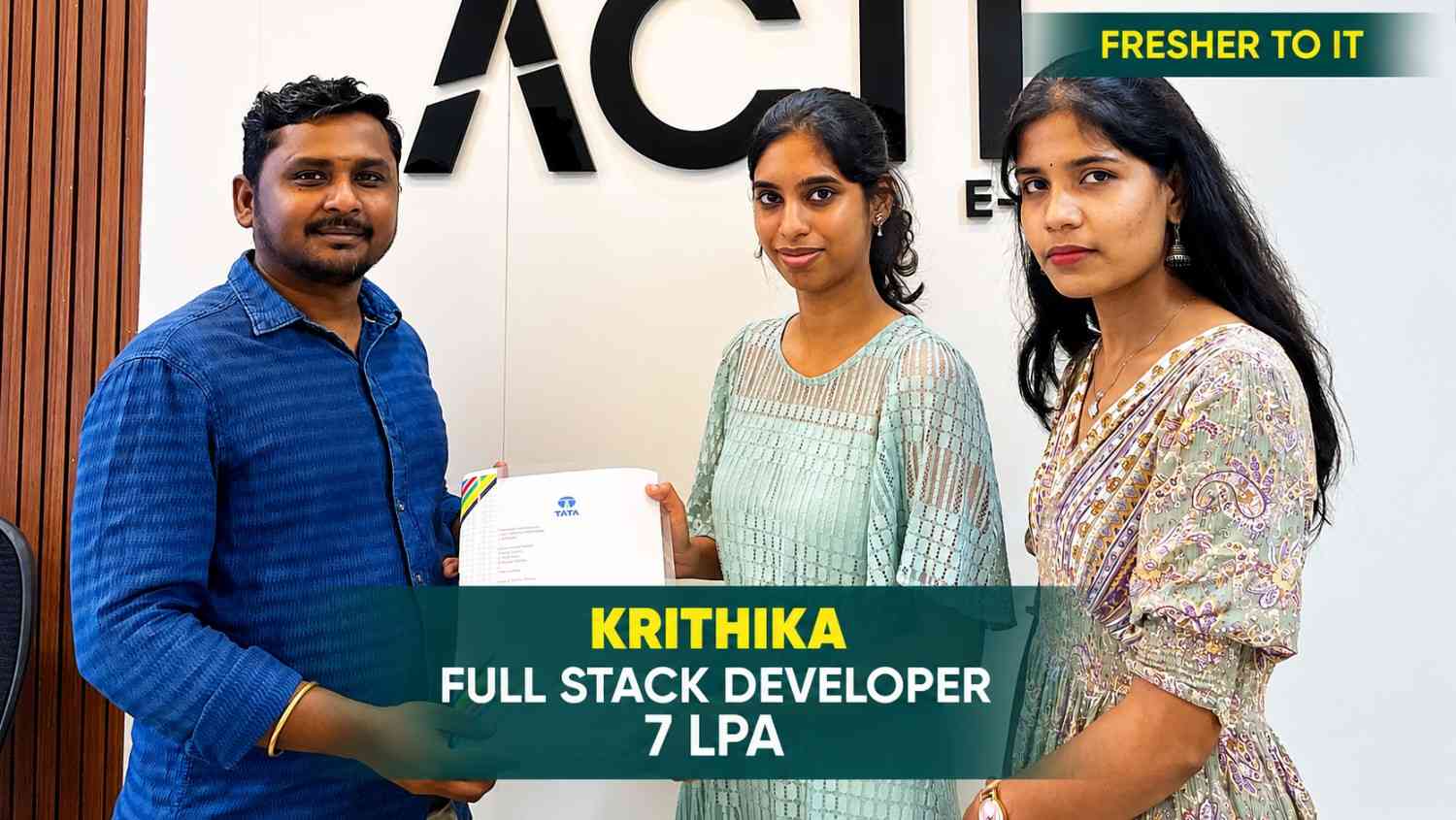
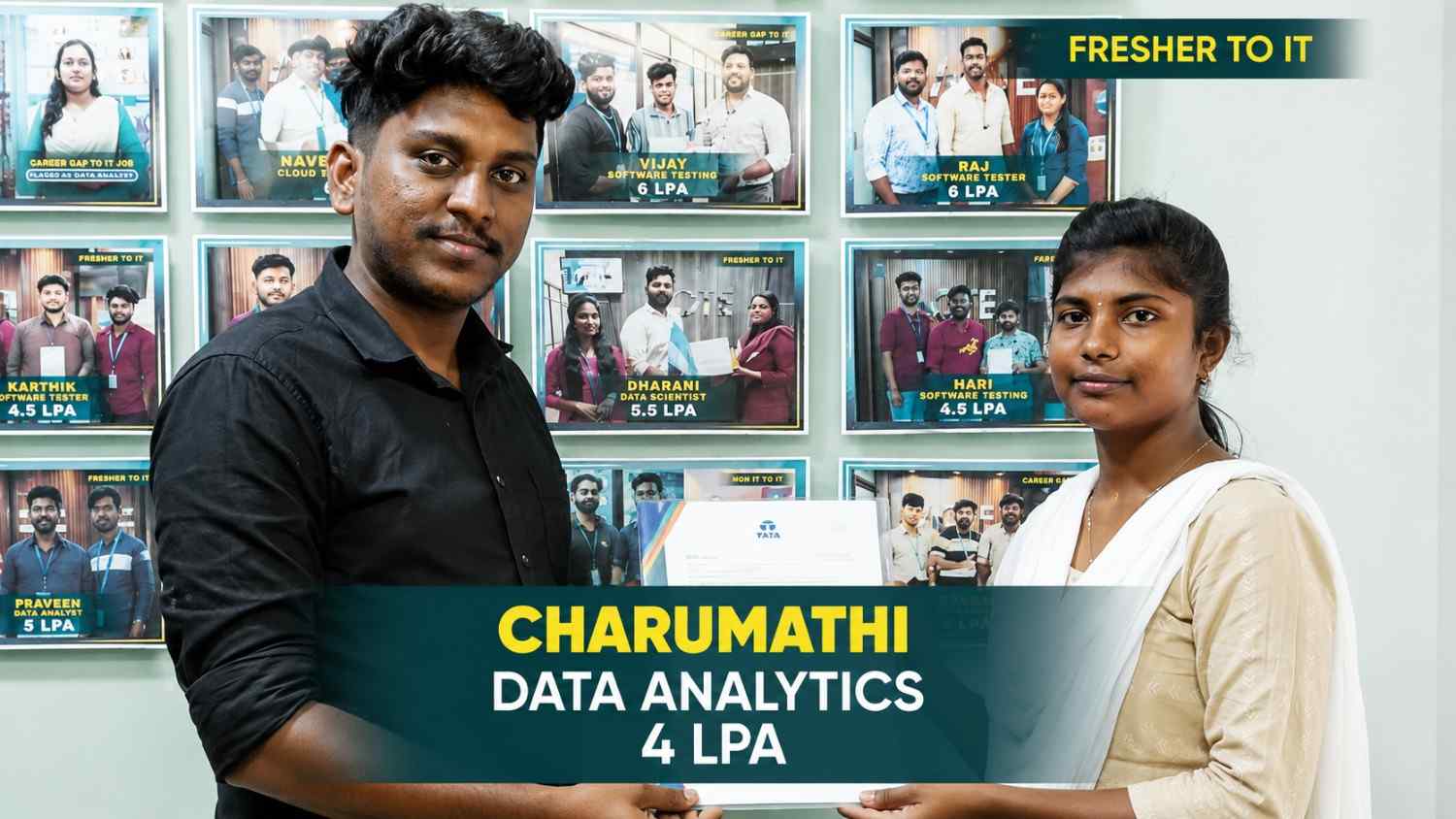
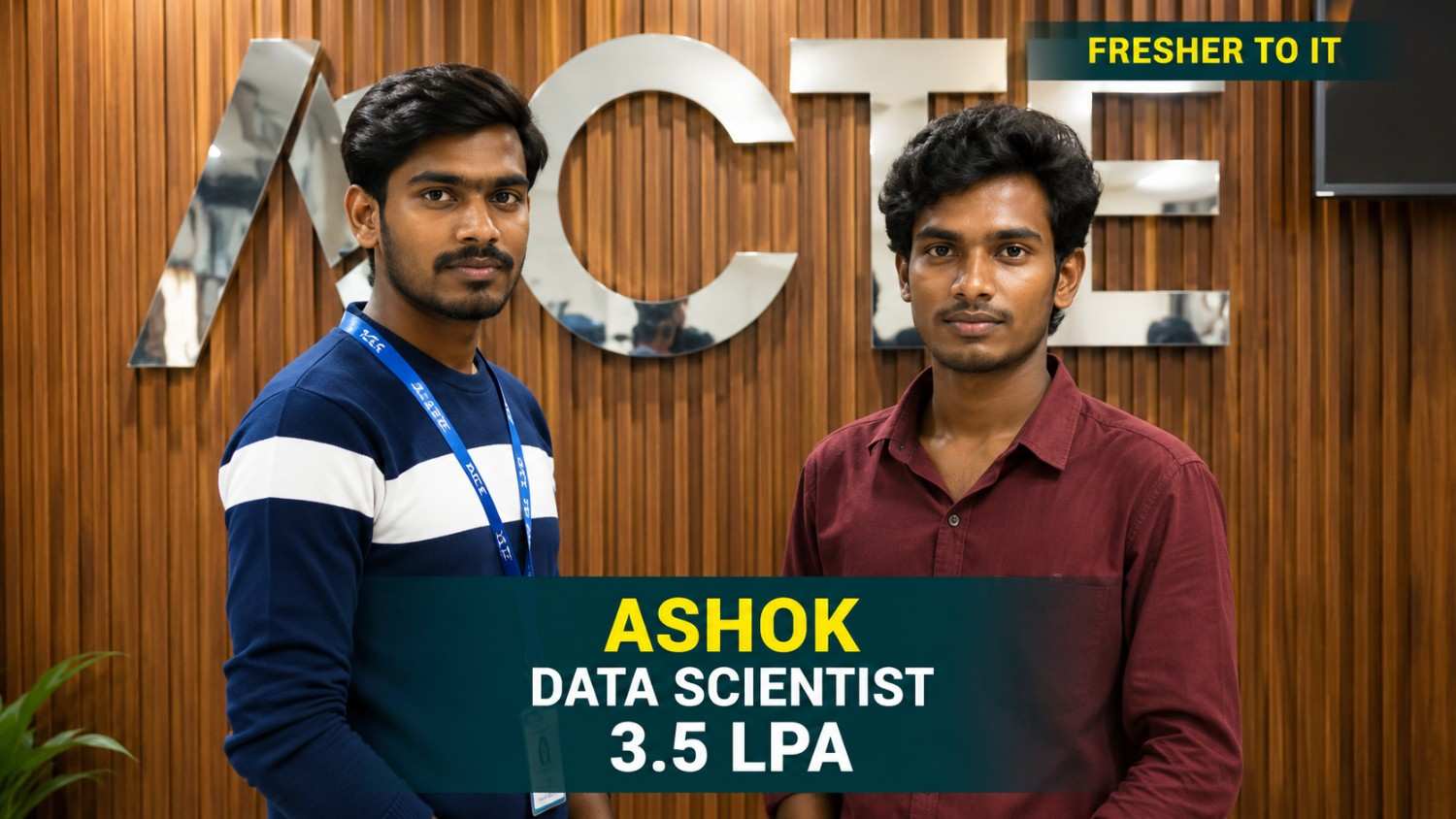
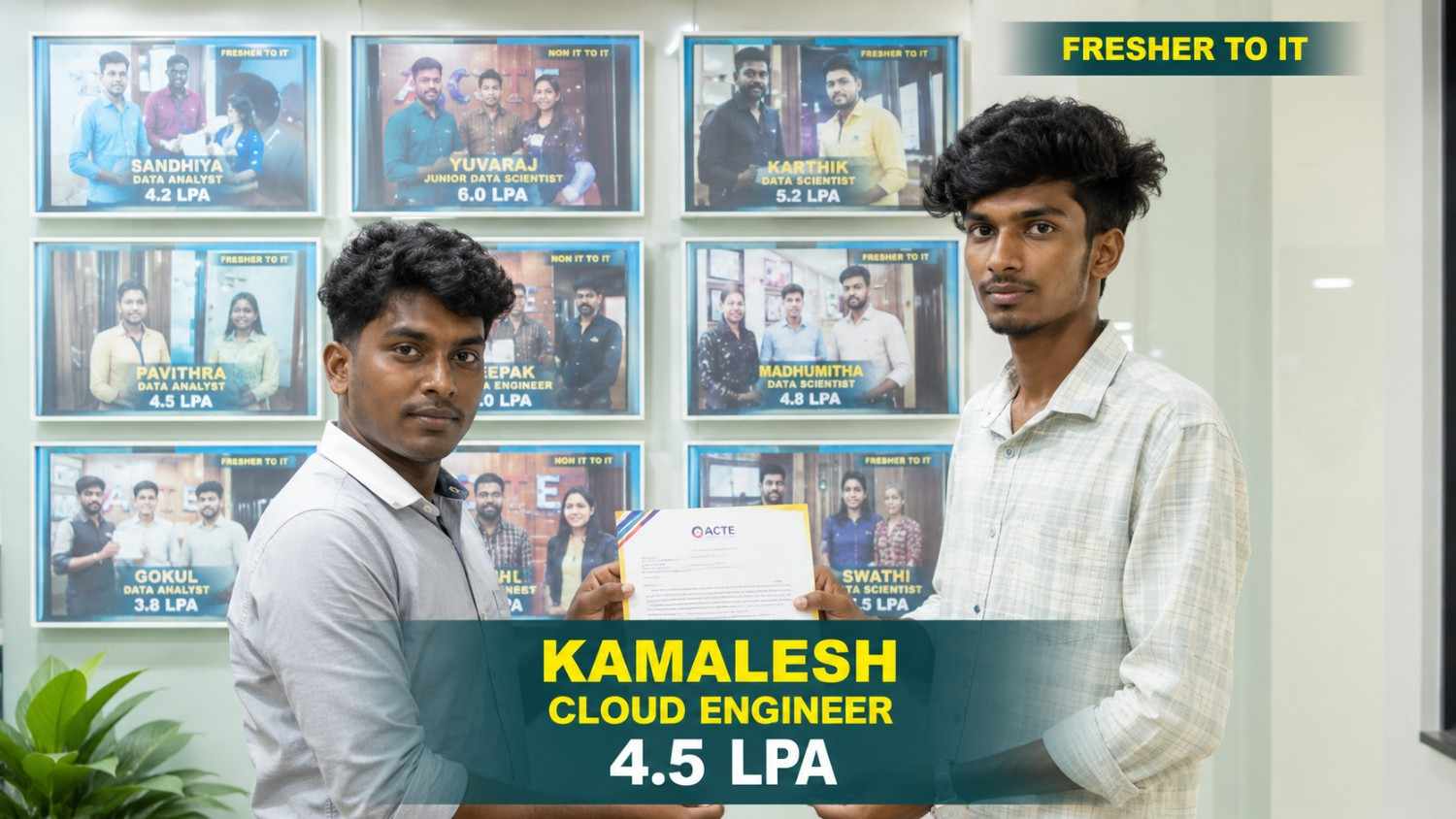
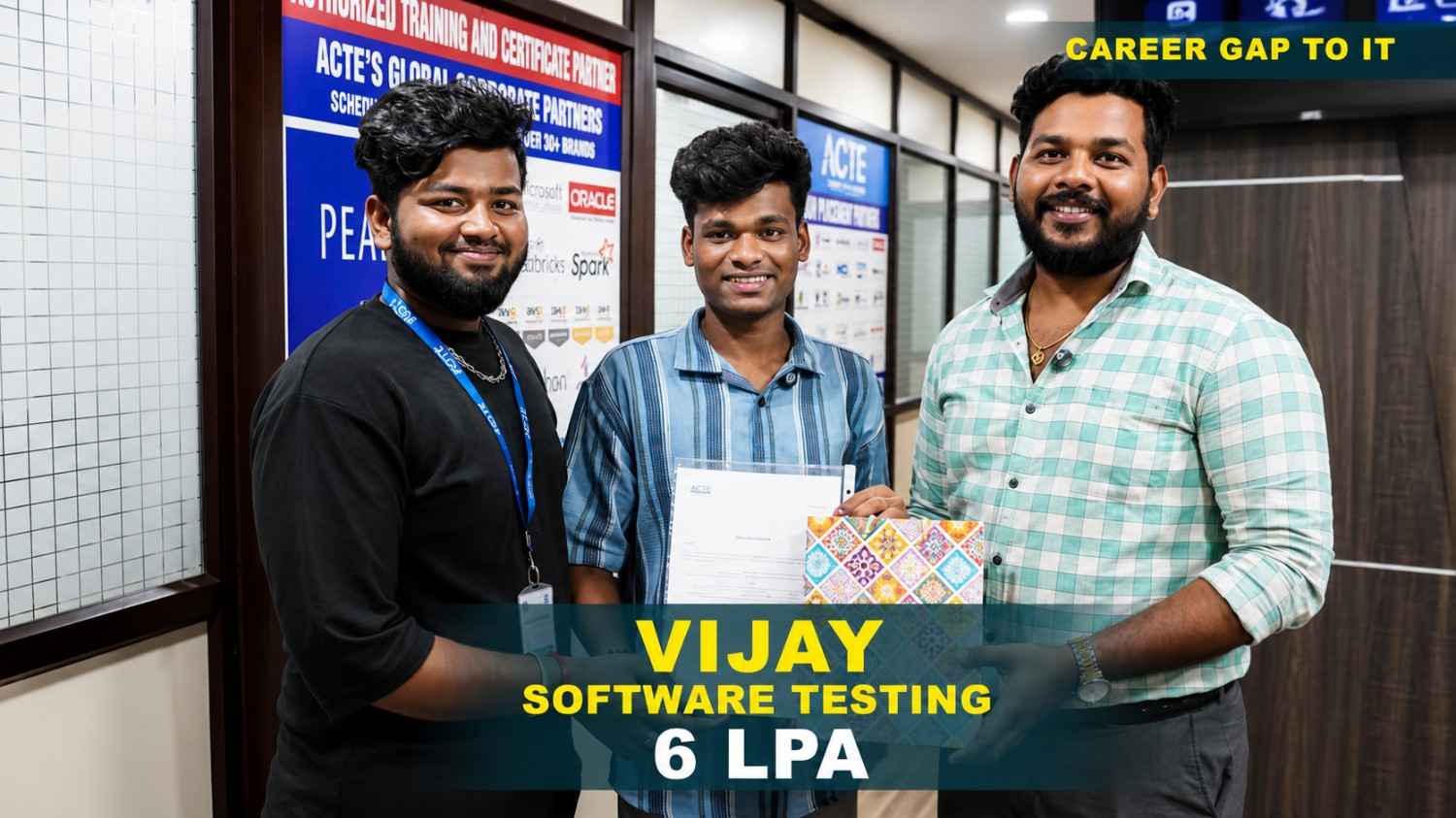
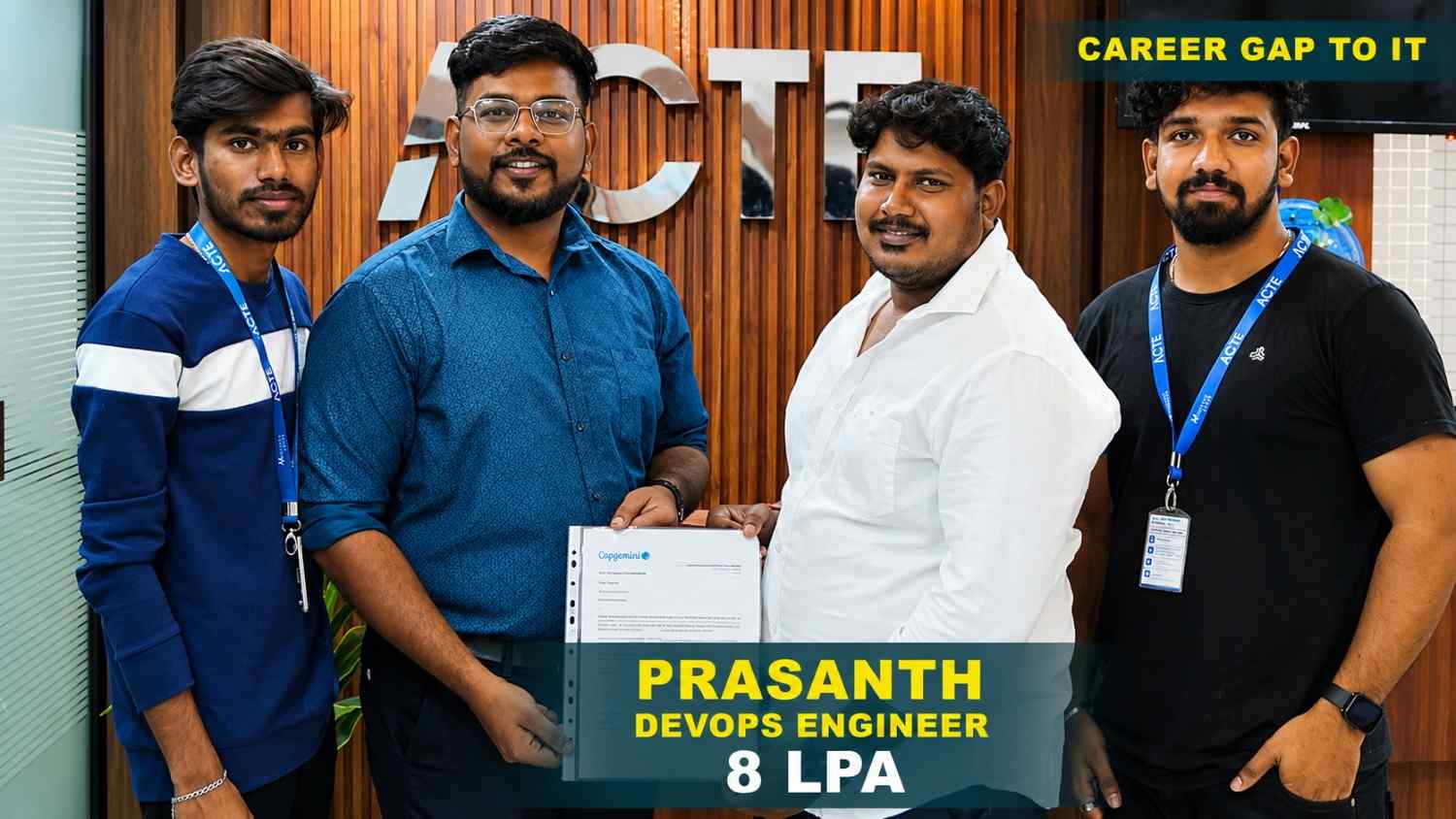
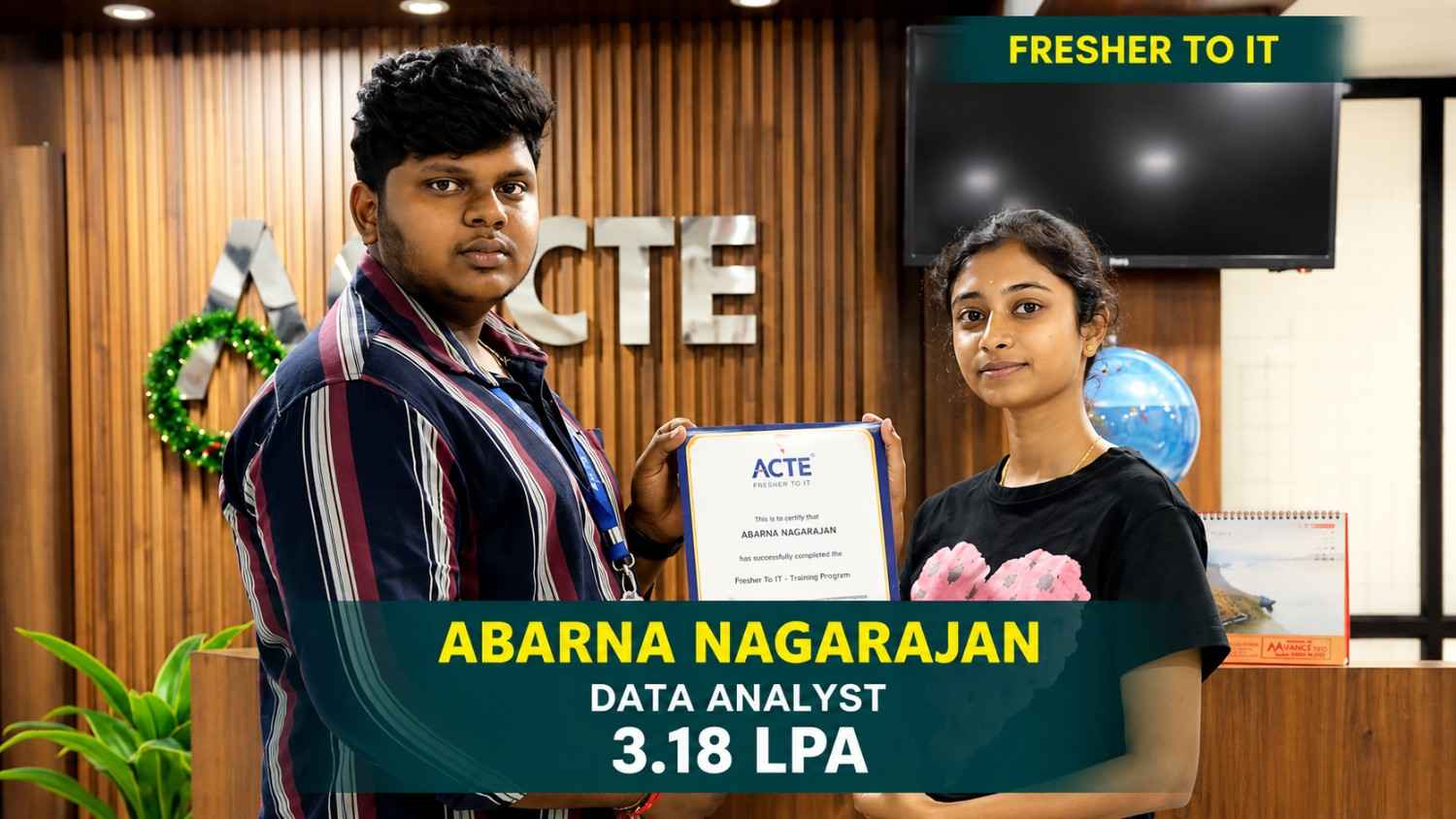
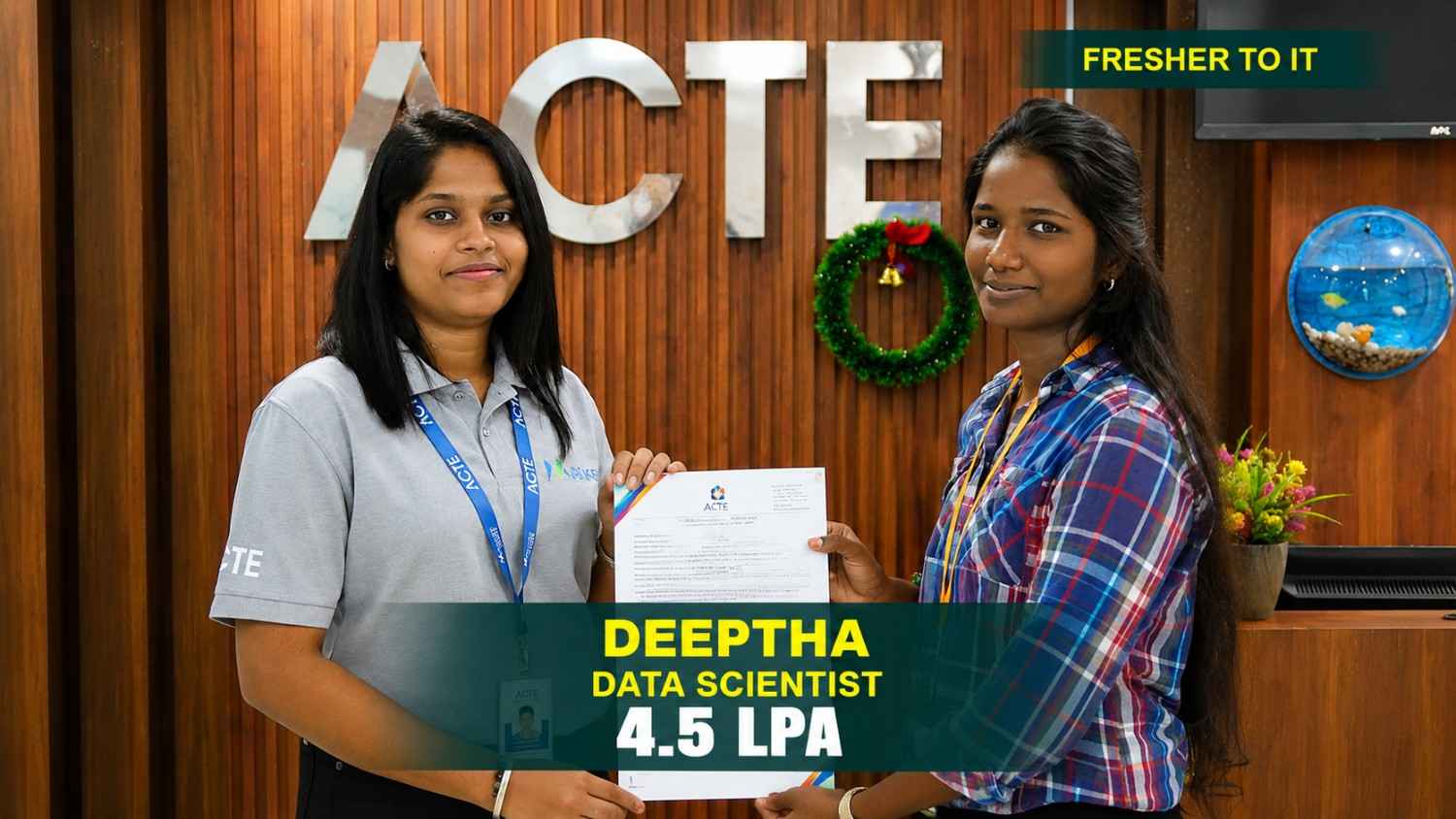
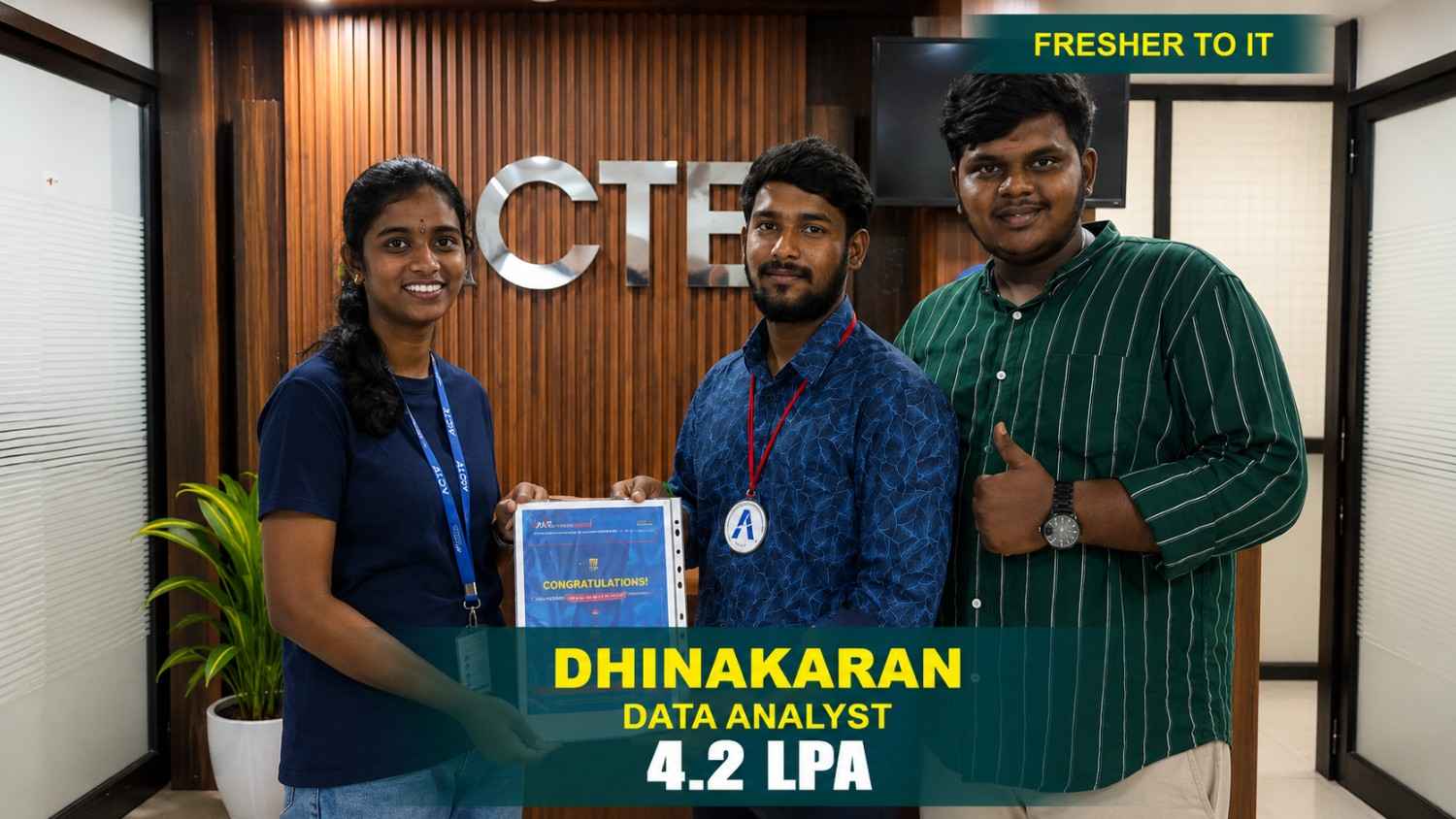
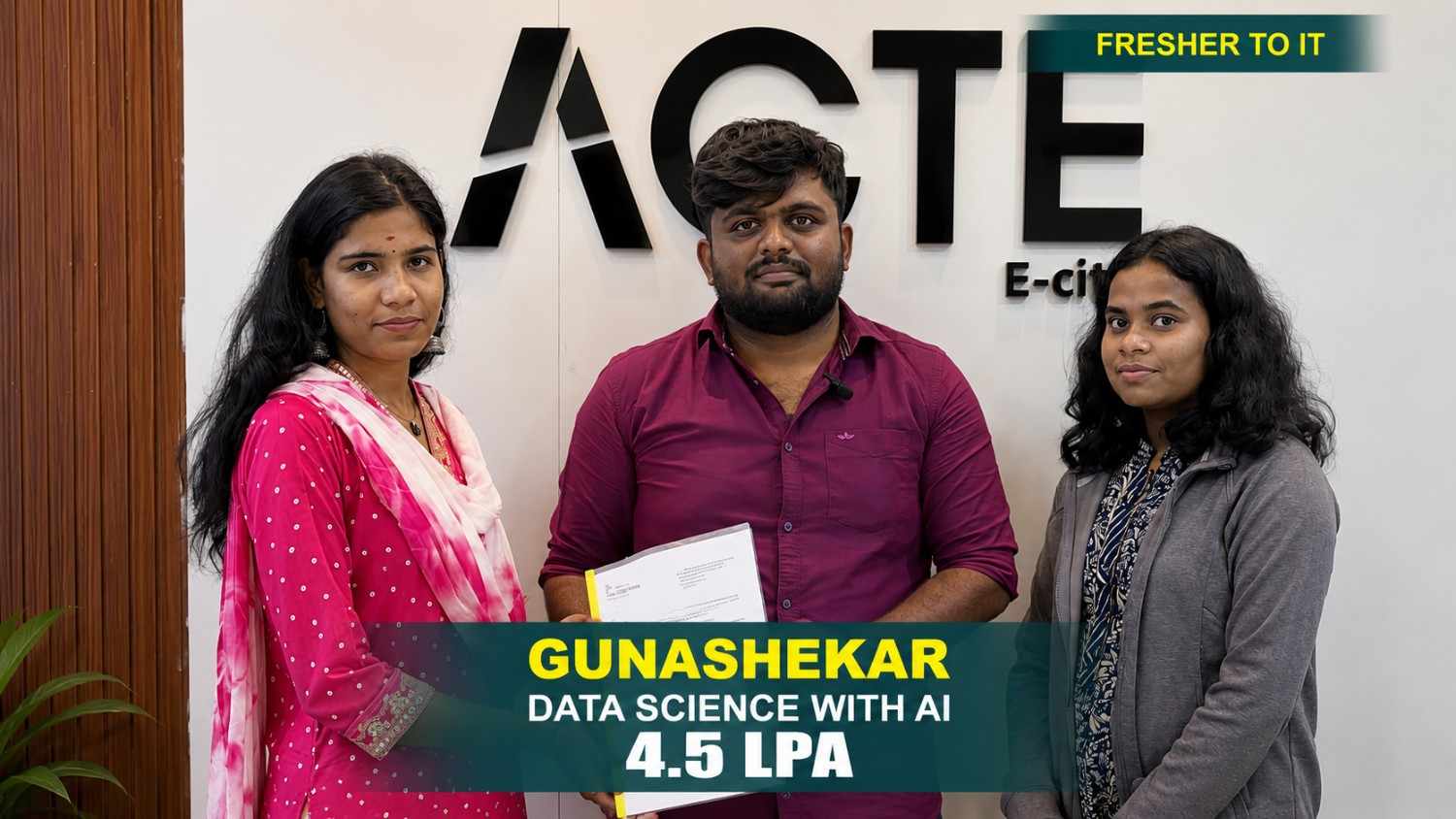
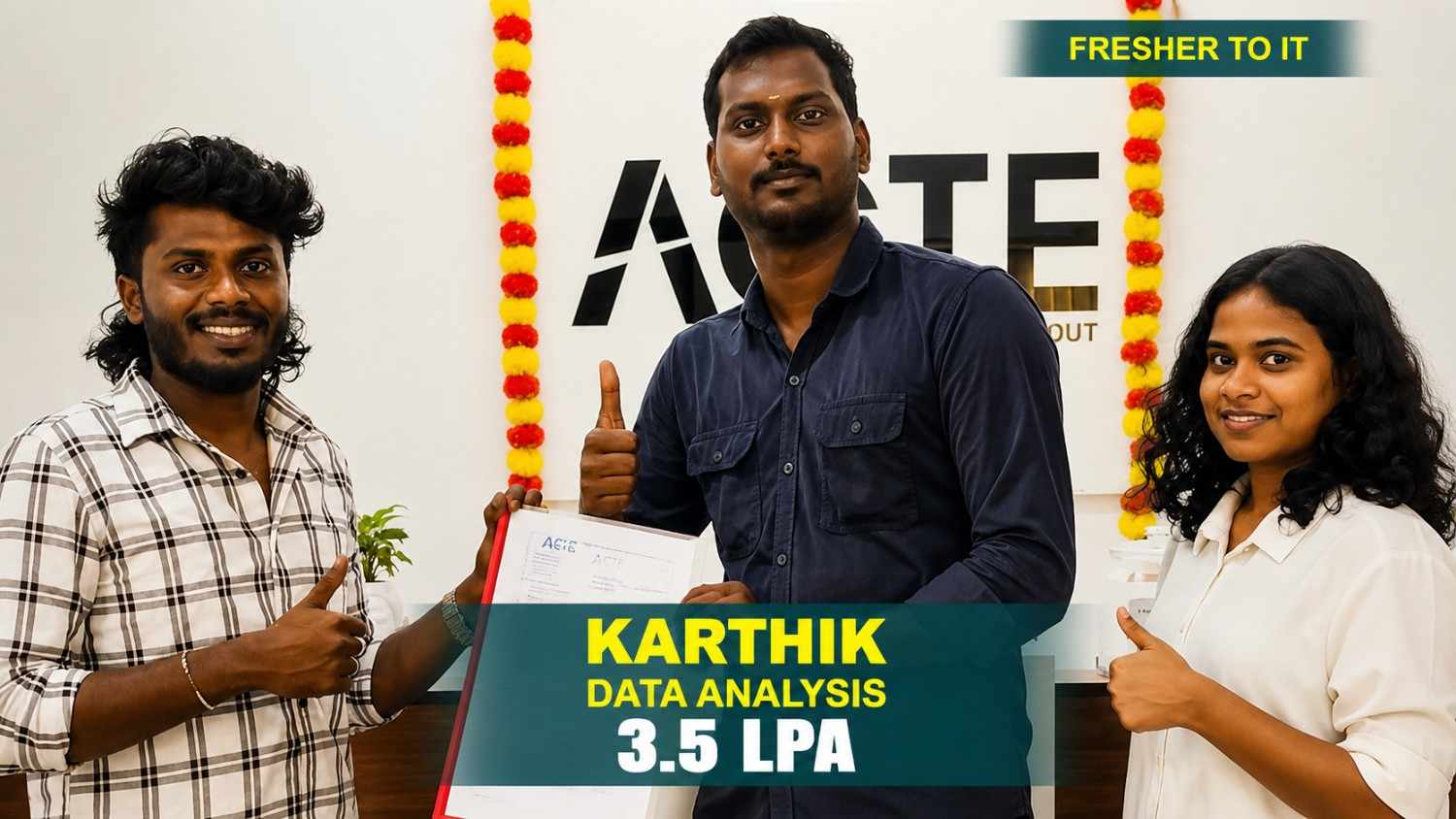
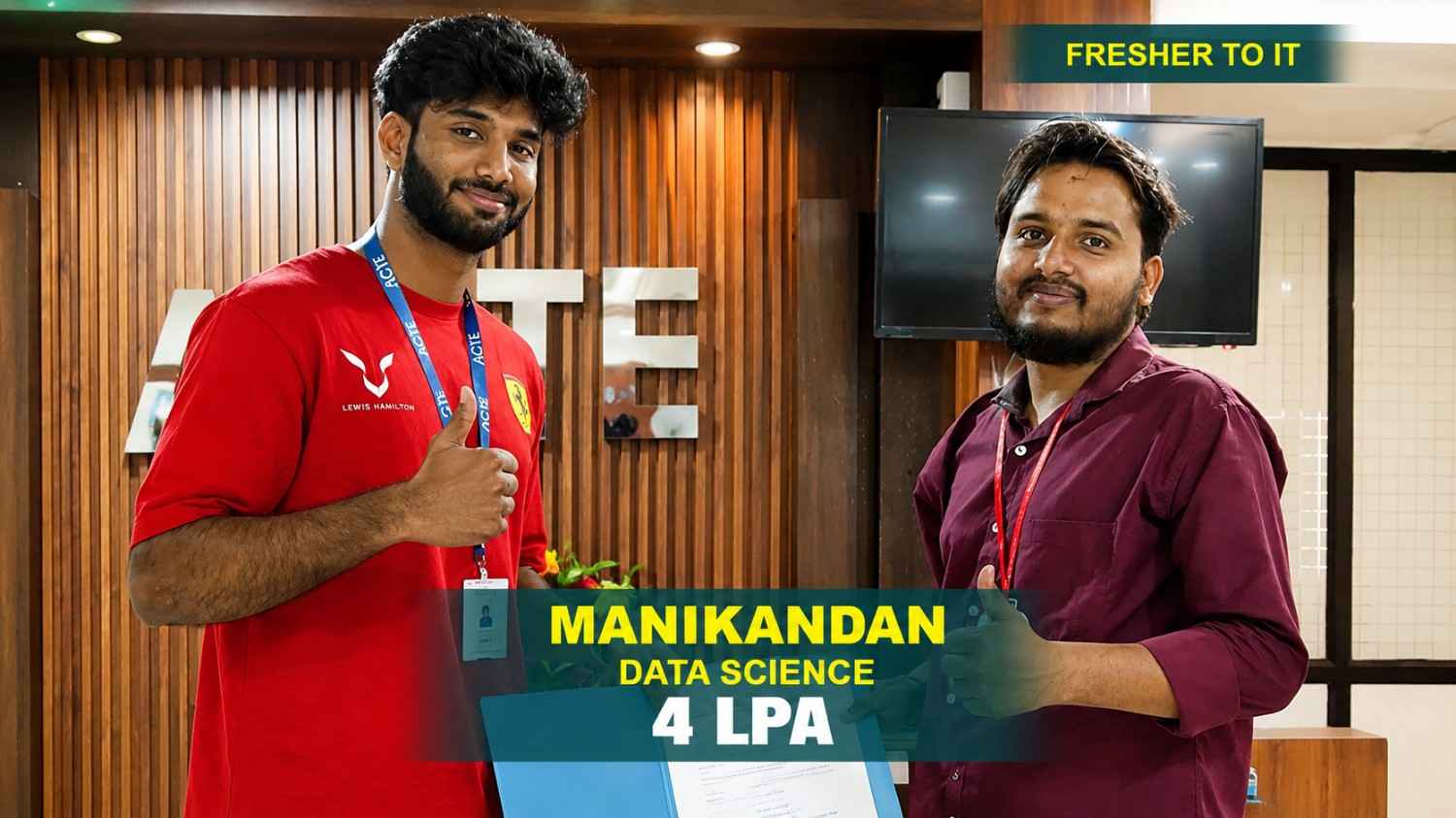
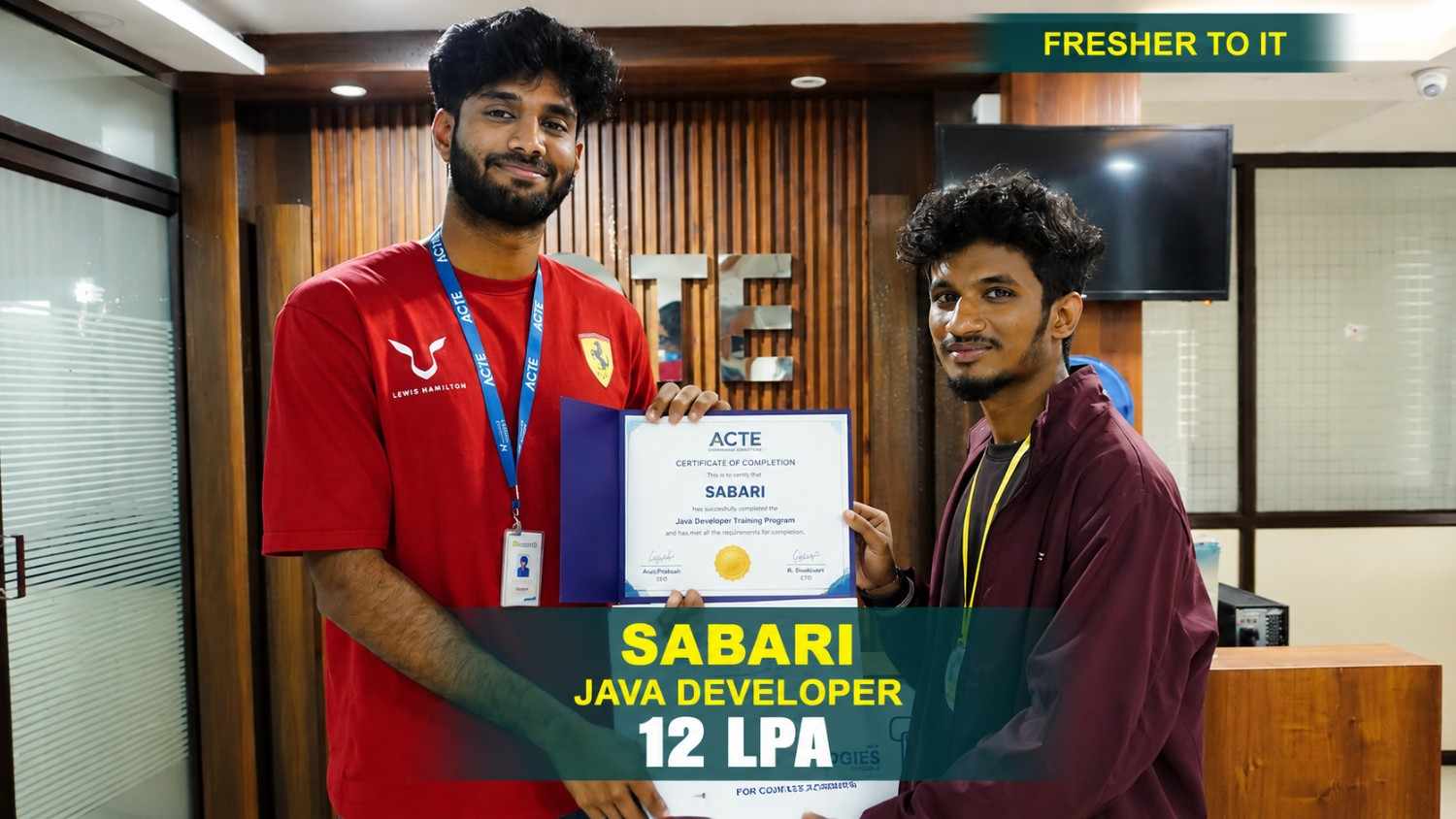
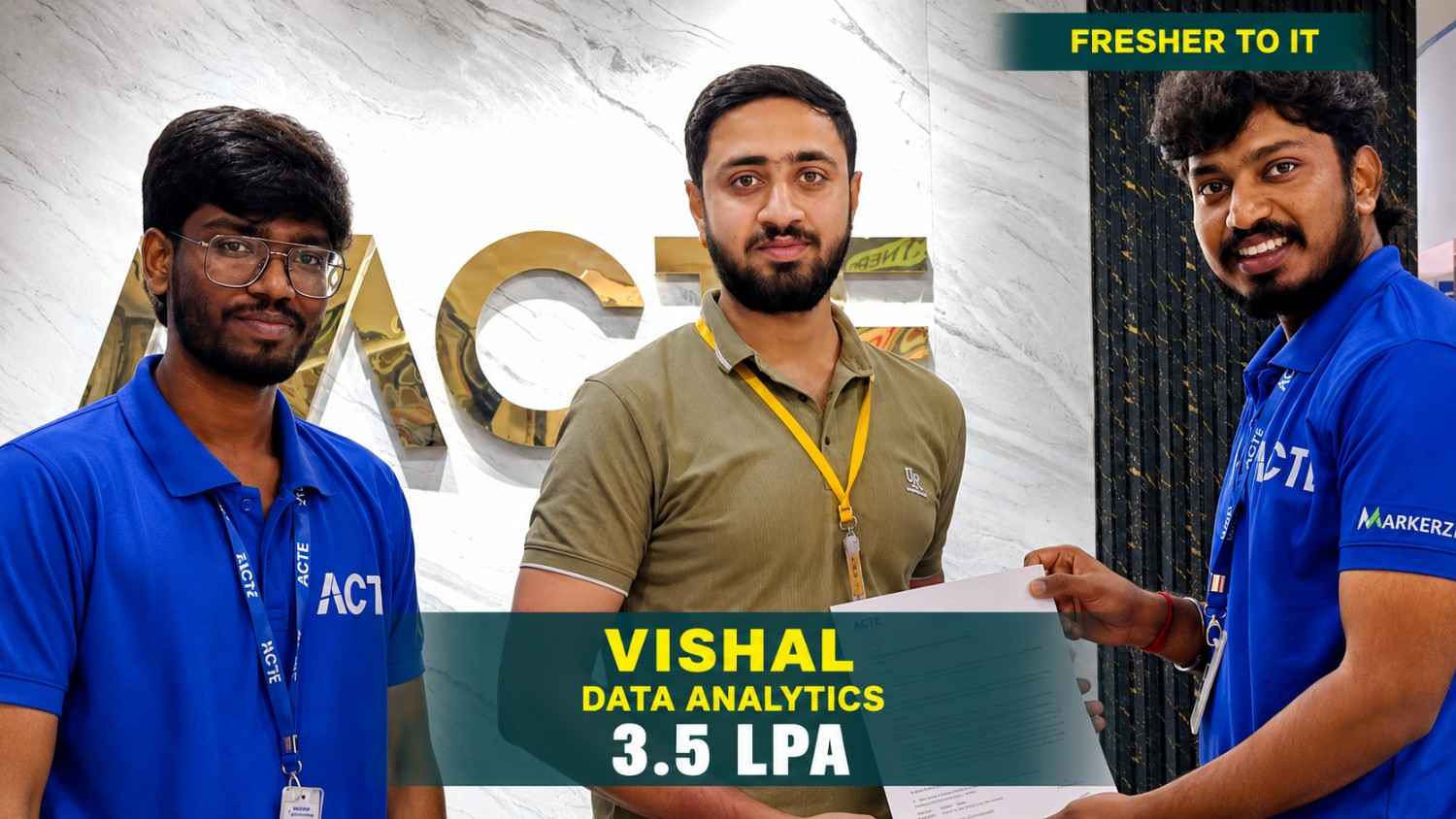
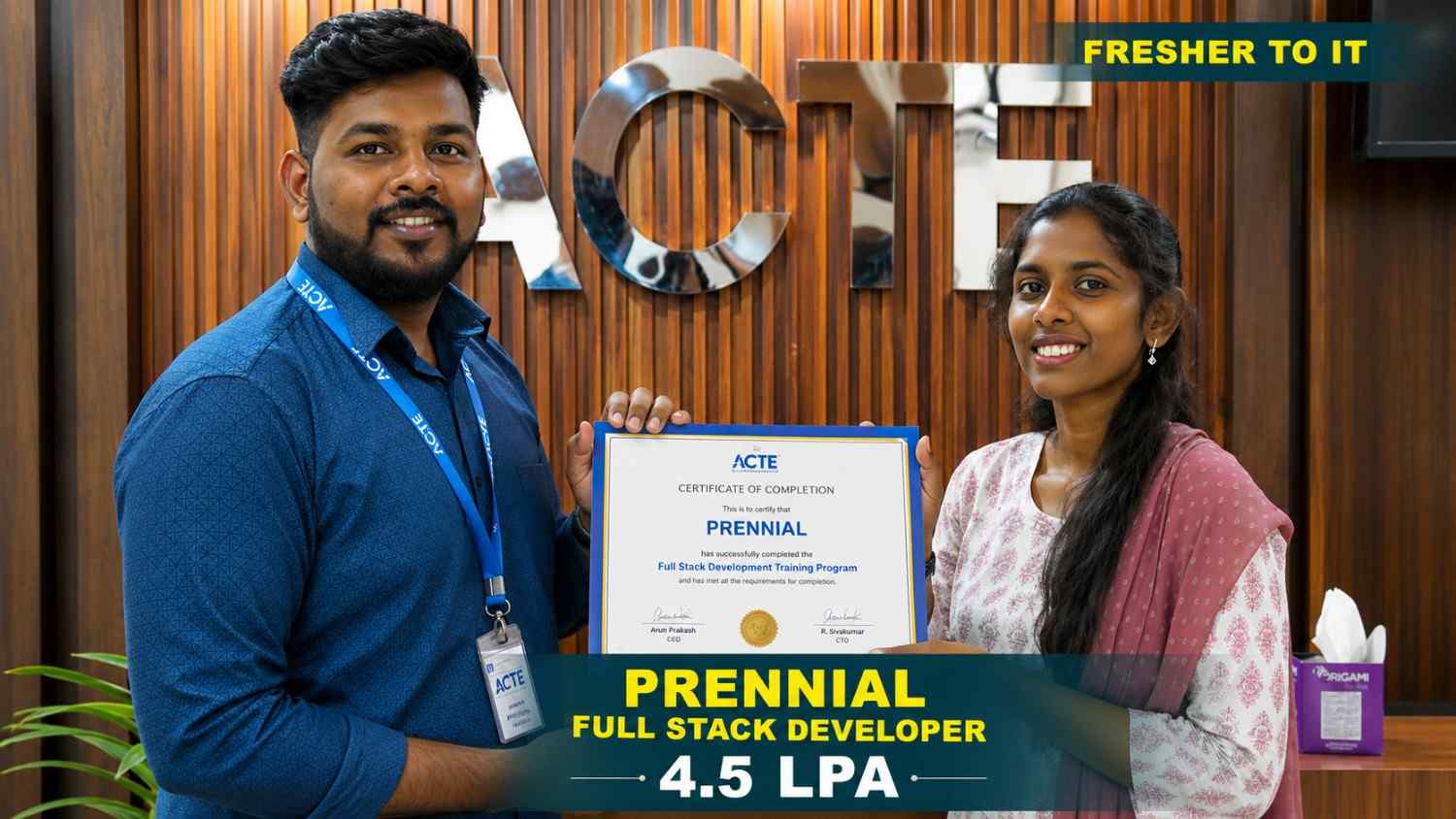
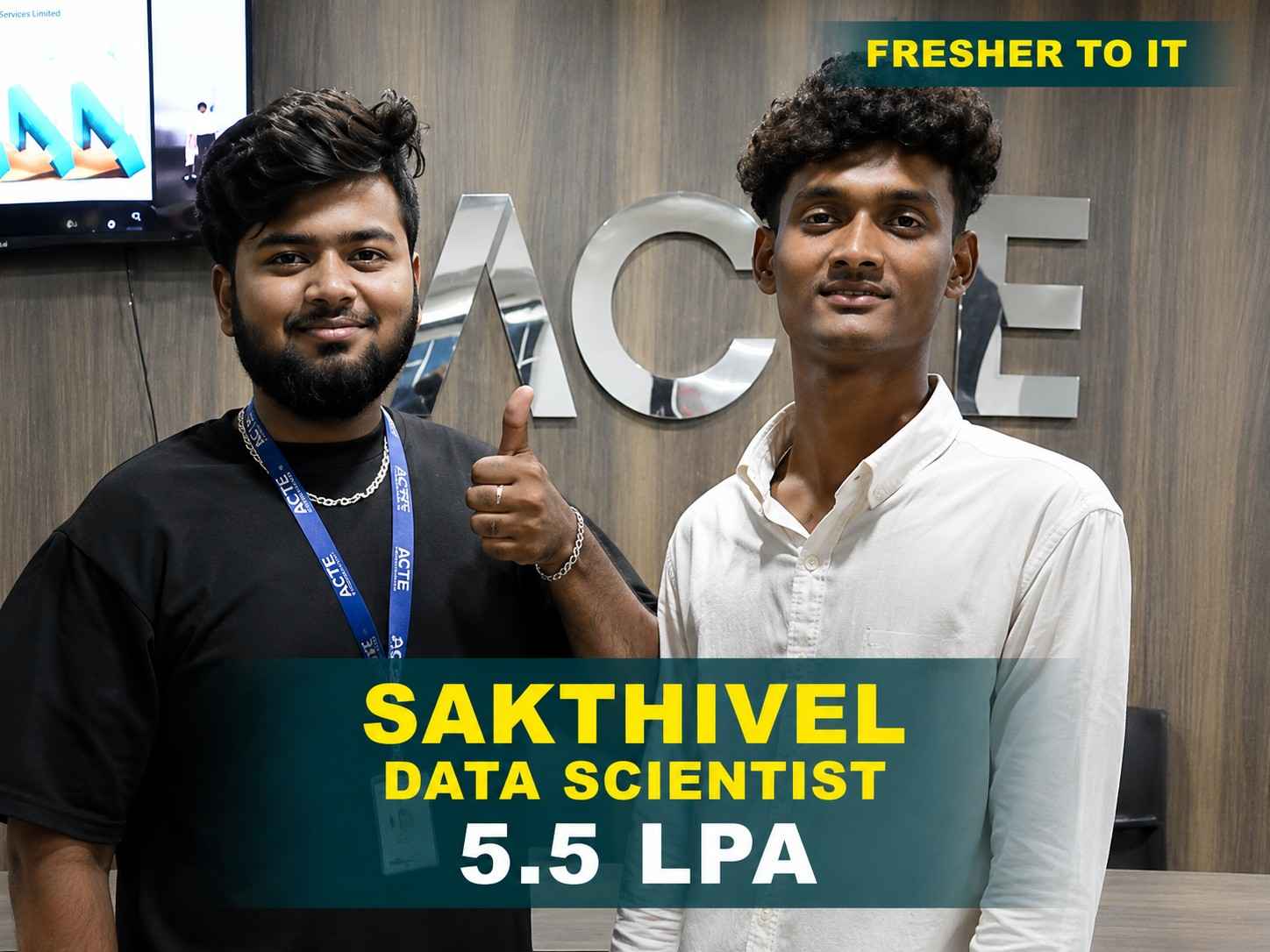
550+ Students Placed Every Month Be The Next!







Our Hiring Partners

Curriculum Designed By Experts
Expertly designed curriculum for future-ready professionals.
Industry Oriented Curriculum
An exhaustive curriculum designed by our industry experts which will help you to get placed in your dream IT company
-
30+ Case Studies & Projects
-
9+ Engaging Projects
-
10+ Years Of Experience
Linux System Admininstrator Training Projects
Become a Linux System Admininstrator Expert With Practical and Engaging Projects.
- Practice essential Tools
- Designed by Industry experts
- Get Real-world Experience
User and Group Management
Students practice creating, deleting, and modifying users and groups using CLI tools like useradd, usermod, and groupadd. This introduces access control
File System Navigation
This project involves navigating through directories, understanding file permissions and managing hidden files and symbolic links to reinforce
Package Installation
Learners use package managers such as apt, yum, and dnf to install, update, and remove software. This gives a solid foundation in system maintenance
Task Scheduling
Students automate repetitive tasks like log rotation or backups using crontab. This project helps in managing time-based jobs and improves process scheduling skills.
Web Server Configuration
This project includes installing and configuring Apache or Nginx on a Linux VM. Learners also deploy a static website, helping them understand server management
NFS and Samba File Sharing
Trainees configure Network File System (NFS) and Samba to share files across machines in a network. This boosts understanding of cross-platform data sharing
Automated Backup System
Trainees build a backup system using rsync with cron integration, and include notification via email. This teaches advanced automation, data protection
Monitoring System
Students install and configure a monitoring system to track CPU, memory, and disk usage across servers. This prepares them for infrastructure health
AppArmor Security Configuration
This project involves configuring SELinux/AppArmor for access control, exploring security contexts, and troubleshooting access denial issues
Career Support


Placement Assistance

Exclusive access to ACTE Job portal

Mock Interview Preparation

1 on 1 Career Mentoring Sessions

Career Oriented Sessions

Resume & LinkedIn Profile Building
Key Features

Practical Training

Global Certifications

Flexible Timing

Trainer Support

Study Material

Placement Support

Mock Interviews

Resume Building
Upcoming Batches
What's included

 Free Aptitude and
Technical Skills Training
Free Aptitude and
Technical Skills Training
- Learn basic maths and logical thinking to solve problems easily.
- Understand simple coding and technical concepts step by step.
- Get ready for exams and interviews with regular practice.

 Hands-On Projects
- Work on real-time projects to apply what you learn.
- Build mini apps and tools daily to enhance your coding skills.
- Gain practical experience just like in real jobs.

 AI Powered Self
Interview Practice Portal
AI Powered Self
Interview Practice Portal
- Practice interview questions with instant AI feedback.
- Improve your answers by speaking and reviewing them.
- Build confidence with real-time mock interview sessions.

 Interview Preparation
For Freshers
Interview Preparation
For Freshers
- Practice company-based interview questions.
- Take online assessment tests to crack interviews
- Practice confidently with real-world interview and project-based questions.

 LMS Online Learning
Platform
LMS Online Learning
Platform
- Explore expert trainer videos and documents to boost your learning.
- Study anytime with on-demand videos and detailed documents.
- Quickly find topics with organized learning materials.
- Learning strategies that are appropriate and tailored to your company's requirements.
- Live projects guided by instructors are a characteristic of the virtual learning environment.
- The curriculum includes of full-day lectures, practical exercises, and case studies.

Linux System Administrator Training Overview
Linux System Administrator Program Training in OMR Potential Career Paths
A career as a Linux System Administrator opens up a wide array of job opportunities in IT infrastructure management, cloud computing, cybersecurity, and DevOps. Professionals in this field are essential for maintaining the backbone of enterprise systems, ensuring servers are secure, stable, and optimized. Career paths include roles like Linux Administrator, System Engineer, DevOps Engineer, Cloud Administrator, Site Reliability Engineer (SRE), and Infrastructure Analyst. With increasing demand in both startups and large enterprises for open-source solutions and automation, Linux Admins enjoy long-term career growth, global opportunities, and attractive salaries.
The Requirements for a Linux System Administrator Training Institute in OMR
- Educational Prerequisites : No strict degree required, but a background in IT, Computer Science, or Electronics is beneficial.Freshers and professionals from other tech domains can also transition with proper training.
- Technical Skills: Basic understanding of operating systems and networking.Familiarity with command-line interfaces and scripting (Bash or Shell preferred).
- Tools & Resources : Access to a Linux OS (like Ubuntu, CentOS, or RHEL) for practice. Hands-on labs, virtualization software (VirtualBox/VMware), and cloud platforms (AWS/GCP).
- Soft Skills : Logical thinking, troubleshooting mindset, and willingness to learn continuously.Good communication for documentation and team coordination.
Enrolling in Linux System Administrator Course Training in OMR
Linux is the dominant operating system in cloud servers, supercomputers, and enterprise data centers, making Linux system administration a core IT skill. Enrolling in this course enables you to master essential tasks like user management, networking, package installation, security hardening, and automation. It prepares you for Red Hat (RHCSA/RHCE), CompTIA Linux+, and LPIC certifications. Whether you aim for a system admin role, DevOps pipeline, or cloud migration team, this course gives you a robust technical foundation, job-ready experience, and a competitive edge in the IT job market.
Techniques and Trends in Linux System Administrator Development Training in OMR
- Automation with Shell & Python Scripts: Linux admins use Bash and Python to write scripts that automate repetitive tasks such as system updates, log cleanup, user account creation, and service restarts.
- Cloud Infrastructure Administration: Training includes managing Linux systems hosted on cloud platforms like AWS, Azure, or Google Cloud using tools such as SSH, CLI, and cloud-native services for provisioning
- Containerization & Virtualization: Courses cover how to deploy applications in containers using Docker, and orchestrate them with Kubernetes. Virtual machines using KVM, VMware
- Security Hardening & Auditing: Students learn to secure Linux systems by configuring firewalls (iptables, ufw), enforcing SELinux policies, managing user permissions, and auditing logs for security threats
- Monitoring & Configuration Tools: Training includes using tools like Nagios, Zabbix, and Prometheus for real-time system health monitoring, and Ansible or Puppet for automating system configuration and deployment.
The Most Recent Linux System Administrator Course Institute in OMR with Tools
Today’s Linux administrators rely on a powerful toolkit to streamline operations, automate processes, and manage large-scale environments. Tools like Ansible and Puppet help in configuration management, while Docker and Kubernetes are used for container orchestration. Monitoring tools such as Nagios, Prometheus, and Grafana allow real-time system tracking. Logrotate and Splunk manage logs, while security tools like SELinux, iptables, and Fail2Ban ensure robust server protection. These modern tools enhance productivity, reduce downtime, and make Linux administration highly scalable and secure.
Career Opportunities After Linux System Administrator Training
Linux System Administrator
A Linux System Administrator is responsible for installing, configuring, and maintaining Linux-based systems and servers. Their role includes monitoring system performance, managing users
DevOps Engineer
A DevOps Engineer bridges the gap between software development and operations. Using Linux as a base, they automate CI/CD pipelines, configure cloud environments, and deploy containerized
Cloud System Administrator
Cloud System Administrators manage virtual Linux servers hosted on cloud platforms such as AWS, Microsoft Azure, or Google Cloud. They are responsible for provisioning compute instances
Site Reliability Engineer (SRE)
An SRE focuses on maintaining high system uptime and service availability across distributed Linux environments. They build and monitor infrastructure, design failover systems, and manage
IT Infrastructure Engineer
An IT Infrastructure Engineer designs and supports the hardware and software infrastructure of an organization, which heavily relies on Linux servers.
Security Operations Center
A SOC Analyst monitors and responds to cybersecurity threats within an organization. In Linux environments, they analyze system logs, investigate security incidents
Skill to Master
User and Group Management
Shell Scripting & Automation
File System Management
Package Management
Network Configuration
Process & Service Management
Firewall & Security Configuration
Backup and Recovery
System Performance Monitoring
Log Management and Auditing
LVM and RAID Management
Virtualization & Cloud Fundamentals
Tools to Master
Ansible
Nagios
Docker
Kubernetes
SELinux/AppArmor
Bash Shell
rsync
iptables / firewalld
Logrotate
Zabbix
Webmin
tmux / screen
Learn from certified professionals who are currently working.

Training by
Rajiv Menon, having 11 yrs of experience
Specialized in: Linux System Architecture, Server Hardening, Cloud Infrastructure Deployment, and Network Security.
Note: Rajiv is renowned for his deep expertise in enterprise-grade Red Hat and Ubuntu deployments, and his ability to guide learners from beginner to RHCE-certified professionals.
Premium Training at Best Price
Affordable, Quality Training for Freshers to Launch IT Careers & Land Top Placements.
What Makes ACTE Training Different?
Feature
ACTE Technologies
Other Institutes
Affordable Fees
Competitive Pricing With Flexible Payment Options.
Higher Fees With Limited Payment Options.
Industry Experts
Well Experienced Trainer From a Relevant Field With Practical Training
Theoretical Class With Limited Practical
Updated Syllabus
Updated and Industry-relevant Course Curriculum With Hands-on Learning.
Outdated Curriculum With Limited Practical Training.
Hands-on projects
Real-world Projects With Live Case Studies and Collaboration With Companies.
Basic Projects With Limited Real-world Application.
Certification
Industry-recognized Certifications With Global Validity.
Basic Certifications With Limited Recognition.
Placement Support
Strong Placement Support With Tie-ups With Top Companies and Mock Interviews.
Basic Placement Support
Industry Partnerships
Strong Ties With Top Tech Companies for Internships and Placements
No Partnerships, Limited Opportunities
Batch Size
Small Batch Sizes for Personalized Attention.
Large Batch Sizes With Limited Individual Focus.
LMS Features
Lifetime Access Course video Materials in LMS, Online Interview Practice, upload resumes in Placement Portal.
No LMS Features or Perks.
Training Support
Dedicated Mentors, 24/7 Doubt Resolution, and Personalized Guidance.
Limited Mentor Support and No After-hours Assistance.
We are proud to have participated in more than 40,000 career transfers globally.

Linux System Administrator Certification

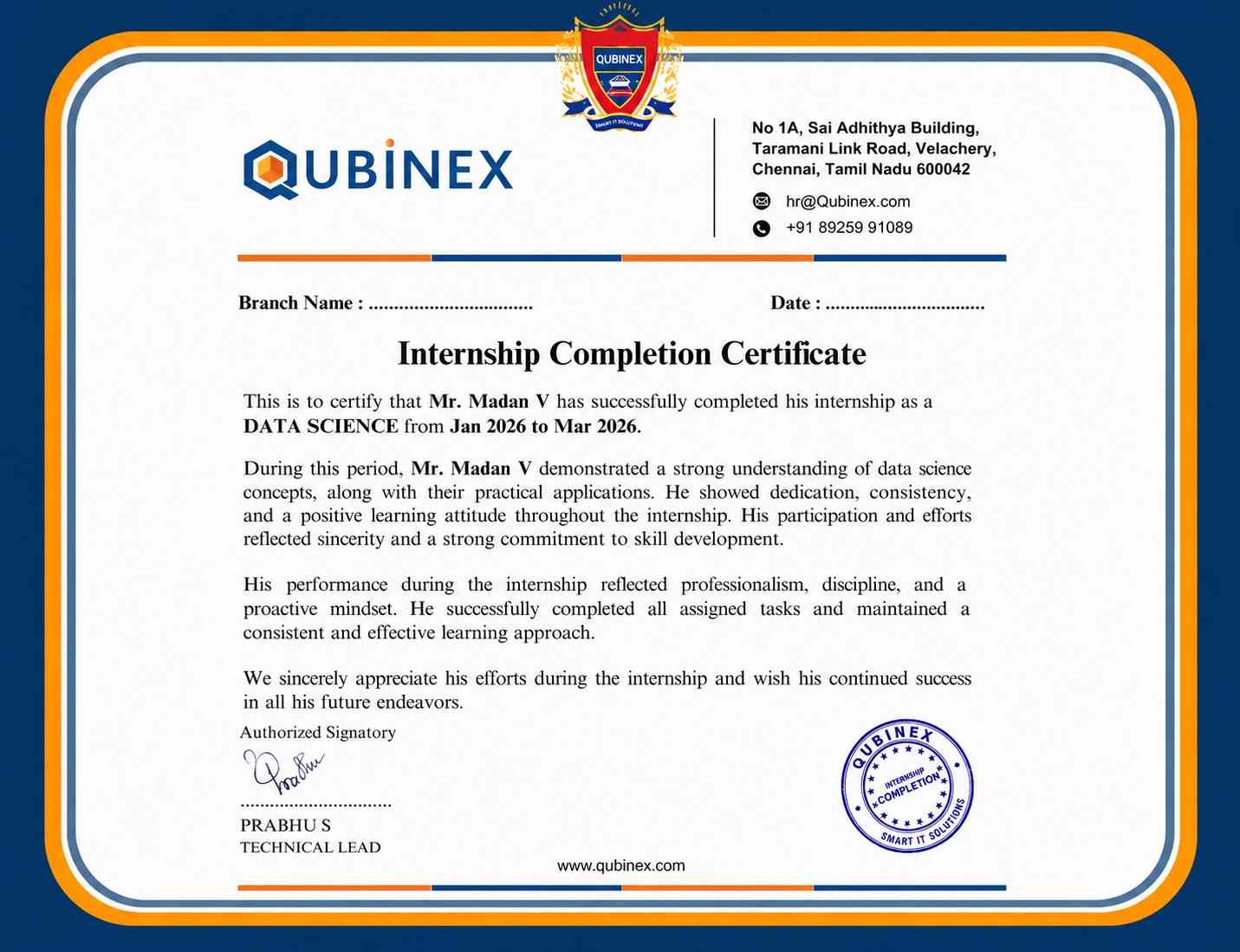
While real-world experience is valuable, it is not required to earn your Linux certification. What matters most is your ability to demonstrate the skills covered in the exam—such as file management, user permissions, process control, and scripting.
A Linux System Administrator certification demonstrates your expertise in managing, configuring, and troubleshooting Linux-based systems. It serves as a credible validation of your skills in a field where Linux powers
Most entry-level certifications like CompTIA Linux+ and RHCSA do not require prior experience or a formal degree. However, having a basic understanding of operating systems, networking concepts, and command-line usage can be extremely helpful
Yes, absolutely. ACTE’s Linux System Administrator Training Certification provides a job-oriented curriculum, industry-recognized trainers, and project-based learning to prepare you for real-world scenarios and certification exams.
Frequently Asked Questions
-
Yes! Here's what to expect in a demo session:
- Get introduced to Linux fundamentals and the course roadmap.
- Meet the trainer and ask your specific career or topic-related questions.
- Experience the teaching methodology, lab tools, and class environment before committing.
-
ACTE’s instructors are seasoned professionals with strong industry credentials:
- 8 to 15 years of experience in Linux system administration, DevOps, or infrastructure roles.
- Experts in Red Hat (RHCSA/RHCE), CompTIA Linux+, and enterprise-level server management.
- Trainers use real-world scenarios, interview-oriented coaching, and hands-on labs.
- Yes, ACTE provides comprehensive placement support after course completion. This includes resume preparation, mock interviews, and job referrals through its 1000+ hiring partner network.
- Upon successful completion, you will receive an ACTE Linux System Administrator Course Completion Certificate. Additionally, the course is designed to prepare you for top industry-recognized certifications
- Absolutely. The course includes practical lab sessions and real-time Linux projects, such as configuring web servers (Apache/Nginx), managing user roles, securing the system with firewalls and SELinux, and setting up RAID or LVM.
