
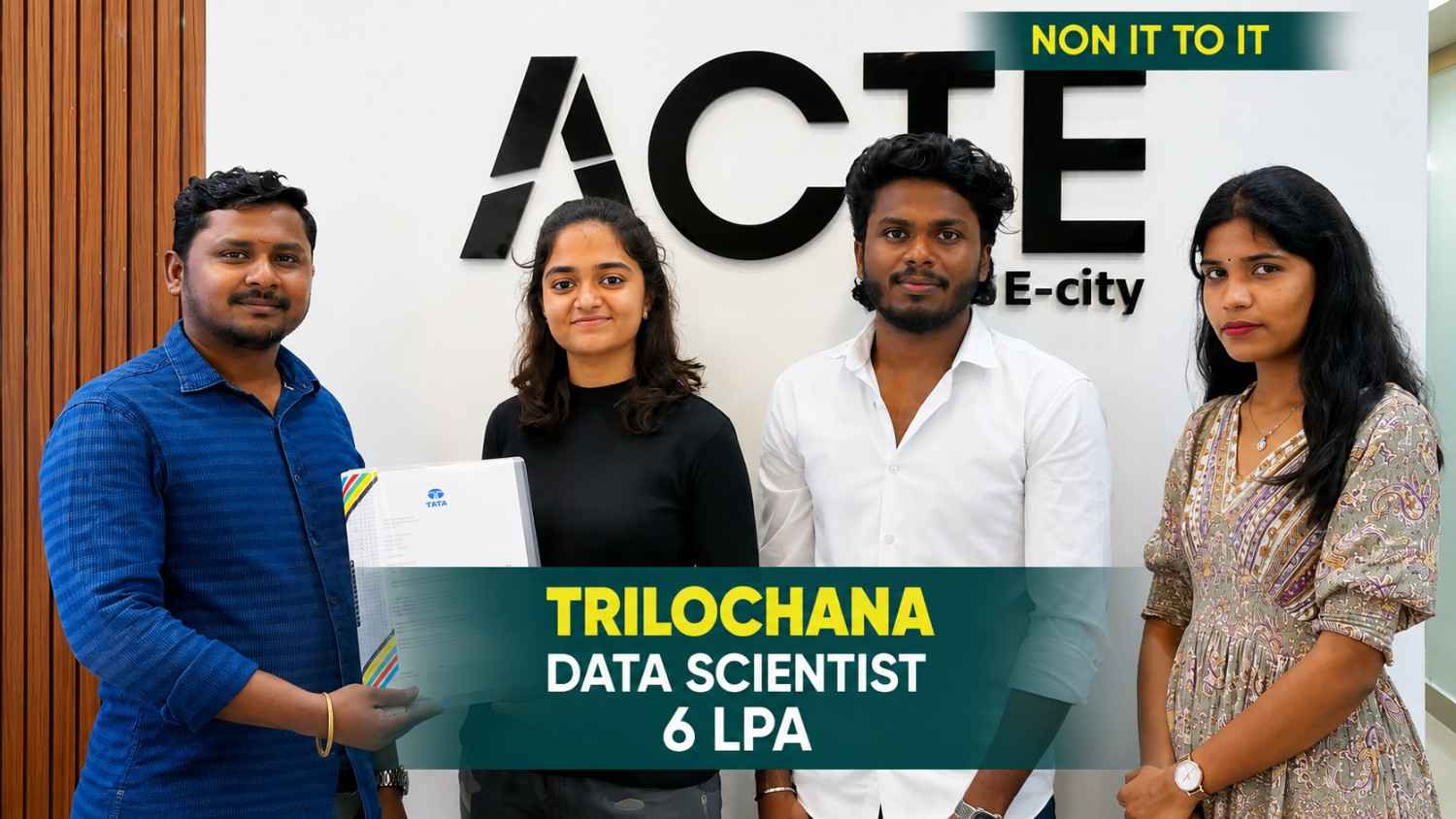
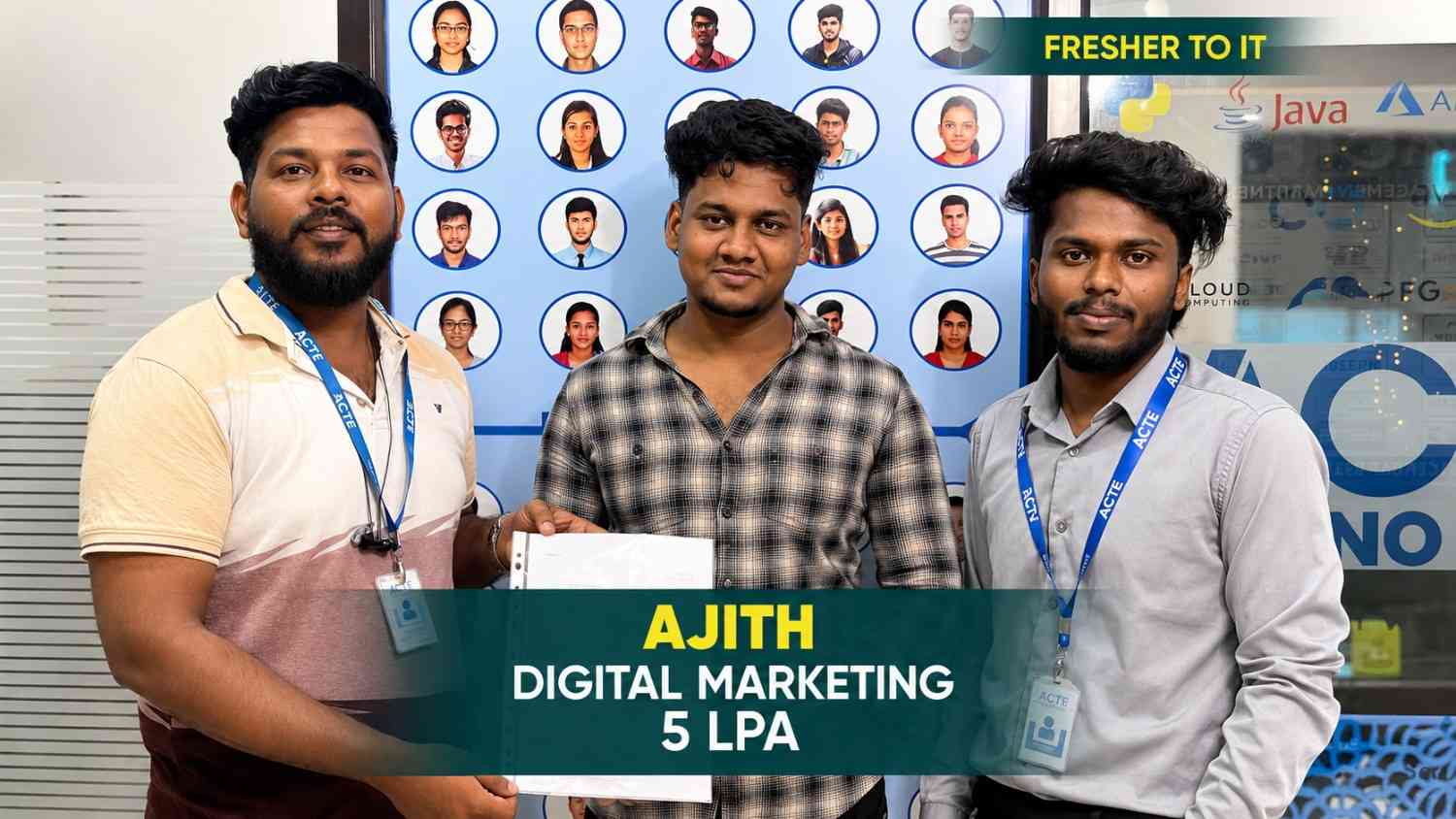
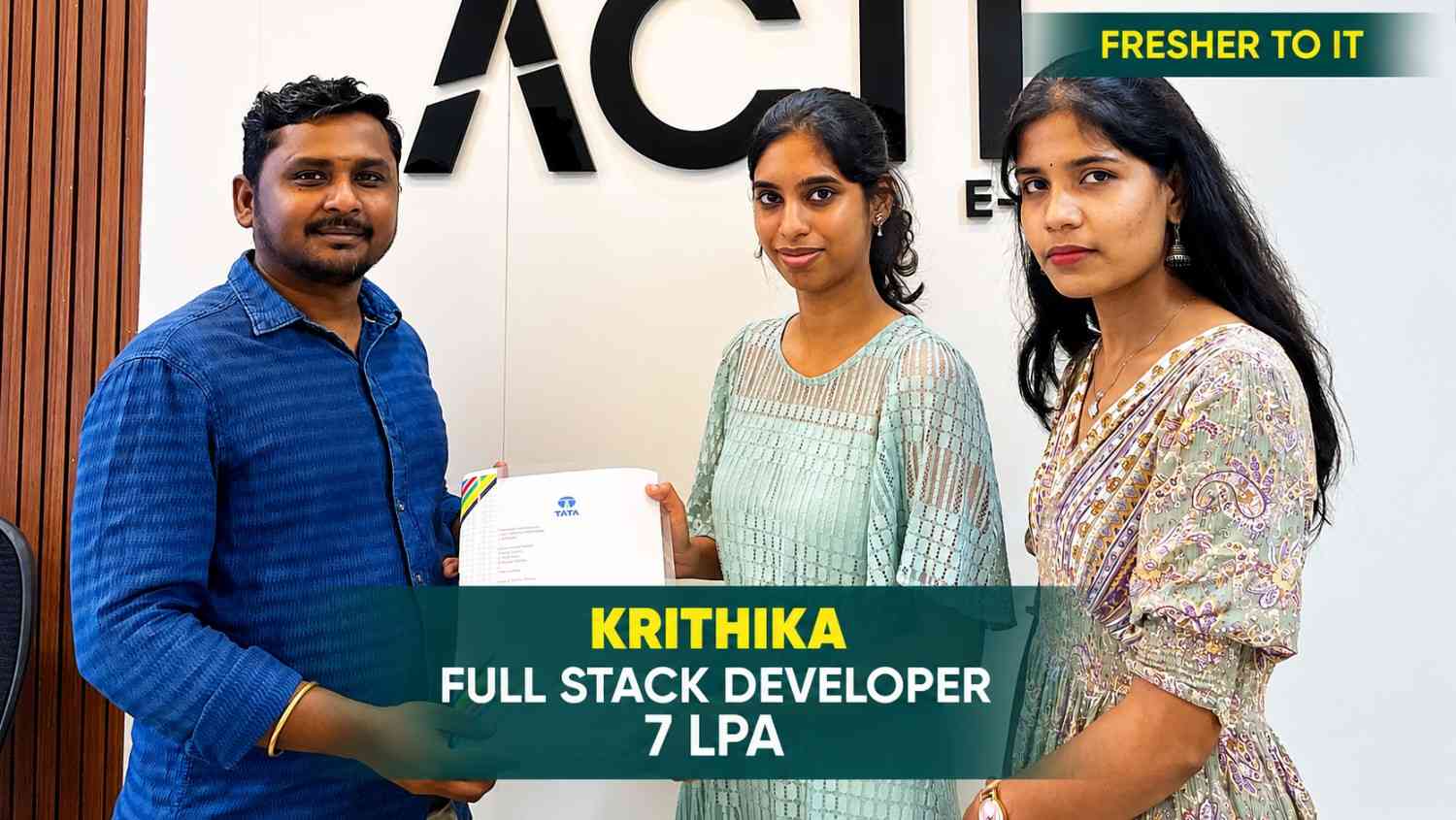
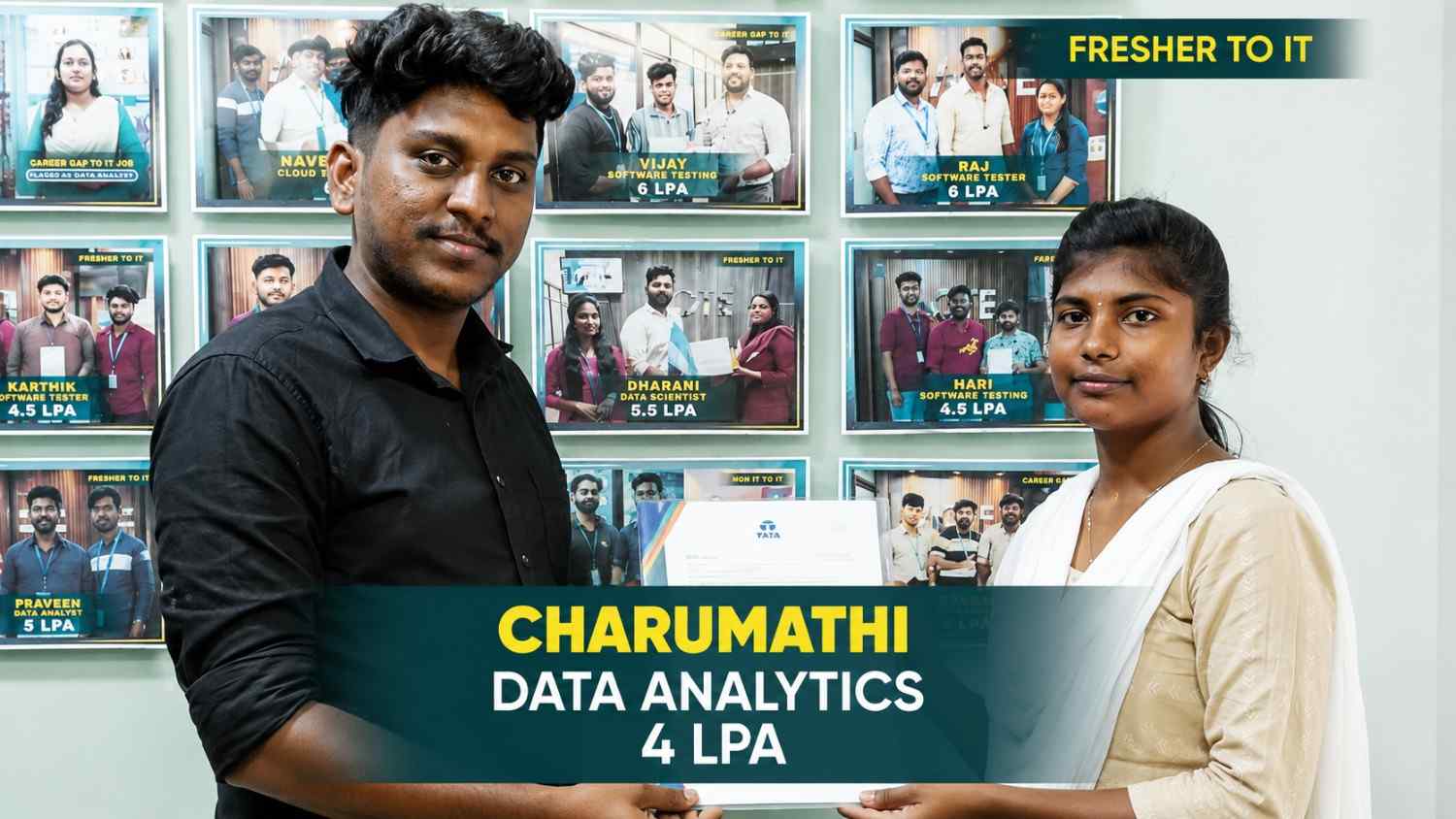
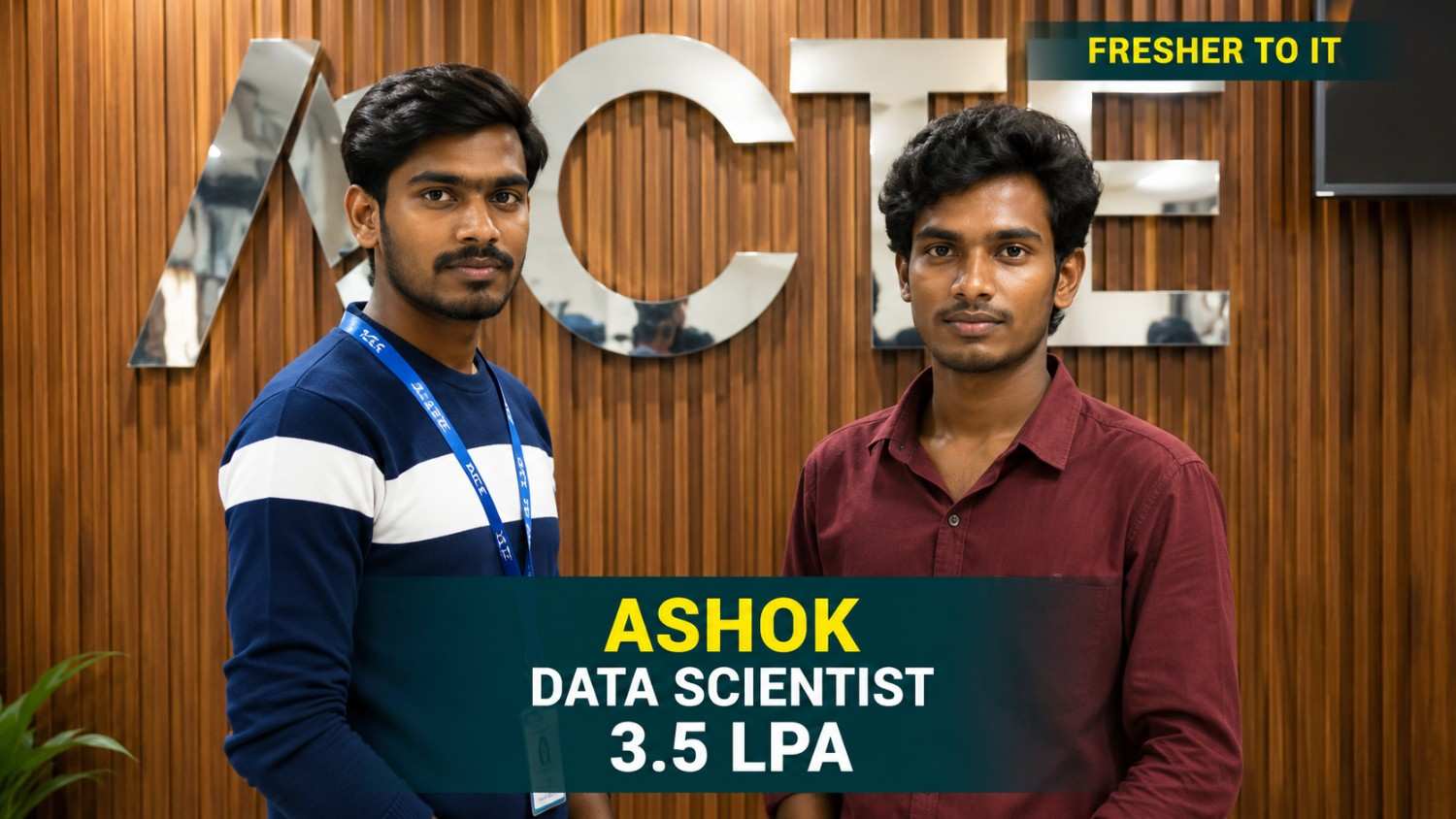
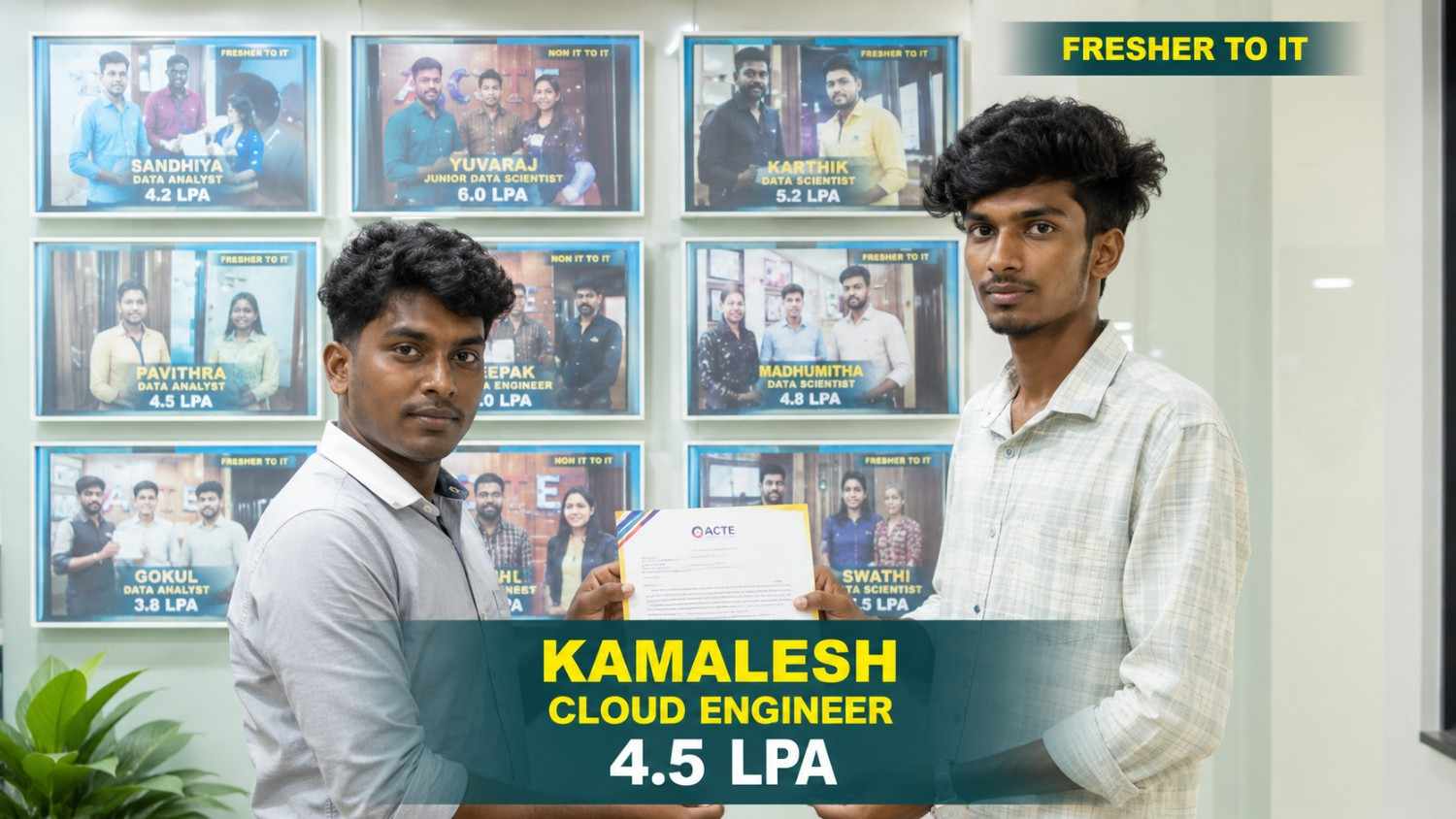
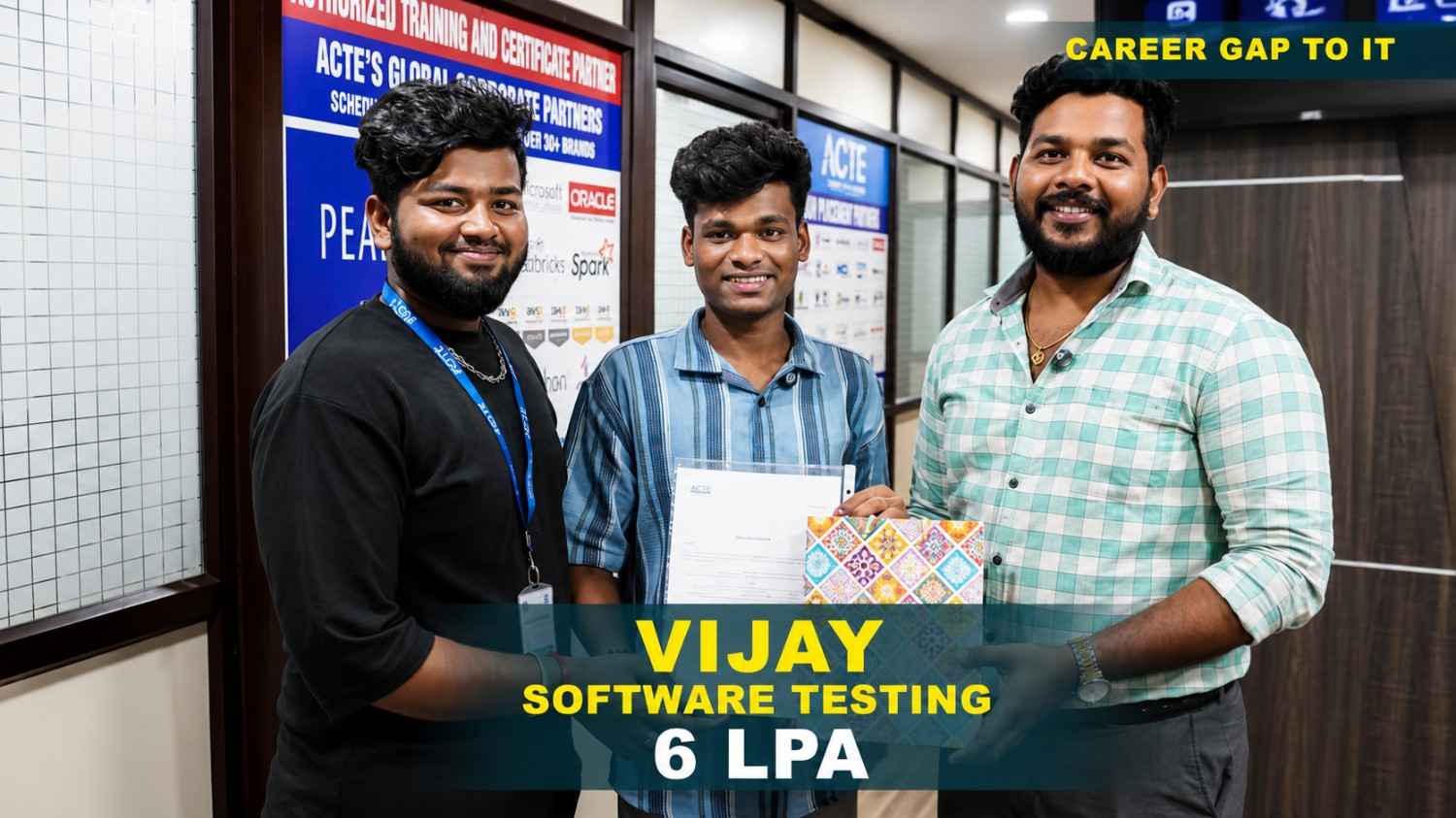
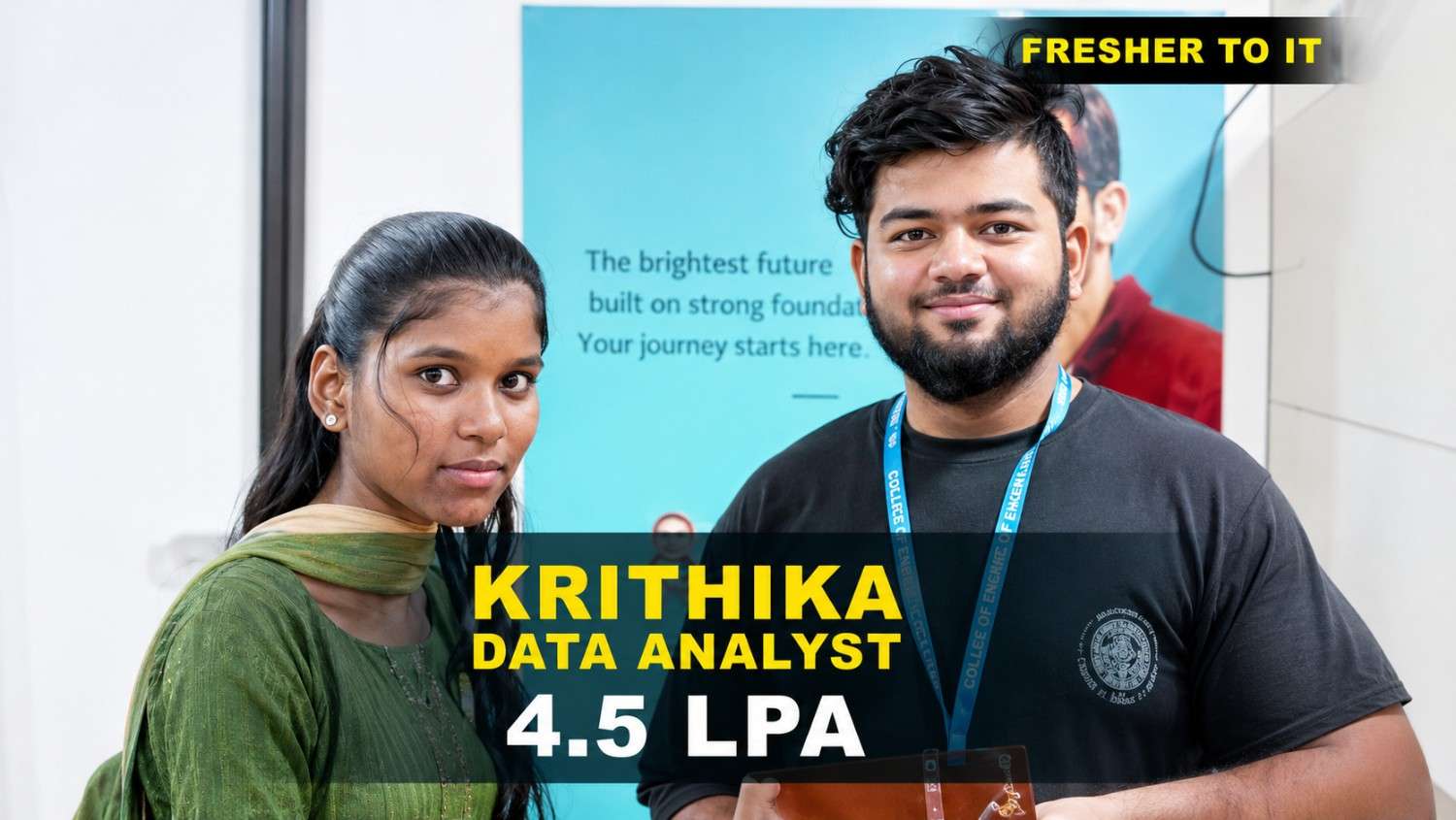
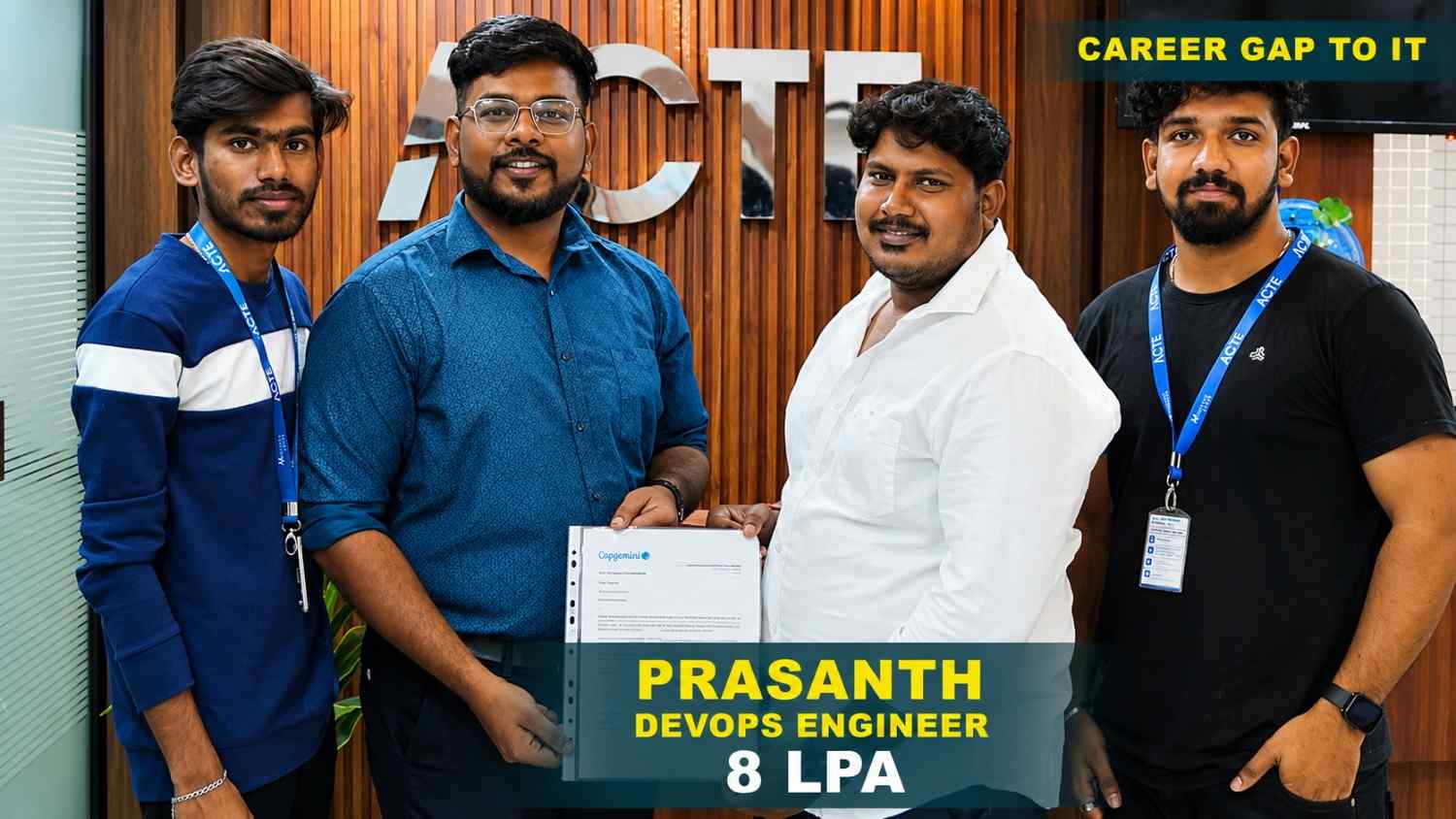
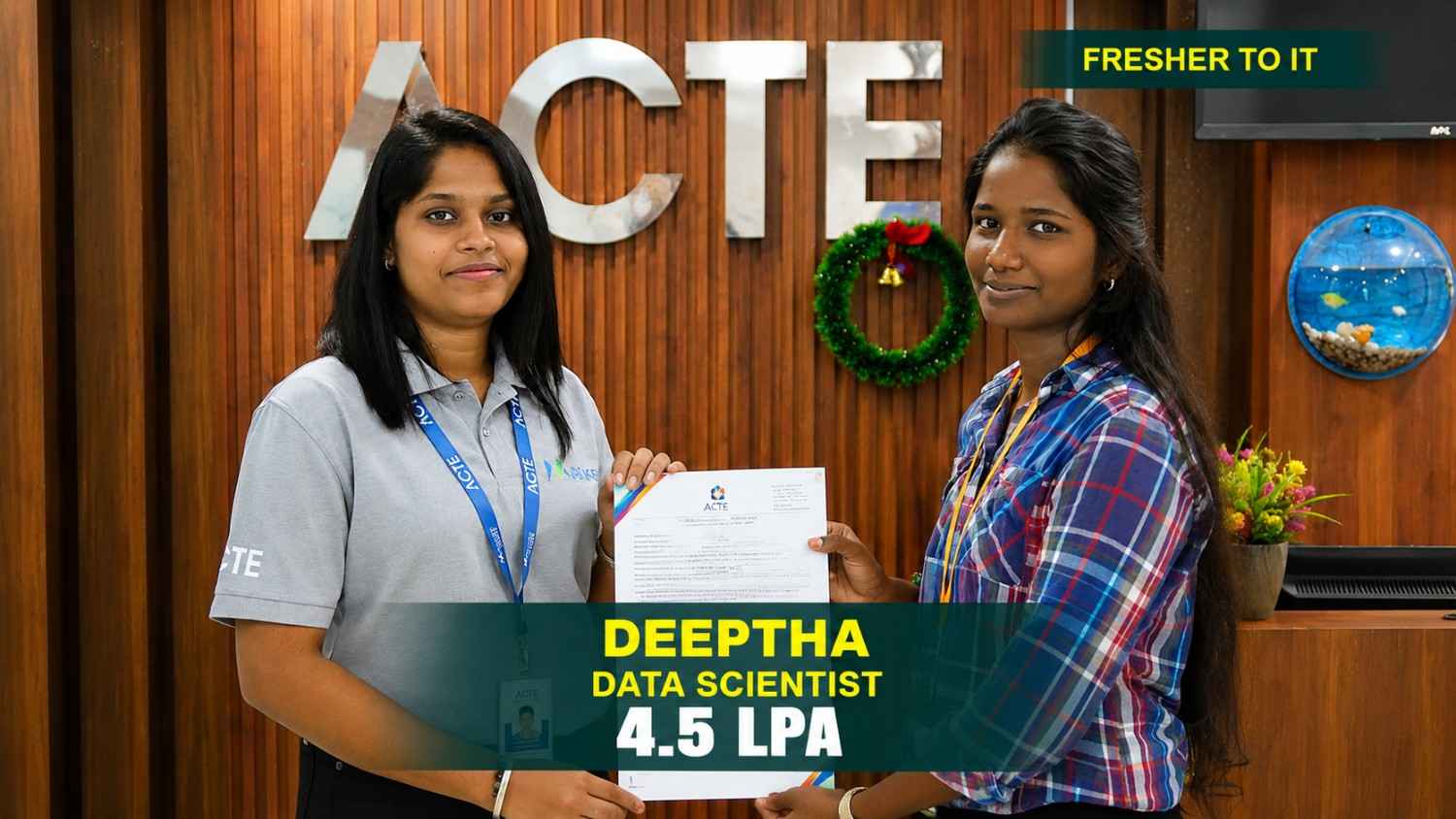
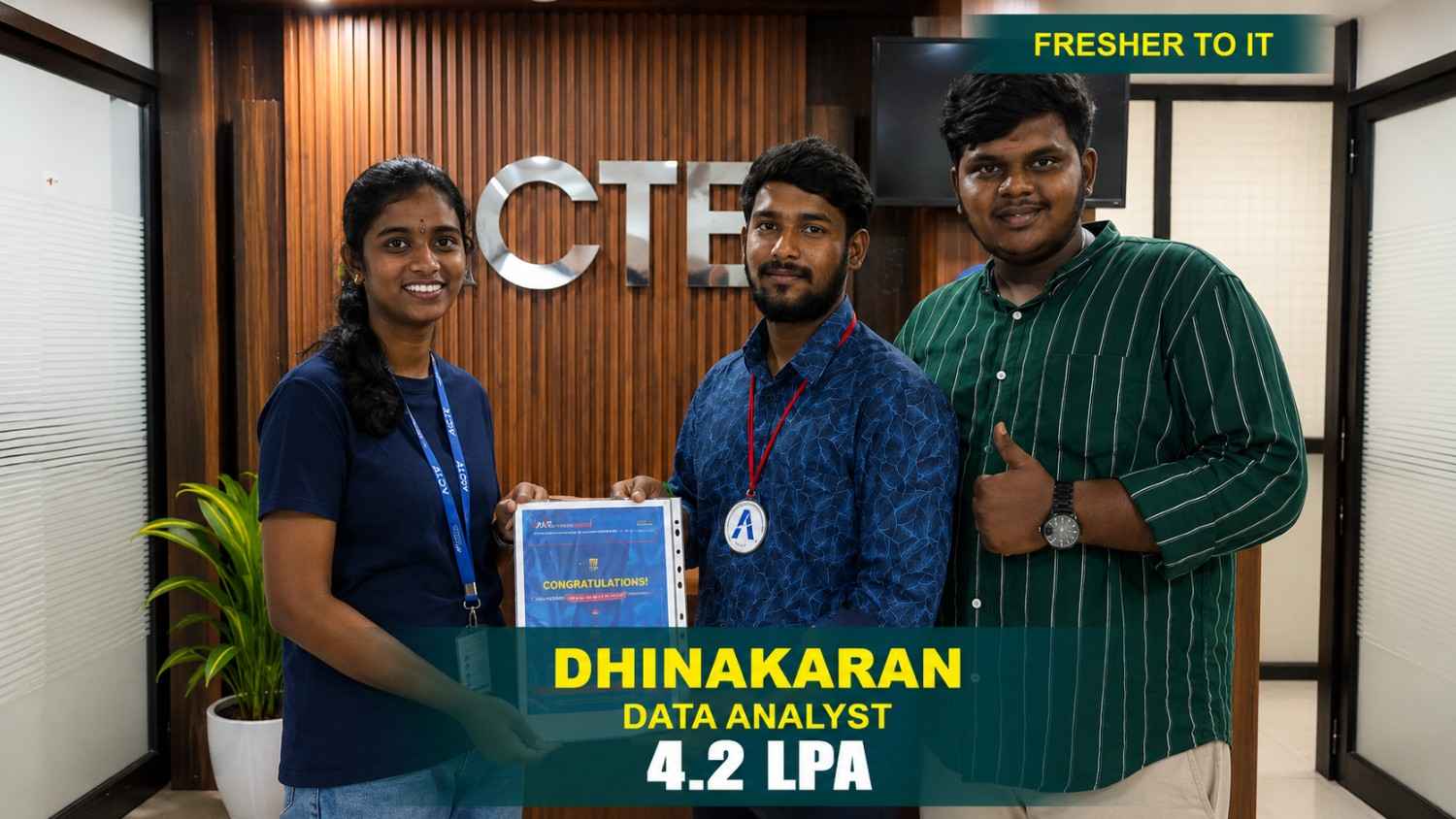
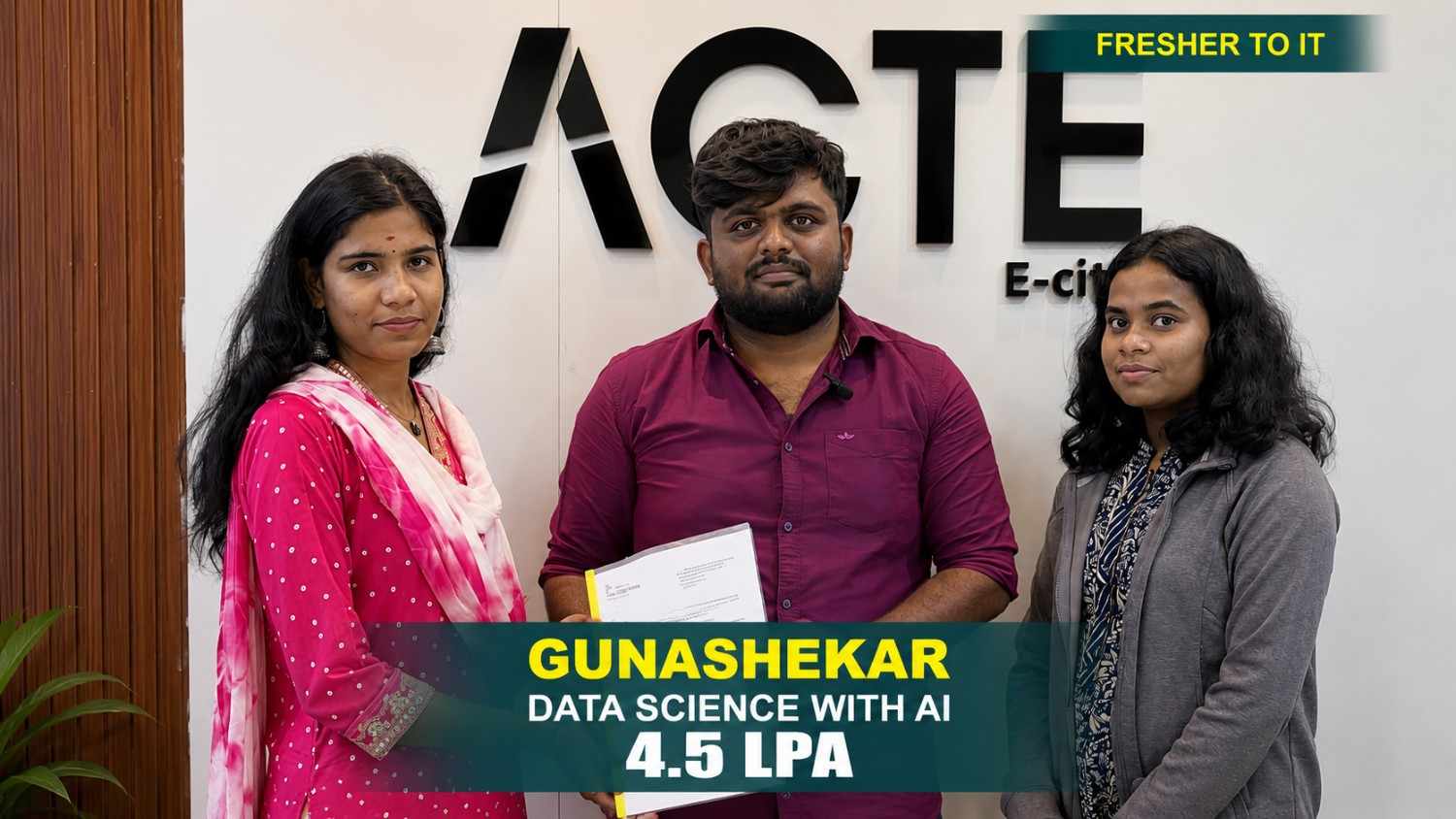
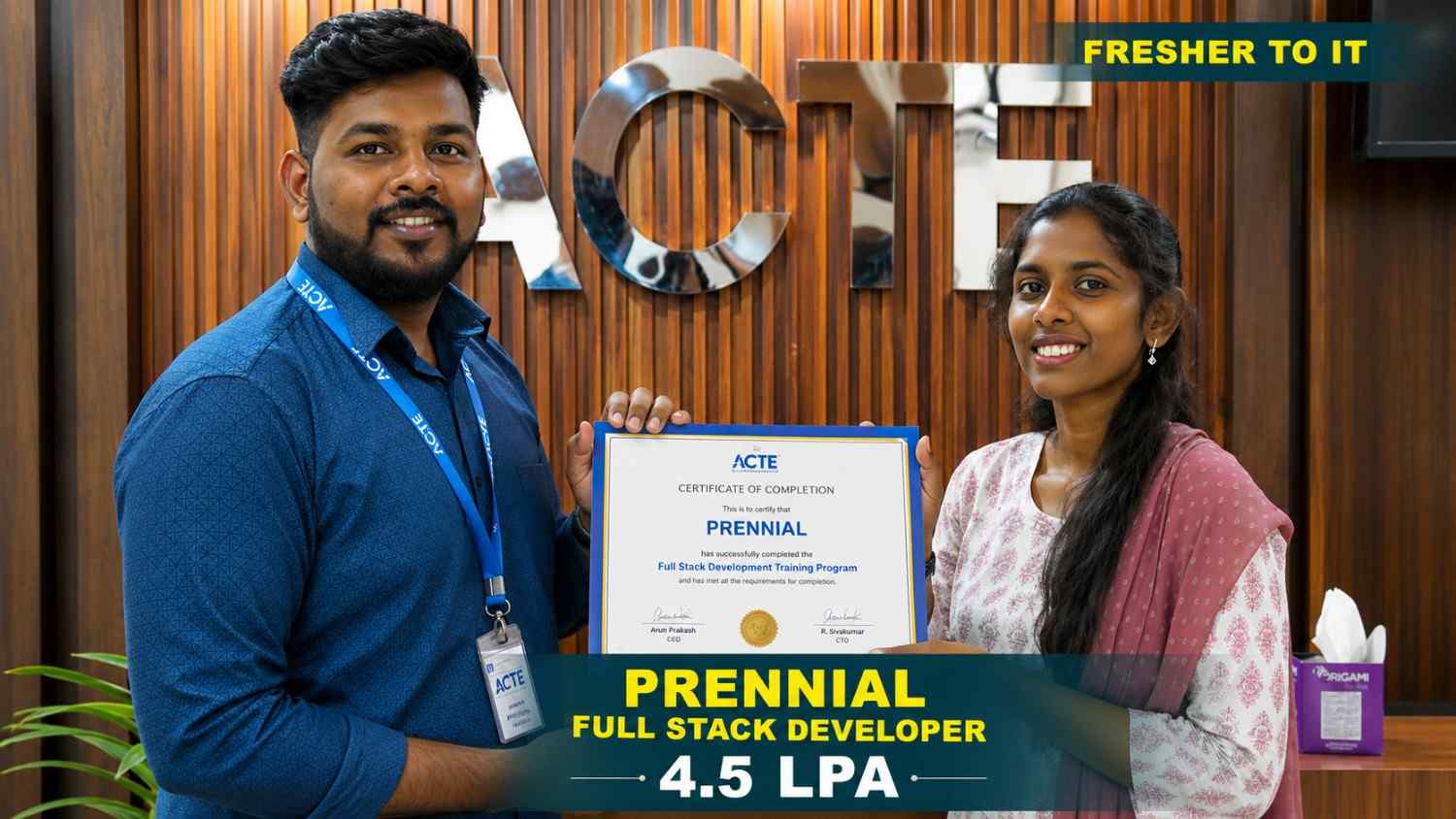
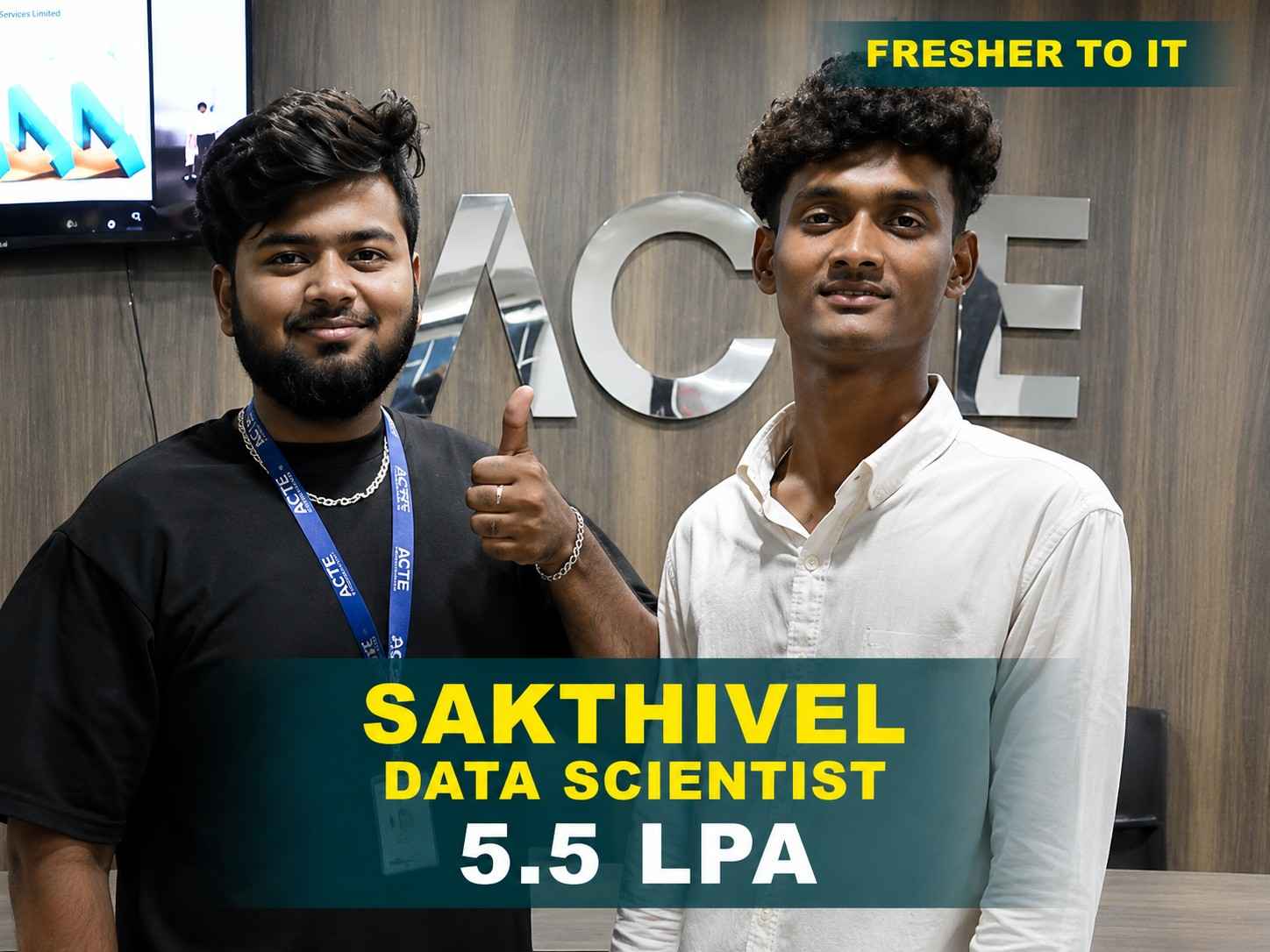
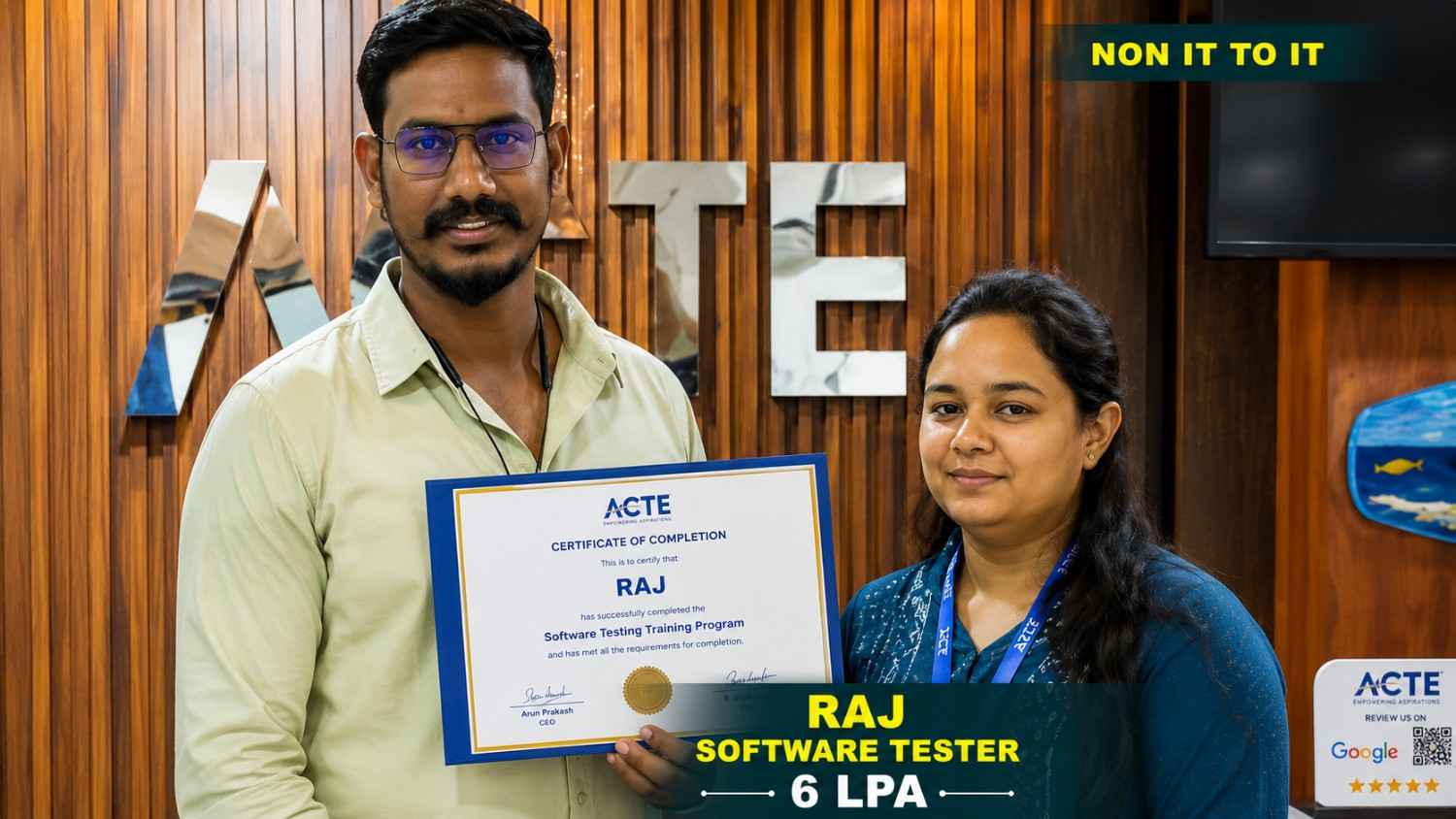
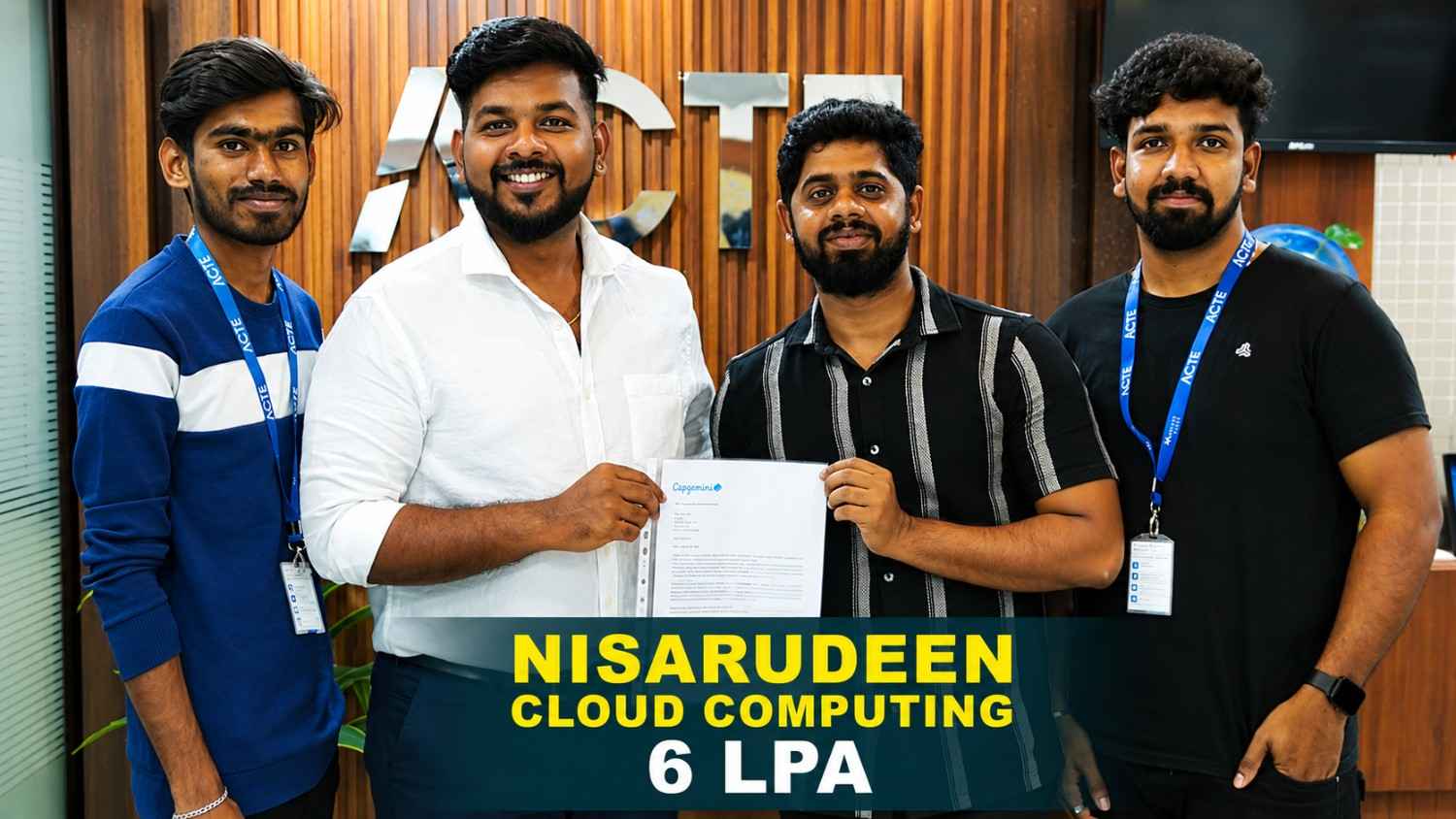
550+ Students Placed Every Month Be The Next!




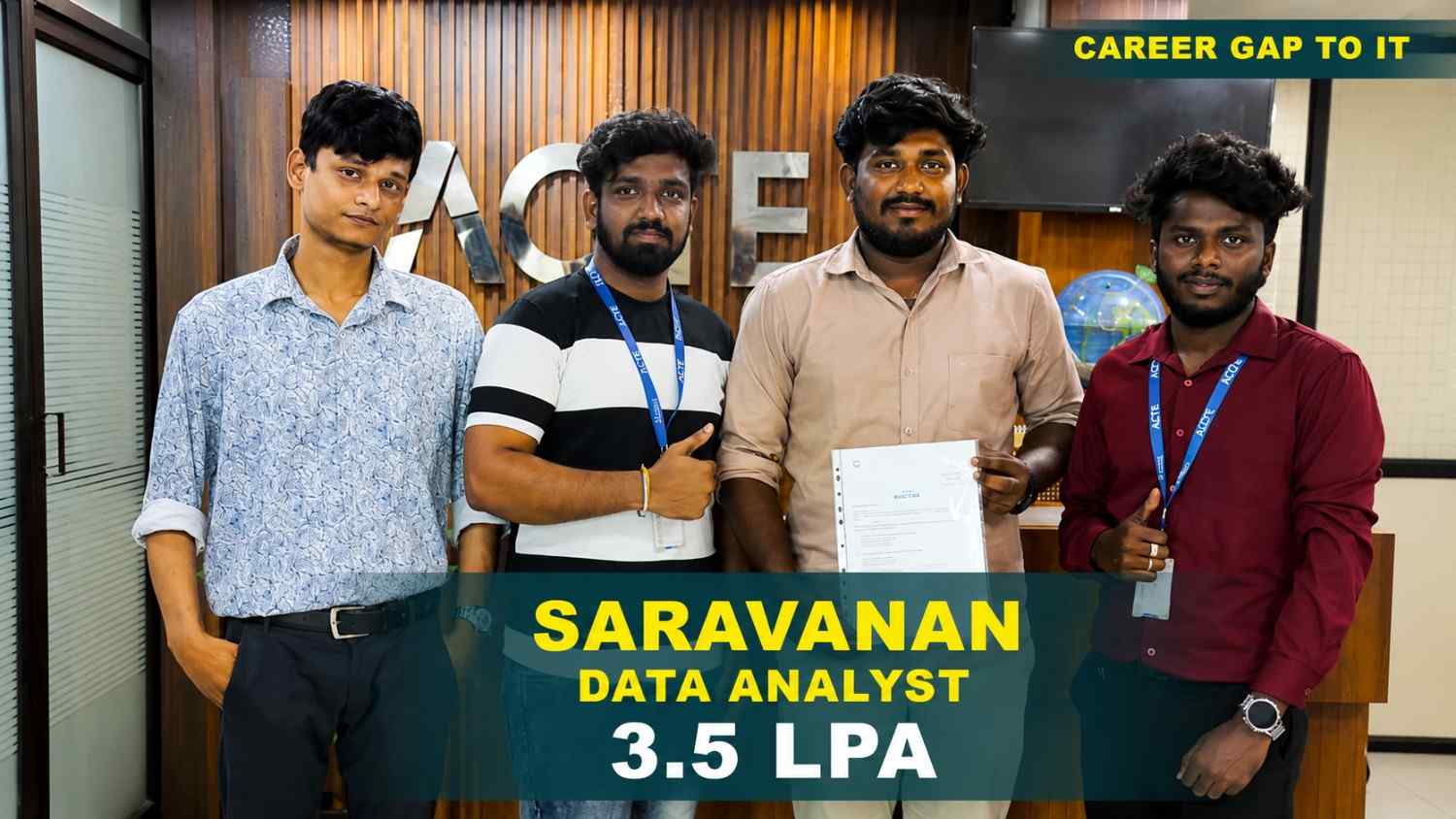

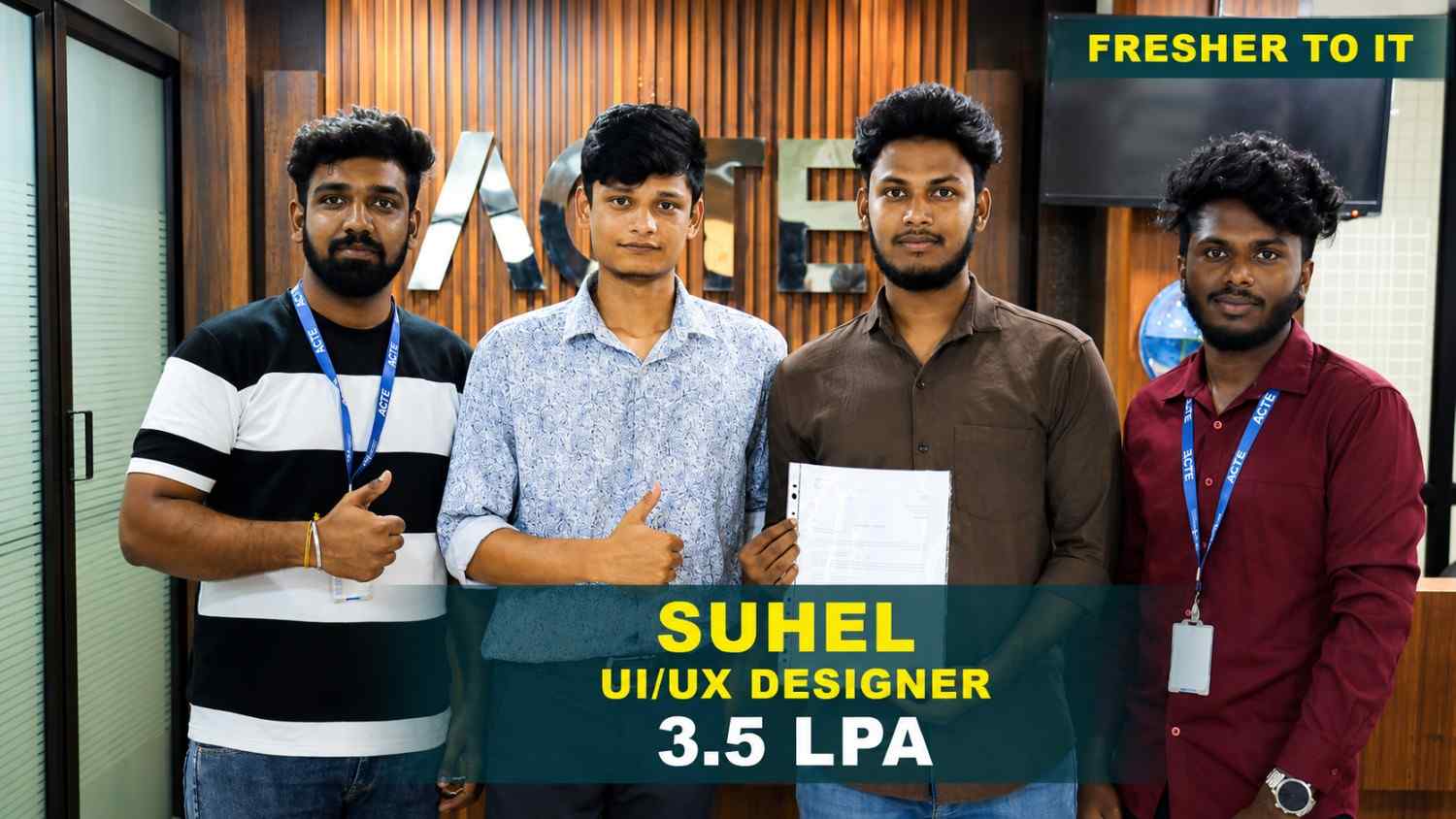
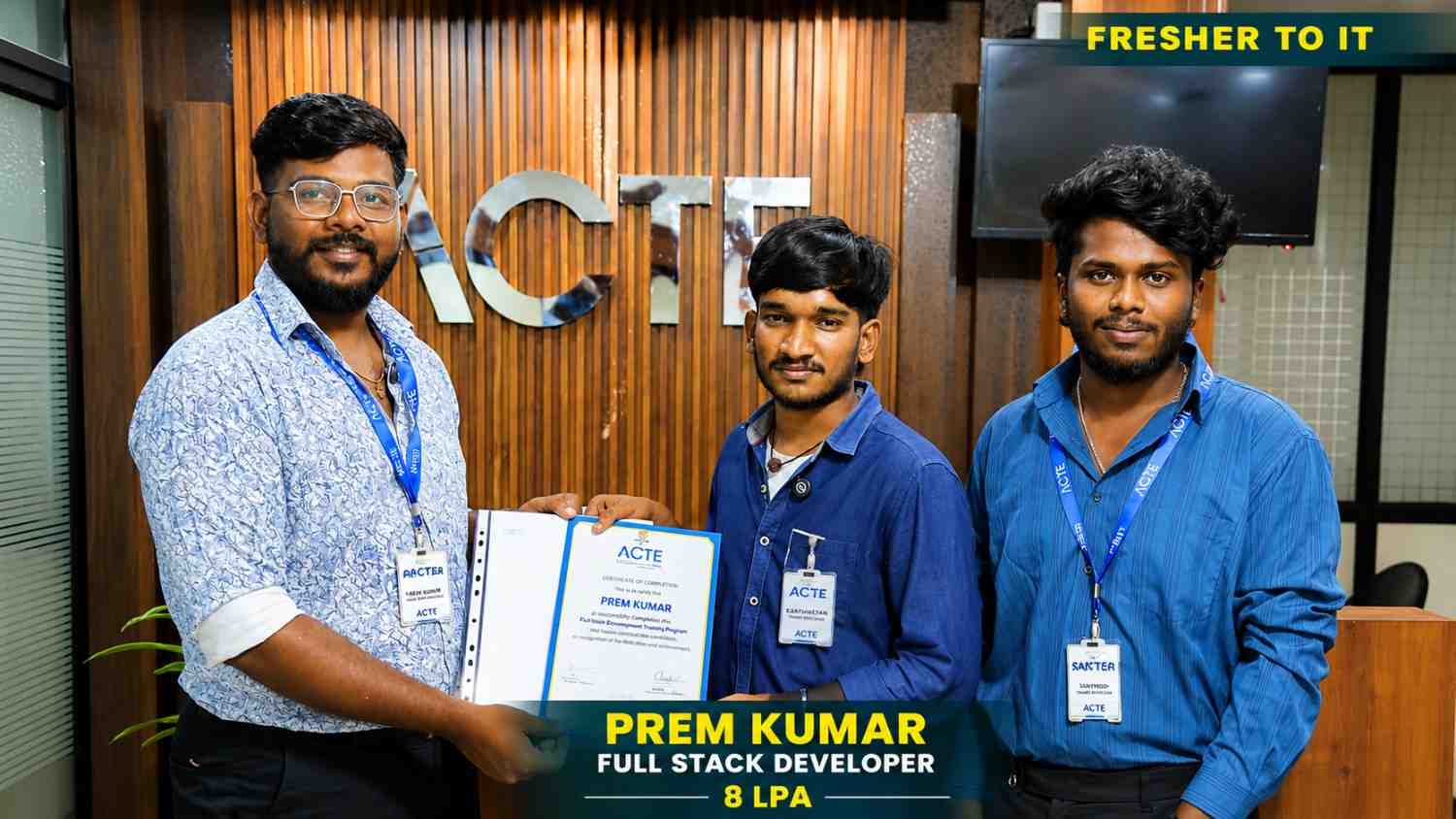
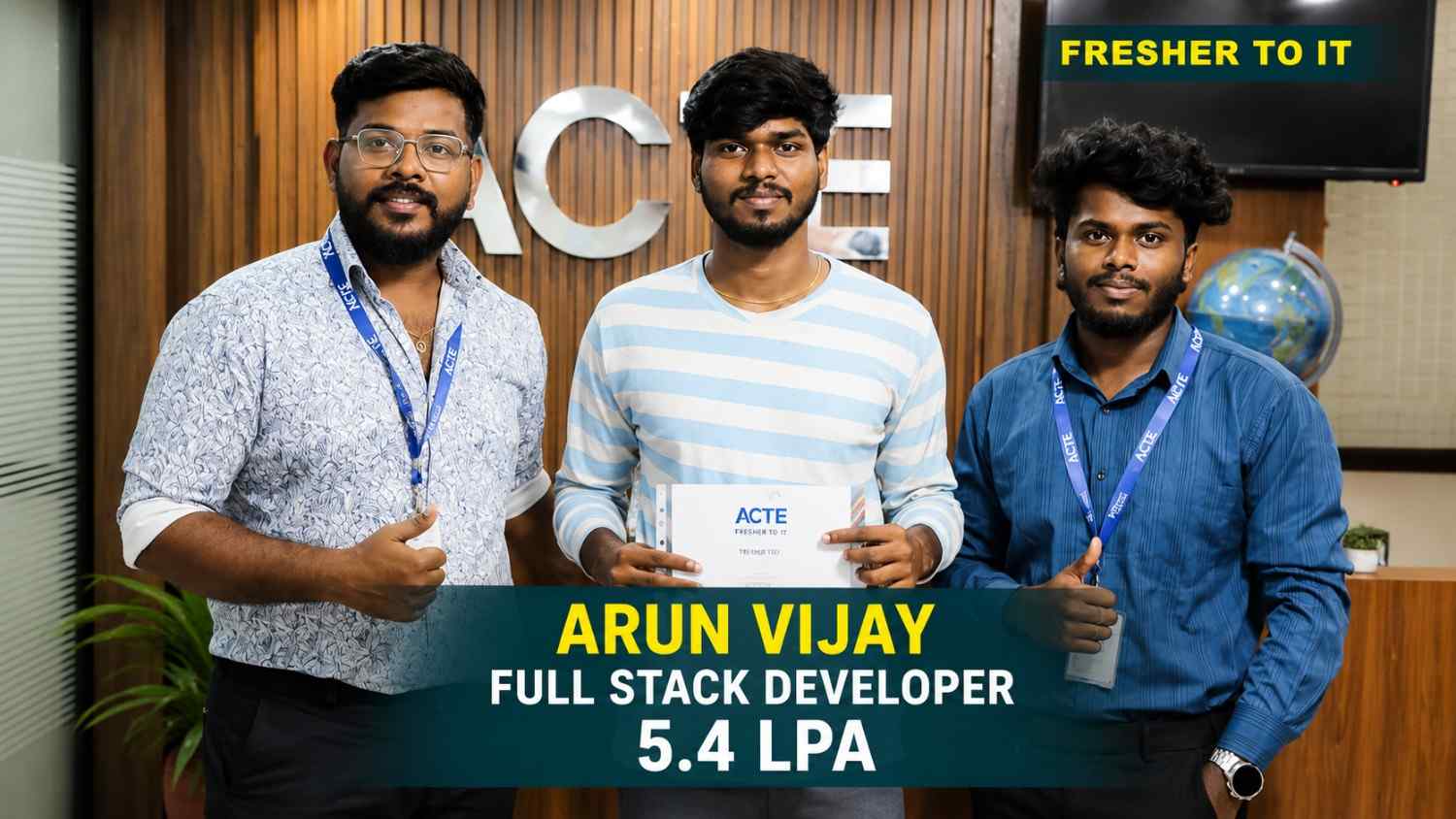
Our Hiring Partners

Curriculum Designed By Experts
Expertly designed curriculum for future-ready professionals.
Industry Oriented Curriculum
An exhaustive curriculum designed by our industry experts which will help you to get placed in your dream IT company
-
30+ Case Studies & Projects
-
9+ Engaging Projects
-
10+ Years Of Experience
Devops Training Projects
Become a Devops Expert With Practical and Engaging Projects.
- Practice essential Tools
- Designed by Industry experts
- Get Real-world Experience
Version Control Using Git
This project focuses on learning Git basics, including repository creation, branching, merging, and collaborating with GitHub. It helps beginners understand how version control works and the importance of tracking changes.
Automating Tasks with Shell Scripting
In this project, learners will write Bash scripts to automate repetitive system administration tasks such as file backups, user management, and log monitoring. This is a fundamental step toward automation in DevOps.
Continuous Integration (CI)
Beginners will configure Jenkins to automate the building and testing of applications. The project involves setting up Jenkins jobs, integrating GitHub repositories, and scheduling automated builds.
Deploying a CI/CD Pipeline
This project enhances DevOps automation by integrating Jenkins with GitHub to trigger automated builds and tests. Participants will implement pipelines for software delivery.
Infrastructure as Code
Learners will use Terraform to define and provision cloud infrastructure resources such as virtual machines, networks, and storage. This project teaches the fundamentals of Infrastructure as Code.
Monitoring System Performance
In this project, participants will set up Prometheus to collect system metrics and use Grafana to visualize performance data. They will learn how to set alerts and optimize system.
Implementing a Full-Scale CI/CD Pipeline
This project involves creating a fully automated CI/CD pipeline for a microservices-based application. It includes source code integration, Dockerization, Kubernetes deployment.
Log Management and Analysis
Participants will set up Elasticsearch, Logstash, and Kibana (ELK Stack) to collect, process, and visualize application logs for better monitoring and troubleshooting.
Serverless Application Deployment
Serverless computing has become a key trend in modern cloud-based application development, eliminating the need to manage infrastructure while allowing developers to focus on writing.
Career Support
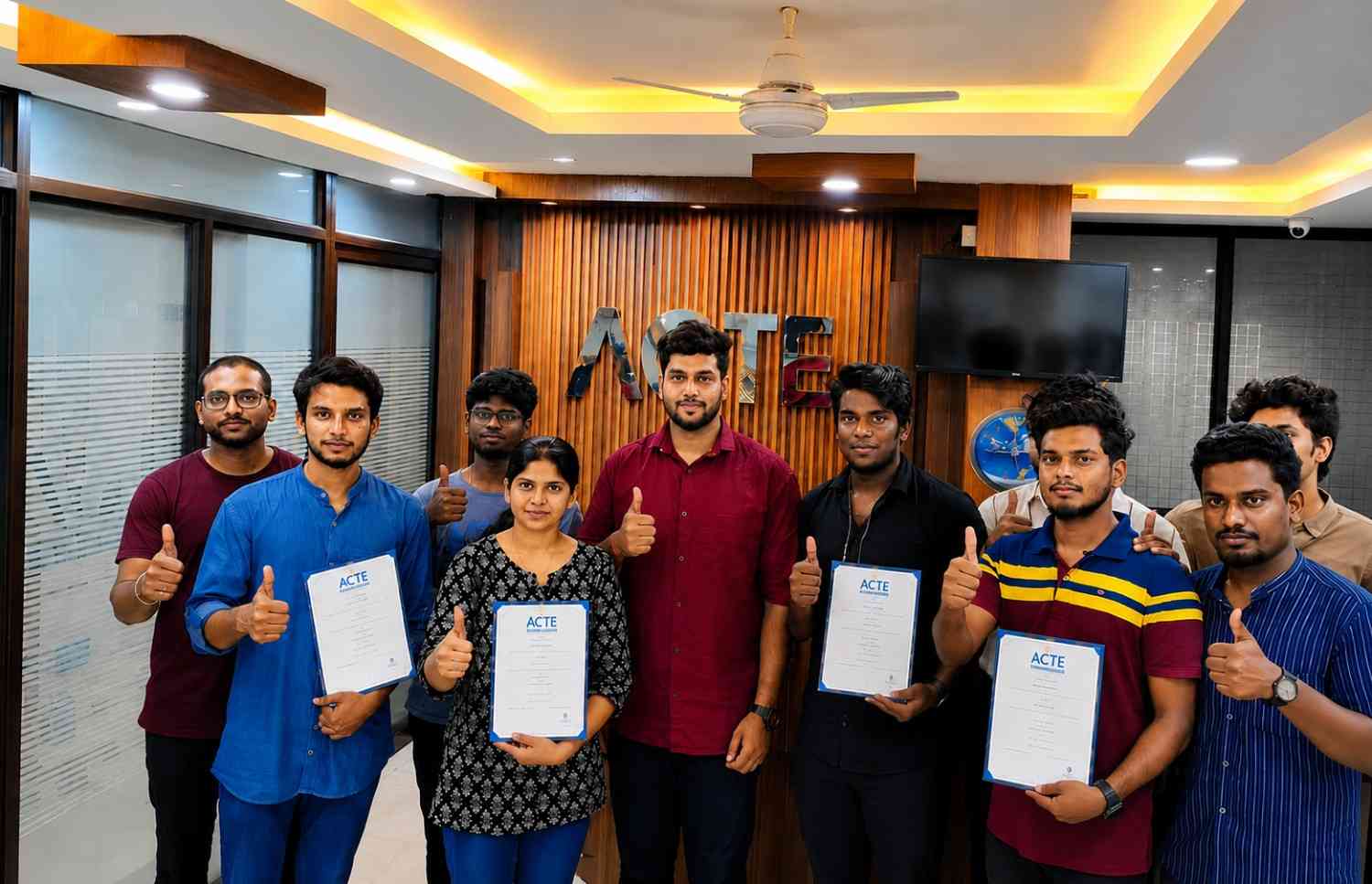

Placement Assistance

Exclusive access to ACTE Job portal

Mock Interview Preparation

1 on 1 Career Mentoring Sessions

Career Oriented Sessions

Resume & LinkedIn Profile Building
Key Features

Practical Training

Global Certifications

Flexible Timing

Trainer Support

Study Material

Placement Support

Mock Interviews

Resume Building
Upcoming Batches
What's included

 Free Aptitude and
Technical Skills Training
Free Aptitude and
Technical Skills Training
- Learn basic maths and logical thinking to solve problems easily.
- Understand simple coding and technical concepts step by step.
- Get ready for exams and interviews with regular practice.

 Hands-On Projects
- Work on real-time projects to apply what you learn.
- Build mini apps and tools daily to enhance your coding skills.
- Gain practical experience just like in real jobs.

 AI Powered Self
Interview Practice Portal
AI Powered Self
Interview Practice Portal
- Practice interview questions with instant AI feedback.
- Improve your answers by speaking and reviewing them.
- Build confidence with real-time mock interview sessions.

 Interview Preparation
For Freshers
Interview Preparation
For Freshers
- Practice company-based interview questions.
- Take online assessment tests to crack interviews
- Practice confidently with real-world interview and project-based questions.
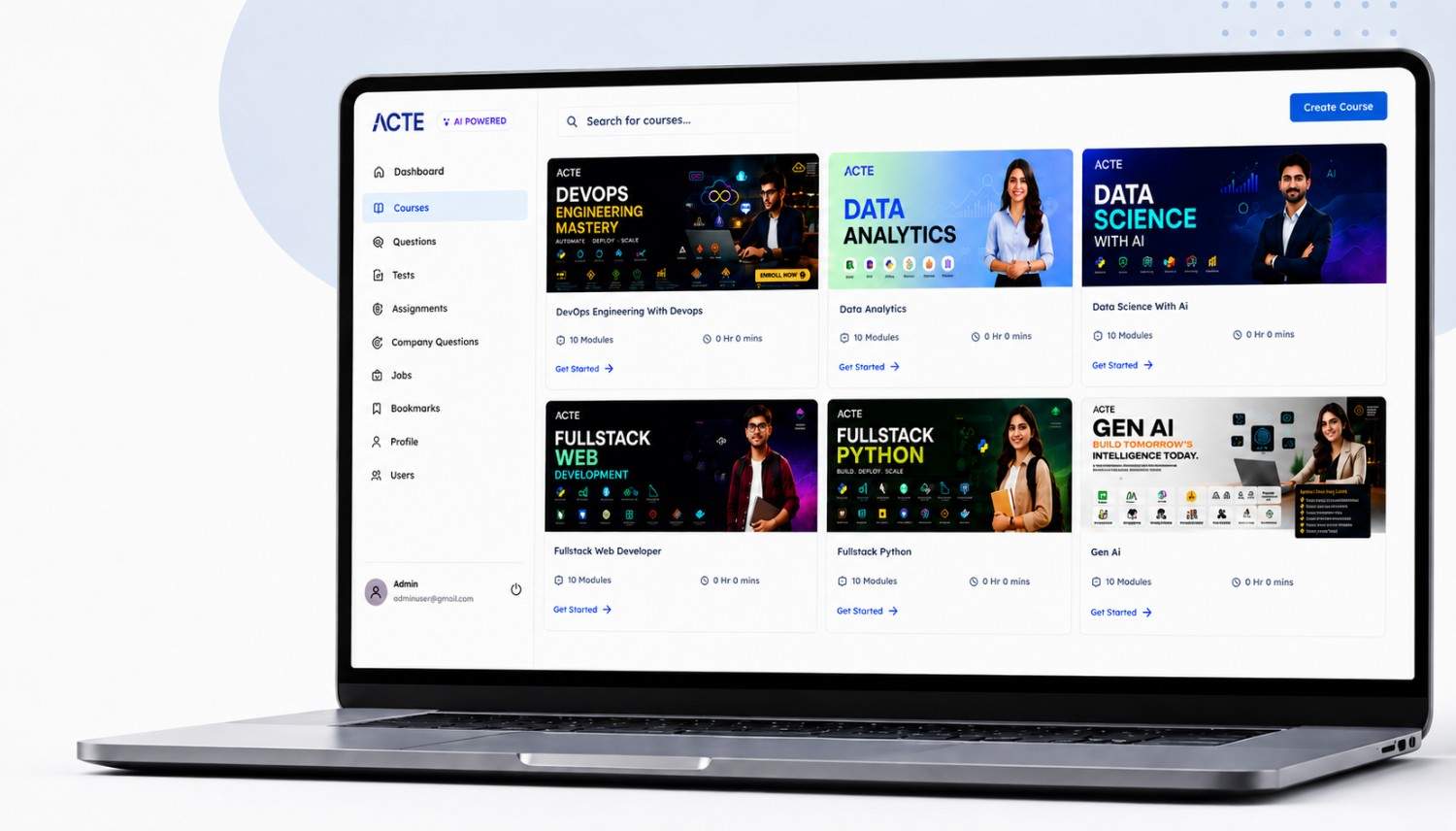
 LMS Online Learning
Platform
LMS Online Learning
Platform
- Explore expert trainer videos and documents to boost your learning.
- Study anytime with on-demand videos and detailed documents.
- Quickly find topics with organized learning materials.
- Learning strategies that are appropriate and tailored to your company's requirements.
- Live projects guided by instructors are a characteristic of the virtual learning environment.
- The curriculum includes of full-day lectures, practical exercises, and case studies.

Devops Training Overview
Devops Training in OMR with Career Paths
Pursuing a career through a DevOps training institute in OMR can open up numerous opportunities across industries, as more organizations embrace automation, cloud technologies, and CI/CD practices. DevOps professionals play a crucial role in bridging the gap between software development and IT operations, leading to faster, more reliable, and efficient software delivery. Among the key career paths available in this field is the DevOps Engineer, who is responsible for automating workflows, managing CI/CD pipelines, and ensuring seamless deployment processes. Another vital role is the Site Reliability Engineer (SRE), who focuses on maintaining system uptime, scalability, and performance monitoring. Cloud Engineers are also in demand, working with platforms such as AWS, Microsoft Azure, or Google Cloud to build and manage cloud infrastructure.
The Requirements for a DevOps Career Certification Course in OMR
- Technical Skills: A strong command of Linux operating systems and shell scripting is foundational for any DevOps professional. Many automation and configuration tasks are carried out in Linux environments, making it essential to be comfortable.
- DevOps Tools & Technologies: DevOps relies heavily on modern toolchains to streamline development and operations. Version control systems like Git and GitHub are fundamental for managing code versions and enabling team collaboration.
- Cloud and Infrastructure Knowledge: As organizations shift to cloud-native architectures, familiarity with cloud platforms like Amazon Web Services (AWS), Microsoft Azure, or Google Cloud becomes increasingly important.
- Soft Skills & Agile Methodologies: In addition to technical expertise, soft skills play a critical role in DevOps success. Professionals must excel in communication and collaboration, working seamlessly with developers, testers, operations, and security teams.
Enrolling in in DevOps Development Course in OMR
The adoption of DevOps placement training has surged as organizations seek faster, more efficient software development and deployment cycles. For individuals exploring a career in DevOps, enrolling in a structured training program offers numerous advantages. One of the key benefits is the high demand for DevOps professionals, with job opportunities available across various sectors. Earning certifications and gaining hands-on experience greatly enhances one’s career prospects. Additionally, DevOps engineers and cloud architects enjoy some of the most lucrative salary packages in the IT industry, with increased earnings and opportunities as experience grows. DevOps training also supports cross-disciplinary skill development, equipping learners with knowledge in software development, system administration, automation, and cloud technologies. Furthermore, companies that adopt DevOps practices typically see up to 60% faster software release cycles, resulting in reduced time-to-market and improved operational efficiency.
Techniques and Trends in Devops Training in OMR
- Infrastructure as Code (IaC): Automating infrastructure provisioning using Terraform, AWS CloudFormation, and Ansible. Managing infrastructure through version-controlled scripts rather than manual configurations.
- Continuous Integration & Continuous Deployment (CI/CD): Implementing automated build, test, and deployment pipelines using Jenkins, GitHub Actions, or GitLab CI/CD.
- Containerization & Kubernetes Orchestration: Running applications in lightweight Docker containers to ensure consistency across environments. Using Kubernetes to automate container management, scaling, and load balancing.
- DevSecOps – Security in DevOps: Integrating security into CI/CD pipelines with SonarQube, HashiCorp Vault, and OWASP security testing. Implementing automated security scans before deployment to prevent vulnerabilities.
- Observability & Monitoring: Using Prometheus, Grafana, and ELK Stack for real-time system monitoring. Enabling proactive troubleshooting with centralized logging and automated alerts.
- Cloud-Native & Serverless Architectures: Adopting AWS Lambda, Azure Functions, or Google Cloud Functions to develop serverless applications. Reducing infrastructure maintenance while optimizing cost efficiency.
The Most Recent DevOps Coaching Class in OMR with Tools
DevOps Program Certification Training is built around a robust ecosystem of tools that streamline software development, automation, and infrastructure management. At the core are version control and collaboration tools like Git, GitHub, GitLab, and Bitbucket, which are essential for tracking code changes and enabling team collaboration. Continuous Integration and Continuous Deployment (CI/CD) tools such as Jenkins, GitHub Actions, CircleCI, and GitLab CI/CD automate the build, test, and deployment processes, accelerating delivery cycles. Infrastructure as Code (IaC) tools like Terraform, AWS CloudFormation, and Pulumi allow infrastructure to be defined and managed through code, ensuring consistency and repeatability in provisioning. Configuration management solutions including Ansible, Puppet, Chef, and SaltStack help automate software setups and system configurations. For managing containerized applications, containerization and orchestration tools like Docker, Kubernetes, and OpenShift are widely adopted for their scalability and reliability. Cloud platforms such as AWS, Microsoft Azure, and Google Cloud offer the scalable infrastructure needed for modern DevOps practices. Lastly, monitoring and logging tools like Prometheus, Grafana, and the ELK Stack (Elasticsearch, Logstash, Kibana) provide visibility into system performance and support efficient log analysis and troubleshooting.
Career Opportunities After Devops Training
DevOps Engineer
A DevOps Engineer is responsible for automating software development, deployment, and infrastructure management. They work with CI/CD pipelines, containerization, cloud platforms, and infrastructure as code.
Site Reliability Engineer
An SRE focuses on the reliability, performance, and scalability of software systems. They use automation and monitoring tools to detect and resolve infrastructure or application issues before they impact.
Cloud Engineer
A Cloud Engineer specializes in deploying, managing, and optimizing cloud-based infrastructure for DevOps workflows. They work with major cloud providers such as AWS, Microsoft Azure, and Google Cloud Platform.
Release Manager
A Release Manager oversees the entire software release lifecycle, from planning and development to deployment and post-release monitoring. They coordinate with development, QA, and operations teams to ensure smooth and timely software updates.
Automation Engineer
An Automation Engineer plays a key role in writing scripts and developing automation frameworks to reduce manual tasks in DevOps processes. They work on configuration management, testing automation, infrastructure provisioning, and deployment automation.
DevSecOps Engineer
A DevSecOps Engineer ensures that security is integrated throughout the DevOps lifecycle. They work on security automation, vulnerability scanning, compliance checks, and identity management using tools like SonarQube, HashiCorp Vault, and Aqua Security.
Skill to Master
CI/CD
Configuration Management
Containerization and Orchestration
Infrastructure as Code
Cloud Computing and Deployment
Monitoring and Logging
Version Control and GitOps
Networking and Security in DevOps
Scripting and Automation
Site Reliability Engineering
Microservices Architecture
DevSecOps and Compliance
Tools to Master
Jenkins
Docker
Kubernetes
Terraform
Ansible
Git
GitLab CI/CD
Prometheus
Grafana
ELK Stack
AWS DevOps Tools
SonarQube
Learn from certified professionals who are currently working.

Training by
Hema , having 7 yrs of experience
Specialized in:DevOps Automation, Cloud Infrastructure, CI/CD Pipelines, Kubernetes Orchestration, and Security Compliance.
Note:Hema is a highly experienced DevOps engineer and trainer, known for his ability to simplify complex DevOps concepts for learners of all levels. With expertise in cloud platforms (AWS, Azure, GCP), Infrastructure as Code (Terraform, Ansible), and CI/CD automation (Jenkins, GitLab CI/CD), She has trained over 5,000 professionals in building scalable and secure DevOps environments.
Premium Training at Best Price
Affordable, Quality Training for Freshers to Launch IT Careers & Land Top Placements.
What Makes ACTE Training Different?
Feature
ACTE Technologies
Other Institutes
Affordable Fees
Competitive Pricing With Flexible Payment Options.
Higher Fees With Limited Payment Options.
Industry Experts
Well Experienced Trainer From a Relevant Field With Practical Training
Theoretical Class With Limited Practical
Updated Syllabus
Updated and Industry-relevant Course Curriculum With Hands-on Learning.
Outdated Curriculum With Limited Practical Training.
Hands-on projects
Real-world Projects With Live Case Studies and Collaboration With Companies.
Basic Projects With Limited Real-world Application.
Certification
Industry-recognized Certifications With Global Validity.
Basic Certifications With Limited Recognition.
Placement Support
Strong Placement Support With Tie-ups With Top Companies and Mock Interviews.
Basic Placement Support
Industry Partnerships
Strong Ties With Top Tech Companies for Internships and Placements
No Partnerships, Limited Opportunities
Batch Size
Small Batch Sizes for Personalized Attention.
Large Batch Sizes With Limited Individual Focus.
LMS Features
Lifetime Access Course video Materials in LMS, Online Interview Practice, upload resumes in Placement Portal.
No LMS Features or Perks.
Training Support
Dedicated Mentors, 24/7 Doubt Resolution, and Personalized Guidance.
Limited Mentor Support and No After-hours Assistance.
We are proud to have participated in more than 40,000 career transfers globally.

DevopsCertification
Yes! You can take the DevOps certification exam online through various platforms. Here’s how:
While real-world experience is not always mandatory, it significantly enhances your understanding of DevOps practices. Many beginner certifications provide fundamental knowledge, but hands-on practice with tools like Docker, Kubernetes, Jenkins, and Terraform is crucial.
DevOps is a rapidly growing field with high demand for skilled professionals. A DevOps certification validates your expertise in automation, CI/CD, cloud computing, and infrastructure as code. It helps you gain recognition from top employers, increases salary potential, and opens career opportunities in roles such as DevOps Engineer, Site Reliability Engineer (SRE), Cloud Engineer, and DevSecOps Specialist.
Most entry-level DevOps certifications do not require prior experience, but having basic knowledge of Linux, scripting, networking, and cloud platforms is beneficial. Some advanced certifications, such as AWS Certified DevOps Engineer or Kubernetes Certified Administrator (CKA), may require hands-on experience with DevOps tools, cloud computing, and CI/CD pipelines.
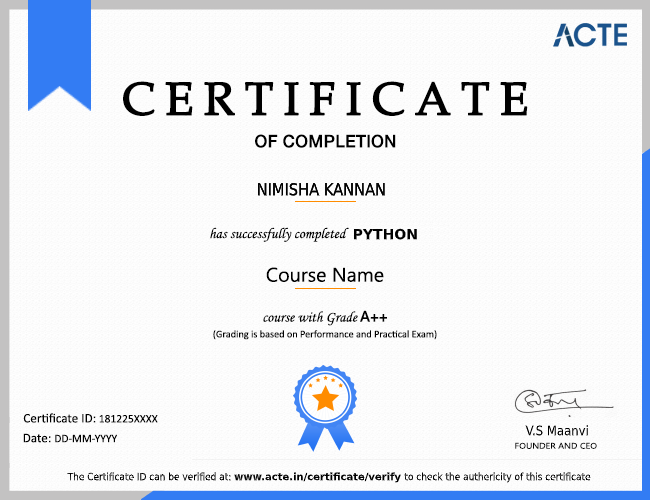
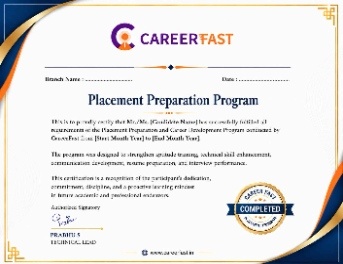
Yes! ACTE DevOps Training Certification is a valuable investment for your career. It offers expert-led training, hands-on labs, real-world projects, and job placement assistance. The certification boosts your credibility in the job market and prepares you for roles in cloud computing, automation, and infrastructure management.
Frequently Asked Questions
- Yes! ACTE offers demo sessions to help you understand the training structure and instructor expertise.
- You can experience a live session to see how concepts are taught and how hands-on labs work.
- The instructors at ACTE are industry experts with extensive hands-on experience in DevOps technologies. They have worked with leading organizations, handling cloud infrastructure, CI/CD pipelines, automation, and container orchestration.
- Yes, ACTE provides comprehensive placement support to help students secure jobs in the DevOps field. This includes resume building, mock interviews, technical assessments, and access to a network of hiring partners.
- After completing the DevOps course, you will receive an industry-recognized ACTE certification.This certification validates your expertise in DevOps methodologies, automation tools, and cloud technologies.
- Yes! The ACTE DevOps course is designed with hands-on learning in mind. Students work on real-world projects such as CI/CD pipeline implementation, cloud-based infrastructure automation, container orchestration with Kubernetes, and monitoring/logging solutions using Prometheus & Grafana.
