
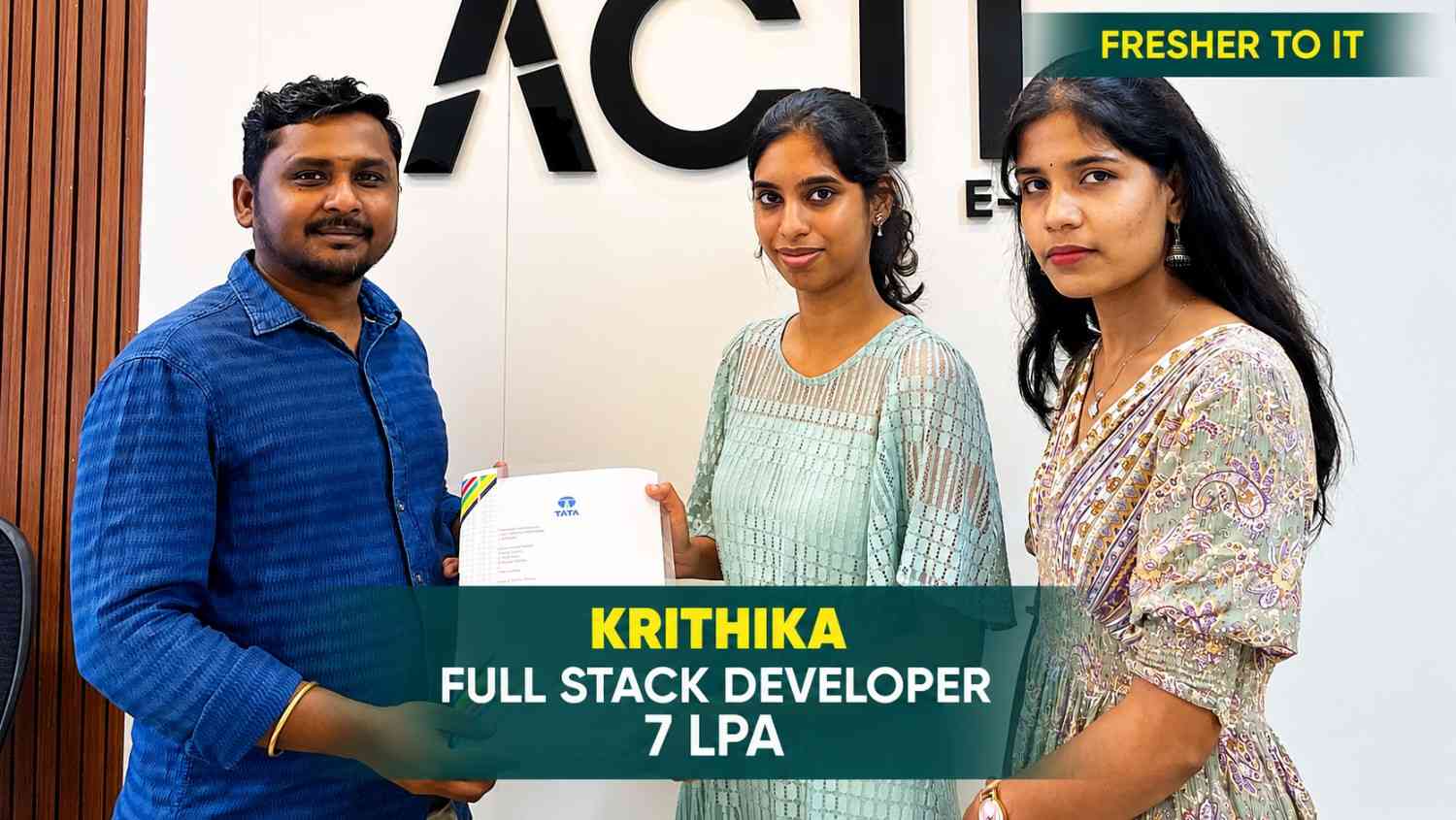
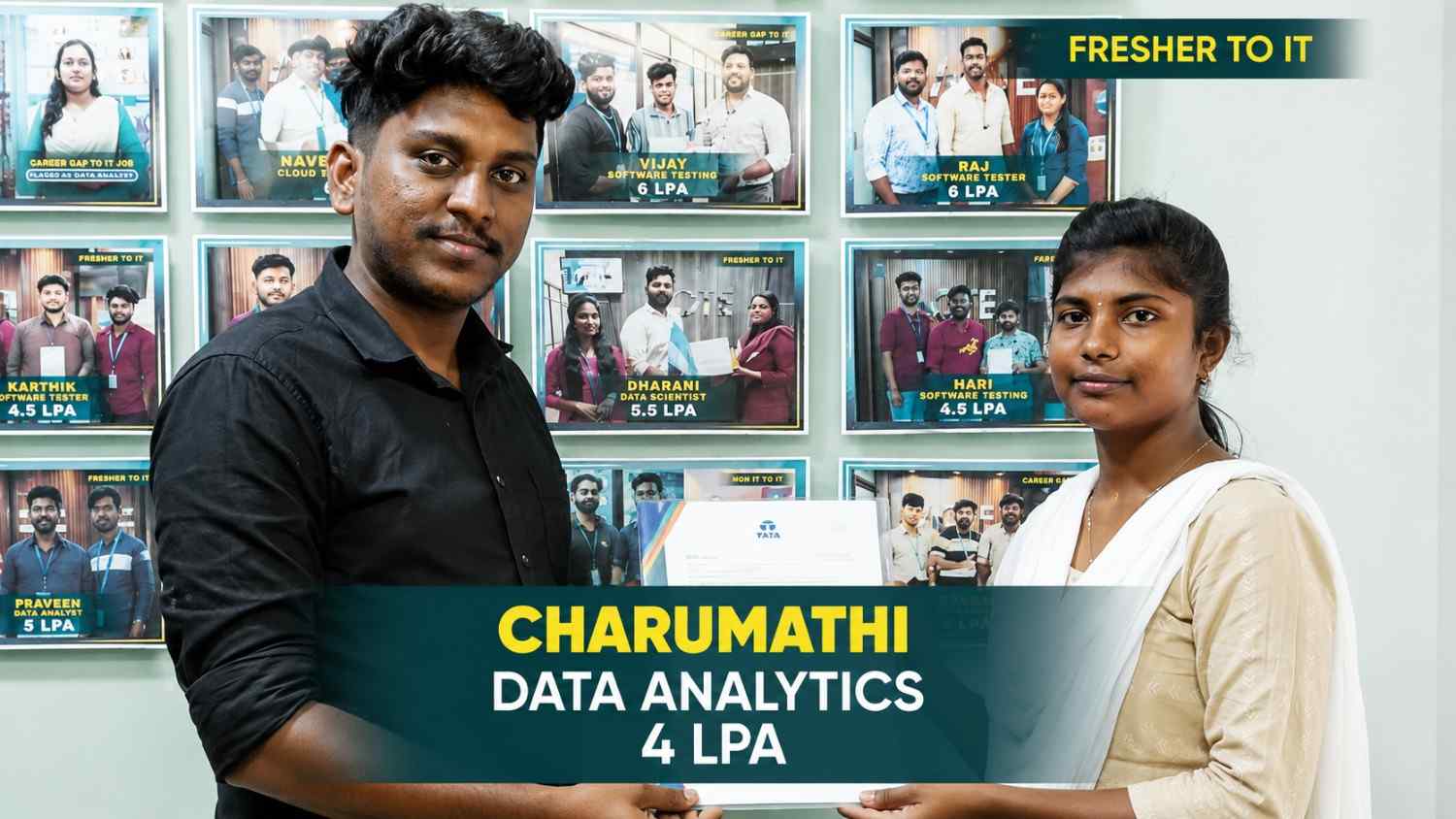
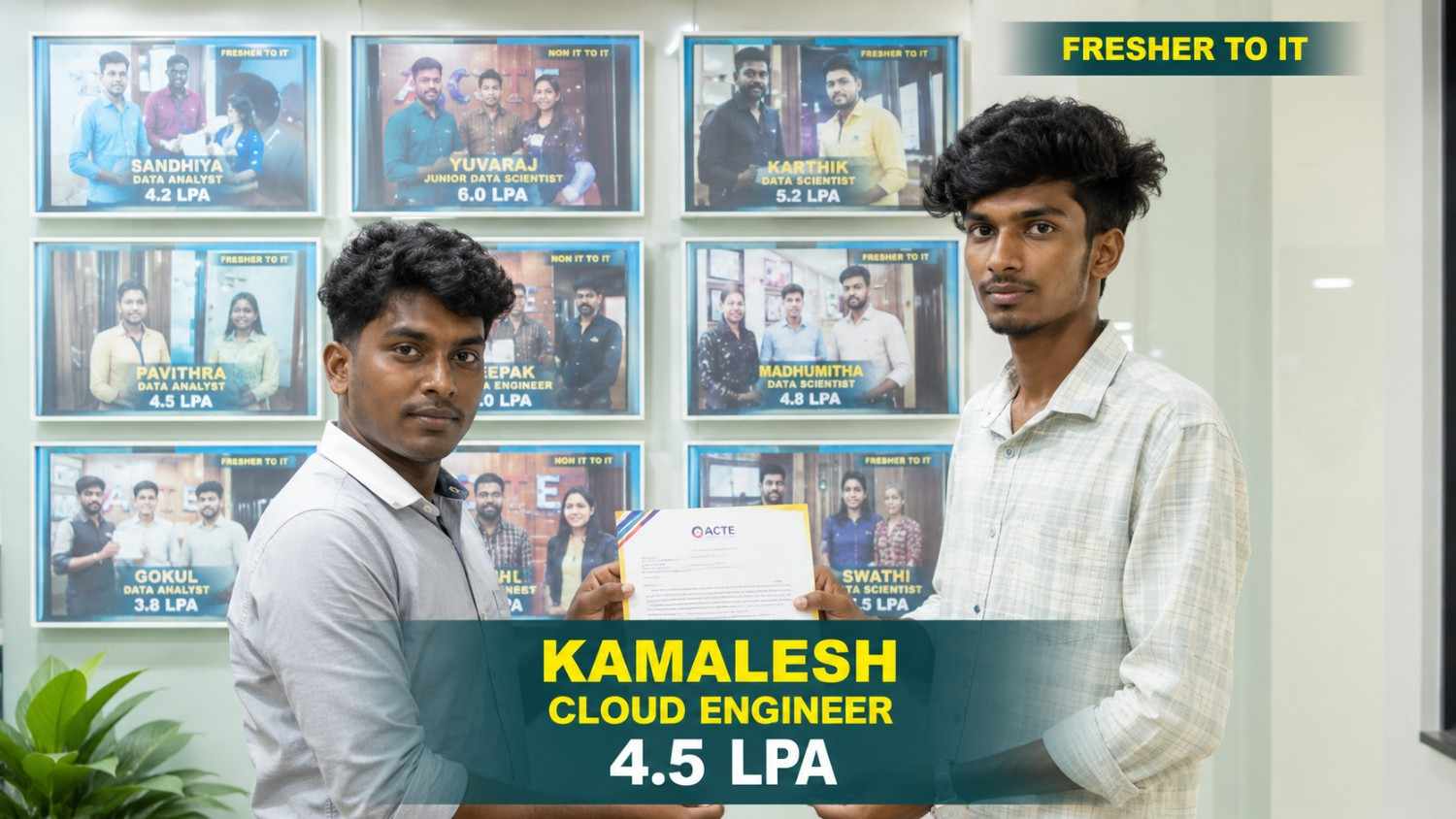
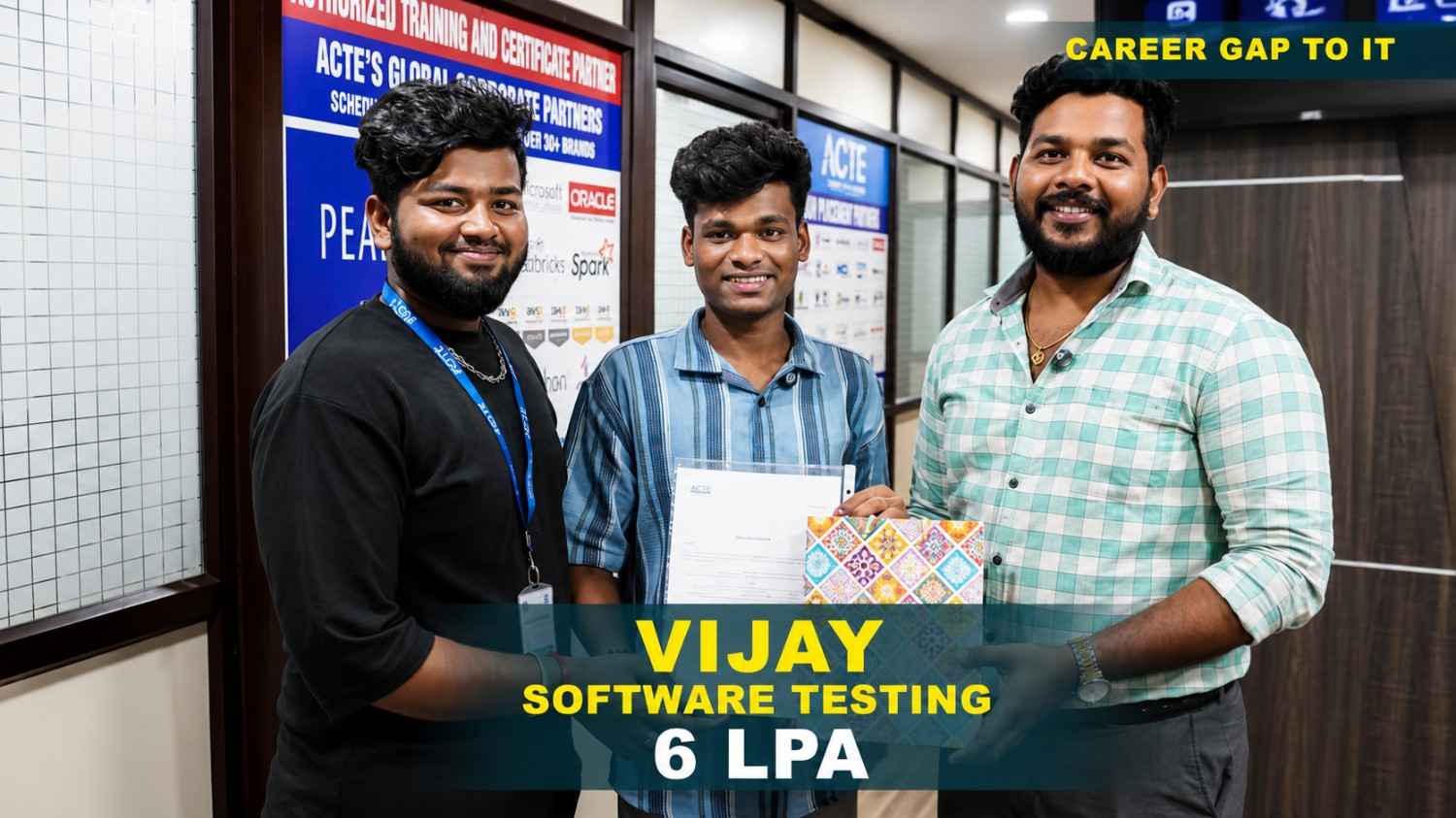
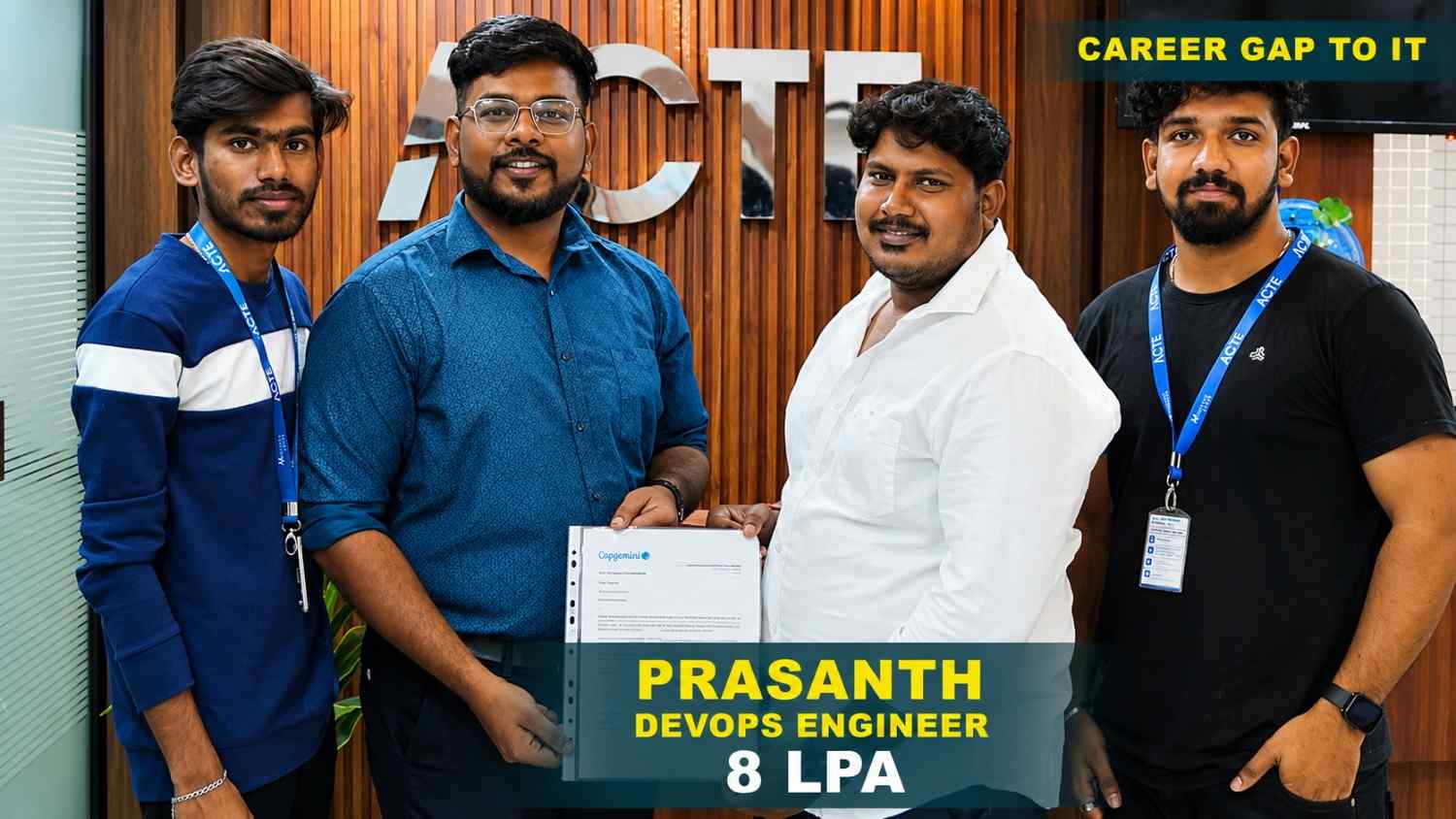
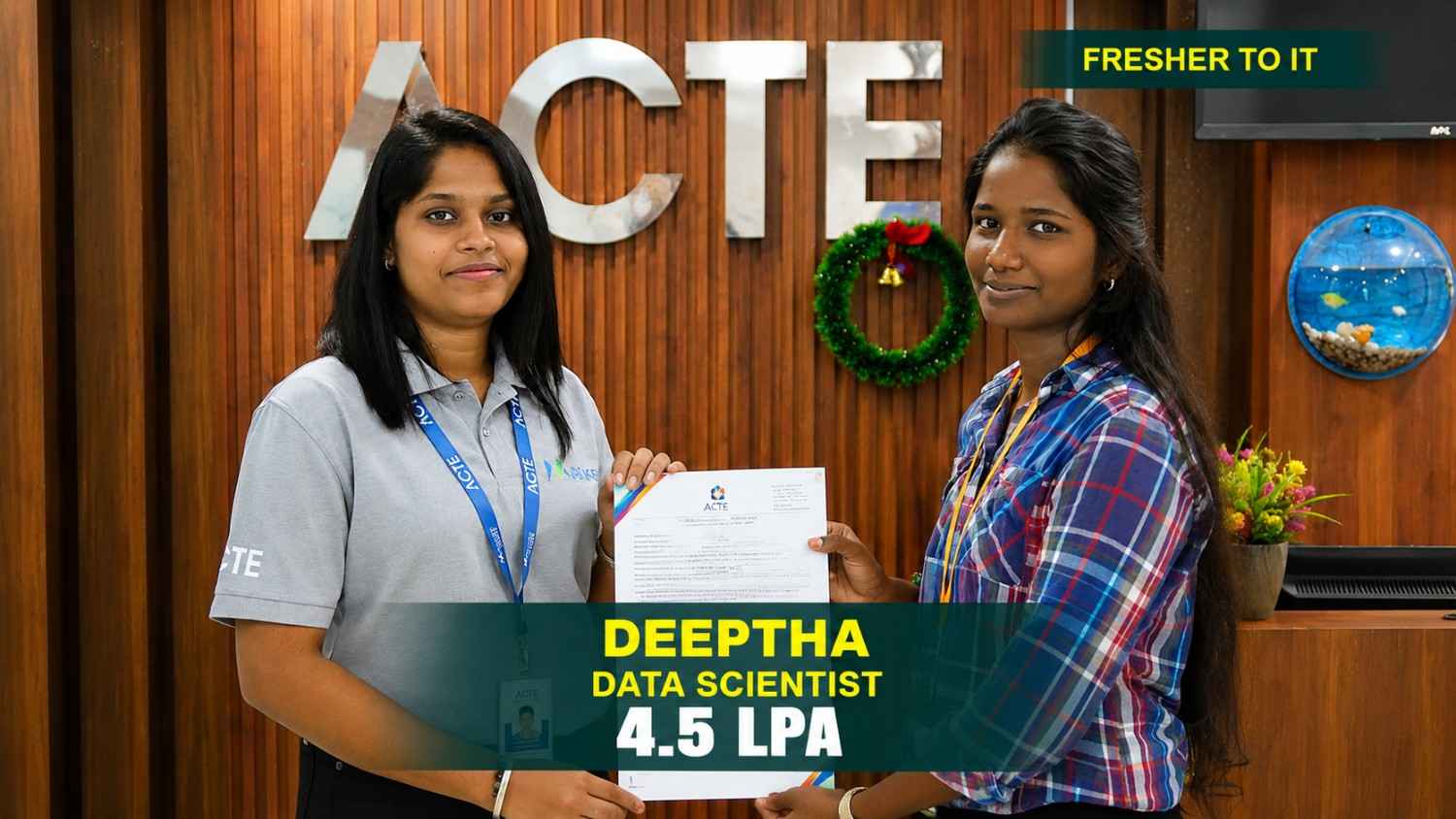
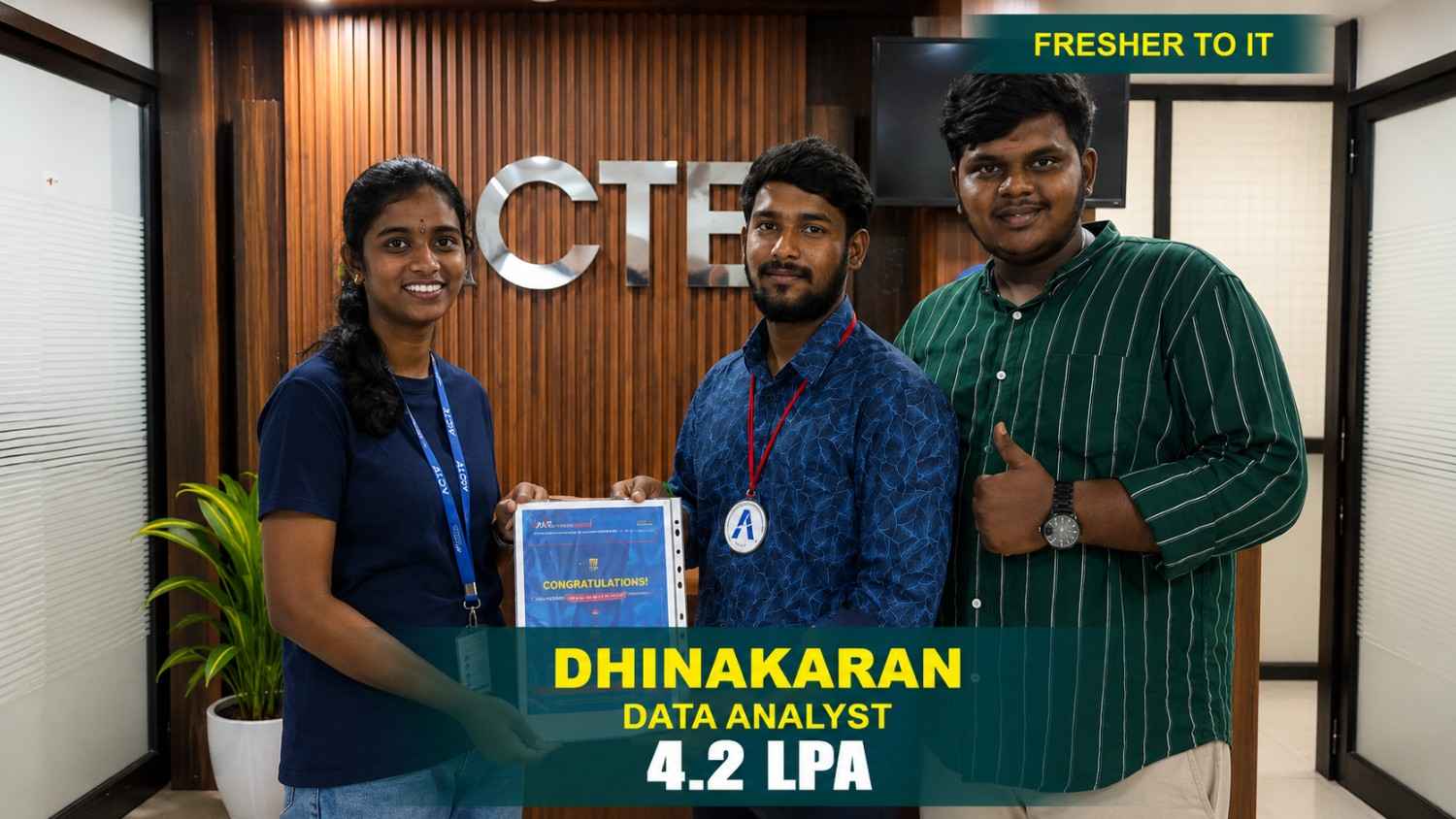
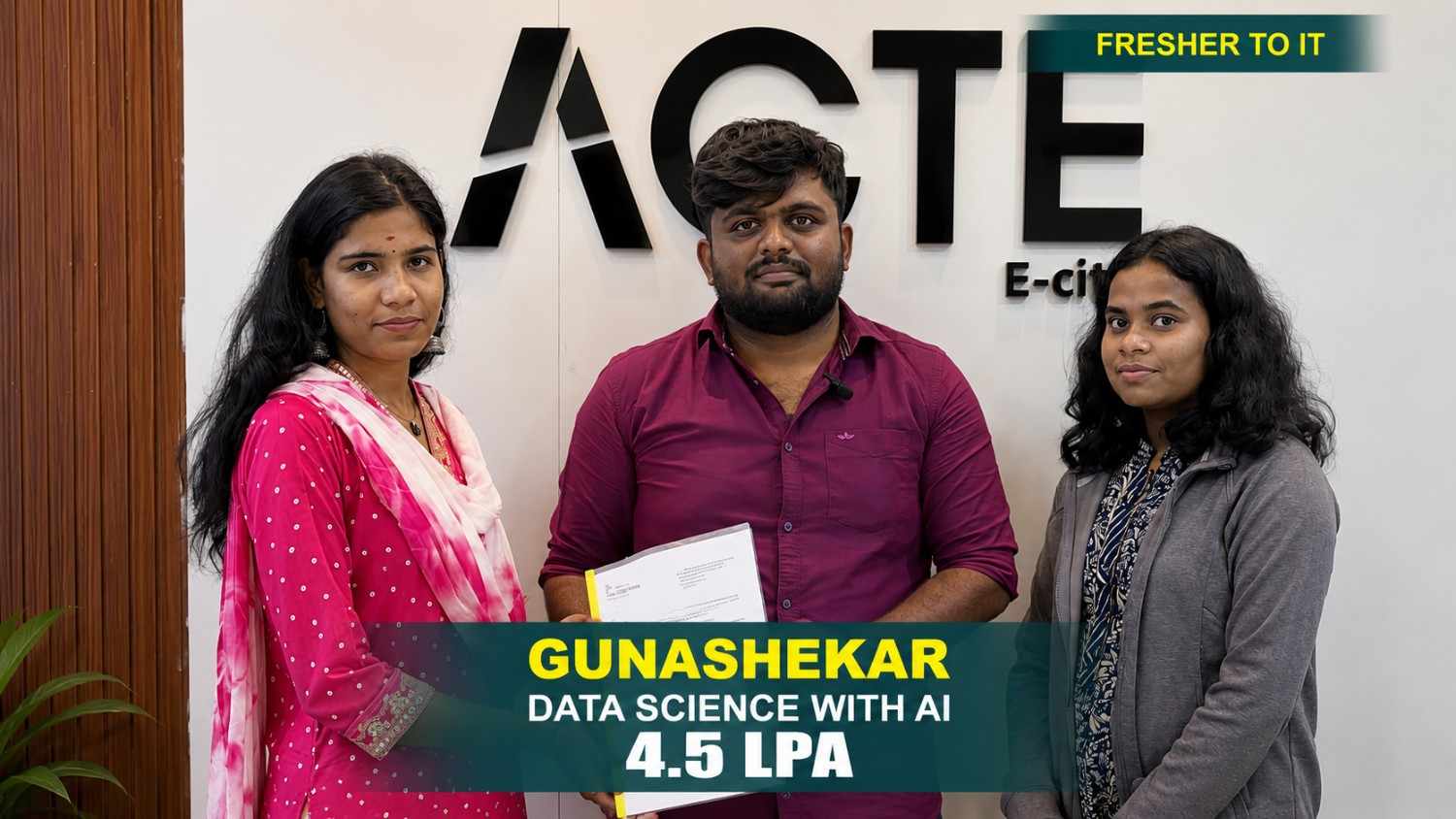
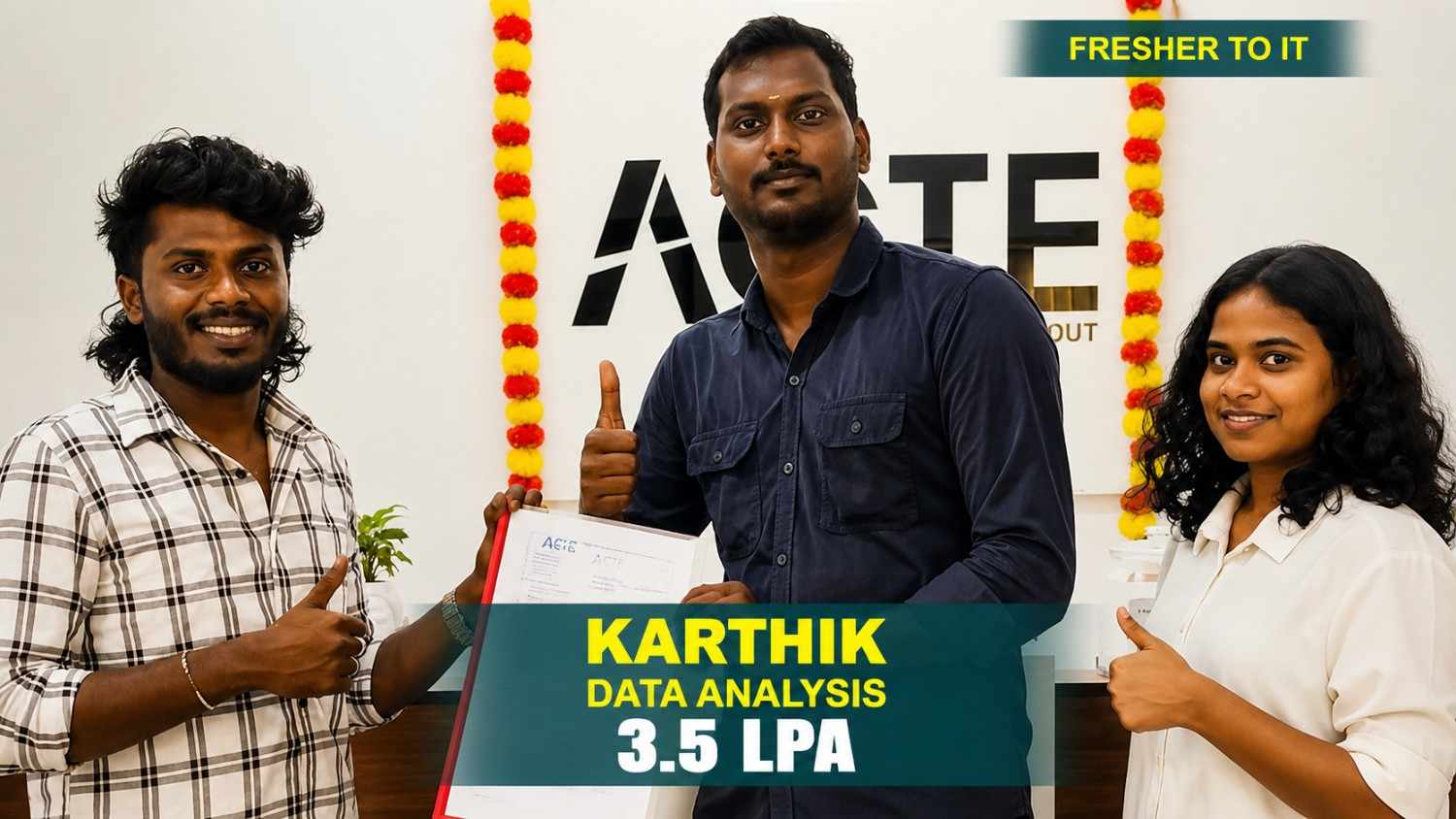
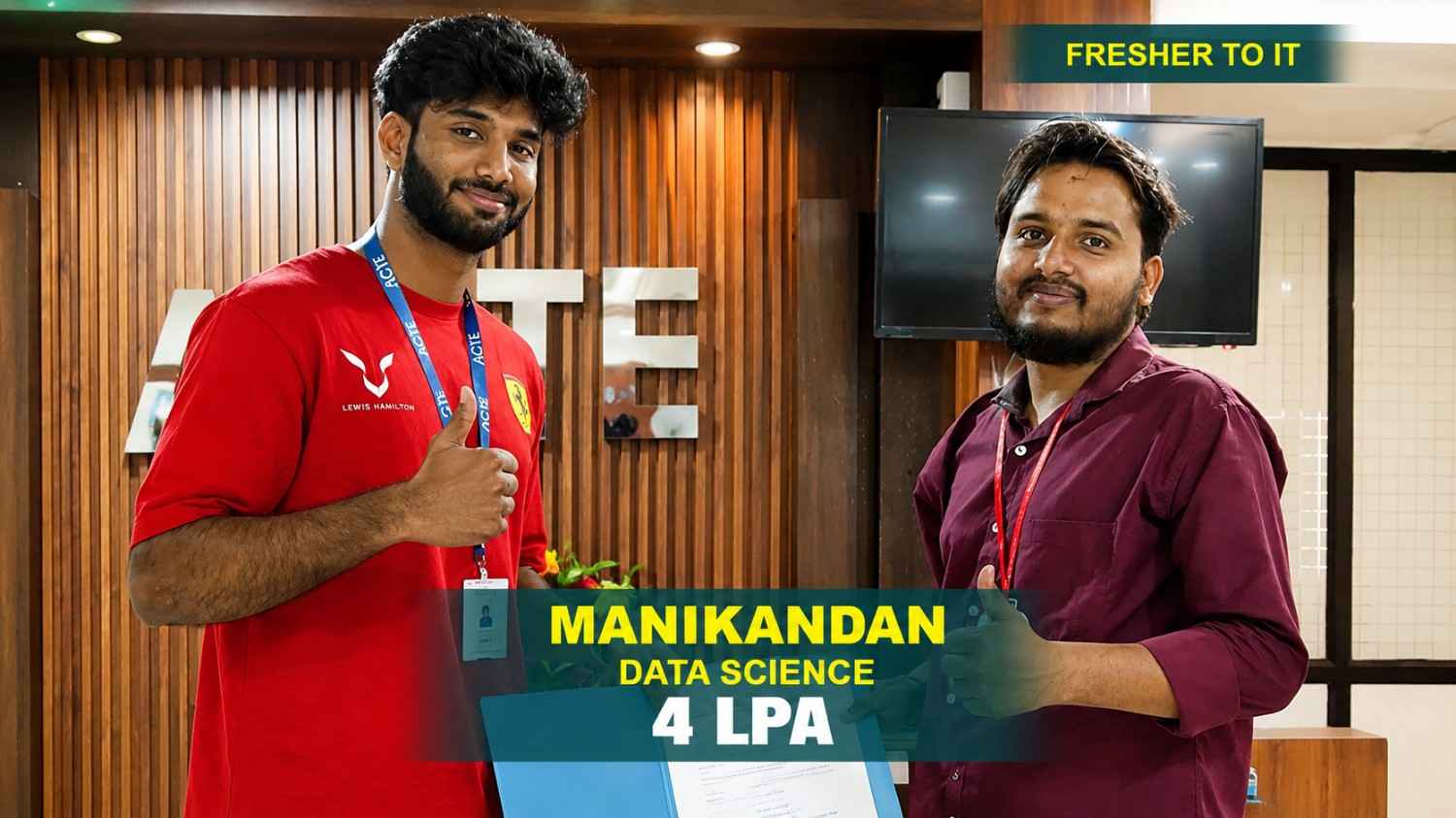
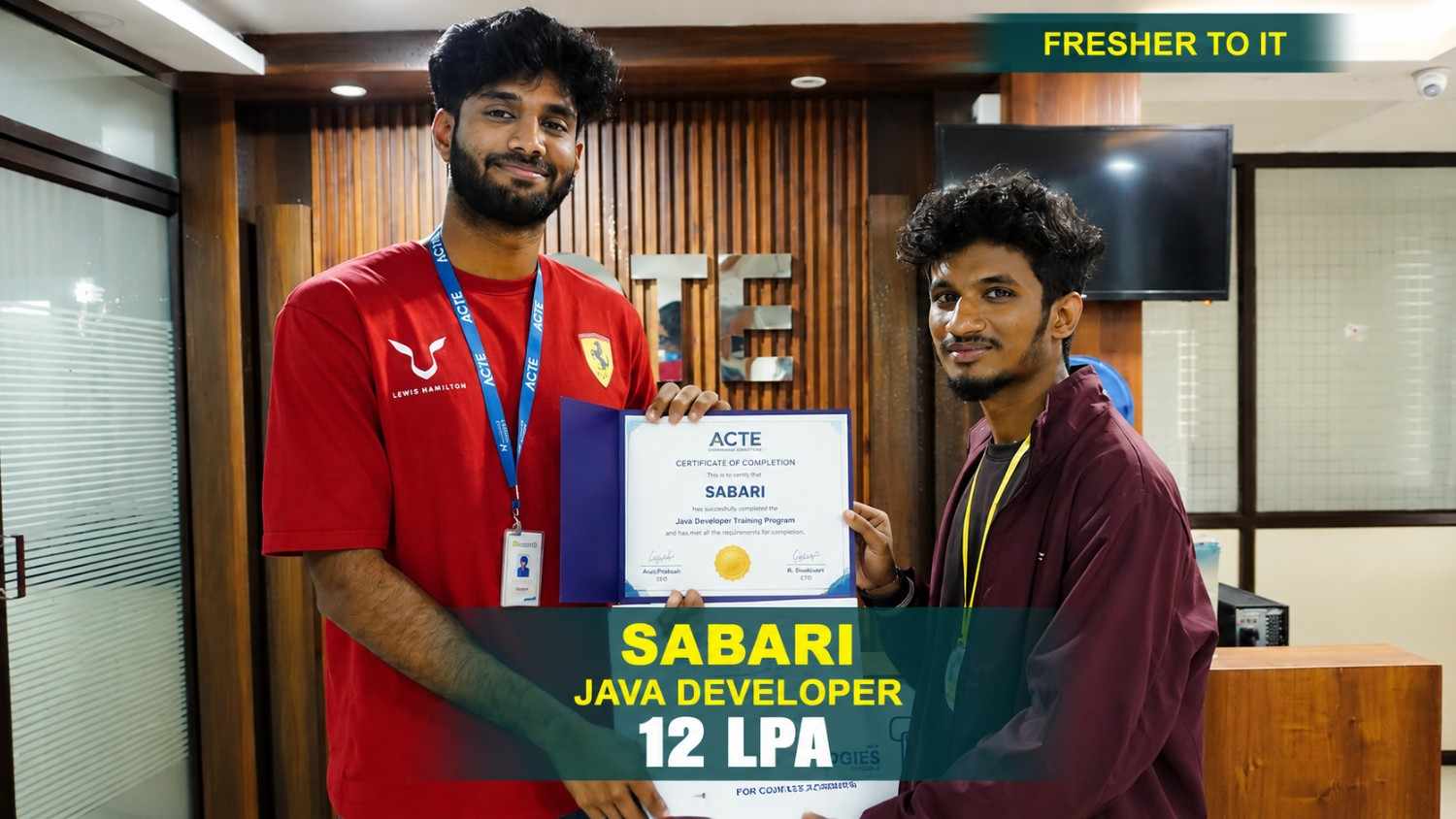
550+ Students Placed Every Month Be The Next!







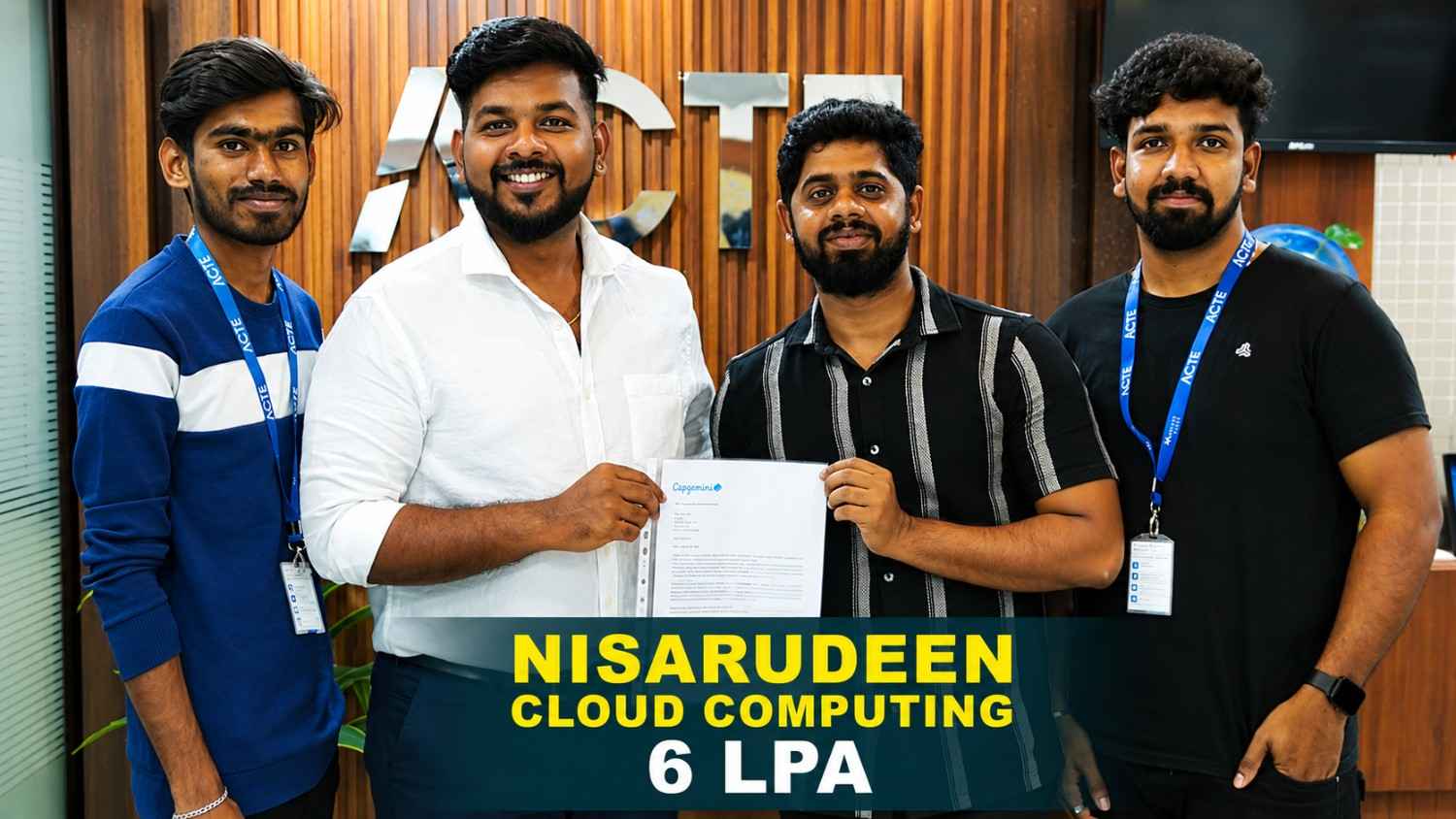
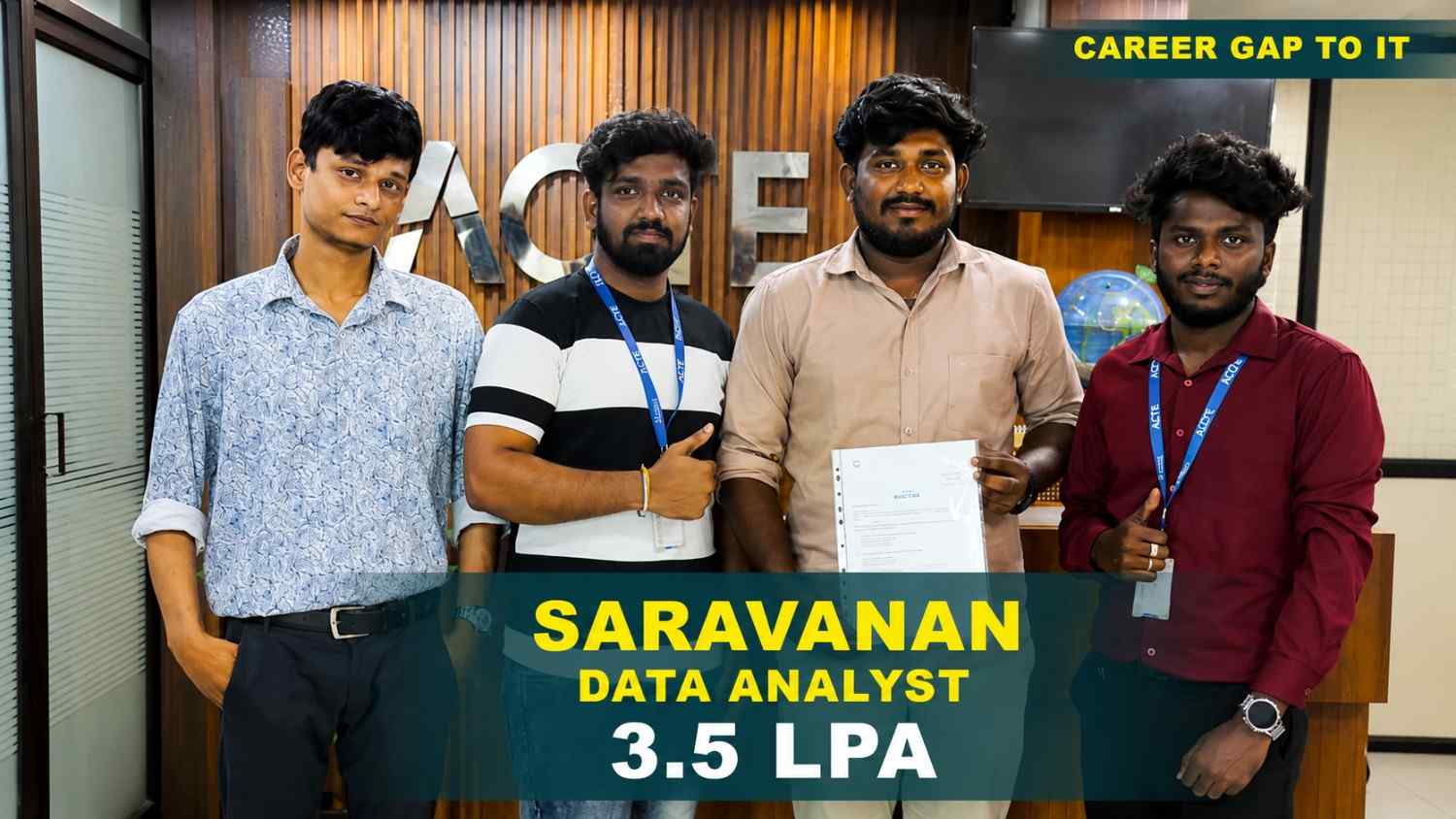

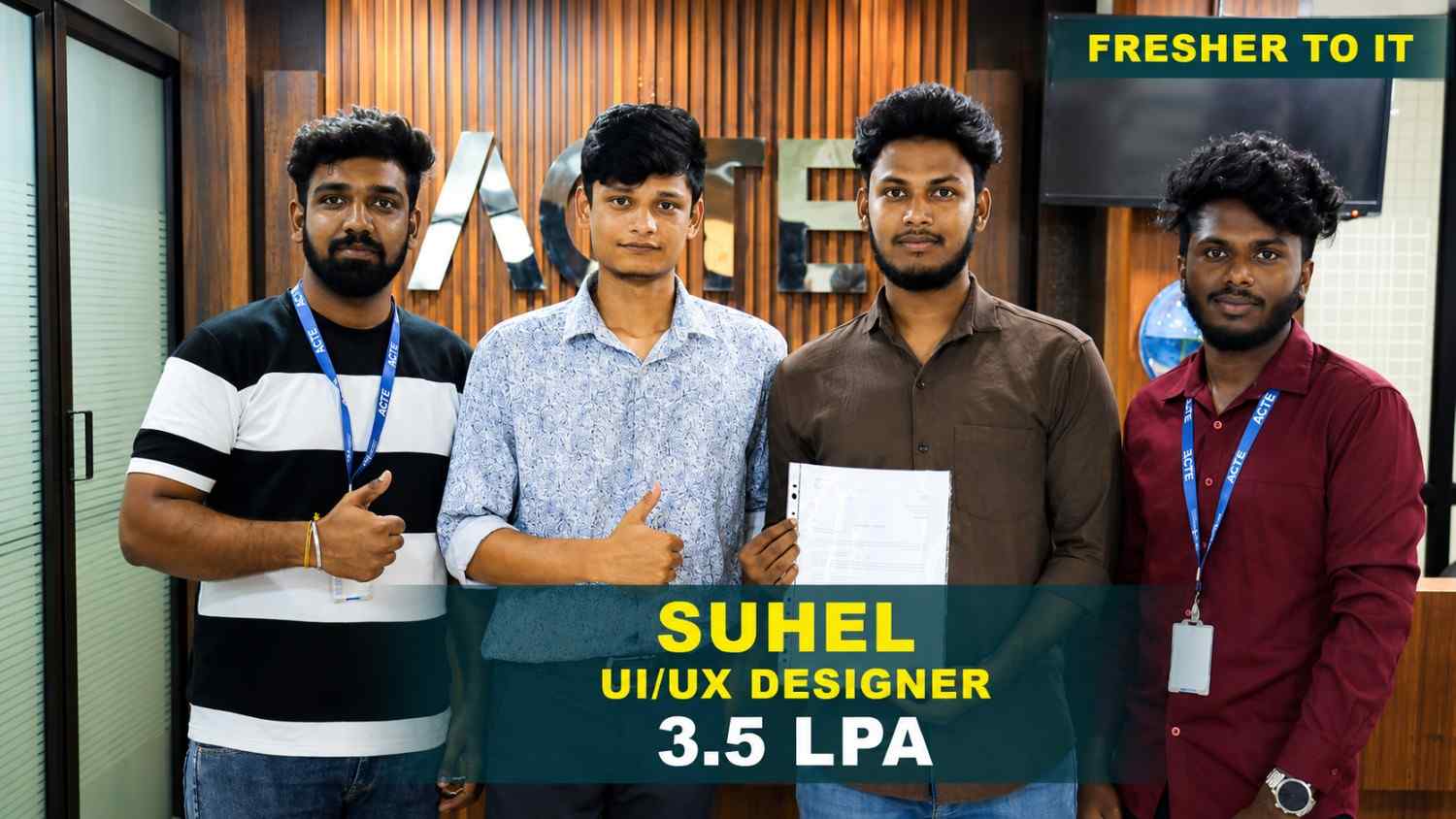
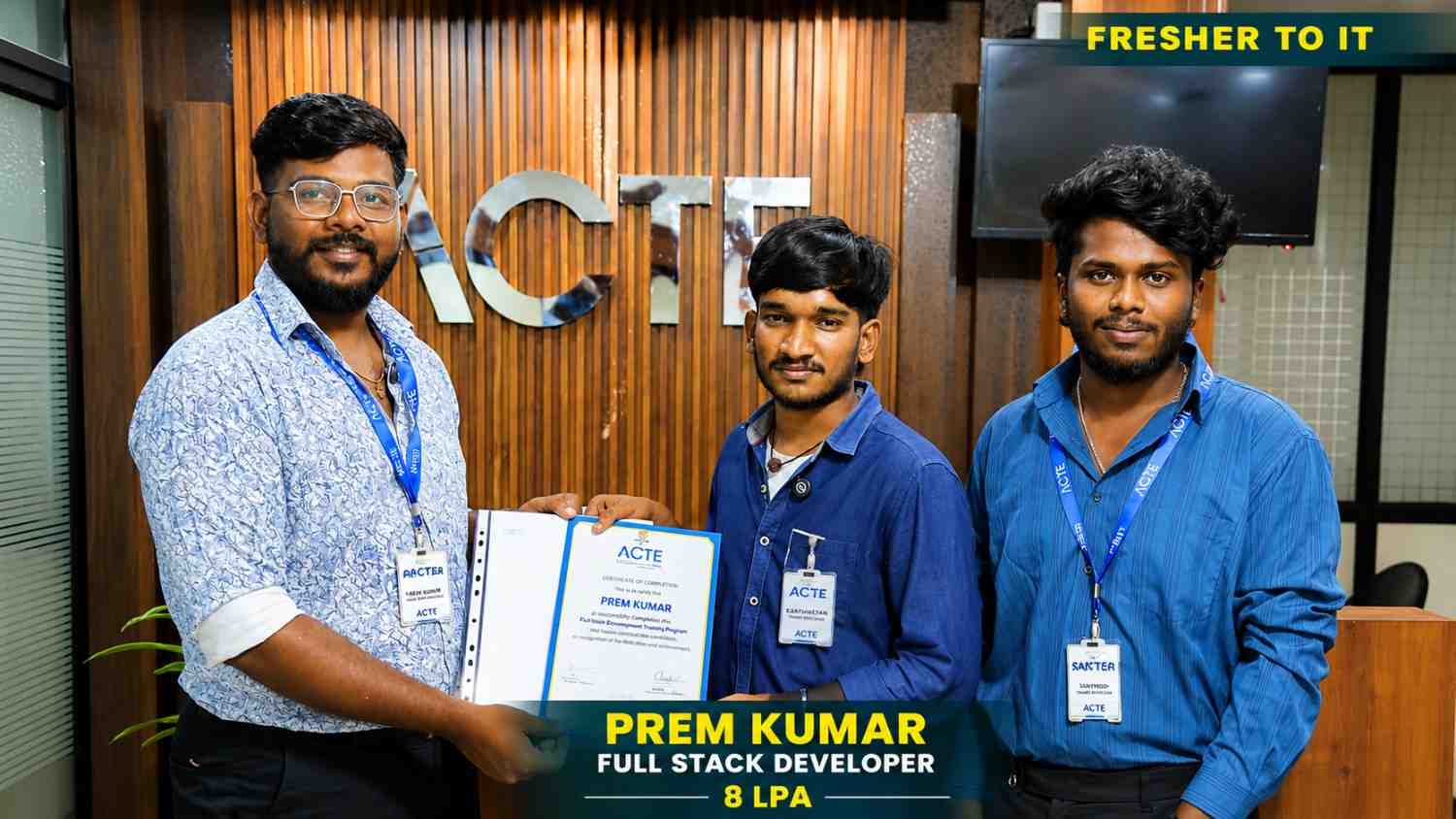
Our Hiring Partners

Curriculum Designed By Experts
Expertly designed curriculum for future-ready professionals.
Industry Oriented Curriculum
An exhaustive curriculum designed by our industry experts which will help you to get placed in your dream IT company
-
30+ Case Studies & Projects
-
9+ Engaging Projects
-
10+ Years Of Experience
Linux System Administrator Training Projects
Become a Linux System Adminstrator Expert With Practical and Engaging Projects.
- Practice essential Tools
- Designed by Industry experts
- Get Real-world Experience
Basic Shell Script for File Backup
Create a simple shell script that automatically copies files from one directory to another. This teaches file handling, script execution, and working.
Basic Web Server Setup
Install and configure a basic Apache or Nginx server on a Linux machine. This project helps understand service management, firewall rules.
Automated Software Installer Script
Write a shell script that installs and configures multiple packages at once using apt or yum. It teaches package management and automation.
LAMP Stack Configuration
Set up a full Linux-Apache-MySQL-PHP stack manually. Learn about service dependencies, database setup, and firewall configuration.
Cron-Based Backup System
Develop a scheduled cron job that backs up critical files and compresses them using tar/gzip. Email notifications and log files should be included.
Centralized User Authentication
Install and configure an LDAP server and allow other Linux systems to authenticate through it. Learn about PAM and NSS integration.
Build and Configure a Mail Server
Set up a fully functional mail server including spam filtering, user authentication, and domain mapping. Requires deep network.
Deploy and Secure a VPN
Set up an OpenVPN or WireGuard server for encrypted communication. This project focuses on security, network tunneling, and firewall rules.
Build a Centralized Logging System
Install and configure Elasticsearch, Logstash, and Kibana for centralized log management. It helps in log parsing, visualization, and monitoring.
Career Support


Placement Assistance

Exclusive access to ACTE Job portal

Mock Interview Preparation

1 on 1 Career Mentoring Sessions

Career Oriented Sessions

Resume & LinkedIn Profile Building
Key Features

Practical Training

Global Certifications

Flexible Timing

Trainer Support

Study Material

Placement Support

Mock Interviews

Resume Building
Upcoming Batches
What's included

 Free Aptitude and
Technical Skills Training
Free Aptitude and
Technical Skills Training
- Learn basic maths and logical thinking to solve problems easily.
- Understand simple coding and technical concepts step by step.
- Get ready for exams and interviews with regular practice.

 Hands-On Projects
- Work on real-time projects to apply what you learn.
- Build mini apps and tools daily to enhance your coding skills.
- Gain practical experience just like in real jobs.

 AI Powered Self
Interview Practice Portal
AI Powered Self
Interview Practice Portal
- Practice interview questions with instant AI feedback.
- Improve your answers by speaking and reviewing them.
- Build confidence with real-time mock interview sessions.

 Interview Preparation
For Freshers
Interview Preparation
For Freshers
- Practice company-based interview questions.
- Take online assessment tests to crack interviews
- Practice confidently with real-world interview and project-based questions.

 LMS Online Learning
Platform
LMS Online Learning
Platform
- Explore expert trainer videos and documents to boost your learning.
- Study anytime with on-demand videos and detailed documents.
- Quickly find topics with organized learning materials.
- Learning strategies that are appropriate and tailored to your company's requirements.
- Live projects guided by instructors are a characteristic of the virtual learning environment.
- The curriculum includes of full-day lectures, practical exercises, and case studies.

Linux System Adminstrator Training Overview
Linux System Administrator Program Course in Tambaram with Potential Career Paths
A career in Linux System Administrator Training Center in Tambaram opens up a wide spectrum of technical roles across industries. As businesses increasingly adopt Linux-based systems for their servers and cloud infrastructure, skilled Linux administrators are in high demand. Starting as a Junior System Administrator, you can progress to roles like Linux System Engineer, DevOps Engineer, Cloud Systems Administrator, Infrastructure Architect, or even Security Analyst. Opportunities exist in data centers, telecom, finance, healthcare, cloud service providers, and government sectors. With advanced experience, professionals can branch into cloud automation, scripting, Kubernetes management, or become certified experts in Red Hat or Ubuntu-based deployments. The versatility of Linux ensures long-term career growth, job security, and the flexibility to work remotely or on hybrid teams.
The Requirements for a Linux System Administrator Training in Tambaram
- Strong Understanding of Computer Fundamentals:A Linux system administrator must have a clear understanding of how computers work. This includes knowledge of computer hardware, operating systems, memory management, and file systems.
- Basic Knowledge of Networking:Linux administrators often manage servers and networks, so a good grasp of networking protocols and services such as TCP/IP, DNS, DHCP, SSH, and FTP is essential.
- Comfort with Command Line Interface (CLI):The Linux environment relies heavily on the terminal. Unlike Windows’ GUI-focused navigation, Linux admins use commands such as ls , cd , chmod , and grep .
- Familiarity with Operating Systems:While prior experience with Linux is beneficial, even familiarity with other operating systems like Windows or macOS can ease the learning curve. Understanding the concept of processes, memory allocation.
- Ability to Install and Configure Software:Admins are often responsible for setting up services and applications. This involves using package managers like apt, yum, or dnf to install software, configure it according to project needs, and troubleshoot
Enrolling in Linux System Administrator Training in Tambaram
Linux powers the majority of the internet, cloud platforms, and enterprise servers today. From web hosting environments to supercomputers, its presence is undeniable. Enrolling in a Linux System Administrator course equips you with skills to manage, secure, and troubleshoot these systems effectively. The course builds real-world confidence to deploy servers, manage users, secure the network, automate processes using shell scripts, and handle performance tuning. Additionally, it helps prepare for highly regarded certifications like RHCSA, CompTIA Linux+, and LPIC-1. With IT infrastructures shifting to open-source and container-based models, learning Linux isn't just beneficial—it’s practically a requirement for anyone seeking to enter or grow within the system administration, DevOps, or cloud industries.
Techniques and Trends in Linux System Administrator Development Course in Tambaram
- Automation and Infrastructure as Code (IaC):Today’s Linux administrators are shifting from manual server setup to automation. Tools like Ansible, Puppet, and Terraform enable admins to write configuration scripts that automatically.
- Hybrid Cloud and Multi-Cloud Environments:Modern IT infrastructures are rarely confined to a single data center. Admins must now manage hybrid environments that combine on-premises systems with cloud platforms like AWS, Microsoft Azure
- Monitoring and Observability:Uptime and performance are everything. Linux administrators use monitoring and observability tools like Prometheus for metrics, Grafana for visualization, Zabbix for network monitoring
- Containerization and Orchestration:With the rise of microservices, Docker and Kubernetes have become essential tools. Linux admins must understand how to create, manage, and scale containers.
- Security and Compliance:Security is more critical than ever. Admins are implementing system hardening practices—like disabling unused ports, enforcing password policies, and setting up SELinux
The Most Recent Linux System Administrator Class in Tambaram with Tools
Modern Linux System Administrators Placement Training in Tambaram utilize a powerful mix of traditional and cutting-edge tools to manage systems efficiently. Popular tools like Cockpit offer GUI-based server management, while Ansible and Chef automate repetitive tasks. Zabbix and Nagios help monitor systems in real-time. For cloud resource control, tools like Terraform and AWS CLI have become integral. Logging and analysis are handled by the ELK stack, and scripting is powered by Bash, Python, and Perl. Container management with Docker, Kubernetes, and orchestration solutions are also on the rise. As enterprises push toward DevSecOps, tools for encryption, access control, and compliance checking (like SELinux, OpenSCAP, and ClamAV) have become standard. Together, these tools define a Linux administrator's modern arsenal.
Career Opportunities After Linux System Adminstrator Training
Linux System Administrator
A Linux System Administrator is responsible for maintaining, configuring, and ensuring the reliable operation of Linux-based servers. They manage user permissions, install software updates.
DevOps Engineer
A DevOps Engineer bridges the gap between development and IT operations by automating and streamlining the deployment of software applications. With strong Linux skills, they manage CI/CD.
Cloud Systems Engineer
A Cloud Systems Engineer focuses on managing cloud infrastructure, primarily on platforms like AWS, Azure, or GCP. With Linux as the backbone of many cloud instances, they configure virtual servers.
Network & Security Administrator
This role involves setting up and maintaining the security and connectivity of Linux-based networks. Responsibilities include configuring firewalls, managing VPNs, setting up IDS/IPS tools.
Technical Support Engineer
A Technical Support Engineer specializing in Linux provides troubleshooting and assistance to end-users and internal teams. They resolve OS-level issues, support application installations.
Infrastructure Engineer
An Infrastructure Engineer designs and manages the foundational components of an organization’s IT systems. This includes configuring Linux servers, managing virtual machines, monitoring uptime.
Skill to Master
Linux Command Line Proficiency
User and Group Management
Package Management
File System and Storage Configuration
System Monitoring and Performance Tuning
Network Configuration and Troubleshooting
Shell Scripting and Automation
Service and Process Management
Security and Firewall Configuration
Backup and Recovery Procedures
Server Installation and Configuration
Virtualization and Cloud Integration Basics
Tools to Master
Bash
Vi/Vim
SSH
Top / Htop
Cron / Crontab
Systemd
Iptables / UFW
Grep / Sed / Awk
Rsnapshot / Rsync
Ansible
Nagios / Zabbix / Prometheus
Docker
Learn from certified professionals who are currently working.

Training by
Sam, having 7 yrs of experience
Specialized in: Linux System Deployment, Server Hardening, Cloud Infrastructure (AWS & Azure), and Virtualization with KVM.
Note: Sam is known for his hands-on approach and deep expertise in managing enterprise-level Linux infrastructures. He has helped over 200 companies modernize and secure their systems using open-source tools.
Premium Training at Best Price
Affordable, Quality Training for Freshers to Launch IT Careers & Land Top Placements.
What Makes ACTE Training Different?
Feature
ACTE Technologies
Other Institutes
Affordable Fees
Competitive Pricing With Flexible Payment Options.
Higher Fees With Limited Payment Options.
Industry Experts
Well Experienced Trainer From a Relevant Field With Practical Training
Theoretical Class With Limited Practical
Updated Syllabus
Updated and Industry-relevant Course Curriculum With Hands-on Learning.
Outdated Curriculum With Limited Practical Training.
Hands-on projects
Real-world Projects With Live Case Studies and Collaboration With Companies.
Basic Projects With Limited Real-world Application.
Certification
Industry-recognized Certifications With Global Validity.
Basic Certifications With Limited Recognition.
Placement Support
Strong Placement Support With Tie-ups With Top Companies and Mock Interviews.
Basic Placement Support
Industry Partnerships
Strong Ties With Top Tech Companies for Internships and Placements
No Partnerships, Limited Opportunities
Batch Size
Small Batch Sizes for Personalized Attention.
Large Batch Sizes With Limited Individual Focus.
LMS Features
Lifetime Access Course video Materials in LMS, Online Interview Practice, upload resumes in Placement Portal.
No LMS Features or Perks.
Training Support
Dedicated Mentors, 24/7 Doubt Resolution, and Personalized Guidance.
Limited Mentor Support and No After-hours Assistance.
We are proud to have participated in more than 40,000 career transfers globally.

DevopsCertification

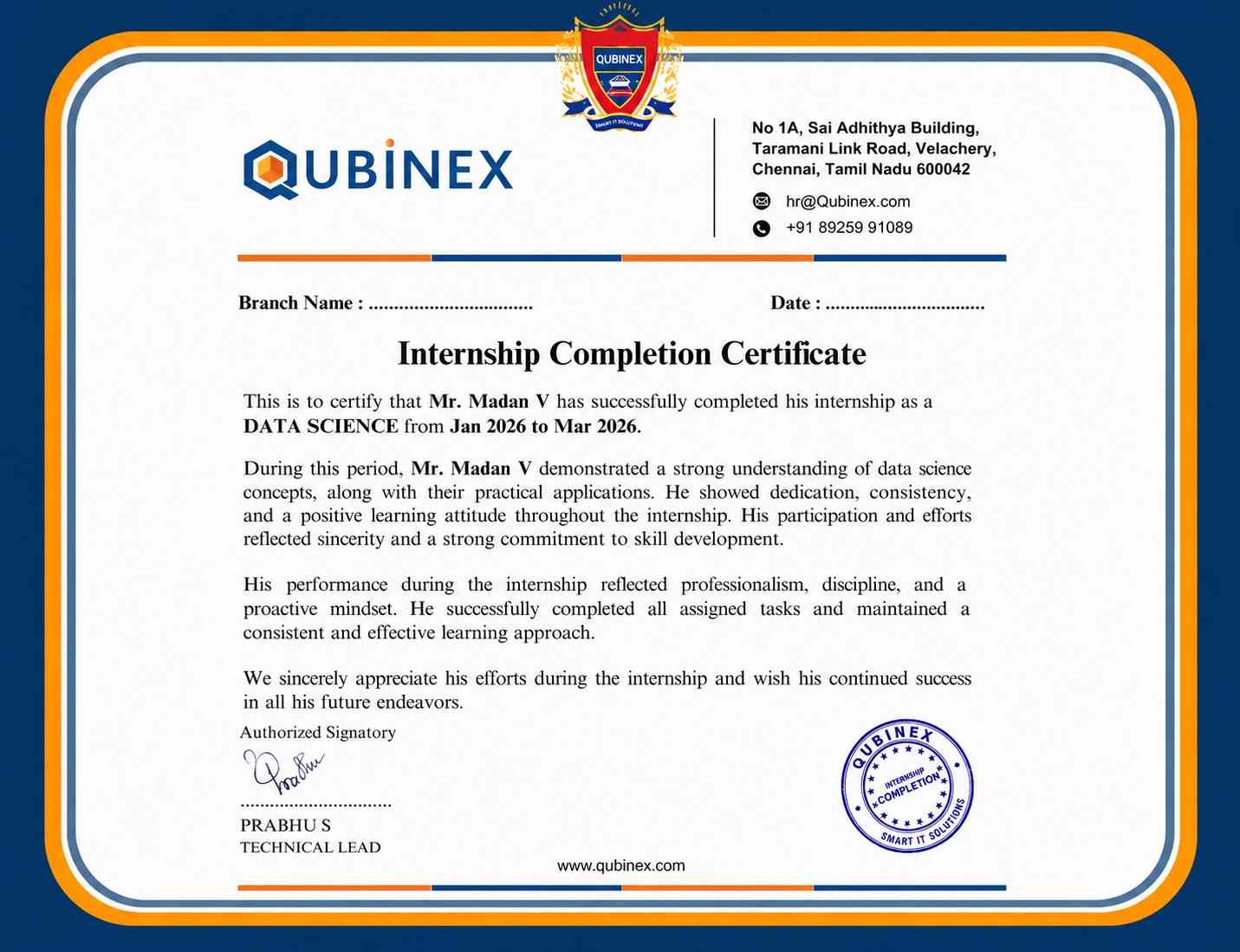
While certification courses provide solid theoretical knowledge, real-world experience is what solidifies your expertise as a system administrator.Certifications like Red Hat Certified System Administrator (RHCSA) often include performance-based exams, mimicking real-time tasks.
Pursuing this certification opens the door to a rewarding career in system Administrator, IT infrastructure, DevOps, and cloud computing. As businesses increasingly rely on Linux servers for their operations, skilled administrators are in high demand.
Most foundational Linux certifications like CompTIA Linux+ or RHCSA don’t have strict prerequisites, but basic knowledge of operating systems, command line usage, and computer networking is helpful.
Absolutely. ACTE’s training program is industry-aligned and includes hands-on lab sessions, project work, and expert-led sessions that equip learners with real-world skills.
Frequently Asked Questions
- Yes, ACTE offers a free demo session for prospective students.
- It provides a glimpse into the teaching style, curriculum structure, and learning environment before committing.
- The instructors at ACTE are industry-certified professionals with 8–15 years of hands-on experience in system administration, cloud computing, and enterprise-level Linux environments. They bring real-world scenarios into the classroom and offer mentorship beyond theoretical teaching.
- The instructors at ACTE are industry-certified professionals with 8–15 years of hands-on experience in system administration, cloud computing, and enterprise-level Linux environments. They bring real-world scenarios into the classroom and offer mentorship beyond theoretical teaching.
- You’ll receive an industry-recognized certification from ACTE, validating your Linux system administration skills.
- In addition, the course helps prepare for certifications like Red Hat Certified System Administrator (RHCSA) or CompTIA Linux+, based on your chosen track.
- Absolutely! The course includes real-world, live project work involving Linux server setup, shell scripting automation, user and file permission management, and system monitoring tools like Nagios and Zabbix.
