
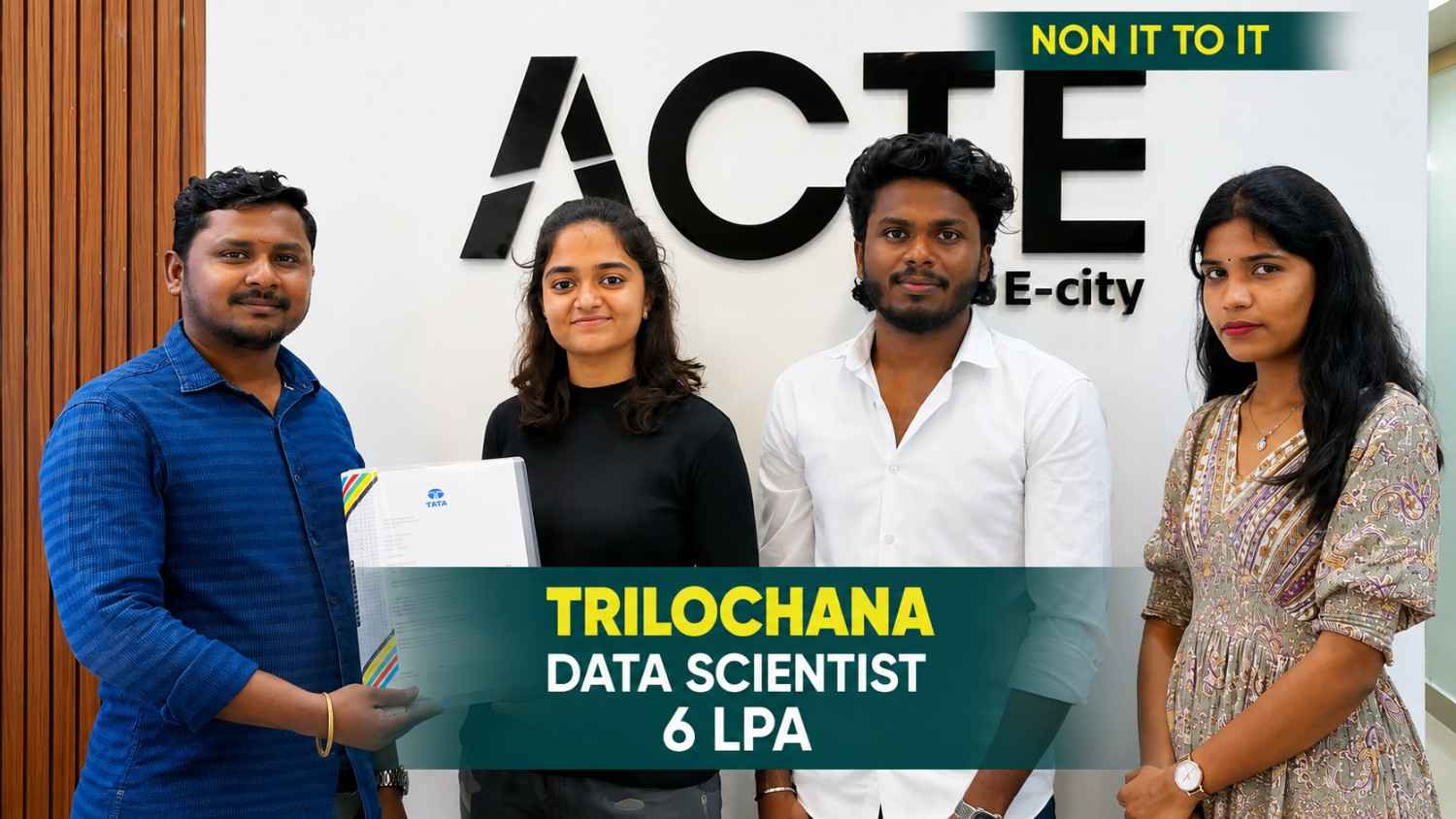
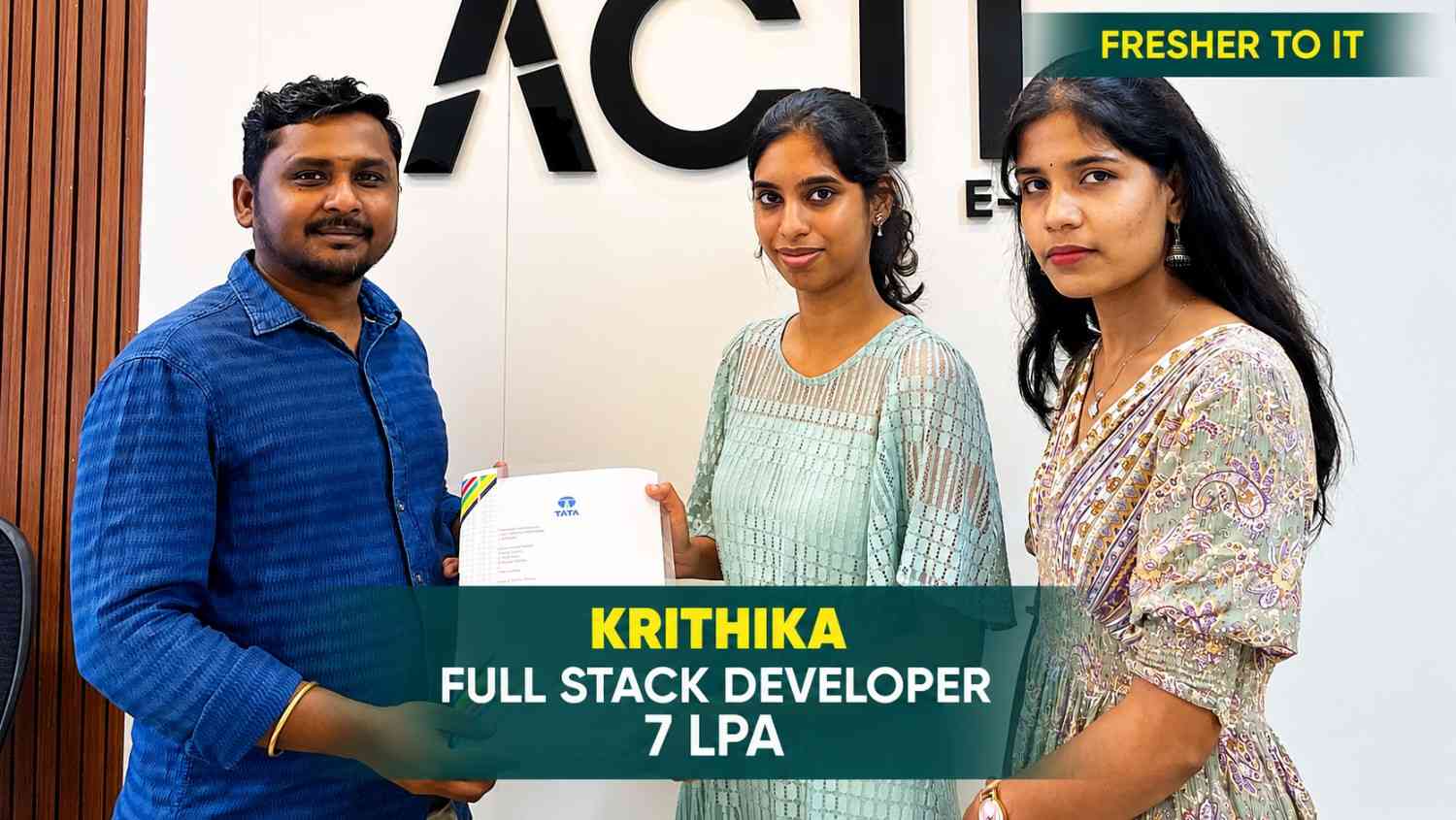
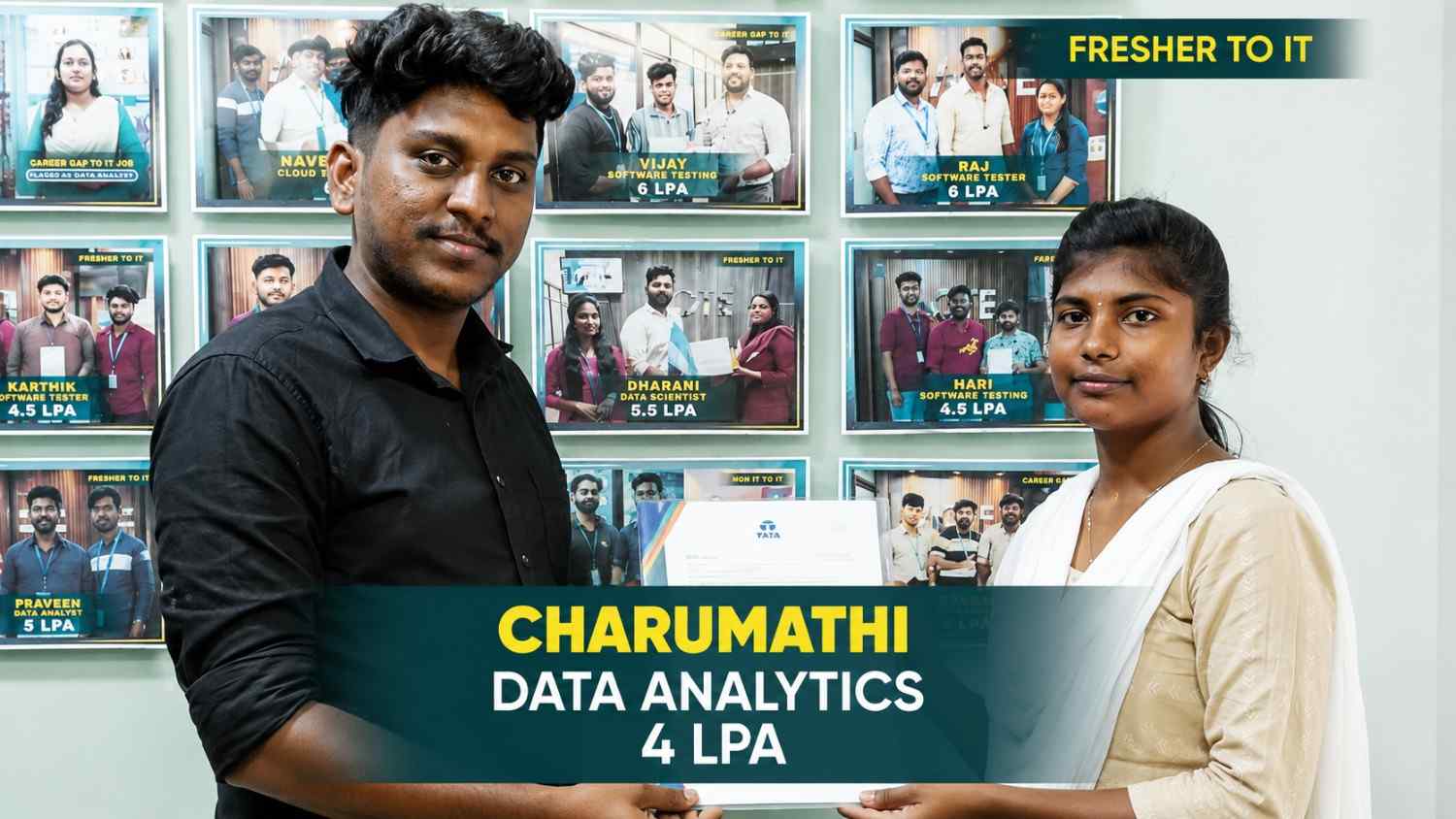
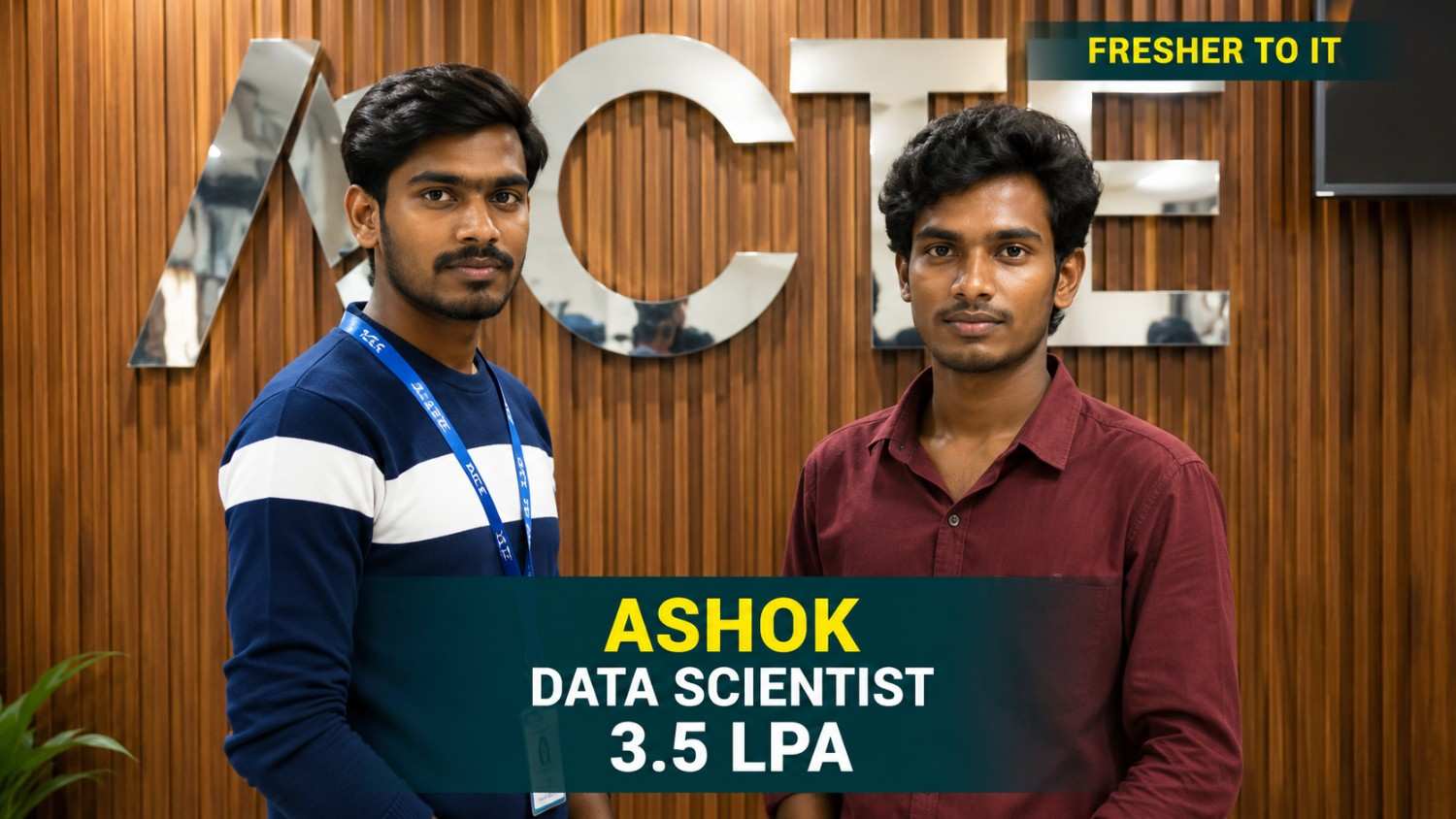
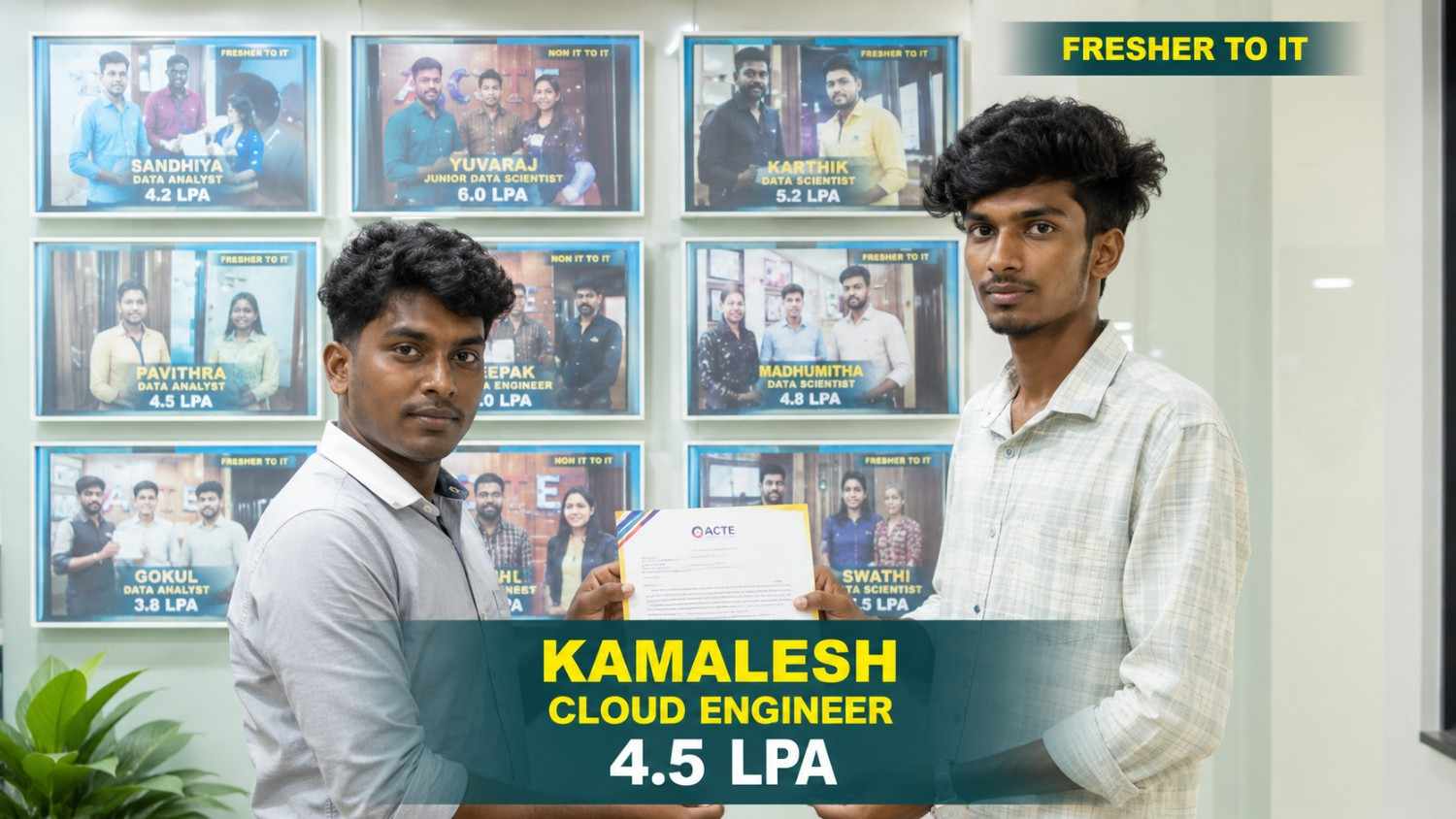
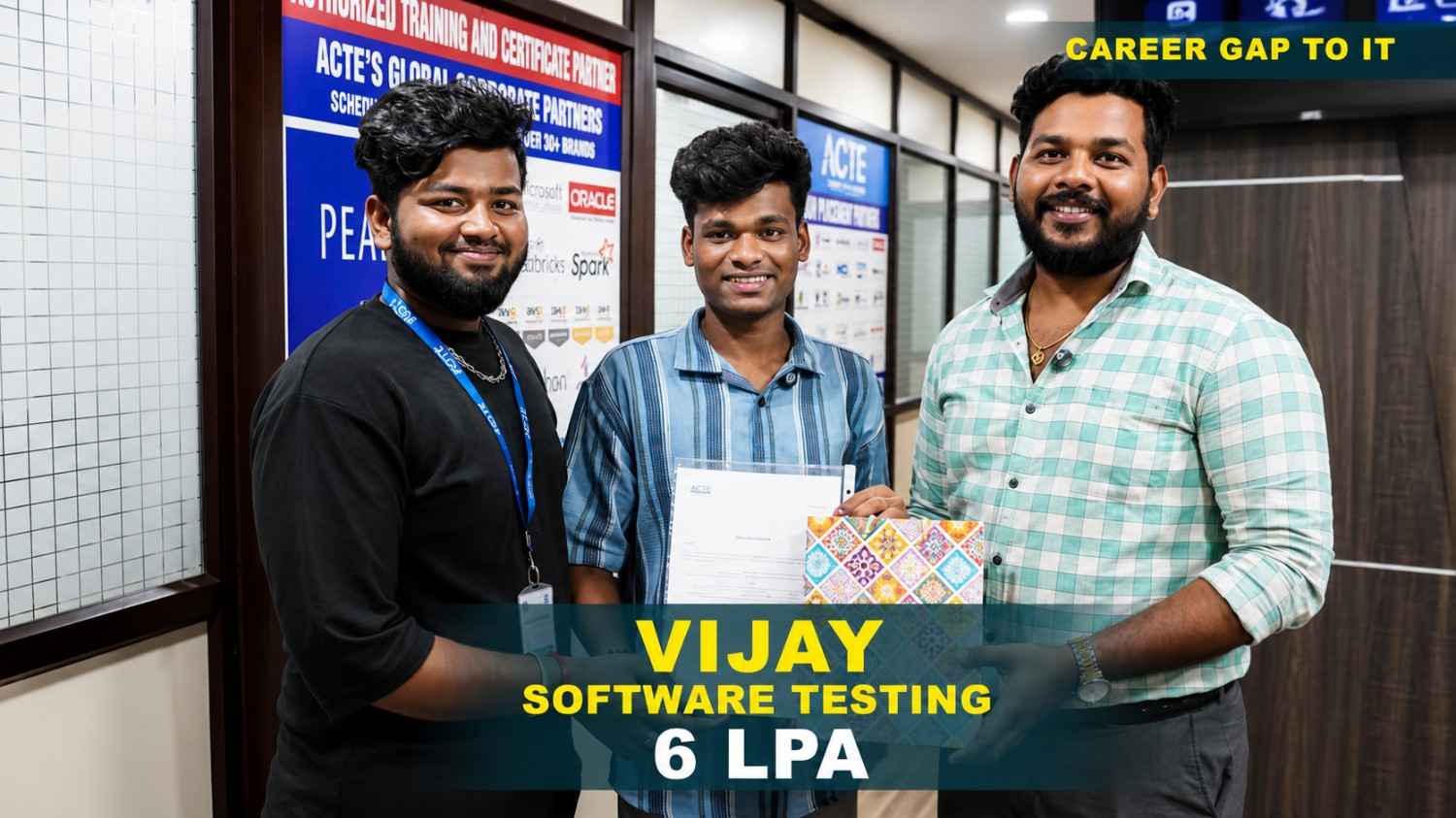
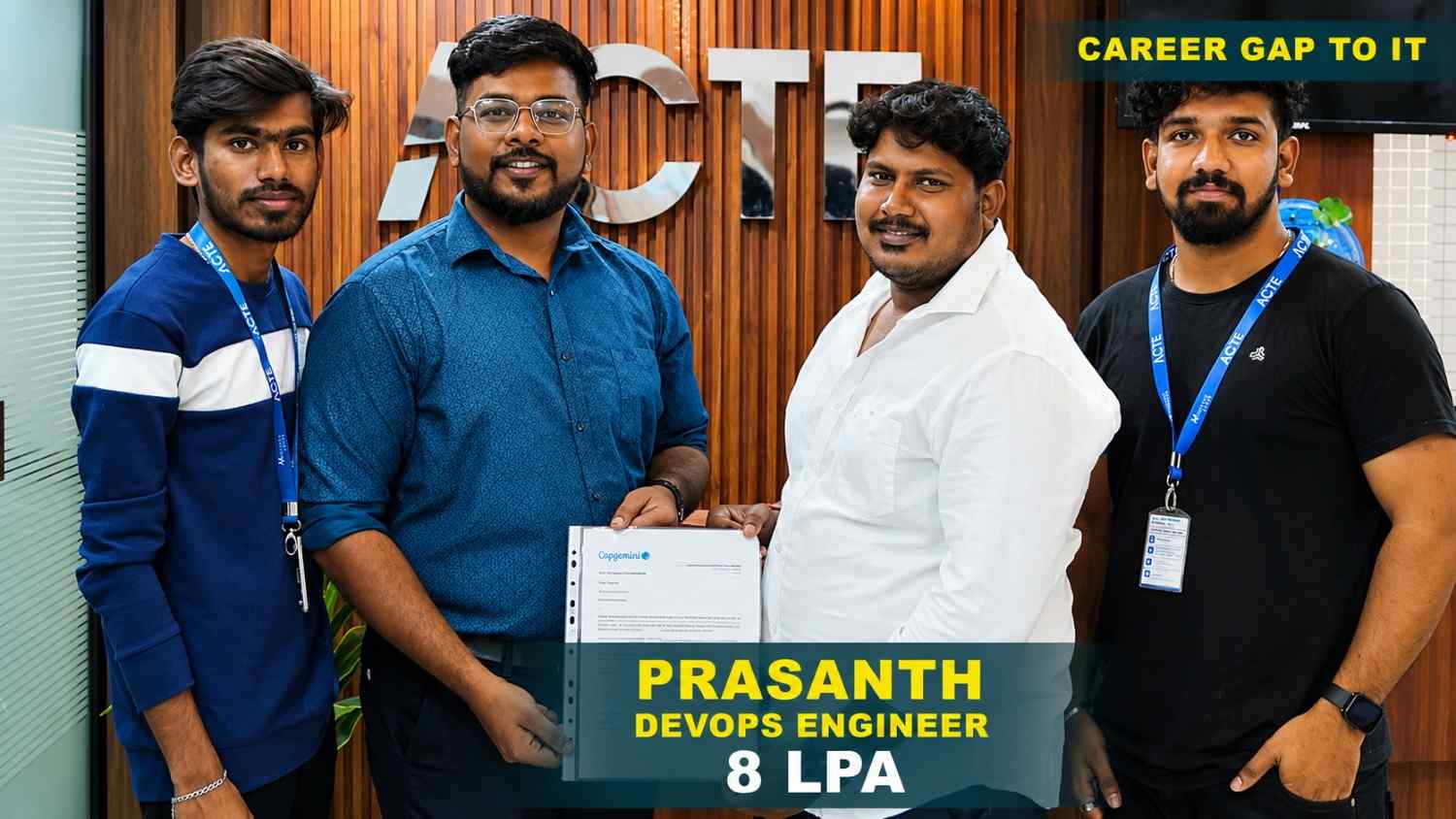
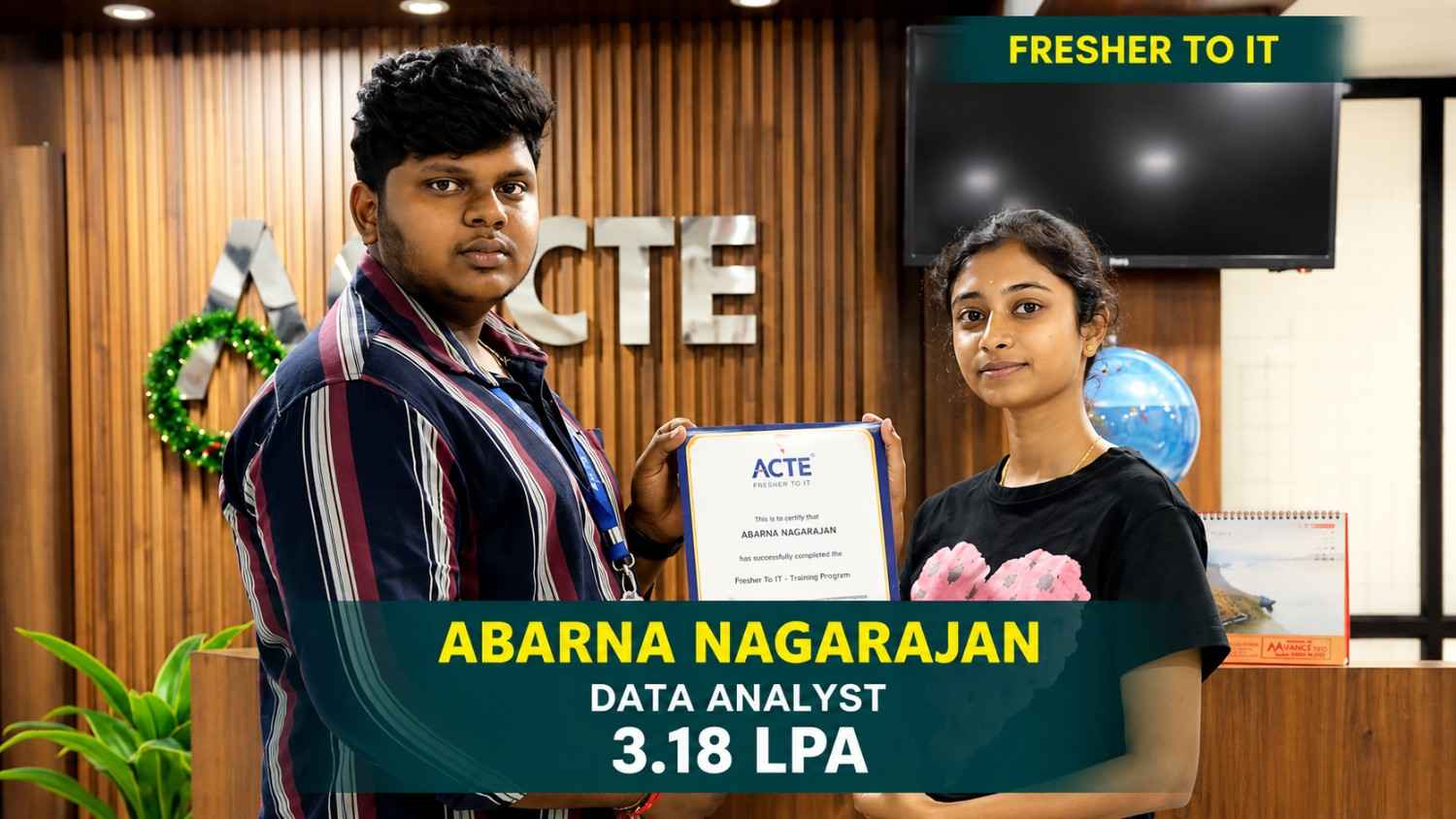
550+ Students Placed Every Month Be The Next!








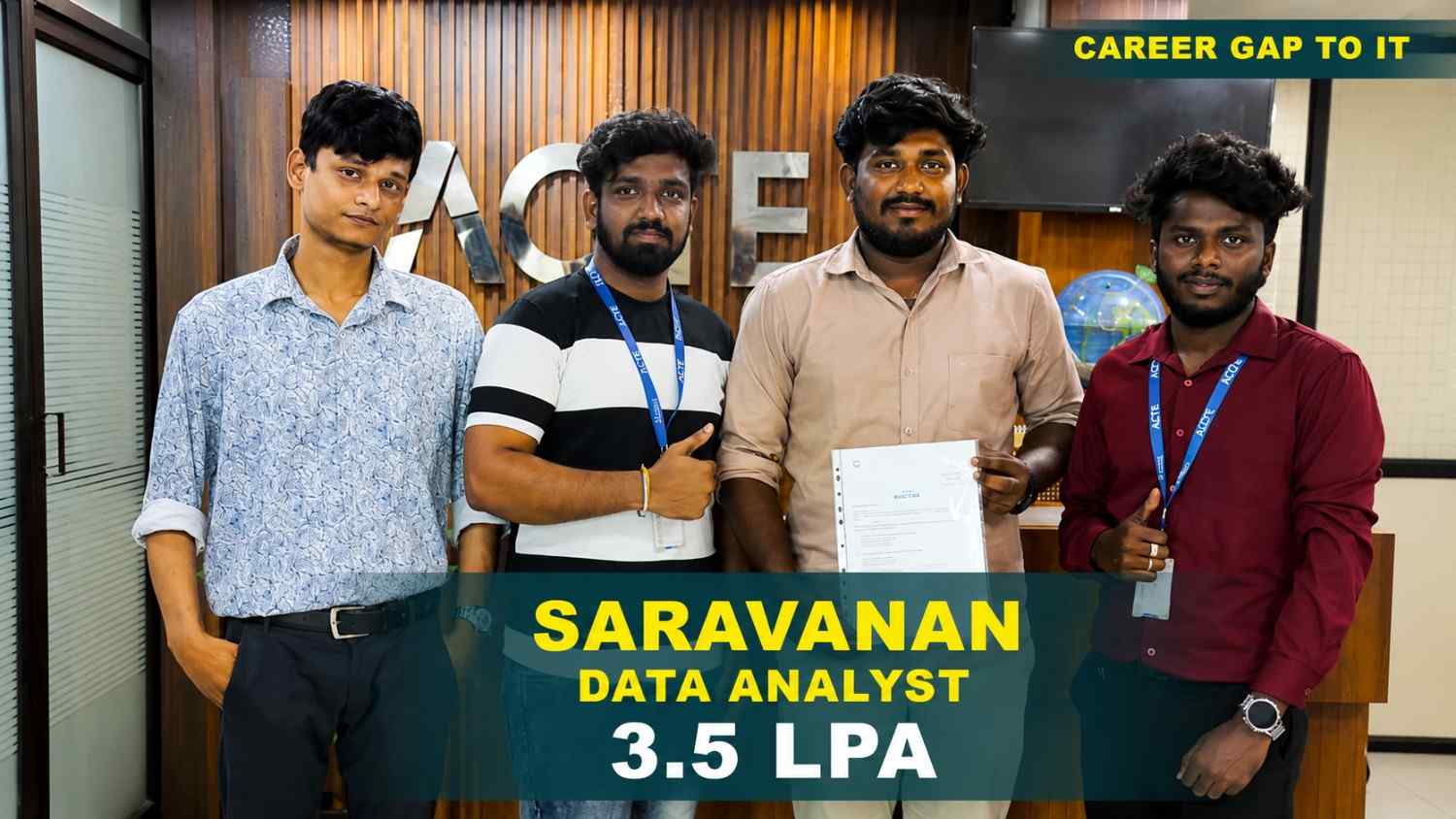

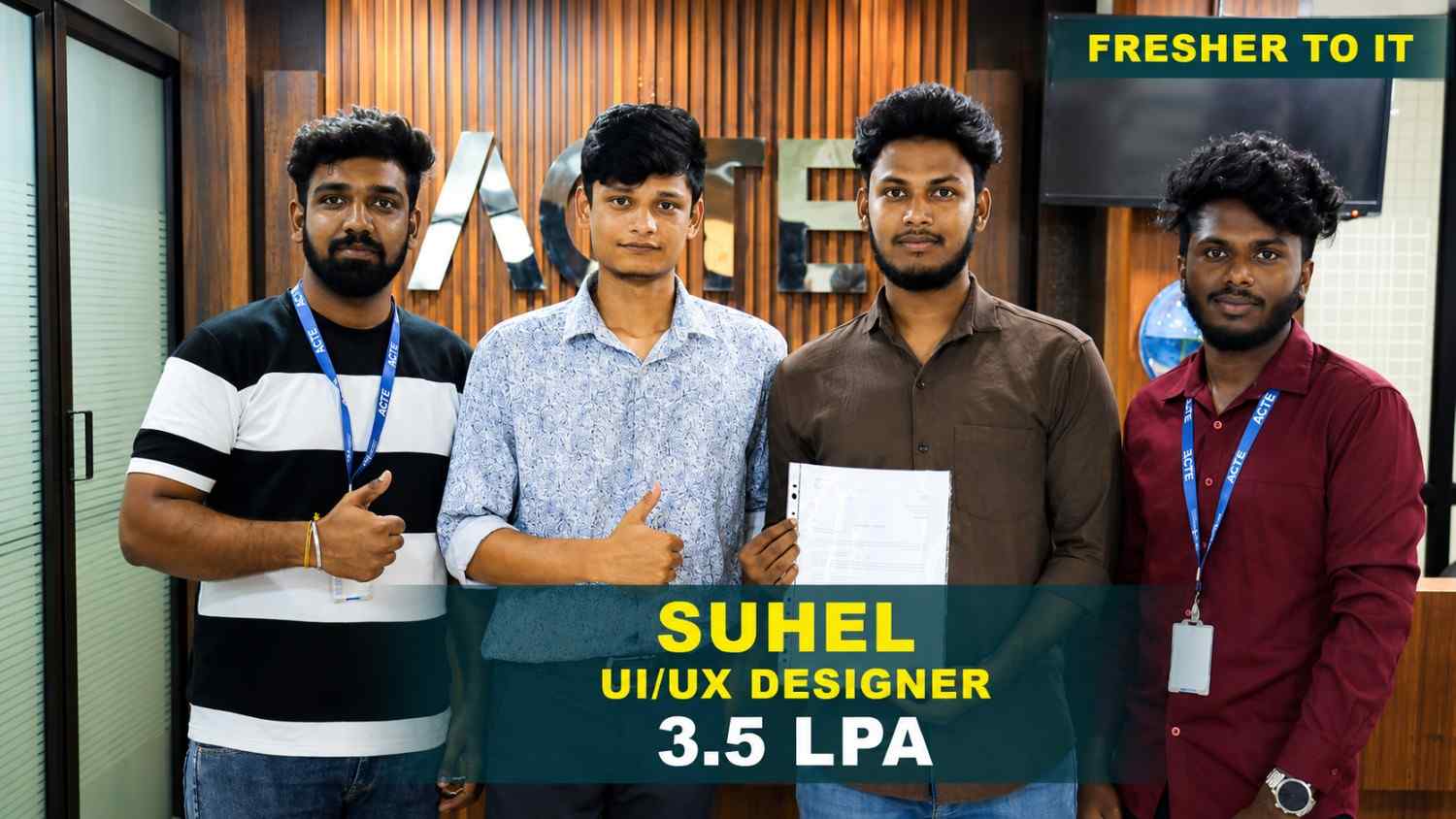
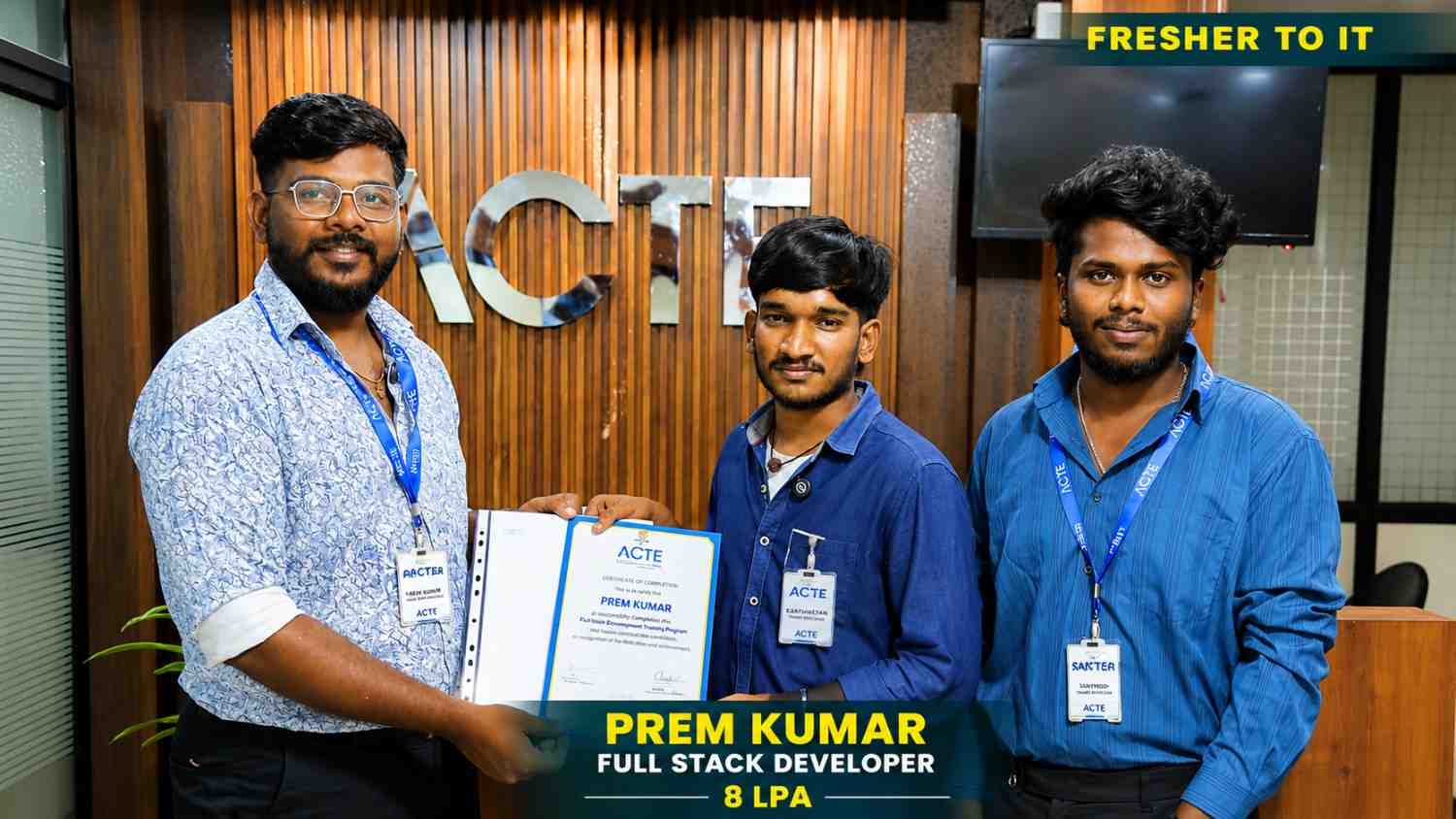
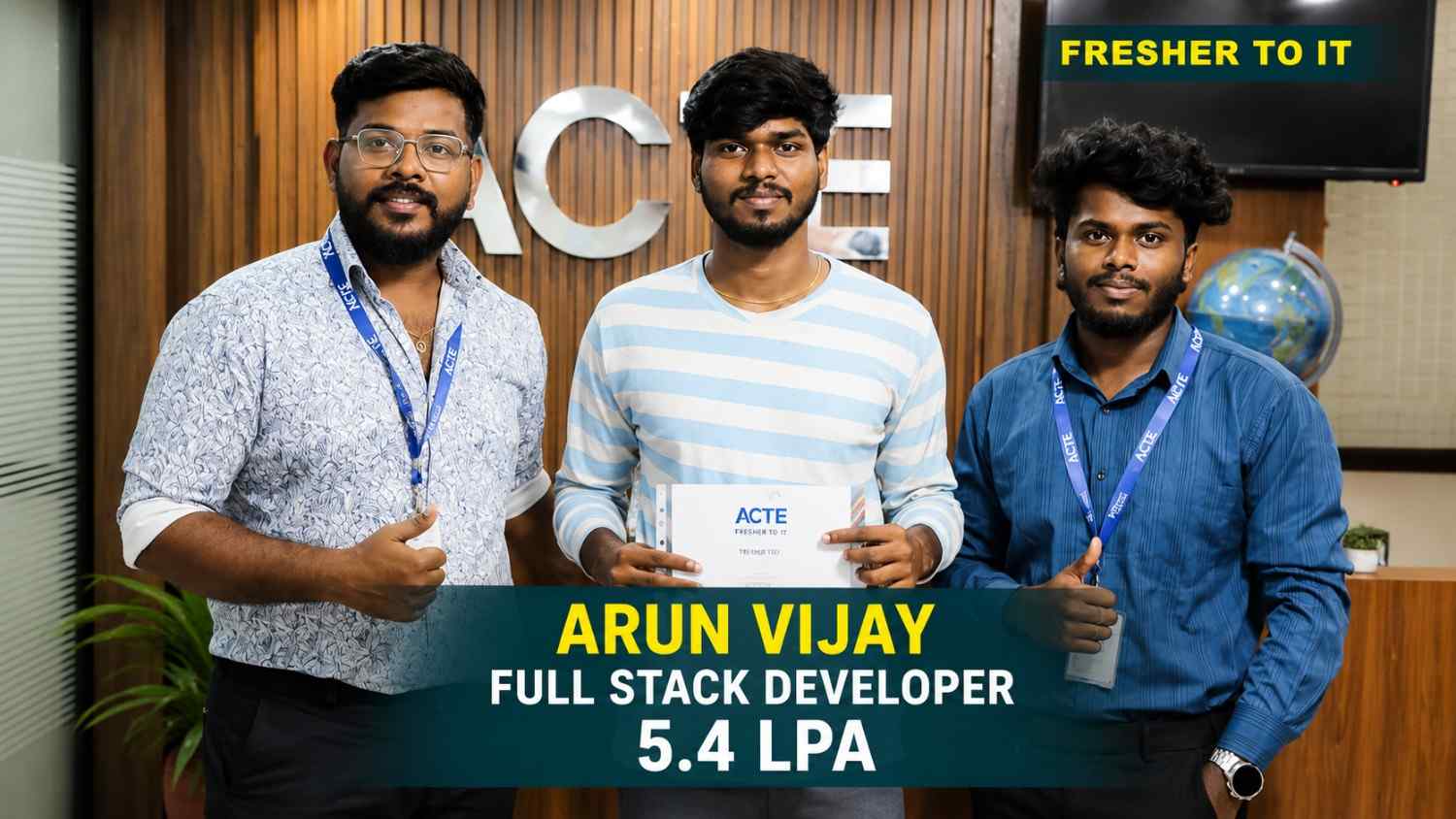
Our Hiring Partners

Curriculum Designed By Experts
Expertly designed curriculum for future-ready professionals.
Industry Oriented Curriculum
An exhaustive curriculum designed by our industry experts which will help you to get placed in your dream IT company
-
30+ Case Studies & Projects
-
9+ Engaging Projects
-
10+ Years Of Experience
C Programming Training Projects
Become a C Programming Expert With Practical and Engaging Projects.
- Practice essential Tools
- Designed by Industry experts
- Get Real-world Experience
Basic Calculator
Create a simple calculator that can perform basic arithmetic operations like addition, subtraction, multiplication, and division. This project will help you understand input/output operations.
Number Guessing Game
Design a program that generates a random number and allows the user to guess it. This project introduces loops, conditionals, and random number generation.
Temperature Converter
Develop a program that converts temperatures between Celsius, Fahrenheit, and Kelvin. This helps in understanding data types and mathematical operations.
Student Database Management
Build a database to store student information such as name, roll number, and marks. This project will introduce file handling, arrays, and structure concepts.
Tic-Tac-Toe Game
Create the classic Tic-Tac-Toe game that can be played between two players. This involves arrays, loops, and functions to handle the logic of the game.
Bank Account Management System
Develop a basic banking system where users can check balances, deposit money, and withdraw funds. This project covers file handling, function.
Library Management System
Build a library management system that tracks books, their availability, and users. It requires knowledge of file handling, dynamic memory allocation, and complex data structures like linked lists.
Mini Compiler
Design a simple compiler for a programming language (like arithmetic expressions). This involves parsing, tokenization, and understanding the abstract syntax tree (AST).
Hospital Management System
Create a hospital management system to store patient details, medical records, and appointments. It combines file handling, dynamic memory management.
Career Support
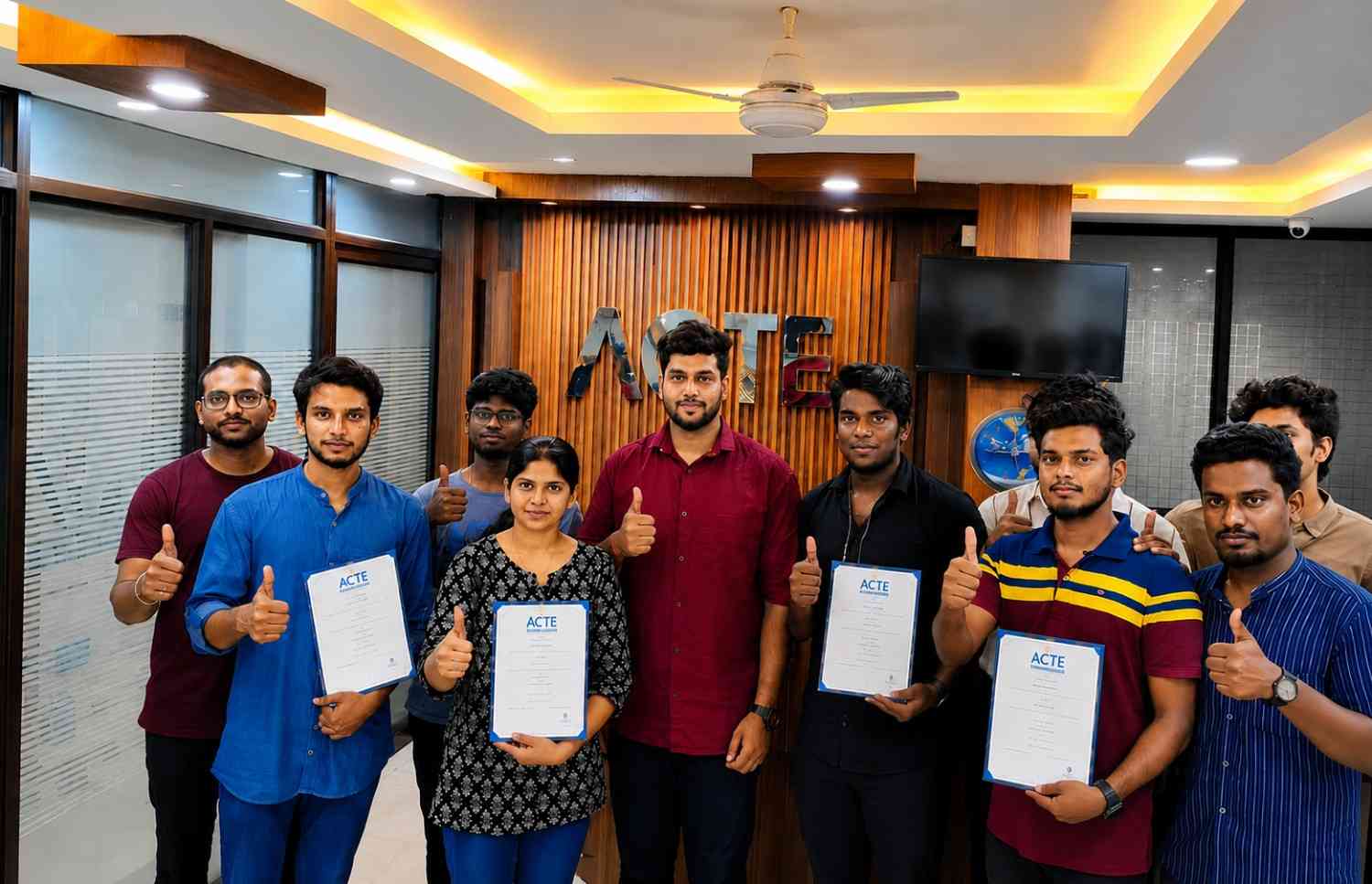

Placement Assistance

Exclusive access to ACTE Job portal

Mock Interview Preparation

1 on 1 Career Mentoring Sessions

Career Oriented Sessions

Resume & LinkedIn Profile Building
Key Features

Practical Training

Global Certifications

Flexible Timing

Trainer Support

Study Material

Placement Support

Mock Interviews

Resume Building
Upcoming Batches
What's included

 Free Aptitude and
Technical Skills Training
Free Aptitude and
Technical Skills Training
- Learn basic maths and logical thinking to solve problems easily.
- Understand simple coding and technical concepts step by step.
- Get ready for exams and interviews with regular practice.

 Hands-On Projects
- Work on real-time projects to apply what you learn.
- Build mini apps and tools daily to enhance your coding skills.
- Gain practical experience just like in real jobs.

 AI Powered Self
Interview Practice Portal
AI Powered Self
Interview Practice Portal
- Practice interview questions with instant AI feedback.
- Improve your answers by speaking and reviewing them.
- Build confidence with real-time mock interview sessions.

 Interview Preparation
For Freshers
Interview Preparation
For Freshers
- Practice company-based interview questions.
- Take online assessment tests to crack interviews
- Practice confidently with real-world interview and project-based questions.

 LMS Online Learning
Platform
LMS Online Learning
Platform
- Explore expert trainer videos and documents to boost your learning.
- Study anytime with on-demand videos and detailed documents.
- Quickly find topics with organized learning materials.
- Learning strategies that are appropriate and tailored to your company's requirements.
- Live projects guided by instructors are a characteristic of the virtual learning environment.
- The curriculum includes of full-day lectures, practical exercises, and case studies.

C Programming Training Overview
C Programming Program in HSR Layout with Potential Career Paths
A C Programming certification Course in HSR Layout opens up various career opportunities in software development, embedded systems, game development, and more. As a C programmer, you can pursue roles such as Software Developer, Embedded Systems Engineer, Game Developer, System Programmer, and Application Developer. C remains one of the most in-demand languages due to its efficiency, speed, and versatility. With companies relying on C for low-level programming and hardware interaction, you can find opportunities in industries such as telecommunications, automotive, aerospace, and consumer electronics. As technology advances, there’s always a demand for C programmers to maintain legacy systems and develop high-performance applications.
The Requirements for C Programming Course
- Basic Knowledge : A basic understanding of programming concepts (variables, loops, functions).Familiarity with how computers work, especially memory management, will be beneficial.
- Software Tools : To run C programs, you will need a C compiler like GCC or Turbo C.IDE (Integrated Development Environment): A simple IDE such as Code::Blocks or DevC++ can enhance your coding experience.
- Mathematical and Analytical Skills : Basic mathematical knowledge, including logic, algebra, and problem-solving skills, is essential for handling programming logic and algorithms effectively.
- Patience and Persistence : Programming can sometimes be challenging; patience and the ability to debug and troubleshoot are crucial to success.
Enrolling in C Programming Course Class in HSR Layout
Enrolling in a C programming Training Institute in HSR Layout will equip you with the foundational knowledge necessary to excel in various programming-related careers. C is the backbone of many modern programming languages, making it the ideal language to learn if you want to understand low-level memory manipulation, performance optimization, and system-level programming. C's versatility allows you to work on a wide range of applications, from operating systems and embedded systems to complex software solutions. With its emphasis on efficiency and control, mastering C will give you an edge in industries that require high-performance computing, such as embedded systems, game development, and software engineering.
Techniques and Trends in C Programming Development in HSR Layout
- Optimization Techniques :Memory Management: Manual memory management with malloc() and free() is crucial in C, especially in embedded systems and applications requiring efficient resource usage.
- Embedded Systems Development : C is widely used in Embedded Systems Programming because of its ability to access low-level hardware directly. The trend is growing in IoT and automotive industries, where C continues to be a preferred language for microcontrollers.
- Cross-Platform Development : C allows you to write cross-platform applications, especially in environments where performance and portability are a priority. With platforms like Linux, Windows, and MacOS relying on C.
The Most Recent C Programming Placement Training in HSR Layout with Tools
Recent advancements in C programming tools have enhanced efficiency and development experience. Tools such as CLion and Visual Studio Code provide robust support for C, offering built-in debugging tools, integrated version control, and an intuitive interface. Valgrind is widely used for memory debugging, helping developers detect memory leaks and errors. Additionally, GCC remains the most commonly used compiler for C programs, and its latest versions offer performance improvements. For those working with embedded systems, Keil uVision is a great tool for microcontroller programming, with robust debugging features for hardware interfaces. These tools enable C developers to streamline coding, optimize performance, and troubleshoot errors effectively.
Career Opportunities After C Programming
C Programmer
A C Programmer, often referred to as a software developer, is responsible for writing, testing, and maintaining software applications using the C programming language.
Embedded Systems Engineer
An Embedded Systems Engineer specializes in designing and developing software for embedded systems, such as microcontrollers and embedded devices.
Game Developer
Game developers use C programming for developing high-performance games and simulations. C is particularly favored in game development for its ability .
Systems Software Engineer
A Systems Software Engineer focuses on developing and maintaining the underlying software that powers operating systems, file systems, and other system-level applications.
C Developer
C Developers in application development work on creating software applications using C as the primary language.They are responsible for designing, coding.
Network Engineer
Network Engineers with expertise in C programming are responsible for managing, designing, and optimizing network infrastructures.They use C to write network protocols.
Skill to Master
Fundamentals of Programming
Control Structures
Functions and Recursion
Memory Management
Pointer Manipulation
Data Structures
File Handling
Object-Oriented Programming
Error Handling and Debugging
Low-Level Programming
Algorithms and Problem-Solving
Optimizing Code for Performance
Tools to Master
GCC
Code::Blocks
Dev-C++
Clion
Visual Studio Code
Eclipse IDE
GNU Debugger
Makefile
Valgrind
Cscope
Gprof
Doxygen
Learn from certified professionals who are currently working.

Training by
Priya Sharma , having 8+ yrs of experience
Specialized in:Embedded Systems Development, Low-Level Programming, RTOS, Memory Management, and Firmware Development.
Note: Priya is an accomplished Embedded Systems Engineer with extensive experience in designing and optimizing firmware for various hardware platforms. Her expertise includes real-time systems, hardware-software integration, and efficient memory usage, making her an excellent guide for learners interested in embedded systems and low-level programming.
Premium Training at Best Price
Affordable, Quality Training for Freshers to Launch IT Careers & Land Top Placements.
What Makes ACTE Training Different?
Feature
ACTE Technologies
Other Institutes
Affordable Fees
Competitive Pricing With Flexible Payment Options.
Higher Fees With Limited Payment Options.
Industry Experts
Well Experienced Trainer From a Relevant Field With Practical Training
Theoretical Class With Limited Practical
Updated Syllabus
Updated and Industry-relevant Course Curriculum With Hands-on Learning.
Outdated Curriculum With Limited Practical Training.
Hands-on projects
Real-world Projects With Live Case Studies and Collaboration With Companies.
Basic Projects With Limited Real-world Application.
Certification
Industry-recognized Certifications With Global Validity.
Basic Certifications With Limited Recognition.
Placement Support
Strong Placement Support With Tie-ups With Top Companies and Mock Interviews.
Basic Placement Support
Industry Partnerships
Strong Ties With Top Tech Companies for Internships and Placements
No Partnerships, Limited Opportunities
Batch Size
Small Batch Sizes for Personalized Attention.
Large Batch Sizes With Limited Individual Focus.
LMS Features
Lifetime Access Course video Materials in LMS, Online Interview Practice, upload resumes in Placement Portal.
No LMS Features or Perks.
Training Support
Dedicated Mentors, 24/7 Doubt Resolution, and Personalized Guidance.
Limited Mentor Support and No After-hours Assistance.
We are proud to have participated in more than 40,000 career transfers globally.

C Programming Certification

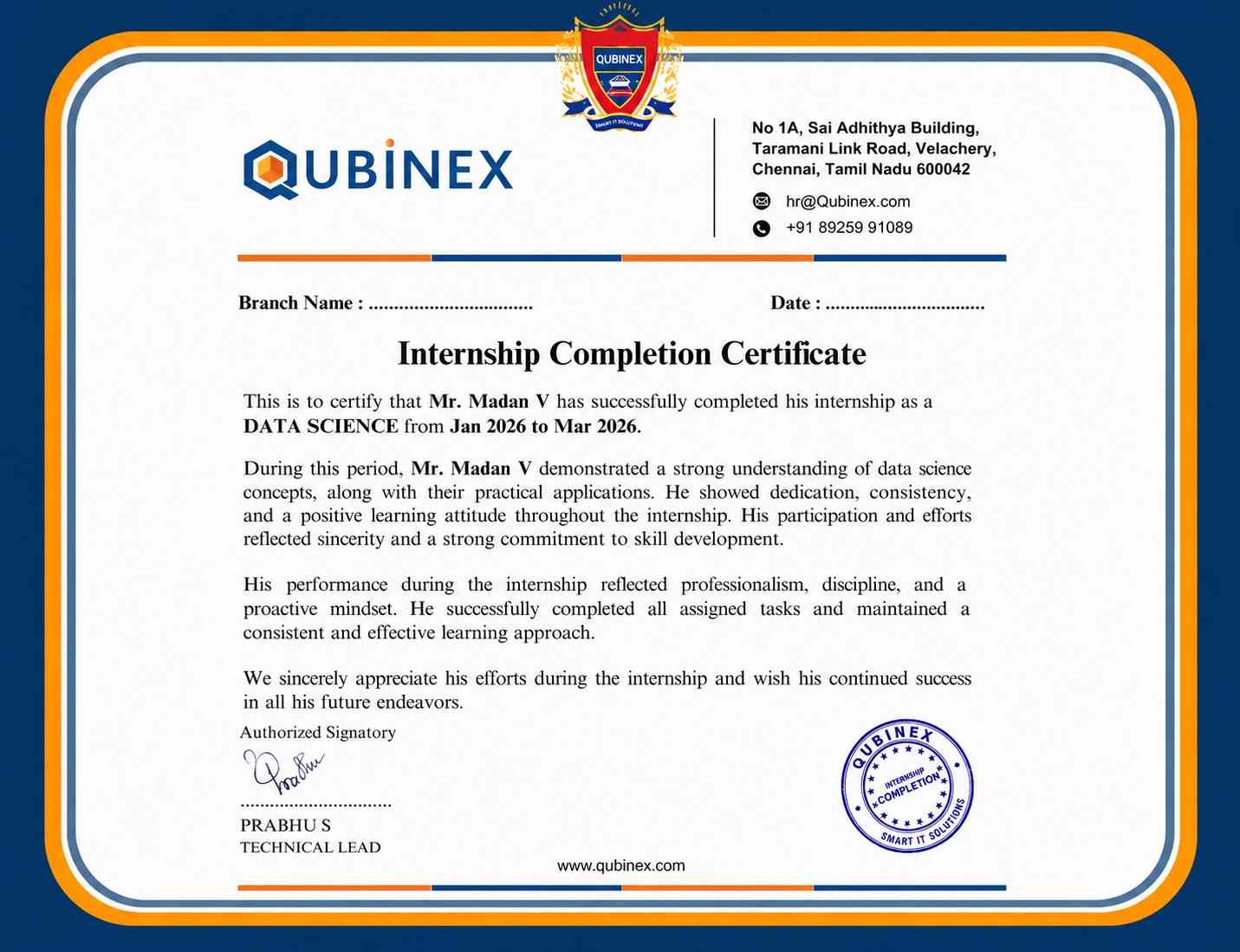
Gaining real-world experience can be an advantage, but it’s not mandatory to earn the C Programming certification. Most C programming courses are designed to help beginners master core concepts through theory and hands-on projects. These courses often feature a structured learning path that allows you to gradually build expertise. As you progress, you’ll work on practical coding assignments and real-world projects that simulate what you might encounter in professional work environments.
Pursuing a C Programming Training certification is a strategic step for anyone aiming to build a career in programming, software development, embedded systems, or computer science. C remains one of the most foundational and widely used programming languages, especially for system-level programming and low-level operations.
For most C Programming certification exams, there are no strict prerequisites, though familiarity with basic computer programming concepts can be beneficial. Typically, you don’t need to have prior experience with C programming before enrolling in the course or taking the exam.
Yes, the ACTE C Programming Training Certification is definitely worth the time and investment. ACTE offers a comprehensive curriculum designed by industry experts, covering everything from the fundamentals of C programming to more advanced topics like memory management, data structures, and algorithms.
Frequently Asked Questions
- Yes, you can – ACTE offers demo sessions before signing up, giving you a chance to experience the course content and teaching style.
- Free Demo Access – This allows you to evaluate whether the course suits your learning needs and expectations before making any commitment.
- ACTE instructors are industry professionals with extensive experience in C programming and software development. They bring practical knowledge from their careers to the classroom, offering real-world insights and expert guidance. Instructors at ACTE are certified and have worked on various C programming projects in fields like embedded systems, game development, and system programming.
- Yes, ACTE provides dedicated placement assistance to help students secure job opportunities after completing the C Programming course. They have partnerships with leading tech companies and a vast network of recruiters who seek skilled C programmers. Placement assistance includes resume building, interview preparation, and job referrals to relevant positions.
- Upon successful completion of the C Programming course, you will receive an ACTE Certification in C Programming, which is globally recognized. This certification validates your knowledge and expertise in C programming concepts, tools, and techniques. It demonstrates to potential employers that you have the skills required to work on real-world C programming projects.
- Yes, students enrolled in the C Programming course at ACTE work on live projects as part of their training. This hands-on experience helps you apply the theoretical concepts learned in class to real-world scenarios. You’ll have the opportunity to develop applications, solve programming challenges, and contribute to projects similar to what you would encounter in a professional work environment.
