
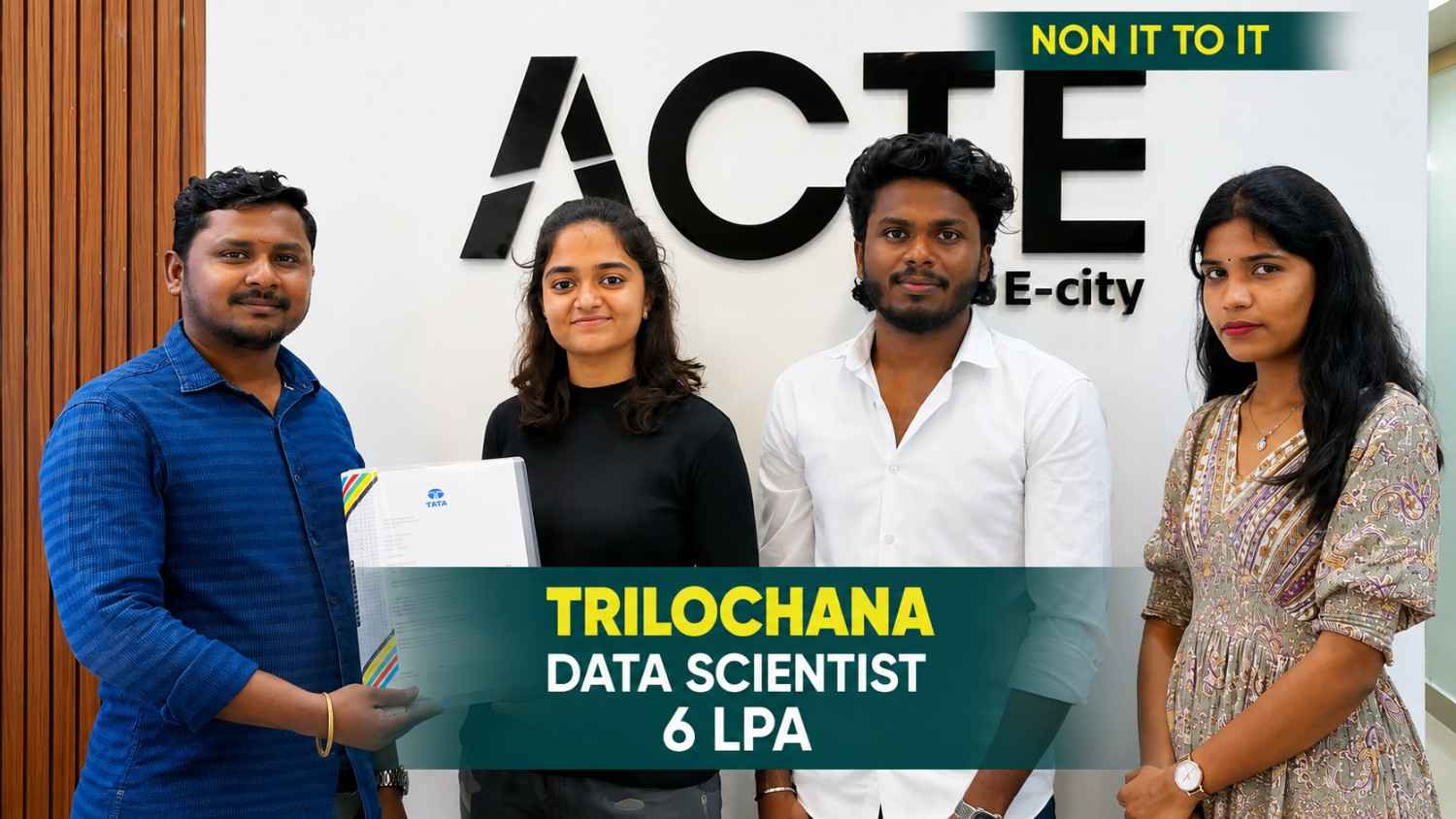
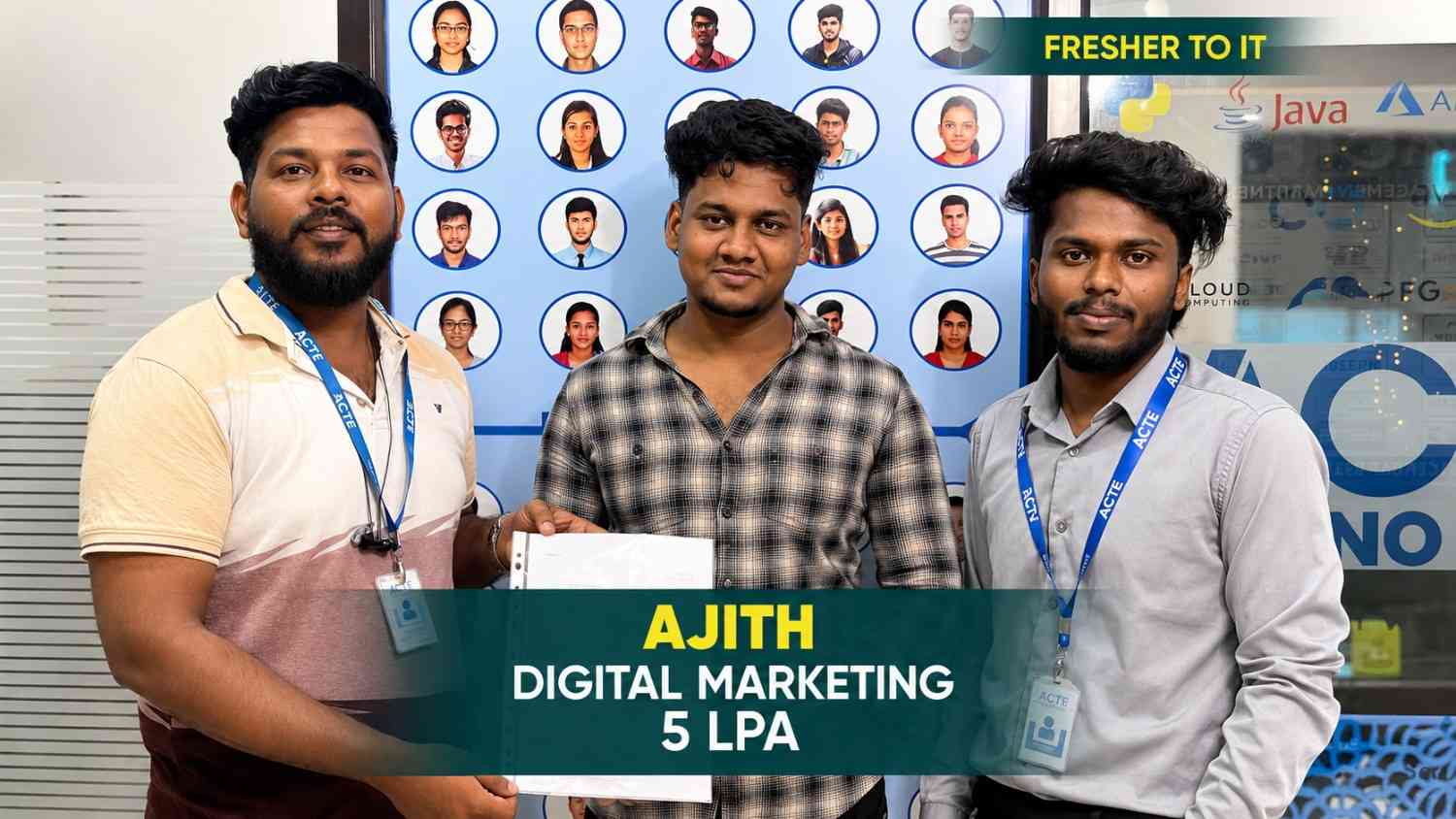
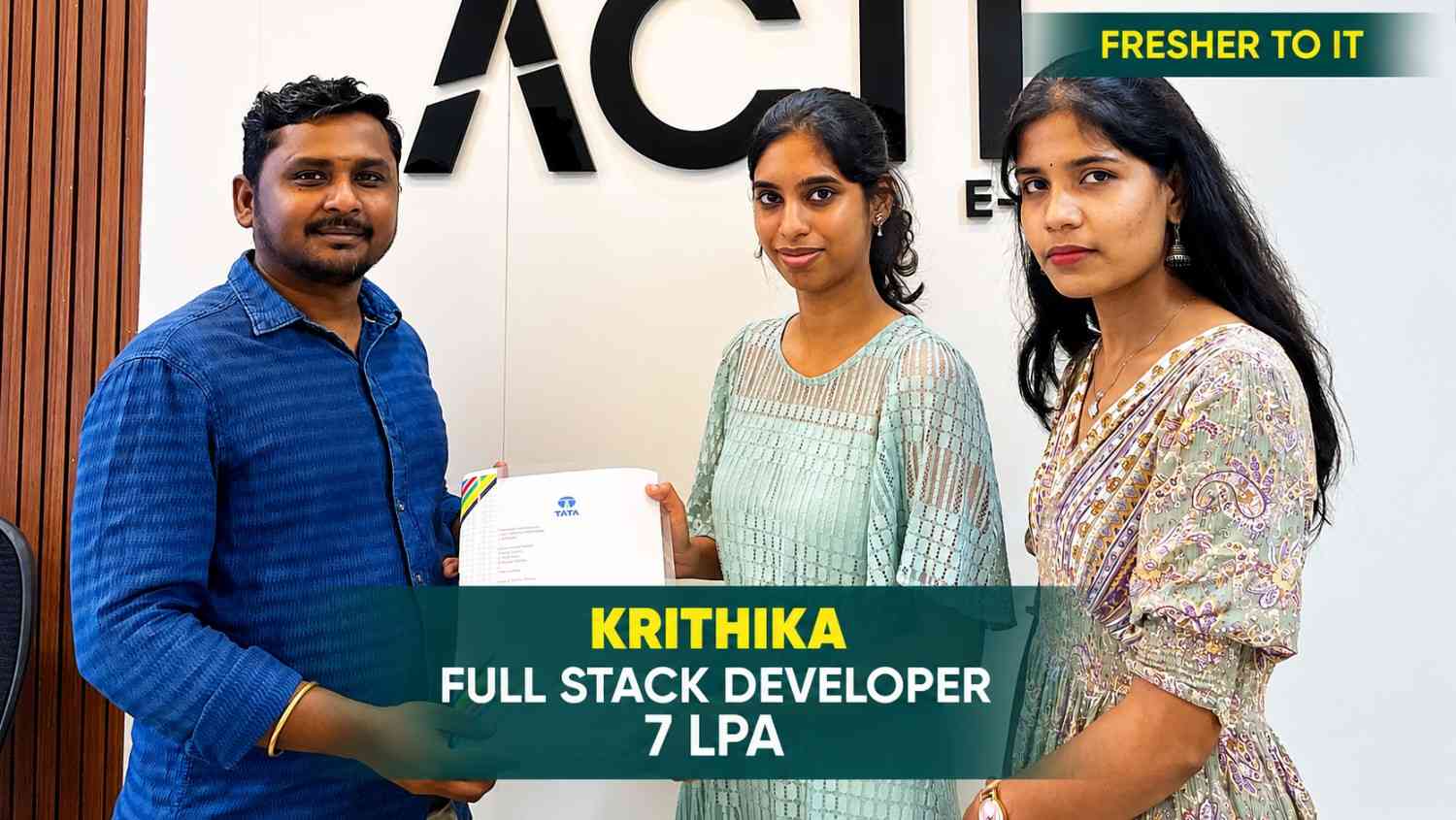
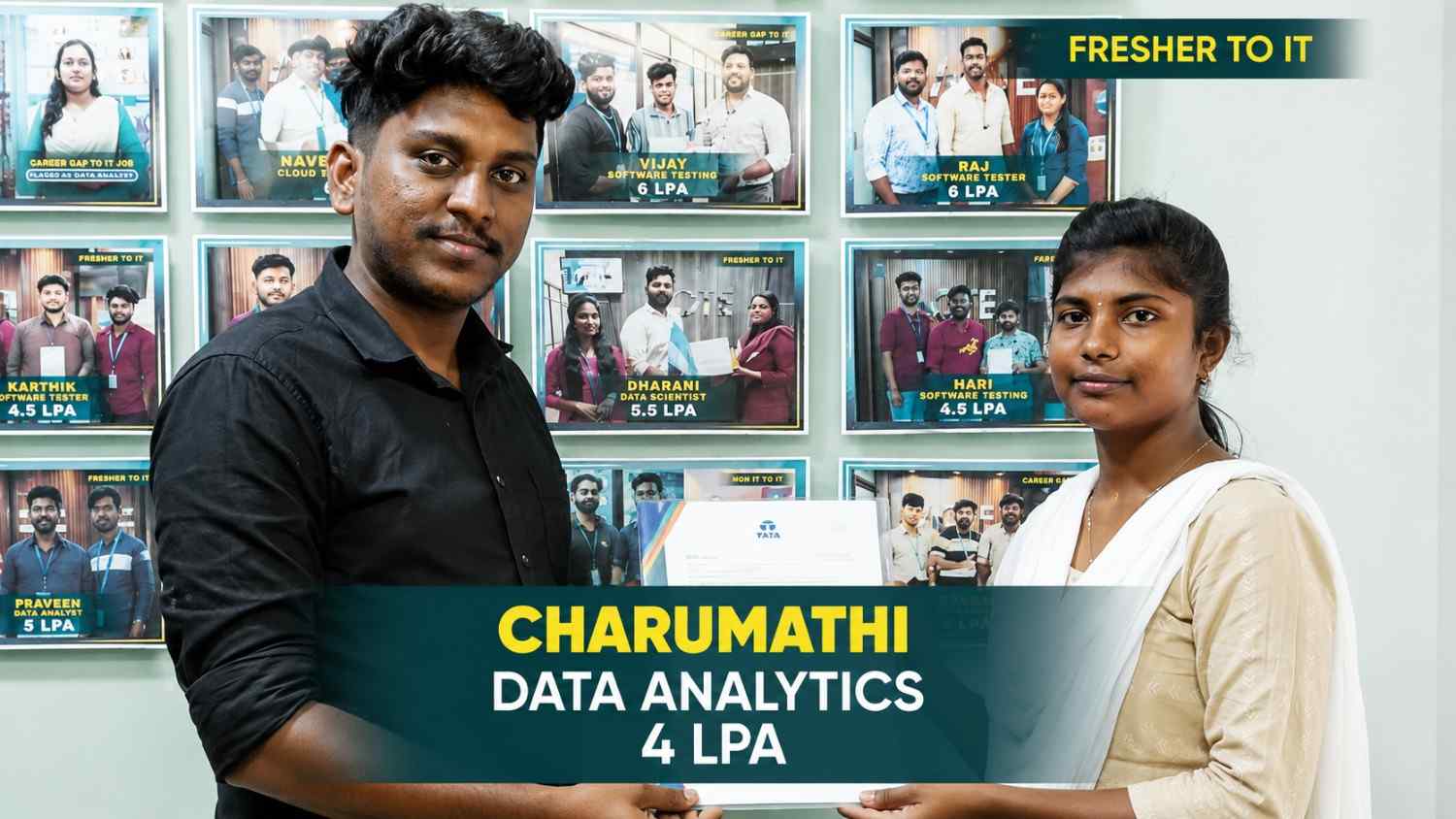
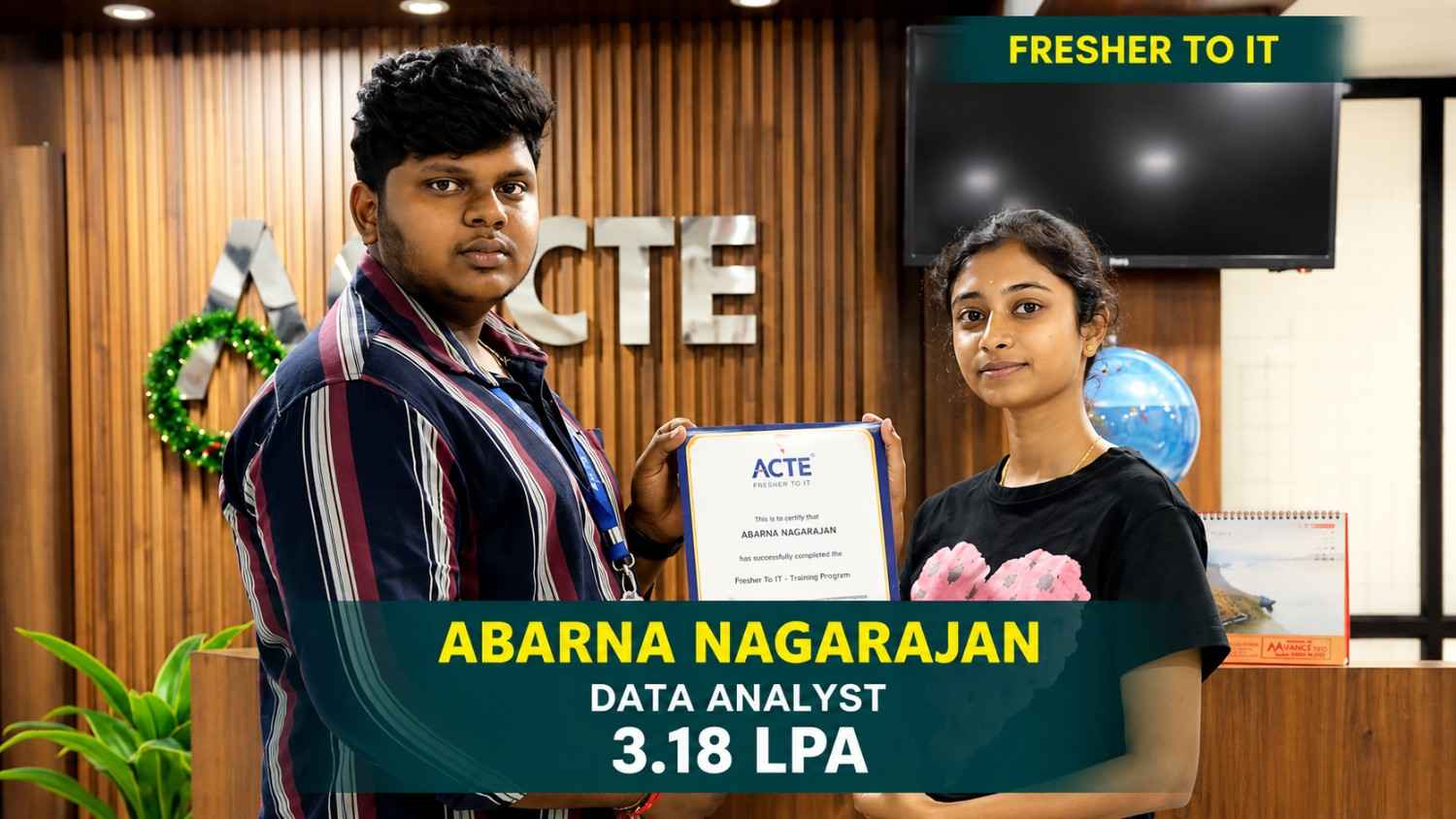
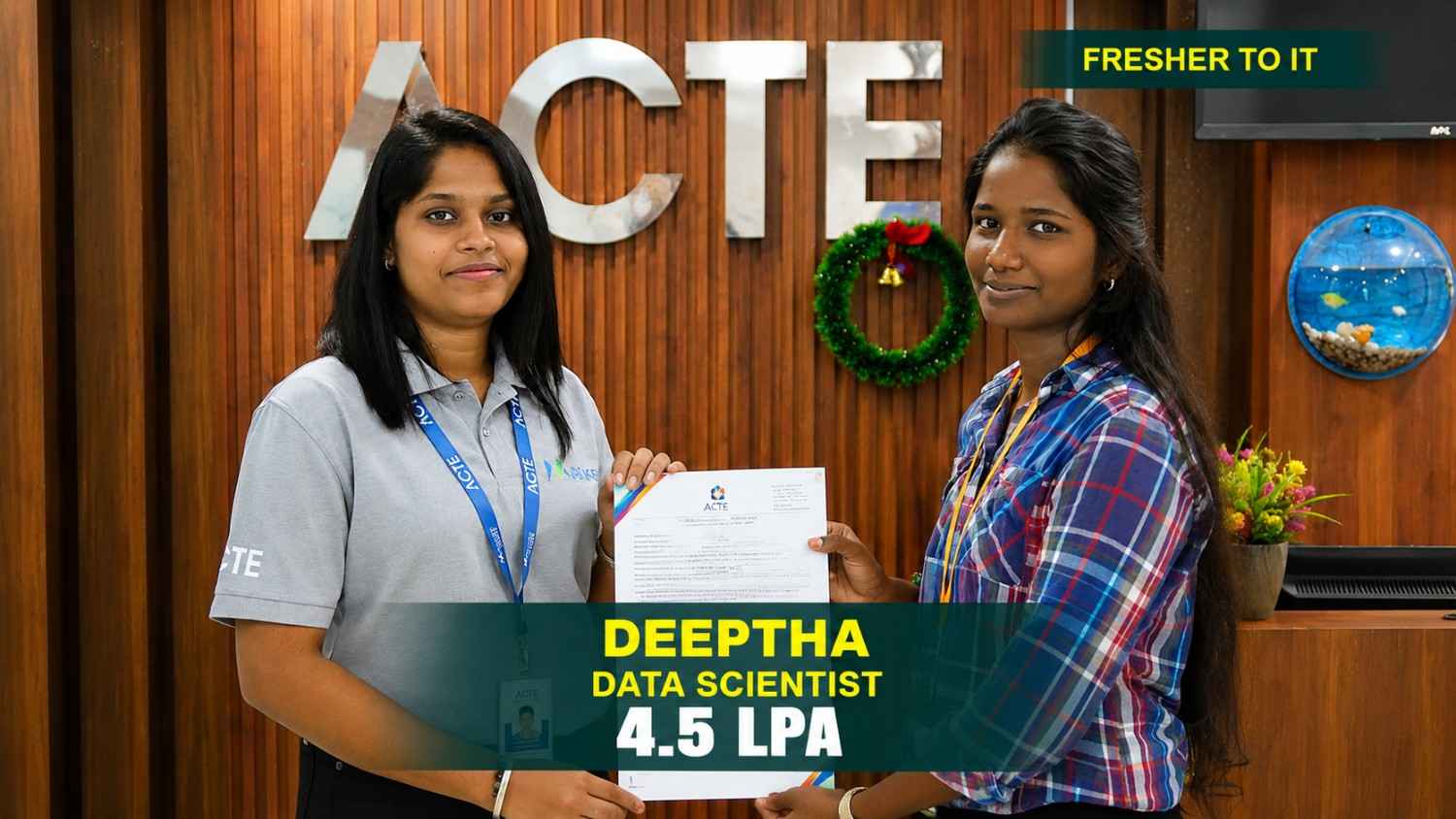
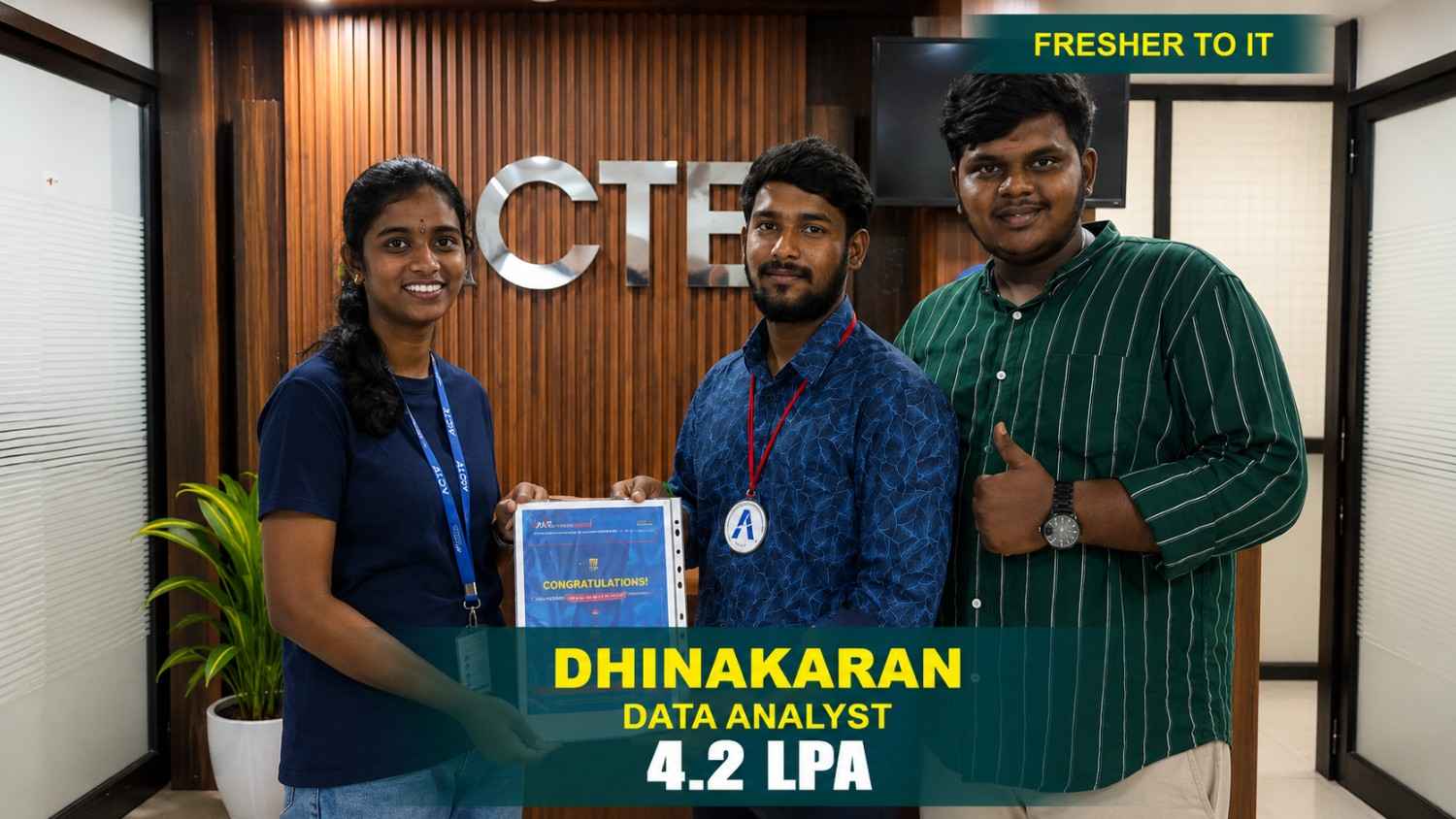
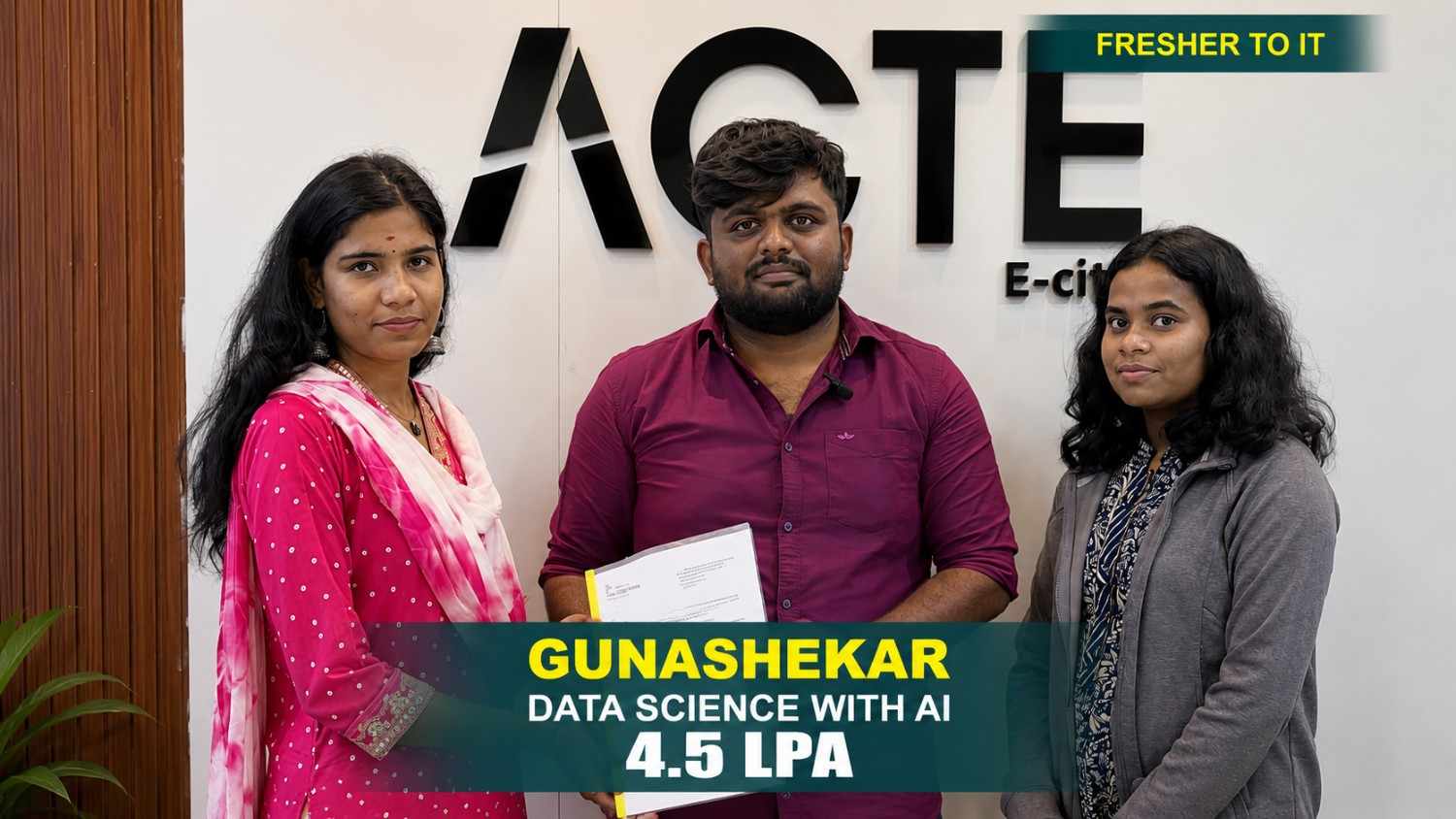
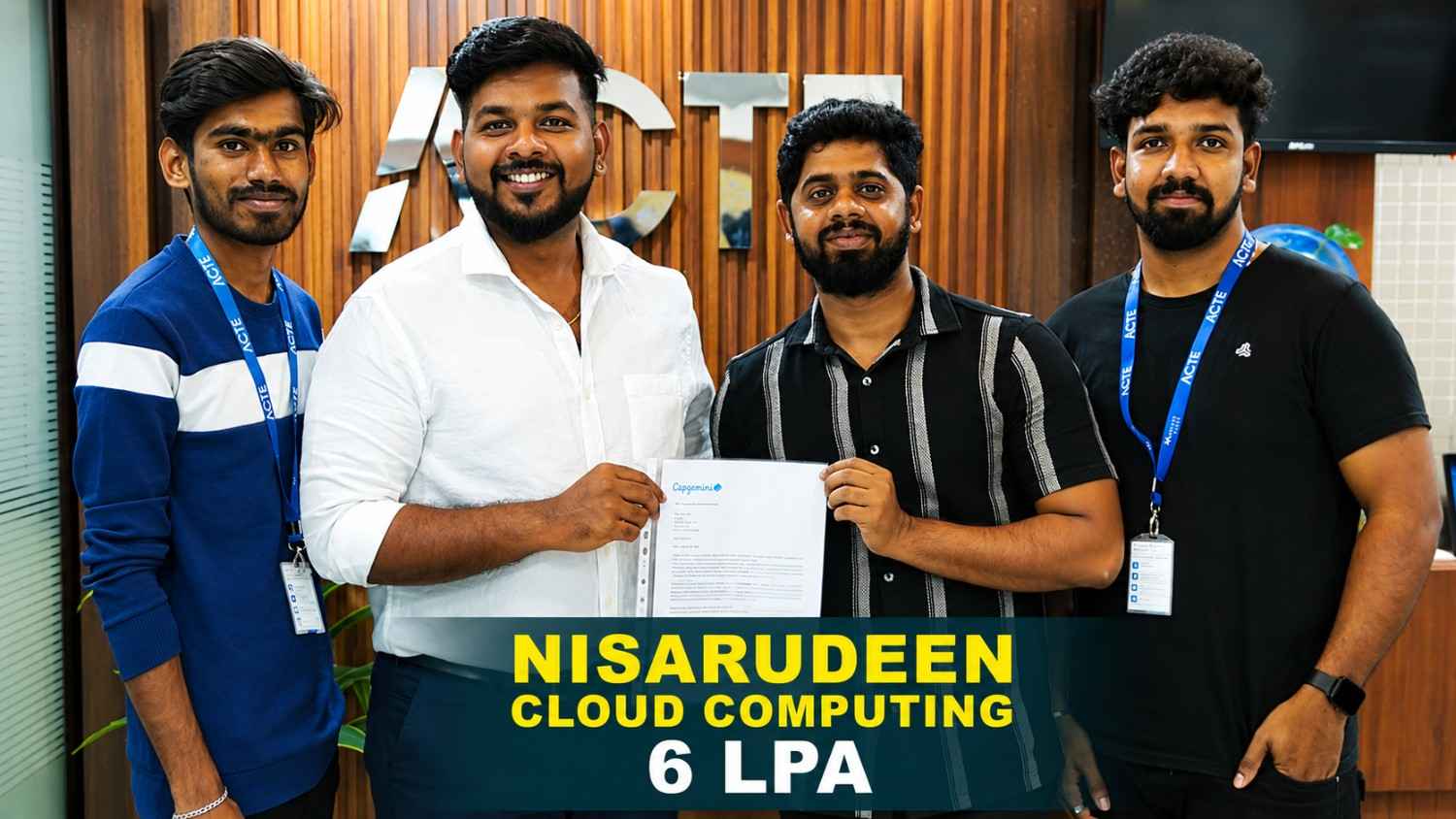
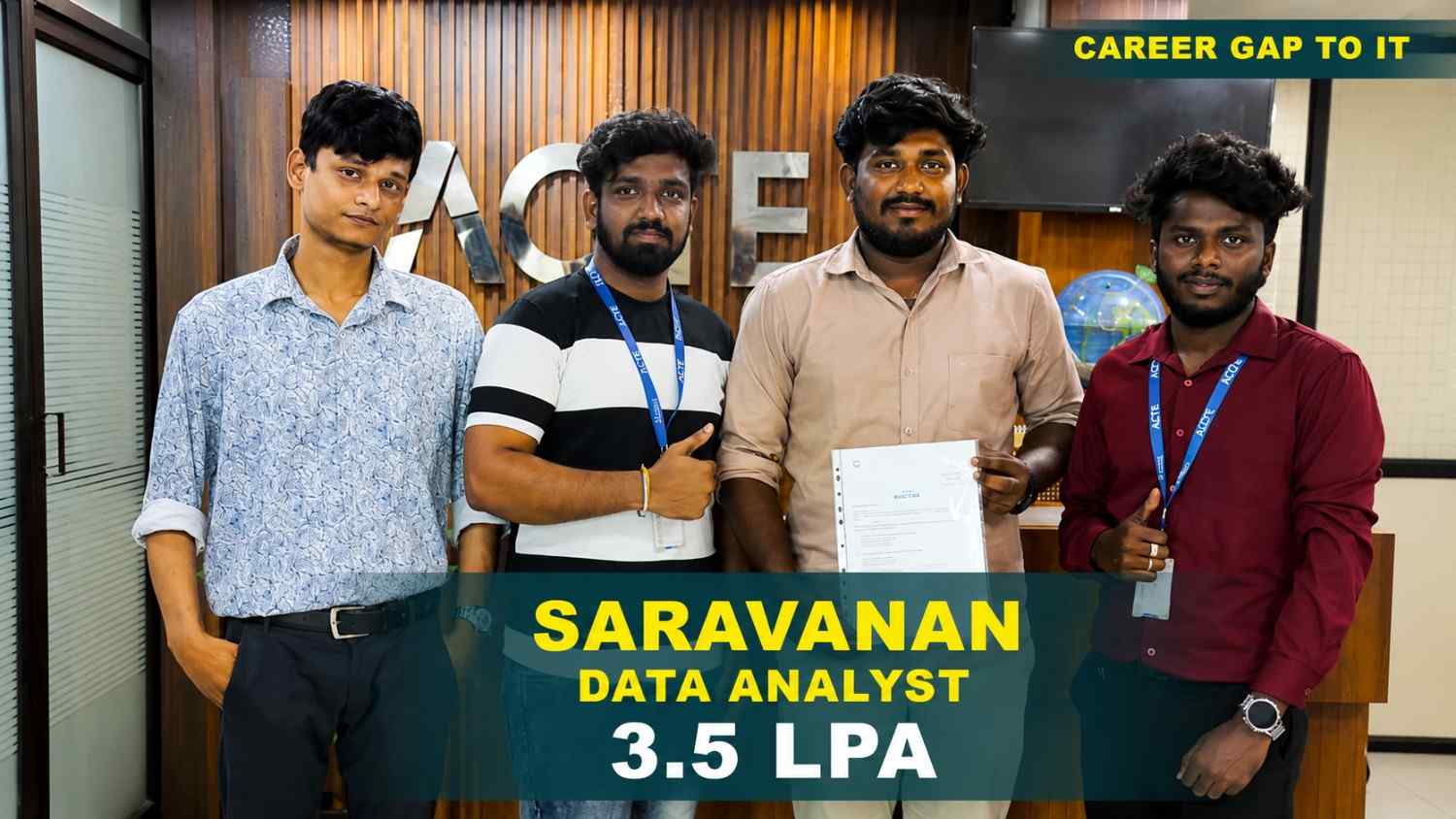
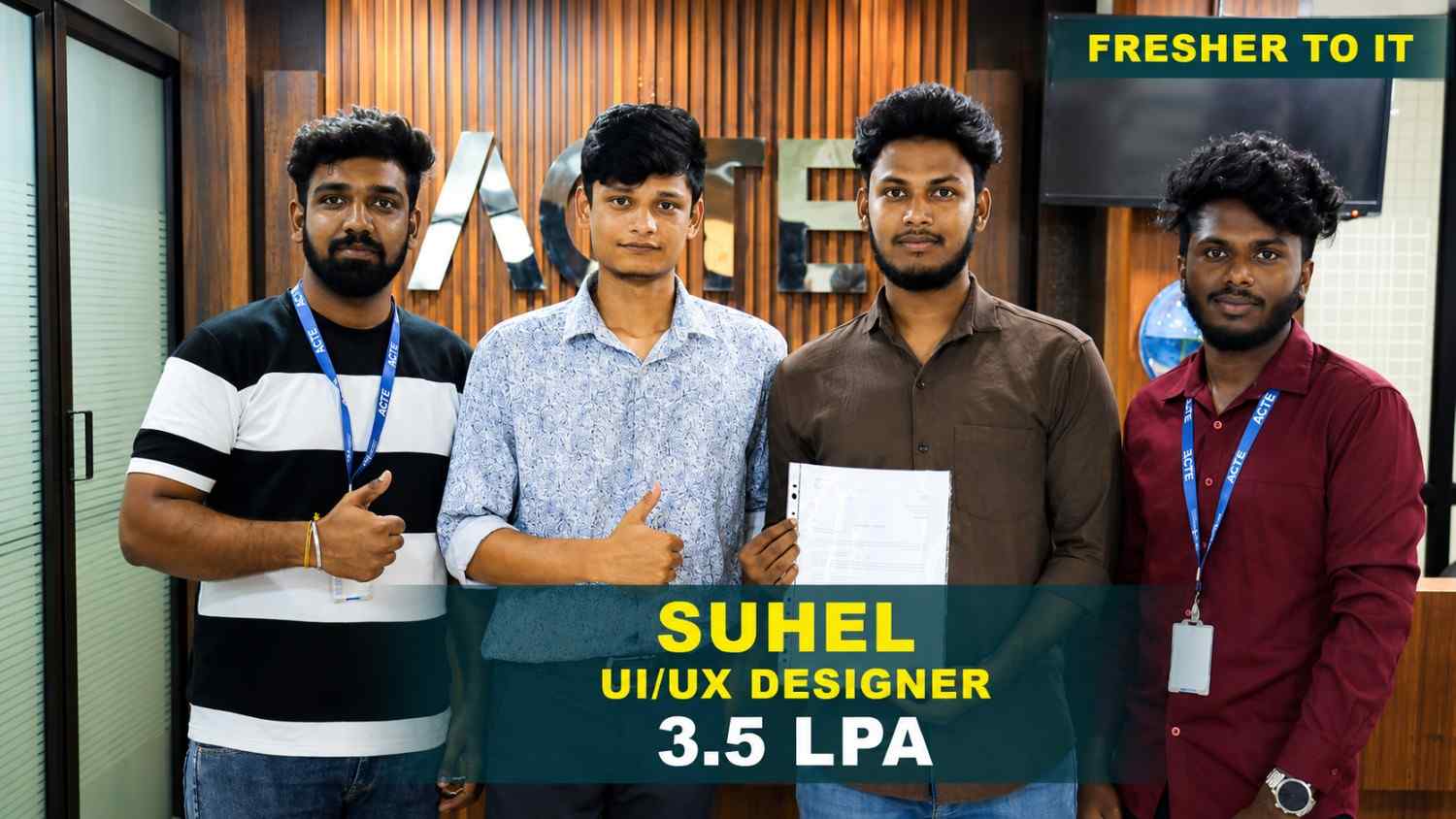
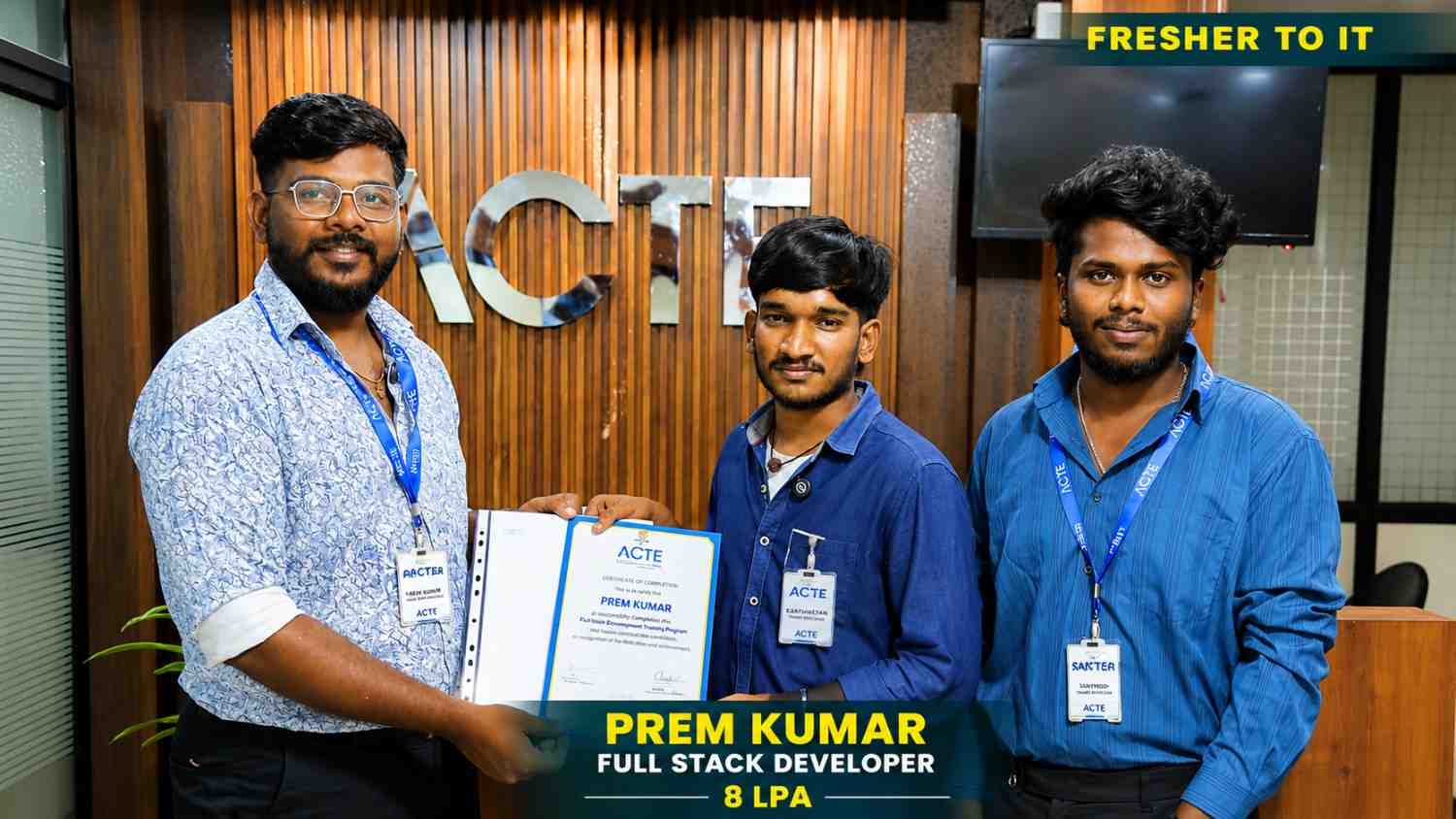
550+ Students Placed Every Month Be The Next!


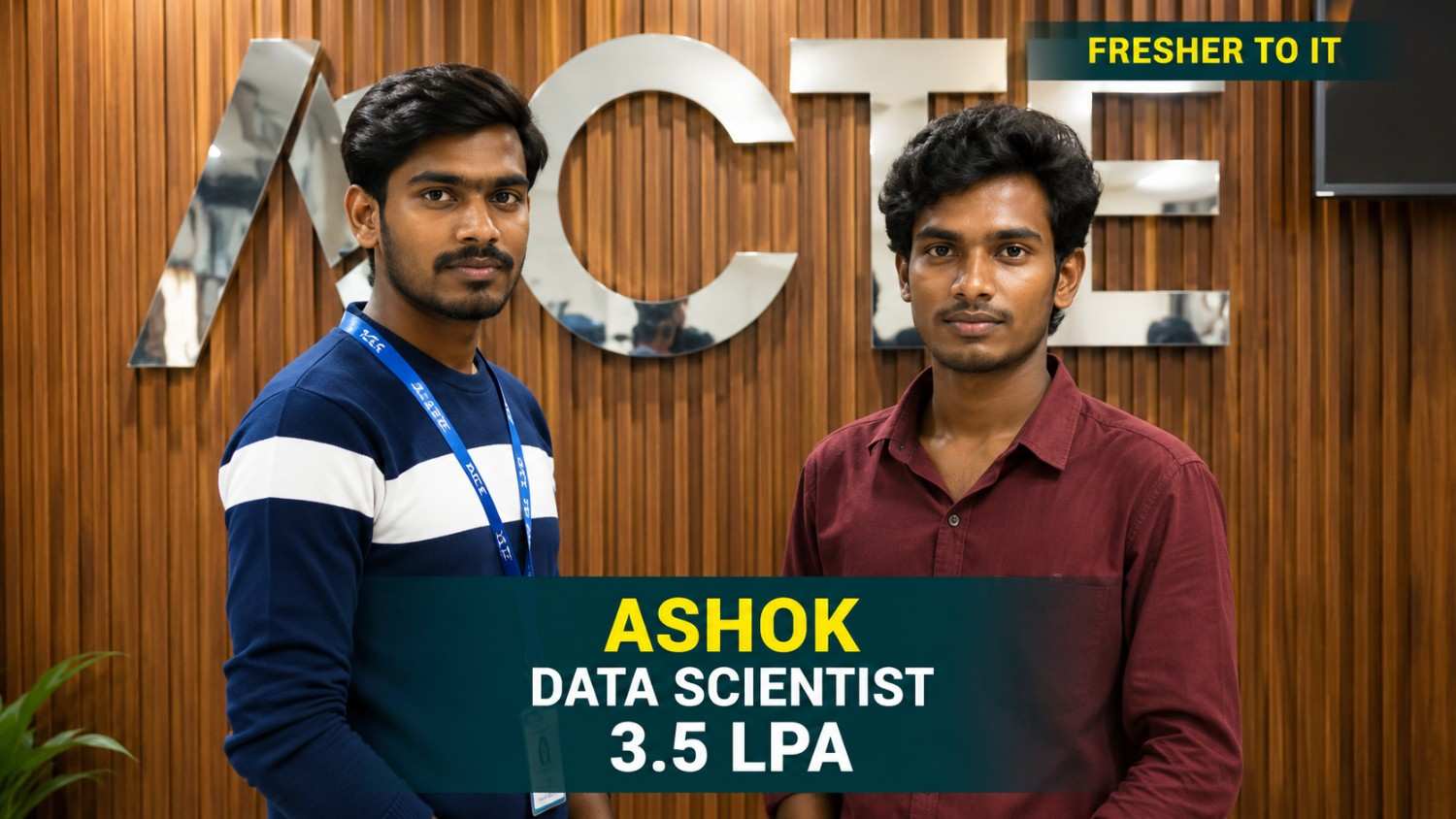
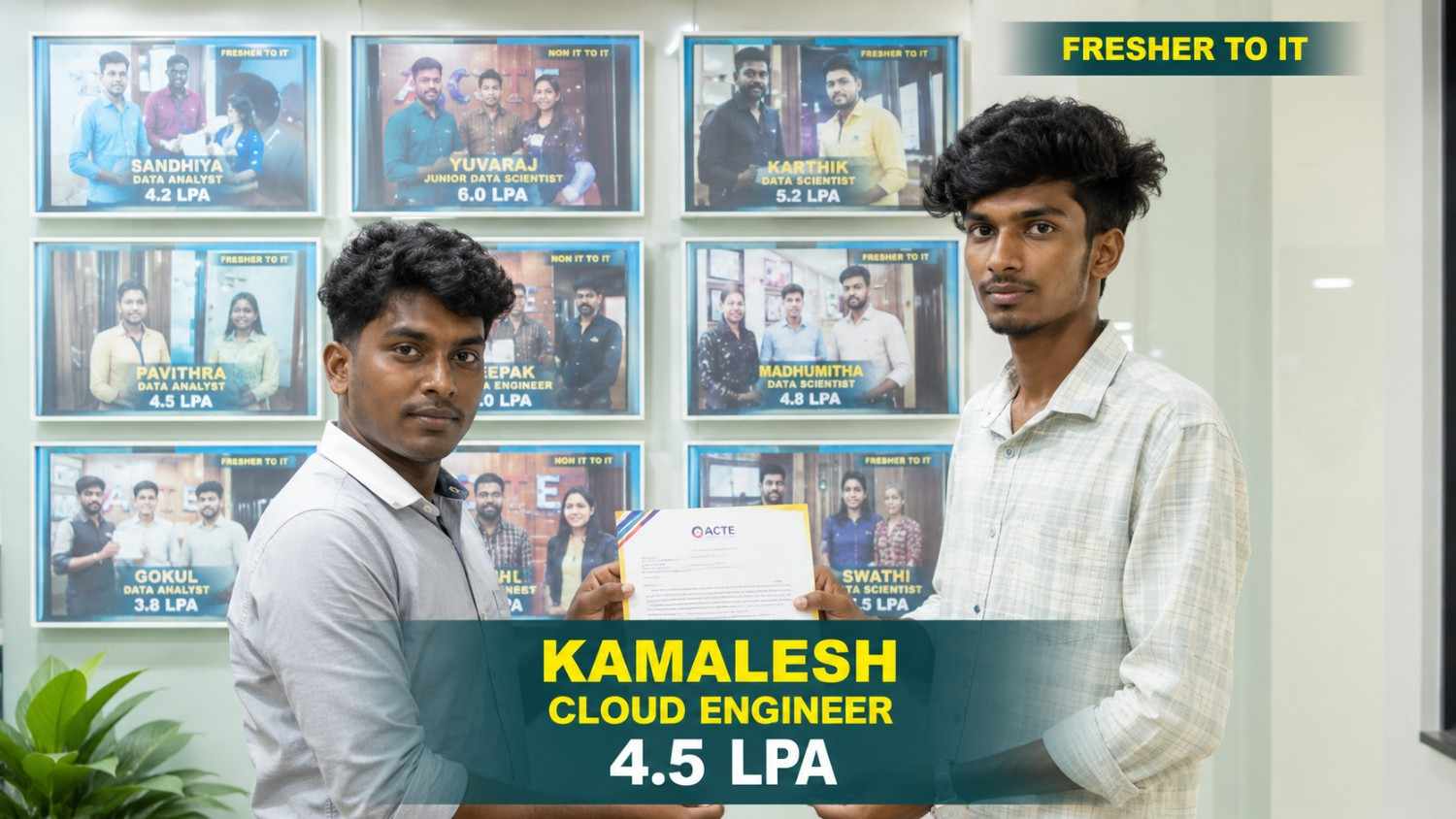

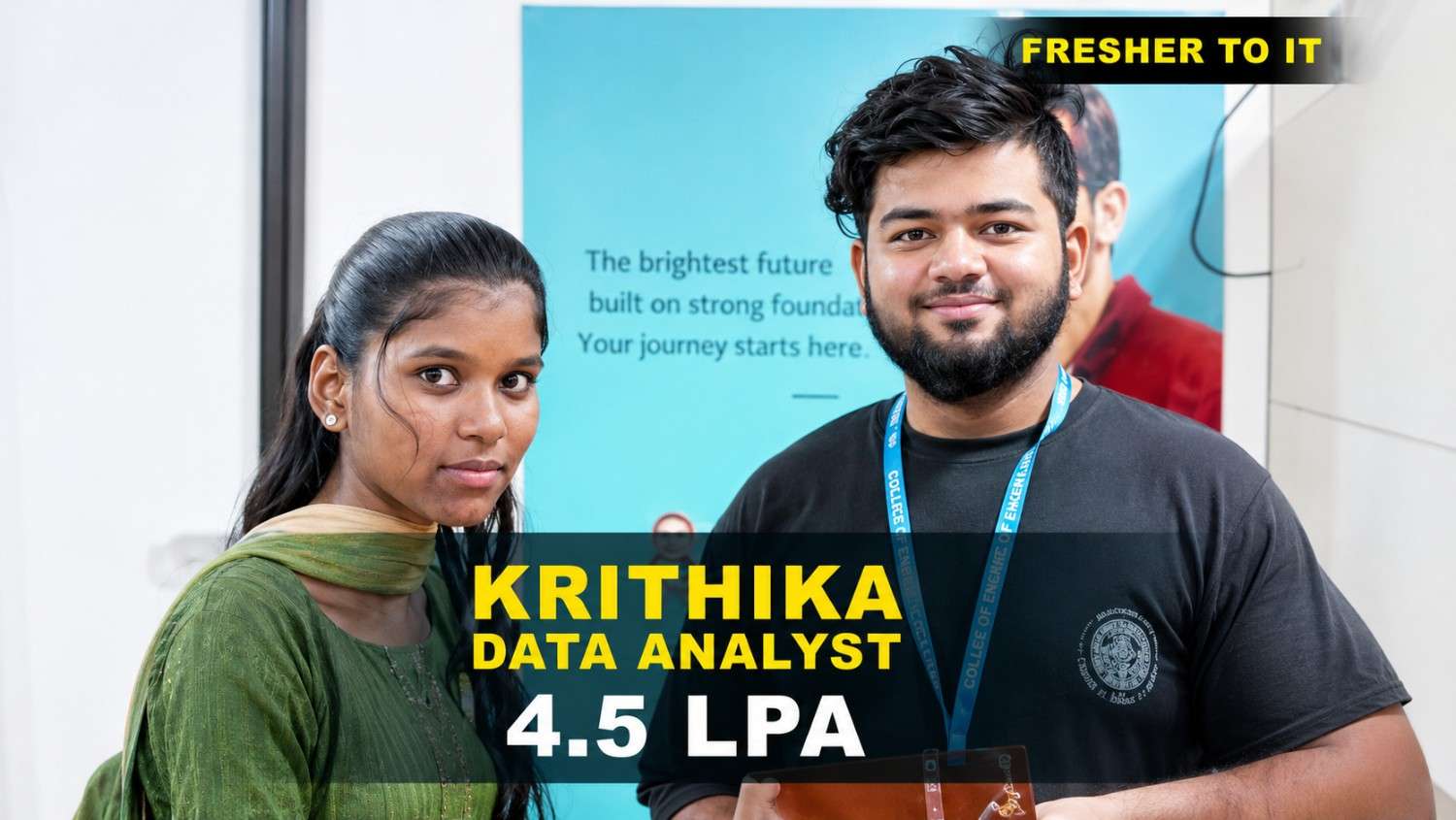
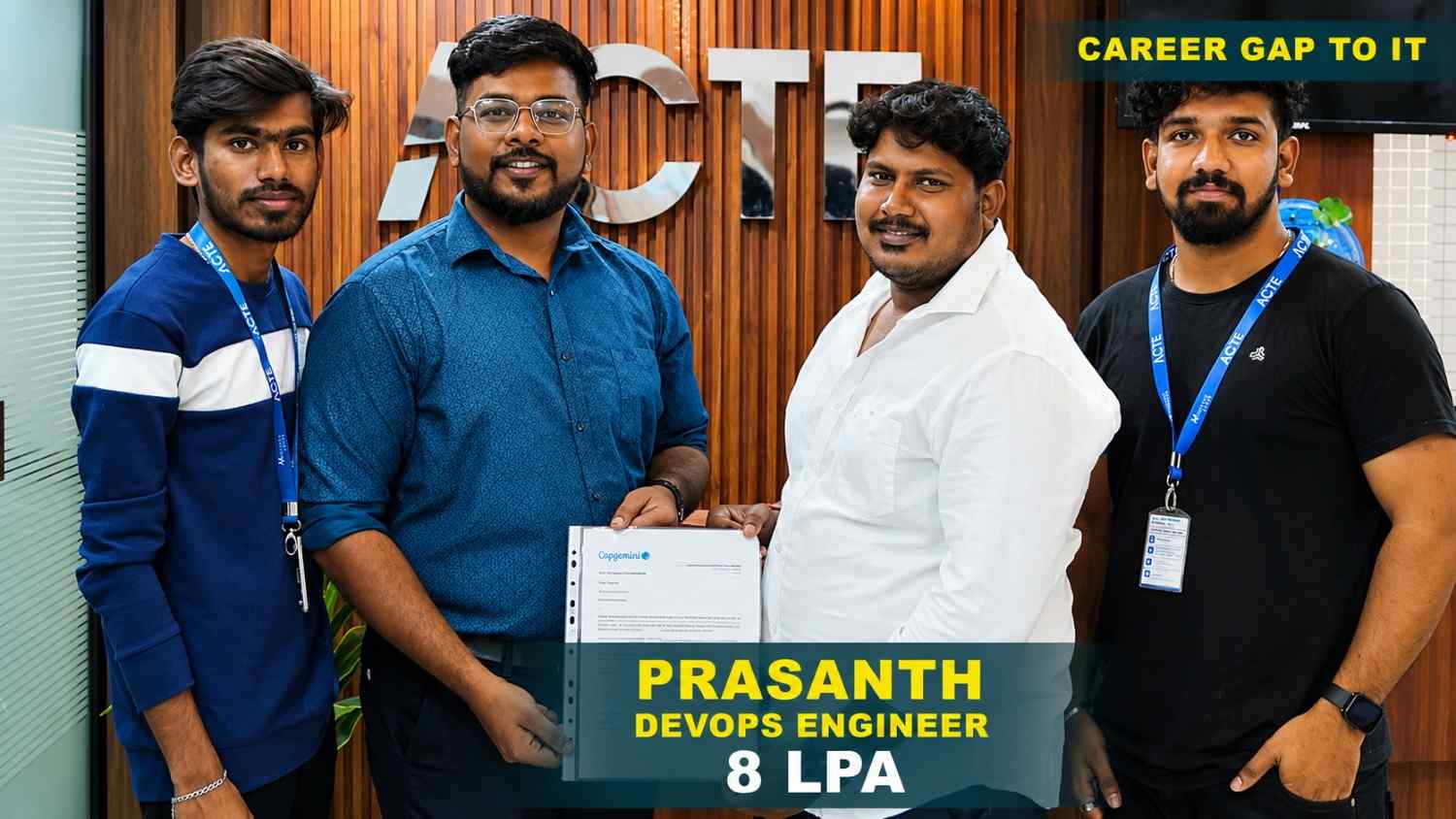
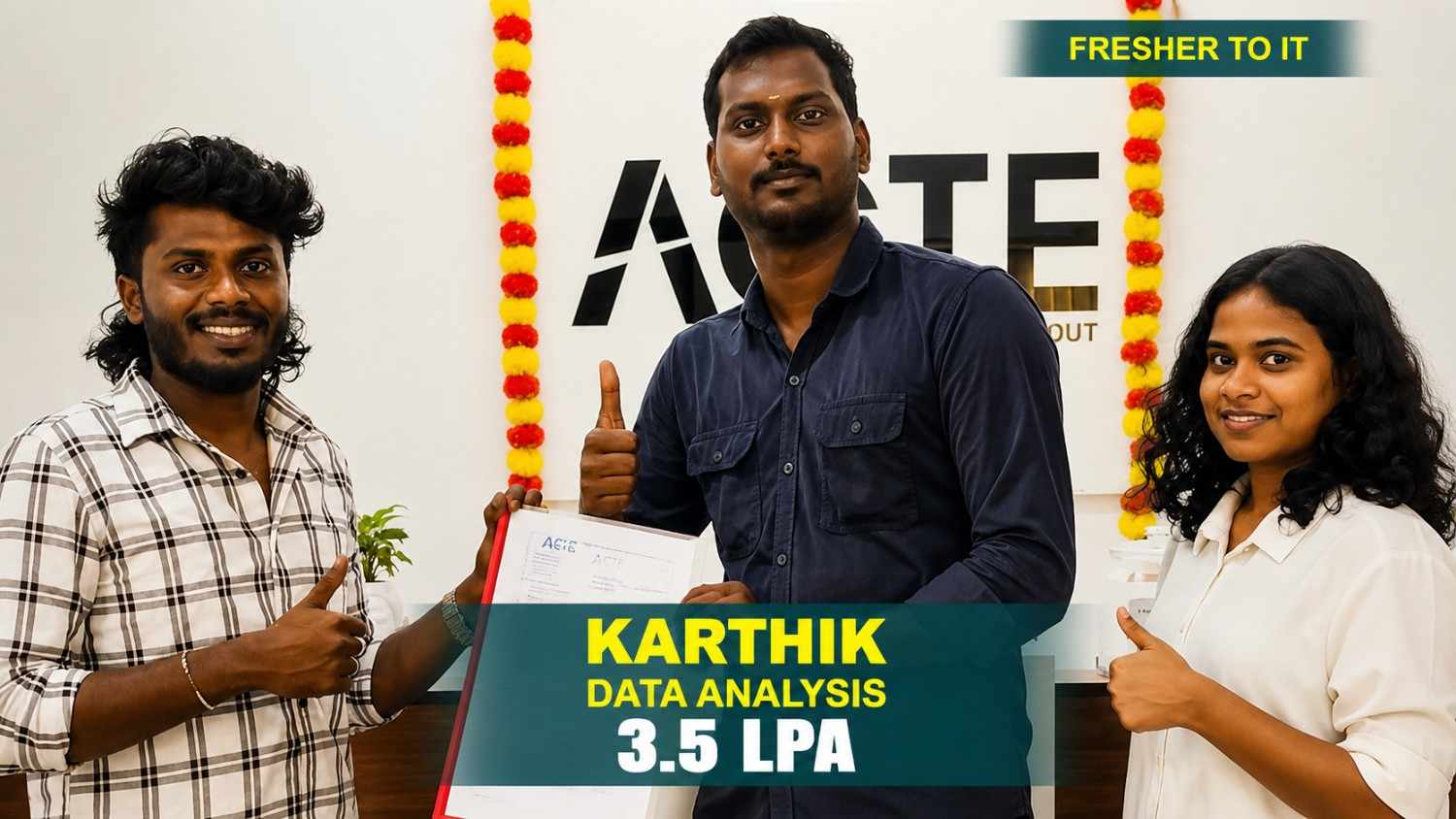
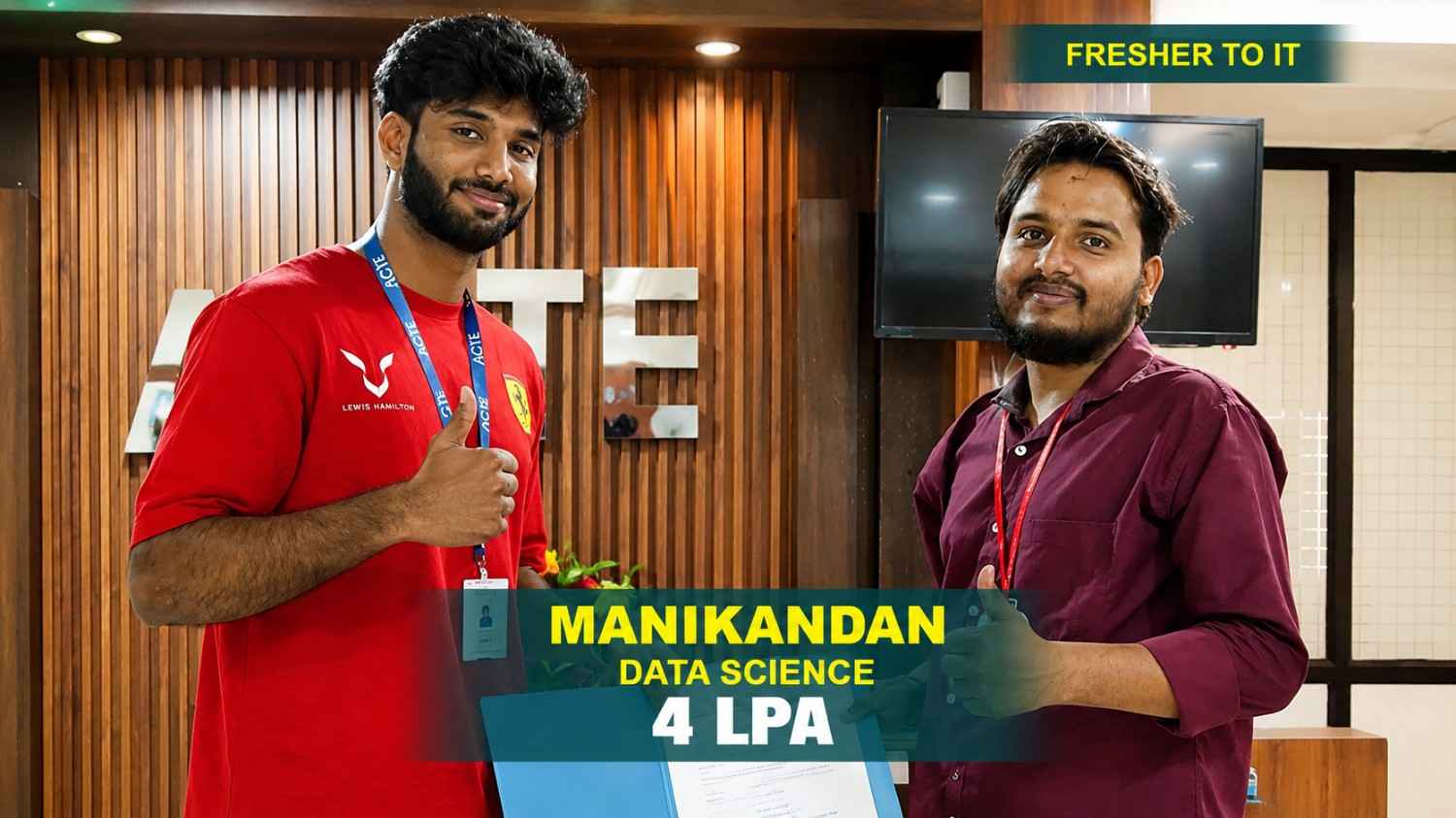
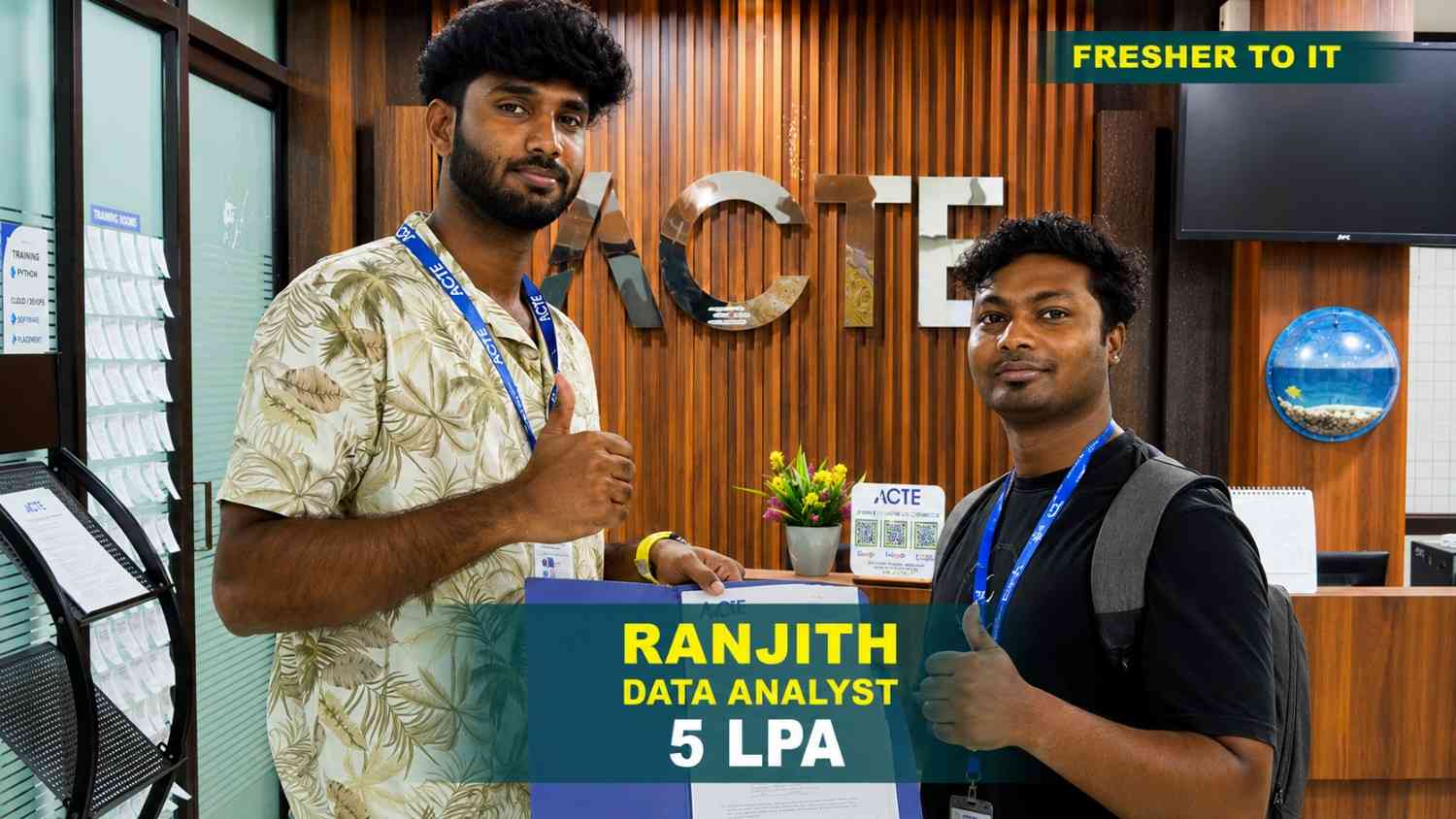
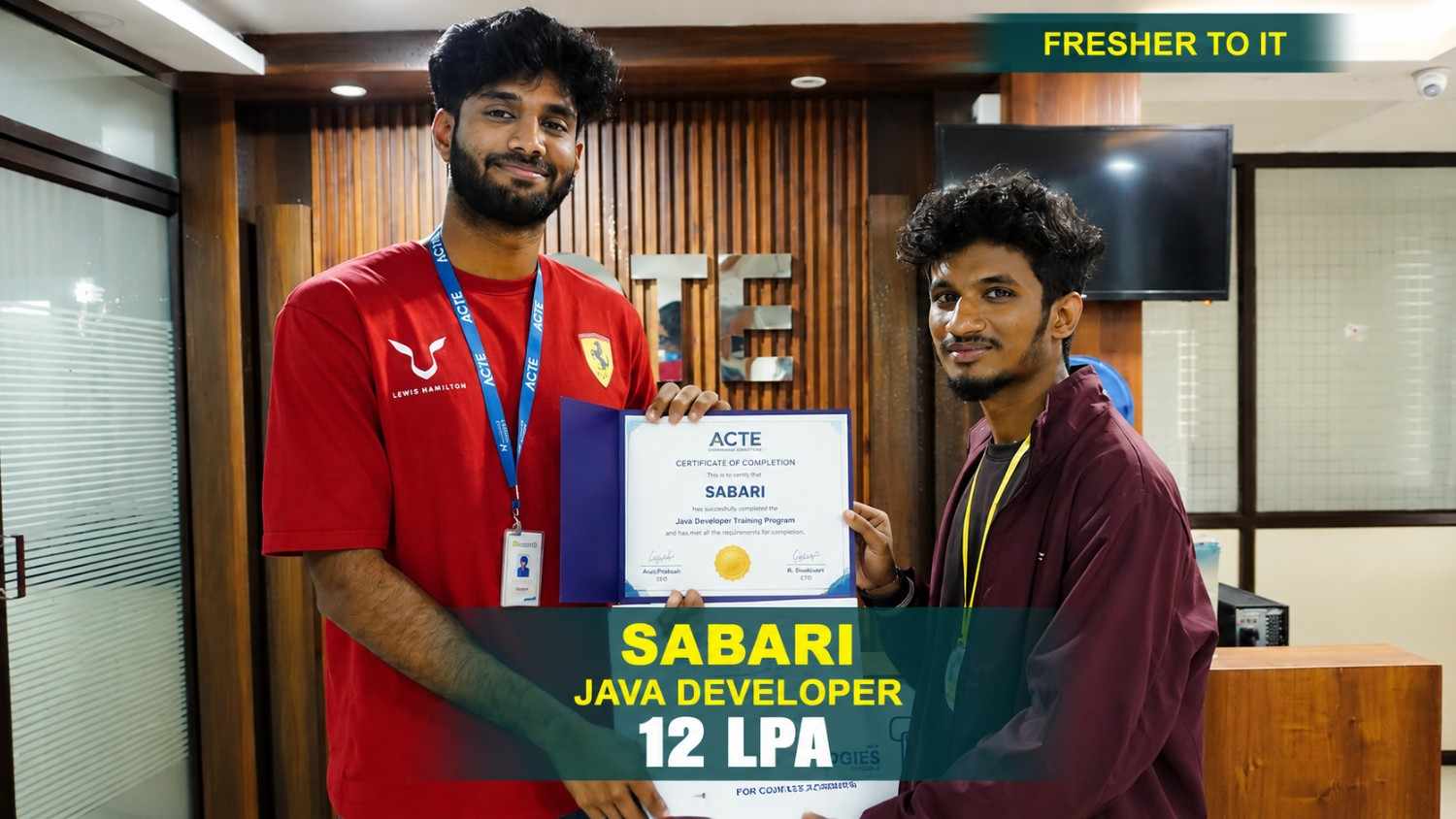

Our Hiring Partners

Curriculum Designed By Experts
Expertly designed curriculum for future-ready professionals.
Industry Oriented Curriculum
An exhaustive curriculum designed by our industry experts which will help you to get placed in your dream IT company
-
30+ Case Studies & Projects
-
9+ Engaging Projects
-
10+ Years Of Experience
Machine Learning Training Projects
Become a Machine Learning Expert With Practical and Engaging Projects.
- Practice essential Tools
- Designed by Industry experts
- Get Real-world Experience
House Price Prediction
This project involves training a linear regression model to predict house prices based on parameters like location, size, and amenities. It helps beginners understand data preprocessing, feature engineering, and model evaluation.
Sentiment Analysis on Product Reviews
Using Natural Language Processing (NLP), this project classifies customer reviews as positive, negative, or neutral. Learners get exposure to text preprocessing, tokenization, and basic classification models like Naïve Bayes.
Handwritten Digit Recognition
This project utilizes the MNIST dataset and applies Convolutional Neural Networks (CNNs) to classify handwritten digits. It introduces image processing, deep learning, and neural network fundamentals.
Customer Churn Prediction
Using Random Forest or XGBoost, this project helps businesses predict which customers are likely to leave. Learners explore data imbalance handling, feature importance, and classification metrics.
Fake News Detection
This project involves building a text classification model using TF-IDF and deep learning (LSTMs or Transformers) to differentiate between fake and real news. It strengthens knowledge in NLP.
Movie Recommendation System
By implementing Collaborative Filtering and Content-Based Filtering, this project helps recommend movies based on user preferences. Learners gain experience in unsupervised learning.
Autonomous Vehicle Path Planning
This project involves building an AI-driven self-driving car model using Reinforcement Learning (RL) and Computer Vision. Learners implement object detection, lane tracking.
Predictive Maintenance in Manufacturing
Using Time-Series Forecasting and IoT data, this project predicts machine failures before they happen. It involves feature engineering, anomaly detection, and predictive analytics.
AI-Powered Chatbot Development
This project builds a conversational AI chatbot using Deep NLP models like GPT or RNNs. It covers sequence modeling, attention mechanisms, and chatbot deployment.
Career Support
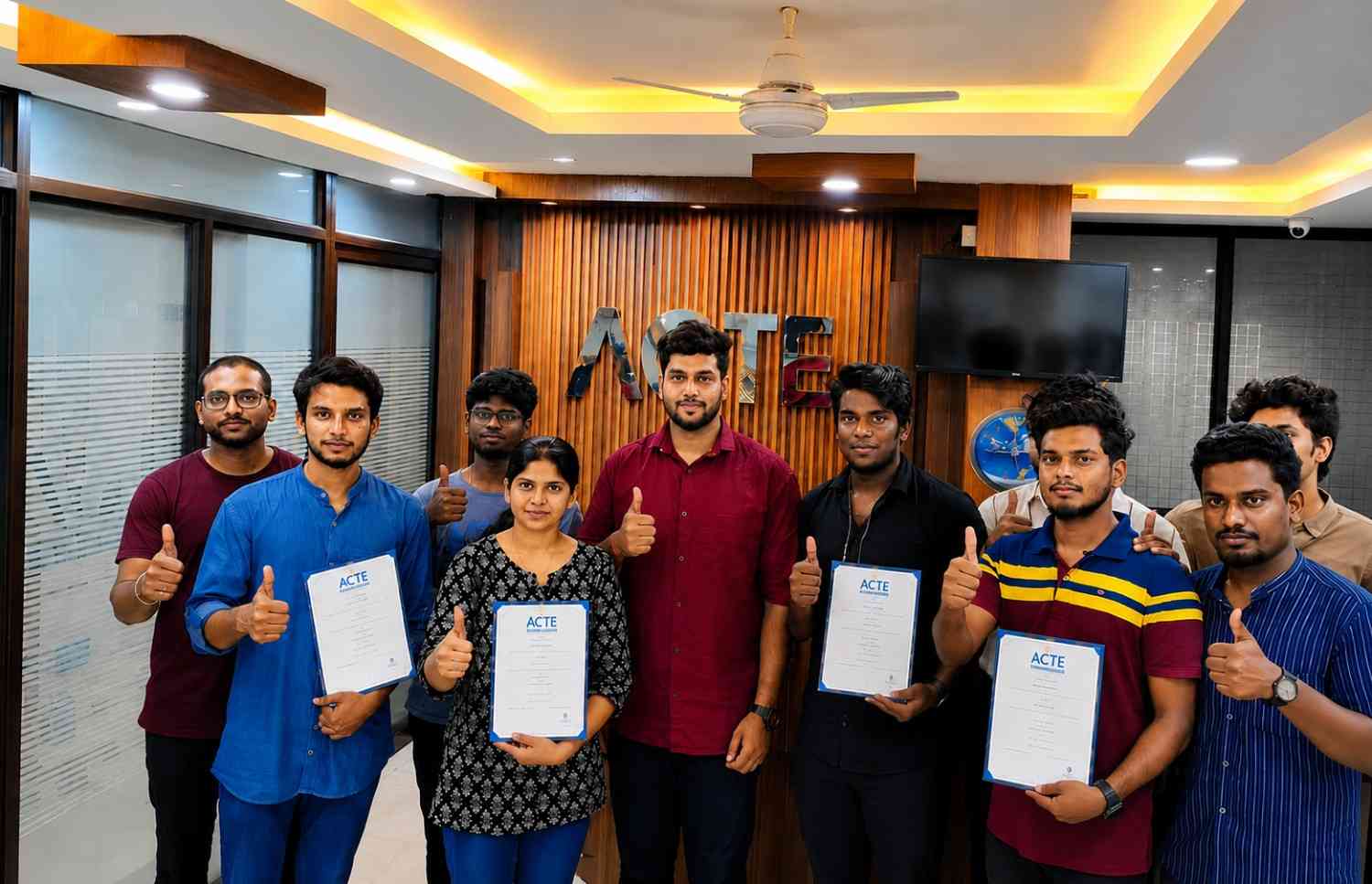

Placement Assistance

Exclusive access to ACTE Job portal

Mock Interview Preparation

1 on 1 Career Mentoring Sessions

Career Oriented Sessions

Resume & LinkedIn Profile Building
Key Features

Practical Training

Global Certifications

Flexible Timing

Trainer Support

Study Material

Placement Support

Mock Interviews

Resume Building
Upcoming Batches
What's included

 Free Aptitude and
Technical Skills Training
Free Aptitude and
Technical Skills Training
- Learn basic maths and logical thinking to solve problems easily.
- Understand simple coding and technical concepts step by step.
- Get ready for exams and interviews with regular practice.

 Hands-On Projects
- Work on real-time projects to apply what you learn.
- Build mini apps and tools daily to enhance your coding skills.
- Gain practical experience just like in real jobs.

 AI Powered Self
Interview Practice Portal
AI Powered Self
Interview Practice Portal
- Practice interview questions with instant AI feedback.
- Improve your answers by speaking and reviewing them.
- Build confidence with real-time mock interview sessions.

 Interview Preparation
For Freshers
Interview Preparation
For Freshers
- Practice company-based interview questions.
- Take online assessment tests to crack interviews
- Practice confidently with real-world interview and project-based questions.

 LMS Online Learning
Platform
LMS Online Learning
Platform
- Explore expert trainer videos and documents to boost your learning.
- Study anytime with on-demand videos and detailed documents.
- Quickly find topics with organized learning materials.
- Learning strategies that are appropriate and tailored to your company's requirements.
- Live projects guided by instructors are a characteristic of the virtual learning environment.
- The curriculum includes of full-day lectures, practical exercises, and case studies.

Machine Learning Training Overview
Machine Learning Programming in HSR Layout with Potential Career Paths
A career in Machine Learning Training Institute in HSR Layout opens doors to a variety of high-paying and in-demand roles across multiple industries. ML programmers can become Data Scientists, AI Engineers, Research Scientists, Machine Learning Engineers, or Business Intelligence Analysts. They work in sectors like finance, healthcare, cybersecurity, robotics, and autonomous systems. With the increasing adoption of AI-driven solutions, companies are looking for professionals skilled in deep learning, reinforcement learning, and cloud-based ML applications. The career path offers continuous growth, opportunities for innovation, and the ability to work on cutting-edge technologies shaping the future.
The Requirements for a Machine Learning Course Training in HSR Layout
- Programming Knowledge : Python The most popular language for ML and AI due to its simplicity and the vast ecosystem of libraries such as TensorFlow, Scikit-learn, Keras, and PyTorch.R Preferred for statistical computing and data visualization, used extensively in academia and research.
- Mathematics & Statistics : Linear Algebra – Essential for understanding vectors, matrices, eigenvalues, and transformations, which play a crucial role in ML algorithms like Principal Component Analysis (PCA) and Support Vector Machines (SVMs).
- Data Handling & Processing: Data Preprocessing Handling missing values, removing outliers, normalizing data, and performing feature engineering.Data Visualization Using tools like Matplotlib, Seaborn, and Tableau to explore datasets and identify patterns.
- Machine Learning Algorithms & Frameworks :Supervised Learning Regression models (Linear Regression, Decision Trees) and classification models (Random Forest, SVM, Neural Networks). Unsupervised Learning Clustering techniques like K-Means, Hierarchical Clustering, and dimensionality reduction techniques like PCA and t-SNE.
- Cloud & Big Data Technologies:Amazon Web Services (AWS) AI & ML Provides cloud-based tools like SageMaker for model deployment. Google Cloud AI Offers Vertex AI and AutoML for scalable ML model training.
Enrolling Machine Learning Program Course in HSR Layout
Machine Learning Training With Placement in HSR Layout is revolutionizing various industries by enabling automation, enhancing efficiency, and providing powerful predictive capabilities. Businesses are leveraging ML technologies to optimize processes, reduce manual effort, and make data-driven decisions with greater accuracy. From healthcare and finance to retail and manufacturing, ML is playing a crucial role in improving operations and driving innovation.Enrolling in an ML course is an excellent way for professionals to develop expertise in this field. Such courses cover fundamental concepts like data preprocessing, model training, and evaluation, as well as advanced topics such as deep learning, neural networks, and AI-powered automation. By gaining hands-on experience with ML algorithms and frameworks, learners can enhance their problem-solving skills and build a strong foundation in artificial intelligence.
Techniques and Trends with Machine Learning Development in HSR Layout
- Self-Supervised Learning: Traditional supervised learning depends on large volumes of labeled data, which can be expensive and time-consuming to obtain. Self-Supervised Learning (SSL) is an innovative technique that enables models to learn from unlabeled data by generating labels from the data itself.
- Automated Machine Learning : AutoML platforms like Google AutoML, H2O.ai, and Microsoft Azure AutoML automate the traditional ML pipeline, reducing manual intervention.Uses techniques like Bayesian optimization and evolutionary algorithms to optimize model performance.
- Neural Architecture Search : Neural Architecture Search (NAS) is an advanced AI technique that automates the design of deep learning models. Instead of manually crafting neural network architectures, NAS automatically generates optimized models for specific tasks.
The Most Recent Machine Learning Class in HSR Layout with Tools
Machine Learning (ML) development has evolved significantly with the introduction of advanced tools and frameworks that simplify the process of model building, training, and deployment. These tools enable both beginners and experienced professionals to develop sophisticated ML models with greater efficiency and accuracy. Among the most popular deep learning frameworks, Google’s TensorFlow 2.0 and Meta’s PyTorch stand out due to their flexibility, ease of use, and strong support for neural network-based applications. TensorFlow 2.0, with its high-level Keras API, provides a streamlined approach to building and training deep learning models, while PyTorch’s dynamic computation graph makes it highly preferred for research and production-grade AI applications.For traditional machine learning models, Scikit-learn and XGBoost remain industry favorites. Scikit-learn is a robust Python library that offers a wide range of algorithms for classification, regression, clustering, and dimensionality reduction, making it ideal for data analysis and predictive modeling.
Career Opportunities After Machine Learning
Machine Learning Engineer
A Machine Learning Engineer is responsible for designing, building, and deploying machine learning models to solve real-world problems. They work closely with data scientists to implement ML algorithms, optimize models, and integrate them into scalable applications.
Data Scientist
A Data Scientist specializes in extracting meaningful insights from structured and unstructured data using statistical analysis and machine learning techniques. They use Python, R, SQL, and visualization tools like Tableau and Power BI to analyze large datasets and identify trends.
AI Research Scientist
An AI Research Scientist focuses on developing new machine learning algorithms, deep learning architectures, and AI technologies. They conduct cutting-edge research in areas like computer vision, natural language processing (NLP), reinforcement learning.
Computer Vision Engineer
A Computer Vision Engineer specializes in building ML models for image and video analysis. Their work involves object detection, facial recognition, image classification, and autonomous navigation.
NLP Engineer
An NLP Engineer develops AI-driven systems that can process and understand human language. They create chatbots, speech recognition models, and sentiment analysis tools using technologies like BERT, GPT.
Big Data Engineer
A Big Data Engineer focuses on designing and managing large-scale data processing systems that support machine learning applications. They work with technologies such as Apache Spark, Hadoop, Kafka.
Skill to Master
Programming Proficiency
Data Preprocessing & Feature Engineering
Mathematics & Statistics for ML
Machine Learning Algorithms
Deep Learning & Neural Networks
Model Evaluation & Performance Tuning
Natural Language Processing
Computer Vision & Image Processing
Big Data & Cloud Computing for ML
Model Deployment & MLOps
Time Series Forecasting
Ethical AI & Explainable AI (XAI)
Tools to Master
Python
R
TensorFlow
PyTorch
Scikit-learn
Keras
OpenCV
NLTK & SpaCy
Apache Spark & Hadoop
Google Cloud AI
Jupyter Notebook
MLflow
Learn from certified professionals who are currently working.

Training by
Maya , having 10 yrs of experience
Specialized in:Computer Vision, Image Classification, Object Detection, Generative Adversarial Networks (GANs), and Deep Learning Frameworks.
Note:Maya is an accomplished researcher in computer vision with a strong background in PyTorch and Keras. Her teaching emphasizes practical applications of computer vision technologies, making her ideal for students interested in cutting-edge visual recognition and analysis.
Premium Training at Best Price
Affordable, Quality Training for Freshers to Launch IT Careers & Land Top Placements.
What Makes ACTE Training Different?
Feature
ACTE Technologies
Other Institutes
Affordable Fees
Competitive Pricing With Flexible Payment Options.
Higher Fees With Limited Payment Options.
Industry Experts
Well Experienced Trainer From a Relevant Field With Practical Training
Theoretical Class With Limited Practical
Updated Syllabus
Updated and Industry-relevant Course Curriculum With Hands-on Learning.
Outdated Curriculum With Limited Practical Training.
Hands-on projects
Real-world Projects With Live Case Studies and Collaboration With Companies.
Basic Projects With Limited Real-world Application.
Certification
Industry-recognized Certifications With Global Validity.
Basic Certifications With Limited Recognition.
Placement Support
Strong Placement Support With Tie-ups With Top Companies and Mock Interviews.
Basic Placement Support
Industry Partnerships
Strong Ties With Top Tech Companies for Internships and Placements
No Partnerships, Limited Opportunities
Batch Size
Small Batch Sizes for Personalized Attention.
Large Batch Sizes With Limited Individual Focus.
LMS Features
Lifetime Access Course video Materials in LMS, Online Interview Practice, upload resumes in Placement Portal.
No LMS Features or Perks.
Training Support
Dedicated Mentors, 24/7 Doubt Resolution, and Personalized Guidance.
Limited Mentor Support and No After-hours Assistance.
We are proud to have participated in more than 40,000 career transfers globally.

Machine Learning Certification

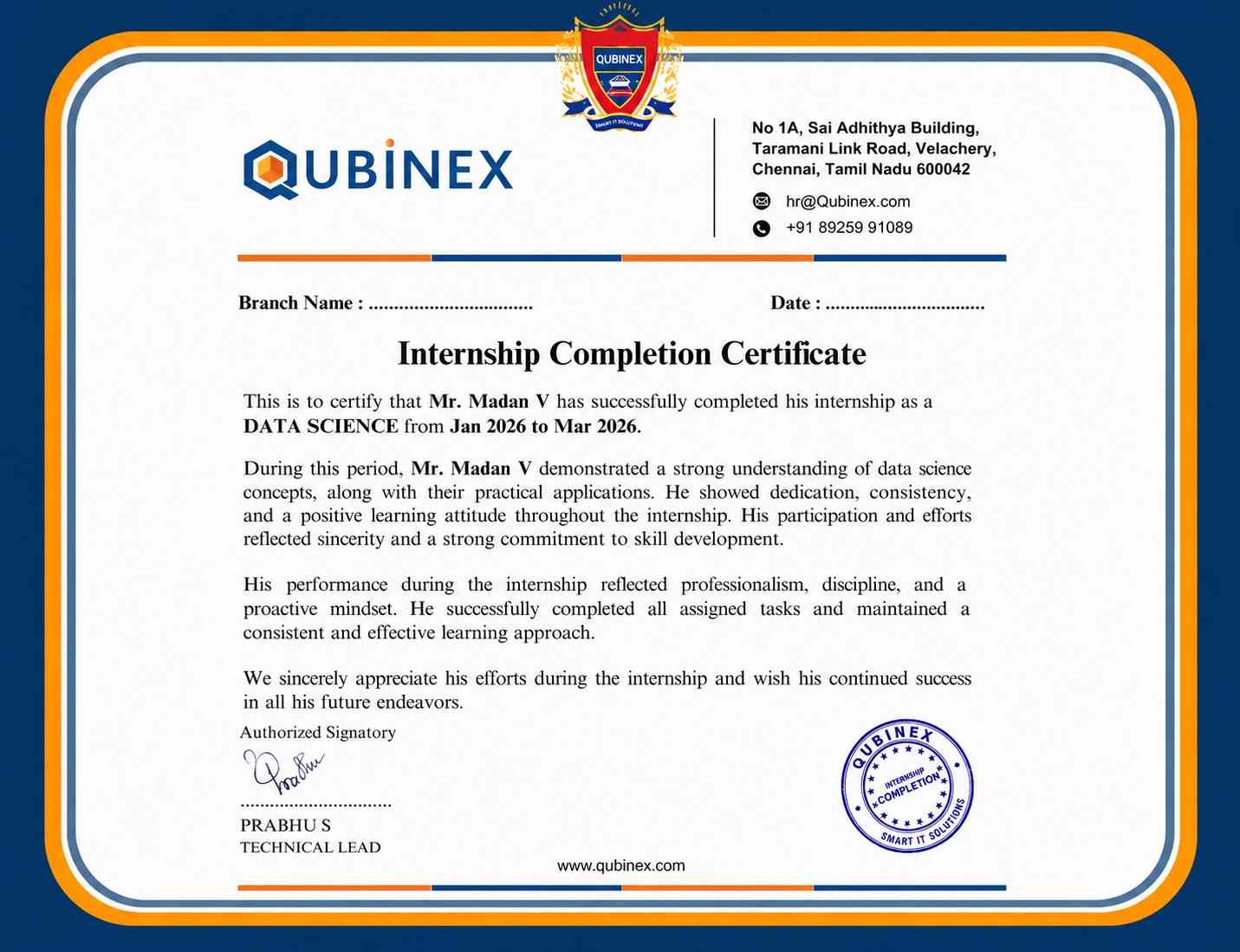
Having real-world experience before pursuing a Machine Learning certification is highly beneficial but not always mandatory. Some entry-level certifications, such as Google TensorFlow Developer Certificate or IBM AI Engineering, focus on foundational concepts, allowing beginners to qualify without hands-on experience.
Machine Learning is transforming industries, from healthcare and finance to retail and autonomous systems. A Machine Learning certification validates your expertise in AI-driven problem-solving and opens doors to high-paying job roles like Machine Learning Engineer, Data Scientist, and AI Developer.
The prerequisites for Machine Learning certification exams vary by provider. Beginner-level certifications, such as Coursera’s ML Specialization or Google’s TensorFlow Developer Certificate, require only a basic understanding of Python and mathematics.
Yes, ACTE’s Machine Learning Training Certification is a valuable investment for those looking to build expertise in AI and Data Science. The program covers essential topics, including Python programming, ML algorithms, deep learning, and cloud AI services. ACTE provides hands-on projects, interview coaching, and placement assistance, ensuring that students gain practical skills.
Frequently Asked Questions
- Yes, ACTE offers free demo sessions to help you understand the course structure, content, and teaching approach.
- You can interact with instructors, ask questions, and explore whether the course aligns with your learning goals.
- ACTE instructors are industry professionals with years of experience in AI, Machine Learning, and Data Science. They have worked in leading tech companies and possess hands-on expertise in real-world ML applications, deep learning models, and cloud AI solutions.
- Resume building and portfolio creation to highlight ML skills and projects.
- Mock interviews and technical assessments to improve job readiness.
- Networking opportunities with recruiters from top companies hiring ML professionals.
- Job alerts and referrals for relevant ML job openings.
- Upon completion, you will receive an industry-recognized Machine Learning certification from ACTE.
- The certification validates your skills in ML algorithms, Python programming, deep learning, and data analytics, making you a strong candidate for AI-driven roles.
- Yes, the Machine Learning course includes real-world projects to provide hands-on experience. Students work on datasets from industries like healthcare, finance, e-commerce, and automation. These projects help apply ML concepts such as predictive modeling, recommendation systems, and NLP-based chatbots.
