
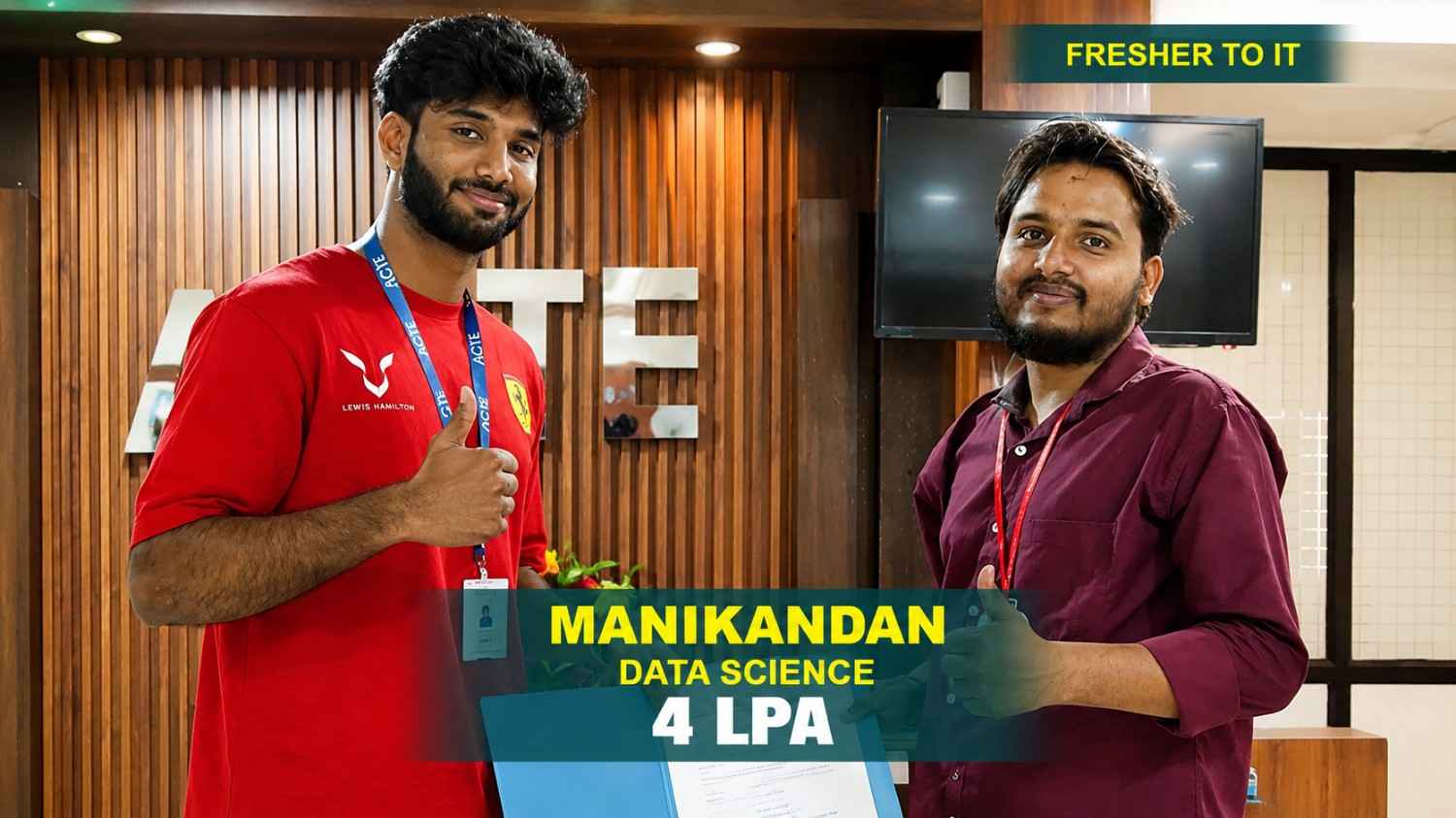
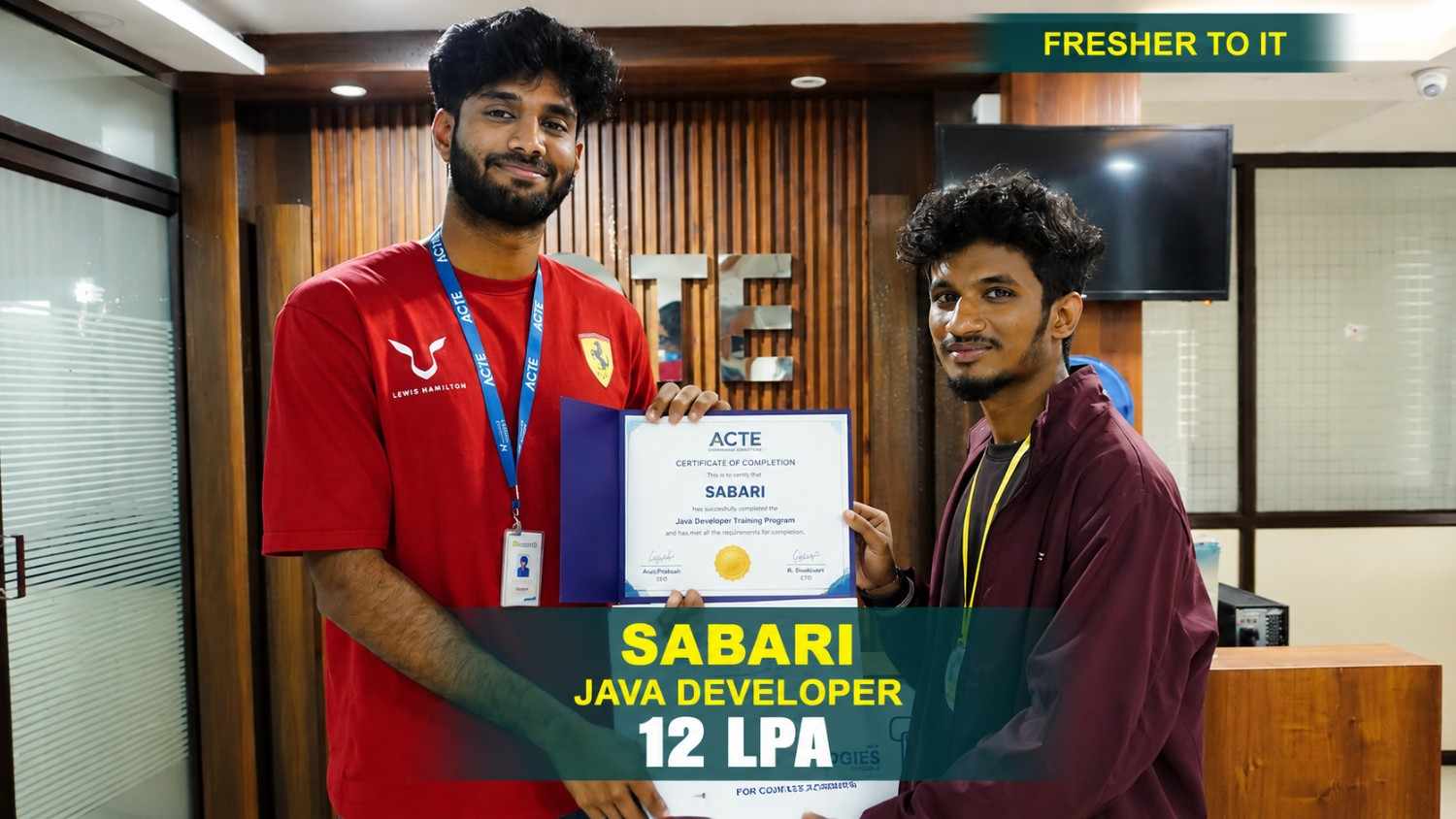
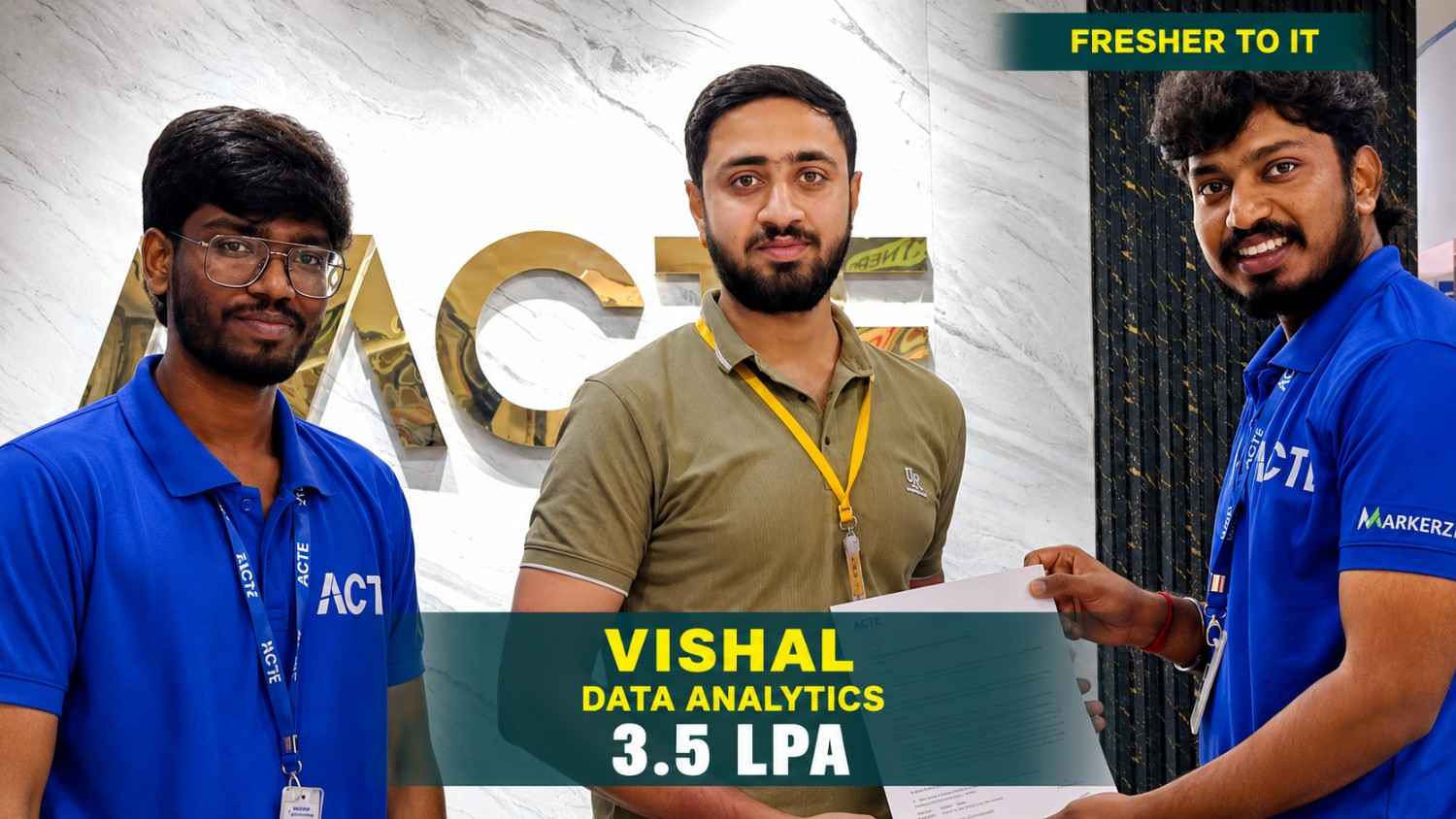
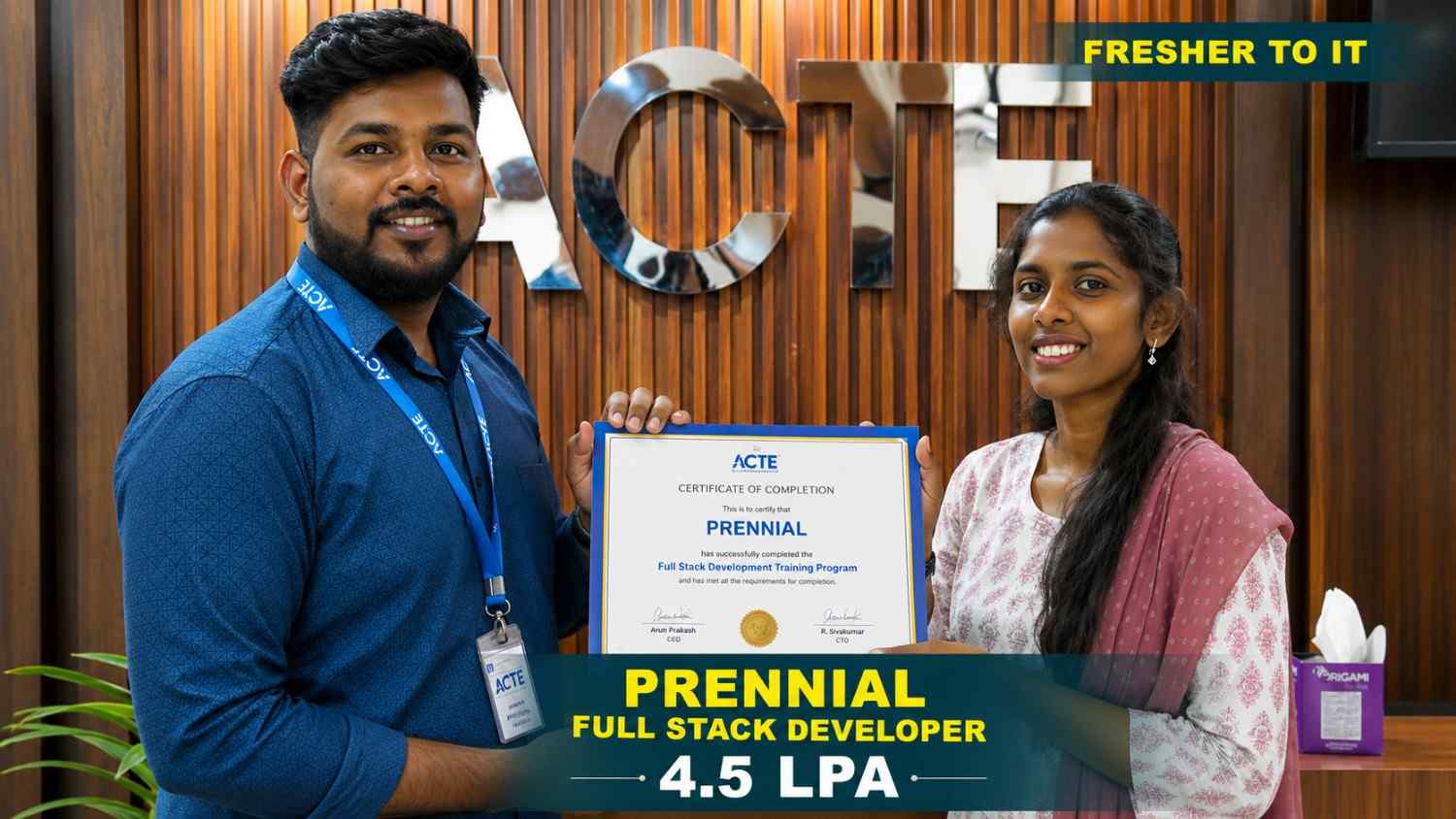
550+ Students Placed Every Month Be The Next!






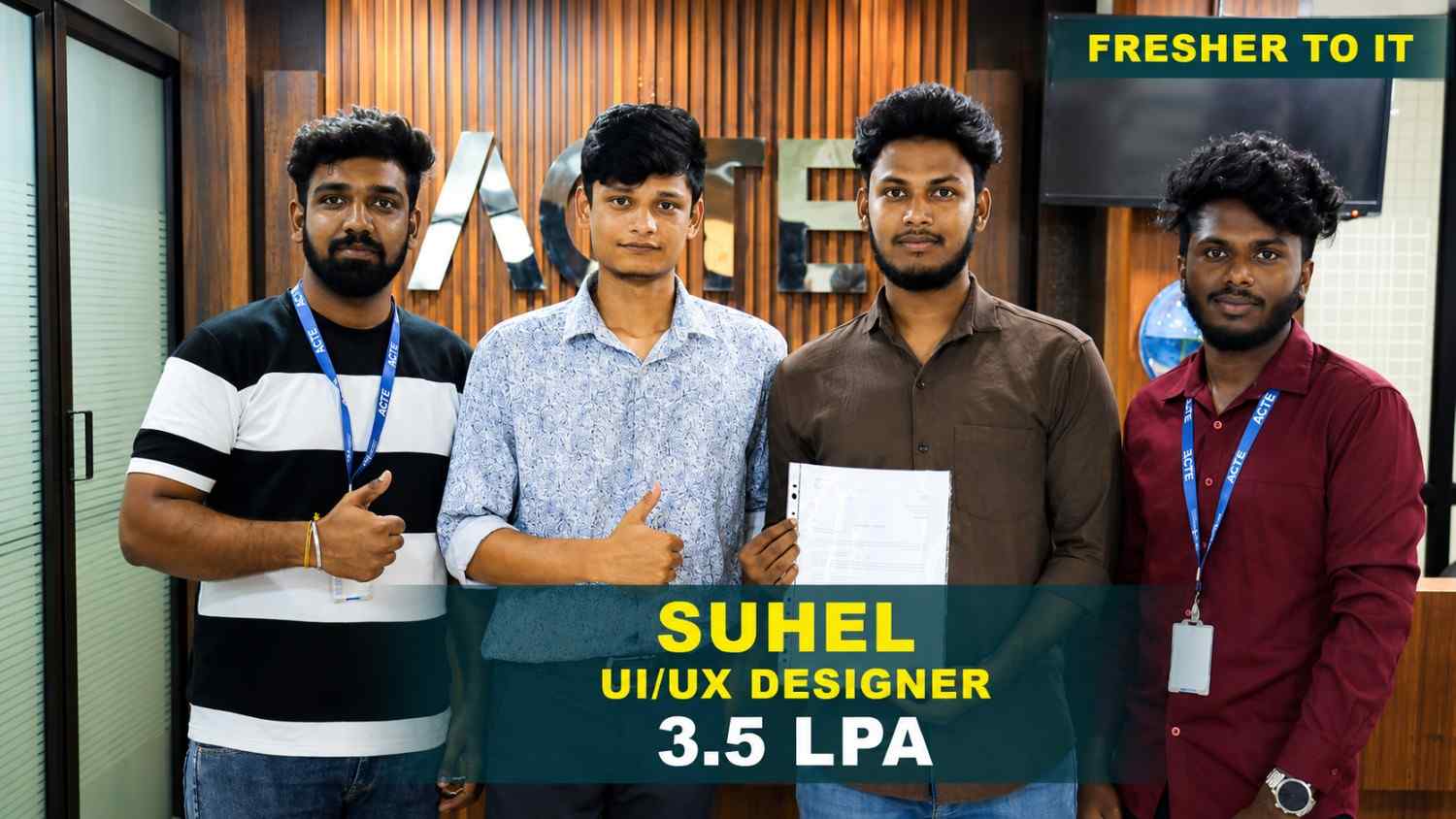
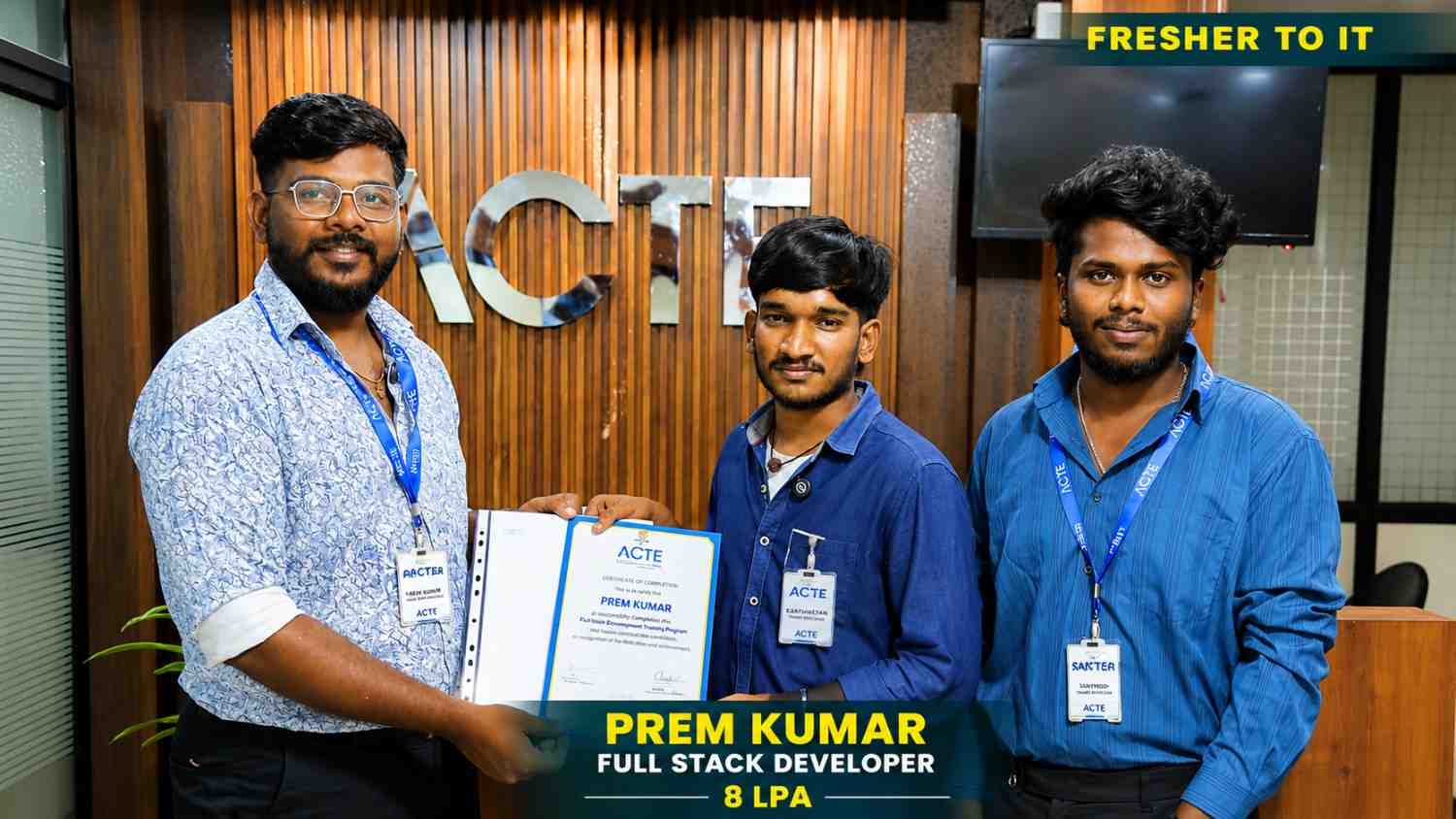
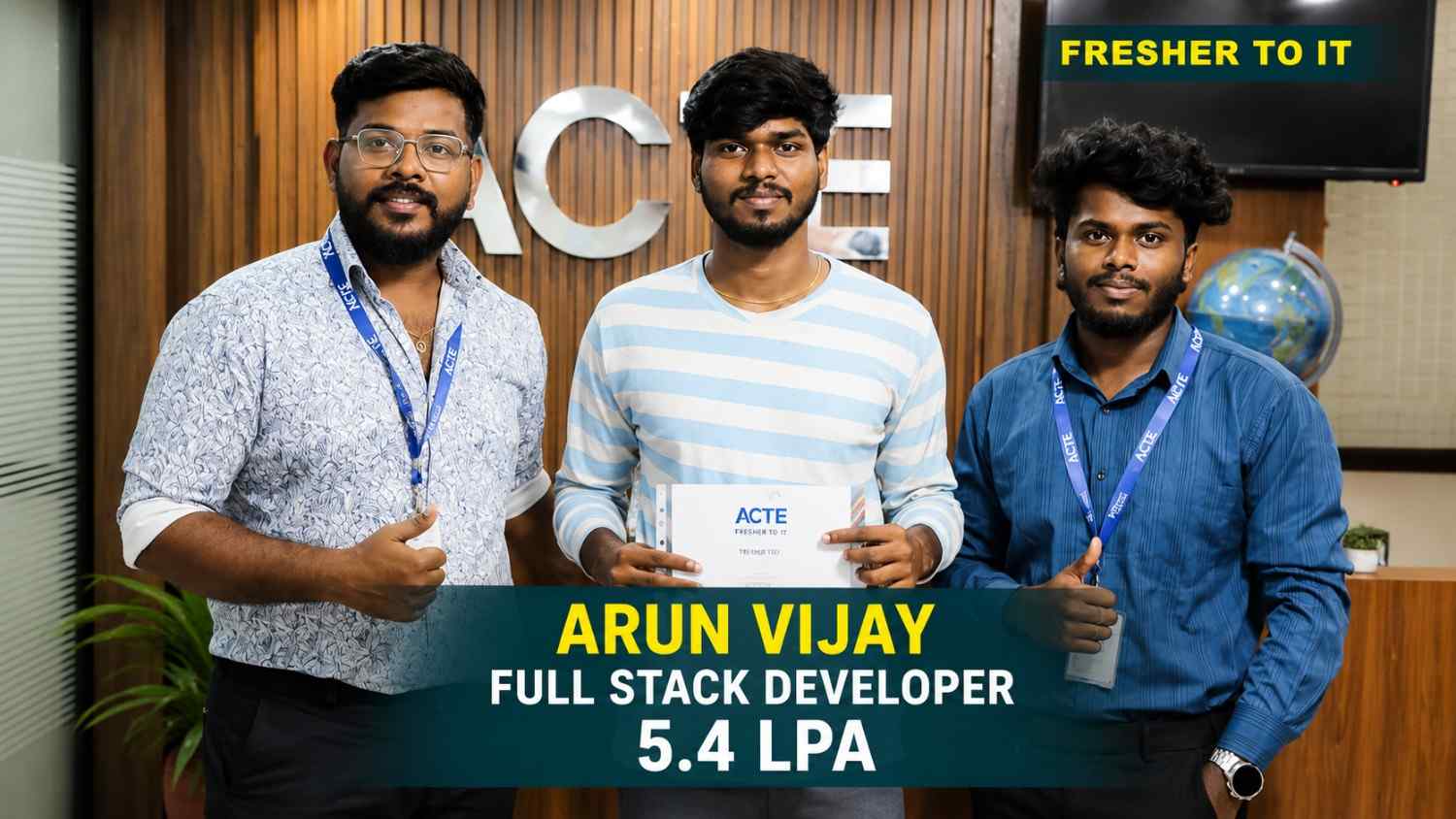
Our Hiring Partners

Curriculam Designed By Experts
Expertly designed curriculum for future-ready professionals.
Industry Oriented Curriculum
An exhaustive curriculum designed by our industry experts which will help you to get placed in your dream IT company
-
30+ Case Studies & Projects
-
9+ Engaging Projects
-
10+ Years Of Experience
Node.js Fullstack Training Projects
Become a Node.js Fullstack Expert With Practical and Engaging Projects.
- Practice essential Tools
- Designed by Industry experts
- Get Real-world Experience
Simple To-Do List App
Create a basic to-do list application where users can add, edit, and delete tasks. Use Express for the backend and a basic frontend with HTML/CSS/JavaScript.
Personal Blog
Build a personal blog where users can create, edit, and delete blog posts. Use Node.js with Express for the backend and a front end with basic HTML and CSS.
Weather Dashboard
Develop a simple weather dashboard that allows users to enter a city name and get current weather information. Display the results with a basic front end.
Chat Application
Create a real-time chat application using Socket.io for real-time communication and Express for the backend. Implement user authentication and basic chat features.
E-commerce Store
Build a small e-commerce platform where users can browse products, add items to a cart, and complete a purchase. Implement user authentication and product management.
Task Management System
Develop a task management system with features like project creation, task assignment, due dates, and task status updates. Use MongoDB for data storage and Express for API endpoints.
Social Media Platform
Create a social media application with user profiles, friend requests, posts, comments, and notifications. Implement advanced features like image uploads and real-time updates.
Real-time Collaboration Tool
Develop a real-time collaboration tool (like a shared whiteboard or document editor) with features for simultaneous editing and real-time updates using WebSockets or a similar technology.
Online Learning Platform
Build an online learning management system where users can enrol in courses and watch video lectures. Implement a complex user role system and a content management system.
Career Support
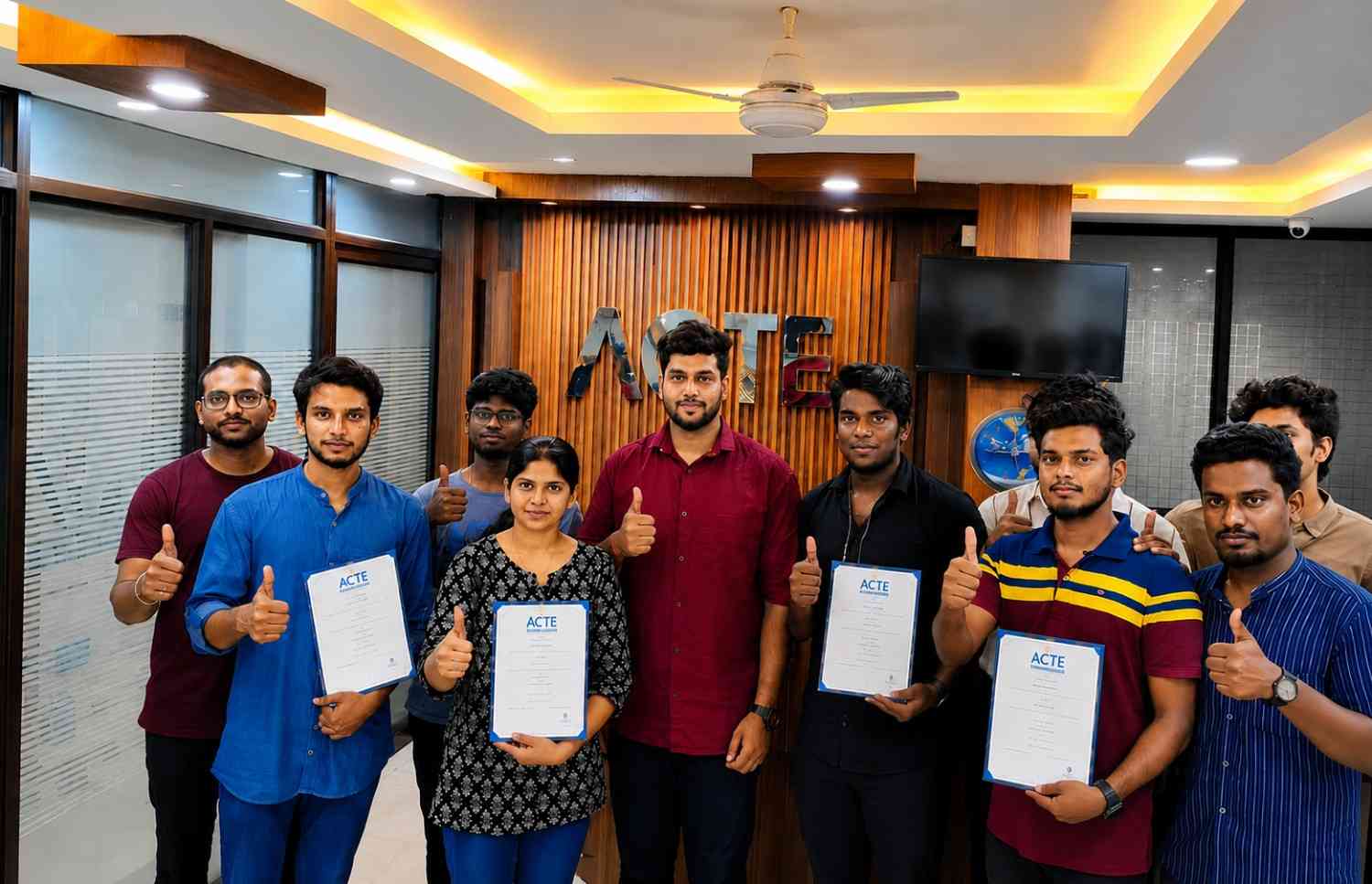

Placement Assistance

Exclusive access to ACTE Job portal

Mock Interview Preparation

1 on 1 Career Mentoring Sessions

Career Oriented Sessions

Resume & LinkedIn Profile Building
Key Features

Practical Training

Global Certifications

Flexible Timing

Trainer Support

Study Material

Placement Support

Mock Interviews

Resume Building
Upcoming Batches
What's included

 Free Aptitude and
Technical Skills Training
Free Aptitude and
Technical Skills Training
- Learn basic maths and logical thinking to solve problems easily.
- Understand simple coding and technical concepts step by step.
- Get ready for exams and interviews with regular practice.

 Hands-On Projects
- Work on real-time projects to apply what you learn.
- Build mini apps and tools daily to enhance your coding skills.
- Gain practical experience just like in real jobs.

 AI Powered Self
Interview Practice Portal
AI Powered Self
Interview Practice Portal
- Practice interview questions with instant AI feedback.
- Improve your answers by speaking and reviewing them.
- Build confidence with real-time mock interview sessions.

 Interview Preparation
For Freshers
Interview Preparation
For Freshers
- Practice company-based interview questions.
- Take online assessment tests to crack interviews
- Practice confidently with real-world interview and project-based questions.

 LMS Online Learning
Platform
LMS Online Learning
Platform
- Explore expert trainer videos and documents to boost your learning.
- Study anytime with on-demand videos and detailed documents.
- Quickly find topics with organized learning materials.
- Learning strategies that are appropriate and tailored to your company's requirements.
- Live projects guided by instructors are a characteristic of the virtual learning environment.
- The curriculum includes of full-day lectures, practical exercises, and case studies.

Node.js Fullstack Training Overview
Diverse Career Paths of Grads After Node.js Fullstack Training
A career path of graduates after finishing the full-stack training in Node.js becomes a full-stack developer and can use writing and understanding both backend afrontendend technologies with Node.js. These graduates may be specialists as Backend Developers, good in server-side programming, or frontend developers integrated with Node.js. For example, there are such roles as DevOps Engineers who direct a company's deployment pipeline and infrastructure, Solutions Architects designing scalable systems, and more. Possible working conditions include technical jobs in startups or leading tech companies, as well as a wide variety of positions in consulting companies. Always sure to have a scope of work with completely different departments-for example, finance, e-commerce, and health care-and an all-embracing set of acquired skills.
Requirements for Node.js Fullstack Training
- Microservices Architecture: Microservices architecture divides an application into smaller, independent services that communicate through APIs. This approach enhances modularity, making it easier to scale and maintain each service independently. It also allows teams to develop, deploy, and scale components separately, fostering agility and reducing time to market.
- Serverless Computing: Serverless computing abstracts server management and infrastructure, allowing developers to focus on writing code rather than managing servers. Platforms like AWS Lambda automatically scale and handle server operations, reducing costs and increasing efficiency by charging only for actual usage. This model promotes rapid development and easy deployment of backend services.
- GraphQL Integration: GraphQL is a query language that provides a more efficient and flexible alternative to traditional REST APIs. It allows clients to request only the data they need and aggregate multiple resources in a single query. This minimizes over-fetching and under-fetching of data, leading to more efficient data retrieval and improved performance.
- Real-Time Applications: Real-time applications facilitate instant communication and updates between users or systems. Technologies like WebSocket enable bidirectional, low-latency communication, ideal for chat applications, live collaboration tools, and gaming. Frameworks such as Socket.io simplify the development of real-time features by providing an easy-to-use interface for real-time interactions.
- AI and Machine Learning Integration: Integrating AI and machine learning models into Node.js applications can significantly enhance functionality, such as personalized recommendations or predictive analytics. By leveraging pre-trained models or developing custom solutions, developers can embed intelligent features into their applications, providing a more engaging and adaptive user experience.
- Advanced Security Practices: Implementing advanced security practices involves adopting measures such as encryption, secure coding, and regular vulnerability assessments to safeguard applications. Protecting against evolving cyber threats requires continuous monitoring and updates, including practices like multi-factor authentication and secure access controls to ensure data integrity and privacy.
Take Node.js Fullstack Training
Training in Node.js Fullstack provides a perfect skill set in demand within the tech industry. The added benefit of Node.js is that it facilitates easy development of client- and server-side applications. This training provides flexibility in the development roles that can be undertaken with mastery over modern frameworks and libraries for better competitiveness in the job market. Indeed, this training teaches students how to design scalable applications and work on data in real time through important web applications today. This will train the student on the best coding, testing, and deployment practices, which are the roots of professional growth. Finally, Fullstack Developers would be in huge demand, thus creating tremendous amounts of job opportunities.
Node.js Fullstack Training Methods and Trends
- Server-Side Rendering (SSR): SSR improves web performance by generating HTML content on the server and sending fully rendered pages to the client. This approach can lead to faster page load times and enhanced SEO, as search engines can easily crawl and index the pre-rendered content. SSR is particularly beneficial for content-heavy applications and sites that need quick initial render times.
- JAMstack Architecture: JAMstack stands for JavaScript, APIs, and Markup, and it represents a modern web architecture that prioritizes speed and security. By pre-rendering static pages and using client-side JavaScript to fetch data via APIs, JAMstack reduces server load and enhances user experience. This approach also simplifies deployment and scaling, making it easier to maintain and secure web applications.
- API-First Development: In API-First Development, APIs are designed and built before the front-end application, promoting a clear separation between the backend and frontend. This methodology ensures that APIs meet the needs of different clients and platforms, facilitating easier integration and more consistent development. It also allows front-end and back-end teams to work in parallel, accelerating overall project timelines.
- TypeScript Integration: TypeScript is a statically typed superset of JavaScript that provides type safety and enhanced tooling support. Integrating TypeScript into Node.js applications helps catch type-related errors during development, leading to more robust and maintainable code. TypeScript's features, such as interfaces and enums, also improve developer productivity and code clarity.
- Containerization with Docker: Docker allows developers to create and manage lightweight, isolated containers for applications, ensuring consistency across different environments. By packaging applications with their dependencies into containers, Docker simplifies the development, testing, and deployment processes. This approach enhances reproducibility and reduces issues related to environment differences.
- Continuous Integration/Continuous Deployment (CI/CD): CI/CD automates the process of testing and deploying code changes, facilitating frequent and reliable updates. Continuous Integration focuses on merging code changes frequently and running automated tests to catch issues early. Continuous Deployment then automatically deploys the code to production, ensuring that new features and fixes are delivered quickly and efficiently.
Newest Node.js Fullstack Tools
Node.js Fullstack tools are the latest application improvements that have improved efficiency in the development and performance of an application. NestJS is a progressive framework that supports high-scaled, server-side applications built with TypeScript. There are next .js, which, contrary to this, is a React framework, mainly for server-side rendering and static site generation. Still, Express.js will be where it is when someone needs to build a secure API or server-side application. The most flexible and efficient of the API querying libraries is GraphQL and Apollo Server. Though deployment and scaling have never been this easy with containerization through Docker and orchestration through Kubernetes, the must-have code editor, VSCode, offers tremendous plugins and integrations for Node.js development.
Career Opportunities After Node.js Fullstack
Fullstack Node.js Developer:
Design and develop end-to-end solutions using Node.js for the backend and modern JavaScript frameworks for the front end. Responsibilities include building scalable APIs, integrating with databases, and ensuring responsive user interfaces.
Senior Fullstack JavaScript Developer
Senior Fullstack JavaScript Developer Lead projects with expertise in Node.js and frontend technologies like React or Angular. Focus on creating robust backend services, managing database schemas, and delivering seamless user experiences across platforms.
Fullstack Node.js Engineer
Build and maintain full-stack applications using Node.js for server-side logic and various frontend frameworks. Tasks involve API development, user authentication, and deploying applications on cloud platforms.
Fullstack Web Developer
Fullstack Web Developer Utilize Node.js and frontend libraries like Vue.js to create dynamic web applications. Work includes server-side programming, RESTful API creation, and integrating with third-party services.
Node.js Fullstack Software Engineer
Develop comprehensive software solutions with Node.js for backend services and modern frontend technologies. Responsibilities include managing application state, optimizing performance.
Full-stack developer (Node.js & React)
This position focuses on building applications with a Node.js backend and React frontend. Duties involve designing scalable architectures, implementing features, and ensuring cross-platform compatibility.
Skill to Master
Server-Side JavaScript Programming
Asynchronous Programming
RESTful API Development
Database Management (SQL & NoSQL)
Front-End Integration
Authentication and Authorization
Real-Time Communication
Microservices Architecture
Testing and Debugging
Deployment and DevOps Practices
Performance Optimization
Version Control with Git
Tools to Master
EExpress.js
MongoDB
Mongoose
Socket.io
Sequelize
Webpack
Babel
Jest
PM2
Docker
Redis
GraphQL
Learn from certified professionals who are currently working.

Training by
Surya , having 12 yrs of experience
Specialized in: JavaScript, TypeScript, Node.js, Express.js, Docker, and Kubernetes.
Note: Surya specializes in modern JavaScript frameworks and containerization. He is also an expert in building and deploying Node.js applications using Docker and Kubernetes.
Premium Training at Best Price
Affordable, Quality Training for Freshers to Launch IT Careers & Land Top Placements.
What Makes ACTE Training Different?
Feature
ACTE Technologies
Other Institutes
Affordable Fees
Competitive Pricing With Flexible Payment Options.
Higher Fees With Limited Payment Options.
Industry Experts
Well Experienced Trainer From a Relevant Field With Practical Training
Theoretical Class With Limited Practical
Updated Syllabus
Updated and Industry-relevant Course Curriculum With Hands-on Learning.
Outdated Curriculum With Limited Practical Training.
Hands-on projects
Real-world Projects With Live Case Studies and Collaboration With Companies.
Basic Projects With Limited Real-world Application.
Certification
Industry-recognized Certifications With Global Validity.
Basic Certifications With Limited Recognition.
Placement Support
Strong Placement Support With Tie-ups With Top Companies and Mock Interviews.
Basic Placement Support
Industry Partnerships
Strong Ties With Top Tech Companies for Internships and Placements
No Partnerships, Limited Opportunities
Batch Size
Small Batch Sizes for Personalized Attention.
Large Batch Sizes With Limited Individual Focus.
LMS Features
Lifetime Access Course video Materials in LMS, Online Interview Practice, upload resumes in Placement Portal.
No LMS Features or Perks.
Training Support
Dedicated Mentors, 24/7 Doubt Resolution, and Personalized Guidance.
Limited Mentor Support and No After-hours Assistance.
We are proud to have participated in more than 40,000 career transfers globally.

Node.js Fullstack Certification

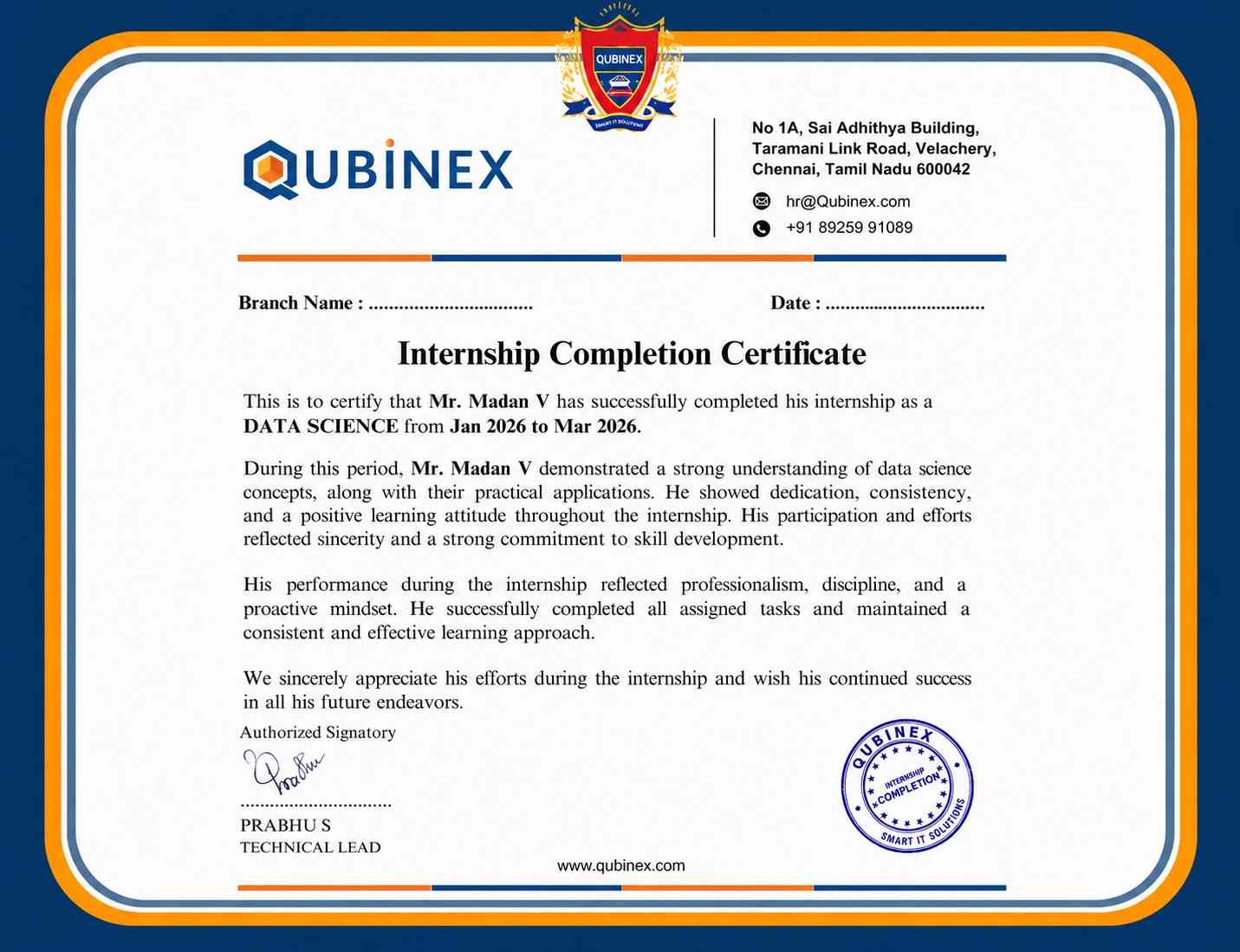
Pursuing a Node.js Fullstack certification enhances your professional credibility, validates your expertise in a specific domain, and increases your employability by showcasing verified skills employers seek.
Certification does guarantee employment but significantly boosts your chances. It demonstrates a verified skill set, making you more competitive. However, employers also consider experience, soft skills, and cultural fit during hiring.
Some Node.js Fullstack certification exams have prerequisites, such as specific educational qualifications, professional experience, or the completion of prerequisite courses.
Practical experience is only sometimes required for Node.js Fullstack certification but is highly beneficial. For many advanced Node.js Fullstack certifications, practical experience ensures a deeper understanding of the subject matter and is often part of the eligibility criteria.
An ACTE Node.js Fullstack certification is a valuable investment in your career growth. It enhances your knowledge, builds industry-recognized credentials, and helps you stay competitive in a fast-evolving job market.
Frequently Asked Questions
- Yes, you can access the course materials online, which typically includes lecture notes, reading materials, video tutorials, and additional resources. Online access allows for flexible learning, enabling you to review the content at your own pace and revisit materials as needed.
- The Node.js Fullstack course at ACTE is offered through various modes including online live classes, self-paced online courses, and in-person training sessions. Each mode provides different levels of interaction and flexibility to accommodate different learning preferences and schedules.
- Access to Recorded Sessions You may be able to access recorded versions of the missed class.
- Make-Up Classes Some programs offer the opportunity to attend make-up classes or sessions.
- Course Material Review You can review course materials and resources provided online.
- Instructor Support Contact the instructor for any questions or clarifications regarding missed content.
- Peer Assistance Reach out to classmates for notes or insights from the missed class.
- If you have any more questions, you should contact the course coordinator or support team at ACTE. They can provide detailed information, address specific concerns, and assist with any additional queries related to the course.
- Visit the ACTE Website.
- Select the Course.
- Fill Out the Registration Form.
- Make Payment.
- Confirm Enrollment.
