
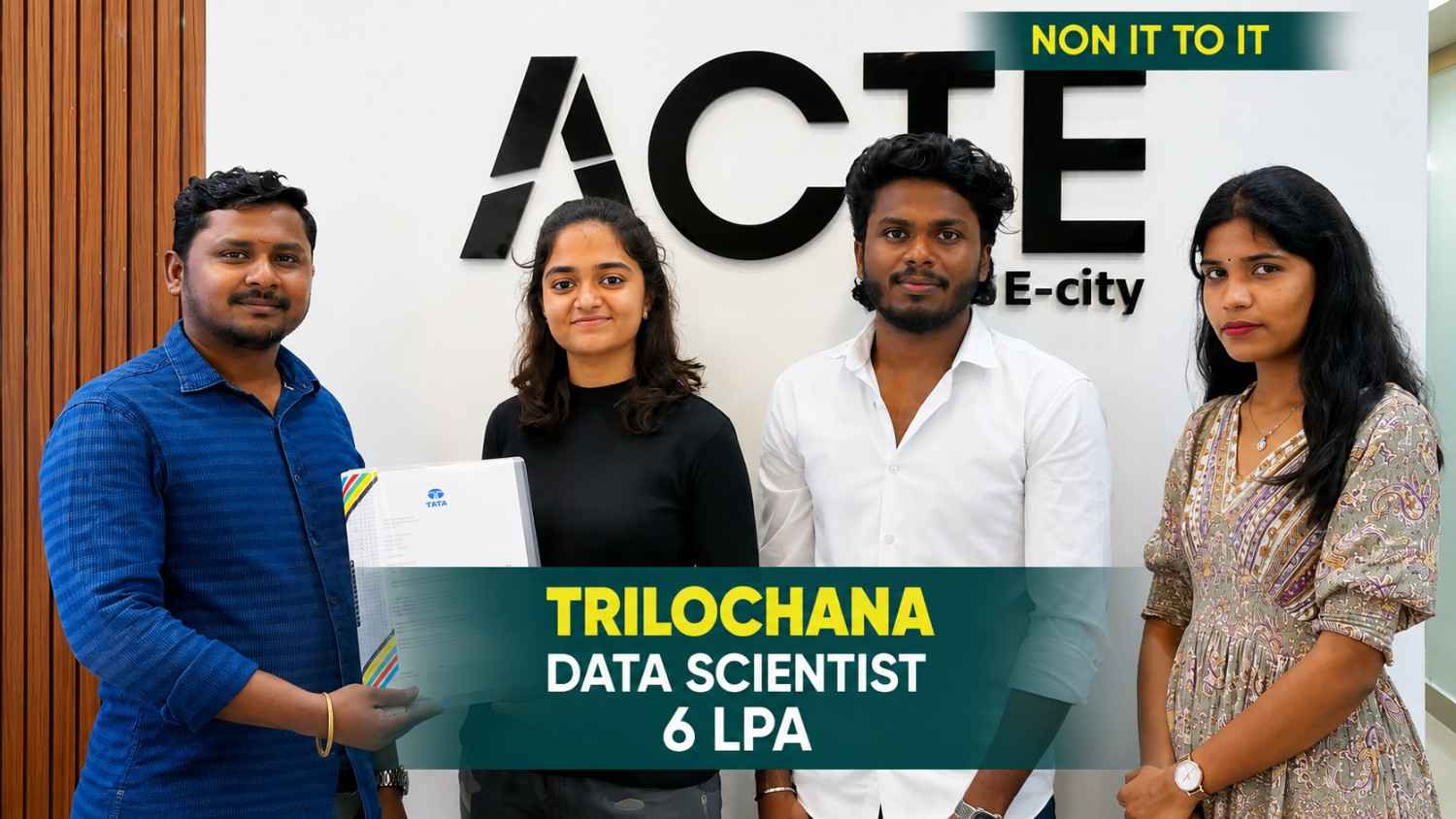
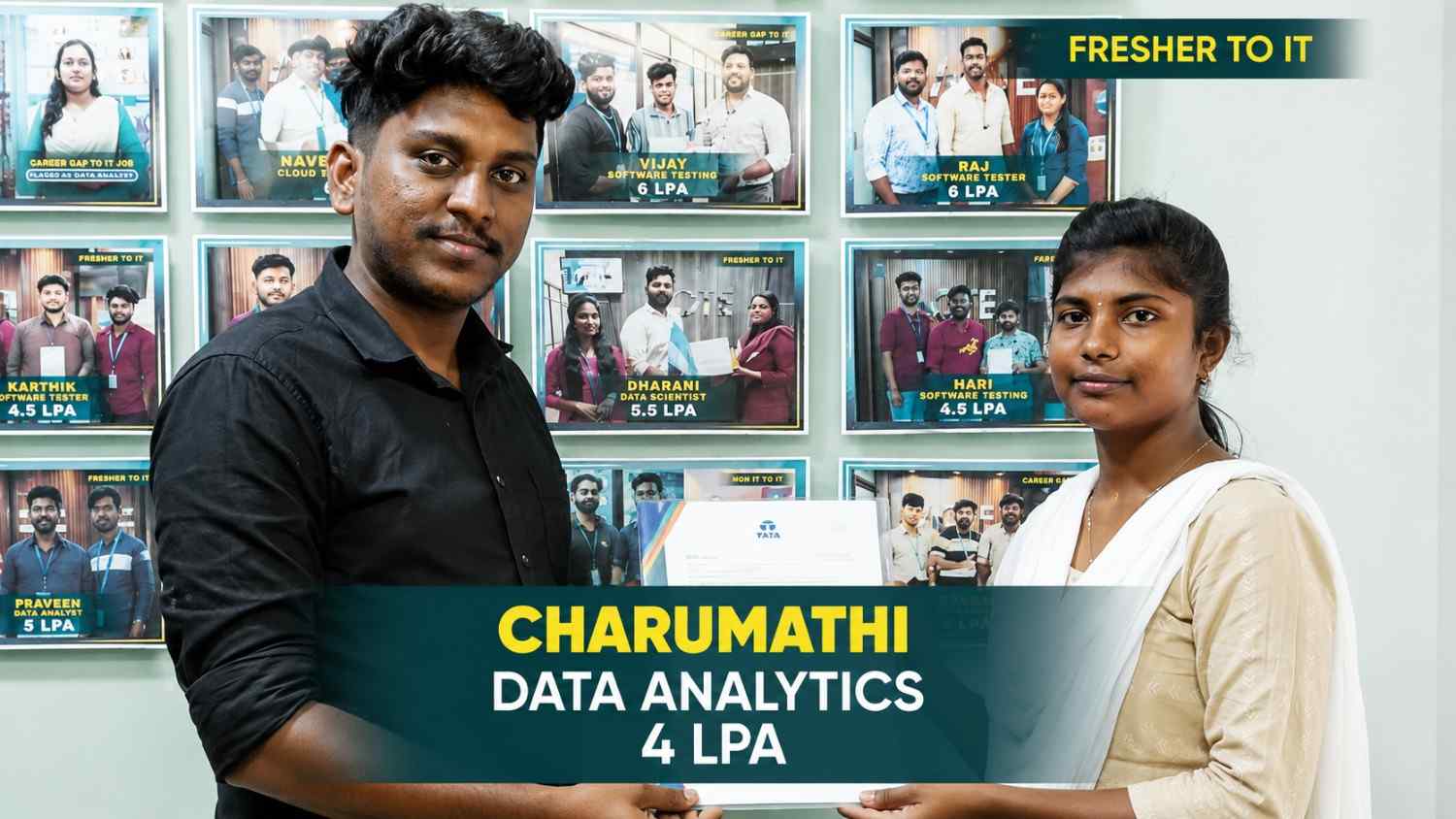
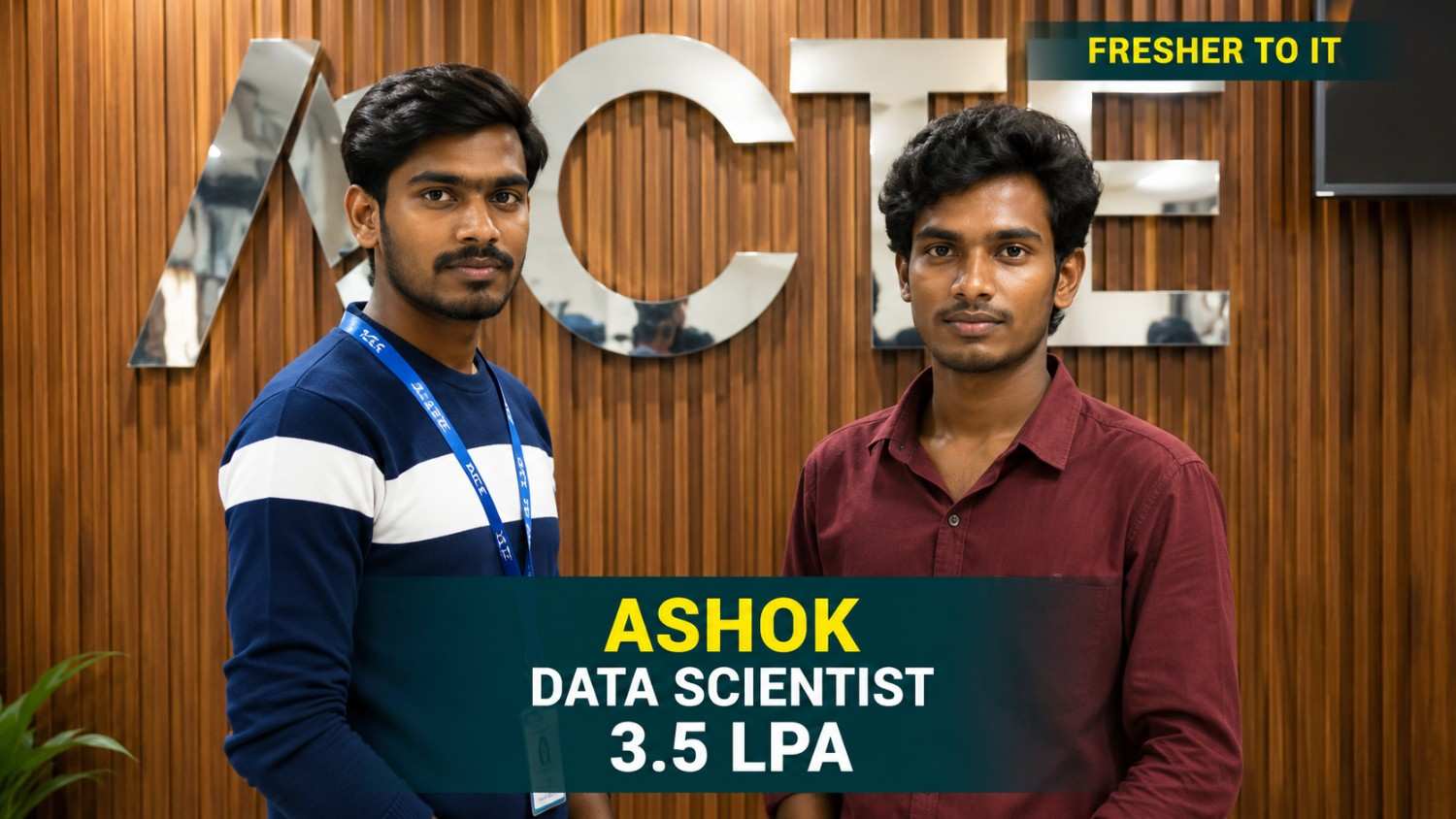
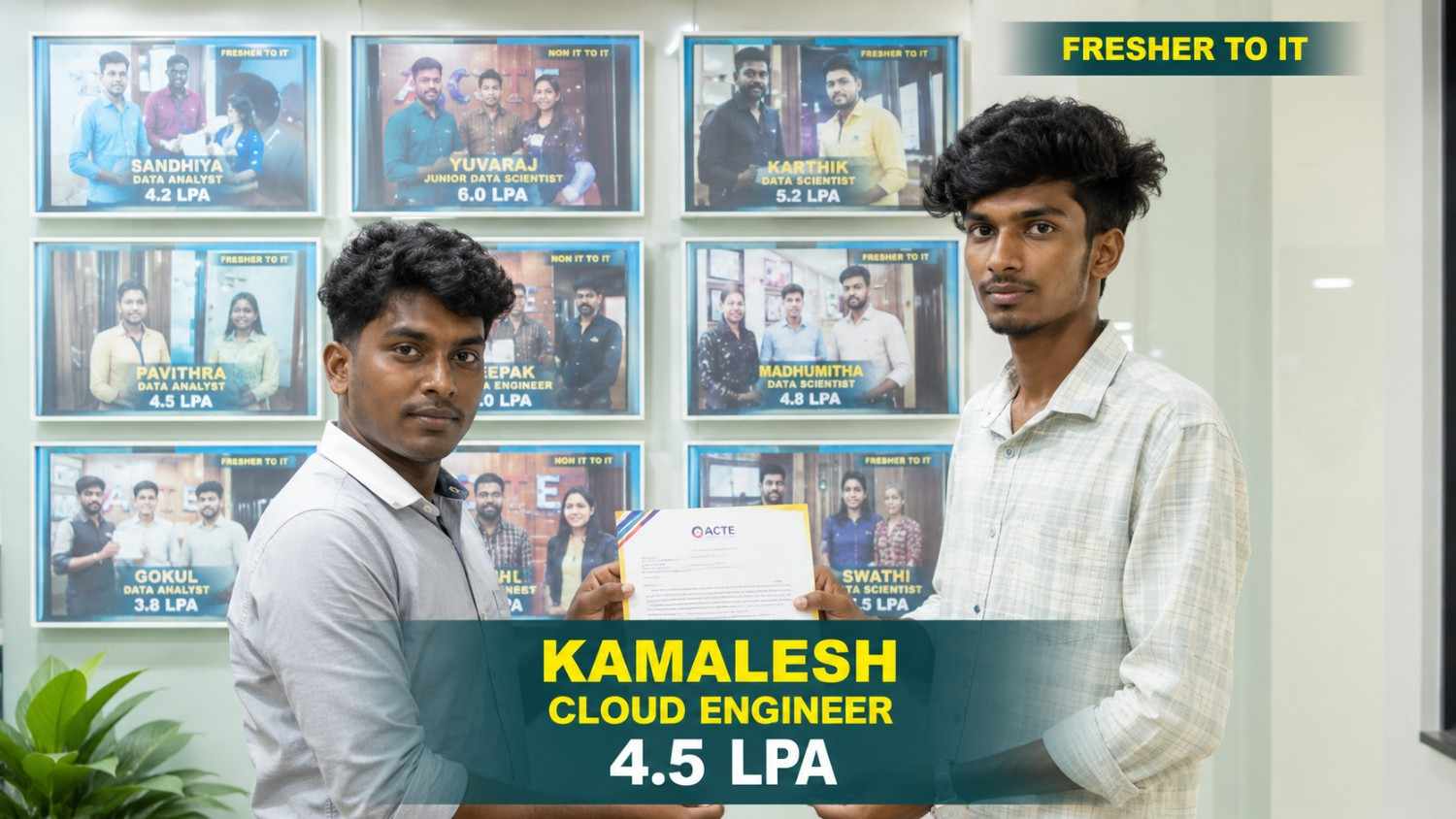
550+ Students Placed Every Month Be The Next!









Our Hiring Partners

Curriculam Designed By Experts
Expertly designed curriculum for future-ready professionals.
Industry Oriented Curriculum
An exhaustive curriculum designed by our industry experts which will help you to get placed in your dream IT company
-
30+ Case Studies & Projects
-
9+ Engaging Projects
-
10+ Years Of Experience
Data Science Training Projects
Become a Data Science Expert With Practical and Engaging Projects.
- Practice essential Tools
- Designed by Industry experts
- Get Real-world Experience
Iris Dataset Classification
Irises can be divided into several categories: petal length, width, and length. Preprocessing the data, fundamental classification techniques (such as K-nearest neighbours.
Titanic Survival Prediction
Utilize variables like fare, passenger class, age, and gender to estimate how long individuals on the Titanic will live. Data cleansing, binary classification, feature engineering, and model analysis.
Movie Recommendation System
Create a user-based movie recommendation system. demographics using collaborative filtering or content-based techniques.
Customer Segmentation
To divide your client base into distinct groups according to purchasing patterns or other pertinent attributes, use clustering algorithms like K-Means or DBSCAN techniques.
Fraud Detection
Use anomaly detection or classification algorithms to look for fraudulent transactions in financial data sets. Feature engineering, anomaly detection, and classification algorithms.
Churn Prediction
Use historical data and a range of predictive modeling approaches to forecast user attrition for a subscription-based business.
Image Classification with Deep Learning
Classify photos into categories to demonstrate deep learning (e.g., MNIST digit recognition or CIFAR-10 object classification). Deep learning methods (such as TensorFlow and PyTorch) and convolutional neural networks (CNNs).
Predictive Maintenance for Industrial Equipment
Utilizing sensor data and machine learning algorithms, forecast device malfunctions or maintenance requirements. Feature engineering, anomaly detection, and time series prediction.
Automated Machine Learning (AutoML) System
Create an AutoML application that does not require human assistance to train images, choose features, or preprocess data. Model optimization, hyperparameter tuning, and pipelines for machine learning.
Career Support


Placement Assistance

Exclusive access to ACTE Job portal

Mock Interview Preparation

1 on 1 Career Mentoring Sessions

Career Oriented Sessions

Resume & LinkedIn Profile Building
Key Features

Practical Training

Global Certifications

Flexible Timing

Trainer Support

Study Material

Placement Support

Mock Interviews

Resume Building
Upcoming Batches
What's included

 Free Aptitude and
Technical Skills Training
Free Aptitude and
Technical Skills Training
- Learn basic maths and logical thinking to solve problems easily.
- Understand simple coding and technical concepts step by step.
- Get ready for exams and interviews with regular practice.

 Hands-On Projects
- Work on real-time projects to apply what you learn.
- Build mini apps and tools daily to enhance your coding skills.
- Gain practical experience just like in real jobs.

 AI Powered Self
Interview Practice Portal
AI Powered Self
Interview Practice Portal
- Practice interview questions with instant AI feedback.
- Improve your answers by speaking and reviewing them.
- Build confidence with real-time mock interview sessions.

 Interview Preparation
For Freshers
Interview Preparation
For Freshers
- Practice company-based interview questions.
- Take online assessment tests to crack interviews
- Practice confidently with real-world interview and project-based questions.
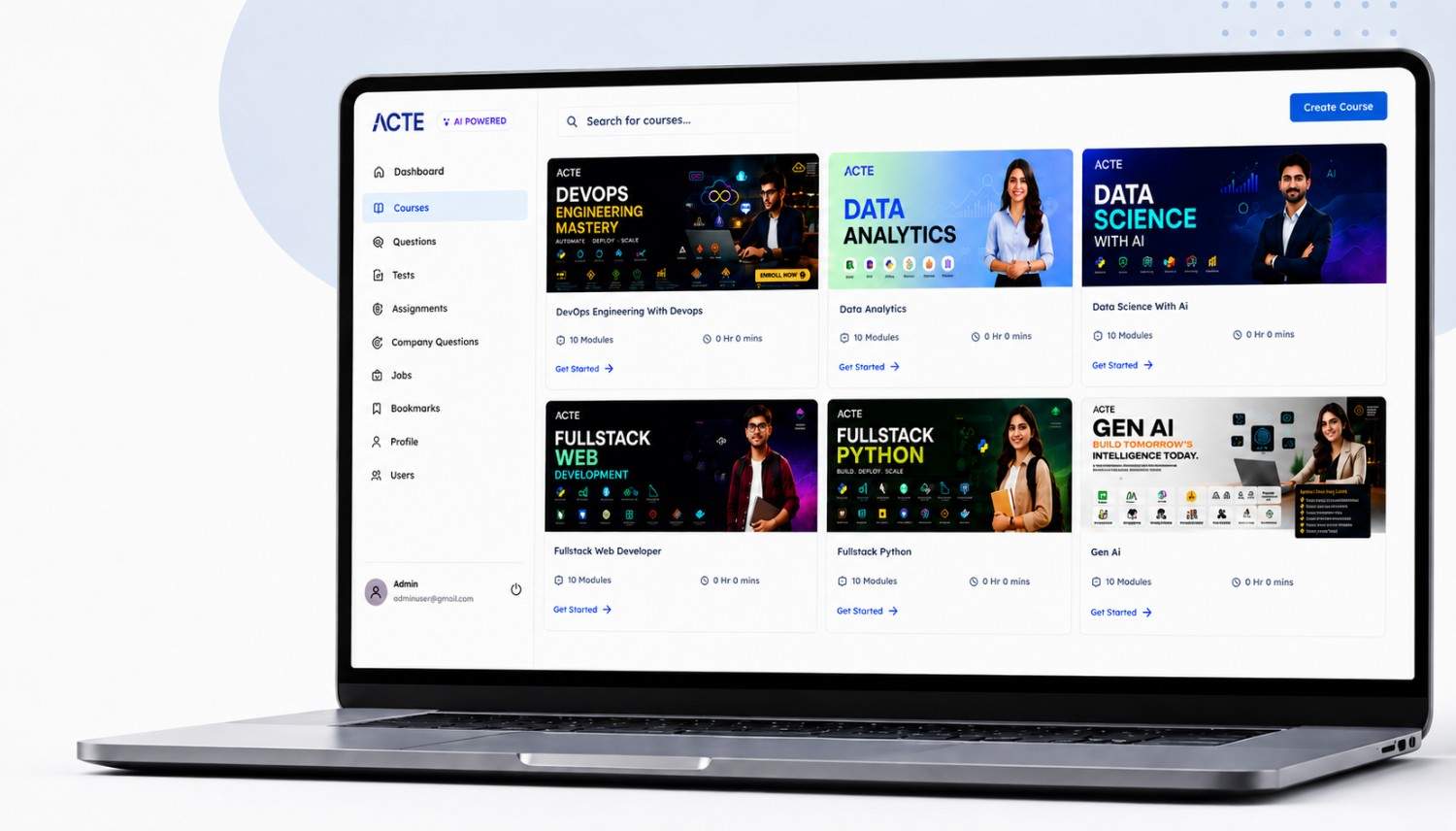
 LMS Online Learning
Platform
LMS Online Learning
Platform
- Explore expert trainer videos and documents to boost your learning.
- Study anytime with on-demand videos and detailed documents.
- Quickly find topics with organized learning materials.
- Learning strategies that are appropriate and tailored to your company's requirements.
- Live projects guided by instructors are a characteristic of the virtual learning environment.
- The curriculum includes of full-day lectures, practical exercises, and case studies.

Data Science Training Overview
Data Science Programmer’s Potential Career Paths
Different career routes are available to data science programmers, and each presents a unique opportunity to use their skills. One of their roles might be data analysis, which assesses data to produce actionable insights for business choices. As data engineers, they organize and manage data pipeline procedures to guarantee data quality and availability. Machine learning engineers create AI apps and prediction systems using sophisticated models and algorithms. With many trials and critical analyses, data scientists use statistical analysis and machine learning to solve complicated issues.
What Are the Requirements for an Data Science Training?
- Basic Education: At minimum, a high school diploma or its equivalent is required for most data science training. Typically, specific graduate or degree programs may call for a bachelor's degree in a related field like computer science, accounting, mathematics, engineering, or finance.
- Prerequisite Knowledge: Basic knowledge of statistics, calculus, and algebra. Familiarity with computer languages like R or Python. Specific training might presuppose a fundamental comprehension of coding principles.
- Programming Skills: In data science, programming skills are a must. You should be competent in computer languages like Python and R, frequently used in data research. It's also beneficial to be familiar with libraries and software like PyTorch, Pandas, NumPy, Scikit-learn, TensorFlow, and NumPy Problem-Solving.
- Problem-Solving Abilities: Powerful analytical and problem-solving abilities to understand facts and draw conclusions. Capacity to effectively convey discoveries and understandings to both technical and non-technical stakeholders.
Reasons to Consider Enrolling in Data Science Training
Enroll in a data science training to elevate your career possibilities and remain competitive in today's data-driven world. The focus is on obtaining meaningful insights from intricate data; these training offer a systematic approach to developing fundamental skills in data analysis, machine learning, and programming. They typically combine practical and problem-solving abilities with real-world applications to enhance understanding. Networking possibilities, coaching, and testimonials that improve your resume and make it more appealing to employers are other advantages of customized training.
Techniques and Trends in Data Science Development
- Machine Learning and Deep Learning: Overlabeled data is processed using algorithms like support vector machines and regression trees. Techniques like dimensionality reduction and clustering can identify patterns in unlabeled data. Neural networks, especially convolutional neural networks (CNNs) and recurrent neural networks (RNNs) are highly effective at tasks like speech recognition and image processing.
- Natural Language Processing (NLP): Human speech is interpreted and produced using sentiment analysis, named entity recognition, and topic modelling approaches. By facilitating more complex comprehension and text production, sophisticated models like BERT and GPT are transforming natural language processing.
- Big Data Technologies: The simplicity and efficiency of extensive data handling across machine clusters with frameworks like Apache Hadoop and Apache Spark provide a reassuring practicality. Databases that manage unstructured data well and offer flexible schema settings are MongoDB and Cassandra
- Data Visualization: Data visualization that is interactive and intelligent is made possible by programs like Tableau, Power BI, and D3.js. Techniques for employing advanced plots, including heatmaps and network graphs, to visualize complex data structures and trends.
The Most Recent Data Science Tools
The newest data science instruments aim to boost output, expandability, and insight production. Intelligent artificial intelligence (AI) platforms, including Google's Bard and OpenAI's GPT-4, facilitate sophisticated data creation and examination. Databricks and Snowflake are examples of data engineering technologies that help with scalable storage solutions and flexible data management. H2O.ai and Google AutoML are two examples of autoML platforms that make model generation and optimization easier. Integrated development environments (IDEs) like VS Code and JupyterLab offer strong coding and data visualization capabilities.Furthermore, with improved networking features, data visualization tools like Tableau and Power BI are becoming more popular. DVC and mellow offer reliable ways to control machine learning performance and interpretation. These resources work together to support data science business growth and innovation.
Career Opportunities After Data Science
Data Scientist
Data scientists examine extensive, complicated data sets to obtain valuable insights and support decision-making. They employ statistical approaches, machine learning algorithms.
Machine Learning Engineer
A machine learning specialist uses machine learning models and algorithms to create prediction algorithms and artificial intelligence (AI) apps. They concentrate on making algorithms more efficient.
Data Analyst
The importance of gleaning insightful information from complex A data analyst's job is to evaluate and analyze intricate details so businesses can make wise judgments. This position entails gathering, analyzing.
Data Engineer
Data engineers build, manage, and maintain data pipelines and infrastructure. They guarantee smooth data transfer from various sources to data warehouses or pools, enhancing dependability and efficiency.
Business Intelligence (BI) Analyst
A business intelligence analyst concentrates on analyzing corporate data to enhance strategic decision-making and boost productivity. They provide intelligent reports on important company metrics.
Quantitative Analyst (Quant)
A quantitative analyst creates statistical models to assess financial markets, control risk, and direct investment strategies. Statistical techniques are also applied to forecast market trends.
Skill to Master
Statistical Analysis
Programming
Data Cleaning and Preprocessing
Machine Learning
Data Visualization
Big Data Technologies
Data Engineering
Natural Language Processing (NLP)
Database Management
Data Storytelling
Problem-Solving and Critical Thinking
Business Acumen
Tools to Master
Python
R
Jupyter Notebook
SQL
Tableau
Power BI
Apache Spark
Hadoop
TensorFlow
Keras
Git
D3.js
Learn from certified professionals who are currently working.

Training by
Rahul , having 8 yrs of experience
Specialized in: Python Programming, Data Manipulation, Machine Learning, and Algorithm Development.
Note: Rahul is an expert user of pandas and Scikit-learn, two of Python's data science packages. His experience in machine learning and algorithm development helps students gain the useful abilities required for efficient data analysis and modelling.
Premium Training at Best Price
Affordable, Quality Training for Freshers to Launch IT Careers & Land Top Placements.
What Makes ACTE Training Different?
Feature
ACTE Technologies
Other Institutes
Affordable Fees
Competitive Pricing With Flexible Payment Options.
Higher Fees With Limited Payment Options.
Industry Experts
Well Experienced Trainer From a Relevant Field With Practical Training
Theoretical Class With Limited Practical
Updated Syllabus
Updated and Industry-relevant Course Curriculum With Hands-on Learning.
Outdated Curriculum With Limited Practical Training.
Hands-on projects
Real-world Projects With Live Case Studies and Collaboration With Companies.
Basic Projects With Limited Real-world Application.
Certification
Industry-recognized Certifications With Global Validity.
Basic Certifications With Limited Recognition.
Placement Support
Strong Placement Support With Tie-ups With Top Companies and Mock Interviews.
Basic Placement Support
Industry Partnerships
Strong Ties With Top Tech Companies for Internships and Placements
No Partnerships, Limited Opportunities
Batch Size
Small Batch Sizes for Personalized Attention.
Large Batch Sizes With Limited Individual Focus.
LMS Features
Lifetime Access Course video Materials in LMS, Online Interview Practice, upload resumes in Placement Portal.
No LMS Features or Perks.
Training Support
Dedicated Mentors, 24/7 Doubt Resolution, and Personalized Guidance.
Limited Mentor Support and No After-hours Assistance.
We are proud to have participated in more than 40,000 career transfers globally.

Data ScienceCertification
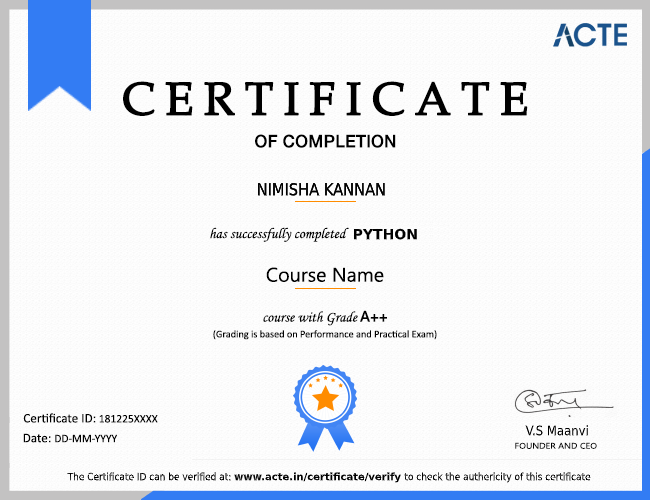
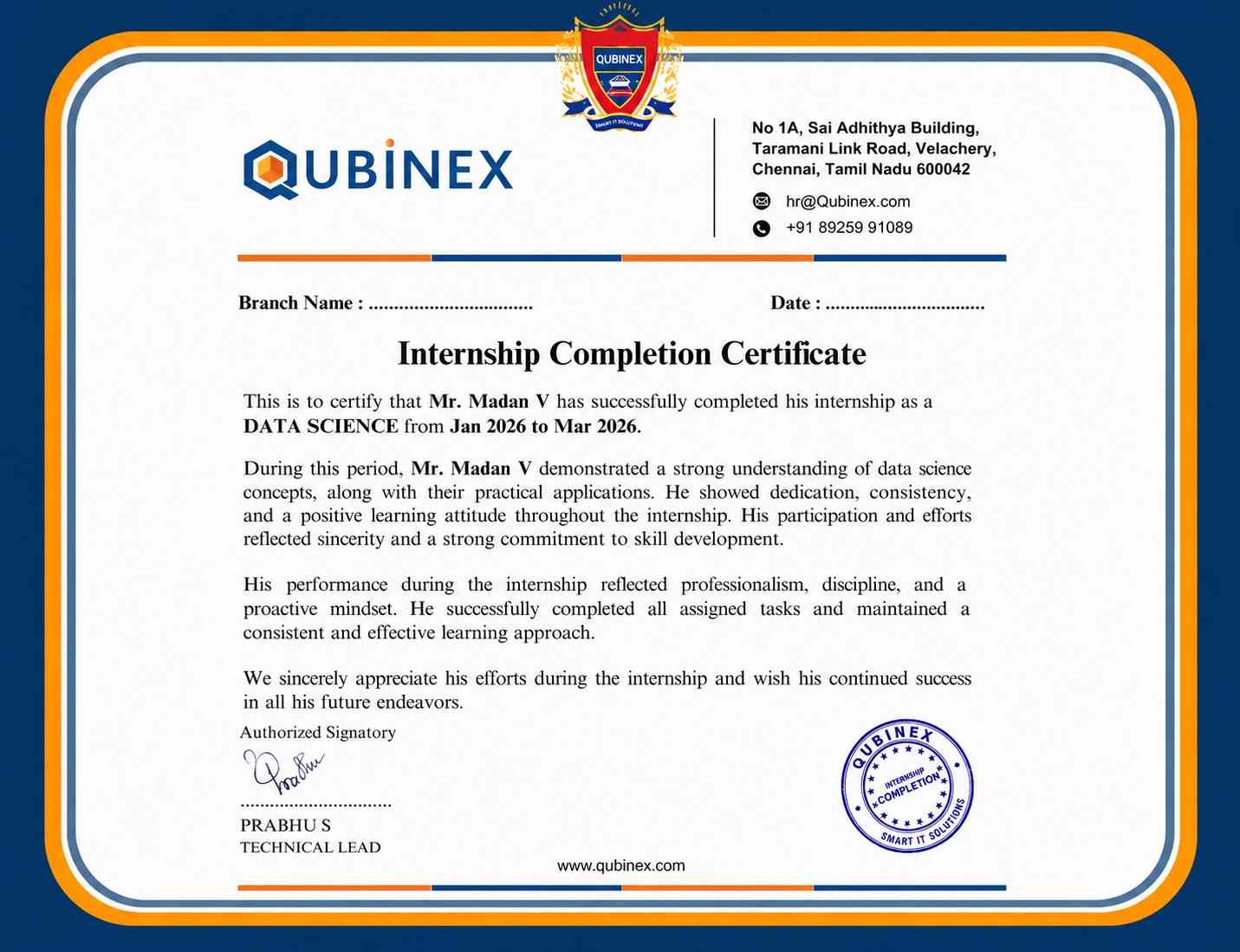
By confirming your abilities and competencies in a rapidly expanding field, obtaining a data science certification can significantly improve your employment prospects. Employers can see you possess the technical know-how and real-world experience to tackle challenging data-driven problems.
Although obtaining a data science certification validates your knowledge and skills and improves your professional prospects, it does not guarantee employment. The ability to execute pertinent duties, your practical experience, and how well you meet potential employers’ needs are all critical factors in landing a job, yet having a certification can provide you with a competitive advantage at work.
The data science certification exam usually requires a basic comprehension of statistics, programming abilities (generally in Python or R), and some prior data analysis experience. While many programs encourage or need previous knowledge in these areas, the criteria may differ from certification.
There is indeed convenience and flexibility in completing several Data Science certification exams online. Remote proctoring is a common practice for these online exams to preserve test integrity. You’ll need a quiet area, a compatible device, and a dependable internet connection to finish the exam.
While it is not usually a prerequisite for obtaining a Data Science credential, real-world experience is often helpful. Many certification programs place a strong emphasis on fundamental information and abilities, which can be learned through study and coursework. Though it can be necessary to earn advanced or specialized credentials, practical experience can tremendously improve your comprehension and professionalism.
If obtaining the ACTE Data Science certification fulfils your professional objectives and offers substantial training and real-world experience, it may be well worth your time and money. The structured programs and practical knowledge ACTE offers can improve your understanding and career prospects in data science.
Frequently Asked Questions
- In-Person Classroom Training
- Live Online Training (Virtual Classroom)
- Self-Paced Online Training
- Corporate Training
- Workshops and Seminars
- Opportunities to make up missing classes are offered in most data science training. Through the course's online platform, you can work swiftly on assignments and access recorded sessions and course materials). For assistance or clarification on any unclear topic, many courses also include means for students to contact peers or teachers. Participating in the course materials and seeking instructor assistance is essential to staying caught up.
- Contact the instructor or the course provider directly if you have any more inquiries. Most systems provide a variety of communication channels, including email, forums, and help tickets. In addition, you can frequently go to the course's FAQ area or the accompanying materials or documentation for answers. Asking specific questions and pursuing further clarity can also be facilitated by interacting with peers in academic discussion groups or attending office hours.
- Visit the ACTE Website
- Navigate to the Data Science Training Page
- Review Course Details
- Click on the Registration Button
- Fill Out the Registration Form
- Select Payment Options
- Receive Confirmation
- The majority of ACTE's Data Science Training indeed have online resources. Following your registration, you will often receive login information for the learning management system (LMS), which gives you access to lectures, readings, assignments, and other resources. It enables you to continue participating in the course and examine the material at your own pace, even if you miss a live session or need to revisit certain subjects.
