
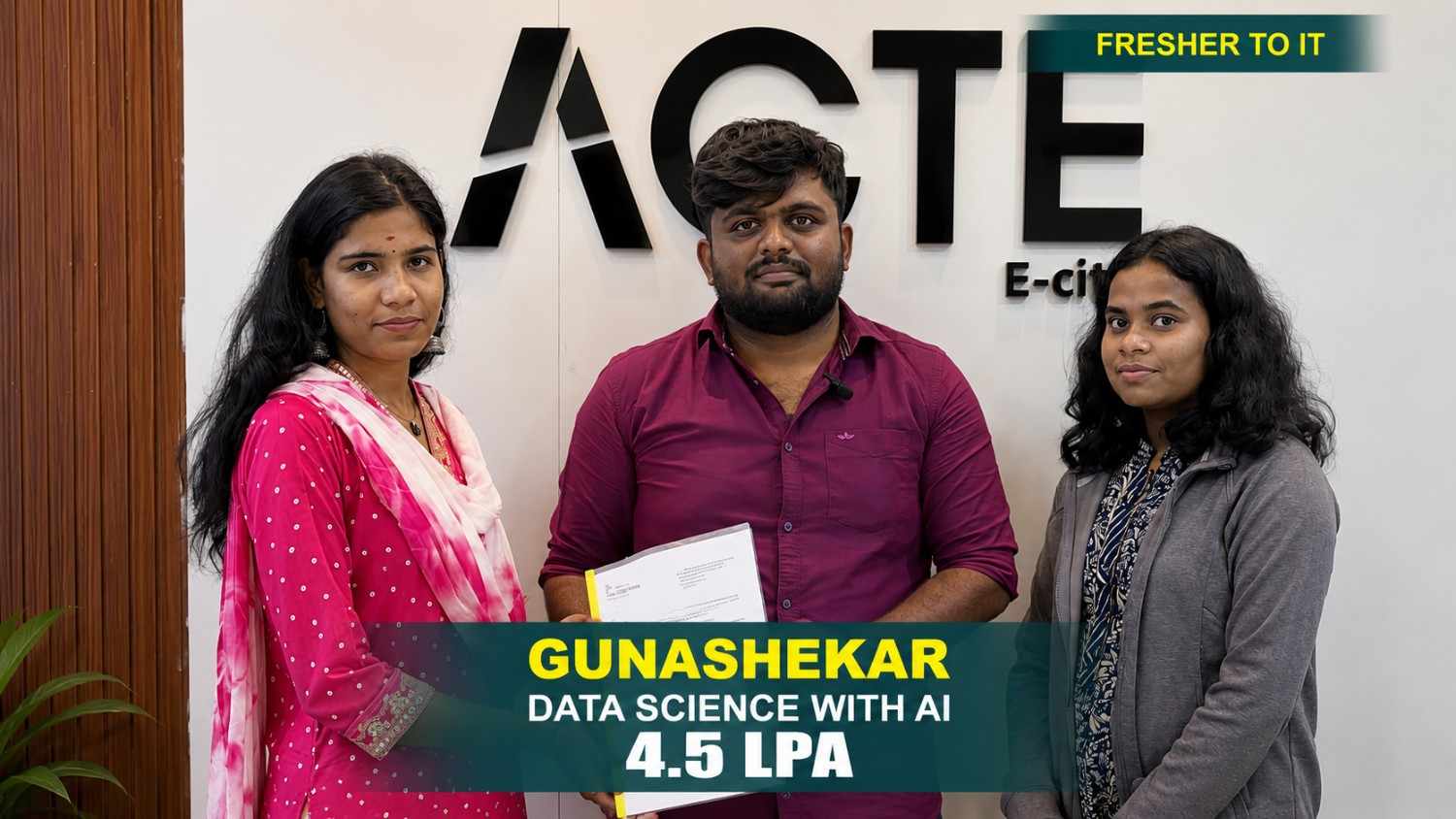
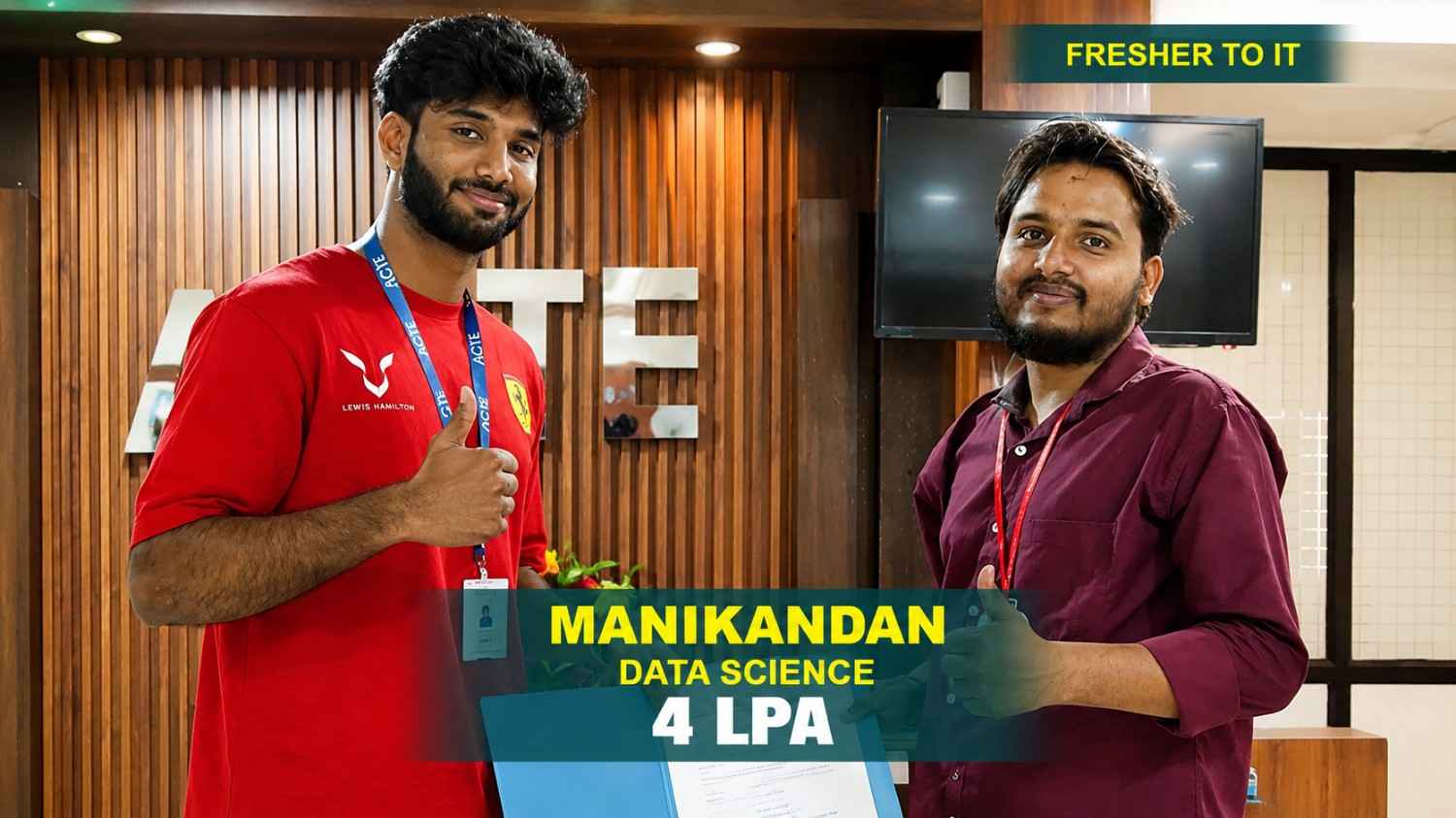
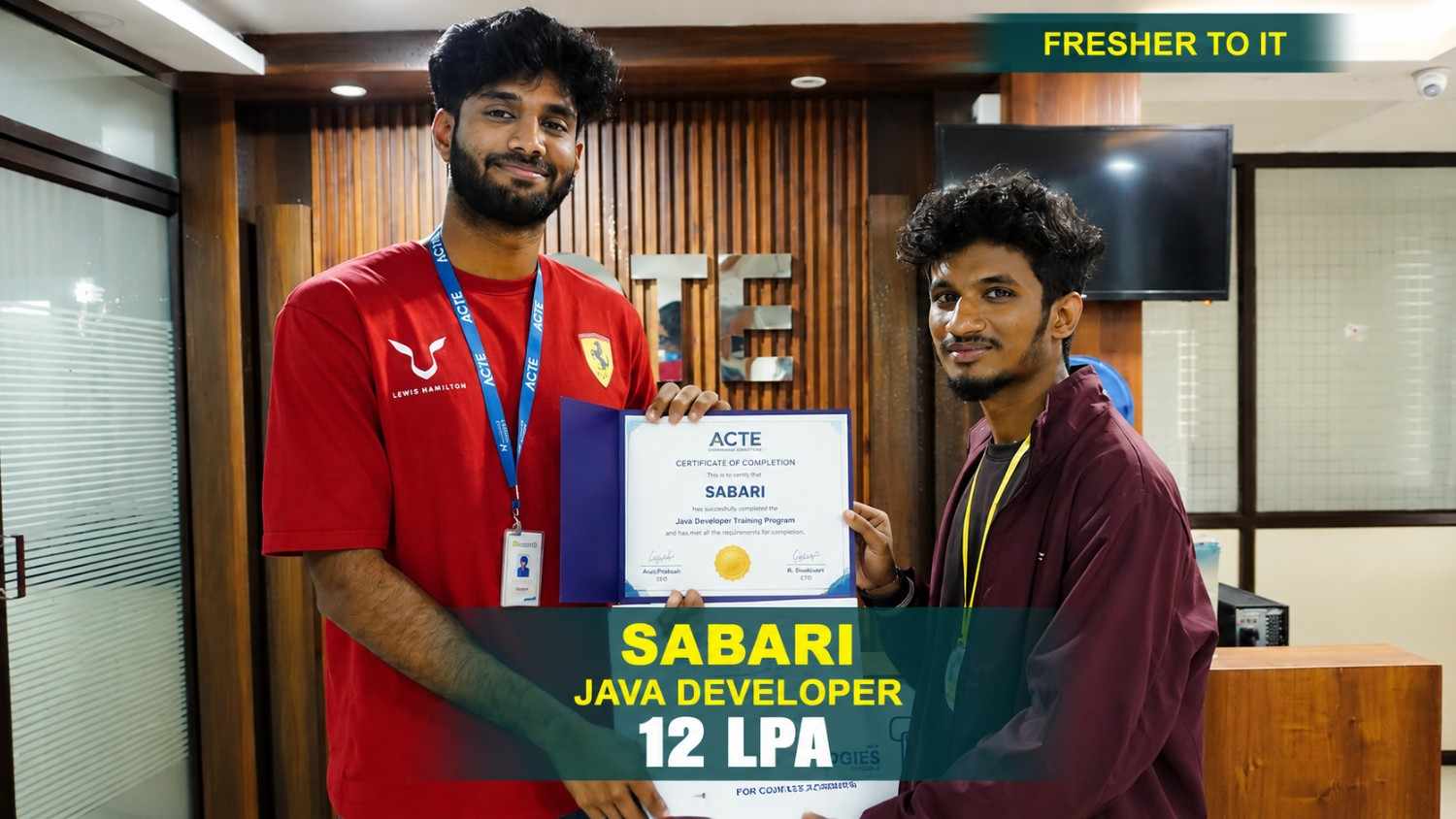
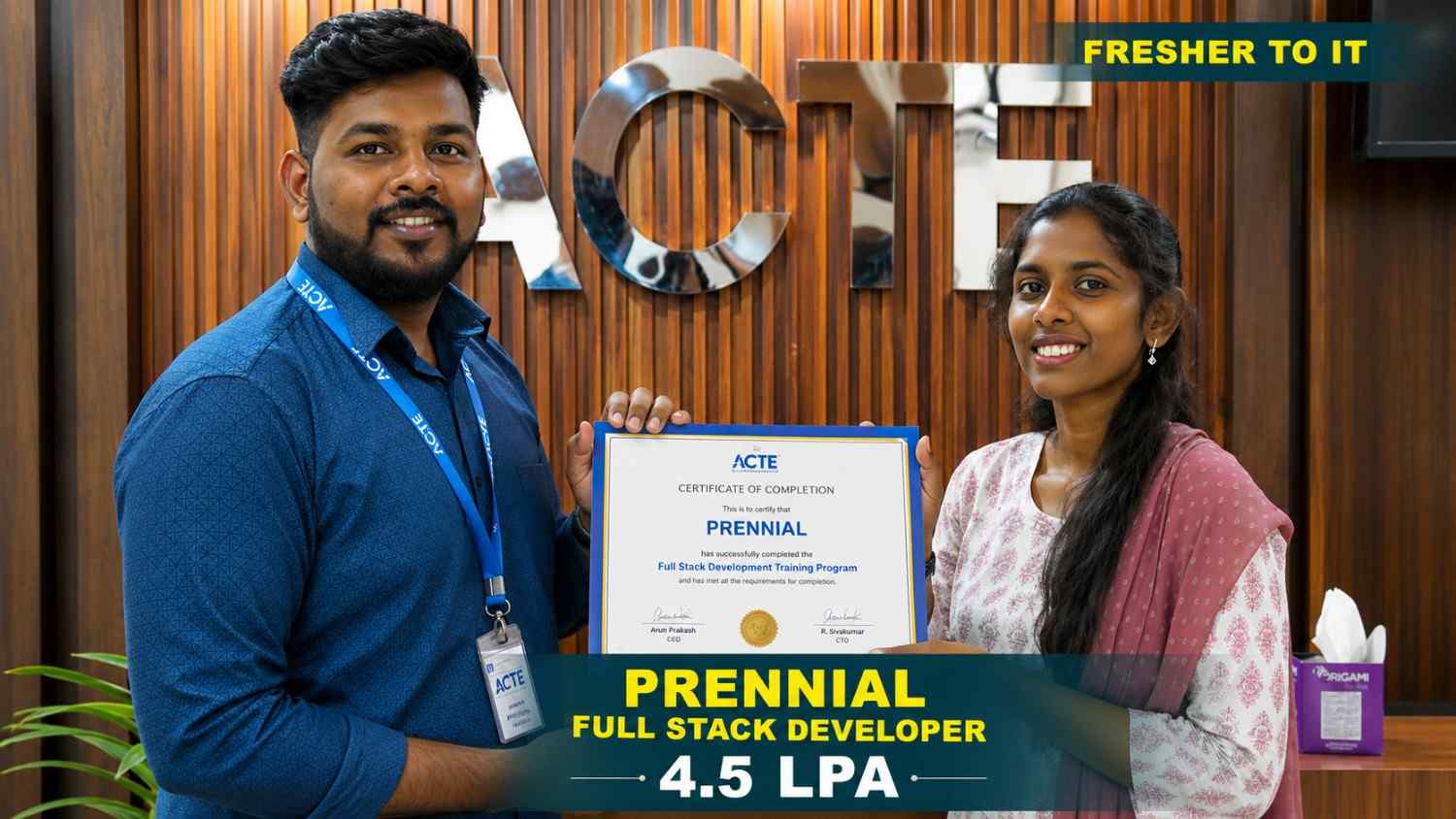
550+ Students Placed Every Month Be The Next!



















Our Hiring Partners

Curriculam Designed By Experts
Expertly designed curriculum for future-ready professionals.
Industry Oriented Curriculum
An exhaustive curriculum designed by our industry experts which will help you to get placed in your dream IT company
-
30+ Case Studies & Projects
-
9+ Engaging Projects
-
10+ Years Of Experience
Software Testing Training Projects
Become a Software Testing Expert With Practical and Engaging Projects.
- Practice essential Tools
- Designed by Industry experts
- Get Real-world Experience
Login Form Testing
Verify a basic Login Form Testing functioning, input validation, and error management.
Calculator App Testing
Test basic arithmetic operations and edge cases for a simple calculator application.
To-Do List App Testing
To-Do List App Testing Ensure tasks can be added, edited, and deleted correctly in a to-do list app.
E-commerce Website Testing
E-commerce Website Testing Verify product search, cart functionality, and checkout process for an online store.
API Testing
Test REST APIs for response codes, data accuracy, and performance under various conditions.
Social Media App Testing
Check features like posting, commenting, and notifications for a social media platform.
Performance Testing
Assess the performance and scalability of a high-traffic web application under stress conditions.
Security Testing
Identify vulnerabilities and potential security issues in a complex application with sensitive data.
Automated Test Suite
Create and maintain a comprehensive suite of automated tests for a large-scale enterprise application.
Career Support


Placement Assistance

Exclusive access to ACTE Job portal

Mock Interview Preparation

1 on 1 Career Mentoring Sessions

Career Oriented Sessions

Resume & LinkedIn Profile Building
Key Features

Practical Training

Global Certifications

Flexible Timing

Trainer Support

Study Material

Placement Support

Mock Interviews

Resume Building
Upcoming Batches
What's included

 Free Aptitude and
Technical Skills Training
Free Aptitude and
Technical Skills Training
- Learn basic maths and logical thinking to solve problems easily.
- Understand simple coding and technical concepts step by step.
- Get ready for exams and interviews with regular practice.

 Hands-On Projects
- Work on real-time projects to apply what you learn.
- Build mini apps and tools daily to enhance your coding skills.
- Gain practical experience just like in real jobs.

 AI Powered Self
Interview Practice Portal
AI Powered Self
Interview Practice Portal
- Practice interview questions with instant AI feedback.
- Improve your answers by speaking and reviewing them.
- Build confidence with real-time mock interview sessions.

 Interview Preparation
For Freshers
Interview Preparation
For Freshers
- Practice company-based interview questions.
- Take online assessment tests to crack interviews
- Practice confidently with real-world interview and project-based questions.

 LMS Online Learning
Platform
LMS Online Learning
Platform
- Explore expert trainer videos and documents to boost your learning.
- Study anytime with on-demand videos and detailed documents.
- Quickly find topics with organized learning materials.
- Learning strategies that are appropriate and tailored to your company's requirements.
- Live projects guided by instructors are a characteristic of the virtual learning environment.
- The curriculum includes of full-day lectures, practical exercises, and case studies.

Software Testing Training Overview
Software Testing Programmer’s Potential Career Paths
A career in software testing can lead to diverse roles, starting with a Quality Assurance Analyst, who ensures software meets quality standards and functions correctly. Advancing to a Senior QA Engineer involves overseeing testing processes and mentoring junior testers. Moving into a Test Lead role means managing testing teams and coordinating test strategies. A Test Manager position includes broader responsibilities, such as budgeting and project management. For those interested in technical challenges, a Test Automation Engineer focuses on creating automated test scripts using tools and frameworks. Lastly, transitioning to a Software Quality Engineer integrates testing with software development, focusing on continuous improvement and quality processes.
Requirements for a Software Testing Course
- Basic Knowledge of Programming: Understanding programming fundamentals helps you grasp how code operates, which is crucial for effective testing. It also enables you to write and understand test scripts and troubleshoot issues more efficiently.
- Familiarity with Software Development Life Cycle (SDLC): Knowledge of SDLC provides insight into how software is developed, from planning to deployment. This understanding allows you to see where testing fits within the overall process and the importance of each testing phase.
- Understanding of Testing Concepts: Basic knowledge of manual testing and various testing types, such as functional and non-functional testing, is essential. This foundation helps you design effective test cases and identify potential issues early in the development cycle.
- Experience with Operating Systems: Proficiency in using different operating systems is beneficial as software may behave differently across platforms. This experience allows you to test software in diverse environments, ensuring better compatibility and performance.
- Knowledge of Testing Tools: Familiarity with common testing tools like Selenium or JIRA enhances your ability to automate tests and track issues. Knowing how to use these tools effectively can streamline the testing process and improve overall efficiency.
- Good Analytical Skills: Strong problem-solving and analytical skills are crucial for identifying, diagnosing, and addressing defects. These skills help you interpret test results, uncover underlying issues, and provide solutions to enhance software quality.
Reasons to Consider Enrolling in a Software Testing Course
Taking a software testing course will greatly improve your chances of landing a job in the computer sector. It gives you the necessary abilities to guarantee software quality, which is something that employers greatly value. A strong foundation for both manual and automated testing is provided by the course's in-depth coverage of numerous testing methodologies, instruments, and best practices. Applying abstract ideas to actual situations is facilitated by the practical experience obtained through practical projects. Furthermore, obtaining certification from an accredited program will improve your resume and help you stand out in the competitive job market. This course opens doors to a variety of fulfilling employment prospects, as the need for quality assurance specialists grows.
Techniques and Trends in Software Testing Development
- Automated Testing: Automated testing involves using tools such as Selenium and TestComplete to execute predefined test cases without human intervention. This approach helps in managing repetitive tasks more efficiently, reduces the likelihood of human error, and speeds up the testing process, leading to quicker release cycles.
- Continuous Testing: Continuous testing integrates automated testing into the Continuous Integration and Continuous Deployment (CI/CD) pipeline. This practice allows for the early detection of bugs and issues, ensuring that software quality is maintained throughout the development cycle and reducing the cost of fixing defects later in the process.
- Test-Driven Development (TDD): Test-Driven Development (TDD) is a software development methodology where tests are written before the actual code. This approach helps in defining clear requirements and ensuring that the code meets these requirements from the start, ultimately leading to higher code quality and more maintainable software.
- Behavior-Driven Development (BDD): Behavior-Driven Development (BDD) involves using tools like Cucumber to create tests based on the behavior and requirements of the software from a user perspective. This method facilitates better communication between developers, testers, and stakeholders, ensuring that the software meets user expectations and business requirements.
- Performance Testing: Performance testing assesses how a software application performs under various conditions, such as heavy loads or high traffic, using tools like JMeter. This type of testing helps identify performance bottlenecks, scalability issues, and overall responsiveness, ensuring the software can handle expected user demands.
- AI and Machine Learning in Testing: AI and Machine Learning in testing utilize advanced algorithms and predictive analytics to enhance test coverage and accuracy. These technologies can automatically detect anomalies, predict potential issues, and optimize test cases, leading to more effective and efficient testing processes.
The Most Recent Software Testing Tools
Recent advancements in software testing tools include Selenium 4, which offers enhanced browser automation and integration capabilities. Cypress is gaining popularity for its fast and reliable end-to-end testing. Katalon Studio provides an all-in-one solution for web, API, and mobile testing. TestCafe stands out for its simplicity in setting up automated tests for modern web applications. Applitools utilizes AI for visual testing, ensuring user interfaces meet design specifications. Additionally, Jenkins continues to be a key tool for integrating automated tests into CI/CD pipelines, streamlining the development process and improving overall software quality.
Career Opportunities After Software Testing
QA Engineer
Responsible for designing and executing test cases to ensure software quality and collaborating with developers to resolve issues.
Test Analyst
Analyzes requirements, creates test plans, and executes tests to validate software functionality, documenting defects and reporting progress.
Automation Tester
Develops automated test scripts to improve efficiency and coverage, utilizing tools like Selenium or JUnit for regression and performance testing.
Performance Tester
Focuses on assessing software performance under load and recommending improvements to optimize speed and stability.
Manual Tester
Conducts manual tests based on test cases, explores software functionality, and identifies bugs or inconsistencies, ensuring adherence to requirements.
QA Lead
Oversees the testing team, develops testing strategies and ensures quality standards are met throughout the software development lifecycle.
Skill to Master
Test Planning
Test Design
Test Execution
Test Automation
Performance Testing
Regression Testing
Functional Testing
Non-Functional Testing
Security Testing
API Testing
Test Case Management
Bug Reporting
Tools to Master
Selenium
JIRA
QTP
LoadRunner
TestNG
JMeter
Postman
Appium
Cucumber
SoapUI
HP ALM
Ranorex
Learn from certified professionals who are currently working.

Training by
Vikram Patel , having 8 yrs of experience
Specialized in: Functional Testing, Regression Testing, API Testing, Mobile Testing, and Test Automation Frameworks.
Note: Vikram is known for his proficiency in tools like TestNG and Appium, and he offers hands-on training to help students build robust testing solutions.
Premium Training at Best Price
Affordable, Quality Training for Freshers to Launch IT Careers & Land Top Placements.
What Makes ACTE Training Different?
Feature
ACTE Technologies
Other Institutes
Affordable Fees
Competitive Pricing With Flexible Payment Options.
Higher Fees With Limited Payment Options.
Industry Experts
Well Experienced Trainer From a Relevant Field With Practical Training
Theoretical Class With Limited Practical
Updated Syllabus
Updated and Industry-relevant Course Curriculum With Hands-on Learning.
Outdated Curriculum With Limited Practical Training.
Hands-on projects
Real-world Projects With Live Case Studies and Collaboration With Companies.
Basic Projects With Limited Real-world Application.
Certification
Industry-recognized Certifications With Global Validity.
Basic Certifications With Limited Recognition.
Placement Support
Strong Placement Support With Tie-ups With Top Companies and Mock Interviews.
Basic Placement Support
Industry Partnerships
Strong Ties With Top Tech Companies for Internships and Placements
No Partnerships, Limited Opportunities
Batch Size
Small Batch Sizes for Personalized Attention.
Large Batch Sizes With Limited Individual Focus.
LMS Features
Lifetime Access Course video Materials in LMS, Online Interview Practice, upload resumes in Placement Portal.
No LMS Features or Perks.
Training Support
Dedicated Mentors, 24/7 Doubt Resolution, and Personalized Guidance.
Limited Mentor Support and No After-hours Assistance.
We are proud to have participated in more than 40,000 career transfers globally.

Software Testing Certification

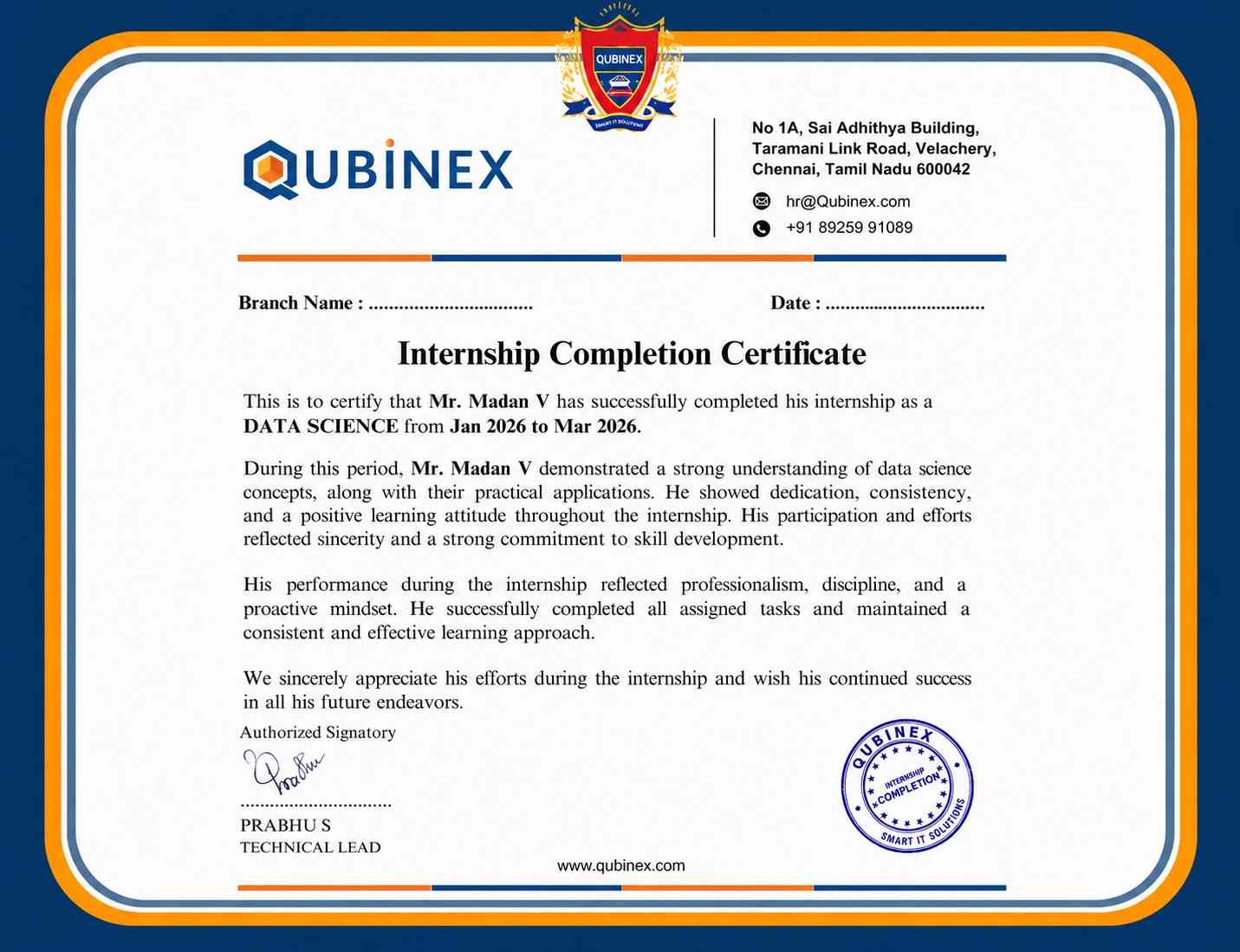
Software Testing certifications provide several benefits, including enhanced job prospects, higher earning potential, and validation of skills and knowledge. They demonstrate a commitment to quality assurance and an understanding of best practices, which can lead to career advancement and increased credibility in the field.
While a Software Testing certification can significantly enhance your job prospects and make you a more competitive candidate, it does not guarantee a job. Employers consider certifications as part of a broader evaluation, which includes experience, skills, and fit for the role.
Yes, you can pursue multiple Software Testing certifications to deepen your expertise and broaden your qualifications. Obtaining various certifications can showcase your comprehensive knowledge and adaptability in different areas of software testing.
With a Software Testing certification, you can qualify for roles such as Software Tester, Quality Assurance Analyst, Test Lead, Test Manager, Quality Assurance Engineer, and Automation Tester. These roles involve ensuring software quality and performance through various testing methodologies.
The necessity of real-world experience for Software Testing certification varies by certification. Some entry-level certifications like ISTQB Foundation Level may not require extensive experience, while advanced certifications and roles may require practical experience to demonstrate applied knowledge and skills.
Frequently Asked Questions
- Yes, ACTE typically offers demo sessions for their Software Testing courses. Attending a demo session allows you to experience the teaching style, course content, and the training environment before making a commitment.
- ACTE instructors are usually experienced professionals with extensive backgrounds in software testing and related fields. They bring practical industry knowledge and expertise to the course, often holding relevant certifications and having a proven track record in the field.
- Yes, ACTE often provides placement assistance as part of their training programs. This may include resume building, interview preparation, and job placement support to help you find relevant opportunities in the software testing field.
- Upon completing the Software Testing course at ACTE, you typically receive a course completion certificate from ACTE. This certificate acknowledges your participation and completion of the training program, and may also include specific certifications if you pass additional exams or assessments related to the course.
- Yes, students work on real projects a lot of the time in the Software Testing course.
- Working on actual projects gives students practical experience and teaches them how to apply theory to real-world scenarios, which enhances learning and prepares them for challenges they may face in the industry.
