
550+ Students Placed Every Month Be The Next!

























Our Hiring Partners

Curriculam Designed By Experts
Expertly designed curriculum for future-ready professionals.
Industry Oriented Curriculum
An exhaustive curriculum designed by our industry experts which will help you to get placed in your dream IT company
-
30+ Case Studies & Projects
-
9+ Engaging Projects
-
10+ Years Of Experience
Embedded Systems Training Projects
Become a Embedded Systems Expert With Practical and Engaging Projects.
- Practice essential Tools
- Designed by Industry experts
- Get Real-world Experience
Basic Arduino/Raspberry Pi Projects
Simple projects like temperature monitoring or light-sensing devices help learners understand interfacing sensors.
Digital Logic Implementation
Creating small projects with digital logic components and switches allows beginners to understand microcontroller.
DC Motor Control Projects
Using basic PWM techniques to control DC motors introduces learners to motor interfacing and speed control concepts.
Multi-Sensor Data Acquisition System
Projects combining multiple sensors for environmental monitoring, learning data collection, processing.
IoT-enabled Home Automation
Control home devices remotely using microcontrollers and basic networking, understanding wireless communication.
Advanced Motor Control System
Controlling stepper or servo motors with precise positioning and speed control, integrating PWM and feedback sensors.
Wearable Health Monitoring Systems
Embedded systems that track health metrics like heart rate, temperature, or motion, demonstrating multi-sensor integration and mobile interfacing.
Robotics and Automation Projects
Advanced robots with sensor-based navigation and actuator control, combining microcontrollers, sensors, and motors for autonomous functionality.
Industrial Automation Controllers
Embedded systems for industrial applications, controlling machinery or processes, integrating multiple sensors and feedback loops.
Career Support


Placement Assistance

Exclusive access to ACTE Job portal

Mock Interview Preparation

1 on 1 Career Mentoring Sessions

Career Oriented Sessions

Resume & LinkedIn Profile Building
Key Features

Practical Training

Global Certifications

Flexible Timing

Trainer Support

Study Material

Placement Support

Mock Interviews

Resume Building
Upcoming Batches
What's included

 Free Aptitude and
Technical Skills Training
Free Aptitude and
Technical Skills Training
- Learn basic maths and logical thinking to solve problems easily.
- Understand simple coding and technical concepts step by step.
- Get ready for exams and interviews with regular practice.

 Hands-On Projects
- Work on real-time projects to apply what you learn.
- Build mini apps and tools daily to enhance your coding skills.
- Gain practical experience just like in real jobs.

 AI Powered Self
Interview Practice Portal
AI Powered Self
Interview Practice Portal
- Practice interview questions with instant AI feedback.
- Improve your answers by speaking and reviewing them.
- Build confidence with real-time mock interview sessions.

 Interview Preparation
For Freshers
Interview Preparation
For Freshers
- Practice company-based interview questions.
- Take online assessment tests to crack interviews
- Practice confidently with real-world interview and project-based questions.

 LMS Online Learning
Platform
LMS Online Learning
Platform
- Explore expert trainer videos and documents to boost your learning.
- Study anytime with on-demand videos and detailed documents.
- Quickly find topics with organized learning materials.
- Learning strategies that are appropriate and tailored to your company's requirements.
- Live projects guided by instructors are a characteristic of the virtual learning environment.
- The curriculum includes of full-day lectures, practical exercises, and case studies.

Embedded Systems Overview
Embedded System Placement in Trichy with Potential Career Paths
A career in Embedded System Training in Trichy opens up a wide range of opportunities across industries like consumer electronics, automotive, industrial automation, IoT, and robotics. Professionals can work as Embedded Systems Engineers, PCB Designers, Firmware Developers, IoT Developers, Electronics Test Engineers, and Hardware Design Specialists. Mastery of embedded systems enables individuals to design, develop, and optimize microcontroller-based solutions, interfacing sensors, actuators, and communication modules. Knowledge of real-time systems, power electronics, and low-power design further enhances employability. Certified embedded system professionals are highly sought after in R&D roles, IoT startups, and industrial automation companies. Practical experience with ARM, Arduino, and Raspberry Pi strengthens the skill set for hands-on device development.
The Requirements for an Embedded System Course in Trichy
- Basic Electronics Knowledge : A strong foundation in electronics is essential to understand how circuits work. Knowing voltage, current, resistance, and Ohm’s law helps in analyzing and designing circuits.
- Programming Fundamentals : Basic programming skills in C, C++, or Python are necessary to write firmware for microcontrollers. These skills enable learners to control hardware, process sensor data, and implement logical operations.
- Understanding Microcontrollers and Components : Familiarity with microcontrollers, GPIOs, ADC/DAC, sensors, and actuators ensures smooth learning. It helps learners interface hardware components effectively and understand input/output operations.
- Computer and Software Skills : Comfort with computers and software tools like Arduino IDE, PlatformIO, Proteus, or KiCad is important. These tools help in programming, simulating circuits, and designing PCBs efficiently.
- Problem-Solving Abilities : Analytical and logical thinking is key to identifying and resolving circuit and firmware issues. Problem-solving skills help in debugging code, optimizing system performance, and troubleshooting hardware-software interactions.
- Willingness for Hands-On Practice : Practical exposure is critical for mastering embedded systems. Working on breadboards, PCB design, and real-time projects builds experiential knowledge.
Enrolling in Embedded System Training in Trichy
Enrolling in Embedded System Placement in Trichy equips learners with in-demand skills in microcontroller programming, PCB design, and IoT development. The course offers hands-on experience in designing real-time embedded systems, integrating sensors, actuators, and communication modules. Students learn to simulate, prototype, and test electronic circuits using industry-standard software tools. Training also covers low-power designs, industrial automation, and embedded system optimization. Exposure to ARM, Arduino, and Raspberry Pi platforms prepares students for both consumer and industrial electronics applications. By working on real-time projects, learners gain practical problem-solving skills. The course enhances employability in R&D, robotics, IoT, and industrial automation sectors. Practical project work builds a strong portfolio that demonstrates skills to potential employers.
Techniques and Trends in Embedded System Course in Trichy with Development
- Microcontroller-Based System Design : Microcontroller-based system design involves creating circuits that efficiently perform specific tasks. It forms the backbone of IoT devices, automation systems, and wearable electronics.
- Real-Time Operating Systems (RTOS) : RTOS allows embedded systems to manage multiple tasks simultaneously with precise timing. It ensures critical operations are executed reliably and on schedule.
- IoT and Wireless Communication : IoT integration enables embedded devices to communicate via Wi-Fi, Bluetooth, Zigbee, or LoRa protocols. Wireless communication allows real-time data sharing and remote control of devices.
- Low-Power and Energy-Efficient Design : Low-power design focuses on reducing energy consumption in battery-operated or portable devices. Optimizing both hardware and software extends device life and reliability.
- Mixed-Signal and Sensor Integration : Mixed-signal integration combines analog and digital circuits in a single system to process real-world signals effectively. It enables interfacing multiple sensors for accurate data acquisition and processing.
- Industrial Automation and Robotics : Embedded systems are widely used in industrial automation and robotics for controlling machines and processes. They allow precise motor control, sensor feedback, and process optimization.
The Most Recent Embedded System Placement in Trichy with Tools
Modern Embedded System Course in Trichy development leverages a wide range of tools to design, simulate, and test devices. Arduino IDE and PlatformIO are used for programming microcontrollers efficiently. Raspberry Pi and BeagleBone platforms enable prototyping of IoT and automation projects. Proteus and Multisim help simulate circuits before fabrication. PCB design tools like KiCad, Altium Designer, and EasyEDA streamline layout and routing for production-ready boards. MATLAB/Simulink supports algorithm development and system-level simulations. Logic analyzers, oscilloscopes, and multimeters are essential for hardware testing. Wireless module programming tools assist in IoT integration. RTOS simulators and debuggers ensure proper task scheduling and reliability. Cloud platforms like AWS IoT and Blynk are used for connected embedded applications. Firmware updating and version control tools manage embedded software efficiently.
Career Opportunities After Embedded System Training
Embedded Systems Engineer
Develops firmware and hardware solutions for microcontroller-based applications, including IoT devices, controllers, and consumer electronics.
PCB Design Engineer
Designs printed circuit boards with schematic diagrams, component layouts, and routing while ensuring signal integrity.
Firmware Developer
Writes low-level code for microcontrollers, manages memory, and interfaces with sensors, motors, and modules.
IoT Developer
Builds smart connected devices using Arduino, Raspberry Pi, or ESP32 with wireless communication integration.
Electronics Test Engineer
Tests and validates embedded hardware and software using oscilloscopes, analyzers
Industrial Automation Engineer
Designs embedded controllers, motor systems, and automation solutions for machinery and robotics.
Skills to Master
Programming
Debugging
Circuit Design
Microcontrollers
Firmware
Prototyping
Troubleshooting
Sensor Integration
PCB Design
Automation
IoT Development
System Testing
Tools to Master
Arduino
Raspberry Pi
Proteus
KiCad
Altium
Multisim
PlatformIO
MPLAB
Keil
STM32CubeIDE
EasyEDA
MATLAB
Learn from certified professionals who are currently working.

Training by
Rohit, having 12+ yrs of experience
Specialized in: Embedded System Design, PCB Layout, Microcontrollers, IoT Integration, and Sensor Interfacing.
Note: Rohit is recognized for his expertise in designing real-world embedded prototypes and guiding students to develop industry-ready electronics solutions.
Premium Training at Best Price
Affordable, Quality Training for Freshers to Launch IT Careers & Land Top Placements.
What Makes ACTE Training Different?
Feature
ACTE Technologies
Other Institutes
Affordable Fees
Competitive Pricing With Flexible Payment Options.
Higher Fees With Limited Payment Options.
Industry Experts
Well Experienced Trainer From a Relevant Field With Practical Training
Theoretical Class With Limited Practical
Updated Syllabus
Updated and Industry-relevant Course Curriculum With Hands-on Learning.
Outdated Curriculum With Limited Practical Training.
Hands-on projects
Real-world Projects With Live Case Studies and Collaboration With Companies.
Basic Projects With Limited Real-world Application.
Certification
Industry-recognized Certifications With Global Validity.
Basic Certifications With Limited Recognition.
Placement Support
Strong Placement Support With Tie-ups With Top Companies and Mock Interviews.
Basic Placement Support
Industry Partnerships
Strong Ties With Top Tech Companies for Internships and Placements
No Partnerships, Limited Opportunities
Batch Size
Small Batch Sizes for Personalized Attention.
Large Batch Sizes With Limited Individual Focus.
LMS Features
Lifetime Access Course video Materials in LMS, Online Interview Practice, upload resumes in Placement Portal.
No LMS Features or Perks.
Training Support
Dedicated Mentors, 24/7 Doubt Resolution, and Personalized Guidance.
Limited Mentor Support and No After-hours Assistance.
We are proud to have participated in more than 40,000 career transfers globally.

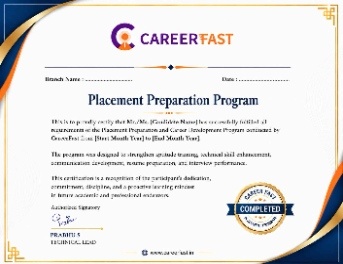
Embedded SystemsCertification


Basic knowledge of electronics and circuits is recommended.Programming skills in C, C++, or Python are useful.Understanding sensors, actuators, and microcontrollers helps.Hands-on exposure to Arduino or Raspberry Pi improves readiness.
Yes, most certifications are available online.Exams can be scheduled from home or office.Ensure your device meets technical requirements.Stable internet connection is required.
Real-world experience is helpful but mandatory.Hands-on projects improve confidence and technical skills.Practical exposure helps with debugging and optimization.Industry experience increases certification value.
Yes, it is valuable for aspiring electronics professionals.Builds skills in PCB design, programming, and IoT integration.Improves employability with practical industry exposure.Opens opportunities in robotics, automation, and R&D roles.
Frequently Asked Questions
- Yes, ACTE provides demo sessions for Embedded System Training before enrollment.You can review the teaching style and course structure.Sessions cover microcontroller programming, PCB design, and IoT concepts.Demo classes also explain hands-on projects and practical learning methods.
- Certified industry experts with 10+ years of experience.
- Specialists in Embedded Systems, IoT, and Robotics.
- Experts in microcontroller programming and PCB design.
- Skilled in sensor interfacing and industrial automation.
- Yes, ACTE offers placement assistance for Embedded System Training students.Support includes resume preparation and interview guidance.Students receive job referrals to electronics, robotics, and IoT companies.Mock interviews and career mentoring are also provided.
- Students receive an ACTE Embedded System Certification.The certificate validates microcontroller programming skills.It covers PCB design, firmware development, and IoT integration.It enhances credibility for real-world embedded system careers.
- Yes, students work on live embedded system projects.
- Projects include microcontrollers, sensors, and actuators.
- Students practice PCB design and firmware development.
- Hands-on learning improves real-world job readiness.
