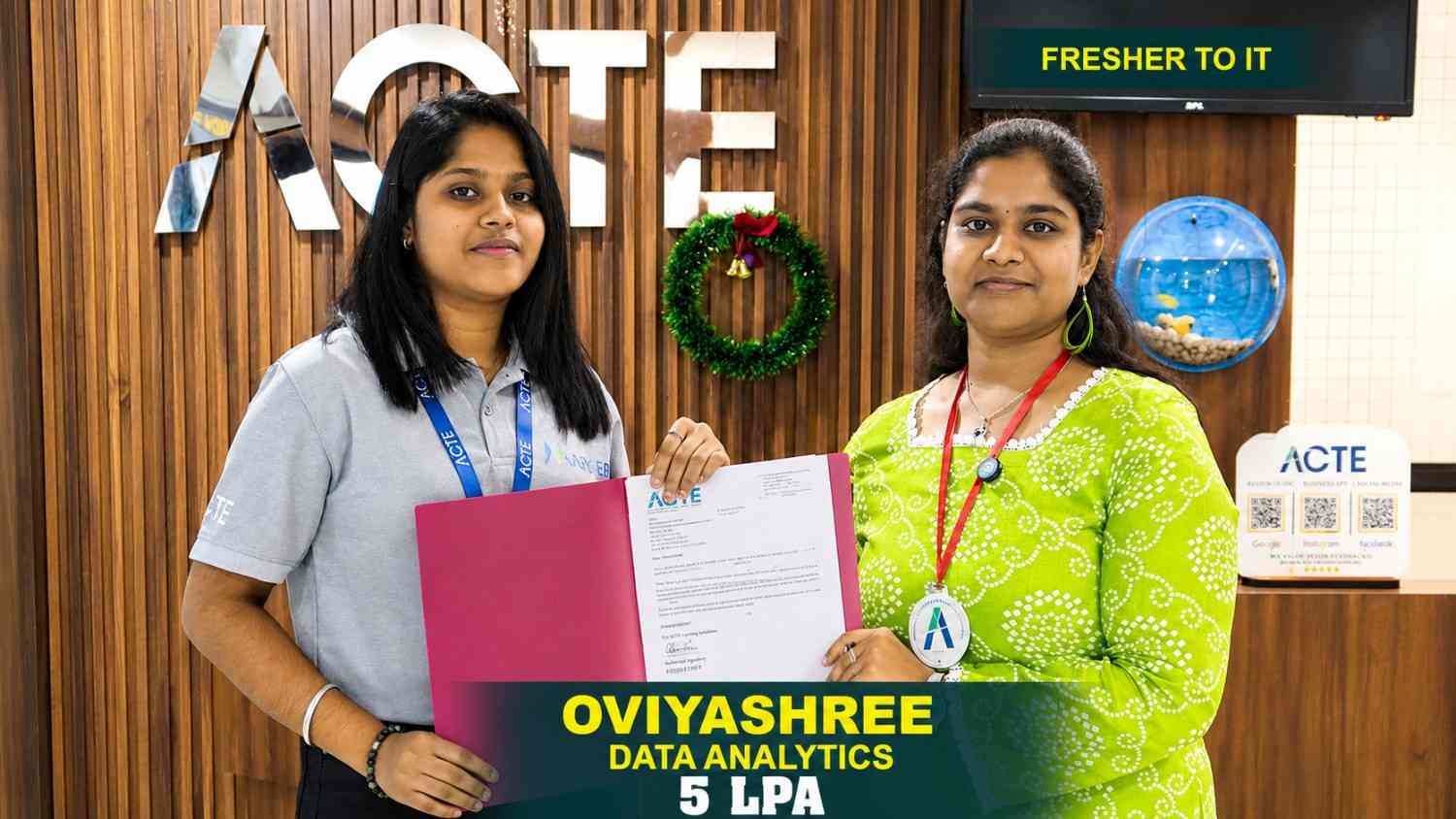
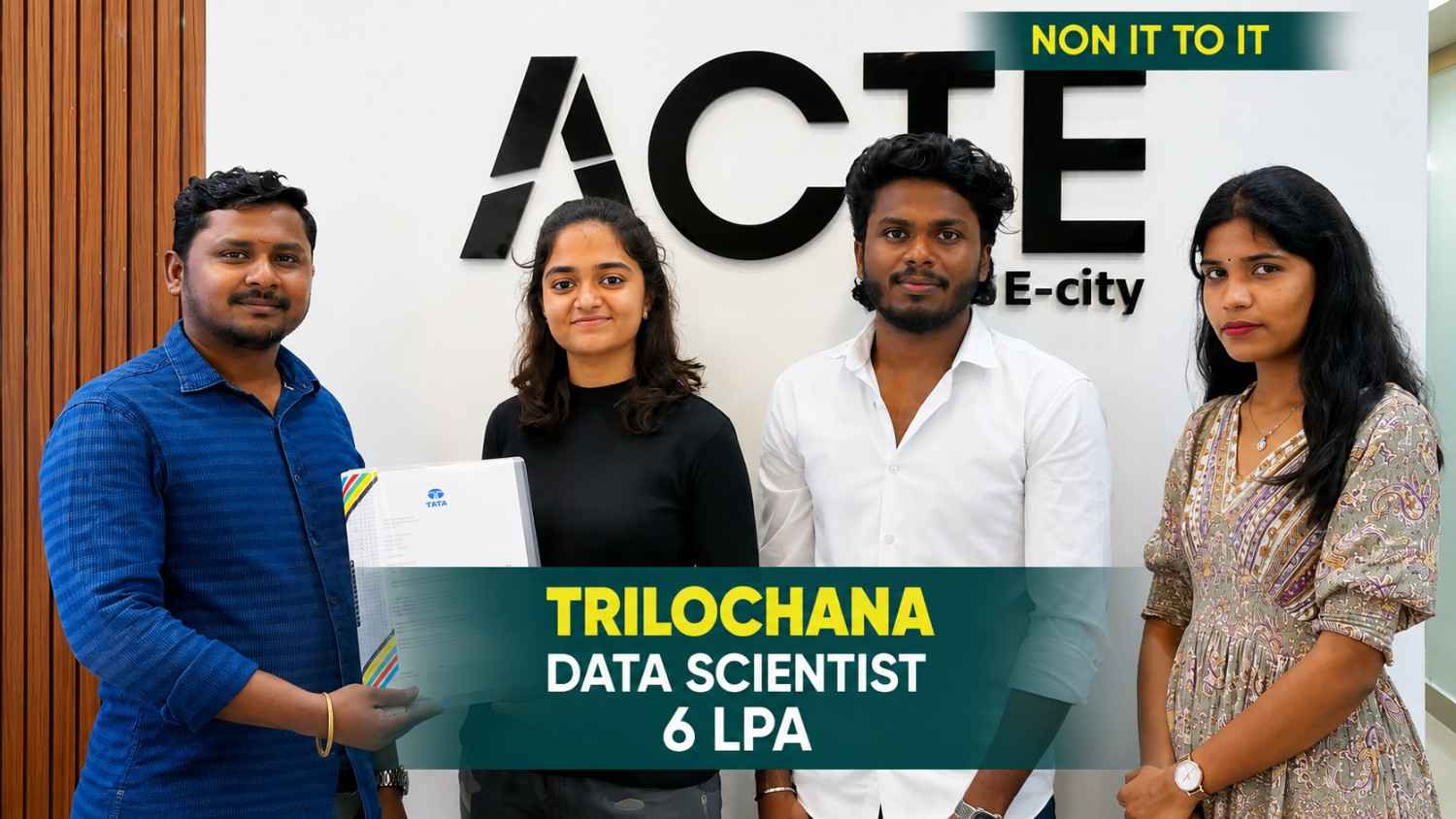
550+ Students Placed Every Month Be The Next!





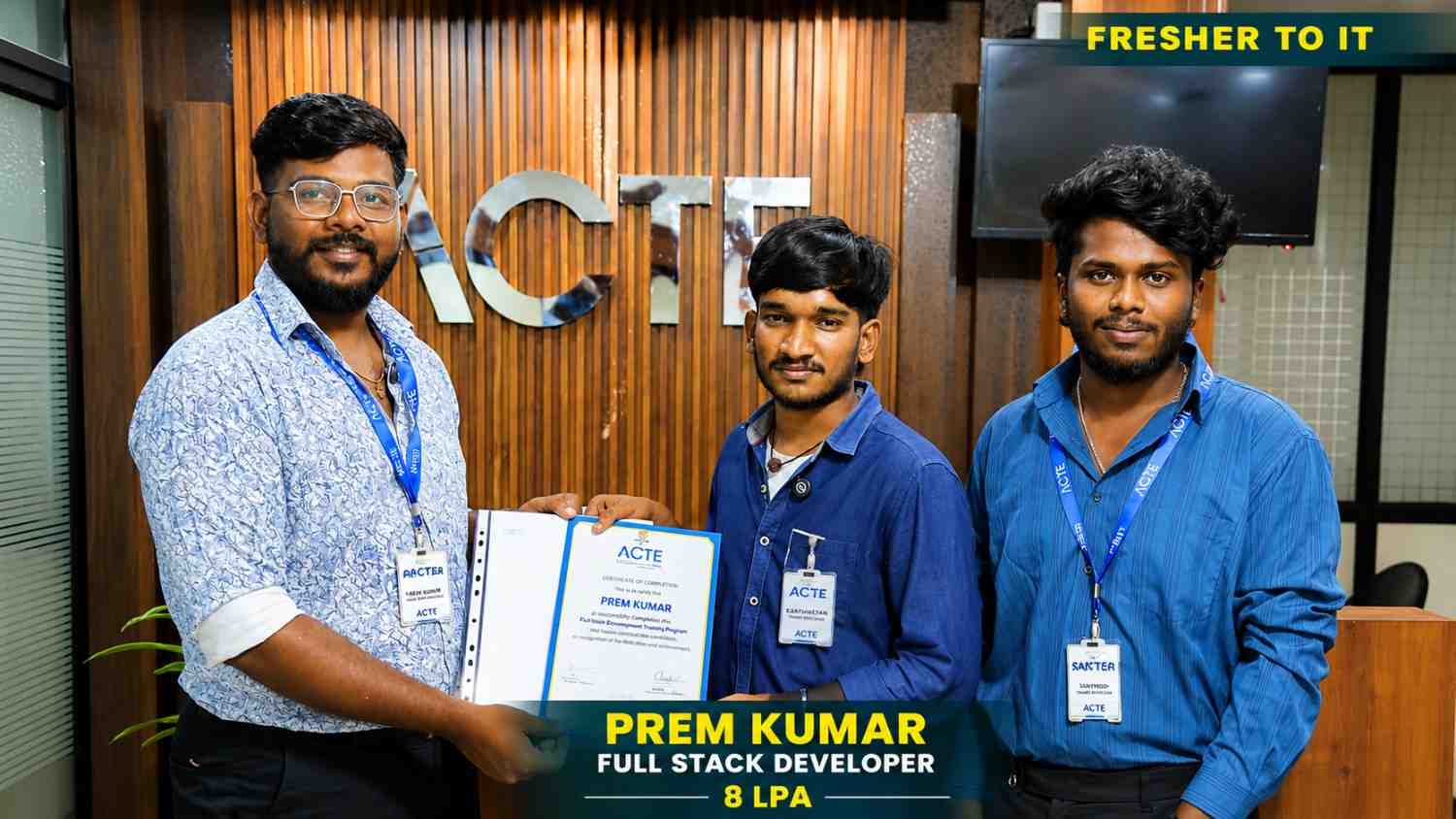
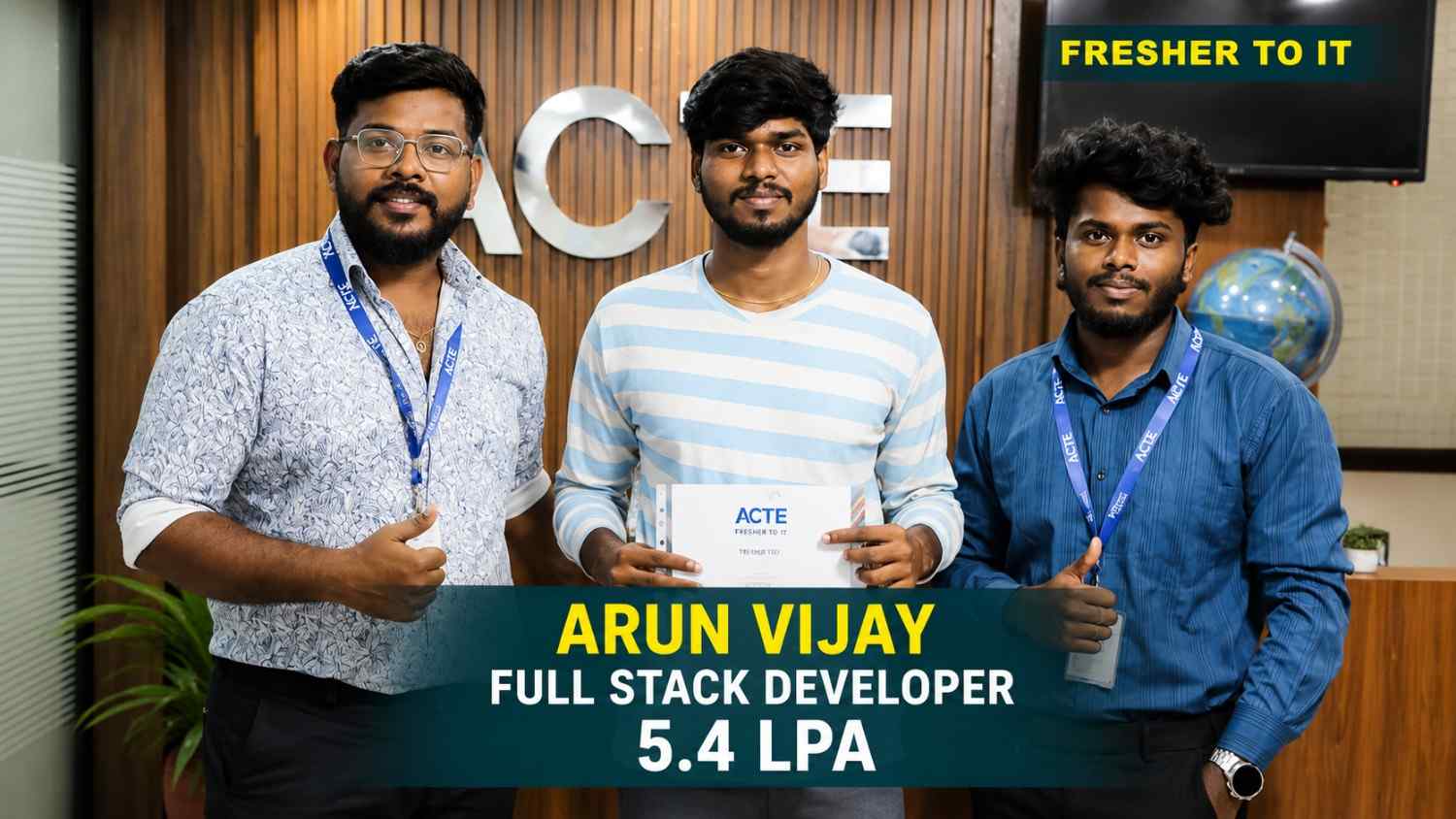
Our Hiring Partners

Curriculam Designed By Experts
Expertly designed curriculum for future-ready professionals.
Industry Oriented Curriculum
An exhaustive curriculum designed by our industry experts which will help you to get placed in your dream IT company
-
30+ Case Studies & Projects
-
9+ Engaging Projects
-
10+ Years Of Experience
Fashion Design Training Projects
Become a Fashion Design Expert With Practical and Engaging Projects.
- Practice essential Tools
- Designed by Industry experts
- Get Real-world Experience
Basic Fashion Sketch Collection
Create a set of basic fashion sketches using standard body proportions and simple poses. Practice tops, skirts, and dresses while learning silhouette.
Fabric Mood Board Creation
Collect fabric samples and create a mood board based on a fashion theme. Learn textures, colors, patterns, and visual storytelling for design inspiration.
Simple Garment Construction
Design and stitch a simple garment such as a skirt or top. Learn pattern cutting, stitching methods, and garment finishing techniques.
Casual Wear Outfit Design
Design a complete casual outfit including top, bottom, and accessories. Focus on color coordination, fabric selection, and fashion detailing.
Pattern Drafting Project
Draft patterns using body measurements and convert them into garments. Practice fitting adjustments and garment construction skills.
Fashion Collection Mini Project
Create a mini collection based on a chosen theme such as summer wear or ethnic fashion with sketches, fabrics, and garments.
Designer Fashion Collection
Design a full fashion collection with multiple garments and accessories. Work on sourcing, trends, and advanced garment development.
Sustainable Fashion Project
Create garments using eco-friendly fabrics, recycled materials, or zero-waste techniques. Promote responsible fashion innovation.
Fashion Brand Portfolio
Develop a professional portfolio with sketches, garment photos, fabric boards, and concepts for jobs or launching your own brand.
Career Support
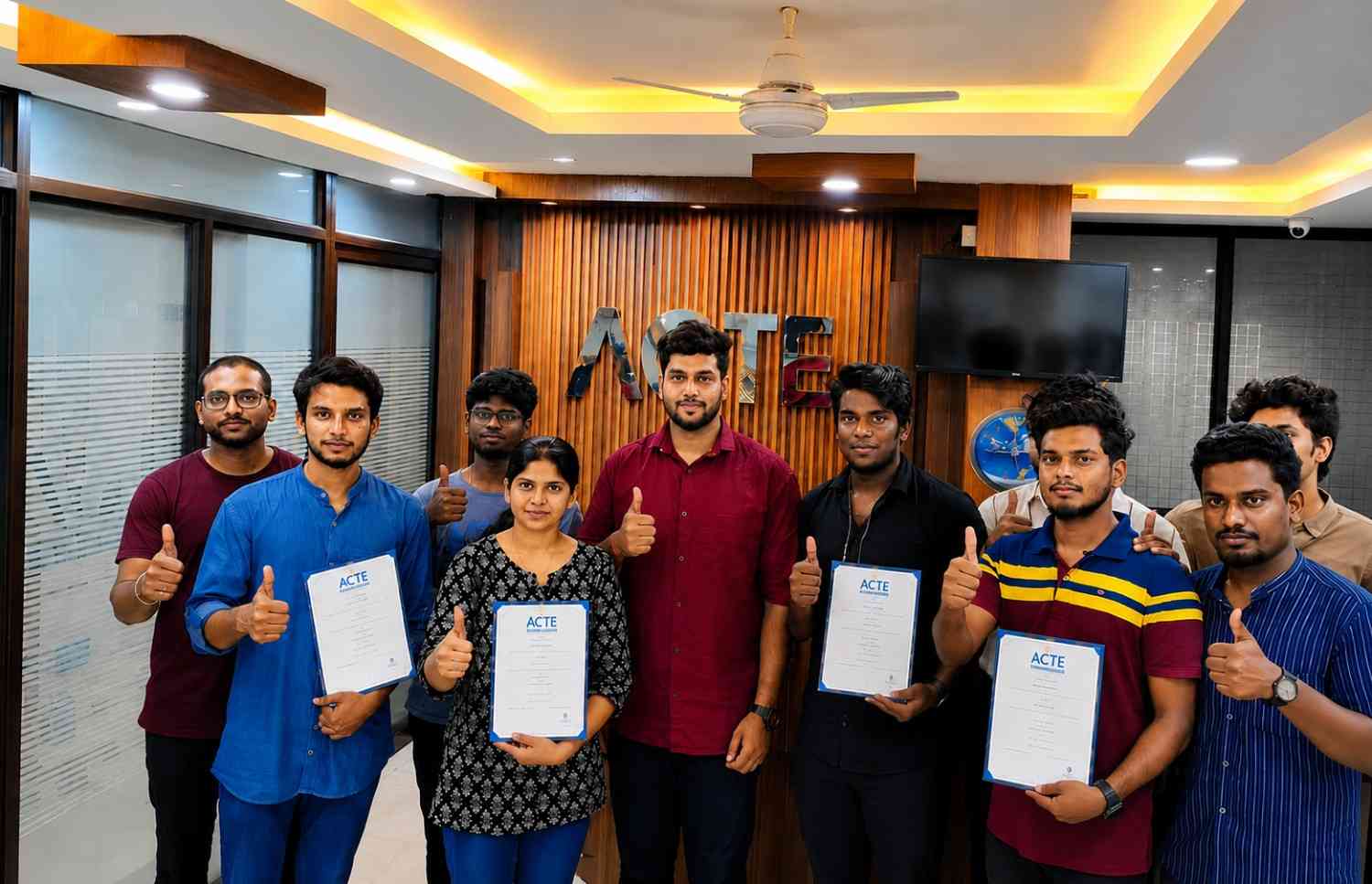

Placement Assistance

Exclusive access to ACTE Job portal

Mock Interview Preparation

1 on 1 Career Mentoring Sessions

Career Oriented Sessions

Resume & LinkedIn Profile Building
Key Features

Practical Training

Global Certifications

Flexible Timing

Trainer Support

Study Material

Placement Support

Mock Interviews

Resume Building
Upcoming Batches
What's included

 Free Aptitude and
Technical Skills Training
Free Aptitude and
Technical Skills Training
- Learn basic maths and logical thinking to solve problems easily.
- Understand simple coding and technical concepts step by step.
- Get ready for exams and interviews with regular practice.

 Hands-On Projects
- Work on real-time projects to apply what you learn.
- Build mini apps and tools daily to enhance your coding skills.
- Gain practical experience just like in real jobs.

 AI Powered Self
Interview Practice Portal
AI Powered Self
Interview Practice Portal
- Practice interview questions with instant AI feedback.
- Improve your answers by speaking and reviewing them.
- Build confidence with real-time mock interview sessions.

 Interview Preparation
For Freshers
Interview Preparation
For Freshers
- Practice company-based interview questions.
- Take online assessment tests to crack interviews
- Practice confidently with real-world interview and project-based questions.

 LMS Online Learning
Platform
LMS Online Learning
Platform
- Explore expert trainer videos and documents to boost your learning.
- Study anytime with on-demand videos and detailed documents.
- Quickly find topics with organized learning materials.
- Learning strategies that are appropriate and tailored to your company's requirements.
- Live projects guided by instructors are a characteristic of the virtual learning environment.
- The curriculum includes of full-day lectures, practical exercises, and case studies.

Fashion Design Overview
Fashion Design Training in Trichy with Potential Career Paths
Fashion Design Course in Trichy offers a wide range of exciting career opportunities for creative individuals who are passionate about clothing and style. After completing Fashion Design Training, professionals can work as Fashion Designers, Textile Designers, Fashion Illustrators, Stylists, and Fashion Merchandisers. Fashion designers create clothing collections, develop new design concepts, and work closely with production teams to bring ideas to life. Some professionals choose careers as fashion stylists who work with celebrities, models, and media productions to create appealing looks. Others specialize in textile design, focusing on creating innovative fabrics and patterns for garments. Opportunities also exist in fashion retail, where professionals manage product displays, marketing, and brand promotion. Many designers work in export houses, fashion boutiques, or apparel manufacturing companies. With experience, professionals can move into roles such as Fashion Consultant, Creative Director, or Fashion Brand Manager. Some graduates also start their own clothing labels or online fashion businesses. The fashion industry is global, offering opportunities to work with international brands and designers
Requirements for a Fashion Design Course in Trichy
- Basic Drawing and Creativity : Creativity and basic drawing skills are important for sketching ideas, visualizing garment styles, and presenting concepts through fashion illustrations.
- Interest in Fashion Trends : A strong interest in fashion, style, and current trends helps learners understand market demands, seasonal styles, and consumer preferences.
- Knowledge of Fabrics and Textiles : Understanding fabrics such as cotton, silk, linen, and synthetic materials helps in selecting the right fabric for garment designs.
- Basic Sewing and Garment Construction Skills : Learning sewing techniques, stitching, pattern making, and finishing methods helps convert sketches into real garments.
- Patience and Attention to Detail : Careful observation of measurements, stitching quality, and fabric alignment ensures professional-quality fashion results.
- Willingness to Practice and Experiment : Regular practice and experimenting with styles, fabrics, and techniques help students develop creativity and improve skills.
Enrolling in a Fashion Design Course in Trichy
Enrolling in a Fashion Design Training in Trichy is an excellent choice for individuals who have a passion for creativity, style, and garment creation. The course provides structured training in fashion illustration, textile knowledge, pattern making, and garment construction. Students learn how to transform creative ideas into practical clothing designs through hands-on practice and projects. Fashion Design Training also helps learners understand fashion trends, color theory, and fabric selection, which are essential in the fashion industry. The program enhances artistic abilities while developing technical skills required for professional garment production. It also introduces students to fashion marketing, merchandising, and branding strategies. With the growth of online fashion businesses and global clothing brands, the demand for skilled fashion designers is increasing. Completing a fashion design course opens opportunities to work with fashion houses, retail brands, export companies, and design studios. Some students also start their own clothing labels or boutique businesses.
Techniques and Trends in Fashion Design Placement in Trichy with Development
- Digital Fashion Design : Modern designers use digital tools and software to create illustrations, experiment with colors, textures, and patterns, and present ideas professionally.
- Sustainable Fashion Practices : Designers focus on eco-friendly fabrics, recycled materials, and ethical production methods to reduce environmental impact.
- 3D Fashion Visualization : 3D technology helps designers visualize garments on virtual models, improving fit accuracy and reducing production costs.
- Custom and Personalized Fashion : Consumers prefer personalized clothing, so designers use custom tailoring and made-to-order production to meet individual style needs.
- Smart Textiles and Innovation : Advanced fabrics with features like temperature control and wearable technology are shaping futuristic fashion designs.
- Global Fashion Trend Forecasting : Designers study worldwide trends to predict future styles, colors, and collections that match market demand.It is an important process used by fashion brands worldwide.
The Most Recent Fashion Design Placement in Trichy with Tools
Modern Fashion Design Placement in Trichy relies on a combination of traditional tools and advanced digital technologies. Designers commonly use sketchbooks, pencils, markers, and fashion templates to create initial design concepts. Pattern-making tools such as measuring tapes, rulers, and pattern papers help in drafting garment structures accurately. Sewing machines and specialized stitching tools are essential for constructing garments and prototypes. In recent years, computer-aided design (CAD) software has become widely used in the fashion industry. Tools like digital illustration software allow designers to create detailed fashion sketches and experiment with colors and textures quickly. Pattern design software helps designers develop and modify patterns with precision. 3D fashion design tools enable virtual garment simulations before production begins. Textile design software assists in creating unique fabric prints and patterns. Designers also use digital mood boards and online trend forecasting platforms to gather inspiration and track global fashion trends. Photography and editing tools are used to document fashion collections and create professional portfolios. These modern tools help designers work more efficiently and present their ideas effectively.
Career Opportunities After Fashion Design Training
Fashion Designer
Create clothing styles, accessories, and collections based on trends. Work with fabrics, sketches, and production teams to develop garments.
Fashion Stylist
Select outfits and accessories for models, celebrities, brands, and events. Build attractive looks for shoots, shows, and campaigns.
Textile Designer
Design fabric patterns, prints, and textures using creative and digital methods. Work with fashion brands and manufacturers.
Fashion Merchandiser
Manage product display, promotion, and sales strategies. Analyze market trends and customer demand for retail success.
Pattern Maker
Convert fashion sketches into accurate garment patterns. Ensure fitting, comfort, and production-ready measurements.
Fashion Illustrator
Create visual clothing designs through hand drawing or digital illustration. Support portfolios, presentations, and branding concepts.