
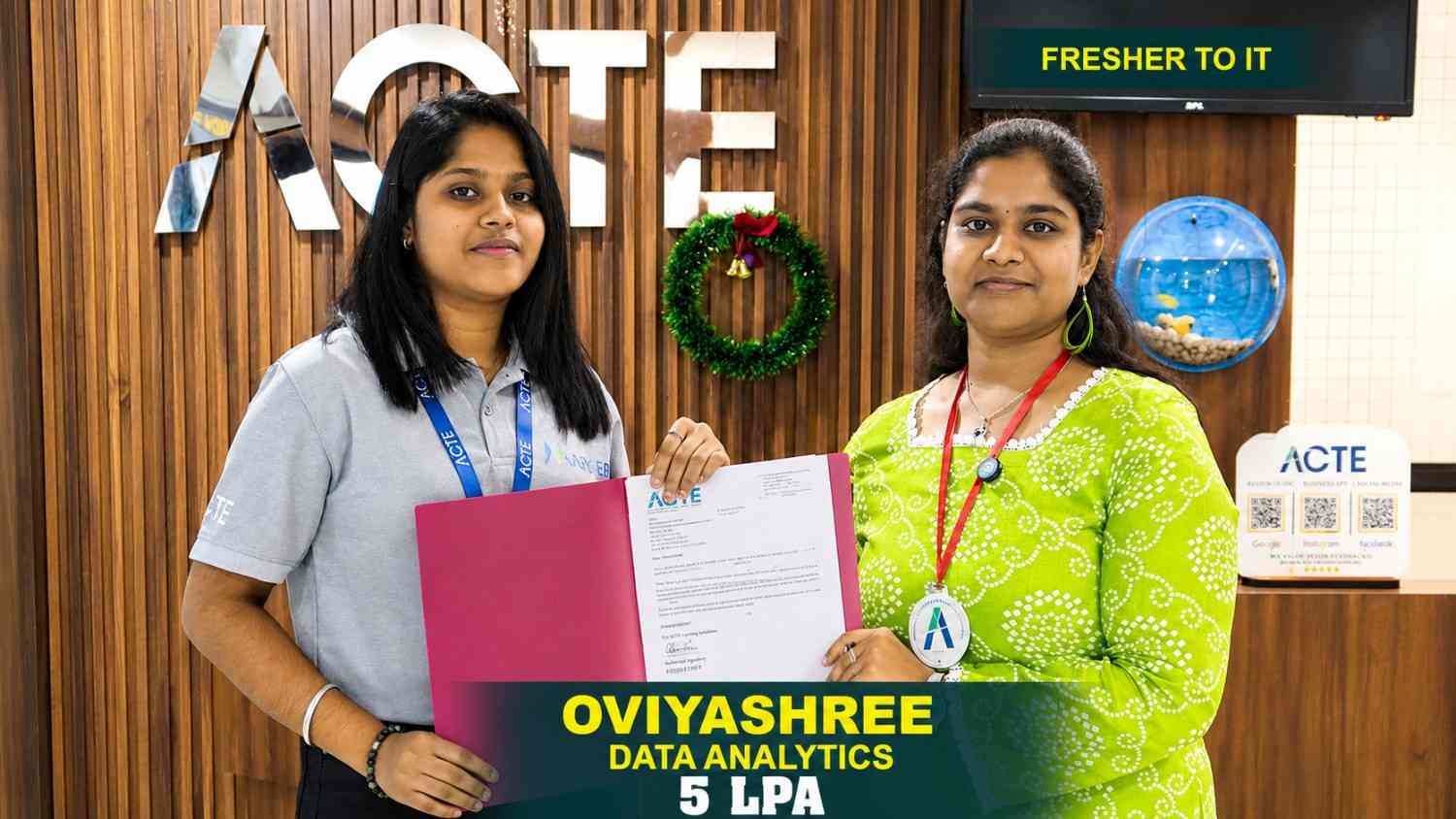
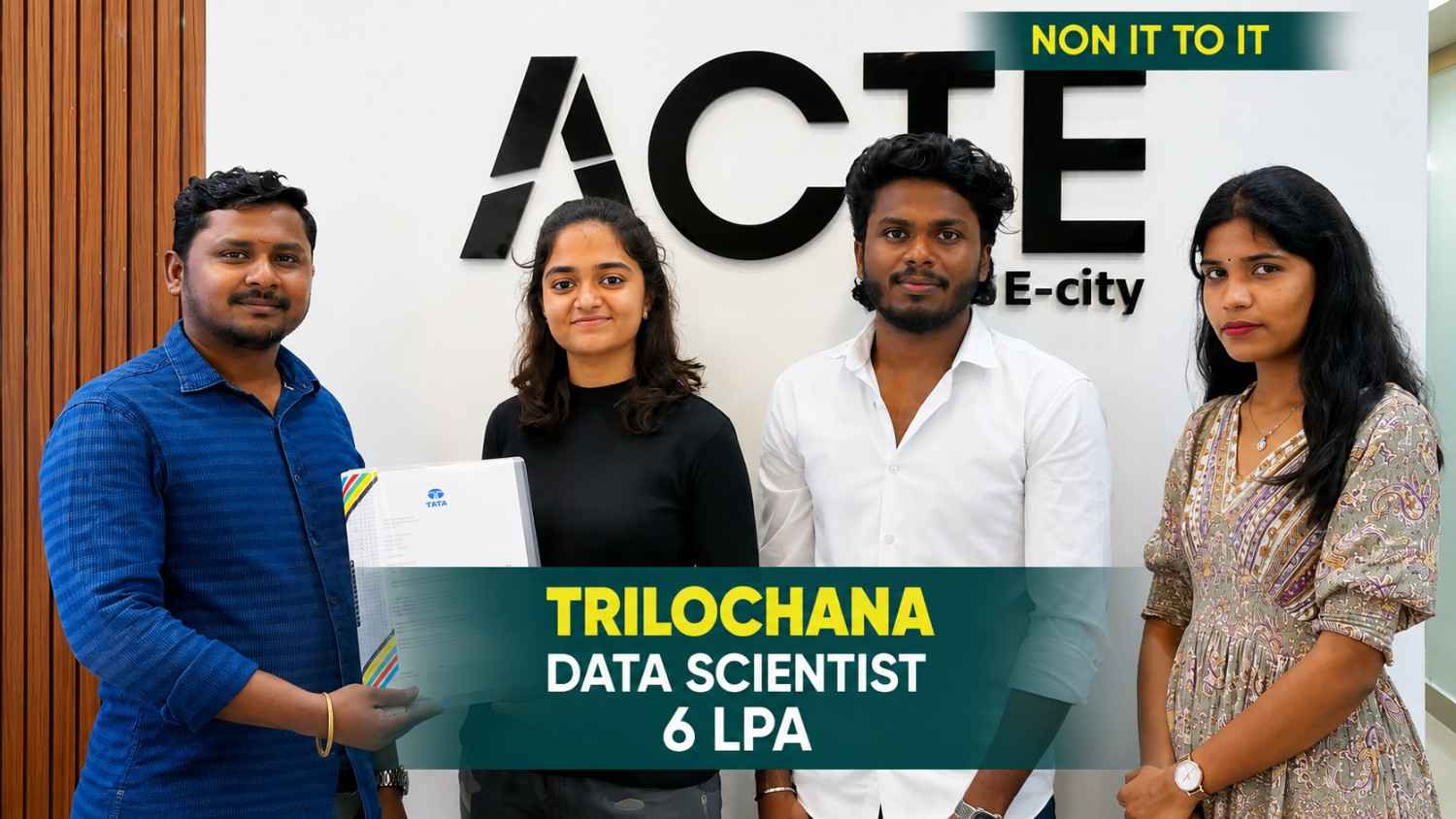
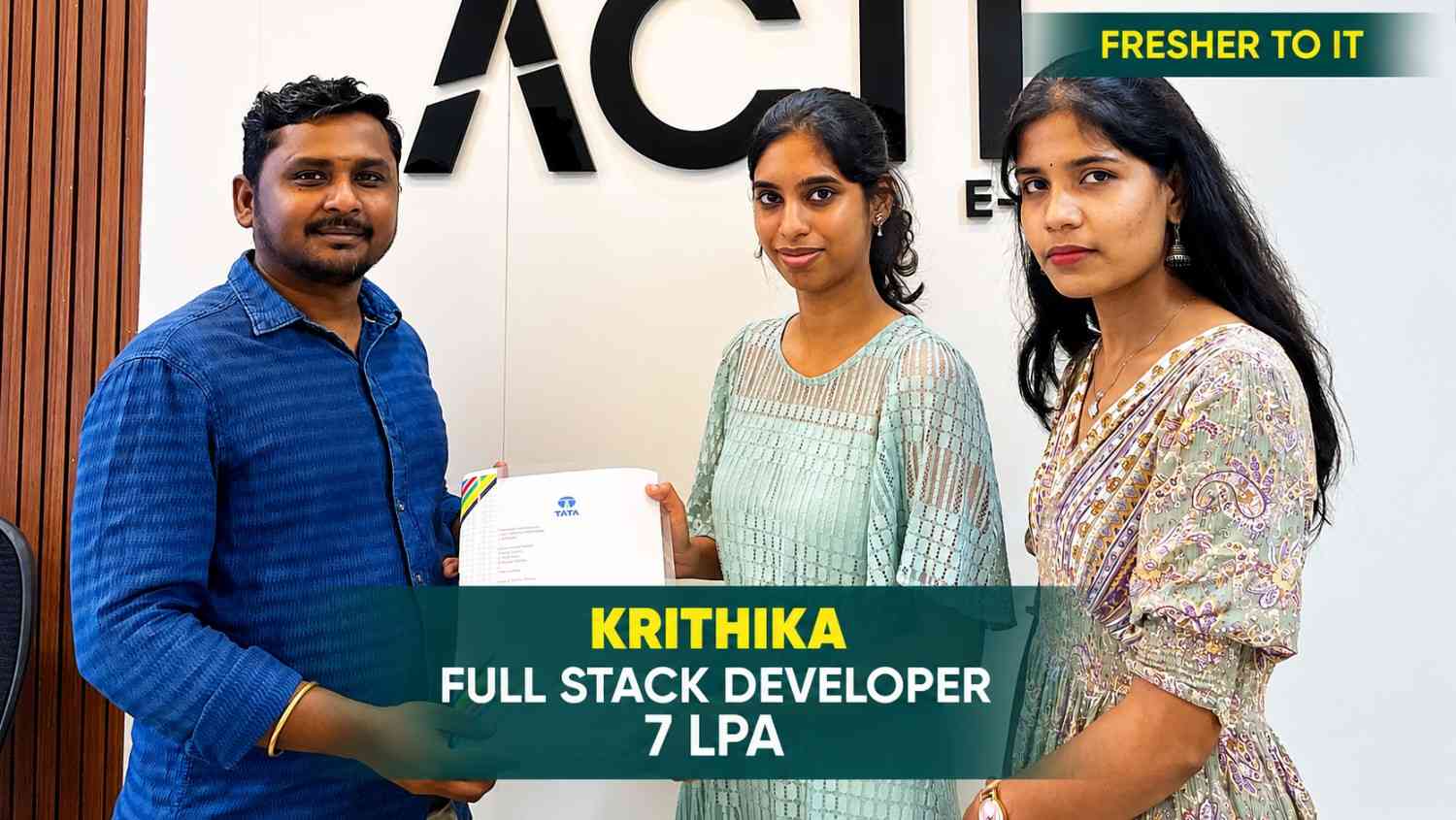
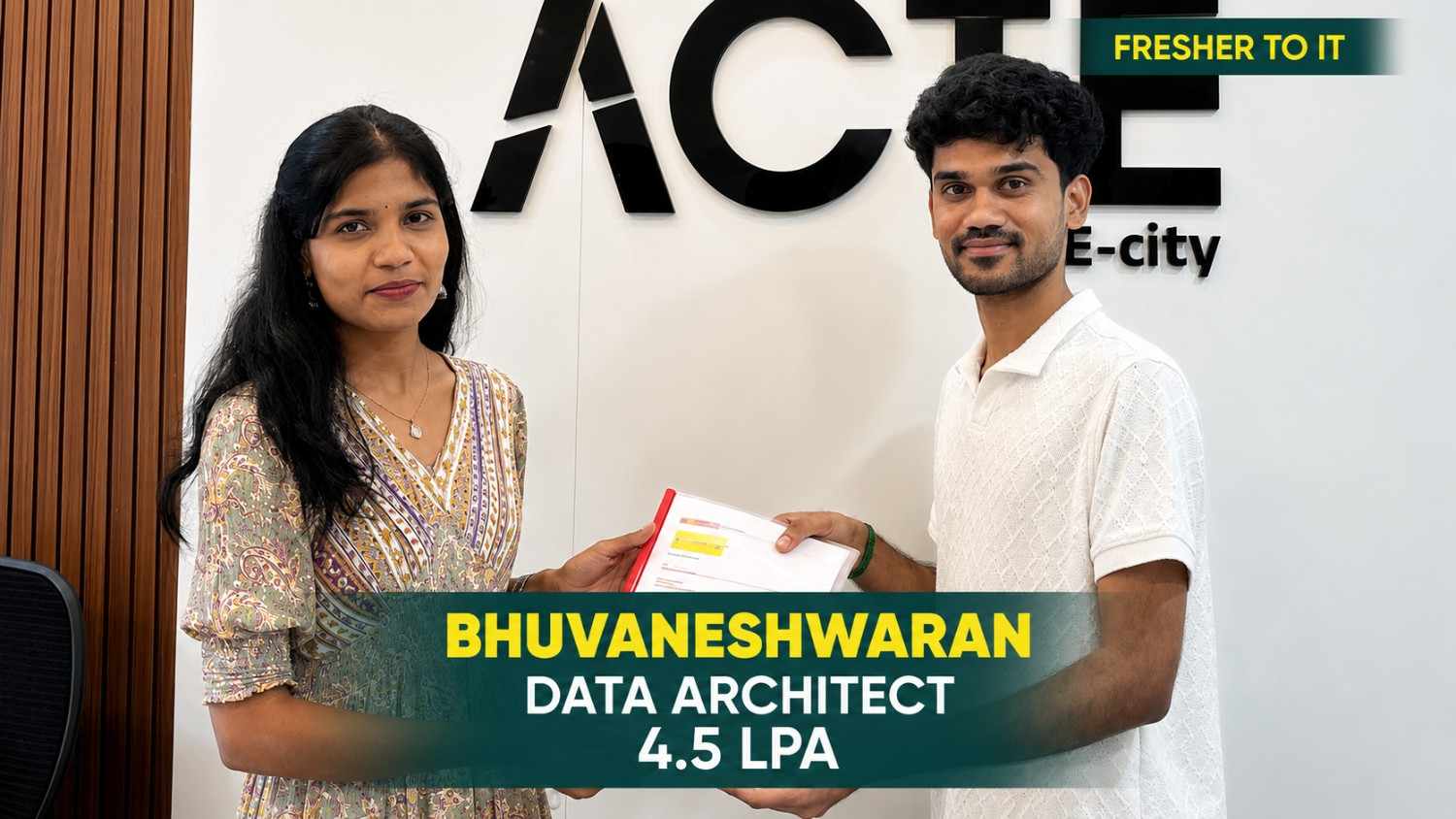
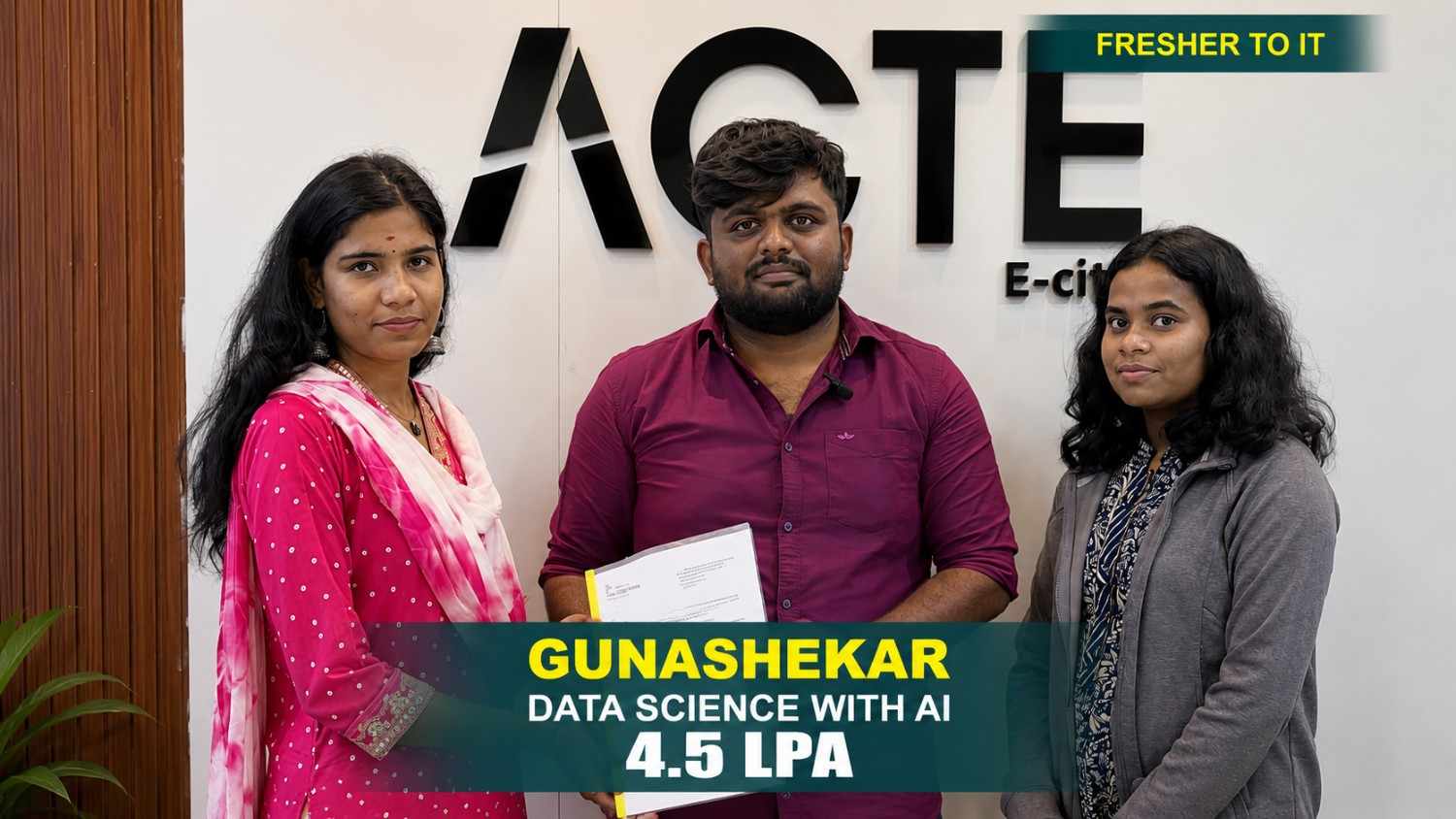
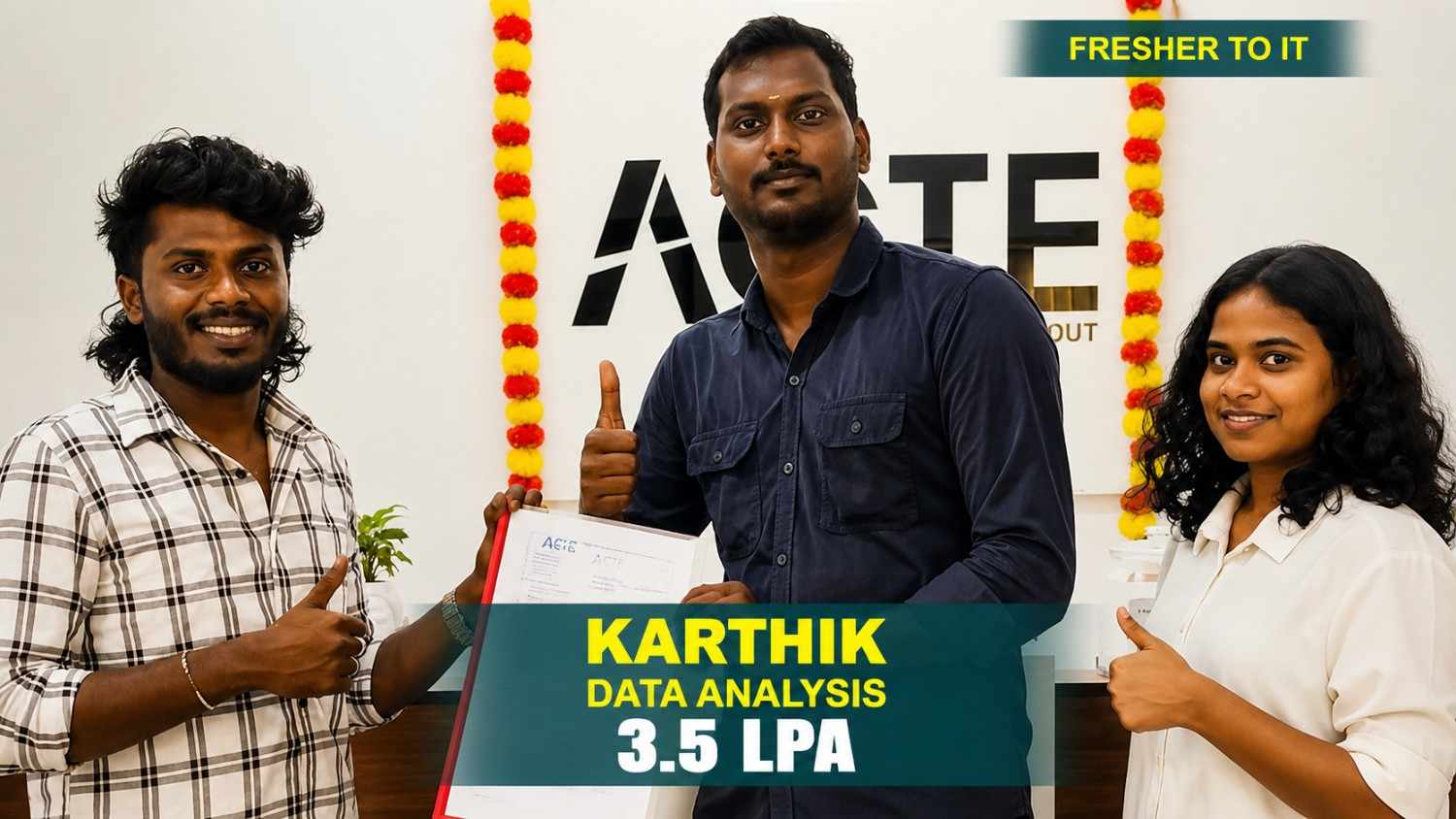
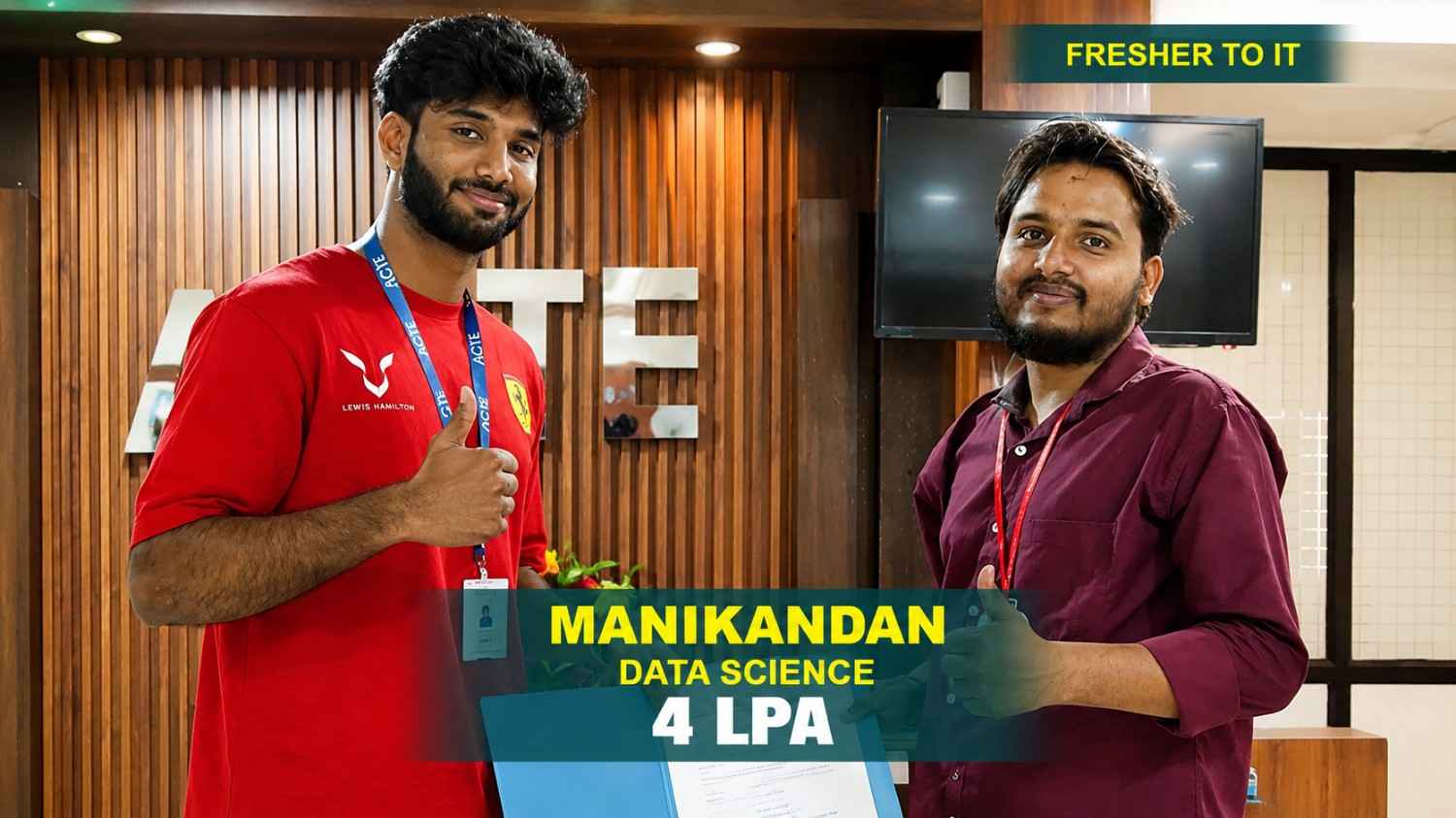
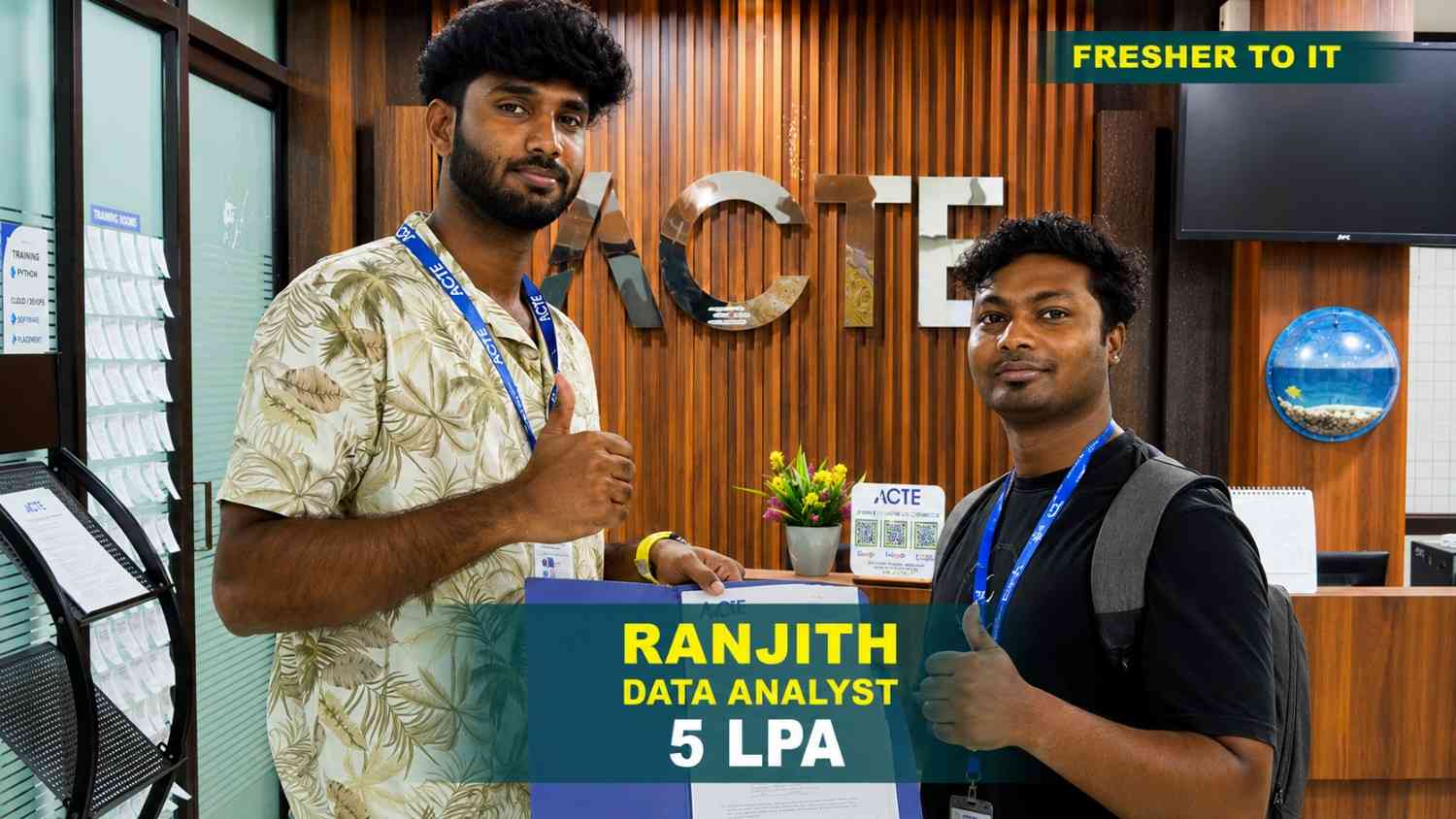
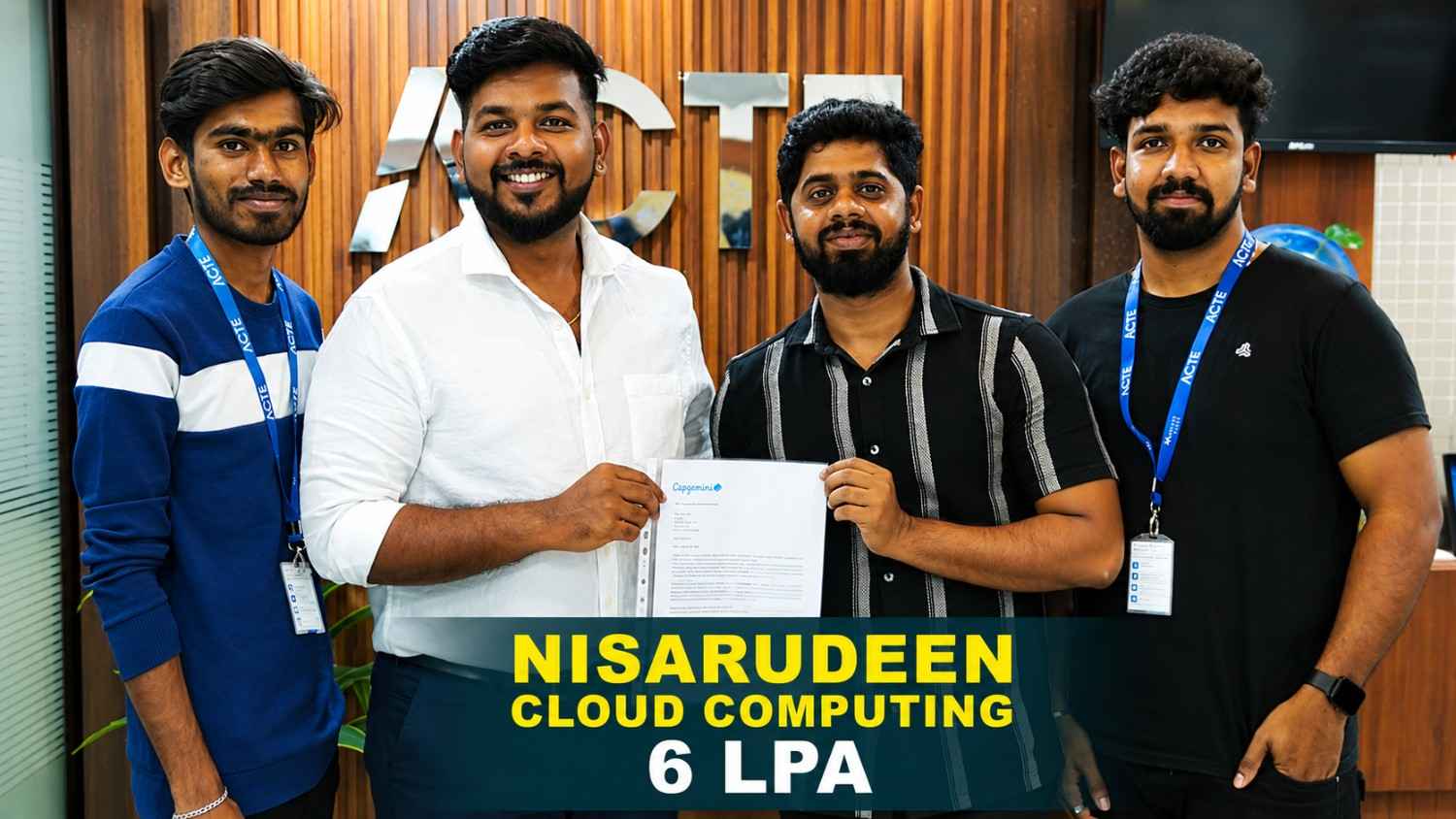
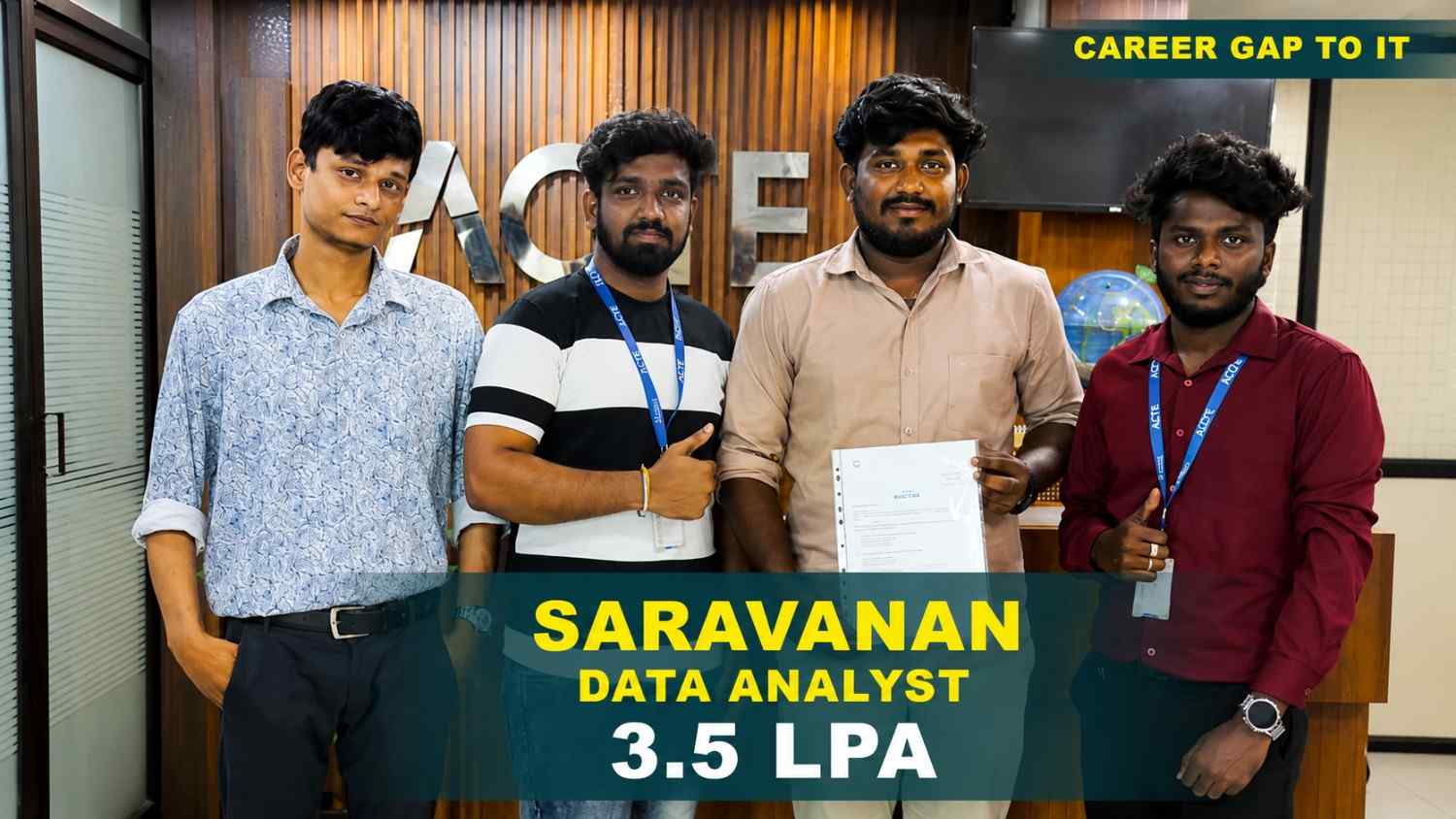
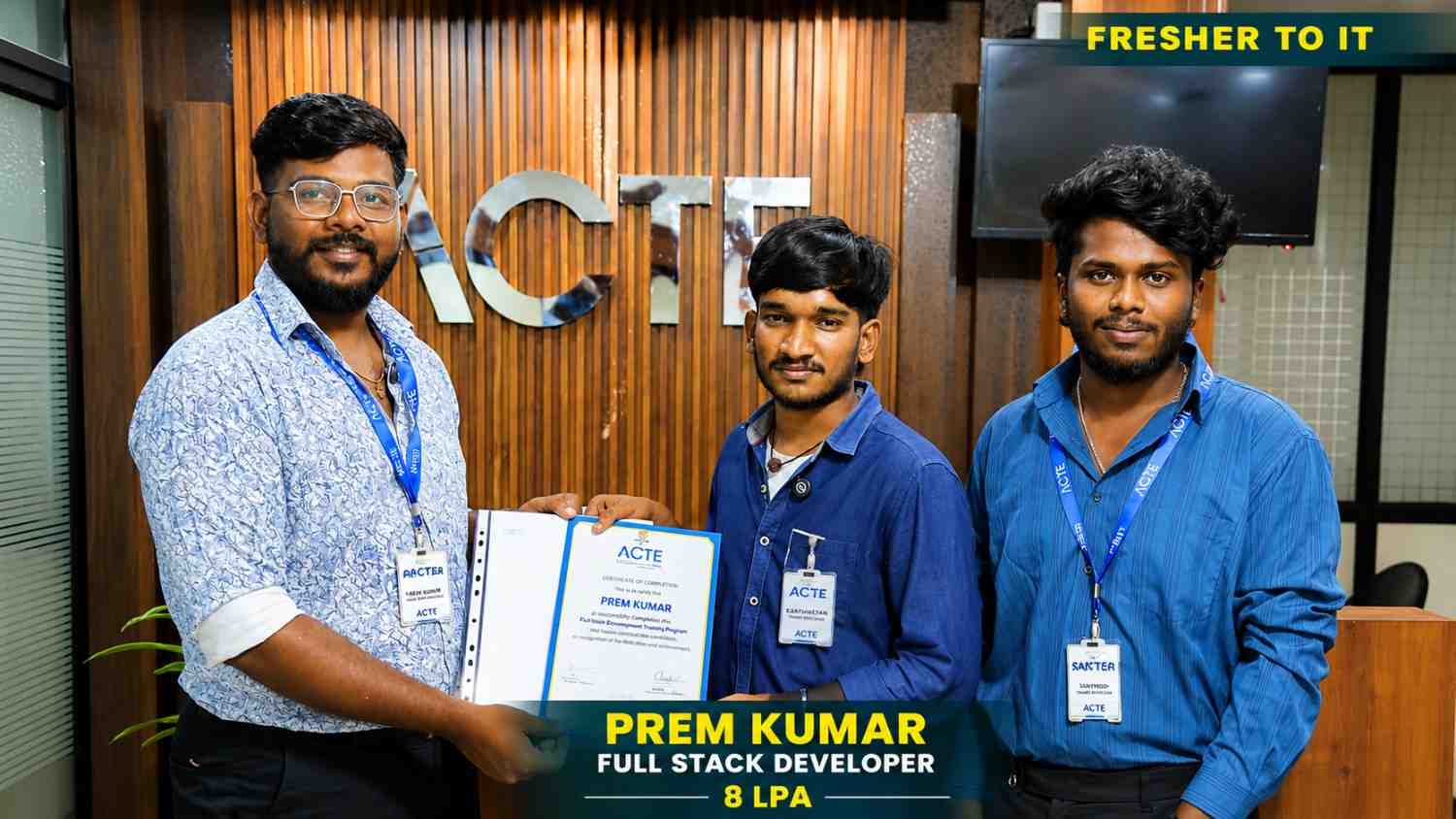
550+ Students Placed Every Month Be The Next!


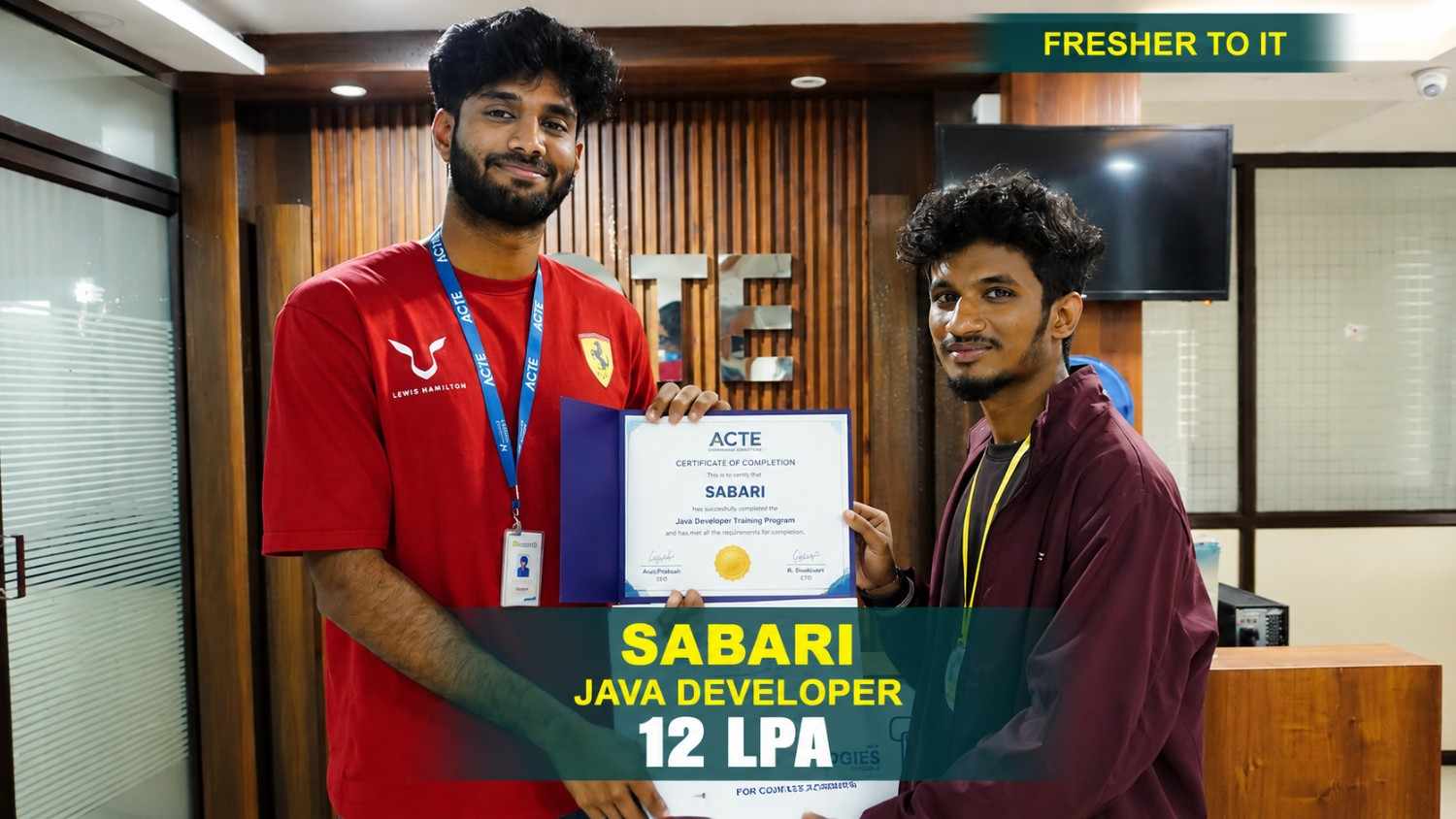
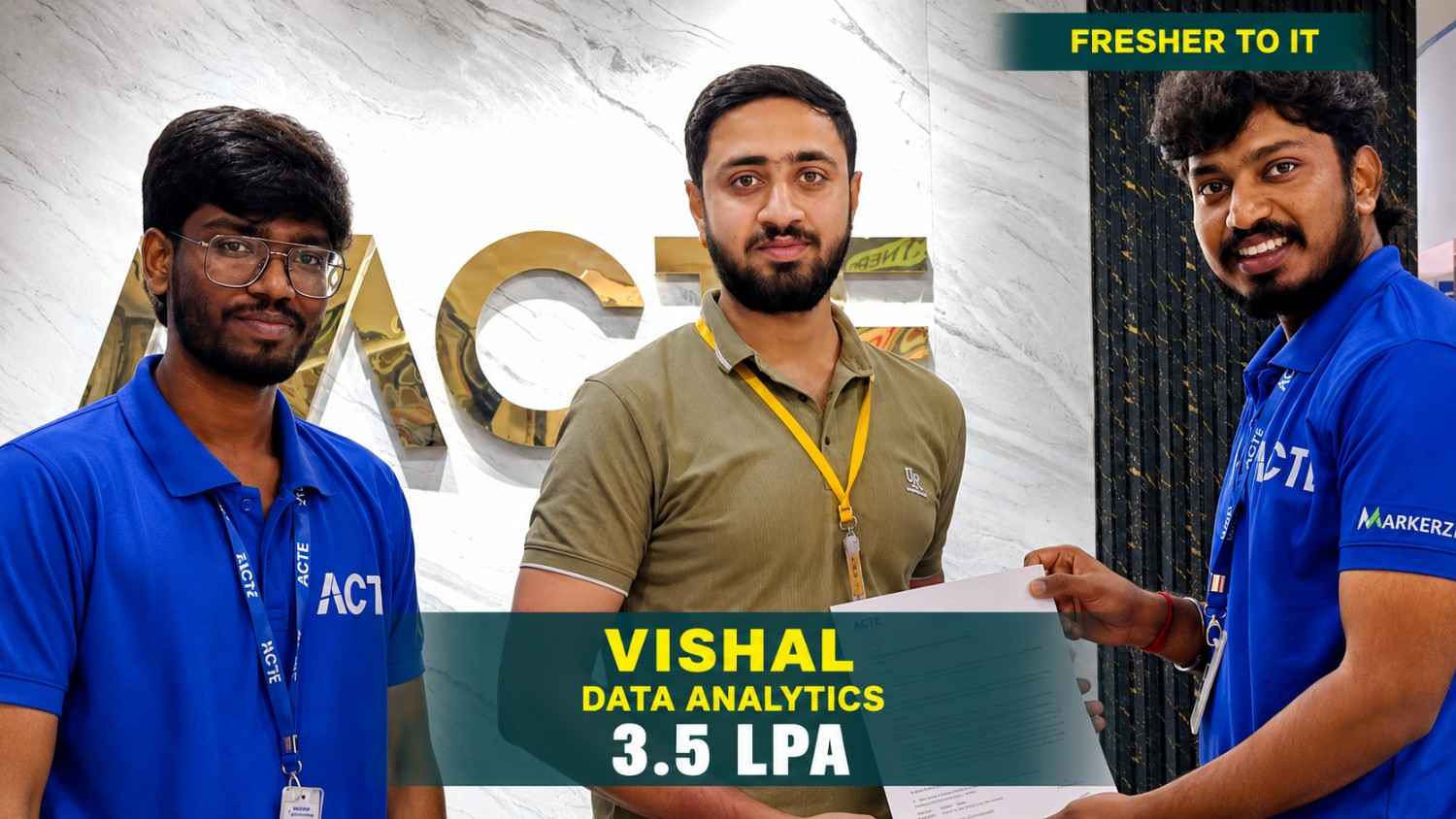
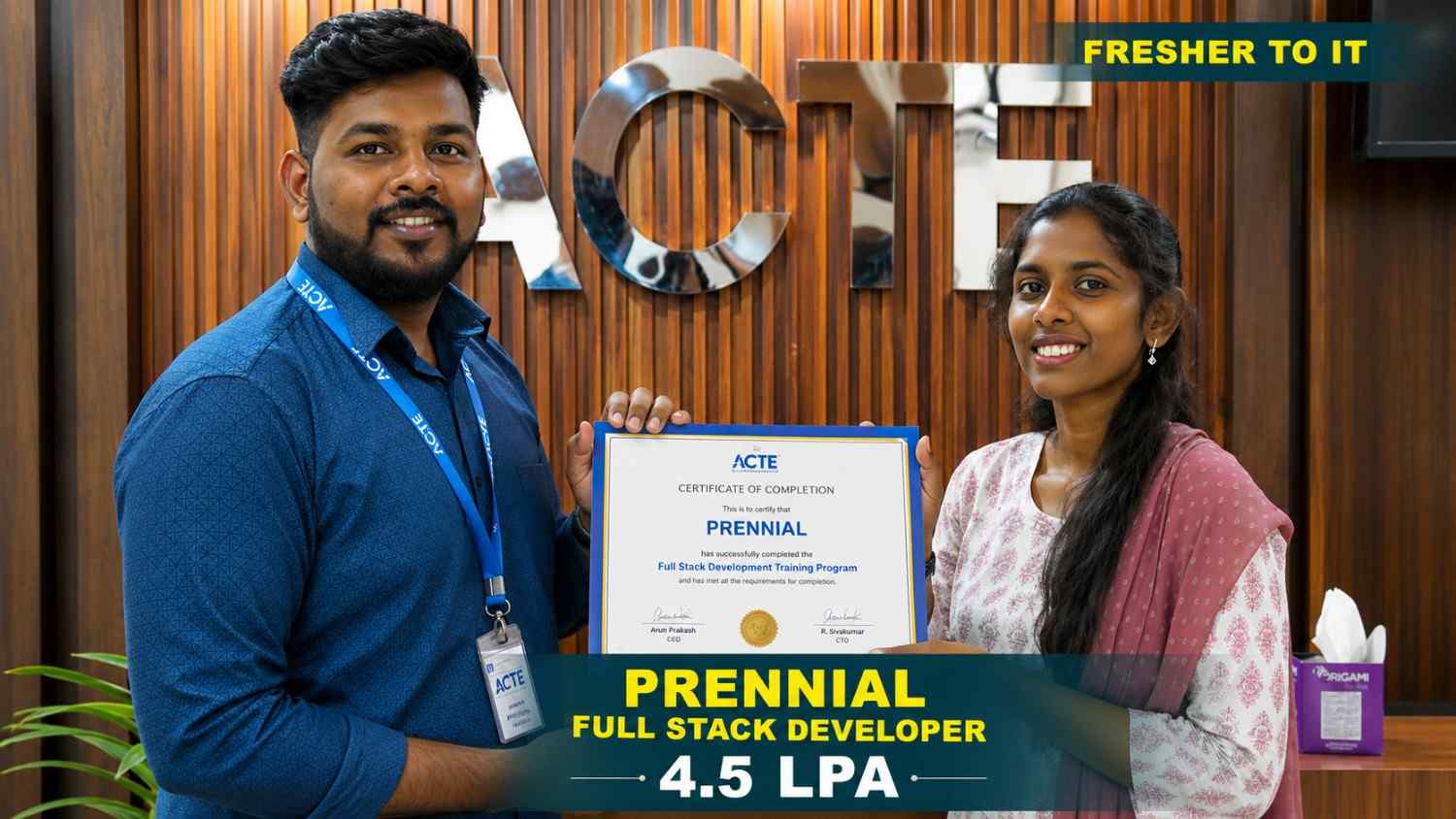
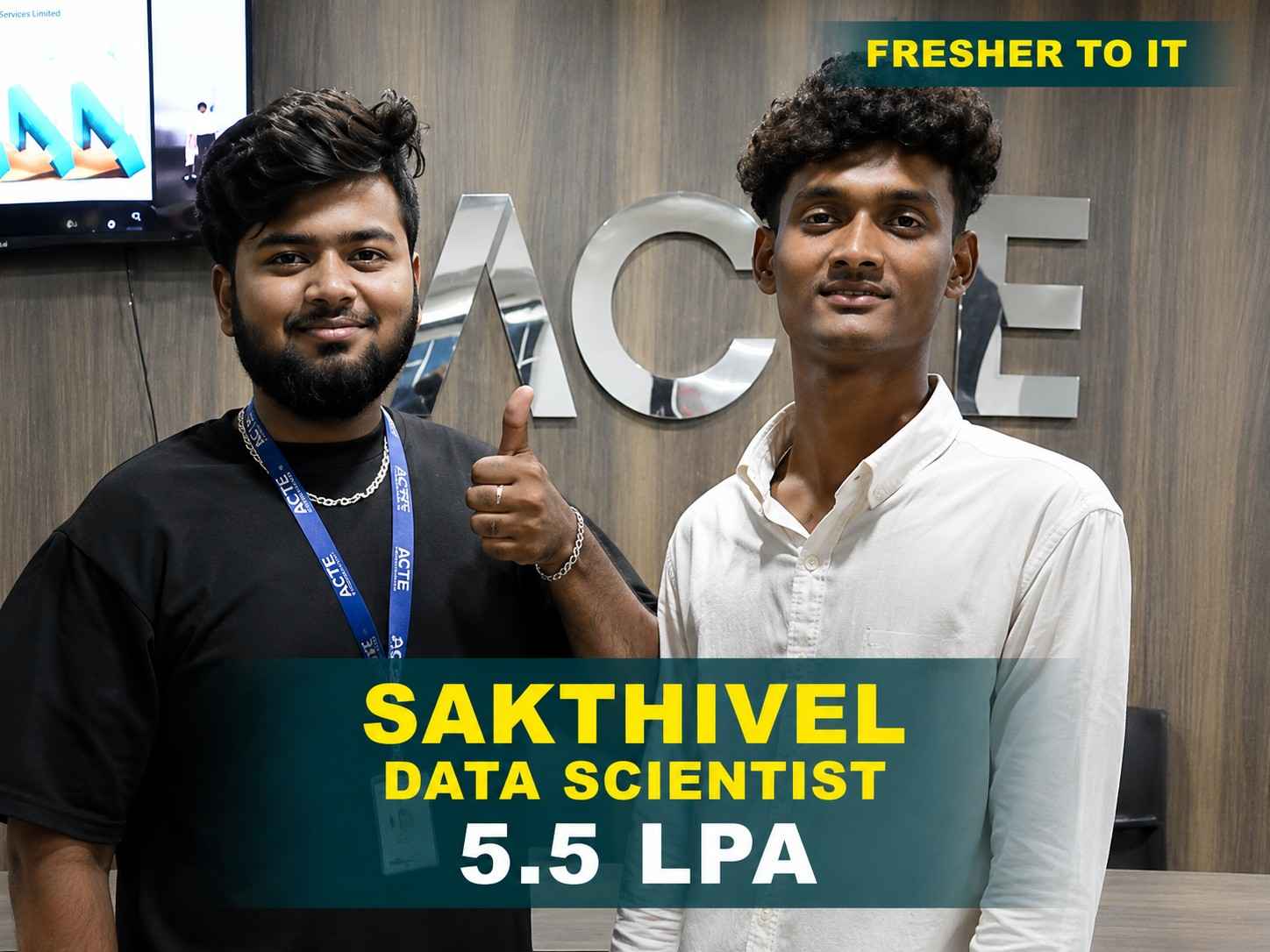



Our Hiring Partners

Curriculam Designed By Experts
Expertly designed curriculum for future-ready professionals.
Industry Oriented Curriculum
An exhaustive curriculum designed by our industry experts which will help you to get placed in your dream IT company
-
30+ Case Studies & Projects
-
9+ Engaging Projects
-
10+ Years Of Experience
Data Science with Python Training Projects
Become a Data Science with Python Expert With Practical and Engaging Projects.
- Practice essential Tools
- Designed by Industry experts
- Get Real-world Experience
Basic Network Scanning Tool
In this project, learners develop a simple network scanning tool using Python to identify active devices connected to a network. It helps beginners understand how IP scanning works and how security professionals detect connected hosts
Password Strength Checker
Students create a Python-based password strength checker that evaluates password complexity using rules such as length, special characters, and number combinations. This project introduces authentication security
Simple Port Scanner
This project focuses on building a basic port scanner that checks open and closed ports on a system. It helps learners understand how attackers and security professionals identify open services and potential vulnerabilities in a network.
Vulnerability Scanner Tool
Learners build a vulnerability scanner that scans websites or systems for common security weaknesses such as outdated software or exposed services. This helps understand how ethical hackers identify security gaps in systems.
Packet Sniffer using Python
Students develop a packet sniffer that captures and analyzes network packets traveling through a network. This project helps learners understand network traffic monitoring and detecting suspicious activities.
SQL Injection Testing Tool
This project involves creating a testing tool that checks websites for SQL injection vulnerabilities. It teaches learners how attackers exploit database queries and how security professionals identify such security risks.
Web Application Penetration Testing Framework
This advanced project involves building a small framework that performs automated testing on web applications to detect vulnerabilities like XSS, SQL injection, and weak authentication.
Network Intrusion Detection System (IDS)
Learners design a system that monitors network traffic and detects suspicious patterns that may indicate cyber attacks. This project introduces real-time security monitoring techniques.
Malware Analysis Sandbox
Students create a controlled sandbox environment to analyze suspicious files and understand malware behavior without harming real systems. This helps learners study malicious software safely.
Career Support


Placement Assistance

Exclusive access to ACTE Job portal

Mock Interview Preparation

1 on 1 Career Mentoring Sessions

Career Oriented Sessions

Resume & LinkedIn Profile Building
Key Features

Practical Training

Global Certifications

Flexible Timing

Trainer Support

Study Material

Placement Support

Mock Interviews

Resume Building
Upcoming Batches
What's included

 Free Aptitude and
Technical Skills Training
Free Aptitude and
Technical Skills Training
- Learn basic maths and logical thinking to solve problems easily.
- Understand simple coding and technical concepts step by step.
- Get ready for exams and interviews with regular practice.

 Hands-On Projects
- Work on real-time projects to apply what you learn.
- Build mini apps and tools daily to enhance your coding skills.
- Gain practical experience just like in real jobs.

 AI Powered Self
Interview Practice Portal
AI Powered Self
Interview Practice Portal
- Practice interview questions with instant AI feedback.
- Improve your answers by speaking and reviewing them.
- Build confidence with real-time mock interview sessions.

 Interview Preparation
For Freshers
Interview Preparation
For Freshers
- Practice company-based interview questions.
- Take online assessment tests to crack interviews
- Practice confidently with real-world interview and project-based questions.

 LMS Online Learning
Platform
LMS Online Learning
Platform
- Explore expert trainer videos and documents to boost your learning.
- Study anytime with on-demand videos and detailed documents.
- Quickly find topics with organized learning materials.
- Learning strategies that are appropriate and tailored to your company's requirements.
- Live projects guided by instructors are a characteristic of the virtual learning environment.
- The curriculum includes of full-day lectures, practical exercises, and case studies.

Data Science with Python Overview
Data Science with Python Course in Trichy with Potential Career Paths
Data Science with Python Training in Trichy offers a wide range of career opportunities for professionals interested in working with data and advanced technologies. A Data Science programmer can work as a Data Analyst, Machine Learning Engineer, Business Intelligence Developer, or AI Specialist across industries such as healthcare, finance, retail, and technology. These professionals are responsible for analyzing large datasets, building predictive models, and generating insights that support business decisions. Many organizations depend on data scientists to improve operational efficiency and develop data-driven strategies. With the growing importance of big data and artificial intelligence, the demand for skilled data science professionals continues to increase. Companies are investing heavily in analytics teams to stay competitive in the digital era. As a result, data science has become one of the most promising and high-paying career fields in the technology industry.
The Requirements for Data Science with Python Certification in Trichy
- Basic Programming Knowledge: Understanding programming languages such as Python or R. Programming knowledge helps in writing scripts for data analysis and automation tasks. It also allows data scientists to build models and process large datasets efficiently.
- Mathematics and Statistics Fundamentals: Understanding basic mathematics, probability, and statistical concepts is important in data science. These concepts help in analyzing patterns, relationships, and trends within data. They also support accurate predictions and model development.
- Data Analysis Skills: Ability to analyze and interpret data using analytical methods. Data analysis skills help in identifying patterns and meaningful insights from datasets. These insights support organizations in making informed business decisions.
- Database Knowledge: Familiarity with SQL and database management systems. Database knowledge helps professionals store, retrieve, and manage structured data effectively. It also supports working with large datasets stored in organizational databases.
- Problem-Solving Ability: Skills to analyze business problems and create data-driven solutions. Problem-solving helps data scientists understand challenges and find practical solutions using data. This skill is important for improving business performance and decision-making.
Reasons to Consider Enrolling in Data Science with Python Course in Trichy
Enrolling in a Data Science with Python Course in Trichy provides individuals with the ability to analyze complex datasets and extract valuable insights for business growth. The course equips learners with skills in programming, statistics, machine learning, and data visualization. Data science with Python Certification in Trichy is widely used in industries such as finance, healthcare, marketing, and e-commerce to improve decision-making. With the rapid growth of digital technologies, organizations are constantly generating large volumes of data that require skilled professionals to manage and analyze it. Learning data science enhances analytical thinking and problem-solving abilities, which are valuable in many job roles. It also offers opportunities to work on real-world projects and advanced technologies such as artificial intelligence. As the demand for data professionals continues to grow, data science training can help individuals build a stable and rewarding career.
Techniques and Trends in Data Science with Python Placement in Trichy
- Machine Learning Algorithms: Used to build predictive models and automated decision systems. These algorithms help systems learn patterns from historical data. They are widely used for predictions, recommendations, and intelligent automation.
- Big Data Analytics: Processing and analyzing large datasets using advanced technologies. Big data tools help organizations manage massive volumes of structured and unstructured data. They enable faster analysis and improved business decision-making.
- Deep Learning: Neural network-based models for complex pattern recognition. Deep learning is used in applications like image recognition, speech processing, and AI systems. It helps analyze complex data patterns that traditional models cannot easily detect.
- Natural Language Processing (NLP): Techniques for analyzing text and language data. NLP enables machines to understand, interpret, and respond to human language. It is widely used in chatbots, voice assistants, and sentiment analysis.
- Cloud-Based Data Science: Using cloud platforms for scalable data storage and analytics. Cloud platforms allow organizations to process large datasets without heavy local infrastructure. They provide flexibility, scalability, and easy access to advanced analytics tools.
The Most Recent Data Science with Python Placement in Trichy with Tools
Modern Data science with Python Placement in Trichy relies on a wide range of powerful tools that help professionals collect, process, and analyze data efficiently. Popular programming languages such as Python and R are widely used for data analysis and machine learning development. Tools like Jupyter Notebook provide an interactive environment for coding and data exploration. Libraries such as NumPy, Pandas, Matplotlib, and Scikit-learn support data manipulation, visualization, and model development. Big data tools like Apache Spark and Hadoop help manage and process massive datasets. Visualization platforms such as Tableau and Power BI are used to present insights through interactive dashboards. Cloud platforms including AWS, Google Cloud, and Microsoft Azure are also widely used for scalable data science solutions and deployment.
Career Opportunities After Data Science with Pyhton
Data Scientist
A Data Scientist is responsible for analyzing large volumes of structured and unstructured data to discover meaningful patterns and insights. They use programming languages such as Python or R along with statistical techniques
Data Analyst
A Data Analyst collects, processes, and analyzes data to identify trends and support business decision-making. They work with tools such as Excel, SQL, Python, and data visualization platforms to interpret datasets and generate reports.
Machine Learning Engineer
A Machine Learning Engineer designs and develops machine learning models that allow systems to learn from data and improve performance automatically. They work on building algorithms, training models, and integrating.
Business Intelligence (BI) Developer
A Business Intelligence Developer focuses on designing and developing data visualization dashboards and reporting solutions. They use tools such as Power BI, Tableau, or other analytics platforms to present business insights clearly.
Data Engineer
A Data Engineer is responsible for building and managing data pipelines that collect, store, and process large datasets. They design data architecture and ensure that data is available for analysis by data scientists and analysts.
AI Engineer
An AI Engineer develops artificial intelligence applications that simulate human intelligence in machines. They work with machine learning, deep learning, and natural language processing techniques to create intelligent systems such as chatbots
Skills to Master
Python
Statistics
Cleaning
Visualization
Machine Learning
SQL
Analysis
Big Data
Feature Engineering
Prediction
Problem Solving
Interpretation
Tools to Master
Export & Save Options
Python
R Programming
Jupyter Notebook
Pandas
NumPy
Matplotlib
Seaborn
Scikit-learn
TensorFlow
Tableau
Power BI
Apache Spark
Learn from certified professionals who are currently working.

Training by
Arun, having 12 yrs of experience
Specialized in: Python for Data Science, Statistical Analysis, Big Data Processing, and Machine Learning Algorithms.
Note: Arun is known for delivering industry-oriented training and helping students understand complex data science concepts with practical examples.
Premium Training at Best Price
Affordable, Quality Training for Freshers to Launch IT Careers & Land Top Placements.
What Makes ACTE Training Different?
Feature
ACTE Technologies
Other Institutes
Affordable Fees
Competitive Pricing With Flexible Payment Options.
Higher Fees With Limited Payment Options.
Industry Experts
Well Experienced Trainer From a Relevant Field With Practical Training
Theoretical Class With Limited Practical
Updated Syllabus
Updated and Industry-relevant Course Curriculum With Hands-on Learning.
Outdated Curriculum With Limited Practical Training.
Hands-on projects
Real-world Projects With Live Case Studies and Collaboration With Companies.
Basic Projects With Limited Real-world Application.
Certification
Industry-recognized Certifications With Global Validity.
Basic Certifications With Limited Recognition.
Placement Support
Strong Placement Support With Tie-ups With Top Companies and Mock Interviews.
Basic Placement Support
Industry Partnerships
Strong Ties With Top Tech Companies for Internships and Placements
No Partnerships, Limited Opportunities
Batch Size
Small Batch Sizes for Personalized Attention.
Large Batch Sizes With Limited Individual Focus.
LMS Features
Lifetime Access Course video Materials in LMS, Online Interview Practice, upload resumes in Placement Portal.
No LMS Features or Perks.
Training Support
Dedicated Mentors, 24/7 Doubt Resolution, and Personalized Guidance.
Limited Mentor Support and No After-hours Assistance.
We are proud to have participated in more than 40,000 career transfers globally.

Data Science with PythonCertification

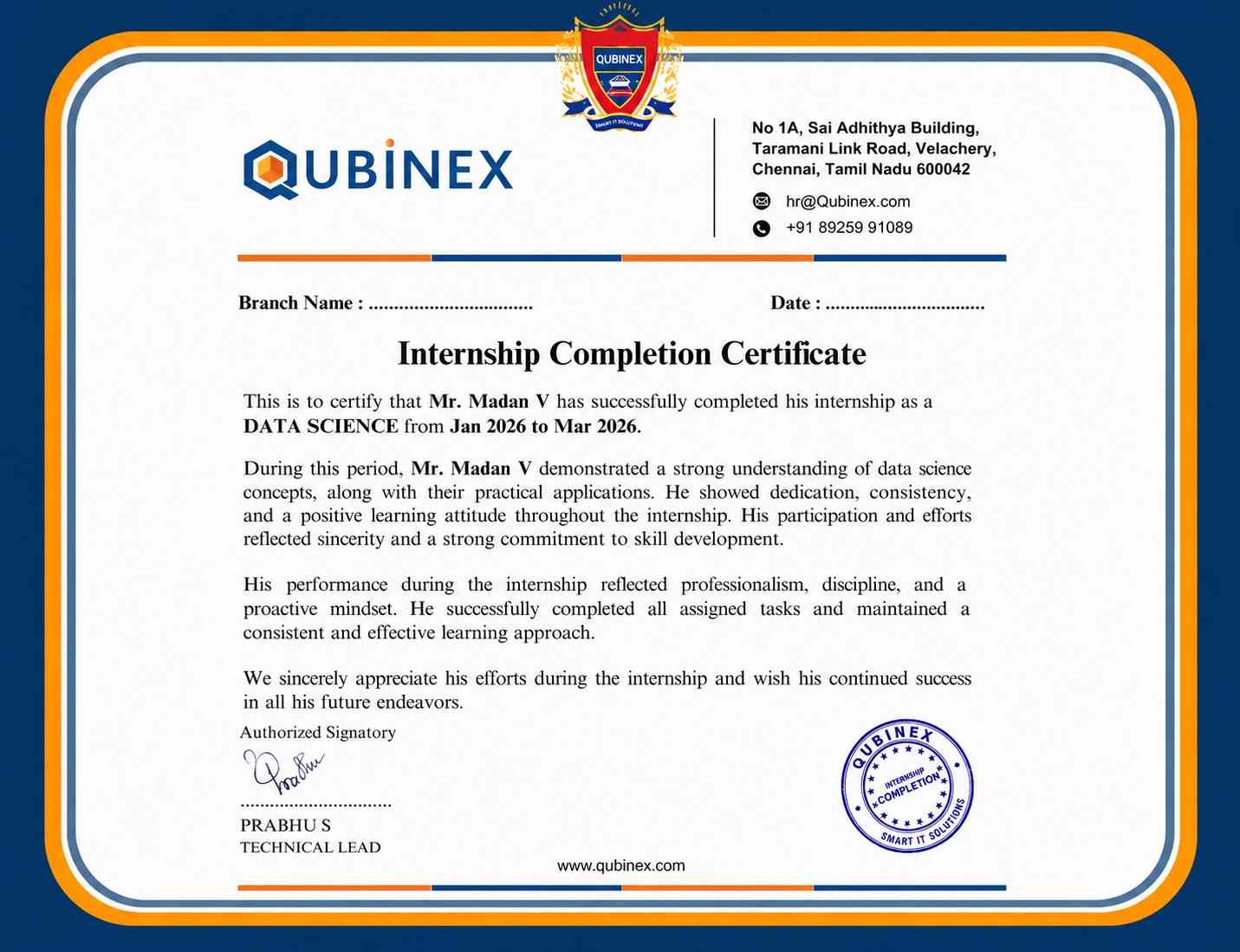
Most Data Science with Python certification Course exams require basic knowledge of programming, statistics, and data analysis concepts. Familiarity with programming languages such as Python or R is helpful for understanding practical exercises and assignments.
Many training institutes provide online certification exam options.Online exams allow candidates to take the test from a convenient location.Digital assessments include objective questions and practical evaluations.Candidates receive certification after successfully completing the online exam.
Real-world experience is helpful but always required to earn a Data Science with Python certification. Many certification programs are designed to help beginners learn the fundamentals and gradually build practical knowledge through training exercises and projects.
ACTE Data Science Certification is valuable for individuals who want to build strong skills in data analytics and machine learning technologies. The training program focuses on practical learning, real-time projects, and industry-oriented concepts that help learners understand real business problems.
Frequently Asked Questions
- Yes, most training institutes provide a demo session before enrollment so that students can understand the course structure, teaching style, and training environment. The demo session helps learners evaluate whether the course meets their expectations and learning goals.It also provides an overview of the syllabus, tools used in data science, and the practical approach followed during training.
- Experienced industry professionals in Data Science and Analytics
- Strong practical knowledge with real-time project exposure
- Training aligned with current industry standards and tools
- Yes, placement assistance is provided to help students start their careers.Support includes resume building and interview preparation. Mock interviews and job referrals are also offered.
- After completing the Data Science with Python course, students receive a course completion certification. This certification validates skills in data analysis, machine learning, and data visualization. It can be added to resumes and professional profiles to showcase technical expertise.
- Yes, students work on real-time data science projects.
- Projects involve real datasets for hands-on experience.
- Improves problem-solving and practical implementation skills.
- Exposure to Python, machine learning libraries, and visualization tools.
