
550+ Students Placed Every Month Be The Next!














Our Hiring Partners

Curriculum Designed By Experts
Expertly designed curriculum for future-ready professionals.
Industry Oriented Curriculum
An exhaustive curriculum designed by our industry experts which will help you to get placed in your dream IT company
-
30+ Case Studies & Projects
-
9+ Engaging Projects
-
10+ Years Of Experience
PLC and SCADA Training Projects
Become a PLC and SCADA Expert With Practical and Engaging Projects.
- Practice essential Tools
- Designed by Industry experts
- Get Real-world Experience
Automated Conveyor System
Create a PLC-controlled conveyor application through motor sequencing, proximity sensor detection, and material handling operations while developing practical skills in PLC Programming Training and industrial automation control.
Smart Water Tank Control
Build a liquid level management application with PLC logic, sensor connectivity, and SCADA monitoring to track tank conditions and generate automatic warnings while learning industrial process control techniques.
Temperature Process Automation
Implement a temperature control application using PLC configuration, industrial sensors, and HMI programming to track changing readings, regulate heating equipment, and explore automated production processes.
PLC-Based Packaging Automation
Build a packaging control application with PLC logic, proximity detectors, and pneumatic mechanisms to recognize containers, maintain filling intervals, and coordinate production activities through ladder programming.
Boiler Control and Supervision
Design an industrial boiler supervision system using PLC and SCADA configuration to observe pressure, heat levels, and equipment status. Create alarm functions and graphical displays for reliable process management.
Water Purification Automation
Construct an automated purification setup with PLC controls, flow sensors, pumps, and actuators to coordinate treatment stages, evaluate system performance, and display live operational data using SCADA technology.
Smart Material Handling
Create an intelligent storage control application with PLC programming to manage conveyor movements, identify stock quantities, and organize warehouse activities using industrial sensors and output devices.
Climate Control Automation
Build an industrial climate management solution through PLC and SCADA programming to measure air temperature, moisture, and airflow. Regulate ventilation equipment and display changing conditions using monitoring dashboards.
Effluent Process Management
Implement a wastewater processing setup with PLC-operated motors, detection devices, and control valves. Regulate fluid circulation, coordinate separation stages, and supervise treatment performance through SCADA visualization screens.
Career Support
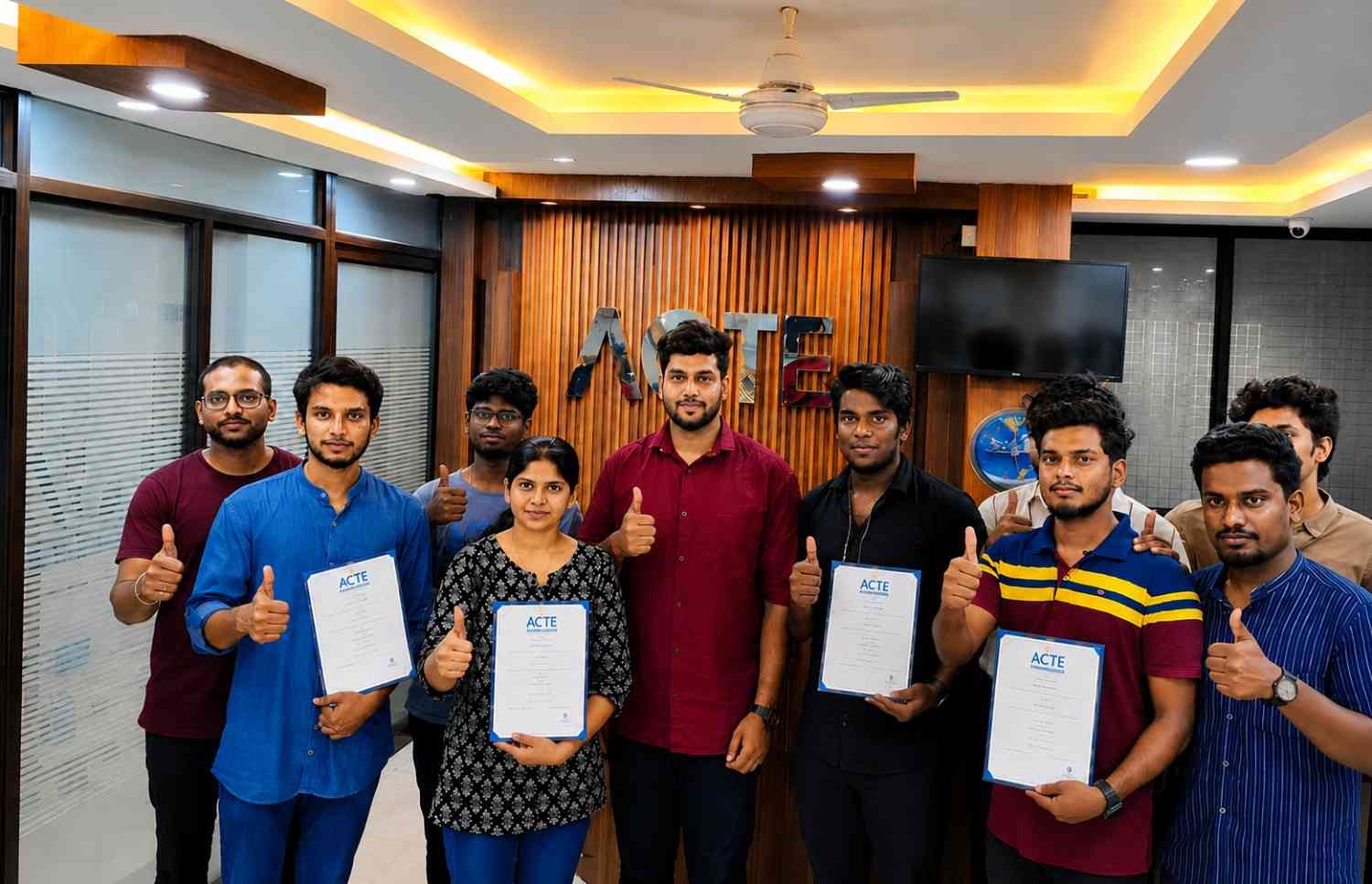

Placement Assistance

Exclusive access to ACTE Job portal

Mock Interview Preparation

1 on 1 Career Mentoring Sessions

Career Oriented Sessions

Resume & LinkedIn Profile Building
Key Features

Practical Training

Global Certifications

Flexible Timing

Trainer Support

Study Material

Placement Support

Mock Interviews

Resume Building
Upcoming Batches
What's included

 Free Aptitude and
Technical Skills Training
- Learn basic maths and logical thinking to solve problems easily.
- Understand simple coding and technical concepts step by step.
- Get ready for exams and interviews with regular practice.

 Hands-On Projects
- Work on real-time projects to apply what you learn.
- Build mini apps and tools daily to enhance your coding skills.
- Gain practical experience just like in real jobs.

 AI Powered Self
Interview Practice Portal
- Practice interview questions with instant AI feedback.
- Improve your answers by speaking and reviewing them.
- Build confidence with real-time mock interview sessions.

 Interview Preparation
For Freshers
- Practice company-based interview questions.
- Take online assessment tests to crack interviews
- Practice confidently with real-world interview and project-based questions.
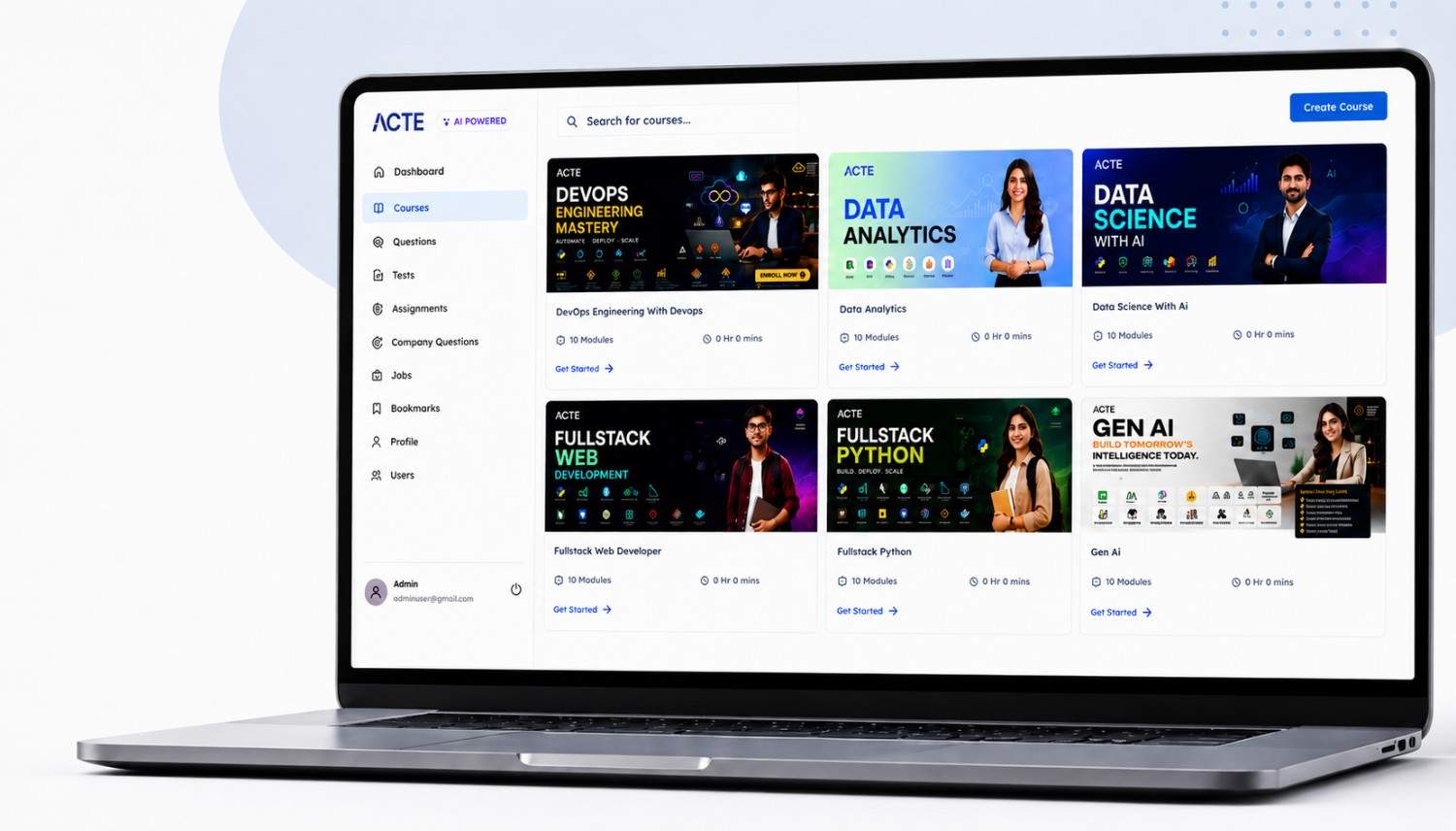
 LMS Online Learning
Platform
- Explore expert trainer videos and documents to boost your learning.
- Study anytime with on-demand videos and detailed documents.
- Quickly find topics with organized learning materials.
- Learning strategies that are appropriate and tailored to your company's requirements.
- Live projects guided by instructors are a characteristic of the virtual learning environment.
- The curriculum includes of full-day lectures, practical exercises, and case studies.

PLC and SCADA Course Introduction
Develop Automation Expertise with Best PLC and SCADA Training in Electronic City
Today's industrial facilities depend on intelligent automation technologies to streamline manufacturing activities, supervise machinery, and achieve consistent production performance. With systematic practical instruction, students learn how Programmable Logic Controllers (PLC) and Supervisory Control and Data Acquisition (SCADA) applications operate industrial equipment and regulate manufacturing processes. Trainees practise creating controller programs, interfacing field instruments, observing equipment behaviour, developing graphical operator panels, and identifying control system errors. Our PLC and SCADA Training Institute in Electronic City also covers industrial networking, communication protocols, process visualization, controller diagnostics, and automation equipment servicing through platforms such as Siemens TIA Portal, SIMATIC STEP 7, WinCC, and other industrial programming applications. With guided laboratory assignments, technical demonstrations, and application-oriented projects, participants understand factory automation, examine machine performance, and handle common operational difficulties. This practical learning experience combines engineering fundamentals with technical implementation to develop professional capabilities in industrial control and automation.
Build Workplace Competencies with PLC and SCADA Internship Training
Industrial automation knowledge becomes more effective when learners practise developing and operating control applications used in manufacturing facilities. The PLC and SCADA Placement Training in Electronic City provides practical exercises in controller programming, ladder diagram construction, field sensor connections, drive operation, HMI development, production supervision, and alarm management. Students undertake technical assignments involving hardware addressing, sequence programming, PLC-SCADA communication, and industrial equipment evaluation. Under professional supervision, trainees operate automation software, prepare ladder programs, establish SCADA communication, observe process readings, and validate controller responses. Application-based tasks further introduce program documentation, fault detection, input/output testing, equipment diagnostics, and logic modifications according to operational needs. Skilled PLC and SCADA Trainers assist participants in preparing project demonstrations that showcase programming techniques, factory automation knowledge, control system maintenance, and practical understanding of industrial applications.
Improve Your Technical Abilities with PLC and SCADA Offline Training in Electronic City
Controller Architecture and Ladder Programming: Study PLC components, processor functions, digital and analog modules, memory addressing, and controller scanning. Laboratory tasks introduce ladder diagram creation, hardware setup, and essential machine control applications.
SCADA Development and Process Visualization: Examine supervisory control architecture, graphical screen development, and live parameter representation. Practical sessions cover dashboard creation, communication tag mapping and industrial equipment supervision.
Field Devices, Drive Systems, and Motor Operations: Understand the working relationship between PLC controllers, proximity sensors, transmitters, actuators, motors, and VFDs. Demonstrations include panel connections, drive configuration, signal inspection, and automated machinery control.
Industrial Networking and Fault Diagnosis: Learn how controllers exchange information with HMIs, SCADA platforms, and connected automation devices. Exercises introduce Modbus communication, network configuration, signal testing, connectivity checks, and system fault identification.
Automation Applications and Project Implementation: Work with industrial PLC software and controller hardware. Apply acquired knowledge to practical assignments involving process automation, machine sequencing, equipment testing, and technical documentation.
Understand the Advantages of Joining a PLC and SCADA Course Institute
Developing capabilities in controller programming, ladder logic creation, SCADA application development, industrial networking, equipment supervision, and technical diagnostics provides a strong foundation for automation-related careers. The PLC and SCADA Internship Program in Electronic City combines guided technical instruction, laboratory assignments, and application-driven exercises to explain how programmable systems address manufacturing requirements. Learners practise writing control instructions, connecting industrial instruments, developing operator displays, configuring warning notifications, and interpreting live production data. Practical modules may involve machine sequencing, motor operation, HMI configuration, controller testing, and industrial troubleshooting activities. Experienced PLC and SCADA Trainers demonstrate how automation specialists create machine instructions, supervise production equipment, maintain process continuity, and improve operational performance. This approach develops programming proficiency and systematic problem-solving abilities. Participants also learn to explain project workflows, demonstrate controller settings, and propose suitable automation methods for different manufacturing operations and process industries.
Identify Career Paths After Completing PLC and SCADA Certification in Electronic City
PLC Automation Programmer: Automation programmers create, validate, and update controller applications used in industrial machinery and production lines. Important competencies include ladder logic development, timer and counter instructions and program debugging.
SCADA Application Engineer: SCADA specialists build supervisory interfaces, develop graphical operator screens, establish alarm notifications, and display industrial operating information. Core knowledge includes SCADA architecture, historical data management and equipment monitoring.
Factory Automation Engineer: Factory automation professionals implement and maintain programmable solutions for production plants and industrial facilities. Their responsibilities involve controller configuration, machine sequencing and automation system diagnostics.
Industrial Control Technician: Control technicians assemble, examine, commission, and maintain electrical and automation components. Required abilities include instrument wiring, sensor calibration, actuator inspection, electrical signal measurement, and scheduled equipment servicing.
Process Instrumentation Engineer: Instrumentation professionals handle industrial measuring equipment, process variables and automated operating systems. Their technical expertise includes transmitter configuration, signal interpretation and instrumentation troubleshooting.
Career Opportunities After PLC and SCADA Training
PLC Programming Engineer
PLC Programming Engineers develop and configure industrial control applications. They create ladder logic programs, integrate automation hardware, and improve production accuracy, machine coordination, and operational efficiency.
SCADA Systems Specialist
SCADA Specialists configure industrial supervision platforms, design operator screens, and visualize manufacturing activities. They establish PLC communication and maintain reliable data exchange across control networks.
Industrial Process Engineer
Process Engineers configure and regulate manufacturing operations through PLC and SCADA applications. They examine process variables, refine control sequences, and interpret operational records to maintain production quality.
Automation Service Engineer
Automation Service Engineers inspect industrial controllers and perform equipment servicing. Their responsibilities include PLC troubleshooting, SCADA maintenance and breakdown prevention.
Industrial IoT Engineer
Industrial IoT Engineers connect factory automation equipment with digital platforms. They configure remote monitoring, integrate field sensors, and analyse machine data to support connected manufacturing operations.
HMI Application Developer
HMI Developers create interactive control screens and visual monitoring applications for industrial facilities. They connect PLC hardware with SCADA software to simplify equipment supervision and process management.
Skill to Master
PLC Logic Development
SCADA Configuration
Operator Panel Design
Controller Programming
PID Regulation
Modbus Networking
Control Troubleshooting
Process Data Recording
PLC-HMI Connectivity
Live Process Tracking
Machine Safety Practices
Smart Factory Systems
Tools to Master
Siemens STEP 7
Allen-Bradley RSLogix 5000
FactoryTalk View Studio
CODESYS Development System
Mitsubishi GX Works
Delta ISPSoft
PLC Programming Simulators
Industrial Touchscreens
HMI Visualization Software
Proximity and Level Sensors
Firmware Configuration
Fieldbus Communication Devices
Learn from certified professionals who are currently working.

Training by
Aravind Kumar,with 9+ years of experience
Specialized in: PLC Ladder Logic Programming, Siemens and Allen-Bradley Controllers, SCADA System Integration, HMI Configuration, and Industrial Automation Engineering
Note: Aravind Kumar has strong professional expertise in programmable logic controllers, industrial monitoring applications, and automated process management. He guides learners through controller programming, SCADA interface development, hardware configuration, communication protocols, and machine control techniques. His practical teaching approach helps participants understand factory automation systems, identify equipment faults, configure industrial devices, and complete application-based projects.
Premium Training at Best Price
Affordable, Quality Training for Freshers to Launch IT Careers & Land Top Placements.
What Makes ACTE Training Different?
Feature
ACTE Technologies
Other Institutes
Affordable Fees
Competitive Pricing With Flexible Payment Options.
Higher Fees With Limited Payment Options.
Industry Experts
Well Experienced Trainer From a Relevant Field With Practical Training
Theoretical Class With Limited Practical
Updated Syllabus
Updated and Industry-relevant Course Curriculum With Hands-on Learning.
Outdated Curriculum With Limited Practical Training.
Hands-on projects
Real-world Projects With Live Case Studies and Collaboration With Companies.
Basic Projects With Limited Real-world Application.
Certification
Industry-recognized Certifications With Global Validity.
Basic Certifications With Limited Recognition.
Placement Support
Strong Placement Support With Tie-ups With Top Companies and Mock Interviews.
Basic Placement Support
Industry Partnerships
Strong Ties With Top Tech Companies for Internships and Placements
No Partnerships, Limited Opportunities
Batch Size
Small Batch Sizes for Personalized Attention.
Large Batch Sizes With Limited Individual Focus.
LMS Features
Lifetime Access Course video Materials in LMS, Online Interview Practice, upload resumes in Placement Portal.
No LMS Features or Perks.
Training Support
Dedicated Mentors, 24/7 Doubt Resolution, and Personalized Guidance.
Limited Mentor Support and No After-hours Assistance.
We are proud to have participated in more than 40,000 career transfers globally.

PLC and SCADACertification
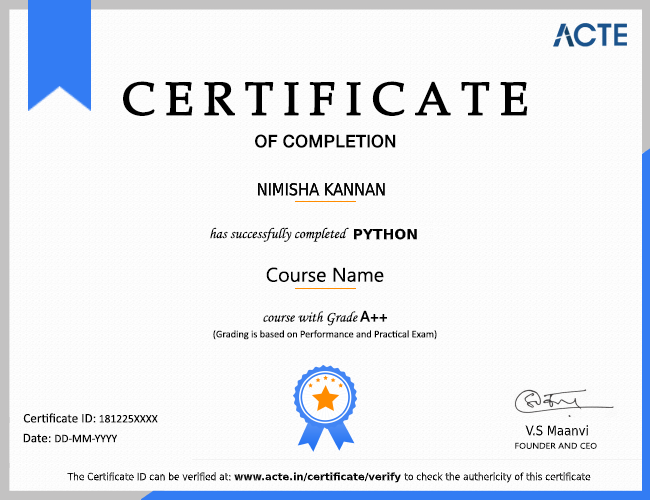
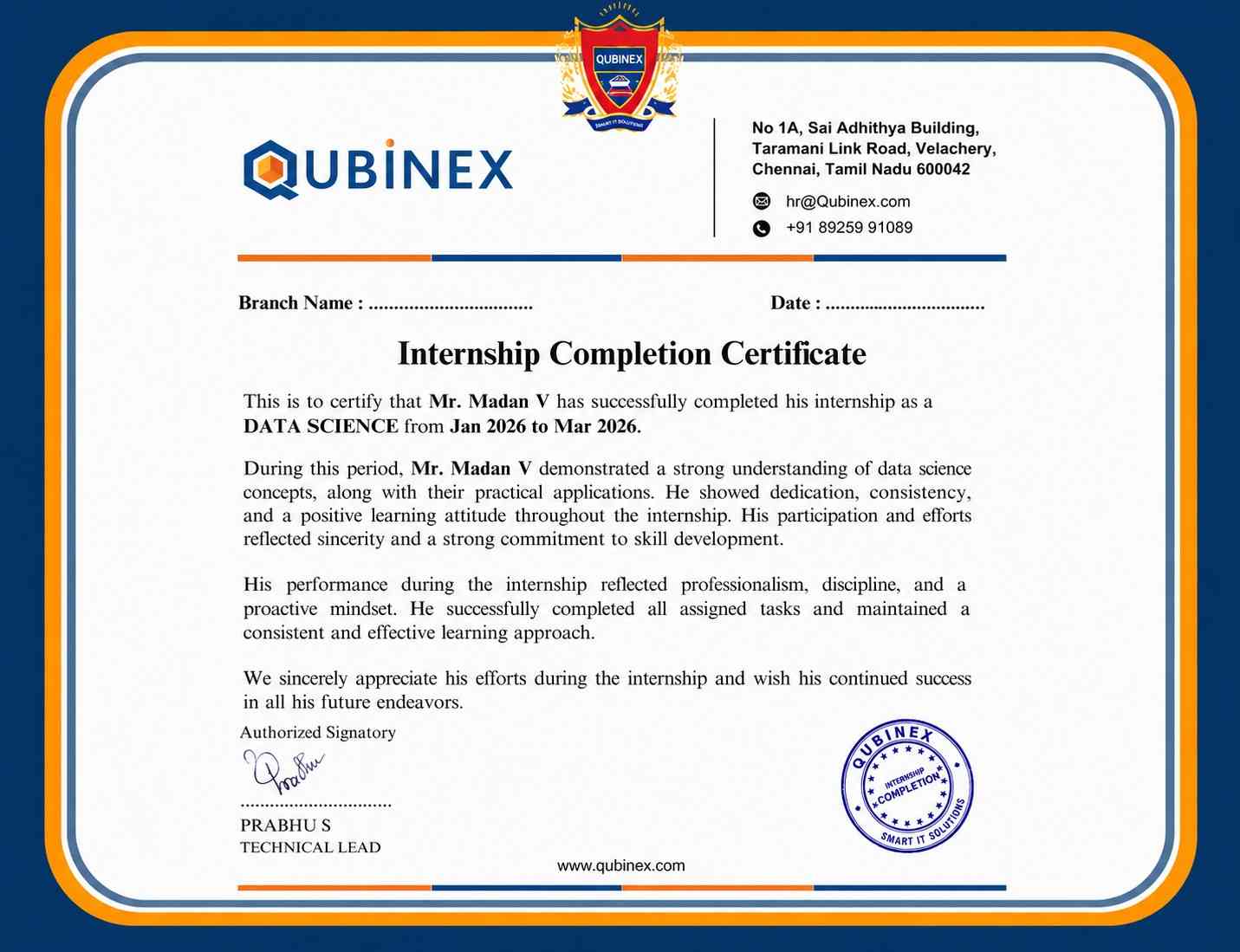
Various certification options address different technical backgrounds and automation career goals. Foundation programs introduce PLC hardware, ladder logic instructions, SCADA system configuration, HMI applications, and industrial monitoring practices.
Yes, practical assignments introduce conveyor automation, motor sequencing, tank level control, and industrial temperature monitoring. Learners develop controller programs, configure SCADA screens, and test automation functions through project-based exercises.
Training introduces industry-relevant platforms such as Siemens TIA Portal, SIMATIC STEP 7, Allen-Bradley RSLogix, WinCC, and FactoryTalk View. Participants explore programming environments, controller configuration, and supervisory monitoring tools.
Yes, beginners can enrol without previous automation experience. The course starts with electrical fundamentals, PLC architecture, basic programming instructions, and gradually advances towards SCADA development and industrial control applications.
Career support may include technical interview preparation, resume guidance, project discussions, and job opportunity updates. PLC and SCADA Placement Training helps learners understand industry expectations and prepare for automation-related employment opportunities.
Participants develop capabilities in ladder logic creation, PLC hardware wiring, HMI configuration, Modbus communication, VFD operation, sensor integration, and system troubleshooting. Practical assignments strengthen their understanding of real-time industrial automation requirements.
PLC and SCADA FAQs
- Interested candidates can request an introductory session from the training institute to review teaching approaches, learning modules, PLC ladder programming, laboratory activities, and available equipment. This preview provides a better understanding of the training experience before admission.
- Practical assignments introduce conveyor sequencing, tank level automation, motor operations, PLC logic creation, and SCADA-based process supervision.
- Participants explore HMI programming, field device connectivity, alarm handling, controller testing, and factory automation techniques under trainer guidance.
- Real-time project exposure and technical interview practice prepare candidates to pursue suitable industrial automation positions.
- Placement guidance can involve profile preparation, interview simulations, technical discussions, and job application support.
- A training certificate provides evidence of course completion and acquired technical knowledge. Recruiters may additionally assess controller programming, SCADA system configuration, practical project involvement, fault diagnosis, industrial communication, and the candidate's ability to apply automation concepts.
- Yes, learners can practise industrial automation exercises involving ladder logic, PLC hardware configuration, SCADA screen development, HMI connectivity, VFD operation, Modbus networking, alarm management, and controller troubleshooting to strengthen their technical capabilities.
