
550+ Students Placed Every Month Be The Next!





Our Hiring Partners

Curriculam Designed By Experts
Expertly designed curriculum for future-ready professionals.
Industry Oriented Curriculum
An exhaustive curriculum designed by our industry experts which will help you to get placed in your dream IT company
-
30+ Case Studies & Projects
-
9+ Engaging Projects
-
10+ Years Of Experience
- Overview of fashion design and textile industry
- History of fashion and global trends
- Color theory and fabric analysis
- Introduction to fashion illustration
- Design process and idea conceptualization
- Current fashion markets and style forecasting
- Understanding body measurements and fit
- Drafting patterns manually and digitally
- Draping techniques for dresses and gowns
- Adjusting and altering patterns
- Creating sample garments for fitting
- Fabric cutting and stitching fundamentals
- Seam finishes, zippers, and hemming
- Creating casual and formal garments
- Quality control and finishing methods
- Understanding fibers and textile properties
- Fabric testing and sourcing techniques
- Eco-friendly and sustainable textiles
- Blends and fabric compatibility
- Textile printing and dyeing basics
- Maintenance and care of fabrics
- Sketching figures and fashion poses
- Rendering fabrics, textures, and colors
- Digital fashion illustration techniques
- Creating design boards and mood boards
- Developing personal style aesthetics
- Fashion retail and merchandising concepts
- Branding and product positioning
- Fashion buying and forecasting
- Visual merchandising and display design
- Designing themed collections
- Trend research and inspiration boards
- Fabric selection and sampling
- Creating prototypes and final designs
- Runway collection presentation
- Fashion show organization and styling
- Introduction to fashion design software
- Digital pattern making and virtual fitting
- Tech pack creation for manufacturers
- Textile print design using digital tools
- Industry-standard file preparation
- Internship and real-world fashion assignments
- Interview preparation and career guidance
- Costing, budgeting, and pricing
- Sustainability in modern fashion
Fashion Design Training Projects
Become a Fashion Design Expert With Practical and Engaging Projects.
- Practice essential Tools
- Designed by Industry experts
- Get Real-world Experience
Basic Sketching and Illustration
This beginner project introduces learners to fashion sketching techniques. Students practice drawing garments, accessories, and figures. They learn proportion, perspective, and body anatomy basics. The project emphasizes creativity and attention to detail. Learners explore color palettes and design concepts. It lays a foundation for advanced fashion illustration skills.
Fabric Draping and Swatch Practice
Students experiment with different fabrics and learn draping techniques on mannequins. They understand fabric textures, weight, and flow. The project teaches basic garment construction principles. Learners explore combining fabrics for innovative designs. It enhances hands-on skills and material understanding. This project builds confidence in translating sketches to actual garments.
Simple Garment Stitching
Learners start with basic stitching exercises, creating simple clothing items. The project introduces hand stitching and sewing machine techniques. Students learn measurements, cutting, and pattern alignment. It emphasizes accuracy, finishing, and garment neatness. Learners gain practical experience with essential sewing tools. This project provides foundational skills for garment creation.
Pattern Making and Garment Drafting
Students design patterns for tops, skirts, and dresses. The project covers measurements, scaling, and cutting techniques. Learners translate sketches into precise patterns for fabric cutting. It teaches fitting, seam allowances, and garment construction. The project strengthens practical knowledge in apparel design. Students gain experience preparing ready-to-sew patterns.
Advanced Draping Techniques
This project focuses on draping garments for unique silhouettes. Learners experiment with folds, pleats, and layering techniques. The project highlights creative exploration and functional design. Students refine their understanding of fabric behavior and garment fit. It improves conceptualization from sketch to three-dimensional form. Learners gain skills for fashion shows and custom designs.
Accessory Design and Embellishment
Learners create fashion accessories like belts, scarves, and jewelry. The project includes embroidery, beading, and applique techniques. Students explore texture, color, and ornamentation creatively. It emphasizes aesthetic appeal and garment coordination. Learners understand the role of accessories in completing a fashion collection. This project enhances their portfolio and creative expression.
Fashion Collection Development
Students design a cohesive fashion collection with multiple outfits. The project covers concept development, theme creation, and trend forecasting. Learners integrate sketches, patterns, and fabric selections into a full collection. It emphasizes originality, creativity, and market relevance. The project develops skills in styling, presentation, and professional portfolio building. Students gain experience in creating a complete fashion line.
Digital Fashion Design Using CAD
This advanced project introduces learners to computer-aided design (CAD) tools. They create digital sketches, patterns, and technical drawings. The project enhances precision, efficiency, and modern design workflows. Learners explore 3D modeling and virtual garment simulation. It prepares students for professional design environments. This project bridges traditional and digital fashion techniques.
Sustainable and Eco-Friendly Fashion Design
Students focus on designing garments with sustainable materials and ethical practices. The project emphasizes recycling, upcycling, and eco-friendly fabrics. Learners explore slow fashion concepts and responsible production methods. The project integrates creativity with social and environmental responsibility. Students gain knowledge of trends in sustainable fashion. It prepares learners for modern industry challenges.
Career Support
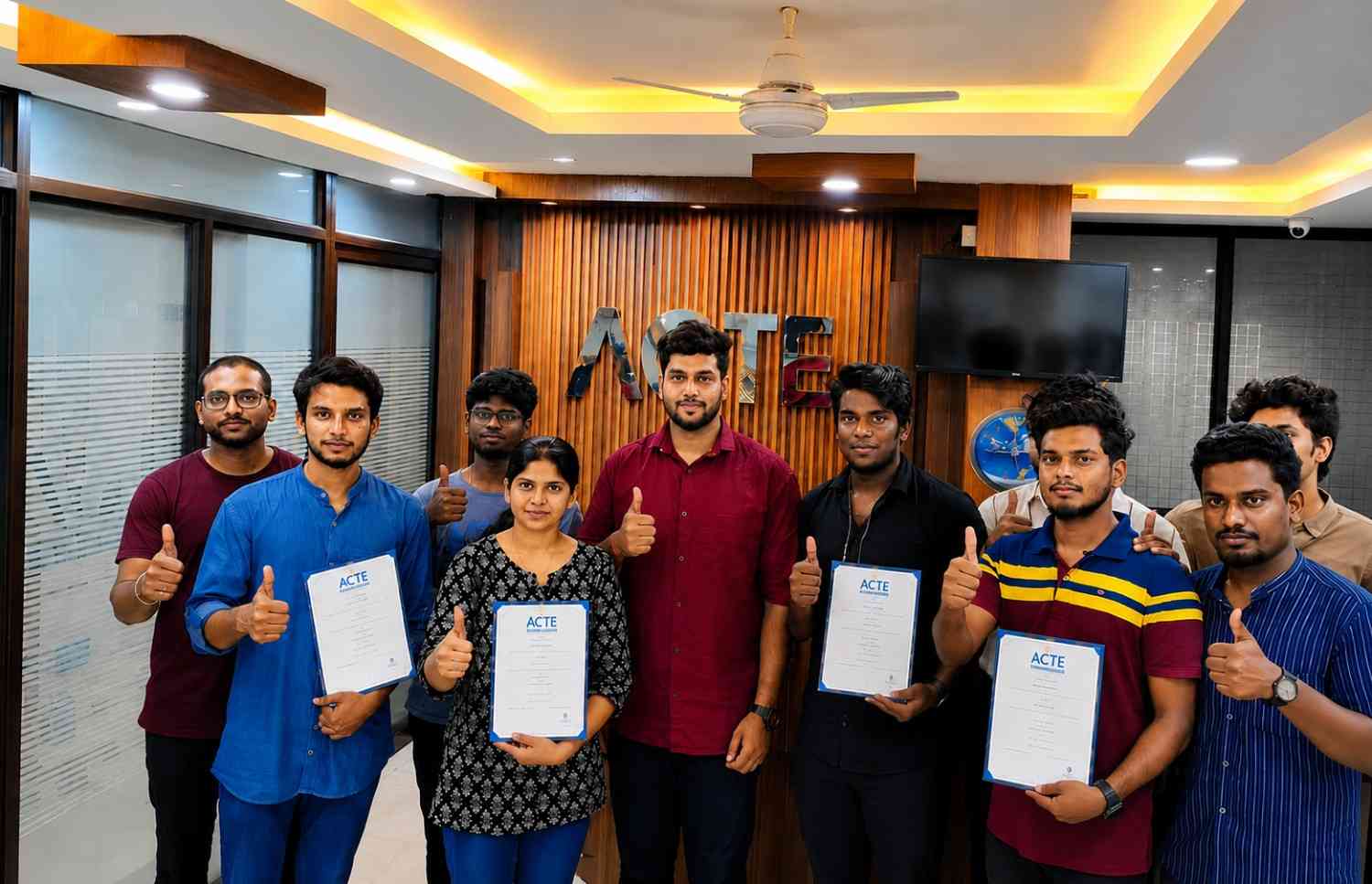

Placement Assistance

Exclusive access to ACTE Job portal

Mock Interview Preparation

1 on 1 Career Mentoring Sessions

Career Oriented Sessions

Resume & LinkedIn Profile Building
Key Features

Practical Training

Global Certifications

Flexible Timing

Trainer Support

Study Material

Placement Support

Mock Interviews

Resume Building
Upcoming Batches
What's included

 Free Aptitude and
Technical Skills Training
Free Aptitude and
Technical Skills Training
- Learn basic maths and logical thinking to solve problems easily.
- Understand simple coding and technical concepts step by step.
- Get ready for exams and interviews with regular practice.

 Hands-On Projects
- Work on real-time projects to apply what you learn.
- Build mini apps and tools daily to enhance your coding skills.
- Gain practical experience just like in real jobs.

 AI Powered Self
Interview Practice Portal
AI Powered Self
Interview Practice Portal
- Practice interview questions with instant AI feedback.
- Improve your answers by speaking and reviewing them.
- Build confidence with real-time mock interview sessions.

 Interview Preparation
For Freshers
Interview Preparation
For Freshers
- Practice company-based interview questions.
- Take online assessment tests to crack interviews
- Practice confidently with real-world interview and project-based questions.

 LMS Online Learning
Platform
LMS Online Learning
Platform
- Explore expert trainer videos and documents to boost your learning.
- Study anytime with on-demand videos and detailed documents.
- Quickly find topics with organized learning materials.
- Learning strategies that are appropriate and tailored to your company's requirements.
- Live projects guided by instructors are a characteristic of the virtual learning environment.
- The curriculum includes of full-day lectures, practical exercises, and case studies.

Fashion Design Training Overview
Reasons to Consider Enrolling in Fashion Design Training in Anna Nagar
Enrolling in Fashion Design Training provides learners with comprehensive skills in garment design, styling, and portfolio development. The course covers sketching, pattern making, fabric selection, and digital design techniques. Students gain practical experience through hands-on projects and workshops. Training emphasizes creativity, innovation, and industry trends. Learners receive guidance from experienced designers and mentors. The program prepares students for fashion shows, competitions, and professional presentations. Placement support and industry connections enhance career opportunities. Overall, the course equips learners to pursue successful careers in fashion design and apparel industry.
Techniques and Trends Observed in Fashion Design Course in Anna Nagar
- Sustainable Fashion Practices : Learners are trained in eco-friendly fabrics, recycling, and ethical sourcing. This ensures designs align with environmental responsibility. Sustainable techniques are essential for modern fashion markets.
- Digital Design and 3D Visualization : CAD and 3D tools allow realistic visualization of garments. Students create virtual prototypes, reducing waste and improving precision. This trend modernizes design workflows for efficiency.
- Trend Forecasting and Market Research : Training emphasizes analyzing fashion trends, colors, and consumer preferences. Learners predict market needs and adapt designs accordingly. It improves relevance and commercial viability.
- Accessory and Styling Integration : Learners incorporate accessories to enhance collections. Styling techniques are taught to complete the overall look. This trend ensures cohesive and market-ready designs.
- Fashion Show and Portfolio Presentation : Students are trained in professional presentation, runway styling, and portfolio creation. It highlights the commercial and artistic appeal of designs. This trend prepares learners for industry exposure and competitions.
Overview of the Most Recent Fashion Design Tools
Modern fashion design tools combine creativity and technology to enhance efficiency. Adobe Illustrator and CorelDRAW are widely used for digital sketches and technical drawings. CLO 3D and Marvelous Designer allow realistic 3D garment visualization. TUKAcad and Optitex provide professional pattern drafting solutions. CAD tools assist in grading, marking, and accurate garment construction. Pantone Studio helps with color matching and trend forecasting. Fashion design tablets and digital pens improve precision and workflow. Project management tools support collection planning, collaboration, and presentation. These tools prepare designers for professional and modern design environments.
Requirements Needed for Fashion Design Certification in Anna Nagar
- Creativity and Artistic Skills : Essential for sketching, designing, and styling garments. Learners must have an eye for color, shape, and pattern coordination. Creativity drives innovative fashion ideas.
- Basic Sewing and Handwork Knowledge : Familiarity with stitching, cutting, and fabric handling is necessary. This ensures smooth practical learning and project execution. It aids in understanding garment construction fundamentals.
- Understanding of Fabrics and Textiles : Learners must know fabric types, properties, and care instructions. This knowledge assists in appropriate material selection for designs. It ensures functional and aesthetic garment creation.
- Computer Literacy : Basic knowledge of computers helps in using CAD and digital design tools. Learners can create digital sketches, patterns, and presentations efficiently. It modernizes workflow and professional output.
- Analytical and Trend Awareness : Ability to research trends and analyze market needs enhances design relevance. Learners can create collections aligned with industry demand. Analytical skills improve strategic fashion planning.
Goals Achieved Through Fashion Design Placement in Anna Nagar and Potential Career Paths
Fashion Design Training equips learners with skills in garment design, illustration, pattern making, and digital visualization. Students gain hands-on experience with fabrics, draping, sewing, and accessorizing. The course develops creativity, precision, and innovation in fashion projects. Learners become proficient in CAD tools and 3D design software. Training also emphasizes trend forecasting, sustainable practices, and portfolio presentation. Graduates are prepared for roles in fashion houses, apparel brands, and design studios. They gain knowledge of the commercial and artistic aspects of fashion. The program opens career opportunities in design, styling, and fashion entrepreneurship.
Career Opportunities After Fashion Design Training
Fashion Designer
Fashion Designers create clothing, accessories, and collections. They conceptualize ideas, sketch designs, and oversee garment production. The role requires creativity, trend awareness, and technical skills. Designers work in fashion houses, brands, or as independent entrepreneurs.
Pattern Maker
Pattern Makers develop templates for cutting fabrics accurately. They translate designer sketches into precise patterns for production. The role requires knowledge of measurements, fabric behavior, and garment construction. Pattern Makers are essential in apparel manufacturing processes.
Fashion Stylist
Fashion Stylists coordinate outfits, accessories, and overall visual presentation. They work on photoshoots, runway shows, and personal styling. The role emphasizes aesthetics, trend analysis, and client preferences. Stylists enhance the appeal and marketability of fashion designs.
Textile Designer
Textile Designers create patterns, prints, and fabric designs. They experiment with color, texture, and material innovations. The role involves creativity, technical skills, and trend research. Textile Designers contribute to fashion and interior design industries.
Fashion Illustrator
Illustrators produce sketches and renderings of garments and collections. They help visualize design concepts before production. The role requires artistic skills, attention to detail, and software proficiency. Illustrators are vital for portfolios and presentations.
Fashion Entrepreneur
Entrepreneurs launch fashion brands, boutiques, or design studios. They manage business operations, marketing, and production. The role combines creativity with business strategy and leadership. Fashion Entrepreneurs bring innovative ideas to the commercial market.
Skill to Master
Fashion Sketching
Pattern Making
Garment Construction
Textile Selection
Fashion Illustration
Digital Design (CAD)
Draping & Fitting
Fashion Marketing
Trend Forecasting
Portfolio Development
Color & Fabric Coordination
Sustainable Design Practices
Tools to Master
Adobe Illustrator
CorelDRAW
CLO 3D
AutoCAD for Fashion
Industrial Sewing Machines
Digital Pattern Plotters
Dress Forms
Fabric Cutting Tools
Color Matching Systems
Embroidery Machines
Fashion Sketch Pads
Fabric Analysis Kits
Learn from certified professionals who are currently working.

Training by
Meenakshi Rao, having 16 yrs of experience
Specialized in: Fashion Illustration, Garment Construction, and Sustainable Design Training.
Note: Meenakshi Rao is recognized for her exceptional ability to blend artistic creativity with modern design techniques, guiding students to develop a unique signature style.
Premium Training at Best Price
Affordable, Quality Training for Freshers to Launch IT Careers & Land Top Placements.
What Makes ACTE Training Different?
Feature
ACTE Technologies
Other Institutes
Affordable Fees
Competitive Pricing With Flexible Payment Options.
Higher Fees With Limited Payment Options.
Industry Experts
Well Experienced Trainer From a Relevant Field With Practical Training
Theoretical Class With Limited Practical
Updated Syllabus
Updated and Industry-relevant Course Curriculum With Hands-on Learning.
Outdated Curriculum With Limited Practical Training.
Hands-on projects
Real-world Projects With Live Case Studies and Collaboration With Companies.
Basic Projects With Limited Real-world Application.
Certification
Industry-recognized Certifications With Global Validity.
Basic Certifications With Limited Recognition.
Placement Support
Strong Placement Support With Tie-ups With Top Companies and Mock Interviews.
Basic Placement Support
Industry Partnerships
Strong Ties With Top Tech Companies for Internships and Placements
No Partnerships, Limited Opportunities
Batch Size
Small Batch Sizes for Personalized Attention.
Large Batch Sizes With Limited Individual Focus.
LMS Features
Lifetime Access Course video Materials in LMS, Online Interview Practice, upload resumes in Placement Portal.
No LMS Features or Perks.
Training Support
Dedicated Mentors, 24/7 Doubt Resolution, and Personalized Guidance.
Limited Mentor Support and No After-hours Assistance.
We are proud to have participated in more than 40,000 career transfers globally.

Fashion DesignCertification

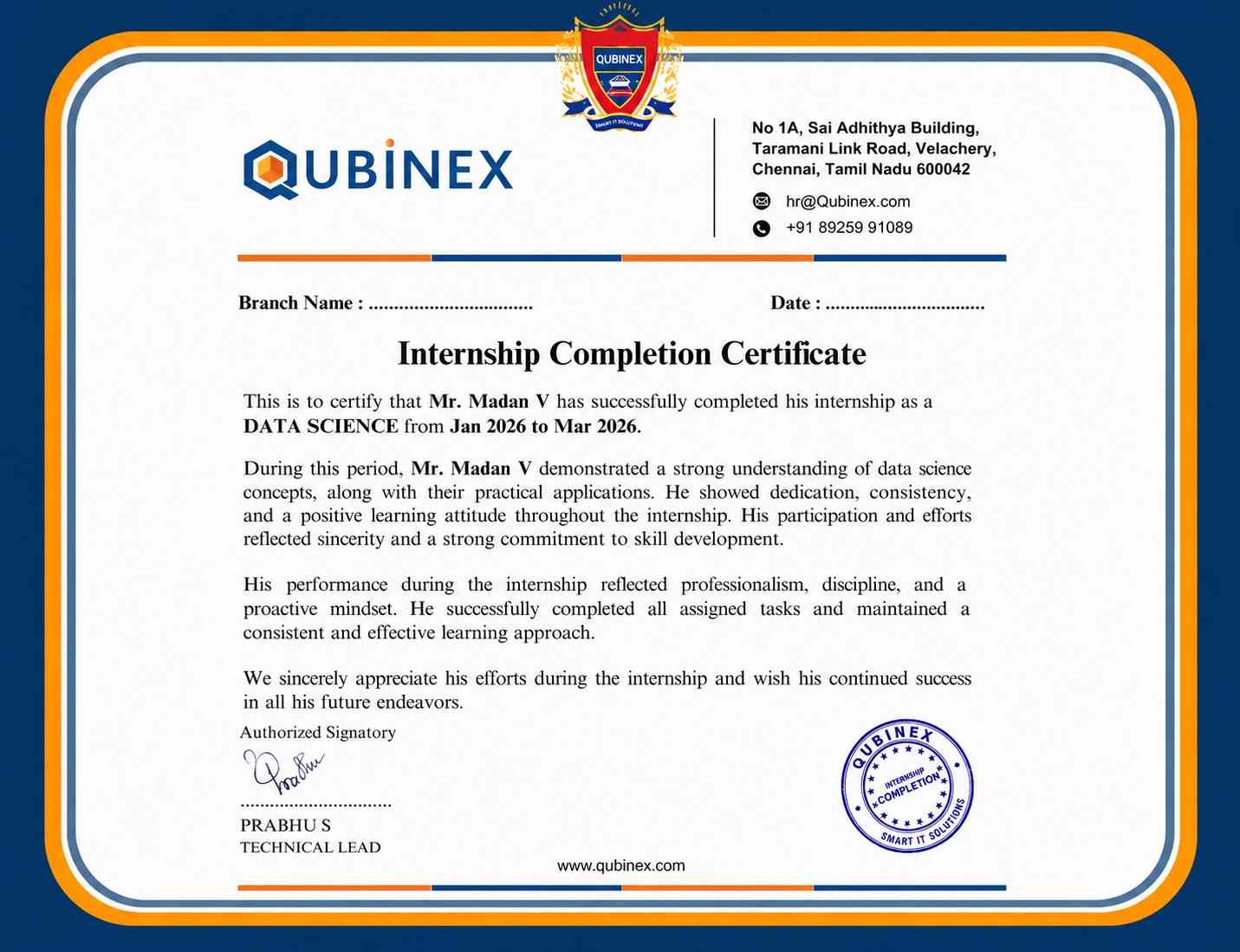
Yes, certifications range from Foundation to Advanced levels in Garment Construction, Fashion Illustration, and Digital Fashion Design.
Yes, you can pursue multiple certifications across illustration, pattern making, and digital design for broader opportunities.
Yes, online certification exams are available through official training platforms. Students can upload design portfolios and attend assessments virtually.
No, the course provides hands-on workshops and project guidance for all levels. Students gain portfolio and placement readiness through real-time design projects.
Frequently Asked Questions
- No, beginners can join without prior design experience. The training starts from sketching basics to advanced design creation.
- Design principles
- Pattern making
- Garment construction
- Fashion illustration
- Digital tools for designing
- Students work on live projects, create collections, and receive portfolio review guidance for showcasing their creative work.
- Yes, a recognized certificate is provided upon successful completion, validating your fashion design expertise.
- Fashion Designer
- Stylist
- Illustrator
- Pattern Maker
- Merchandiser in leading design houses and retail brands
