
550+ Students Placed Every Month Be The Next!












Our Hiring Partners

Curriculum Designed By Experts
Expertly designed curriculum for future-ready professionals.
Industry Oriented Curriculum
An exhaustive curriculum designed by our industry experts which will help you to get placed in your dream IT company
-
30+ Case Studies & Projects
-
9+ Engaging Projects
-
10+ Years Of Experience
PLC and SCADA Training Projects
Become a PLC and SCADA Expert With Practical and Engaging Projects.
- Practice essential Tools
- Designed by Industry experts
- Get Real-world Experience
PLC Programming
Design a PLC control program to manage industrial equipment, input signals, output operations, and automation tasks while applying ladder logic, validations, and process automation.
SCADA Monitoring
Configure SCADA monitoring systems to manage industrial process data, alarm notifications, and equipment status while implementing control parameters and automated alerts.
Conveyor Automation
Develop a PLC conveyor system to manage motor operations, sensor inputs, speed controls, and process monitoring using ladder programming and validations for industrial automation.
Motor Speed Control
Configure PLC control programs to process motor speed signals, verify operating conditions, control equipment functions, and update system parameters using ladder programming.
Sensor Integration
Configure PLC communication systems to track sensor inputs, monitor equipment conditions, manage signal processing, and update operational statuses using control logic and automation.
Alarm Management
Build SCADA alarm monitoring systems to manage equipment alerts, record events, evaluate conditions, maintain alarm histories, and support operational decisions using automation.
System Configuration
Configure PLC control parameters, communication settings, access permissions, and device assignments to protect industrial systems and monitor operations while applying safety policies.
Process Automation
Develop a PLC automation solution to validate sensor inputs, control motor operations, track equipment status, and generate process reports using ladder programming, integrations.
Data Acquisition
Plan and execute SCADA data acquisition tasks by collecting sensor readings, resolving discrepancies, and checking signal accuracy using communication protocols.
Career Support


Placement Assistance

Exclusive access to ACTE Job portal

Mock Interview Preparation

1 on 1 Career Mentoring Sessions

Career Oriented Sessions

Resume & LinkedIn Profile Building
Key Features

Practical Training

Global Certifications

Flexible Timing

Trainer Support

Study Material

Placement Support

Mock Interviews

Resume Building
Upcoming Batches
What's included

 Free Aptitude and
Technical Skills Training
- Learn basic maths and logical thinking to solve problems easily.
- Understand simple coding and technical concepts step by step.
- Get ready for exams and interviews with regular practice.

 Hands-On Projects
- Work on real-time projects to apply what you learn.
- Build mini apps and tools daily to enhance your coding skills.
- Gain practical experience just like in real jobs.

 AI Powered Self
Interview Practice Portal
- Practice interview questions with instant AI feedback.
- Improve your answers by speaking and reviewing them.
- Build confidence with real-time mock interview sessions.

 Interview Preparation
For Freshers
- Practice company-based interview questions.
- Take online assessment tests to crack interviews
- Practice confidently with real-world interview and project-based questions.

 LMS Online Learning
Platform
- Explore expert trainer videos and documents to boost your learning.
- Study anytime with on-demand videos and detailed documents.
- Quickly find topics with organized learning materials.
- Learning strategies that are appropriate and tailored to your company's requirements.
- Live projects guided by instructors are a characteristic of the virtual learning environment.
- The curriculum includes of full-day lectures, practical exercises, and case studies.

PLC and SCADA Training Overview
Gain Industrial Automation Knowledge with PLC and SCADA Training in Adyar
Industries increasingly rely on automated control systems, reliable operational information, and efficient production workflows to handle everyday manufacturing activities. Through guided practical training, learners explore how PLC and SCADA applications assist process automation, equipment monitoring, machine operations, production activities, and industrial management. The PLC and SCADA Internship Course In Adyar introduces important automation concepts, PLC programming, ladder logic development, industrial communication, control structures, sensor integration, HMI configuration, process monitoring, alarm management, and system administration using industry-relevant tools such as Siemens PLC, Allen-Bradley PLC, TIA Portal, WinCC, and SCADA software platforms. Participants practise configuring controllers, updating program logic, developing HMI screens, establishing communication, assigning control parameters, and monitoring industrial operations across realistic production environments efficiently. The PLC and SCADA Course Institute also explores system integration, monitoring enhancements, and troubleshooting techniques used within industrial environments. Through guided exercises, automation laboratory sessions, and project-based assignments, learners practise developing control programs, improving production operations, organizing process data, and addressing common equipment issues. Additionally, the program strengthens technical capabilities while demonstrating how automation platforms assist industrial operations, and production planning across various industries and evolving manufacturing requirements while preparing learners for changing workplace expectations and sustained professional success in industrial automation careers.
Build Practical Expertise Through the PLC and SCADA Internship Program
Practical learning helps participants discover how automation engineers configure, deploy, and maintain industrial control systems based on production needs. The PLC and SCADA Placement Training sessions include practical projects covering PLC configuration, ladder logic development, sensor integration, industrial communication, HMI configuration, and process monitoring. Participants complete automation assignments to create control sequences, establish communication networks, develop customized interfaces, configure controllers, and extract meaningful insights from operational datasets. These exercises demonstrate how PLC and SCADA applications enhance process accuracy, automate industrial tasks, safeguard critical equipment, and maintain efficient production operations. Through guided activities, learners practise working with Siemens TIA Portal, adjusting control parameters, handling system signals, and testing communication networks. Project assignments also encourage participants to document configuration updates, investigate errors, validate sensor readings, review monitoring outcomes, and improve solutions based on production requirements. Guidance from experienced PLC and SCADA Trainers helps learners gain practical project knowledge showcasing controller configuration, monitoring capabilities, analytical thinking, and understanding of industrial automation practices across different industries and manufacturing environments.
Strengthen Technical Abilities with PLC and SCADA Offline Course
PLC Fundamentals and Industrial Automation: Participants explore automation functions, control systems, industrial components, programming structures, and operational information. Practical sessions cover PLC programming fundamentals, ladder logic development, sensor connections.
Control Logic Configuration and Automation: PLC configuration includes ladder programming, timer operations, counter functions, interlocking, and communication needs. Learners practise creating reusable programs, improving production operations, and handling.
SCADA Administration and Monitoring: Participants learn about HMI screens, alarm management, communication protocols, industrial responsibilities, and access controls. Practical sessions introduce user permissions, system monitoring, data acquisition processes.
Process Monitoring and Performance Optimization: SCADA visualization tools and monitoring applications help learners assess operational accuracy and enhance information access. Participants practise process visualization, alarm configuration, production analytics.
Automation Projects, Integrations, and Maintenance: Learners build practical familiarity with Siemens PLC, TIA Portal, WinCC, and industrial communication frameworks. They practise applying control configurations, producing reports, validating process accuracy.
Discover the Advantages of Enrolling in a PLC and SCADA Course Institute
Building expertise in PLC programming, control automation, process monitoring, system administration, industrial communication, and integrations helps learners understand modern industrial automation applications. The PLC and SCADA Internship Program combines structured guidance with practical exercises and automation projects to illustrate how control systems meet everyday manufacturing needs. Participants practise developing ladder programs, generating reports, automating production tasks, managing system access, and reviewing operational information. Learning activities can include configuration projects, control programming exercises, monitoring practice, equipment troubleshooting, and career preparation support. Experienced Trainers demonstrate how automation teams manage production processes, maintain operational accuracy, simplify manufacturing procedures, and operate effective industrial control systems. This comprehensive learning method strengthens programming knowledge, analytical thinking, troubleshooting capabilities, and industrial automation administration skills, helping participants explain technical solutions and apply appropriate methods to different project situations while building professional confidence and practical workplace readiness for rewarding careers in industrial automation technology.
Discover Career Opportunities After PLC and SCADA Internship Course In Adyar
PLC Automation Engineer: PLC Automation Engineers configure control systems, update ladder programs, manage automation workflows, and customize industrial control applications. Training covers PLC programming, control processes.
PLC Programming Specialist: PLC Programming Specialists create ladder programs, control sequences, timer functions, and communication settings to strengthen industrial automation. They use programming methods, exception handling.
SCADA System Administrator: SCADA System Administrators manage application access, monitoring settings, integrations, reporting, and regular system administration. Practical exercises cover system monitoring, permission controls, maintenance tasks.
Industrial Automation Support Analyst: Industrial Automation Support Analysts resolve equipment errors, examine control issues, review system operations,maintenance activities. Practical training introduces diagnostic methods and technical support techniques for industrial environments.
SCADA Monitoring Analyst: SCADA Monitoring Analysts examine process outputs, identify operational inconsistencies, and discover ways to enhance monitoring. Training covers alarm configuration, process visualization, industrial data analysis.
Career Opportunities After PLC and SCADA Training
PLC Automation Engineer
They assess the automation needs of industrial organizations, create specialized control solutions, and conduct testing in close collaboration with teams. Additionally, they gather feedback to continuously improve.
SCADA System Specialist
Manage monitoring processes within SCADA, ensuring accuracy and reliability. Troubleshoot system issues and generate reports. Stay updated with industrial standards and assist with audits and maintenance.
Industrial Automation Consultant
An Industrial Automation Consultant assesses organizational automation needs and designs customized control solutions. They deliver hands-on technical guidance on various automation systems like PLC, SCADA
PLC Development Lead
The lead creates control programs, manages the development of automation systems, and ensures reliable performance. They also coordinate with engineers and stakeholders.
Process Control Engineer
Handle industrial control systems including sensors, actuators, and monitoring. Analyze operational data to support decision-making. Collaborate with engineering teams to implement process improvements.
SCADA Integration Developer
Design and develop integrations between SCADA and other industrial systems using communication protocols and PLC interfaces. Maintain and troubleshoot existing integrations to ensure data consistency.
Skill to Master
PLC programming and configuration
Industrial automation and control systems
Process monitoring with SCADA
SCADA security setup
PLC software and integration tools
Control logic configuration
Monitoring and analytics
Alarm monitoring and management
System access and permission management
HMI Screen Development
Troubleshooting PLC systems
Industrial communication protocols
Tools to master
Siemens TIA Portal
RSLogix 5000
WinCC SCADA
FactoryTalk View
CODESYS
Wonderware InTouch
PLC Programming Software
Modbus Poll
Ignition
STEP 7
OPC (Open Platform Communications)
EcoStruxure Control Expert
Learn from certified professionals who are currently working.

Training by
Arun, having 7 yrs of experience
Specialized in: PLC Programming & Automation, SCADA Monitoring, HMI Development, Industrial Communication, and Process Control Systems.
Note: Arun brings extensive experience in configuring and managing complex PLC and SCADA systems, specializing in industrial automation, system integration, and optimizing control processes across various industrial applications to improve operational efficiency.
Premium Training at Best Price
Affordable, Quality Training for Freshers to Launch IT Careers & Land Top Placements.
What Makes ACTE Training Different?
Feature
ACTE Technologies
Other Institutes
Affordable Fees
Competitive Pricing With Flexible Payment Options.
Higher Fees With Limited Payment Options.
Industry Experts
Well Experienced Trainer From a Relevant Field With Practical Training
Theoretical Class With Limited Practical
Updated Syllabus
Updated and Industry-relevant Course Curriculum With Hands-on Learning.
Outdated Curriculum With Limited Practical Training.
Hands-on projects
Real-world Projects With Live Case Studies and Collaboration With Companies.
Basic Projects With Limited Real-world Application.
Certification
Industry-recognized Certifications With Global Validity.
Basic Certifications With Limited Recognition.
Placement Support
Strong Placement Support With Tie-ups With Top Companies and Mock Interviews.
Basic Placement Support
Industry Partnerships
Strong Ties With Top Tech Companies for Internships and Placements
No Partnerships, Limited Opportunities
Batch Size
Small Batch Sizes for Personalized Attention.
Large Batch Sizes With Limited Individual Focus.
LMS Features
Lifetime Access Course video Materials in LMS, Online Interview Practice, upload resumes in Placement Portal.
No LMS Features or Perks.
Training Support
Dedicated Mentors, 24/7 Doubt Resolution, and Personalized Guidance.
Limited Mentor Support and No After-hours Assistance.
We are proud to have participated in more than 40,000 career transfers globally.

PLC and SCADA Training Certification

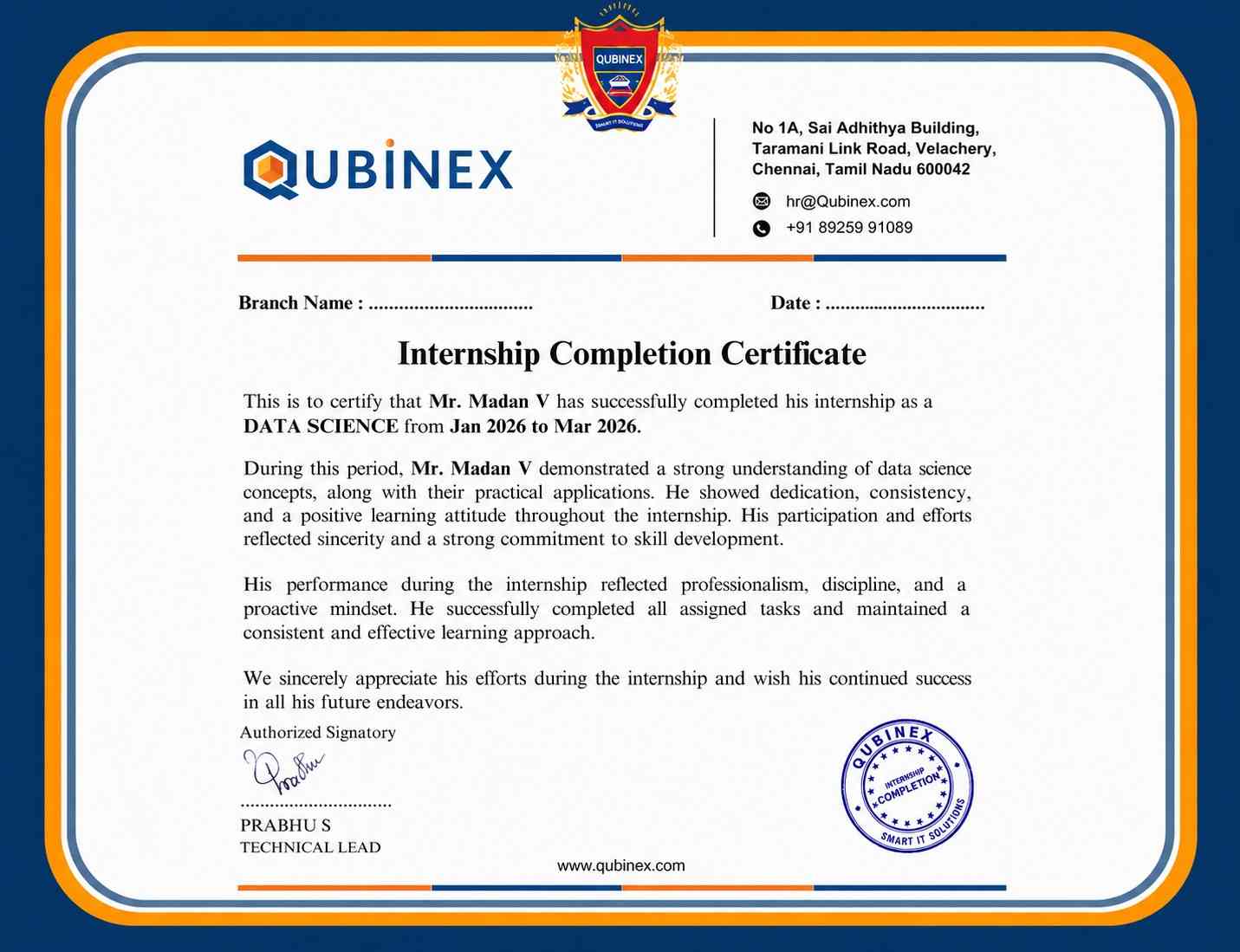
PLC and SCADA Course in Adyar helps validate your skills and knowledge in industrial automation, especially in areas like PLC Programming, SCADA Monitoring, and Process Control.
Yes, the industrial automation industry offers various certifications depending on the software and specialization. These certifications allow professionals to demonstrate expertise in areas like PLC programming, SCADA configuration, HMI development, industrial communication, and more.
Certification does not guarantee a job. Real-world experience and project exposure are often required. Strong technical and troubleshooting skills are essential.
Yes, you can earn certifications in multiple technologies (e.g., Siemens PLC, Allen-Bradley, SCADA). Multi-platform knowledge increases your job market versatility.
Yes, some PLC and SCADA certification exams are available online through secure, proctored platforms. This allows candidates to take assessments remotely while maintaining exam integrity through identity verification and monitoring, depending on the certification provider.
Yes, employers often prefer candidates with practical project experience. Internships or hands-on training during the course can improve your chances. Understanding real industrial processes is a major advantage.
Yes, PLC and SCADA Training Institute in Adyar programs can be a worthwhile investment if you seek structured training with industry relevance.
Frequently Asked Questions
- Yes, PLC and SCADA training offers both classroom and online training options, providing flexibility based on your schedule and learning preferences.
- Typically, the PLC and SCADA course certification duration ranges from 4 to 8 weeks depending on the depth of modules covered and training mode.
- Self-paced learning options may provide greater flexibility, extending the duration based on individual progress.
- Assists students with resume building, mock interviews, and connects them with industrial automation companies.
- The placement team actively follows up and schedules interviews based on the candidate's readiness.
- It provides a course completion certificate which may not be government-recognized but can be accepted by industrial automation companies and recruiters.
- Yes, PLC and SCADA certification in Adyar includes hands-on work on practical automation projects that simulate real industrial scenarios, providing valuable experience.
