
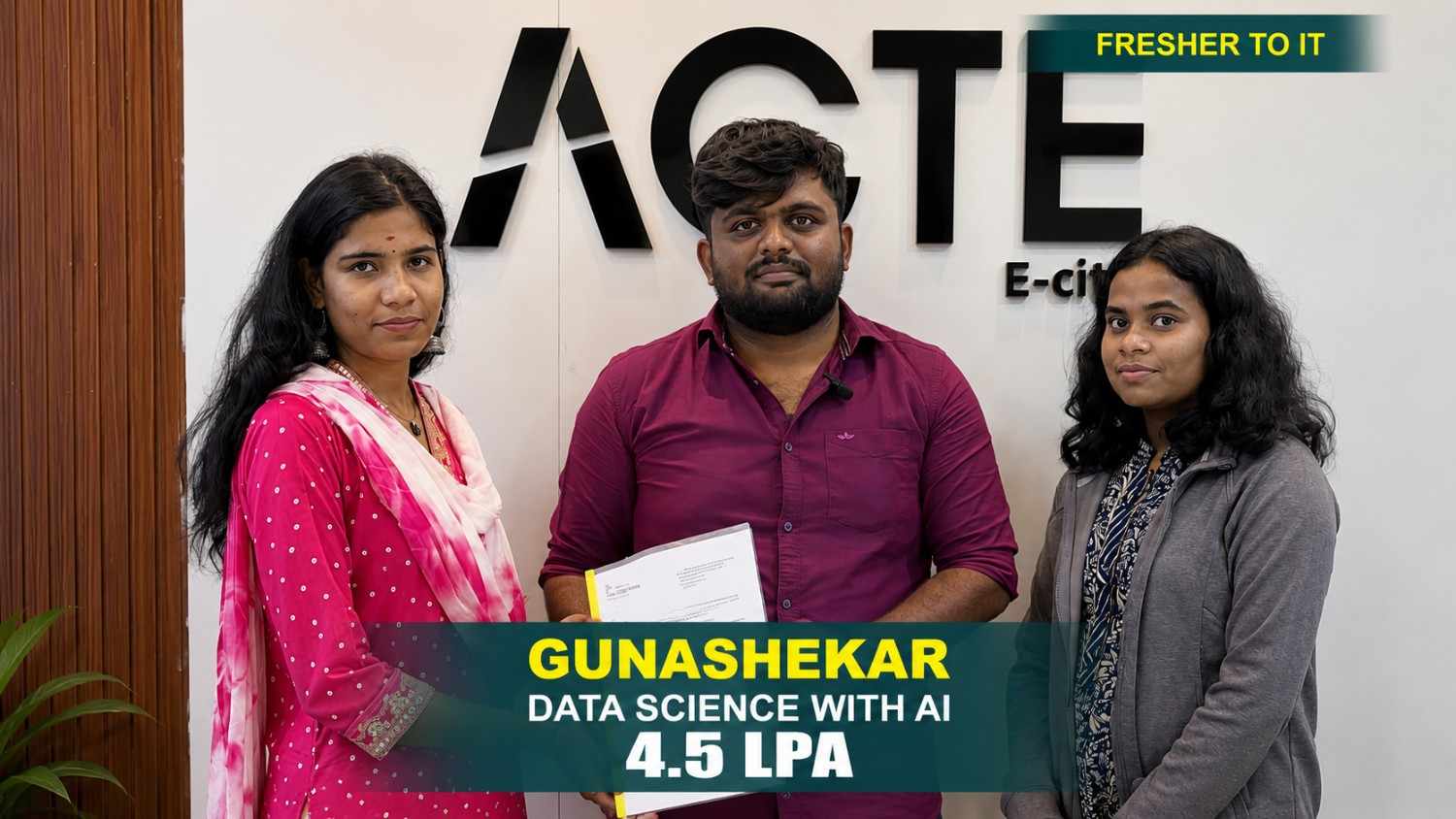
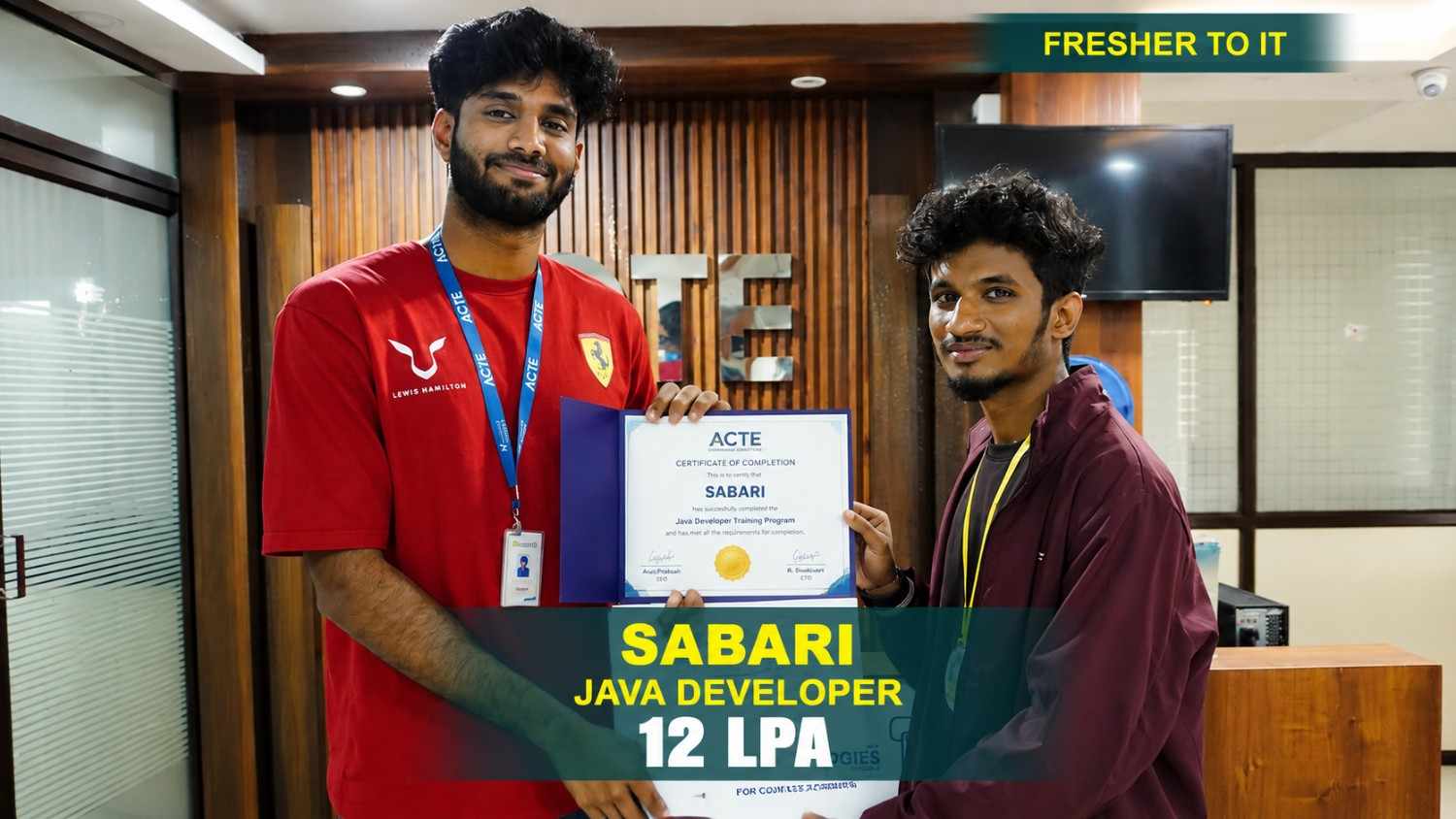
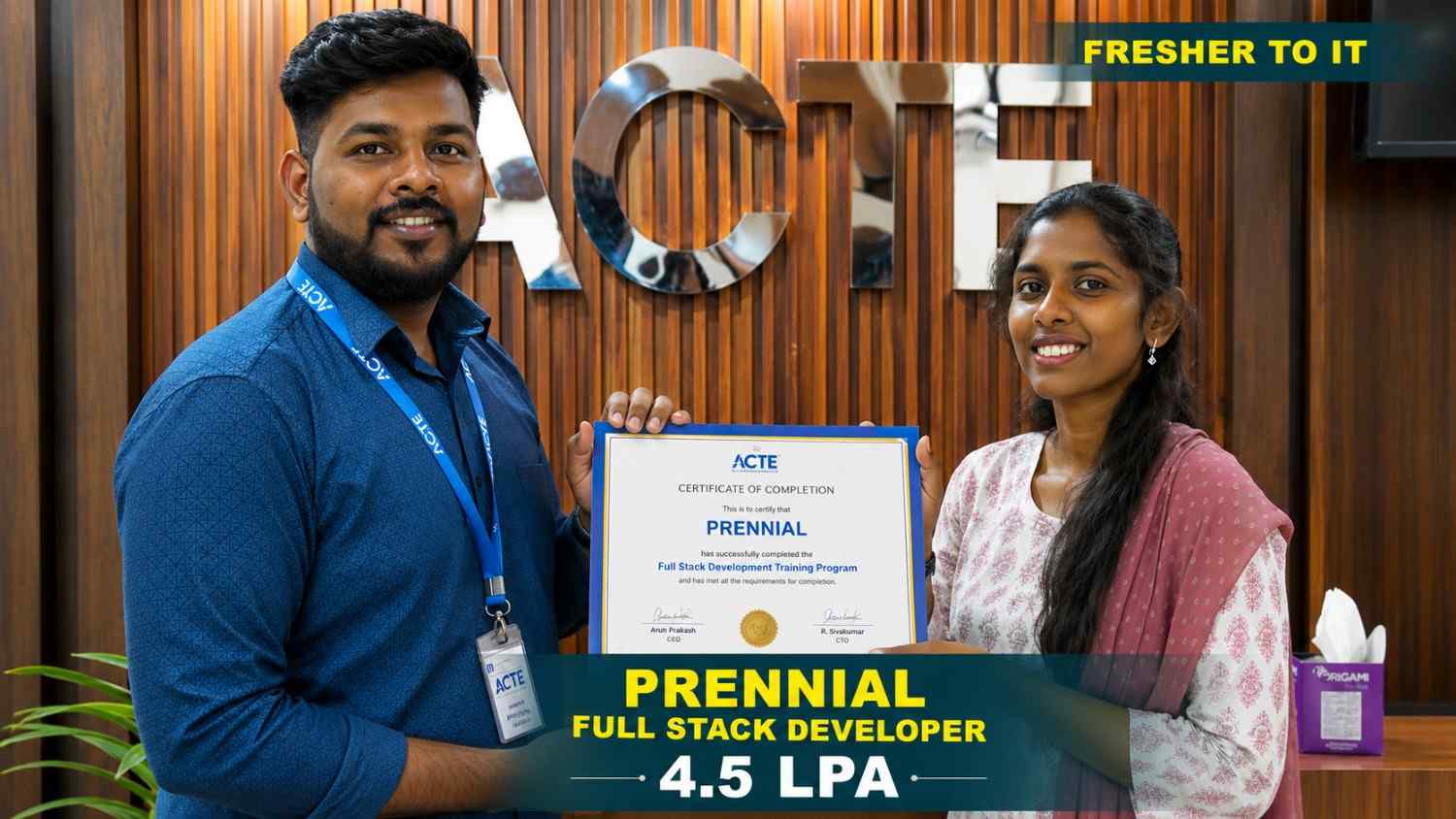
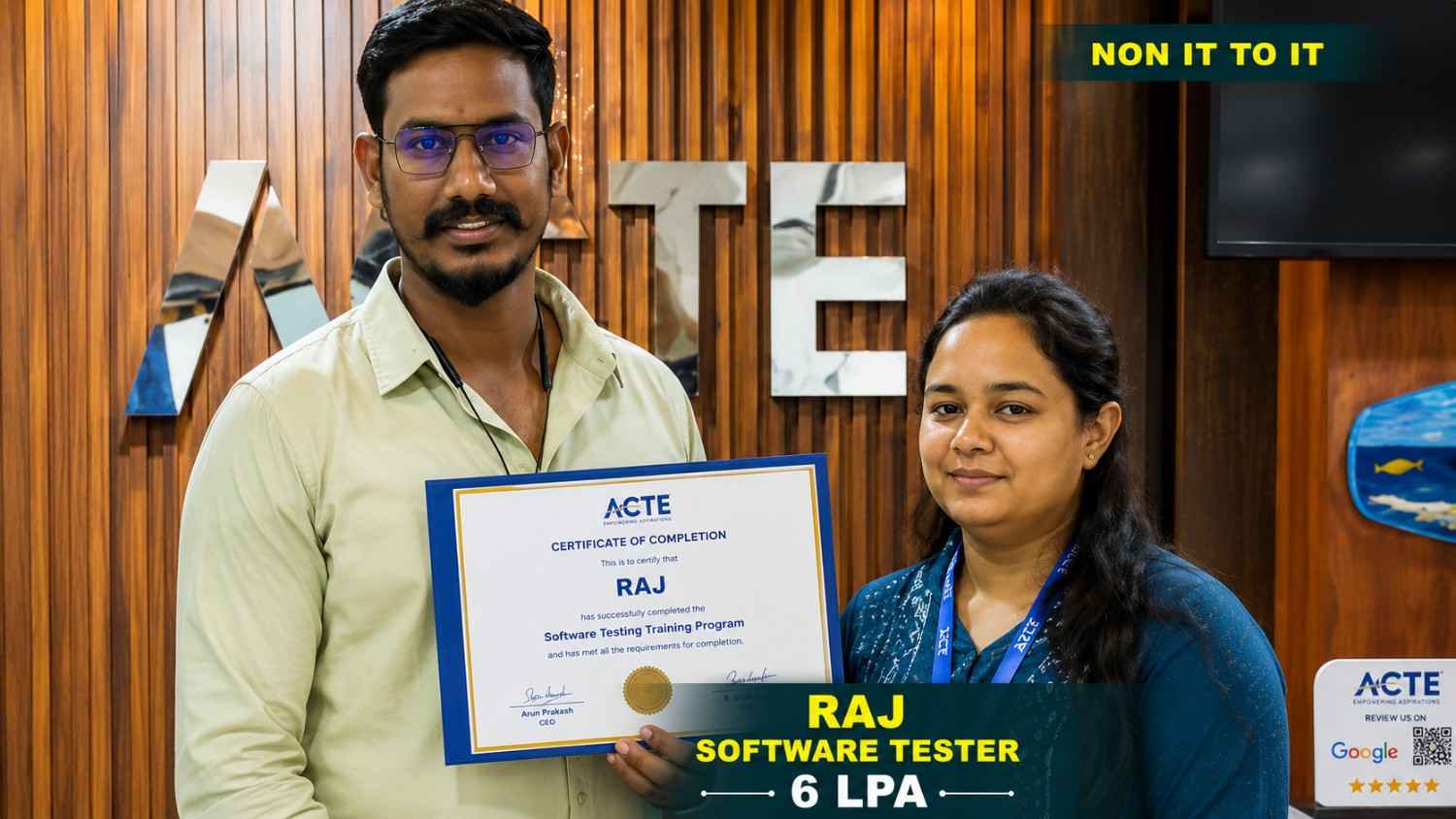
550+ Students Placed Every Month Be The Next!




















Our Hiring Partners

Curriculum Designed By Experts
Expertly designed curriculum for future-ready professionals.
Industry Oriented Curriculum
An exhaustive curriculum designed by our industry experts which will help you to get placed in your dream IT company
-
30+ Case Studies & Projects
-
9+ Engaging Projects
-
10+ Years Of Experience
PLC and SCADA Training Projects
Become a PLC and SCADA Expert With Practical and Engaging Projects.
- Practice essential Tools
- Designed by Industry experts
- Get Real-world Experience
PLC Conveyor Control
Develop a PLC-based conveyor system to control motor operation, detect objects using sensors, and automate material movement while learning industrial sequencing and control logic.
Tank Level Monitoring
Build a tank monitoring system using level sensors, PLC programming, and SCADA visualization to track liquid levels, control pumps, and generate process alerts automatically.
Industrial Temperature
Create a temperature control application using PLC logic, sensors, and HMI screens to monitor readings, regulate heating operations, and understand automated process control effectively.
Automated Bottle Filling
Develop a PLC-based filling system using sensors and valves to identify bottles, regulate filling time, and automate packaging operations through ladder logic programming.
Boiler Process Monitoring
Design a PLC and SCADA system to monitor boiler temperature, pressure, and operating conditions. Configure alarms and displays for effective process supervision and control.
Automated Water Treatment
Build a PLC-controlled water treatment system using sensors, pumps, and valves. Monitor automated filtration stages and display process data through SCADA for efficient operation and monitoring.
Warehouse Control
Create a PLC-based warehouse automation system to manage material movement, track storage levels, and coordinate automated handling operations with sensors and actuators.
Industrial HVAC Automation
Develop a PLC and SCADA system to track air temperature, humidity, and ventilation. Automate equipment functions and present real-time environmental data accurately.
PLC-Based Wastewater
Develop a PLC-controlled treatment process with pumps, sensors, and valves. Track water levels, automate filtration operations, and present system status through SCADA.
Career Support


Placement Assistance

Exclusive access to ACTE Job portal

Mock Interview Preparation

1 on 1 Career Mentoring Sessions

Career Oriented Sessions

Resume & LinkedIn Profile Building
Key Features

Practical Training

Global Certifications

Flexible Timing

Trainer Support

Study Material

Placement Support

Mock Interviews

Resume Building
Upcoming Batches
What's included

 Free Aptitude and
Technical Skills Training
- Learn basic maths and logical thinking to solve problems easily.
- Understand simple coding and technical concepts step by step.
- Get ready for exams and interviews with regular practice.

 Hands-On Projects
- Work on real-time projects to apply what you learn.
- Build mini apps and tools daily to enhance your coding skills.
- Gain practical experience just like in real jobs.

 AI Powered Self
Interview Practice Portal
- Practice interview questions with instant AI feedback.
- Improve your answers by speaking and reviewing them.
- Build confidence with real-time mock interview sessions.

 Interview Preparation
For Freshers
- Practice company-based interview questions.
- Take online assessment tests to crack interviews
- Practice confidently with real-world interview and project-based questions.

 LMS Online Learning
Platform
- Explore expert trainer videos and documents to boost your learning.
- Study anytime with on-demand videos and detailed documents.
- Quickly find topics with organized learning materials.
- Learning strategies that are appropriate and tailored to your company's requirements.
- Live projects guided by instructors are a characteristic of the virtual learning environment.
- The curriculum includes of full-day lectures, practical exercises, and case studies.

PLC and SCADA Training Overview
Gain Industrial Automation Knowledge with PLC and SCADA Training in Hebbal
Industries increasingly depend on automated control systems, accurate process information, and efficient operational workflows to manage everyday manufacturing activities. Through guided practical training, learners explore how PLC and SCADA applications support industrial automation, machine operations, process monitoring, data acquisition, and production management. The PLC and SCADA Internship Course In Hebbal introduces essential PLC concepts, programmable logic controllers, ladder logic programming, input and output configuration, industrial communication, supervisory control, and automation administration using industry-relevant platforms such as Siemens PLC, Allen-Bradley PLC, Human Machine Interface (HMI), SCADA software, and industrial communication protocols. Participants practise developing control programs, configuring workflows, designing monitoring screens, creating integrations, assigning operational access, and monitoring industrial processes across realistic manufacturing situations efficiently. The PLC and SCADA Course Institute also explores data monitoring, reporting improvements, and troubleshooting techniques used within industrial systems. Through guided exercises, automation application labs, and project-based assignments, learners practise developing control workflows, improving production operations, organizing process information, and addressing common automation issues. Additionally, the program strengthens technical capabilities while demonstrating how PLC and SCADA platforms support industrial administration and process planning across various industries and evolving manufacturing requirements while preparing learners for changing workplace expectations and sustained professional success in industrial automation careers.
Build Practical Expertise Through the PLC and SCADA Internship Program
Practical learning helps participants discover how automation professionals configure, deploy, and maintain industrial control applications based on business requirements. The PLC and SCADA Placement Training sessions include practical projects covering PLC configuration, control program development, equipment data management, process handling, system administration, and report generation. Participants complete PLC and SCADA assignments to create control structures, establish automation workflows, develop customized monitoring screens, configure integrations, and extract meaningful insights from industrial datasets. These exercises demonstrate how automation applications enhance operational accuracy, automate machine tasks, safeguard equipment information, and maintain efficient industrial operations. Through guided activities, learners practise working with PLC programming software, adjusting control processes, handling system objects, and testing integration workflows. Project assignments also encourage participants to document configuration updates, investigate errors, validate input and output signals, review monitoring outcomes, and improve solutions based on industrial requirements. Guidance from experienced PLC & SCADA Trainers helps learners gain practical project knowledge showcasing PLC configuration, reporting capabilities, analytical thinking, and understanding of industrial automation practices across different industries and manufacturing environments.
Strengthen Technical Abilities with PLC and SCADA Offline Course
PLC Fundamentals and Industrial Control: Participants explore programmable logic controllers, control functions, input and output devices, industrial hierarchies, and automation information. Practical sessions cover ladder logic, timers, counters, and PLC data management.
Control Process Configuration and Automation: PLC configuration includes program development, input and output mapping, notifications, and safety requirements. Learners practise creating reusable programs, improving machine operations, and handling control exceptions.
PLC Administration and Troubleshooting: Participants learn about controller hardware, communication settings, program policies, operational responsibilities, and access controls. Practical sessions introduce user permissions, data import processes, and administrative procedures.
SCADA Reporting and Performance Optimization: SCADA monitoring applications help learners assess process accuracy and enhance information access. Participants practise customized screens, alarm configurations, industrial analytics, and monitoring performance improvements.
PLC Projects, Integrations, and Maintenance: Learners build practical familiarity with PLC controllers, SCADA software, HMI, and industrial communication frameworks. They practise applying control configurations,validating data accuracy, and performing maintenance tasks.
Discover the Advantages of Enrolling in a PLC and SCADA Course Institute
Building expertise in PLC configuration, workflow automation, reporting, system administration, security, and integrations helps learners understand modern industrial automation applications. The PLC and SCADA Internship Program combines structured guidance with practical exercises and automation projects to illustrate how industrial solutions meet everyday organizational needs. Participants practise developing control processes, generating reports, automating machine tasks, managing system access, and reviewing operational information. Learning activities can include configuration projects, workflow creation exercises, monitoring practice, application troubleshooting, and career preparation support. Experienced Trainers demonstrate how industrial teams manage equipment records, maintain data integrity, simplify operational procedures, and operate effective automated control systems. This comprehensive learning method strengthens configuration knowledge, analytical thinking, troubleshooting capabilities, and industrial application administration skills, helping participants explain technical solutions and apply appropriate methods to different project situations while building professional confidence and practical workplace readiness for rewarding careers in industrial automation technology.
Discover Career Opportunities After PLC and SCADA Internship Course In Hebbal
PLC Programmer: PLC Programmers configure industrial controllers, develop control programs, manage input and output signals, and customize automation applications. Training covers PLC fundamentals, ladder logic, and workflow troubleshooting techniques.
SCADA Engineer: SCADA Engineers create monitoring processes, graphical interfaces, alarm workflows, and security settings to strengthen industrial operations. They use configuration methods, exception handling, and process monitoring solutions.
Industrial Automation Engineer: Industrial Automation Engineers manage equipment access, control settings, integrations, monitoring, and regular system administration. Practical exercises cover system monitoring, permission controls, maintenance tasks, and initial troubleshooting.
Automation Support Analyst: Automation Support Analysts resolve application errors, examine control issues and assist with routine system activities. Practical training introduces diagnostic methods and application support techniques for industrial environments.
SCADA Reporting Analyst: SCADA Reporting Analysts examine monitoring outputs, identify data inconsistencies, and discover ways to enhance reporting. Training covers customized reports, process analytics, industrial data analysis, and reporting improvement techniques.
Career Opportunities After PLC and SCADA Training
PLC and SCADA Engineer
They evaluate industrial automation requirements, develop suitable PLC control solutions, and implement systems in collaboration with production teams they monitor performance to continuously improve
PLC Programming Specialist
Manage PLC programming tasks, ensuring accuracy and reliable operation. Troubleshoot control issues and generate reports. Stay updated with automation technologies and assist with testing and commissioning.
SCADA Training Consultant
A SCADA Training Consultant assesses technical training needs and designs customized learning programs. They deliver practical training sessions on various automation topics like PLC, HMI, and SCADA
Automation Project Lead
The lead develops project plans, manages the implementation of automation systems, and ensures effective operations. They also coordinate with engineers and stakeholders
Industrial Control Analyst
Handle industrial control systems including monitoring, automation, and reporting. Analyze process data to support decisions. Collaborate with engineering teams to implement system improvements.
PLC SCADA Integration Developer
Design and develop integrations between PLCs and SCADA systems using communication protocols and interfaces. Maintain and troubleshoot existing connections to ensure data consistency.
Skill to Master
Ladder Logic
HMI and SCADA
Industrial Communication
PID Control
Analog and Digital Signals
PLC Troubleshooting
Real-Time Data Analysis
Control Panel Wiring
Automation Standards
PLC Sensor Integration
Project Development
Industrial Safety
Tools to Master
Siemens TIA Portal
Allen Bradley Studio 5000
Schneider Electric EcoStruxure
Wonderware InTouch
WinCC Flexible
Factory I/O Simulator
RSLogix 5000
Modbus Protocol Analyzer
Mitsubishi GX Works
Omron CX-One
Indusoft Web Studio
ABB Automation Builder
Learn from certified professionals who are currently working.

Training by
Rishi, having 8 years of experience
Specialized in: PLC Programming, SCADA Configuration, HMI Development, Automation, and Control Systems.
Note: Rishi is recognized for his in-depth knowledge of PLC programming and SCADA configuration, with expertise in developing automation solutions, monitoring industrial processes, and improving system efficiency and reliability.
Premium Training at Best Price
Affordable, Quality Training for Freshers to Launch IT Careers & Land Top Placements.
What Makes ACTE Training Different?
Feature
ACTE Technologies
Other Institutes
Affordable Fees
Competitive Pricing With Flexible Payment Options.
Higher Fees With Limited Payment Options.
Industry Experts
Well Experienced Trainer From a Relevant Field With Practical Training
Theoretical Class With Limited Practical
Updated Syllabus
Updated and Industry-relevant Course Curriculum With Hands-on Learning.
Outdated Curriculum With Limited Practical Training.
Hands-on projects
Real-world Projects With Live Case Studies and Collaboration With Companies.
Basic Projects With Limited Real-world Application.
Certification
Industry-recognized Certifications With Global Validity.
Basic Certifications With Limited Recognition.
Placement Support
Strong Placement Support With Tie-ups With Top Companies and Mock Interviews.
Basic Placement Support
Industry Partnerships
Strong Ties With Top Tech Companies for Internships and Placements
No Partnerships, Limited Opportunities
Batch Size
Small Batch Sizes for Personalized Attention.
Large Batch Sizes With Limited Individual Focus.
LMS Features
Lifetime Access Course video Materials in LMS, Online Interview Practice, upload resumes in Placement Portal.
No LMS Features or Perks.
Training Support
Dedicated Mentors, 24/7 Doubt Resolution, and Personalized Guidance.
Limited Mentor Support and No After-hours Assistance.
We are proud to have participated in more than 40,000 career transfers globally.

PLC and SCADA Certification
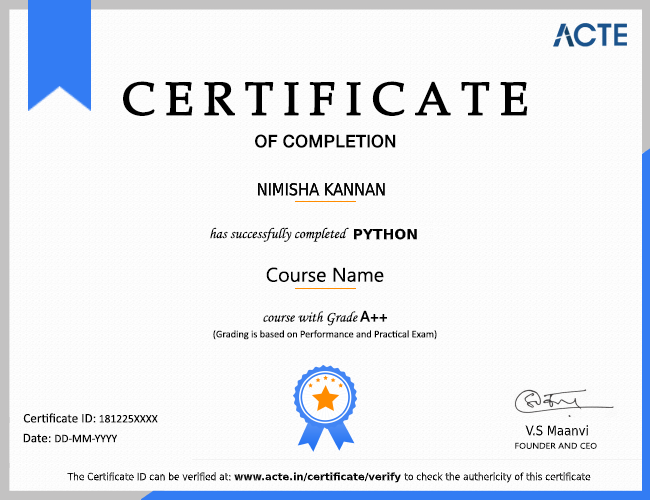

Pursuing PLC and SCADA training course offers you a strategic advantage in rapidly growing industrial automation sector, is a major industrial hub with abundant opportunities.
Most PLC and SCADA training exams require candidates to have a basic understanding of electrical or electronics concepts, programming fundamentals.
While formal PLC and SCADA training can provide the theoretical foundation and simulated practice, real-world experience enhances your understanding of industrial automation.
The PLC and SCADA Course is highly regarded for its comprehensive curriculum, experienced instructors, and hands-on approach. It offers practical exposure to the latest tools and making it ideal for learners aiming to enter the automation industry.
Frequently Asked Questions
- Yes, PLC and SCADA training offers both classroom and online learning options, providing flexibility based on your schedule and learning preferences.
- Typically, the PLC and SCADA course certification duration ranges from 4 to 8 weeks, depending on the modules covered and training mode.
- Self-paced learning options provide additional flexibility, allowing learners to extend the duration according to their progress.
- Assists students with resume preparation, mock interviews, and connections with partner companies.
- The placement team follows up with candidates and schedules interviews based on their readiness.
- The course provides a completion certificate, which may not be government-recognized but can be presented to companies and recruiters as evidence of training.
- Yes, PLC and SCADA training in Hebbal includes practical projects based on industrial applications and real-world scenarios, helping participants gain hands-on experience.
